Strategic Control of Cas9 Expression: A Comprehensive Guide to Minimizing Off-Target Effects in Genome Editing
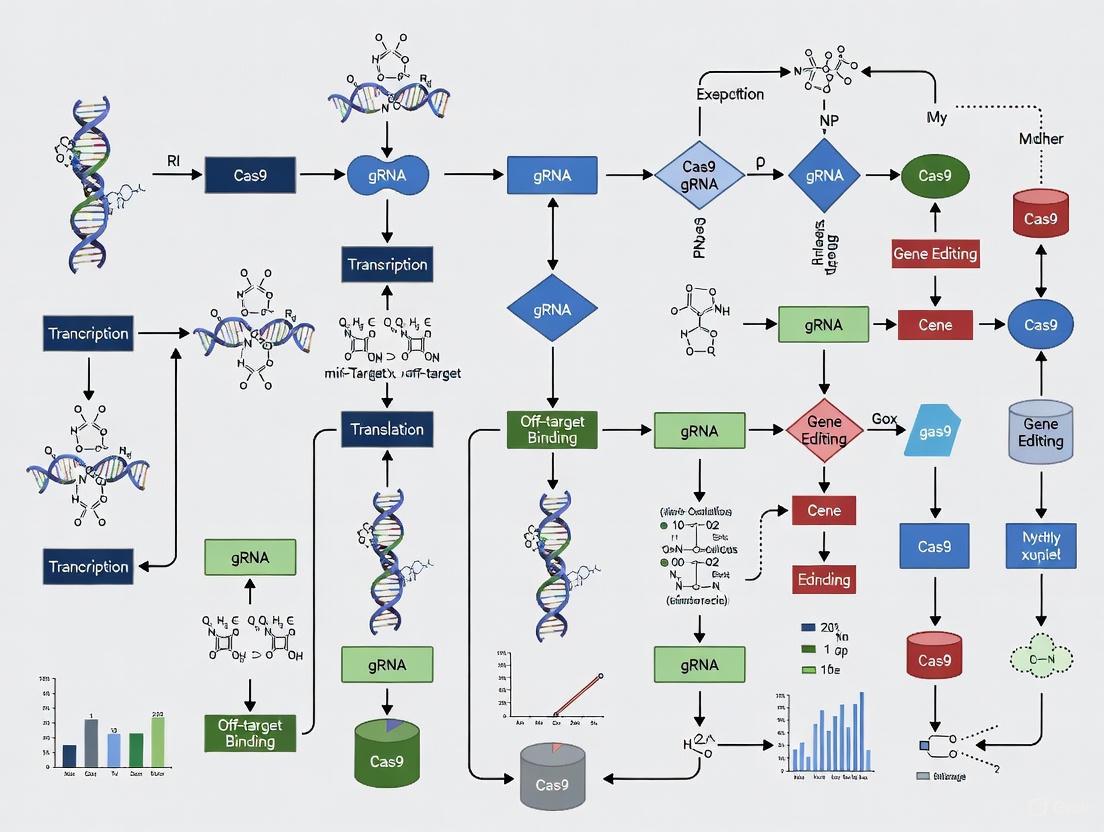
This article provides a detailed examination of strategies to control Cas9 expression for the purpose of minimizing off-target effects in CRISPR-Cas9 genome editing.
Strategic Control of Cas9 Expression: A Comprehensive Guide to Minimizing Off-Target Effects in Genome Editing
Abstract
This article provides a detailed examination of strategies to control Cas9 expression for the purpose of minimizing off-target effects in CRISPR-Cas9 genome editing. Tailored for researchers, scientists, and drug development professionals, it explores the foundational mechanisms behind off-target activity, innovative methodological approaches for temporal and spatial control, optimization and troubleshooting techniques for enhanced specificity, and current validation frameworks for assessing editing precision. The synthesis of recent advances, including light-inducible systems, optimized delivery platforms, and high-fidelity enzymes, offers a critical resource for improving the safety profile of gene editing applications in both research and clinical therapeutics.
Understanding the Off-Target Problem: Mechanisms and Consequences of Uncontrolled Cas9 Activity
The Critical Link Between Cas9 Dosage and Off-Target Effects
Frequently Asked Questions (FAQs)
Q1: Why does Cas9 dosage affect off-target editing? The level and duration of Cas9 expression in cells are directly linked to off-target effects. High, persistent concentrations of Cas9 increase the probability that the nuclease will bind to and cleave DNA at sites with imperfect complementarity to your guide RNA. Using delivery methods that result in transient rather than prolonged Cas9 presence significantly reduces this risk [1] [2].
Q2: What delivery methods best control Cas9 dosage? Ribonucleoprotein (RNP) delivery, using pre-complexed Cas9 protein and guide RNA, offers the most transient activity and is highly recommended for reducing off-target effects. Viral vectors (e.g., lentivirus) that lead to long-term Cas9 expression present the highest risk. Plasmid DNA transfection falls in between but still results in extended presence compared to RNP [1] [2].
Q3: Are there Cas9 variants that can help? Yes, high-fidelity Cas9 variants (e.g., SpCas9-HF1, eSpCas9) are engineered to be less tolerant of mismatches between the guide RNA and target DNA. These variants can significantly reduce off-target activity, though it's important to validate their on-target efficiency for your specific application [3] [1].
Q4: How can I detect off-target effects in my experiments? Multiple methods exist, ranging from targeted to genome-wide approaches.
- Biased Detection: Sequence predicted off-target sites (from tools like Cas-OFFinder) [4].
- Unbiased, Genome-Wide Detection: Use methods like GUIDE-seq (captures double-strand breaks with tagged oligonucleotides) [4] [3], Digenome-seq (sequences Cas9-digested genomic DNA in vitro) [4] [3], or BLESS (directly labels and captures breaks in fixed cells) [4] [3]. Whole genome sequencing (WGS) is the most comprehensive but also the most expensive option [4] [1].
Troubleshooting Guides
Problem: High Off-Target Editing in My Experiment
Potential Cause #1: Prolonged Cas9 Expression The method used to deliver CRISPR components leads to Cas9 being active in cells for too long, increasing the chance of promiscuous activity.
Solution: Switch to a transient delivery method.
- Recommended Protocol: RNP Delivery via Gesicles/Nanovesicles
- Principle: Gesicles are cell-derived nanovesicles pre-loaded with active Cas9 protein already complexed with sgRNA (as an RNP). This delivers the functional complex directly to the cell cytoplasm, leading to rapid editing and rapid degradation of the components, minimizing the window for off-target activity [2].
- Experimental Workflow:
- Produce Gesicles: Transfert "producer" cells (e.g., HEK 293T) with a mix of plasmids encoding Cas9, your target sgRNA (cloned into a specialized vector like pGuide-it-sgRNA1), and vesicle-packaging proteins.
- Harvest Gesicles: Collect the cell culture supernatant containing the secreted gesicles.
- Treat Target Cells: Incubate your target cells with the harvested gesicles in the presence of an enhancer like protamine sulfate.
- Validate Editing: After 48-72 hours, harvest genomic DNA and assess on-target and potential off-target editing via T7E1 assay, targeted sequencing, or other methods [2].
- Supporting Data: A direct comparison editing the EMX1 gene in HEK 293T cells showed that while plasmid transfection and gesicle delivery created equivalent on-target indels, only plasmid delivery caused significant indel formation at a known off-target site. Gesicle delivery resulted in no observable off-target editing at that locus [2].
Solution: Use synthetic, chemically modified sgRNA.
- Principle: Chemically modified synthetic sgRNAs (e.g., with 2'-O-methyl analogs and 3' phosphorothioate bonds) can enhance stability and editing efficiency, allowing for lower effective doses to be used. They have also been shown to reduce off-target effects compared to in vitro transcribed (IVT) guides [1] [5].
Potential Cause #2: Suboptimal Guide RNA (gRNA) Design The selected gRNA sequence has high similarity to multiple genomic sites.
Solution: Meticulously design your gRNA using established tools and principles.
- Use Design Software: Employ tools like CRISPOR, CHOPCHOP, or Synthego's design tool that rank gRNAs based on predicted on-target efficiency and off-target potential [6] [1] [5].
- Key Design Parameters:
- GC Content: Aim for 40-80% for optimal stability and specificity [5].
- Specificity: Select a gRNA sequence with minimal homology to other genomic regions, especially in the "seed" sequence near the PAM [3] [6].
- Avoid Mismatches: Be aware that Cas9 can tolerate up to 3-5 mismatches, particularly outside the seed region, leading to potential off-targets [4] [1].
Problem: Need to Deliver CRISPR In Vivo While Minimizing Off-Targets
Potential Cause: Uncontrolled Systemic Delivery Standard viral vectors (AAV) or plasmid-based delivery for in vivo applications can lead to sustained Cas9 expression in non-target tissues.
Solution: Utilize lipid nanoparticles (LNPs) to deliver mRNA encoding Cas9 and sgRNA.
- Principle: LNPs package mRNA, which is translated into Cas9 protein inside the target cells. This results in a strong but transient pulse of Cas9 activity, as the mRNA and protein are naturally degraded, avoiding long-term persistence. LNPs can also be engineered for tropism to specific organs, most commonly the liver [7] [8].
- Evidence: This approach has been successfully used in clinical trials for in vivo gene editing (e.g., for hereditary transthyretin amyloidosis). The transient nature of the editing components allows for the possibility of re-dosing, which is typically not feasible with viral vectors due to immune reactions [7].
The following table summarizes key experimental findings that demonstrate the impact of delivery method on off-target effects.
Table: Comparison of Cas9 Delivery Methods and Their Impact on Off-Target Effects
| Delivery Method | Cas9 Presence Duration | Relative On-Target Efficiency | Relative Off-Target Effect | Key Evidence |
|---|---|---|---|---|
| Viral Vector (e.g., Lentivirus) | Long-term / Stable | High | Highest | Persistent expression increases off-target risk [1]. |
| Plasmid Transfection | Medium-term (days) | High | High | Significant indel formation observed at off-target sites [2]. |
| Ribonucleoprotein (RNP) | Short-term (hours) | High | Low | Efficient on-target editing with no observable indels at specific off-target loci [2]. |
| Gesicle-Mediated RNP | Short-term (hours) | Equivalent to plasmid | Lowest (Not Detected) | No observable indel formation at an off-target site where plasmid delivery showed activity [2]. |
Experimental Workflow & Logical Relationships
This diagram illustrates the decision pathway for minimizing off-target effects through controlled Cas9 dosage.
Research Reagent Solutions
Table: Essential Reagents for Controlling Cas9 Dosage and Specificity
| Reagent / Tool | Function | Example Use Case |
|---|---|---|
| High-Fidelity Cas9 Variants (e.g., SpCas9-HF1) | Engineered Cas9 protein with reduced mismatch tolerance, lowering off-target cleavage. | Replacing wild-type SpCas9 in editing experiments to enhance specificity without sacrificing on-target efficiency [3] [1]. |
| Synthetic, Chemically Modified sgRNA | Chemically synthesized sgRNA with modifications (e.g., 2'-O-Me) that improve stability and reduce off-target effects. | Using as the guide RNA component in RNP complexes for highly efficient and specific editing [1] [5]. |
| Gesicle Production System | A system for producing cell-derived nanovesicles that deliver pre-assembled Cas9-sgRNA RNP complexes. | For transient, efficient RNP delivery to a broad range of target cells, including those difficult to transfect [2]. |
| Lipid Nanoparticles (LNPs) | Non-viral delivery vehicles that encapsulate and deliver CRISPR mRNA or RNP cargoes in vivo. | For transient in vivo gene editing with reduced risk of persistent off-target activity, particularly for liver targets [7] [8]. |
| Off-Target Detection Kits (e.g., GUIDE-seq, Digenome-seq) | Experimental kits or protocols for genome-wide identification of CRISPR off-target sites. | Validating the safety and specificity of a chosen CRISPR system before proceeding to therapeutic applications [4] [3]. |
Frequently Asked Questions (FAQs)
Q1: What does "mismatch tolerance" mean in the context of CRISPR-Cas9? Mismatch tolerance refers to the ability of the Cas9-sgRNA complex to bind to and cleave DNA sequences that are not perfectly complementary to the guide RNA (gRNA). Even with multiple base-pair mismatches, bulges, or insertions between the gRNA and the target DNA, Cas9 can still sometimes induce a double-strand break at these off-target sites [9] [10].
Q2: Which part of the gRNA is most critical for specific target recognition? The seed sequence, which is the 10-12 nucleotide region at the 3' end of the gRNA (nearest to the PAM), is crucial for specific recognition [9] [10]. Mismatches in this seed region are generally less tolerated and more likely to prevent cleavage. However, mismatches in the PAM-distal region (the 5' end of the gRNA) are more frequently tolerated, leading to off-target effects [9].
Q3: Beyond sequence complementarity, what other factors influence off-target cleavage? Several factors beyond simple base-pairing contribute to off-target activity:
- gRNA Structure: Stable secondary structures in the gRNA itself can hinder efficient binding to the target DNA [11].
- Cas9 "Sliding": The presence of overlapping PAM sequences near the target site can cause Cas9 to "slide" and bind to alternative, competing sites, thereby increasing or decreasing cleavage efficiency [11].
- Cellular Context: Factors like chromatin accessibility, epigenetic modifications, and the presence of DNA repair proteins (e.g., RAD51) can significantly influence editing outcomes [12] [4].
- Enzyme Concentration: High concentrations of Cas9 protein and gRNA can exacerbate off-target effects by favoring binding at less-preferred sites [13].
Q4: What are the primary strategies to minimize off-target effects? Researchers have developed multiple strategies to enhance specificity:
- Use High-Fidelity Cas9 Variants: Engineered versions like SpCas9-HF1 and eSpCas9 have mutations that reduce tolerance for mismatches [14] [10].
- Optimize gRNA Design: Select gRNAs with a specific binding energy profile and avoid those with potential for high-efficiency off-target binding. Truncated gRNAs can also improve specificity [10] [11].
- Control Cas9 Expression: Transiently expressing Cas9 (using RNA or protein instead of DNA plasmids) limits the window of time for off-target activity and reduces the risk of persistent, unwanted editing [13] [7].
- Use Computational Prediction Tools: In silico tools (e.g., Cas-OFFinder, DeepCRISPR) help predict potential off-target sites before an experiment, allowing for the selection of better gRNAs [9] [4].
Troubleshooting Guides
Problem: High Off-Target Editing in My Experiments
Potential Causes and Solutions:
- Cause 1: The selected sgRNA has high similarity to multiple genomic loci.
- Cause 2: Prolonged or high-level expression of Cas9 nuclease.
- Solution: Shift from plasmid-based delivery to transient delivery methods. Using Cas9 ribonucleoprotein (RNP) complexes — where the Cas9 protein is pre-complexed with the sgRNA — significantly reduces the half-life of the nuclease in cells, curtailing off-target activity while maintaining high on-target efficiency [13] [10].
- Cause 3: Use of a standard, non-optimized Cas9 nuclease.
Problem: Inconsistent On-Target Efficiency
Potential Causes and Solutions:
- Cause 1: The sgRNA has an unfavorable binding free energy or strong self-folding that impedes DNA binding.
- Solution: Utilize energy-based models for sgRNA design. These models identify sgRNAs with an optimal "sweet spot" of binding free energy—neither too weak nor too strong—to maximize on-target cleavage [11]. Avoid sgRNAs with high self-folding energy.
- Cause 2: Local competition from overlapping PAMs (Cas9 sliding).
- Solution: When designing targets, analyze the sequence context for the presence of adjacent, overlapping PAMs (both upstream and downstream). An upstream alternative PAM can increase efficiency, while a downstream one can decrease it. Adjust your target site selection accordingly [11].
Key Experimental Protocols for Off-Target Assessment
Thoroughly validating the specificity of your gene-editing experiments is crucial. Below are detailed methodologies for key off-target detection techniques.
Protocol 1: GUIDE-seq (Genome-wide, Unbiased Identification of DSBs Enabled by Sequencing)
- Principle: This cell-based method captures double-strand breaks (DSBs) by integrating short, double-stranded oligodeoxynucleotides (dsODNs) into the break sites during repair. These integrated tags then serve as primers for sequencing to map all DSB locations genome-wide [4] [10].
- Steps:
- Co-transfect cells with your Cas9/sgRNA expression constructs and the proprietary GUIDE-seq dsODN tag.
- Harvest genomic DNA 2-3 days post-transfection.
- Fragment the DNA and perform library preparation for next-generation sequencing (NGS) using primers specific to the integrated dsODN tag.
- Bioinformatic Analysis: Map the sequenced reads back to the reference genome to identify all sites of integration, which correspond to both on-target and off-target DSBs.
- Advantages: Highly sensitive, genome-wide, and relatively low false-positive rate [4].
- Disadvantages: Limited by transfection efficiency and the need for dsODN incorporation [4].
Protocol 2: CIRCLE-seq (Circularization for In Vitro Reporting of Cleavage Effects by Sequencing)
- Principle: An in vitro, biochemical method that uses circularized genomic DNA as a substrate for Cas9 cleavage. It is exceptionally sensitive for detecting low-frequency off-target sites [4] [10].
- Steps:
- Extract and Shear genomic DNA from your cell type of interest.
- Circularize the sheared DNA fragments using DNA ligase.
- Incubate the circularized DNA library with pre-assembled Cas9-sgRNA ribonucleoprotein (RNP) complexes.
- Linearize the DNA at the Cas9 cleavage sites.
- Sequence the linearized fragments and map them to the genome to identify potential off-target sites.
- Advantages: Ultra-high sensitivity, can detect off-targets independent of cellular context or repair mechanisms, no transfection required [4].
- Disadvantages: Being an in vitro assay, it may predict sites that are not cleaved in cells due to chromatin inaccessibility [4].
Protocol 3: Digenome-seq (In Vitro Digestion of Genomic DNA for Sequencing)
- Principle: This method involves digesting purified, high-molecular-weight genomic DNA with Cas9-sgRNA RNP complexes in a test tube. The cleaved DNA is then sequenced, and the resulting reads are aligned to a reference genome to find cleavage sites [10].
- Steps:
- Isate high-quality genomic DNA.
- Perform in vitro digestion with Cas9-sgRNA RNP.
- Sequence the entire genome (whole-genome sequencing) of both the digested and undigested control DNA.
- Bioinformatic Analysis: Identify sites with a high concentration of sequence read beginnings, which indicate Cas9 cleavage.
- Advantages: Genome-wide, sensitive, and not limited by cellular delivery [4].
- Disadvantages: Requires high sequencing coverage, can be expensive, and lacks cellular context like chromatin accessibility [4].
Data Presentation: Comparison of Off-Target Detection Methods
The table below summarizes the key characteristics of major off-target detection methods to help you select the most appropriate one for your experimental needs [4] [10].
Table 1: Comparison of Genome-Wide Off-Target Detection Methods
| Method | Principle | Detection Context | Key Advantages | Key Limitations |
|---|---|---|---|---|
| GUIDE-seq | Integration of dsODN tags into DSBs | In Vivo (Cells) | High sensitivity; low false positive rate | Requires efficient dsODN delivery/insertion |
| CIRCLE-seq | Sequencing of Cas9-cleaved, circularized DNA | In Vitro (Cell-Free) | Ultra-high sensitivity; minimal background | May detect biologically irrelevant sites |
| Digenome-seq | WGS of Cas9-digested genomic DNA | In Vitro (Cell-Free) | Highly sensitive; no delivery bias | Expensive (high sequencing depth); no chromatin context |
| BLISS | Direct in situ capture and labeling of DSBs | In Vivo (Cells/Fixed Tissue) | Captures DSBs in situ; works with low input | Only provides a snapshot at time of fixation |
| SITE-seq | Biotinylation and enrichment of Cas9-cleaved ends | In Vitro (Cell-Free) | Eliminates background noise; no reference genome needed | Lower validation rate compared to other methods |
Visualization of Key Concepts
Diagram 1: The Free Energy "Sweet Spot" for gRNA Efficiency
This diagram illustrates the relationship between gRNA-DNA binding free energy (ΔG) and CRISPR-Cas9 cleavage efficiency, explaining why both very weak and very strong binding can be detrimental to on-target activity [11].
Diagram 2: The Mechanism of Cas9 "Sliding" on Overlapping PAMs
This diagram shows how the presence of overlapping Protospacer Adjacent Motifs (PAMs) can cause Cas9 to "slide" from its intended target site, leading to either increased or decreased cleavage efficiency at the on-target site [11].
Table 2: Key Research Reagent Solutions for Mitigating Off-Target Effects
| Reagent / Tool Category | Specific Examples | Primary Function in Off-Target Mitigation |
|---|---|---|
| High-Fidelity Cas9 Variants | SpCas9-HF1 [10], eSpCas9(1.1) [10], HiFi Cas9 [14] | Engineered proteins with reduced mismatch tolerance; require more perfect complementarity for activation. |
| Cas9 Nickases & Double Nickase Systems | Cas9n (D10A mutant) [10] | Creates single-strand breaks instead of DSBs; using two offset nickases reduces off-targets by requiring two independent binding events for a DSB. |
| Computational Prediction & gRNA Design Tools | Cas-OFFinder [4], DeepCRISPR [9] [4], CCTop [4] | In silico platforms to nominate potential off-target sites and score gRNAs for both on-target efficiency and off-target risk before experimental testing. |
| Off-Target Detection Kits & Assays | GUIDE-seq [4] [10], CIRCLE-seq [4] [10] | Standardized commercial kits or established protocols for genome-wide, unbiased identification of CRISPR-induced DSBs. |
| Delivery Modalities for Controlled Expression | Cas9 mRNA, Recombinant Cas9 Protein (for RNP formation) [10] | Enables transient expression of Cas9, shortening its active window in cells and thereby reducing the probability of off-target editing. |
| Next-Generation AI-Designed Editors | OpenCRISPR-1 [15] | De novo designed editors generated by machine learning, which can exhibit novel properties such as high specificity and activity distinct from natural Cas9. |
PAM Sequence Interactions and Their Role in Target Specificity
Frequently Asked Questions (FAQs)
1. What is a PAM sequence and why is it critical for CRISPR-Cas9 experiments? The Protospacer Adjacent Motif (PAM) is a short, conserved DNA sequence (typically 2-6 base pairs) located directly next to the target DNA sequence (protospacer) that the Cas nuclease, such as Cas9, requires for activation [16] [17]. Its primary role is to allow the CRISPR system to distinguish between "self" (the bacterial's own genome, which lacks PAMs adjacent to spacer sequences) and "non-self" (invading viral DNA) [17] [18]. For an experiment, if the correct PAM is not present immediately downstream of your target site, the Cas9 enzyme will not bind or cleave the DNA, making PAM identification the first essential step in guide RNA (gRNA) design [19].
2. How does PAM recognition influence target specificity and off-target effects? PAM recognition is the initial and prerequisite step for DNA cleavage [20]. When Cas9 identifies the correct PAM sequence, it triggers local destabilization of the adjacent DNA duplex, allowing the gRNA to interrogate the sequence for complementarity [20] [16]. This mechanism is central to specificity. However, the wild-type Cas9 from Streptococcus pyogenes (SpCas9) can sometimes tolerate non-canonical PAM sequences (like NAG instead of NGG) or cleave at sites with mismatches in the target sequence, leading to off-target effects [1] [21]. The stringency of PAM recognition is therefore a major factor controlling where editing can occur.
3. The genomic region I want to edit lacks an NGG PAM. What are my options? The absence of a canonical PAM for SpCas9 (5'-NGG-3') is a common limitation. Your main alternatives are:
- Use an alternative Cas nuclease: Many Cas enzymes from different bacterial species recognize distinct PAM sequences [17] [22]. For example, SaCas9 recognizes NNGRRT, and Cas12a (Cpf1) recognizes TTTV [17] [23].
- Use engineered, "PAM-flexible" Cas9 variants: Several SpCas9 variants have been engineered to recognize alternative PAMs, greatly expanding the targeting range. Notable examples include VQR (NGAN/NGNG), VRER (NGCG), and the near-PAMless SpRY (NRN/NYN) [22] [23].
4. How can I modify my experimental design to minimize PAM-dependent off-target editing? Minimizing off-targets involves a multi-faceted approach focused on controlling Cas9 activity and enhancing specificity:
- gRNA Optimization: Carefully design your gRNA to ensure it is unique in the genome. Use design tools to predict and avoid gRNAs with potential off-target sites. Strategies include using truncated gRNAs or ensuring an optimal GC content (40-60%) [1] [21].
- Select High-Fidelity Cas Enzymes: Replace wild-type SpCas9 with high-fidelity variants like eSpCas9(1.1), SpCas9-HF1, or HypaCas9, which are engineered to have reduced off-target activity while maintaining on-target efficiency [21] [22].
- Utilize Cas9 Nickases: Employ a dual gRNA system with Cas9 nickase (Cas9n), which makes single-strand breaks. A double-strand break is only created when two nickases bind in close proximity on opposite strands, dramatically increasing specificity [21] [22].
- Control Cas9 Expression and Delivery: Use delivery methods that result in short, transient expression of the CRISPR components (e.g., Ribonucleoprotein (RNP) complexes) rather than long-term expression from plasmids, which reduces the window for off-target activity [1].
Troubleshooting Guide: Addressing PAM and Specificity Issues
| Problem | Possible Cause | Solution |
|---|---|---|
| No editing at the intended target site | No correct PAM sequence adjacent to the target. | Verify the genomic sequence for a canonical PAM (NGG for SpCas9) 3-4 bp downstream of your gRNA binding site. If absent, switch to an alternative Cas nuclease or a PAM-flexible variant [17] [23]. |
| Unexpectedly low editing efficiency | The chosen PAM is suboptimal. | Some PAMs, like NAG for SpCas9, are weakly permissive and yield lower efficiency [20]. Redesign gRNAs to use canonical, high-efficiency PAMs like NGG. |
| High off-target editing activity | Wild-type Cas9 tolerates mismatches, especially in the PAM-distal region. | 1. Re-design the gRNA to have a higher specificity score.2. Switch to a high-fidelity Cas9 variant (e.g., SpCas9-HF1) [21] [22].3. Deliver pre-assembled RNP complexes for transient activity [1]. |
| Difficulty targeting AT-rich genomic regions | SpCas9's NGG PAM is GC-rich. | Use Cas12a (Cpf1), which has a TTTV PAM and is better suited for AT-rich regions [17] [23]. |
Reference Tables for Cas Nucleases and PAMs
Table 1: Common Cas Nucleases and Their PAM Sequences
| Cas Nuclease | Source Organism | PAM Sequence (5' to 3') | Key Features |
|---|---|---|---|
| SpCas9 | Streptococcus pyogenes | NGG | The most widely used nuclease; broad targeting [16] [17] |
| SaCas9 | Staphylococcus aureus | NNGRRT (or NNGRRN) | Smaller size than SpCas9; suitable for AAV delivery [17] [23] |
| Cas12a (Cpf1) | Lachnospiraceae bacterium (Lb) | TTTV | Creates "sticky ends"; good for AT-rich regions [17] [23] |
| NmeCas9 | Neisseria meningitidis | NNNNGATT | Lower off-target editing reported [23] |
| xCas9 3.7 | Engineered (SpCas9) | NG, GAA, GAT | Broad PAM compatibility, increased fidelity [22] [23] |
| SpRY | Engineered (SpCas9) | NRN (preferred), NYN | Near-PAMless; vastly expanded targeting range [22] [23] |
Table 2: Engineered High-Fidelity SpCas9 Variants
| Variant Name | Key Mechanism for Reducing Off-Targets |
|---|---|
| eSpCas9(1.1) | Weakened interactions with the non-target DNA strand, reducing tolerance for mismatches [22]. |
| SpCas9-HF1 | Disrupted interactions with the DNA phosphate backbone, requiring more perfect complementarity for cleavage [21] [22]. |
| HypaCas9 | Enhanced proofreading and discrimination capability during target recognition [22]. |
| Sniper-Cas9 | Demonstrated lower off-target activity and is compatible with truncated gRNAs [22]. |
Experimental Protocol: Validating PAM Specificity and Off-Target Effects
Objective: To experimentally confirm the specificity of your CRISPR-Cas9 system and profile potential off-target edits in your cell model.
Materials:
- Research Reagent Solutions:
- Alt-R CRISPR-Cas9 System: A commercial system offering synthetic gRNAs and purified Cas9 protein for RNP formation [19].
- High-Fidelity Cas9 Variants: Plasmids or proteins for SpCas9-HF1 or eSpCas9(1.1) [22].
- Next-Generation Sequencing (NGS) Library Prep Kit: For deep sequencing of on-target and predicted off-target loci.
- GUIDE-seq or CIRCLE-seq Reagents: For genome-wide, unbiased identification of off-target sites [1] [21].
Methodology:
- In Silico Off-Target Prediction:
- Use bioinformatics tools (e.g., CRISPOR) with your gRNA sequence to generate a list of potential off-target sites across the genome. These sites typically have sequence homology to the gRNA but may contain mismatches, especially in the PAM-distal region, or use non-canonical PAMs (e.g., NAG) [1].
Cell Transfection and Editing:
- Transfert your cells with the CRISPR constructs (e.g., plasmid expressing Cas9/gRNA or pre-assembled RNP complexes). Include a negative control (e.g., cells treated with a non-targeting gRNA).
- For specificity comparison, perform parallel transfections using wild-type SpCas9 and a high-fidelity variant like SpCas9-HF1.
Genomic DNA Harvesting:
- After 48-72 hours, harvest genomic DNA from the edited and control cells.
Analysis of Editing Outcomes:
- On-Target Efficiency: Design PCR primers flanking the intended target site. Amplify the region and quantify the indel frequency using T7 Endonuclease I assay or by sequencing (e.g., Sanger sequencing analyzed with ICE [Inference of CRISPR Edits] tool or NGS) [1].
- Off-Target Profiling:
- Targeted Sequencing: Amplify the genomic regions corresponding to the top in silico predicted off-target sites from step 1 and subject them to deep sequencing. Compare the indel frequencies in treated vs. control samples [1].
- Unbiased Genome-Wide Screening (Advanced): For a comprehensive profile, use methods like GUIDE-seq, where a double-stranded oligodeoxynucleotide tag is integrated into DSBs made by Cas9, allowing for their genome-wide identification and sequencing [1] [21].
Data Interpretation:
- Confirm that your primary gRNA achieves high on-target efficiency (>50% is often desirable).
- A high-quality, specific experiment will show minimal to no editing at the predicted off-target loci, especially when using high-fidelity Cas9 variants. The use of RNP complexes should also show a reduction in off-targets compared to plasmid-based delivery.
The Scientist's Toolkit: Essential Reagents for CRISPR Specificity Research
| Item | Function in the Context of Minimizing Off-Targets |
|---|---|
| Synthetic gRNAs with Chemical Modifications | Chemically modified gRNAs (e.g., with 2'-O-methyl analogs) can increase stability and reduce off-target effects while maintaining on-target activity [1] [21]. |
| High-Fidelity Cas9 Proteins | Engineered Cas9 variants (e.g., SpCas9-HF1, eSpCas9) are key reagents designed to drastically reduce cleavage at off-target sites with mismatches [21] [22]. |
| Cas9 Nickase (Cas9n) | A Cas9 mutant that cuts only one DNA strand. Using two nickases with paired gRNAs to create a double-strand break significantly improves specificity and is a core strategy for therapeutic development [21] [22]. |
| Ribonucleoprotein (RNP) Complexes | Pre-complexing Cas9 protein with gRNA before delivery into cells leads to rapid editing and rapid degradation of the components, minimizing the time for off-target activity—a crucial consideration for clinical applications [1]. |
| Prime Editing Systems | A "search-and-replace" technology that uses a Cas9 nickase fused to a reverse transcriptase and a prime editing guide RNA (pegRNA). It can install precise edits without creating double-strand breaks, thereby virtually eliminating off-target effects associated with traditional Cas9 cleavage [21]. |
PAM Recognition and Off-Target Effects Diagram
Frequently Asked Questions (FAQs)
Q1: What are the primary safety concerns associated with CRISPR-Cas9 off-target effects in a therapeutic context?
The primary safety concerns stem from the potential for unintended DNA alterations at sites other than the intended target. These off-target edits can lead to:
- Genomic Instability: The introduction of double-strand breaks (DSBs) at off-target sites can disrupt the structural integrity of the genome [4] [24].
- Oncogenesis: This is the most critical risk. If an off-target edit occurs within a tumor suppressor gene (inactivating it) or an oncogene (activating it), it could initiate or promote cancerous growth [14] [1]. This risk is elevated with certain HDR-enhancing strategies, as the inhibition of DNA-PKcs has been shown to exacerbate large-scale chromosomal aberrations, including megabase-scale deletions and translocations [14].
- Confounded Experimental Results: In research, off-target effects can create phenotypes that are misinterpreted, leading to invalid conclusions about gene function [25] [1].
Q2: Beyond simple insertions or deletions (indels), what more complex genomic damage can CRISPR editing cause?
Recent studies reveal that CRISPR-induced DSBs can lead to large and complex structural variations (SVs) that are undetectable by standard short-read sequencing. These include [14]:
- Kilobase- to Megabase-scale deletions at the on-target site.
- Chromosomal translocations between the on-target site and an off-target site, or between two off-target sites.
- Chromosomal losses or truncations.
- Chromothripsis, a catastrophic event where chromosomes are shattered and rearranged.
These SVs are a more pressing safety concern than single indels because they can delete multiple genes or critical regulatory elements at once, with profound and unpredictable consequences [14].
Q3: How does controlling Cas9 expression help minimize off-target effects?
Controlling the concentration and duration of Cas9 activity within the nucleus is a fundamental strategy for reducing off-target effects. Transient, controlled expression limits the window of opportunity for the Cas9 nuclease to bind and cleave at off-target sites with partial sequence similarity [26] [1].
- Inducible Systems (e.g., iCas9): Using systems where Cas9 expression is induced by a molecule like doxycycline allows researchers to precisely control the timing and duration of editing activity [26].
- Avoiding Plasmid DNA: Delivering pre-assembled Cas9 ribonucleoprotein (RNP) complexes (Cas9 protein + guide RNA) leads to rapid editing and degradation, minimizing the persistent presence of active Cas9 that contributes to off-target effects [1].
Q4: What are the best methods to detect these large structural variations and off-target effects?
A combination of methods is often required for a comprehensive safety assessment. The choice of method depends on whether the analysis is hypothesis-driven or discovery-based.
Table 1: Methods for Detecting Off-Target Effects and Structural Variations
| Method | Principle | Advantages | Disadvantages | Best For |
|---|---|---|---|---|
| Candidate Site Sequencing [25] [1] | Sequencing specific genomic loci predicted by algorithms to be potential off-targets. | Low cost, simple, good for validating in silico predictions. | Limited to known/predicted sites; will miss unpredicted off-targets. | Initial, targeted screening. |
| GUIDE-seq [4] | Captures DSB sites by integrating a double-stranded oligodeoxynucleotide tag during repair. | Highly sensitive, genome-wide, low false-positive rate. | Limited by transfection efficiency; requires NHEJ for integration [4] [25]. | Unbiased genome-wide off-target discovery. |
| CIRCLE-seq [4] | A cell-free method that uses circularized, sheared genomic DNA incubated with Cas9 RNP. | Highly sensitive, can be performed without cell culture. | Biochemical method that may not reflect cellular chromatin state. | Comprehensive, biochemical off-target profiling. |
| CAST-Seq / LAM-HTGTS [14] | Specifically designed to detect chromosomal rearrangements and translocations. | Accurately identifies structural variations like translocations. | Primarily focuses on DSB-caused translocations [4] [14]. | Assessing risk of major genomic rearrangements. |
| Whole Genome Sequencing (WGS) [4] [1] | Sequencing the entire genome of edited cells and comparing it to unedited controls. | Most comprehensive method; can detect all mutation types. | Very expensive, requires high sequencing depth and complex bioinformatics. | Gold-standard for clinical trial material and final safety assessment. |
Troubleshooting Guides
Problem: High Off-Target Editing in My Experiment
Potential Causes and Solutions:
Cause: Poorly designed guide RNA (gRNA) with high similarity to multiple genomic sites.
- Solution: Re-design gRNAs using in silico tools (e.g., CRISPOR, CCTop) that predict off-target propensity. Select gRNAs with high specificity scores, high GC content, and minimal potential off-target sites with 3 or fewer mismatches [4] [25] [1].
- Protocol: Use the Benchling platform or CRISPOR tool. Input your target sequence and select for gRNAs with the highest "off-target score" or lowest "CFD off-target score". Synthesize and test the top 2-3 candidate gRNAs.
Cause: Use of a standard, promiscuous Cas9 nuclease.
- Solution: Switch to a high-fidelity Cas9 variant.
- Protocol: Replace wild-type SpCas9 with engineered variants such as HypaCas9, eSpCas9(1.1), or SpCas9-HF1. These variants have mutations that reduce tolerance for gRNA:DNA mismatches, drastically lowering off-target cleavage while maintaining good on-target activity [4] [25] [1].
Cause: Prolonged Cas9 expression.
- Solution: Implement a tightly controlled Cas9 expression system.
- Protocol: Use an inducible Cas9 system (e.g., iCas9). Transfert your cells and induce Cas9 expression with a precise concentration of doxycycline (e.g., 1 µg/mL) for a limited time (e.g., 24-48 hours) rather than using a constitutively active promoter [26]. Alternatively, deliver CRISPR components as RNP complexes via nucleofection for the most transient activity [26] [1].
Problem: Suspected Large Structural Variations After Editing
Cause: The editing conditions, particularly the use of DNA repair modulators, may promote large-scale aberrations.
- Solution: Avoid or carefully titrate small molecule inhibitors of the NHEJ pathway (e.g., DNA-PKcs inhibitors like AZD7648) that are used to enhance HDR, as they have been shown to dramatically increase the frequency of megabase-scale deletions and chromosomal translocations [14].
- Detection Protocol: Standard short-read amplicon sequencing will not detect these large events. To screen for SVs:
- Design PCR primers that flank your target site at a distance (e.g., 1-2 kb on either side).
- Perform long-range PCR on genomic DNA from edited cells.
- Analyze the products using gel electrophoresis. A smaller-than-expected PCR product indicates a large deletion. For comprehensive, unbiased detection, utilize CAST-seq or LAM-HTGTS methodologies [14].
Experimental Protocols for Off-Target Assessment
Protocol 1: Rapid Off-Target Validation via Candidate Site Sequencing
This is a cost-effective method for validating the top potential off-target sites nominated by prediction software [25] [1].
- Input: List of top 10-20 potential off-target sites from CCTop or Cas-OFFinder analysis.
- PCR Amplification: Design primers to amplify each candidate locus from genomic DNA of edited and control cells.
- Sequencing: Perform Sanger sequencing of the PCR products.
- Analysis: Use tools like ICE (Inference of CRISPR Edits) or TIDE (Tracking of Indels by Decomposition) to quantify the INDEL frequency at each candidate site. An INDEL frequency significantly above background (e.g., >0.1%) in the edited pool indicates an off-target effect [26].
Protocol 2: Workflow for Comprehensive Off-Target and SV Analysis
This workflow integrates multiple methods for a thorough safety profile, as recommended for therapeutic development [14] [1].
The Scientist's Toolkit: Research Reagent Solutions
Table 2: Essential Reagents for Controlling Cas9 Expression and Minimizing Off-Targets
| Reagent / Tool | Function | Key Consideration |
|---|---|---|
| Inducible Cas9 System (e.g., iCas9) [26] | Allows precise temporal control of Cas9 expression via an inducer (e.g., doxycycline). | Enables short, pulsed expression to limit off-target activity while maintaining high on-target editing. |
| High-Fidelity Cas9 Variants (e.g., SpCas9-HF1, eSpCas9) [25] [1] | Engineered versions of Cas9 with reduced tolerance for gRNA:DNA mismatches. | Directly reduces off-target cleavage; some variants may have slightly reduced on-target efficiency. |
| Chemically Modified Synthetic gRNA [26] [1] | gRNAs with 2'-O-methyl and 3' phosphorothioate modifications to enhance stability and specificity. | Increases on-target efficiency and reduces off-target effects compared to in vitro transcribed (IVT) gRNAs. |
| Cas9 Ribonucleoprotein (RNP) Complexes [26] [1] | Pre-assembled complexes of Cas9 protein and gRNA delivered directly into cells. | Provides the most transient editing activity, significantly reducing off-target effects. Ideal for use with primary cells. |
| DNA-PKcs Inhibitors (e.g., AZD7648) [14] | Small molecules that inhibit the NHEJ DNA repair pathway to favor HDR. | Use with caution. Can drastically increase rates of large structural variations and translocations. |
| Adenosine Triphosphate (ATP) | Essential component in nucleofection buffers for RNP delivery. | Improves cell viability post-electroporation, which is critical for recovering edited clones when using sensitive cells like hiPSCs [26]. |
Why is it crucial to manage Cas9 expression duration to minimize off-target effects?
The duration that CRISPR-Cas9 components are active in a cell is a critical factor influencing off-target risk. Prolonged expression provides more opportunities for the Cas9 nuclease to bind and cleave at unintended, off-target sites [1]. The choice of delivery method directly controls this exposure time.
The table below compares common CRISPR delivery methods and their impact on Cas9 expression duration and associated off-target risk.
| Delivery Method | CRISPR Cargo Format | Expression Duration | Off-Target Risk | Key Rationale |
|---|---|---|---|---|
| DNA Plasmid | DNA encoding Cas9/sgRNA [1] | Long-term [1] | High [1] | Requires transcription/translation; persistent expression. |
| mRNA + Synthetic gRNA | mRNA encoding Cas9; synthetic gRNA [1] | Short-term [1] | Moderate to Low [1] | Direct translation of Cas9; transient activity. |
| RNP Complex | Pre-assembled Cas9 protein + synthetic gRNA [1] | Very Short-term [1] | Lowest [1] | Immediately active; rapidly degraded by cells. |
Figure 1: The direct relationship between CRISPR delivery method, Cas9 expression duration, and off-target risk. Using RNP complexes is the most effective strategy for minimizing off-target effects.
How do GC content and chromatin accessibility influence the success of on-target editing and contribute to off-target risk?
GC Content: The GC content of the gRNA sequence and its target DNA site significantly impacts editing efficiency and specificity. A higher GC content in the gRNA sequence stabilizes the DNA:RNA duplex when the guide binds to the target, which increases on-target editing efficiency and reduces off-target binding [1]. However, extremely GC-rich target regions can be challenging for PCR amplification and sequencing validation, complicating the genotyping process [27].
Chromatin Accessibility: In eukaryotic cells, DNA is packaged into chromatin. The degree of this packaging, or chromatin accessibility, determines how easily Cas9 can access and bind its target DNA sequence [27].
- Euchromatin is an open chromatin state that allows normal gene expression and is generally easier for Cas9 to access, promoting efficient on-target editing [27].
- Heterochromatin is a closed, tightly packed chromatin state that impairs gene expression and makes DNA harder for Cas9 to access. If your gene of interest is located in a heterochromatic region, it will be more challenging to edit, which can paradoxically increase the relative contribution of off-target sites where chromatin is more accessible [27].
Figure 2: The impact of chromatin accessibility on Cas9 editing efficiency and off-target risk. Closed chromatin hinders on-target editing, potentially increasing off-target effects.
What experimental methods can I use to detect off-target effects in my edited cells?
Detecting off-target effects is essential for validating your CRISPR experiments. The methods can be broadly categorized into in silico (computational) prediction, in vitro (cell-free) detection, and in vivo/cell-based detection [4] [10]. The optimal strategy often involves a combination of prediction before editing and verification afterwards [28].
The table below summarizes key off-target detection methods, their principles, and their primary applications.
| Method Name | Category | Key Principle | Best For | Considerations |
|---|---|---|---|---|
| In Silico Tools (e.g., Cas-OFFinder, CCTop) [4] | Computational Prediction | Algorithms scan a reference genome for sites with high sequence similarity to the gRNA [4]. | Initial, cost-effective gRNA screening and risk assessment [1]. | Fast and inexpensive, but can produce false positives/negatives as it doesn't account for cellular context [4]. |
| GUIDE-seq [4] [29] | Cell-Based Detection | A short, double-stranded oligodeoxynucleotide (dsODN) is integrated into DSBs in live cells, which are then sequenced [4]. | Highly sensitive, genome-wide profiling of off-targets in a cellular context [4]. | Requires efficient transfection of the dsODN tag [4]. |
| CIRCLE-seq [4] [29] | In Vitro Detection | Sheared genomic DNA is circularized, digested with Cas9-sgRNA in a test tube, and linearized fragments (cuts) are sequenced [4]. | A highly sensitive, genome-wide screen without needing live cells [4]. | Performed in a test tube; may detect sites not accessible in actual cells [4]. |
| Digenome-seq [10] [29] | In Vitro Detection | Purified genomic DNA is digested with Cas9-sgRNA complex and then subjected to whole-genome sequencing (WGS) to find cut sites [4]. | Highly sensitive, biochemical identification of off-target cleavages [4]. | Requires high sequencing coverage and a reference genome; uses purified DNA without cellular context [4]. |
| DISCOVER-seq [29] | Cell-Based / In Vivo | Utilizes the cell's natural DNA repair machinery; MRE11, a DNA repair protein, is used as a bait to perform ChIP-seq on cells after editing [4]. | Detecting off-targets in vivo with high precision; suitable for complex models and therapeutic applications [4]. | Highly sensitive and precise in cells; but can have some false positives [4]. |
| Whole Genome Sequencing (WGS) [4] [28] | Cell-Based Detection | Sequences the entire genome of edited cells and compares it to an unedited control to identify all mutations [4]. | The most comprehensive analysis, can detect off-target edits and chromosomal aberrations anywhere in the genome [1]. | Very expensive and data-intensive; limited number of clones can be analyzed [4] [28]. |
The Scientist's Toolkit: Key Reagents for Off-Target Analysis
| Research Reagent / Tool | Function in Off-Target Analysis |
|---|---|
| High-Fidelity Cas9 Variants (e.g., eSpCas9, SpCas9-HF1) [10] | Engineered Cas9 proteins with reduced tolerance for sgRNA:DNA mismatches, thereby lowering off-target cleavage while maintaining on-target activity. |
| Synthetic gRNA with Chemical Modifications [1] | Chemically modified gRNAs (e.g., with 2'-O-methyl analogs) can enhance stability and reduce off-target interactions. |
| RNP Complexes [1] | Pre-assembled Ribonucleoprotein complexes of Cas9 protein and gRNA. This cargo form leads to rapid degradation and the shortest activity window, minimizing off-target effects. |
| dsODN Tag (for GUIDE-seq) [4] | A short, double-stranded oligodeoxynucleotide that serves as a marker. It is integrated into DNA double-strand breaks (DSBs) in cells, allowing for the genome-wide sequencing and identification of cleavage sites. |
| MRE11-Specific Antibodies (for DISCOVER-seq) [4] | Antibodies used to immunoprecipitate the MRE11 DNA repair protein, which is recruited to DSBs, enabling the mapping of CRISPR off-target sites in vivo. |
| Next-Generation Sequencing (NGS) Libraries | Essential for all major off-target detection methods (GUIDE-seq, CIRCLE-seq, Digenome-seq, WGS) to sequence and map the locations of unintended edits across the genome. |
FAQ: Troubleshooting Common Off-Target Issues
Q1: My chosen gRNA has a low in silico off-target score, but I'm still concerned. What is the most reliable way to confirm the absence of off-target effects for a therapeutic application? For clinical development, the gold standard is to use a combination of predictive and confirmatory methods. After using in silico tools for gRNA selection, employ a highly sensitive cell-based method like GUIDE-seq or DISCOVER-seq in a relevant cell type. Ultimately, Whole Genome Sequencing (WGS) of edited clones provides the most comprehensive safety profile by scanning the entire genome for any unintended modifications, which is often a regulatory expectation [1] [28].
Q2: I am working with a difficult-to-transfect primary cell line. Which off-target detection method should I use? Methods that do not require additional transfection of a tag (unlike GUIDE-seq) are preferable. DISCOVER-seq is an excellent choice as it leverages the endogenous DNA repair response (MRE11 recruitment) and can work with native cells [4]. Alternatively, you can perform CIRCLE-seq in vitro using genomic DNA purified from your cell type of interest, as this can reflect cell-type-specific chromatin accessibility to some extent [4].
Q3: Can I completely eliminate off-target risk by using a high-fidelity Cas9 variant? While high-fidelity variants (e.g., eSpCas9, SpCas9-HF1) significantly reduce off-target cleavage, it is crucial to understand their limitation: they may not reduce off-target binding [1]. This is particularly important for applications using dCas9 (catalytically dead Cas9) for gene regulation or epigenome editing, where binding alone can have functional consequences. Therefore, using a high-fidelity nuclease should be one part of a comprehensive strategy that also includes careful gRNA design and controlled expression.
Advanced Methodologies for Precision Control of Cas9 Expression and Delivery
Precise temporal control over CRISPR-Cas9 activity is a cornerstone of modern genetic research and therapeutic development. Inducible expression systems allow researchers to activate Cas9 expression only at specific times, significantly reducing the window for off-target effects compared to constitutive expression. This technical support center provides comprehensive guidance on implementing two primary inducible technologies: far-red light-responsive gene switches and small molecule-regulated systems. By integrating these approaches, you can achieve unprecedented spatial and temporal precision in your gene editing workflows, minimizing unintended mutations and enhancing experimental reliability.
Far-Red Light-Responsive Toggle Switch System
The red/far-red light-responsive bi-stable toggle switch represents a breakthrough in optogenetic control for mammalian cells. This system leverages the natural photoreceptor phytochrome B (PhyB) from Arabidopsis thaliana and its interacting factor PIF6. The mechanism operates through light-induced conformational changes: upon red light exposure (660 nm), PhyB undergoes isomerization into its biologically active PFR form, which binds to PIF6. Far-red light (740 nm) reverts PhyB to its inactive PR form, terminating the interaction [30].
In the engineered mammalian cell system, this interaction is harnessed for transcriptional control through synthetic fusion proteins. PhyB is fused to a VP16 transactivation domain and nuclear localization signal (NLS), while PIF6 is fused to a TetR DNA-binding domain. This configuration creates a light-dependent recruitment system where red light induces translocation of the transcriptional activator to a TetO-containing promoter, driving Cas9 expression [30].
Key Advantages for Cas9 Control:
- High Spatiotemporal Resolution: Light pulses can be applied with precise timing and to specific regions of tissue or cell cultures.
- Reversible Control: The system can be toggled between ON and OFF states using alternating 660 nm and 740 nm light pulses.
- Reduced Background Activity: Minimal leakiness compared to constitutive promoters.
- Enhanced Tissue Penetration: Red/far-red light penetrates tissues more effectively than blue light, enabling applications in 3D cell cultures and potentially in vivo.
Experimental Protocol for Implementation
Required Components:
- Plasmid vectors encoding:
- Mammalian cell line (validated: HEK293, HeLa, primary cells)
- Chromophore: Phytochromobilin
- Light sources: 660 nm and 740 nm LEDs
Transfection and Induction Protocol:
- Cell Preparation: Seed mammalian cells at appropriate density in optical-grade culture dishes 24 hours before transfection.
- Component Delivery: Co-transfect with the three plasmid vectors using your preferred method (lipofection recommended for HEK293 cells).
- Chromophore Supplementation: Add 10 μM phytochromobilin to culture media 4-6 hours post-transfection.
- Light Induction:
- For Cas9 activation: Apply 660 nm light pulses (5-10 mW/cm²) for specified duration.
- For system deactivation: Apply 740 nm light pulses after editing window to terminate Cas9 expression.
- Validation: Assess Cas9 protein levels via western blot 12-24 hours post-induction.
Table: Quantitative Light Response Parameters
| Parameter | Value | Notes |
|---|---|---|
| Optimal 660 nm intensity | 5-10 mW/cm² | Higher intensities may cause heating |
| Response time to activation | 2-4 hours | Dependent on promoter strength |
| Far-red reversal efficiency | >80% | Within 1 hour of 740 nm exposure |
| Dynamic range | ~100-fold | Induction ratio over background |
System Optimization and Troubleshooting
Common Challenges and Solutions:
Low Induction Efficiency:
- Verify chromophore concentration and activity
- Optimize spacer length between TetO and minimal promoter (488bp recommended)
- Confirm light source calibration and uniformity of illumination
High Background Expression:
- Implement additional transcriptional insulation elements
- Ensure complete far-red light reversal between experiments
- Titrate plasmid ratios to minimize squelching effects
Cell-Type Specific Variations:
- Primary cells may require modified light dosages
- Consider cell-penetrant chromophore analogs for challenging cell types
Far-Red Light Control Pathway
Small Molecule-Inducible Systems
Doxycycline-Inducible Systems (Tet-On/Tet-Off)
The tetracycline-inducible system remains one of the most widely used small molecule-controlled gene expression systems. In the Tet-On configuration, a reverse tetracycline-controlled transactivator (rtTA) binds to the TetO promoter in the presence of doxycycline, initiating transcription of downstream Cas9.
Implementation Considerations:
- Kinetics: Cas9 expression typically detectable within 2-8 hours post-induction
- Doxycycline Concentration: Optimal range 0.1-2 μg/mL, titrate for specific cell types
- Background Concerns: Newer generation systems (Tet-On 3G) exhibit significantly reduced leakiness
Chemical Dimerization Systems
Chemical inducers of dimerization (CIDs) provide an alternative small molecule approach utilizing rapamycin-analogous compounds to bring together DNA-binding and activation domains.
Comparative Analysis:
Table: Small Molecule Systems for Cas9 Control
| System | Inducer | Activation Kinetics | Reversibility | Key Advantage |
|---|---|---|---|---|
| Tet-On 3G | Doxycycline | 4-8 hours | Semi-reversible | Well-characterized, high dynamic range |
| CID | Rapalog | 30 min-2 hours | Reversible | Rapid onset, dose-dependent |
| EcDY | Abscisic acid | 1-4 hours | Reversible | Orthogonal to mammalian systems |
Troubleshooting Common Experimental Issues
FAQ: Addressing Specific Experimental Challenges
Q1: My far-red light system shows high background Cas9 expression without illumination. How can I reduce this leakiness?
A: High background can result from several factors:
- Verify the spacer length between TetO and minimal promoter - extend to 488bp if using shorter variants [30]
- Confirm proper chromophore (phytochromobilin) concentration and activity
- Ensure complete reversal with far-red light between experiments (740nm, 15-30 minute pulses)
- Consider incorporating additional transcriptional insulation elements or using a bidirectional insulator
Q2: After successful CRISPR editing, I still detect protein expression. What could explain this?
A: Persistent protein expression despite successful genomic editing can occur due to:
- Protein stability and persistence - many proteins have half-lives exceeding 24 hours
- Alternative isoforms escaping targeting - design gRNAs against exons common to all isoforms [31]
- Alternative start sites or exon skipping producing truncated functional proteins [31]
- Incomplete editing resulting in mixed cell population - perform single-cell cloning
Q3: What strategies can minimize off-target effects in inducible Cas9 systems?
A: Combining temporal control with these additional approaches enhances specificity:
- Utilize high-fidelity Cas9 variants (eSpCas9, SpCas9-HF1) to reduce off-target cleavage [10]
- Employ truncated sgRNAs (17-18nt instead of 20nt) to improve specificity [10]
- Implement computational prediction tools to identify potential off-target sites during gRNA design [10]
- Consider dual nickase approaches requiring adjacent sgRNAs for DSB formation
Q4: How do I select between optogenetic and small molecule systems for my specific application?
A: The choice depends on your experimental requirements:
- Optimal spatial control: Far-red light systems offer superior spatial precision
- In vivo applications: Small molecules distribute systemically but may have pharmacokinetic limitations
- Temporal resolution: Light systems provide minute-scale control vs. hour-scale for small molecules
- Tissue penetration: Far-red light penetrates deeper than blue light but small molecules reach all accessible tissues
Advanced Troubleshooting Guide
Table: Comprehensive Problem-Solution Reference
| Problem | Potential Causes | Solutions | Validation Methods |
|---|---|---|---|
| Low editing efficiency despite Cas9 expression | - sgRNA design issues- Chromatin accessibility- Cell cycle timing | - Redesign sgRNA with on-target scoring- Use chromatin-modulating peptides- Synchronize cell cycle | - T7E1 assay- NGS validation- Western blot for target protein |
| Cell toxicity after induction | - High Cas9 expression levels- Off-target effects- Transfection stress | - Titrate induction strength- Use high-fidelity Cas9- Optimize delivery method | - Cell viability assays- Apoptosis markers- Off-target sequencing |
| Inconsistent response between replicates | - Light source variability- Chromophore degradation- Cell density effects | - Calibrate light sources- Fresh chromophore preparation- Standardize seeding density | - Reference reporter assays- Internal control normalization |
Research Reagent Solutions
Table: Essential Reagents for Inducible Cas9 Systems
| Reagent | Function | Example Specifications | Alternative Options |
|---|---|---|---|
| PhyB-PIF optogenetic plasmids | Core light-responsive components | PhyB(1-650)-VP16-NLS and TetR-PIF6 fusions [30] | Custom codon-optimized variants |
| Tet-On 3G system | Doxycycline-inducible expression | Commercial Tet-On 3G with pTRE3G promoter | Traditional rtTA systems |
| Phytochromobilin | Essential chromophore | 10μM working concentration in complete media [30] | Water-soluble analogs |
| High-fidelity Cas9 | Reduced off-target editing | eSpCas9(1.1), SpCas9-HF1 [10] | HypaCas9, xCas9 |
| Optical-grade cultureware | Light transmission optimization | Thin-bottom plates for microscopy | Custom light-applicator setups |
| Programmable LED systems | Precise light control | Dual-wavelength (660/740nm) with intensity control | Modified microscope systems |
Experimental Workflow Integration
Integrated Experimental Workflow
This technical support framework provides comprehensive guidance for implementing temporal control over Cas9 expression. By following these protocols and troubleshooting recommendations, researchers can significantly enhance the precision of their genome editing experiments while minimizing off-target effects. The integration of far-red light systems with small molecule approaches offers flexible solutions for diverse experimental requirements from 2D cell culture to complex 3D tissue models.
Frequently Asked Questions (FAQs) on Delivery Platforms and Off-Target Effects
Q1: How does the choice of delivery platform (LNP, EV, Viral Vector) inherently influence Cas9 off-target activity?
A1: The delivery platform significantly influences Cas9 off-target effects by controlling the timing, level, and duration of Cas9/sgRNA expression within the cell.
- Viral Vectors (e.g., AAVs): These often lead to prolonged Cas9 expression because they can persist in cells for extended periods. While this is beneficial for sustained therapeutic effect, it increases the window for off-target interactions, as Cas9 continues to scan the genome long after the intended edit is complete [32].
- Lipid Nanoparticles (LNPs) and Extracellular Vesicles (EVs): These platforms are superior for transient Cas9 delivery. LNPs typically deliver Cas9 as a ribonucleoprotein (RNP) complex or mRNA, leading to a rapid but short-lived peak of Cas9 activity that dissipates before extensive off-target editing can occur [33]. Similarly, the novel EV strategy using a UV-cleavable linker enables controlled, rapid release of pre-formed Cas9 RNP, minimizing the exposure time and thus reducing off-target risks [34].
Q2: What are the primary limitations of using Adeno-Associated Viruses (AAVs) for CRISPR/Cas9 delivery, and how can they be overcome?
A2: The main limitations of AAVs are their limited packaging capacity (~4.7 kb) and potential for immunogenicity [32].
- Packaging Capacity: The commonly used Streptococcus pyogenes Cas9 (SpCas9) is too large to fit into a single AAV alongside its sgRNA and regulatory elements. Solutions include:
- Using smaller Cas9 orthologs (e.g., SaCas9 from Staphylococcus aureus) that can be packaged with the sgRNA into a single AAV [32].
- Employing a dual-AAV system, where one AAV carries Cas9 and another carries the sgRNA. However, this requires high viral titers and efficient co-transduction [32].
- Utilizing intein-mediated trans-splicing, where Cas9 is split and reconstituted inside the target cell [32].
- Immunogenicity: Pre-existing immunity to AAVs in human populations can neutralize the vector and reduce efficacy. Strategies to overcome this include engineering novel AAV capsids with reduced immunogenicity or switching to non-viral platforms like LNPs for initial dosing [32].
Q3: How can I optimize Lipid Nanoparticle (LNP) formulation to improve Cas9 RNP delivery efficiency and reduce cellular toxicity?
A3: Optimizing LNP composition is critical for efficient delivery and low toxicity [33] [35].
- Ionizable Cationic Lipid: This is the most crucial component. It should be neutral at physiological pH (to reduce toxicity and prolong circulation) but positively charged in acidic environments (to aid RNA encapsulation and endosomal escape). The development of novel ionizable lipids (e.g., DLin-MC3-DMA) has been a key advancement [33] [35].
- Helper Lipids (Phospholipids and Cholesterol): These contribute to the LNP's structural integrity, stability, and fusion with cell membranes. Cholesterol enhances membrane stability and facilitates endosomal escape [35].
- PEGylated Lipid: This component controls nanoparticle size, reduces aggregation, and improves stability by creating a hydrophilic outer layer. It also helps to minimize rapid clearance by the liver, extending circulation time [33] [35].
- Formulation Method: Microfluidics is the gold-standard method as it provides exceptional control over mixing, resulting in highly uniform, small-sized LNPs with high encapsulation efficiency (>90%), which is vital for reproducible and effective delivery [35].
Q4: My team is developing a new EV-based delivery system. What is a robust method for loading Cas9 RNP into extracellular vesicles without genetic fusion?
A4: A highly effective and modular strategy is the aptamer-based loading system.
- Principle: This method uses high-affinity RNA-protein interactions instead of direct genetic fusion of Cas9 to EV membrane proteins.
- Protocol:
- Engineer the sgRNA: Modify the sgRNA by incorporating MS2 RNA aptamers into its tetraloop and stemloop structures. This does not interfere with Cas9 function [34].
- Engineer the EV Producer Cells: Transfect cells with a plasmid expressing a fusion protein. This protein consists of tandem MS2 coat proteins (MCPs, which bind the MS2 aptamers) linked to an EV-enriched transmembrane protein like CD63. A UV-cleavable linker (e.g., PhoCl) can be included between MCP and CD63 for controlled release [34].
- Load and Isolate: Co-express the MS2-sgRNA, Cas9, and the MCP-CD63 fusion protein in the producer cells. During EV biogenesis, the Cas9 RNP (with protruding MS2 aptamers) is loaded into EVs via the MCP-CD63 anchor. EVs are then isolated using Tangential Flow Filtration (TFF) and Size Exclusion Chromatography (SEC) [34].
- Cargo Release (Optional): Upon exposure to UV light after isolation, the PhoCl linker cleaves, releasing the Cas9 RNP from the EV membrane for efficient activity in the target cell [34].
Troubleshooting Guides
Table 1: Troubleshooting Low Editing Efficiency
| Symptom | Possible Cause | Solution | Relevant Platform |
|---|---|---|---|
| Low on-target editing | Inefficient cellular delivery | Optimize the nitrogen-to-phosphate (N/P) ratio for LNPs; use cell-penetrating peptides (CPPs) with EVs; select AAV serotype with correct tissue tropism [33] [32]. | LNP, EV, Viral |
| Poor sgRNA activity | Redesign sgRNA with high on-target and low off-target scores using tools like CHOPCHOP or CRISPR Design Tool [36]. | All | |
| Insufficient endosomal escape | Ensure LNP formulation includes ionizable cationic lipids that become protonated in the endosome, disrupting the endosomal membrane [33] [35]. | LNP, EV | |
| No editing detected | Rapid clearance of delivery vector | Modify LNP surface with PEG lipids to increase circulation time; use immunosuppressants if using AAVs to counter pre-existing immunity [33] [32]. | LNP, Viral |
| Incorrect cargo | Verify the integrity and concentration of encapsulated Cas9 RNP, mRNA, or plasmid DNA after synthesis and purification [34] [36]. | All |
Table 2: Troubleshooting High Off-Target Effects
| Symptom | Possible Cause | Solution | Relevant Platform |
|---|---|---|---|
| High off-target editing | Prolonged Cas9 expression | Switch from viral vectors to transient delivery methods like LNP-mediated RNP or mRNA delivery [33] [32]. | All (Viral primary cause) |
| Low-fidelity Cas9 and sgRNA | Use high-fidelity Cas9 variants (e.g., eSpCas9, SpCas9-HF1) and optimize sgRNA by ensuring a 40-60% GC content and potentially using truncated guides [21]. | All | |
| High concentration of Cas9/sgRNA | Titrate down the dose of Cas9/sgRNA delivered to the lowest level that still achieves sufficient on-target editing [21]. | All | |
| Unwanted immune response | Immunogenic delivery vehicle | For LNPs, use ionizable instead of permanently cationic lipids. For AAVs, screen for and use low-immunogenicity serotypes or capsids [33] [32]. | LNP, Viral |
Experimental Protocols for Key Experiments
Protocol 1: Assessing Cas9 RNP Loading into EVs via Aptamer-Based System
Objective: To confirm successful loading of Cas9 ribonucleoprotein into isolated extracellular vesicles using Western blot and qPCR [34].
Materials:
- HEK293T cells (or other EV-producing cell line)
- Plasmids: MCP-CD63 fusion, Cas9, MS2-sgRNA
- Transfection reagent
- EV isolation equipment (TFF system, SEC columns)
- Lysis Buffer (RIPA)
- Antibodies: Anti-Cas9, Anti-CD63, Anti-ALIX, Anti-Calnexin
- qPCR reagents for sgRNA quantification
Method:
- Transfection: Co-transfect HEK293T cells with the three plasmids (MCP-CD63, Cas9, MS2-sgRNA). Include a control transfection without the MCP-CD63 plasmid.
- EV Isolation: 48 hours post-transfection, collect the cell culture supernatant. Isolate EVs using Tangential Flow Filtration (TFF) to concentrate the sample, followed by Size Exclusion Chromatography (SEC) to purify EVs from contaminating proteins.
- Validation: Characterize isolated particles using Nanoparticle Tracking Analysis (NTA) for size/concentration and Western blot for EV markers (CD63, ALIX) and absence of negative markers (Calnexin).
- Loading Analysis:
- Western Blot: Lyse the isolated EVs and run on an SDS-PAGE gel. Probe with an anti-Cas9 antibody. A strong Cas9 signal in the +MCP-CD63 sample versus the control confirms protein loading.
- qPCR/ddPCR: Extract RNA from the EV samples. Use reverse transcription and qPCR/ddPCR with primers specific to the MS2-sgRNA to quantitatively assess RNA loading. A significant increase (e.g., 270-fold as reported) in the +MCP-CD63 sample confirms sgRNA loading [34].
Protocol 2: In Vitro Testing of sgRNA Efficiency and Specificity
Objective: To evaluate the on-target cleavage efficiency and predicted off-target activity of a designed sgRNA before use in cell cultures [36].
Materials:
- Designed sgRNA sequence(s)
- Cas9 nuclease protein
- PCR thermocycler and gel electrophoresis system
- Target genomic DNA template (PCR-amplified)
- NGS library prep kit (optional)
Method:
- sgRNA Preparation: Synthesize sgRNA via in vitro transcription (IVT) or purchase commercially.
- Target Amplification: Design and perform PCR to amplify a 300-500 bp genomic region surrounding the target site from your cell line's DNA.
- In Vitro Cleavage Assay:
- Set up a reaction containing the purified PCR product, Cas9 protein, and the sgRNA.
- Incubate at 37°C for 1 hour to allow cleavage.
- Run the reaction products on an agarose gel. Efficient cleavage will result in two smaller bands compared to the uncut control.
- Specificity Analysis (Advanced): For a more comprehensive off-target profile, use the cleaved DNA to prepare a next-generation sequencing (NGS) library. Sequence the products and analyze the data with bioinformatics tools to identify any low-frequency cleavage at potential off-target sites.
Key Signaling Pathways and Workflows
Diagram 1: Modular EV Loading and Delivery of Cas9 RNP
Diagram 2: LNP Mediated Cas9 Delivery and Endosomal Escape
Diagram 3: Workflow for Off Target Assessment
The Scientist's Toolkit: Research Reagent Solutions
Table 3: Essential Reagents for Optimized CRISPR Delivery
| Item | Function/Benefit | Example/Note |
|---|---|---|
| High-Fidelity Cas9 Variants | Engineered Cas9 proteins with reduced off-target activity while maintaining high on-target efficiency. | eSpCas9(1.1), SpCas9-HF1 [21]. |
| Ionizable Cationic Lipids | Core component of LNPs; enables efficient nucleic acid encapsulation and endosomal escape with low toxicity. | DLin-MC3-DMA (MC3); novel lipids like SM-102 and ALC-0315 used in COVID-19 vaccines [33] [35]. |
| MS2-MCP Loading System | A modular, non-fusion method for efficiently loading Cas9 RNP into Extracellular Vesicles. | Fusion protein: Tandem MCP-CD63; modified sgRNA with MS2 aptamers in tetraloop and stemloop 2 [34]. |
| UV-Cleavable Linker (PhoCl) | Allows controlled, on-demand release of cargo from EVs after isolation, improving temporal control. | Inserted between the MCP and CD63 in the EV loading construct [34]. |
| Microfluidic Mixer | The gold-standard instrument for manufacturing LNPs with high homogeneity, reproducibility, and encapsulation efficiency. | Essential for research-grade and clinical-grade LNP production [35]. |
| sgRNA Design Tools | Bioinformatics software to design sgRNAs with high predicted on-target activity and minimal off-target sites. | CHOPCHOP, CRISPR Design Tool, CCTop [36]. |
| Off-Target Detection Kits | Experimentally profile genome-wide off-target effects of your CRISPR/Cas9 system. | Kits based on GUIDE-seq, Digenome-seq, or CIRCLE-seq methodologies [4]. |
Engineering High-Fidelity Cas9 Variants for Enhanced Specificity
Understanding High-Fidelity Cas9 Variants
Q: What are high-fidelity Cas9 variants, and why are they needed? A: High-fidelity Cas9 variants are engineered forms of the Cas9 nuclease designed to minimize off-target edits while maintaining robust on-target activity. Wild-type Streptococcus pyogenes Cas9 (SpCas9) can tolerate several mismatches between the guide RNA (gRNA) and target DNA, leading to unintended cuts at off-target sites [1]. These variants address this critical limitation, which is a major safety concern for therapeutic applications [4] [14].
Q: What is the primary trade-off when using high-fidelity variants? A: The most common trade-off is a potential reduction in on-target editing efficiency. Many early high-fidelity mutants achieved lower off-target activity at the cost of reduced cutting efficiency at the intended target [37] [38]. However, newer generations, such as the engineered Parasutterella secunda Cas9 (ePsCas9, commercially available as eSpOT-ON), are being designed to overcome this challenge by maintaining high on-target activity alongside exceptionally low off-target effects [38].
Q: Beyond off-target reduction, what other considerations are important for therapeutic use? A: For clinical applications, the size of the Cas protein is a critical factor. The popular SpCas9 is too large to be efficiently packaged into adeno-associated viruses (AAVs), a common gene therapy delivery vector. Smaller natural variants like Staphylococcus aureus Cas9 (SaCas9) or engineered nucleases like hfCas12Max are preferred for their compact size, enabling AAV delivery [38].
Comparison of High-Fidelity and Alternative Cas Nucleases
The table below summarizes key nucleases, their properties, and their primary applications to help you select the right tool for your experiment.
| Nuclease Name | Type | PAM Sequence | Key Features | Primary Applications |
|---|---|---|---|---|
| SpCas9-HF1 [14] [10] | Engineered High-Fidelity | NGG | Reduced off-target effects; potential for lower on-target efficiency. | General lab use where high specificity is required. |
| eSpCas9 [10] | Engineered High-Fidelity | NGG | Enhanced specificity; designed to minimize non-specific DNA interactions. | Functional genomics studies requiring high precision. |
| HiFi Cas9 [14] | Engineered High-Fidelity | NGG | Improved balance between high on-target efficiency and very low off-target effects. | Therapeutic development (e.g., used in exa-cel/Casgevy). |
| SaCas9 [38] | Natural Variant | NNGRRT | Small size allows for easy AAV packaging; relatively high specificity. | In vivo therapies requiring viral delivery. |
| hfCas12Max [38] | Engineered Cas12 Variant | TN | High fidelity; small size; broad PAM recognition (TN) for flexible targeting. | Therapeutic development for diseases like Duchenne muscular dystrophy. |
| eSpOT-ON (ePsCas9) [38] | Engineered High-Fidelity | Specific PAM not detailed in sources. | Exceptionally low off-target editing while retaining robust on-target activity; comes with optimized gRNA. | Clinical-grade therapeutic development. |
Troubleshooting Common Experimental Issues
Q: My high-fidelity Cas9 variant shows low on-target editing efficiency. What can I do? A: This is a common challenge. You can try the following strategies:
- Optimize gRNA design: Use a high-quality design tool to select guides with high predicted on-target scores. Consider guides with a higher GC content, which can stabilize the DNA:RNA duplex and improve efficiency [1].
- Verify cargo and delivery: The format of your CRISPR components matters. Using preassembled ribonucleoproteins (RNPs) can lead to faster editing and reduced off-target effects compared to plasmid-based delivery, as the activity window is shorter [1].
- Confirm cellular context: Be aware that editing efficiency can vary significantly across different cell lines [37]. It is crucial to optimize delivery and dosage parameters for your specific experimental model.
Q: How can I confidently assess and validate off-target activity in my experiments? A: A combination of computational and experimental methods is recommended.
- In silico Prediction: Begin by using tools like Cas-OFFinder or CRISPOR to nominate potential off-target sites based on sequence similarity to your gRNA [4] [1].
- Experimental Detection: For a more comprehensive analysis, especially for preclinical work, employ unbiased, genome-wide methods. Techniques such as GUIDE-seq (highly sensitive, uses dsODN integration) or DIGENOME-seq (in vitro digestion of genomic DNA) are widely used [4] [10]. For therapeutic development, more advanced methods like CAST-Seq or LAM-HTGTS are valuable as they can detect large structural variations and chromosomal translocations, which are significant safety concerns [14].
Q: Are there risks beyond simple off-target indels? A: Yes. A pressing challenge is the potential for on-target structural variations (SVs), including large deletions, chromosomal translocations, and arm-level losses [14]. These are often underestimated because standard short-read sequencing methods (like PCR amplicon sequencing) can miss them if primer binding sites are deleted. Be cautious with strategies that inhibit DNA repair pathways like NHEJ (e.g., using DNA-PKcs inhibitors) to enhance HDR, as this can dramatically increase the frequency of these dangerous SVs [14].
Experimental Protocol: Validating Variant Specificity
This protocol provides a detailed methodology for assessing the on-target efficiency and off-target profile of a high-fidelity Cas9 variant in a human cell line, based on approaches cited in the literature [37] [10].
1. Materials and Reagents
- Cell Line: HEK293T cells (or your cell line of interest).
- CRISPR Components:
- Plasmid encoding the high-fidelity Cas9 variant (e.g., HiFi Cas9) and a control plasmid for wild-type SpCas9.
- Plasmid(s) expressing sgRNA(s) targeting well-characterized genomic loci (e.g., VEGFA site 3).
- Transfection Reagent: Suitable for your cell line (e.g., lipofection).
- Molecular Biology Kits: Genomic DNA extraction kit, PCR purification kit.
- Sequencing: Next-Generation Sequencing (NGS) service or platform.
2. Workflow
- Cell Seeding and Transfection: Seed HEK293T cells in a 24-well plate. The next day, co-transfect the cells with the Cas9 plasmid and the sgRNA plasmid. Include a negative control (cells only) and a positive control (wild-type SpCas9).
- Harvesting: ~48 hours post-transfection, harvest the cells and extract genomic DNA.
- On-Target Analysis:
- PCR Amplification: Design and use primers to amplify the genomic region surrounding the on-target site.
- NGS Library Prep & Sequencing: Prepare sequencing libraries from the purified PCR products and perform high-depth NGS.
- Efficiency Calculation: Use a tool like ICE (Inference of CRISPR Edits) to analyze the sequencing data and calculate the percentage of indels at the on-target site.
- Off-Target Analysis:
- In silico Prediction: Use Cas-OFFinder with your sgRNA sequence to generate a list of top ~20 potential off-target sites across the genome.
- Candidate Site Amplification: Design primers for these potential off-target sites and the positive control (wild-type SpCas9).
- NGS & Analysis: Amplify, sequence, and analyze these sites as in Step 3. Compare the indel frequencies at these sites between the high-fidelity variant and the wild-type control.
The following diagram illustrates the key steps of this experimental workflow.
The Scientist's Toolkit: Essential Research Reagents
This table lists key materials and their functions for experiments focused on engineering and testing high-fidelity Cas9 variants.
| Research Reagent / Tool | Function in Experiment |
|---|---|
| ProMEP (Protein Mutational Effect Predictor) [37] | An AI model that predicts the fitness score of single-point mutations in a protein like Cas9, guiding the selection of beneficial mutations for engineering. |
| Cas-OFFinder [4] [10] | An in silico tool to exhaustively search for potential off-target sites in a reference genome based on sgRNA sequence and allowed mismatches. |
| High-Fidelity DNA Polymerase | Used for high-accuracy PCR amplification of on-target and off-target genomic loci prior to sequencing. |
| Preassembled Ribonucleoprotein (RNP) [1] | A complex of purified Cas9 protein and synthetic gRNA. Its direct delivery into cells leads to rapid editing and reduced off-target effects compared to plasmid DNA. |
| Chemically Modified Synthetic gRNA [1] | gRNAs with modifications (e.g., 2'-O-methyl analogs) improve stability and can reduce off-target editing while increasing on-target efficiency. |
| GUIDE-seq dsODN [4] [10] | A short, double-stranded oligodeoxynucleotide that integrates into double-strand breaks, enabling genome-wide, unbiased detection of off-target sites. |
| ICE (Inference of CRISPR Edits) Tool [1] | A software tool for analyzing Sanger or NGS sequencing data to determine CRISPR editing efficiency and profile the types of indels introduced. |
Emerging Strategies and Future Directions
Q: What are some novel, non-nuclease-based approaches to improving specificity? A: Beyond engineering the Cas9 protein itself, innovative strategies are emerging:
- Optical Control of gRNA: A "CRISPR-OFF" switch uses photocatalysis to chemically modify gRNA with a vinyl ether group. Upon exposure to visible light, the gRNA is activated, providing precise temporal control over editing activity and significantly reducing off-target effects [39].
- AI-Guided Protein Engineering: Tools like ProMEP are now being used to successfully predict combinations of multiple beneficial mutations in Cas9. This approach has led to variants like AncBE4max-AI-8.3, which shows a 2-3 fold increase in base editing efficiency, demonstrating AI's power in navigating complex protein fitness landscapes [37].
- Alternative Editors: Consider using base editors or prime editors for applications that do not require a double-strand break. Since these systems use a catalytically impaired Cas9 (nickase or dead Cas9), they inherently have a lower risk of generating off-target indels and structural variations [14] [1].
Strategies for Regulating Cas9-sgRNA Expression Duration to Limit Activity Windows
Frequently Asked Questions (FAQs) and Troubleshooting Guide
Why is controlling the activity window of Cas9-sgRNA important?
Controlling the duration of Cas9-sgRNA activity is a critical strategy for minimizing off-target effects in CRISPR-Cas9 gene editing. Prolonged expression of the Cas9 nuclease and sgRNA increases the likelihood of the system cleaving unintended sites in the genome, which can lead to adverse consequences such as unintended mutations and genotoxicity [40]. Limiting the activity window to the shortest time necessary for efficient on-target editing is therefore essential for enhancing the safety and specificity of therapeutic and research applications [40] [39].
What methods can I use to limit the Cas9-sgRNA activity window?
Several strategic approaches can be employed to precisely control the temporal expression of Cas9-sgRNA. The table below summarizes the core methods, their mechanisms, and key considerations.
Table 1: Strategies for Regulating Cas9-sgRNA Expression Duration
| Strategy | Mechanism of Action | Key Advantages | Potential Limitations |
|---|---|---|---|
| Ribonucleoprotein (RNP) Delivery [41] [42] | Direct delivery of pre-complexed Cas9 protein and sgRNA. | Rapid activity and degradation; reduces off-target effects; "DNA-free" editing. | Can be technically challenging to deliver; transient activity may be too short for some applications. |
| Chemically Modified Synthetic sgRNA [42] [5] | Using chemically synthesized sgRNA with modifications (e.g., 2'-O-methyl). | Enhanced stability allows for lower doses; reduced immune stimulation; improved editing efficiency. | Higher cost than in vitro transcription (IVT); requires optimization of modification patterns. |
| Small-Molecule Activation/Inhibition [40] | Cas9 activity is controlled by externally administered small molecules (e.g., doxycycline, rapamycin). | Reversible and tunable control; high temporal precision. | Potential cytotoxicity; may lack high spatial specificity; pharmacokinetics can be complex in vivo. |
| Optical Control [40] [39] | Use of light-activated systems (e.g., photocatalytic "CRISPR-OFF" switches with caged sgRNAs). | Very high spatiotemporal precision; rapid activation or deactivation. | Limited tissue penetration of light signals; requires specialized equipment. |
| Cell-Specific Promoters [40] | Expression of Cas9/sgRNA is driven by a promoter active only in specific cell types. | Enhances cell-type specificity; reduces off-target activity in non-target tissues. | Does not offer fine temporal control beyond the cell's natural transcription activity. |
The following diagram illustrates the logical workflow for selecting an appropriate strategy based on your experimental goals and constraints.
How do I implement RNP delivery to reduce off-target effects?
Detailed Protocol: RNP Delivery for Enhanced Specificity
Ribonucleoprotein (RNP) delivery is highly effective because it introduces a pre-assembled, active editing complex that is rapidly degraded by the cell, creating a short activity window [42].
- Complex Formation: In a nuclease-free tube, complex purified Cas9 protein with chemically modified synthetic sgRNA at a molar ratio of 1:1.2 to 1:2 (Cas9:sgRNA) [42].
- Incubation: Incubate the mixture at room temperature for 10-20 minutes to allow for complete RNP complex formation.
- Delivery: Deliver the formed RNPs into your target cells using an appropriate method. Electroporation often yields high efficiency for hard-to-transfect cells, while lipofection can be used for other cell types [43].
- Timing: The highest editing activity typically occurs within the first 24 hours post-delivery, with activity rapidly declining afterwards due to protein and RNA turnover.
Troubleshooting RNP Delivery:
- Problem: Low editing efficiency.
- Problem: High cell toxicity.
- Solution: Titrate the RNP concentration. Start with lower doses and gradually increase to find the balance between high editing efficiency and cell viability [44].
How can I use optically controlled systems for precise temporal control?
Detailed Protocol: Photo catalytic CRISPR-OFF Switch
This advanced method uses light to deactivate sgRNA function with high precision, offering an "off-switch" to abruptly terminate editing activity [39].
- sgRNA Modification: Synthesize sgRNA that incorporates a light-sensitive vinyl ether modification at specific terminal residues. This modification does not affect the sgRNA's function until activation.
- Complex and Deliver: Form RNPs with the modified sgRNA and Cas9 protein as described above, and deliver them into your target cells.
- Activation of the OFF-Switch: At the desired time point post-delivery, expose the cells to visible light in the presence of a phenanthrenequinone derivative. This photocatalytic reaction triggers a click chemistry process that permanently deactivates the sgRNA [39].
- Validation: Use targeted deep sequencing (e.g., NGS) to assess on-target editing efficiency and off-target effects in both control (non-illuminated) and experimental (illuminated) samples to confirm the reduction in off-target editing.
What are the best practices for sgRNA design to complement limited activity windows?
Even with a short activity window, a poorly designed sgRNA can have off-target effects. Adhering to best practices in sgRNA design is crucial.
- Utilize In Silico Prediction Tools: Use modern off-target prediction software to select sgRNAs with minimal potential for off-target binding. Tools like CCLMoff (a deep learning framework) and Cas-OFFinder can nominate optimal guides by scanning for potential off-target sites across the genome [4] [45].
- Test Multiple Guides: Always test two or three different guide RNAs targeting the same gene to determine which one has the highest on-target efficiency and lowest off-target activity in your experimental system [42].
- Optimize GC Content: Design sgRNAs with a GC content between 40% and 80%. Guides with GC content in this range tend to be more stable and specific [5].
- Avoid Off-Target Hotspots: Use design tools to check for and avoid sgRNA sequences with high similarity to other genomic regions, especially those with mismatches in the PAM-distal "seed" region, which are more tolerated and can lead to off-target cleavage [4] [45].
The Scientist's Toolkit: Research Reagent Solutions
Table 2: Essential Reagents for Controlling Cas9-sgRNA Activity
| Reagent / Tool | Function | Example Use Case |
|---|---|---|
| High-Fidelity Cas9 Variants | Engineered Cas9 proteins with reduced off-target cleavage while maintaining high on-target activity. | Used in all delivery formats (RNP, plasmid, mRNA) to inherently lower the risk of off-target effects [44]. |
| Chemically Modified Synthetic sgRNA | Stabilized sgRNA with modifications (e.g., 2'-O-methyl) to enhance nuclease resistance and editing efficiency. | Paired with RNP delivery to achieve high efficiency with a lower dose, shortening the functional window [42] [5]. |
| Cell-Specific Promoters | DNA sequences that drive expression only in specific cell types (e.g., neuron-specific, liver-specific). | Used in viral or plasmid delivery systems to restrict Cas9/sgRNA expression to target tissues, reducing off-target activity in other cells [40]. |
| Small-Molecule Inducible Systems | Genetic circuits (e.g., doxycycline-inducible) that turn Cas9/sgRNA expression on only in the presence of a drug. | Allows researchers to control the timing of editing initiation after delivery, enabling synchronization [40]. |
| Photocatalytic CRISPR-OFF Switch | A system involving modified sgRNA and a light-activated small molecule to deactivate editing. | Provides an abrupt "off-switch" to precisely terminate all Cas9-sgRNA activity at a defined time point [39]. |
| Off-Target Prediction Software (CCLMoff) | A deep learning tool for predicting potential off-target sites for a given sgRNA. | Used during the experimental design phase to select the most specific sgRNA before any wet-lab work begins [45]. |
FAST System Technical Support Center
The Far-Red light-activated split-Cas9 (FAST) system represents a significant advancement in optogenetic CRISPR tools, enabling precise spatiotemporal control over genome editing. This system utilizes far-red light (730 nm) to induce Cas9 activity, offering deeper tissue penetration and reduced phototoxicity compared to blue-light-activated systems [46]. The FAST system is engineered for low-background editing, making it particularly valuable for applications requiring high specificity, such as therapeutic development and functional genomics studies where minimizing off-target effects is paramount [4] [46].
Troubleshooting Guide
Table 1: Common Experimental Issues and Solutions
| Problem Category | Specific Issue | Potential Causes | Recommended Solutions |
|---|---|---|---|
| Low Editing Efficiency | Minimal indel formation after far-red light exposure | • Insufficient light penetration/dose• Suboptimal expression of FAST components• Low N-Cas9 and C-Cas9 reconstitution efficiency | • Verify light source intensity and exposure duration [46]• Optimize transfection conditions and validate component expression• Ensure use of high-affinity interacting proteins Coh2 and DocS [46] |
| Poor HDR efficiency | • Competing NHEJ repair pathway• Insufficient donor template delivery• Short light activation cycles | • Increase donor template concentration• Consider using NHEJ inhibitors• Extend light exposure duration to favor HDR [46] | |
| High Background Editing | Significant editing in dark controls | • Leaky expression of N-Cas9 fragment• Spontaneous dimerization of split-Cas9 fragments | • Use tighter transcriptional control for N-Cas9 expression [46]• Verify the specificity of the BphS/c-di-GMP/BldD system [46] |
| System Performance | Inconsistent activation across cell populations | • Heterogeneous expression of FAST components• Variable light exposure across culture | • Implement cell sorting for uniform population selection• Ensure even illumination of samples [46] |
| Limited efficacy in vivo | • Light scattering in tissue• Low transfection/transduction efficiency | • Optimize delivery vectors (e.g., Minicircle DNA) [46]• Calculate and adjust for appropriate light dosage for tissue depth [46] |
Frequently Asked Questions (FAQs)
Q1: What are the primary advantages of the FAST system over other photoactivatable Cas9 systems? The FAST system uses far-red light (730 nm), which penetrates 5 mm past the skin surface, significantly deeper than blue light. It also causes less phototoxicity and DNA damage compared to UV and blue light activation systems, making it more suitable for in vivo applications [46].
Q2: How does the FAST system achieve such low background activity in the dark state? Background activity is minimized through a split-Cas9 design where the N-terminal fragment (N-Cas9) is strictly controlled by a far-red light-inducible transcriptional system. Without light, the fragments remain separate and non-functional, preventing off-target editing [46].
Q3: What is the typical editing efficiency I can expect with the FAST system? In the original proof-of-concept study, the FAST system achieved editing of a tdTomato fluorescent reporter gene in mice. Efficiency can vary based on target site, cell type, and experimental conditions, but the system is designed for robust induction with minimal background [46].
Q4: Can the FAST system be used for purposes other than cutting DNA, such as transcriptional activation? While the primary study demonstrated genome editing, the split-Cas9 framework of the FAST system could potentially be adapted to create a dead Cas9 (dCas9) version for transcriptional control, similar to other optogenetic CRISPR systems [46].
Q5: What delivery methods are recommended for the FAST system in mammalian cells? The system has been successfully delivered using Minicircle DNA vectors, which provide sustained expression with lower cytotoxicity. Lentiviral or AAV delivery could also be explored for different experimental needs [46].
Research Reagent Solutions
Table 2: Key Reagents for Implementing the FAST System
| Reagent / Component | Function in the FAST System | Key Characteristics & Considerations |
|---|---|---|
| BphS Protein | Bacterial phytochrome that produces the secondary messenger c-di-GMP in response to far-red light (730 nm) [46]. | Initiates the signaling cascade; requires expression in target cells. |
| BldD-p65-VP64 Fusion Protein | Translocates to the nucleus upon c-di-GMP binding and acts as a transcriptional activator [46]. | Drives the expression of the N-Cas9 fragment. |
| N-Cas9 (Coh2 Fusion) | N-terminal fragment of Cas9 (residues 2-713) fused to the Coh2 protein [46]. | Must be expressed from the BldD-responsive promoter; interacts with C-Cas9. |
| C-Cas9 (DocS Fusion) | C-terminal fragment of Cas9 (residues 714-1368) fused to the DocS protein; constitutively expressed [46]. | Interacts with N-Cas9 via high-affinity Coh2-DocS interaction to form a functional Cas9 enzyme. |
| Guide RNA (gRNA) | Directs the reconstituted Cas9 complex to the specific genomic target site [46]. | Standard sgRNA design rules apply; can be expressed from a Pol III promoter. |
| Minicircle DNA Vectors | Non-viral delivery vehicle for the FAST system components [46]. | Offers prolonged transgene expression with reduced immune response, ideal for in vivo use. |
Protocol: Genome Editing in Mammalian Cells Using the FAST System
System Delivery: Co-transfect target cells with vectors encoding the complete FAST system:
- BphS
- BldD-p65-VP64 transcriptional activator
- C-Cas9-DocS (constitutively expressed)
- The BldD-responsive promoter driving N-Cas9-Coh2
- Target-specific sgRNA
- (For HDR) Single-stranded oligodeoxynucleotide (ssODN) or donor DNA template.
Dark Incubation: Allow 24-48 hours for component expression and system stabilization. Keep cells in darkness to prevent premature activation.
Light Induction: Expose cells to pulsed or continuous far-red light (730 nm). The original study used a specific light intensity and duration which should be optimized for your experimental setup [46].
Post-Induction Analysis: Harvest cells 48-72 hours after light induction. Analyze editing outcomes using targeted deep sequencing (for indel quantification), flow cytometry (if using a reporter), or other relevant functional assays.
System Workflow and Technical Diagrams
FAST System Activation Pathway
FAST Mechanism for Low-Background Editing
This case study establishes a technical support framework for researchers utilizing aptamer-modified Extracellular Vesicles (EVs) to control the delivery of CRISPR-Cas9 ribonucleoproteins (RNPs). The primary objective is to enhance the precision of gene editing by ensuring efficient cargo loading and controlled release within target cells, thereby minimizing off-target effects—a critical consideration within broader thesis research on Cas9 expression control. EVs, which are natural, lipid-bilayer-enclosed particles secreted by cells, play a fundamental role in intercellular communication and are promising vehicles for therapeutic delivery due to their biocompatibility and innate ability to transport biomolecules across biological barriers [47] [48] [49]. This resource provides detailed troubleshooting guides, frequently asked questions (FAQs), standardized protocols, and key reagent solutions to address the common experimental challenges in this evolving field, leveraging the latest research and technical insights.
Troubleshooting Guides
Low Gene-Editing Efficiency in Target Cells
Problem: Despite successful loading of Cas9 RNP into EVs, target cells show low rates of gene editing.
| Potential Cause | Diagnostic Approach | Recommended Solution |
|---|---|---|
| Insufficient RNP Loading | Measure Cas9 protein levels in isolated EVs via Western blot. | Modulate the binding affinity between the MS2 aptamer and MS2 coat protein (MCP). A moderate decrease in affinity can enhance functional delivery without compromising load [50]. |
| Inefficient Cargo Release | Use fluorescently tagged RNPs and confocal microscopy to track RNP retention in EVs after uptake. | Implement the affinity modulation strategy above. For high-affinity pairs, consider a photo-inducible release system to trigger cargo release [50]. |
| Inefficient EV Uptake | Label EVs with a lipophilic dye (e.g., DiR) and quantify fluorescence in recipient cells over time. | Engineer the EV surface with target-cell-specific ligands (e.g., peptides, antibodies) to enhance receptor-mediated uptake [49]. |
| Guide RNA (gRNA) Design | Use bioinformatics tools (e.g., Synthego's CRISPR Design Tool) to check gRNA specificity and predicted off-target sites [31]. | Redesign gRNA to target a unique genomic sequence and use high-fidelity Cas9 variants to reduce off-target cleavage [44]. |
Persistent Cas9 Protein Expression and Off-Target Effects
Problem: Successful on-target editing is accompanied by undesirable, sustained Cas9 activity leading to off-target mutations.
| Potential Cause | Diagnostic Approach | Recommended Solution |
|---|---|---|
| Prolonged RNP Stability | Monitor the duration of gene-editing activity over time using a time-course assay. | Optimize the Cas9 RNP delivery dose. Using the minimal effective dose of EVs can limit the window of active editing [44]. |
| Unedited Cell Expansion | Perform single-cell genotyping (e.g., sequencing) of the target population to identify the proportion of edited vs. unedited (wild-type) cells [31]. | Isolate single cells after EV treatment and expand them into clonal lines. Genotype these clones to select a pure population with the desired edit, eliminating unedited cells [31]. |
| Isoform Escape | Perform Western blot analysis with antibodies targeting different protein domains/isoforms [31]. | Redesign the gRNA to target an early exon that is common to all prominent protein-coding isoforms of the target gene [31]. |
Frequently Asked Questions (FAQs)
Q1: What are the primary advantages of using EVs for CRISPR-Cas9 RNP delivery over viral vectors or LNPs? EVs offer several key advantages: they are naturally derived, which can reduce immunogenicity; they possess an innate ability to cross biological barriers; and they can be engineered to enhance target specificity. Crucially, the transient nature of RNP delivery via EVs can limit the window of Cas9 activity, directly reducing the risk of long-term expression and off-target effects compared to some DNA-based delivery methods [50] [49].
Q2: Why is modulating the binding affinity of the MS2-MCP aptamer system critical for success? The binding affinity creates a critical balance between loading and release. Excessively high affinity leads to strong loading but poor release of the RNP cargo from the EV membrane inside the target cell, rendering it ineffective. Conversely, very low affinity results in poor loading during EV production. Strategic modulation of this affinity ensures both efficient packaging and subsequent functional release of the CRISPR machinery [50].
Q3: My EV preparation shows high Cas9 loading, but I detect pervasive protein expression in my knockout cells. What could be wrong? This is a common issue often traced to two main causes. First, your gRNA might not be targeting an exon common to all protein-coding isoforms of your gene. One or more isoforms may escape editing and still be expressed. Re-visit your gRNA design to ensure it targets a constitutive early exon. Second, the cell population may be mosaic. Isolate and genotype single-cell clones to obtain a pure, fully edited population [31].
Q4: What are the key technical challenges in EV isolation and characterization for this application? The EV field faces challenges in standardization. Key issues include isolating pure EV preparations free of non-EV lipid particles and serum proteins, and accurately characterizing EV size, concentration, and specific cargo load. The International Society for Extracellular Vesicles (ISEV) provides regularly updated guidelines (MISEV) to help standardize these processes across the research community [47] [49].
Experimental Protocols
Workflow for Producing Aptamer-Modified EVs for Cas9 RNP Delivery
The following diagram illustrates the key experimental stages for generating and testing engineered EVs.
Protocol 1: EV Engineering, Production, and Isolation
This protocol details the creation of EVs loaded with Cas9 RNP using an aptamer-based system [50].
- Engineer Producer Cells: Select an appropriate cell line (e.g., HEK293). Co-transfect cells with three key components:
- A plasmid encoding Cas9.
- A plasmid encoding the guide RNA (sgRNA) fused with MS2 RNA aptamers (MS2-sgRNA).
- A plasmid encoding a fusion protein of the EV surface tetraspanin CD63 and tandem MS2 Coat Proteins (MCPs).
- EV Production: After transfection, replace the culture medium with a serum-free medium or medium containing EV-depleted fetal bovine serum (FBS). Incubate cells for 24-48 hours to allow for EV biogenesis and loading. During this time, the CD63-MCP fusion protein is trafficked to EVs, and inside the cell or within forming EVs, it binds to the MS2-sgRNA, which is complexed with Cas9 protein to form the complete RNP.
- Harvest Conditioned Medium: Collect the conditioned medium and perform sequential centrifugation steps: 300 × g for 10 min to remove floating cells, then 2,000 × g for 20 min to remove dead cells and large debris.
- EV Isolation: Concentrate and purify EVs from the supernatant using ultracentrifugation (100,000 × g for 70 min at 4°C) or a commercial EV isolation kit. Resuspend the final EV pellet in sterile PBS.
- Quality Control (QC):
- Nanoparticle Tracking Analysis (NTA): Determine the size distribution and concentration of isolated particles.
- Western Blot: Confirm the presence of EV-positive markers (e.g., CD63, CD81, ALIX) and the absence of negative markers (e.g., calnexin).
- Electron Microscopy: Visualize EV morphology.
Protocol 2: Validating On-Target Editing and Detecting Off-Target Effects
This protocol outlines how to confirm successful gene editing and assess specificity after treating cells with engineered EVs [31] [44].
- Treat Target Cells: Incubate your target cells with the isolated, engineered EVs. Optimize the dose (number of EVs per cell) and treatment time.
- Harvest Genomic DNA: After a suitable interval (e.g., 72-96 hours post-treatment), extract genomic DNA from the treated cell population.
- Genotype Target Locus:
- PCR Amplification: Design primers to amplify a 500-800 bp region surrounding the CRISPR target site.
- Sanger Sequencing: Purify the PCR product and submit it for Sanger sequencing.
- ICE Analysis: Analyze the resulting sequencing chromatogram using a tool like Synthego's Inference of CRISPR Edits (ICE). This tool deconvolutes the complex sequencing trace to provide an estimate of editing efficiency and the spectrum of insertion/deletion (indel) mutations.
- Assess Protein Knockdown: Perform Western blot analysis on cell lysates to confirm a reduction in the target protein expression. Use a housekeeping protein (e.g., GAPDH) as a loading control.
- Screen for Off-Target Effects:
- In Silico Prediction: Use bioinformatics tools to predict potential off-target sites in the genome based on your gRNA sequence.
- Deep Sequencing: Design primers to amplify the top 5-10 predicted off-target sites, plus any genomic sites with high sequence homology. Perform targeted next-generation sequencing (NGS) on these amplicons from treated and untreated control cells and compare the mutation rates.
The Scientist's Toolkit: Research Reagent Solutions
The following table catalogues essential materials and their functions for implementing the described EV-mediated CRISPR delivery system.
Table: Essential Research Reagents for Aptamer-Modified EV Experiments
| Item | Function / Role in the Experiment | Example / Key Characteristics |
|---|---|---|
| MS2 Aptamer-modified sgRNA | Forms the core of the loading construct; the MS2 RNA hairpin is the ligand for the MCP, enabling specific recruitment of the RNP into EVs [50]. | Can be produced as a synthetic gRNA or encoded in a plasmid for expression in producer cells. |
| CD63-MCP Fusion Protein | Acts as the EV-anchored capture protein; CD63 directs it to EVs, while tandem MCPs bind tightly to the MS2 aptamer on the sgRNA [50]. | Expression is typically driven from a plasmid (e.g., with a CMV promoter) transfected into producer cells. |
| Cas9 Nuclease | The effector protein that, when complexed with the sgRNA, creates the active gene-editing RNP. | Can be wild-type or high-fidelity (e.g., eSpCas9) to reduce off-targets. Used as a protein or encoded on a plasmid. |
| HEK293T Cells | A widely used, robust, and easily transfected immortalized cell line ideal for serving as the "producer" of the engineered EVs [31]. | Readily available from cell banks (e.g., ATCC). |
| EV Isolation Kits | Simplify and standardize the process of purifying EVs from cell culture media, often without requiring ultracentrifugation. | Commercially available from vendors like ThermoFisher, System Biosciences (SBI). |
| NTA Instrument | Critical for Quality Control (QC); measures the hydrodynamic diameter and concentration of particles in the EV preparation. | Instruments such as the Malvern Panalytical NanoSight. |
| ICE Analysis Tool | A key bioinformatics tool for rapidly analyzing Sanger sequencing data from CRISPR-edited pools to quantify editing efficiency [31]. | Free online tool provided by Synthego. |
Technical Diagrams
EV-Mediated Cas9 RNP Loading and Delivery Mechanism
This diagram details the core molecular strategy for loading Cas9 RNP into EVs and the mechanism of action in a recipient cell.
Balancing Cargo Loading and Release
This conceptual diagram illustrates the critical relationship between aptamer-binding affinity and the efficiency of functional cargo delivery.
Troubleshooting and Refining Editing Specificity: A Practical Guide for the Lab
FAQs and Troubleshooting Guides
Sequence Selection and Design
What are the primary sequence-level factors for designing a highly active sgRNA?
The core principle of sgRNA sequence selection is identifying a 17-20 nucleotide sequence that is complementary to your target DNA site and is immediately adjacent to a Protospacer Adjacent Motif (PAM) specific to your Cas nuclease [5] [51] [52].
- PAM Requirement: The PAM sequence is absolutely essential for Cas nuclease recognition and cleavage but is not part of the sgRNA sequence itself [52]. For the most common Streptococcus pyogenes Cas9 (SpCas9), the PAM sequence is 5'-NGG-3', where 'N' is any nucleotide [5] [51].
- Optimal Length: The optimal protospacer (targeting) sequence length is 20 nucleotides for SpCas9. Shorter sequences can reduce off-target effects but may also decrease on-target efficiency [5] [51].
- Sequence Composition: Designs with a G at the first position (directly 5' of the PAM) and specific nucleotides like A or T at position 17 have been associated with higher efficiency in some systems [52]. Furthermore, you should aim for a GC content between 40% and 80%, as higher GC content can stabilize the DNA:RNA duplex [5] [1].
Table: Key Parameters for sgRNA Sequence Selection
| Parameter | Recommendation | Rationale |
|---|---|---|
| PAM Sequence | 5'-NGG-3' (for SpCas9) | Essential for Cas9 to recognize and bind the target DNA site [51] [52]. |
| Target Sequence Length | 20 nucleotides | Optimal length for balancing specificity and on-target activity [51]. |
| GC Content | 40% - 80% | Increases duplex stability; too low or too high can reduce efficiency [5]. |
| Sequence Position 1 | G | Associated with higher editing efficiency for some promoters/systems [52]. |
How can I systematically design and select the best sgRNA sequence?
Rely on established bioinformatics tools rather than manual design. It is recommended to test 3 to 5 different sgRNAs per gene to identify the most effective one [51] [53].
- Use Design Tools: Utilize software like CHOPCHOP, CRISPOR, or Synthego's design tool. These tools scan your input gene sequence for potential sgRNA targets, score them for predicted on-target efficiency, and analyze potential off-target sites across the genome [5] [1].
- Interpret Scores: These tools generate on-target and off-target scores. A high on-target score predicts strong editing at the intended site, while a high off-target score indicates low predicted activity at unintended sites [51].
- Screen Empirically: For critical applications, perform a small-scale screen of the top-ranked sgRNAs using an in vitro cleavage assay or a rapid cellular screen to confirm high activity before committing to large experiments [52] [53].
Guide RNA Length and Specificity
How does sgRNA length truncation reduce off-target effects?
Truncating the 5' end of the sgRNA spacer sequence from the standard 20 nucleotides to 17-18 nucleotides (creating "tru-gRNAs") is a validated strategy to increase specificity [54] [55]. This works by reducing the binding energy between the sgRNA and the target DNA. With a shorter complementary region, the system becomes less tolerant to mismatches, especially in the PAM-distal region, thereby minimizing cleavage at off-target sites that have imperfect homology [54]. Research indicates this approach can reduce off-target activity by up to 5,000-fold in some cases, likely by preventing the Cas9 HNH nuclease domain from transitioning into its catalytically active state at mismatched sites [54].
When should I consider using truncated sgRNAs (tru-gRNAs)?
Consider tru-gRNAs when working with a known sgRNA that has high on-target efficiency but also demonstrates detectable off-target activity in predictive algorithms or empirical testing [55]. It is crucial to validate that the truncation does not abolish your desired on-target editing, as the effect can be sequence-dependent [54].
Chemical Modifications and Stability
What chemical modifications improve sgRNA performance, particularly for therapeutic applications?
Chemical modifications, primarily to the ribose sugar and the phosphate backbone, are used to enhance sgRNA stability, reduce immunogenicity, and improve specificity [54] [1] [56].
- Common Modifications:
- 2'-O-Methyl (2'-O-Me): A sugar modification that increases resistance to nucleases and can reduce innate immune responses [54] [1].
- Phosphorothioate (PS): A backbone modification where a sulfur atom replaces a non-bridging oxygen, enhancing nuclease resistance and improving cellular uptake [54] [56].
- Typical Placement: These modifications are often placed at the terminal ends (3' and 5') of the sgRNA molecule to protect it from exonucleases without interfering with the crucial seed region's ability to hybridize with DNA [54] [56].
Table: Common Chemical Modifications for Synthetic sgRNAs
| Modification | Structure Modified | Primary Function | Considerations |
|---|---|---|---|
| 2'-O-Methyl (2'-O-Me) | Ribose sugar | Increases nuclease resistance; reduces immune activation [54] [1]. | Often used at terminal ends to avoid disrupting RNP formation. |
| Phosphorothioate (PS) | Phosphate backbone | Improves nuclease resistance and cellular uptake [54] [56]. | Typically used in the first few terminal nucleotides. |
| 2'-Fluoro (2'-F) | Ribose sugar | Enhances thermodynamic stability and nuclease resistance [54]. | More stable than 2'-O-Me but requires specific phosphoroamidites for synthesis. |
Why are chemically synthesized sgRNAs often preferred over plasmid-based or in vitro transcribed (IVT) sgRNAs?
The choice of sgRNA format is critical for controlling Cas9 expression and duration of activity, which directly impacts off-target effects [5] [1] [56].
- Synthetic sgRNA: Delivered as part of a pre-assembled Ribonucleoprotein (RNP) complex with Cas9. This leads to rapid editing activity and rapid clearance from the cell, minimizing the window for off-target effects. It is also DNA-free, eliminating the risk of random plasmid integration [56].
- Plasmid-DNA (px): The DNA must be transcribed into RNA and then translated into protein, leading to delayed and prolonged expression of Cas9 and sgRNA. This increases the risk of off-target editing and potential genomic integration of the plasmid [5] [1].
- In Vitro Transcribed (IVT): While faster than plasmid-based methods, IVT sgRNA can contain immunogenic 5'-triphosphates and may be more heterogeneous in quality compared to synthetic guides [5] [56].
Advanced Strategies: Controlling Specificity
Beyond basic design, what advanced strategies can enhance sgRNA specificity for sensitive applications?
For therapeutic development or highly precise editing, standard design may not be sufficient. Advanced strategies include:
- High-Fidelity Cas Variants: Use engineered Cas9 proteins like eSpCas9 or SpCas9-HF1. These contain mutations that reduce non-specific interactions with DNA, thereby increasing specificity but sometimes at the cost of some on-target efficiency [1] [55].
- Extended gRNAs (x-gRNAs or hp-gRNAs): Adding short, structured nucleotide extensions to the 5' end of the sgRNA spacer can sterically block binding to off-target sequences. A method called SECRETS (Selection of Extended CRISPR RNAs with Enhanced Targeting and Specificity) uses a high-throughput screen to identify x-gRNAs that eliminate activity at specific off-targets while maintaining robust on-target cleavage [55].
- Cas9 Nickases and Dual gRNAs: Using a Cas9 that only cuts one DNA strand (a nickase) and requires two adjacent sgRNAs to create a double-strand break. This dramatically increases specificity, as it is unlikely that both off-target sites would be nicked simultaneously [1].
The Scientist's Toolkit: Research Reagent Solutions
Table: Essential Reagents for Optimized CRISPR Experiments
| Item | Function | Example Use-Case |
|---|---|---|
| Synthetic sgRNA (Chemically Modified) | High-purity, nuclease-resistant guide for RNP delivery; minimizes off-targets and immunogenicity [1] [56]. | Ideal for primary cells, stem cells, and therapeutic development where precision and low toxicity are critical [56]. |
| High-Fidelity Cas9 Nuclease | Engineered Cas9 variant with reduced off-target DNA binding and cleavage [1] [55]. | Essential for applications requiring the highest specificity, even if on-target efficiency is slightly reduced. |
| Cas9 Nickase | Cas9 mutant that creates single-strand breaks (nicks); used with paired sgRNAs for targeted DSBs [1]. | Dramatically improves specificity by requiring two independent binding events for a double-strand break. |
| sgRNA Design Software | Bioinformatics tool for predicting on-target efficiency and off-target sites (e.g., CHOPCHOP, Synthego) [5] [51]. | The first step in any CRISPR experiment to select the best possible guide sequences. |
| Virus-Like Particles (VLPs) | A delivery vehicle for Cas9 RNP that can efficiently transduce hard-to-transfect cells, such as neurons [57]. | Enables controlled, transient delivery of editing machinery to clinically relevant post-mitotic cells. |
Frequently Asked Questions (FAQs)
FAQ 1: What are the primary factors that cause CRISPR/Cas9 off-target effects? The primary factors are related to the tolerance of the Cas9-sgRNA complex for imperfect matches to the intended target sequence. Key causes include:
- sgRNA-DNA Mismatches: The Cas9 nuclease, particularly the commonly used SpCas9, can tolerate between three and five base pair mismatches between the sgRNA and the DNA, allowing cleavage at sites with partial homology [1].
- Imperfect PAM Recognition: While SpCas9 is designed to recognize a canonical "NGG" Protospacer Adjacent Motif (PAM), it can also bind to and cleave DNA at sites with non-canonical PAM sequences like "NAG" or "NGA," albeit with lower efficiency [10].
- DNA/RNA Bulges: Off-target effects can occur even in the presence of bulges, which are extra nucleotide insertions resulting from imperfect complementarity between the sgRNA and the target DNA [10].
- Genetic Diversity: Single nucleotide polymorphisms (SNPs) and other genetic variations in a cell line or patient can create novel off-target sites or reduce editing efficiency at the intended target [1].
FAQ 2: Why is controlling Cas9 expression critical for minimizing off-target effects? Controlling Cas9 expression is critical because the duration of Cas9 activity in the cell directly influences the chance of off-target editing. Prolonged presence of the Cas9 nuclease increases the window of opportunity for it to bind and cleave at off-target sites [1]. Using delivery methods that result in transient, rather than continuous, expression of Cas9 is a key strategy to reduce this risk.
FAQ 3: What is the difference between biased and unbiased off-target detection methods?
- Biased Methods (e.g., in silico prediction, candidate site sequencing): These rely on prior knowledge or predictions to look for off-target edits at specific, pre-determined genomic locations. They are faster and less expensive but may miss unexpected off-target sites [58].
- Unbiased Methods (e.g., GUIDE-seq, CIRCLE-seq, whole genome sequencing): These interrogate the entire genome without preconceptions to discover off-target effects. They are more comprehensive and sensitive but tend to be more complex and costly [4] [58]. The FDA now recommends genome-wide (unbiased) analysis for characterizing off-target editing of CRISPR-based therapies [58].
FAQ 4: How can I select a high-fidelity Cas9 variant, and what are the potential trade-offs? High-fidelity Cas9 variants like eSpCas9(1.1), SpCas9-HF1, and HypaCas9 are engineered to be less tolerant of sgRNA-DNA mismatches, thereby reducing off-target activity [10] [1]. A key trade-off is that these high-fidelity versions can sometimes have reduced on-target editing efficiency compared to the wild-type SpCas9 [1]. It is essential to empirically validate the performance of any high-fidelity variant for your specific target and cell type.
Troubleshooting Guides
Problem: Low On-Target Efficiency Despite Using a High-Fidelity Cas9 Variant
| Potential Cause | Diagnostic Steps | Recommended Solution |
|---|---|---|
| Ineffective sgRNA | Check predictions from multiple algorithms (e.g., Benchling, CRISPOR). Analyze INDEL percentage with ICE or TIDE. | Redesign and test multiple sgRNAs. Prioritize those with high predicted scores and proven experimental efficacy [26]. |
| Suboptimal Cas9 expression | Verify Cas9 delivery and expression (e.g., Western blot, mRNA levels). | Switch to a more efficient delivery method (e.g., ribonucleoprotein, RNP) for transient, high-level expression [1]. |
| Low homologous recombination (HR) efficiency | Assess HR in your cell line with a control experiment. | For knock-ins, use strategies to enhance HR, such as overexpressing Rad52 or Sae2, or using Cas9D147Y, P411T (iCas9) variants [59]. |
Problem: High Off-Target Editing Detected in Validation Experiments
| Potential Cause | Diagnostic Steps | Recommended Solution |
|---|---|---|
| sgRNA with high off-target potential | Re-analyze sgRNA using in silico tools (e.g., CCTop, Cas-OFFinder). Check for high homology to other genomic sites. | Redesign the sgRNA to minimize sequence homology to off-target sites. Use chemically modified sgRNAs with 2'-O-methyl analogs and 3' phosphorothioate bonds to enhance specificity [1]. |
| Prolonged Cas9 activity | Evaluate the Cas9 delivery method (plasmid vs. RNP). | Utilize Cas9 RNP complexes or inducible Cas9 systems (iCas9) for precise, short-term expression to limit off-target activity [26] [1]. |
| Use of wild-type Cas9 | Confirm the nuclease variant used. | Switch to a high-fidelity Cas9 variant (e.g., eSpCas9, SpCas9-HF1) or use a dual-nickase strategy to improve specificity [10] [1]. |
Experimental Protocols for a Data-Driven Workflow
Protocol 1: A Comprehensive Workflow for Off-Target Assessment
Objective: To identify and validate potential off-target sites for a given sgRNA using a combination of in silico, in vitro, and cellular methods.
Materials:
- sgRNA of interest and Cas9 nuclease (wild-type or high-fidelity)
- Genomic DNA from target cell line
- Relevant cell culture reagents
- Next-Generation Sequencing (NGS) library preparation kit
- In silico tools: Cas-OFFinder [4], CCTop [26], or the deep learning tool CCLMoff [45]
Methodology:
- In silico Prediction: Input your sgRNA sequence into multiple prediction tools (e.g., CCLMoff, Cas-OFFinder) to generate a list of potential off-target sites based on sequence homology, mismatch tolerance, and PAM recognition [4] [45].
- Biochemical Validation (Unbiased):
- Perform CIRCLE-seq or CHANGE-seq: Isolate genomic DNA and subject it to an in vitro cleavage assay with Cas9 RNP. These methods use circularization and exonuclease digestion to highly sensitively enrich and sequence DNA fragments that have been cleaved, providing a genome-wide profile of potential off-target sites without cellular context [4] [58].
- Cellular Validation (Biologically Relevant):
- Perform GUIDE-seq: Transfect cells with your Cas9-sgRNA complex along with a special double-stranded oligodeoxynucleotide (dsODN) tag. This tag is incorporated into DNA double-strand breaks (DSBs) as they occur in living cells. Subsequent sequencing will map these breaks, revealing off-target sites within the native chromatin environment [4] [58].
- Alternatively, use DISCOVER-seq, which leverages the recruitment of the DNA repair protein MRE11 to DSB sites, which can be captured via ChIP-seq to identify off-target edits in a cellular context [45] [58].
- Data Integration and Final Validation:
- Consolidate the list of potential off-target sites from all methods.
- Design PCR primers for these loci and perform targeted amplicon sequencing on your edited cell pools or clones to confirm the presence and frequency of indels at these sites.
The following diagram illustrates this multi-step experimental strategy.
Protocol 2: Evaluating On-target Editing Efficiency
Objective: To accurately quantify the on-target editing efficiency (INDEL percentage) and confirm protein knockout.
Materials:
- Genomic DNA from edited cells
- PCR reagents and primers for the target locus
- Sanger sequencing services or NGS platform
- Western blot reagents (if assessing protein loss)
Methodology:
- Generate Edited Cell Pools: Introduce the CRISPR/Cas9 system into your cells using your optimized method (e.g., RNP nucleofection).
- Extract Genomic DNA: Harvest cells 3-5 days post-editing and extract genomic DNA.
- Amplify Target Locus: Perform PCR to amplify the genomic region surrounding the target site.
- Quantify INDELs:
- Sanger Sequencing & Analysis: Submit PCR products for Sanger sequencing. Analyze the resulting chromatograms using tools like ICE (Inference of CRISPR Edits) or TIDE (Tracking of Indels by Decomposition). These algorithms deconvolute the complex sequencing traces to provide a quantitative percentage of INDELs [26].
- Next-Generation Sequencing (NGS): For a more precise and comprehensive view, prepare an NGS library from the PCR amplicons. This allows for the exact characterization of each editing event.
- Validate Functional Knockout (Critical Step):
- Perform Western Blotting: Even with high INDEL rates (e.g., 80%), the resulting mutations may not always lead to a complete loss of the target protein. Always use Western blotting to confirm that the edited cell pool shows a reduction or absence of the target protein. This step is crucial for identifying "ineffective sgRNAs" [26].
Research Reagent Solutions
This table summarizes key reagents and their roles in optimizing the balance between on-target and off-target activity.
| Research Reagent | Function & Rationale |
|---|---|
| High-Fidelity Cas9 Variants (e.g., eSpCas9, SpCas9-HF1) | Engineered versions of Cas9 with reduced tolerance for sgRNA-DNA mismatches; directly lowers off-target cleavage while potentially maintaining high on-target activity [10] [1]. |
| Chemically Modified sgRNA (with 2'-O-Me/PS modifications) | Synthetic guide RNAs with modifications that enhance stability and reduce off-target editing by improving the fidelity of DNA recognition [26] [1]. |
| Cas9 Ribonucleoprotein (RNP) | Pre-complexed Cas9 protein and sgRNA. Delivery of RNP complexes leads to rapid editing and rapid degradation, shortening the window for off-target activity, thereby enhancing specificity [1]. |
| Inducible Cas9 (iCas9) Systems | Cas9 expression is controlled by an inducible promoter (e.g., doxycycline). Allows precise temporal control over Cas9 activity, enabling short, potent pulses of expression to minimize off-target effects [26]. |
| Cas9 Nickase (nCas9) & Dual gRNA Systems | A strategy where a catalytically impaired Cas9 (nickase) that cuts only one DNA strand is paired with two sgRNAs targeting opposite strands. A DSB is only formed when both sgRNAs bind correctly, dramatically increasing specificity [1]. |
Addressing Challenges in In Vivo Delivery and Tissue-Specific Targeting
Troubleshooting Guide: Frequently Asked Questions
FAQ 1: What are the primary delivery vehicles for in vivo CRISPR-Cas9 delivery, and how do I choose?
The main delivery vehicles for in vivo CRISPR delivery are viral vectors, lipid nanoparticles (LNPs), and extracellular vesicles. Your choice depends on the target tissue, the size of your CRISPR cargo, and the required duration of expression [24] [60].
- Recombinant Adeno-Associated Virus (rAAV) Vectors are excellent for long-term expression and have high tissue specificity but have a limited packaging capacity (~4.7 kb) [60].
- Lipid Nanoparticles (LNPs) are ideal for short-term expression, can be re-dosed, and show a natural tropism for the liver. They are excellent for delivering CRISPR ribonucleoproteins (RNPs) or mRNA [7].
- Extracellular Vesicles (EVs) are emerging as biocompatible delivery tools with potential for reduced immunogenicity [24].
FAQ 2: How can I achieve tissue-specific targeting beyond the liver?
While LNPs naturally accumulate in the liver, recent innovations are enabling targeting of other organs. Strategies include:
- Peptide-Encoded Organ-Selective Targeting (POST): This method uses specific amino acid sequences to modify LNP surfaces. After systemic administration, these peptides form distinct protein coronas that direct the LNPs to extrahepatic organs like the lungs, spleen, thymus, and bone [61].
- Exploiting rAAV Serotypes: Different natural and engineered rAAV serotypes have varying affinities for specific tissues (e.g., AAV5 for retina, AAV9 for muscle) [60].
FAQ 3: My CRISPR construct is too large for a single rAAV vector. What are my options?
The packaging capacity of rAAV is a major challenge. You can consider these strategies:
- Use Compact Cas Orthologs: Replace the commonly used SpCas9 with smaller variants like Staphylococcus aureus Cas9 (SaCas9) or Campylobacter jejuni Cas9 (CjCas9) [60].
- Dual rAAV Vector Systems: Split the Cas9 and gRNA components across two separate rAAV vectors that co-infect the same cell [60].
- Ultra-Compact Systems: For the most advanced applications, explore putative ancestors of Cas proteins like IscB or TnpB, which are significantly smaller [60].
FAQ 4: How can I control Cas9 expression to minimize off-target effects?
Minimizing off-target effects is critical for therapeutic safety. The duration of Cas9 activity is a key factor [1].
- Avoid Plasmid DNA Cargo: DNA-based delivery requires transcription and translation, leading to prolonged Cas9 expression and a higher window for off-target activity.
- Prefer Short-Term Expression Formats: Deliver the Cas9 protein directly as a Ribonucleoprotein (RNP) complexed with the gRNA, or use mRNA. These modalities have a shorter half-life, reducing the chance of off-target cleavage [1].
- Use High-Fidelity Cas9 Variants: Engineered Cas9 nucleases (e.g., HiFi Cas9) have reduced off-target activity while maintaining on-target efficiency [1].
- Chemically Modify gRNAs: Adding 2'-O-methyl analogs (2'-O-Me) and 3' phosphorothioate bonds (PS) to synthetic gRNAs can enhance stability and reduce off-target editing [1].
FAQ 5: What methods should I use to detect off-target effects in my preclinical studies?
A combination of predictive and empirical methods is recommended.
- Prediction: Use guide design software like CRISPOR to rank gRNAs based on predicted on-target to off-target activity [1].
- Detection: For a comprehensive profile, use cell-based assays like GUIDE-seq or CIRCLE-seq to identify off-target sites [1]. For ultimate confidence, especially for clinical translation, Whole Genome Sequencing (WGS) is the only method that can detect chromosomal aberrations and unpredicted off-target sites [1].
Experimental Protocols & Data
Protocol 1: Assessing Off-Target Effects Using Targeted Sequencing
This protocol outlines the steps for using GUIDE-seq to profile off-target sites.
- Design and Synthesis: Design your gRNA using a tool like CRISPOR. Synthesize the gRNA with chemical modifications (2'-O-Me, PS) to reduce off-targets [1].
- Co-delivery: Co-transfect your target cells with the following using an appropriate method (e.g., electroporation):
- Plasmid or mRNA encoding Cas9 nuclease.
- Synthesized gRNA.
- GUIDE-seq oligonucleotide tag.
- Genomic DNA Extraction: Harvest cells 2-3 days post-transfection and extract high-quality genomic DNA.
- Library Preparation & Sequencing: Prepare a sequencing library using the GUIDE-seq protocol, which involves tag-specific amplification of integration sites. Sequence the library on a high-throughput platform.
- Bioinformatic Analysis: Use the dedicated GUIDE-seq software pipeline to align sequences and identify off-target sites where the tag has integrated.
Protocol 2: Implementing Organ-Selective LNP Delivery
This protocol is based on the recently published POST method for targeting extrahepatic organs [61].
- LNP Formulation: Formulate LNPs containing your CRISPR cargo (e.g., mRNA for a high-fidelity Cas9 and sgRNA) using microfluidics. Incorporate peptide-ionizable lipids or surface-conjugate organ-targeting peptide sequences during this process.
- In Vivo Administration: Administer the formulated LNPs systemically (e.g., via intravenous injection) into your animal model.
- Validation of Targeting:
- Biodistribution: Use in vivo imaging or qPCR on extracted organ tissues to quantify the accumulation of the CRISPR cargo in the target organ versus the liver.
- Editing Efficiency: After a suitable period (e.g., 1-2 weeks), harvest the target tissue and analyze editing efficiency at the genomic level (e.g., via next-generation sequencing of the target locus).
Table 1: Performance of Different CRISPR Delivery Systems
| Delivery Vehicle | Packaging Capacity | Primary Tropism | Key Advantage | Key Limitation | Therapeutic Example |
|---|---|---|---|---|---|
| rAAV Vector | <4.7 kb [60] | Depends on serotype (e.g., AAV5 for retina) [60] | Long-term expression; High tissue specificity [60] | Limited capacity; Potential immunogenicity [24] [60] | EDIT-101 for LCA10 [60] |
| LNP (Standard) | High (for mRNA/RNP) | Liver [7] | Can be re-dosed; Short-term expression reduces off-target risk [7] [1] | Primarily hepatic without targeting moieties | NTLA-2001 for hATTR [7] |
| LNP-SNA | High | Enhanced cellular uptake generally [61] | 2-3x higher uptake & editing vs. standard LNP; 21% HDR efficiency [61] | Emerging technology | Preclinical proof-of-concept [61] |
Table 2: Strategies to Minimize Off-Target Effects
| Strategy | Mechanism | Experimental Evidence/Outcome |
|---|---|---|
| High-Fidelity Cas9 Variants | Engineered to reduce non-specific DNA binding/cleavage [1] | Lower off-target activity, though sometimes with reduced on-target efficiency [1] |
| gRNA Chemical Modification | Increases stability and specificity of gRNA:DNA hybridization [1] | 2'-O-Me and PS modifications reduce off-target edits [1] |
| RNP Delivery | Limits Cas9 activity to a short time window [1] | Lower off-target effects compared to plasmid DNA delivery [1] |
| Base Editing | Does not create double-strand breaks; uses deaminase enzymes [62] | Corrected point mutation in tyrosinemia model with 0.34% efficiency, restoring therapeutic protein levels [60] |
| Strategic Base Modification (ca5C) | Alters RNA functionality to improve control [63] | Novel chemical method shown to significantly minimize off-target effects [63] |
Visualizing the Delivery and Targeting Workflow
The diagram below outlines the strategic workflow for developing a targeted in vivo CRISPR therapy, from vehicle selection to safety validation.
The Scientist's Toolkit: Research Reagent Solutions
Table 3: Essential Reagents for In Vivo CRISPR Delivery Research
| Reagent / Tool | Function / Description | Application in Research |
|---|---|---|
| Compact Cas Orthologs (e.g., SaCas9) | Smaller Cas9 variants that fit into single rAAV vectors alongside gRNAs and regulatory elements [60]. | Enables all-in-one rAAV delivery for in vivo editing. |
| Chemically Modified gRNAs | Synthetic guide RNAs with 2'-O-methyl and phosphorothioate modifications to enhance nuclease resistance and specificity [1]. | Reduces off-target effects and improves on-target editing efficiency. |
| High-Fidelity Cas9 Variants | Engineered Cas9 proteins with mutations that reduce non-specific binding and cleavage [1]. | Lowers the risk of off-target edits in therapeutic applications. |
| Peptide-Ionizable Lipids | Specialized lipids that incorporate amino acid sequences to direct LNPs to specific organs via the POST method [61]. | Enables extrahepatic tissue targeting (e.g., lungs, spleen) with LNPs. |
| rAAV Serotype Library | A collection of different rAAV serotypes (e.g., AAV5, AAV8, AAV9) with natural tropisms for various tissues [60]. | Screening for the most efficient vector for a specific target tissue. |
| GUIDE-seq Oligo | A short, double-stranded oligonucleotide tag that integrates into DNA double-strand breaks, marking off-target sites for sequencing [1]. | Empirically maps genome-wide off-target activity of a given gRNA. |
Mitigating Immune Responses and Toxicity in Therapeutic Contexts
The clinical application of CRISPR-Cas9 technology faces two significant biological barriers: pre-existing and induced immune responses to bacterial-derived Cas9 proteins, and off-target editing effects that can cause unintended genomic damage. These challenges are particularly critical for in vivo therapies where long-term expression and safety are paramount. Understanding and mitigating these issues through careful experimental design is essential for advancing CRISPR-based therapeutics from research to clinical application [64] [65].
Troubleshooting Guides
▍FAQ 1: How Prevalent are Pre-existing Immune Responses to Cas9?
Answer: Pre-existing immunity to Cas9 proteins is common in the general population due to exposure to the bacteria from which they are derived. The prevalence varies significantly between studies and Cas9 orthologs [65].
Table 1: Prevalence of Pre-existing Adaptive Immune Responses to CRISPR Effectors in Healthy Donors
| Study | CRISPR Effector | Source Organism | Antibody Prevalence (%) | T-cell Response Prevalence (%) |
|---|---|---|---|---|
| Simhadri et al. (2018) | SpCas9 | S. pyogenes | 2.5% | N/A |
| Charlesworth et al. (2019) | SpCas9 | S. pyogenes | 58% | 67% |
| Ferdosi et al. (2019) | SpCas9 | S. pyogenes | 5% | 83% |
| Tang et al. (2022) | SpCas9 | S. pyogenes | 95% | 96% (CD8+) |
| Simhadri et al. (2018) | SaCas9 | S. aureus | 10% | N/A |
| Shen et al. (2022) | SaCas9 | S. aureus | 4.8% | 70% |
Experimental Protocol for Immune Monitoring:
- Pre-screening: Before initiating in vivo studies, screen animal models or donor sera for pre-existing Cas9 antibodies using ELISA.
- Humoral Response Monitoring: Collect serum samples at baseline, and periodically post-treatment (e.g., 2, 4, 8 weeks). Detect anti-Cas9 immunoglobulin G (IgG) titers via ELISA.
- Cellular Response Monitoring: Isolate peripheral blood mononuclear cells (PBMCs) at the same time points. Perform interferon (IFN)-γ enzyme-linked immunospot (ELISpot) assays using Cas9 protein or peptides to detect Cas9-specific T-cells [66].
- Tissue Analysis: Upon endpoint, analyze treated tissues for T-cell infiltration (e.g., via CD4+/CD8+ immunostaining) and measure local cytokine levels [66].
▍FAQ 2: What Strategies Can Mitigate Cas9 Immunogenicity?
Answer: Multiple strategies can be employed to minimize immune responses against Cas9.
Table 2: Strategies to Mitigate Cas9 Immunogenicity
| Strategy | Method | Considerations |
|---|---|---|
| Epitope Engineering | Mutate immunodominant T-cell epitopes on Cas9 to create "immunosilenced" variants [65]. | Requires mapping of HLA-restricted epitopes; must confirm retained nuclease activity. |
| Cas9 Source Selection | Use Cas9 orthologs from less common or non-human bacteria (e.g., Ruminococcus flavefaciens) [65]. | Pre-existing immunity may still exist due to cross-reactivity. |
| Promoter Selection | Use tissue-specific promoters (e.g., muscle-specific CK8) to restrict expression to target tissues and avoid antigen-presenting cells [67] [66]. | Does not fully prevent immunity but can localize response. |
| Transient Expression | Deliver Cas9 as mRNA or ribonucleoprotein (RNP) complexes instead of DNA plasmids [44] [67]. | Shortens exposure window, reducing risk of immune activation. |
| Immunosuppression | Use transient immunosuppressants like prednisolone around the time of treatment [66]. | Can manage acute responses but is not a long-term solution. |
| Route & Dose Optimization | Favor tolerogenic routes (e.g., intravascular for liver) and use the lowest efficacious dose [67]. | Helps induce immune tolerance rather than activation. |
▍FAQ 3: How Can We Detect and Quantify Off-Target Effects?
Answer: Rigorous detection of off-target effects is crucial for assessing therapeutic safety. The method should be selected based on the application's risk level [68] [1].
Table 3: Methods for Detecting CRISPR Off-Target Effects
| Method | Principle | Advantages | Limitations |
|---|---|---|---|
| Whole Genome Sequencing (WGS) | Sequences the entire genome to identify all mutations. | Most comprehensive; detects chromosomal rearrangements. | Expensive; computationally intensive; may miss low-frequency edits. |
| GUIDE-seq | Uses a double-stranded oligodeoxynucleotide tag integrated into DSB sites during repair. | Unbiased genome-wide profiling of off-target sites. | Requires NHEJ repair; not suitable for non-dividing cells. |
| CIRCLE-seq | In vitro method using circularized genomic DNA incubated with Cas9-sgRNA. | Highly sensitive; works on any DNA sample. | Performed in vitro, may not reflect cellular context. |
| Candidate Site Sequencing | Amplifies and sequences genomic loci with high sequence similarity to the gRNA. | Cost-effective; easy to implement. | Limited to predicted sites; can miss unpredicted off-targets. |
Experimental Protocol for GUIDE-seq:
- Oligo Transfection: Co-transfect cells with Cas9-sgRNA RNP complexes and the GUIDE-seq dsODN tag.
- Genomic DNA Extraction: Harvest cells 72 hours post-transfection and extract high-molecular-weight genomic DNA.
- Library Preparation & Sequencing: Shear DNA, prepare sequencing libraries with primers containing Illumina adapters, and enrich for dsODN-containing fragments via PCR.
- Bioinformatic Analysis: Map sequenced reads to the reference genome and identify dsODN integration sites, which correspond to DSBs, using the published GUIDE-seq computational pipeline.
▍FAQ 4: What Experimental Designs Minimize Off-Target Editing?
Answer: Off-target effects can be minimized through a combination of careful gRNA design, choice of nuclease, and delivery strategy [44] [21] [25].
Optimize gRNA Design:
- Specificity: Use design tools (e.g., CRISPOR, Cas-OFFinder) to select gRNAs with minimal similarity to other genomic sites.
- GC Content: Maintain GC content between 40-60% to stabilize the DNA:RNA duplex [21].
- Chemical Modifications: Incorporate chemical modifications like 2'-O-methyl-3'-phosphonoacetate into the gRNA backbone to reduce off-target cleavage while maintaining on-target activity [21].
- Truncated gRNAs: Use shorter gRNAs (17-18 nt instead of 20 nt) to increase specificity, though this may reduce on-target efficiency [21].
Select High-Fidelity Cas9 Variants:
- Engineered Variants: Use high-fidelity mutants such as eSpCas9, SpCas9-HF1, HypaCas9, or evoCas9. These variants have point mutations that reduce tolerance for gRNA-DNA mismatches [21] [25].
- Cas9 Nickase: Use Cas9 nickase (nCas9) that cuts only one DNA strand. Employ a pair of gRNAs targeting opposite strands to create a double-strand break. This dramatically reduces off-target effects, as two independent off-target nicks are unlikely to occur in close proximity [21] [1].
Utilize Advanced Editing Systems:
- Prime Editing: Use prime editing systems that employ a nCas9 fused to a reverse transcriptase. Directed by a prime editing guide RNA (PegRNA), this system can directly write new genetic information into a target DNA site without requiring a donor template or inducing a DSB, thereby minimizing off-target effects [21].
Control Delivery and Expression:
- Transient Delivery: Deliver Cas9 as transient mRNA or RNP complexes instead of DNA plasmids. This shortens the window of Cas9 activity inside cells, limiting opportunities for off-target cleavage [1].
The Scientist's Toolkit
Table 4: Essential Research Reagents for Mitigating Immune and Off-Target Effects
| Reagent / Material | Function | Example Use Case |
|---|---|---|
| High-Fidelity Cas9 Variants | Engineered Cas9 proteins with reduced mismatch tolerance, lowering off-target cleavage. | Use SpCas9-HF1 or eSpCas9 for critical gene knockout studies to ensure phenotype is due to on-target edit [21] [25]. |
| Immunosilenced Cas9 | Cas9 proteins with mutated immunodominant T-cell epitopes to evade immune detection. | For in vivo therapeutic applications in pre-clinical models to achieve sustained editing [65]. |
| Synthetic, Chemically Modified gRNAs | gRNAs with chemical modifications (e.g., 2'-O-methyl) improve stability and can reduce off-target effects. | Use in therapeutically relevant primary cells to enhance editing efficiency and specificity [21] [1]. |
| Cas9 Ribonucleoprotein (RNP) | Pre-complexed Cas9 protein and gRNA. Enables rapid, transient activity, reducing both off-target effects and immune exposure. | The preferred method for ex vivo clinical applications (e.g., CAR-T cell engineering) due to high efficiency and limited persistence [44] [1]. |
| AAV Serotypes with Tissue Tropism | AAV vectors (e.g., AAV8, AAV9) that efficiently target specific organs (liver, muscle). | For in vivo delivery to minimize dose and off-target exposure, using tissue-specific promoters for added restriction [67] [66]. |
| IFN-γ ELISpot Kit | Tool to detect Cas9-specific T-cell responses by measuring IFN-γ release from activated PBMCs. | Monitor cellular immune responses in animal models or human patients receiving Cas9-based therapies [65] [66]. |
FAQs: Navigating In Vivo CRISPR-Cas9 Translatability
What are the most critical new safety concerns when moving from in vitro to in vivo editing? Beyond the well-documented off-target effects, recent studies reveal a more pressing concern: large-scale structural variations (SVs). These include kilobase- to megabase-scale deletions, chromosomal translocations, and arm-level losses at the on-target site. These SVs are particularly exacerbated in cells treated with DNA-PKcs inhibitors (used to enhance HDR) and can be qualitatively and quantitatively more severe than simple indels, raising substantial safety concerns for clinical translation [14].
Why do my in vitro off-target assessments not predict in vivo outcomes? Traditional in vitro assessments often rely on short-read sequencing (e.g., amplicon sequencing), which fails to detect large-scale deletions or genomic rearrangements that delete primer-binding sites, rendering these significant aberrations 'invisible'. Furthermore, the cellular context (e.g., DNA repair pathway activity, p53 status) differs profoundly in vivo, leading to unexpected genomic outcomes not seen in cultured cells [14].
Which delivery methods are most suitable for in vivo applications to control Cas9 exposure? The choice of delivery method is paramount for controlling Cas9 exposure and reducing off-target effects. The table below compares key in vivo delivery vehicles.
| Delivery Method | Mechanism | Pros | Cons | Best For |
|---|---|---|---|---|
| Lipid Nanoparticles (LNPs) [69] [7] | Systemically administered lipid particles encapsulating CRISPR cargo (e.g., mRNA, gRNA). | ✓ Short-term expression✓ Suitable for redosing✓ Natural liver tropism | ✦ Primarily targets liver✦ Limited tropism for other organs | Systemic, in vivo delivery; liver-targeted therapies [7]. |
| Adeno-Associated Viruses (AAVs) [69] | Engineered viral vectors that deliver DNA encoding CRISPR components. | ✓ High transduction efficiency✓ Broad tissue tropism | ✦ Limited packaging capacity (<4.7 kb)✦ Potential for prolonged Cas9 expression✦ Immune responses | In vivo delivery requiring compact Cas variants (e.g., SaCas9) [69]. |
| Electroporation [69] | Electrical pulses create temporary pores in cell membranes for cargo delivery. | ✓ High efficiency for ex vivo editing✓ Direct delivery of RNP complexes | ✦ Mostly limited to ex vivo use (e.g., immune cells, stem cells) | Ex vivo editing of hematopoietic stem cells and T cells [69]. |
How can I experimentally detect large structural variations missed by standard sequencing? You must employ specialized, long-range DNA analysis methods. Traditional short-read sequencing is insufficient. The following table summarizes advanced detection techniques.
| Method | Full Name | Key Application | Considerations |
|---|---|---|---|
| CAST-Seq [14] | CRISPR Affinity Sequencing | Detection of chromosomal rearrangements and translocations. | Particularly useful for profiling off-target genomic integrity. |
| LAM-HTGTS [14] | Linear Amplification-Mediated High-Throughput Genome-Wide Translocation Sequencing | Genome-wide surveying of translocations and large deletions. | Provides a broader view of structural variations. |
| Whole Genome Sequencing (WGS) [1] | Whole Genome Sequencing | Comprehensive analysis of all CRISPR-induced edits, including SVs. | Significantly more expensive and data-intensive than targeted methods. |
Troubleshooting Guides
Problem: Persistent Off-Target Effects Despite High-Fidelity Cas9
Potential Causes:
- Prolonged Cas9 Activity: Sustained expression of Cas9 from DNA-based vectors (e.g., plasmids) increases the time window for off-target binding and cleavage [1] [5].
- Insufficient gRNA Specificity: The guide RNA may have high similarity to non-target genomic sites, and standard in vitro designs may not account for the in vivo chromatin landscape [1] [53].
- Unaccounted For DNA Repair Dynamics: The use of HDR-enhancing small molecules like DNA-PKcs inhibitors (e.g., AZD7648) can dramatically increase the frequency of large deletions and chromosomal translocations, a risk not always apparent in initial screens [14].
Solutions & Methodologies:
- Switch to Transient Delivery Formats: Move from plasmid DNA to transient delivery of preassembled Cas9-gRNA Ribonucleoprotein (RNP) complexes or Cas9 mRNA/synthetic gRNA. Synthetic gRNA, especially with chemical modifications (e.g., 2'-O-methyl analogs), can enhance stability and reduce off-target effects without prolonged activity [1] [5].
- Employ Optically Controlled gRNAs: A novel methodology involves the use of photocatalytic CRISPR-OFF switches [39].
- Protocol: Incorporate vinyl ether-modified nucleotides into the gRNA during synthesis. Upon delivery into cells, the gRNA remains inactive until exposed to visible light in the presence of a phenanthrenequinone derivative photosensitizer. Light activation triggers a click reaction, enabling precise temporal control over CRISPR system activity and significantly reducing off-target editing [39].
- Leverage Base-Modified gRNAs: Recent research shows that strategic base modifications, such as incorporating 5-carboxylcytosine (ca5C), can refine RNA function. Treatment with a borane-pyridine complex converts ca5C to dihydrouracil, creating base mutations that directly impact gRNA functionality and reduce Cas9 off-target activity [70].
- Re-evaluate HDR Enhancement Strategies: Avoid the use of DNA-PKcs inhibitors for HDR enhancement in a therapeutic context. If precise editing is essential, consider alternative strategies like base editing or prime editing, which do not rely on DSBs and have shown reduced rates of SVs in some studies [14] [71].
Problem: Low On-Target Editing Efficiency in vivo
Potential Causes:
- Inefficient Delivery to Target Tissue: The chosen delivery vehicle (e.g., LNP) may not efficiently reach or enter the specific cell types needed [69] [7].
- Suboptimal gRNA Design: The gRNA may have low intrinsic cutting efficiency due to factors like low GC content, secondary structure, or inaccessible chromatin regions [53].
- Rapid Clearance or Degradation: CRISPR components may be degraded before reaching the nucleus of the target cell [1].
Solutions & Methodologies:
- Optimize gRNA Design Rigorously:
- Tool: Use advanced bioinformatics platforms (e.g., Synthego's design tool, CRISPOR) that predict on-target efficiency using algorithm-trained models on large datasets [1] [5].
- Parameters: Select gRNAs with 40-80% GC content and ensure the target sequence is specific and lacks homology to other genomic regions. Design and test 3-5 sgRNAs per gene to identify the most effective one [53] [5].
- Utilize High-Fidelity Cas Variants: Use engineered Cas9 variants (e.g., HiFi Cas9) that maintain high on-target activity while reducing off-target cleavage. Note that high-fidelity variants may sometimes come with a slight reduction in on-target efficiency, which requires careful balancing [14] [1].
- Employ Nanoparticles for Enhanced Delivery: Lipid nanoparticles (LNPs) have proven highly effective for in vivo delivery, especially to the liver. Their formulation protects CRISPR components (like mRNA and gRNA) from degradation and facilitates cellular uptake [69] [7]. Protocols for LNP formulation are complex but generally involve mixing ionizable lipids, phospholipids, cholesterol, and PEG-lipids with the aqueous CRISPR cargo to form stable particles.
| Item | Function/Explanation | Example Use Case |
|---|---|---|
| Synthetic sgRNA [5] | Chemically synthesized guide RNA; offers high purity, consistency, and allows for precise chemical modifications (e.g., 2'-O-Me, 3' PS). | Reduces off-target effects and immune stimulation compared to IVT RNA; ideal for RNP delivery. |
| HiFi Cas9 [14] [1] | Engineered Cas9 protein with reduced off-target activity while retaining robust on-target cleavage. | A first-choice nuclease for therapeutic applications where specificity is critical. |
| DNA-PKcs Inhibitors (e.g., AZD7648) [14] | Small molecule inhibitors that shift repair toward HDR by blocking the NHEJ pathway. | Use with caution. Known to exacerbate large structural variations; avoid in safety-critical applications. |
| CAST-Seq Kit [14] | A specialized kit for profiling CRISPR-Cas9 on- and off-target activity, including chromosomal rearrangements. | Essential safety assessment for pre-clinical studies to detect large deletions and translocations. |
| Lipid Nanoparticles (LNPs) [69] [7] | A non-viral delivery system for in vivo transport of CRISPR payloads (RNA or RNP). | The leading platform for systemic in vivo delivery, particularly for liver-targeted therapies. |
| CRISPR Design Software [1] [5] | Bioinformatics tools (e.g., CHOPCHOP, Synthego) to design highly specific and efficient gRNAs. | The critical first step in any CRISPR experiment to maximize success and minimize off-targets. |
Appendix: Experimental Workflows and Pathways
Diagram 1: In Vivo CRISPR-Cas9 Delivery Pathway
Diagram 2: Advanced Structural Variation Detection
Validation, Detection, and Comparative Analysis of Editing Fidelity
For researchers and drug development professionals working to control Cas9 expression and minimize off-target effects, selecting the appropriate detection assay is a critical step. Unintended CRISPR-Cas9 activity at off-target sites can confound experimental results and poses significant safety concerns for therapeutic applications [1]. This guide details three gold-standard methods—GUIDE-seq, CIRCLE-seq, and Digenome-seq—to help you choose and implement the right approach for your specific research context.
Frequently Asked Questions (FAQs)
What are the key differences between biochemical and cellular detection methods?
Biochemical methods (like CIRCLE-seq and Digenome-seq) use purified genomic DNA in a test tube, while cellular methods (like GUIDE-seq) operate within living cells. Biochemical approaches offer ultra-sensitive, comprehensive discovery but may overestimate cleavage due to lacking biological context like chromatin structure and DNA repair pathways. Cellular methods identify edits that occur under physiological conditions, providing greater biological relevance but requiring efficient delivery and offering lower sensitivity than biochemical assays [4] [58].
How do I choose between GUIDE-seq, CIRCLE-seq, and Digenome-seq for my experiment?
Your choice depends on your experimental goals. The table below summarizes the core characteristics to guide your selection [58] [72]:
Table 1: Key Characteristics of Gold-Standard Off-Target Detection Assays
| Method | Approach | Input Material | Key Strength | Primary Limitation |
|---|---|---|---|---|
| GUIDE-seq | Cellular | Living cells | Captures off-targets in a biologically relevant context (native chromatin & repair) | Requires efficient delivery into cells; less sensitive than in vitro methods [58] |
| CIRCLE-seq | Biochemical | Purified genomic DNA | Extremely high sensitivity; low background; does not require a reference genome [73] | May identify sites that are not cleaved in cells (overestimation) [58] |
| Digenome-seq | Biochemical | Purified genomic DNA | Effective genome-wide survey of cleavage sites | High sequencing depth required; high background noise [73] |
Our research focuses on controlling Cas9 expression levels to reduce off-targets. Which assay is most suitable?
For optimizing Cas9 expression, GUIDE-seq is particularly valuable. Because it operates in living cells, GUIDE-seq directly reports on how your specific Cas9 delivery method, expression level, and duration within the nucleus influence the landscape of biologically relevant off-target edits [1] [72]. You can use it to directly compare how different Cas9 expression systems (e.g., plasmid, mRNA, RNP) affect the number and frequency of off-target sites in your target cell type.
We are in the early stages of gRNA screening and need to test dozens of candidates. What is the most efficient method?
CIRCLE-seq is ideal for high-throughput, early-stage screening. Its in vitro format using purified DNA allows for scalable processing of many gRNA candidates without the need for cell culture and transfection. It efficiently nominates potential off-target hotspots, which you can then prioritize and validate in cellular models using more targeted approaches [73] [58].
What is the evidence that these methods are sensitive enough for therapeutic development?
Comparative studies demonstrate the high sensitivity of these methods:
- CIRCLE-seq identified 156 new off-target sites for a gRNA targeted to the human HBB gene that were not found by an earlier Digenome-seq study [73].
- GUIDE-seq has been shown to detect off-target sites with frequencies as low as ~0.1% in a cell population [72].
- In head-to-head comparisons, CIRCLE-seq identified nearly all (94%) off-target sites previously found by cell-based methods (GUIDE-seq and HTGTS) while also discovering many additional bona fide sites [73].
Experimental Protocols & Workflows
Understanding the core workflow of each assay is essential for experimental setup and troubleshooting. The diagrams below illustrate the key steps for each method.
GUIDE-seq Workflow
GUIDE-seq relies on the incorporation of a double-stranded oligodeoxynucleotide (dsODN) tag into double-strand breaks (DSBs) within living cells, followed by sequencing to map these tagged sites across the genome [58] [72].
CIRCLE-seq Workflow
CIRCLE-seq is an in vitro method that uses circularized genomic DNA to achieve a very low background and high-sensitivity detection of Cas9 cleavage sites [73].
Digenome-seq Workflow
Digenome-seq involves direct in vitro cleavage of purified genomic DNA by Cas9-sgRNA complexes, followed by whole-genome sequencing to identify cleavage signatures [4] [74].
The Scientist's Toolkit: Research Reagent Solutions
Successful off-target profiling requires high-quality reagents. The following table outlines essential materials and their functions for these experiments.
Table 2: Essential Research Reagents for Off-Target Detection Assays
| Reagent / Material | Function | Key Considerations |
|---|---|---|
| High-Fidelity Cas9 Nuclease | Creates DSBs at target and off-target sites. | Using high-fidelity variants (e.g., SpCas9-HF1, eSpCas9) can reduce off-target background [1] [74]. |
| Synthetic sgRNA | Guides Cas9 to specific genomic loci. | Chemically modified sgRNAs (e.g., with 2'-O-methyl analogs) can reduce off-target editing and increase on-target efficiency [1]. |
| Purified Genomic DNA | Substrate for CIRCLE-seq and Digenome-seq. | Use high-quality, high-molecular-weight DNA from relevant cell types, considering genetic diversity (e.g., SNPs) that may influence cleavage [73] [74]. |
| dsODN Tag (for GUIDE-seq) | Integrates into DSBs for later enrichment and detection. | A short, double-stranded, phosphorothioate-modified oligonucleotide that is protected from cellular degradation [72]. |
| Next-Generation Sequencer | Enables genome-wide mapping of cleavage events. | Benchtop sequencers (e.g., MiSeq) are often sufficient for CIRCLE-seq, while Digenome-seq requires deeper WGS coverage [73]. |
| Analysis Software/Pipeline | Processes NGS data to identify and quantify off-target sites. | Assay-specific pipelines are required (e.g., GUIDE-seq software, CIRCLE-seq analysis tools). CRISPR-specific analysis tools like ICE are also useful [1]. |
Integrating these gold-standard assays into your research workflow provides a powerful strategy for controlling Cas9 expression and minimizing off-target effects. GUIDE-seq reveals the biologically relevant off-target landscape in your specific cellular context, CIRCLE-seq offers a highly sensitive in vitro screen for comprehensive gRNA candidate profiling, and Digenome-seq provides a robust biochemical method for genome-wide cleavage mapping. By leveraging the complementary strengths of these methods, scientists can rigorously profile CRISPR-Cas9 specificity, thereby enhancing the safety and efficacy of gene-editing applications in both basic research and therapeutic development.
Leveraging AI and Machine Learning for Predictive Off-Target Analysis
For researchers focused on controlling Cas9 expression to minimize off-target effects, artificial intelligence (AI) and machine learning (ML) have become indispensable technologies. Off-target effects—unintended edits at genomic locations similar to the target site—represent a significant safety concern in CRISPR-Cas9 applications, as the system can tolerate several mismatches between the guide RNA and DNA [4] [75]. Traditional prediction methods, which primarily scored mismatches, have been surpassed by AI models that capture complex sequence relationships, epigenetic factors, and cellular contexts [4] [75]. This technical support center guide provides detailed methodologies and troubleshooting advice for integrating these advanced computational tools into your experimental workflow to enhance the precision of your Cas9-based research.
FAQs: AI-Driven Off-Target Analysis
Q1: How can AI models predict off-target effects that traditional in silico tools might miss?
Traditional computational tools for off-target prediction are often based on alignment algorithms and simple scoring models that consider factors like the number and position of mismatches between the guide RNA and DNA [4]. While useful, these methods are primarily biased toward sgRNA-dependent off-target effects and insufficiently consider the complex intranuclear microenvironment, such as epigenetic states and chromatin organization [4].
AI models, particularly deep learning frameworks, address these limitations by:
- Learning from vast experimental datasets: They are trained on comprehensive datasets from techniques like GUIDE-seq and CIRCLE-seq, which catalog unintended editing sites [75].
- Incorporating epigenetic features: Models like DeepCRISPR integrate sequence data with epigenetic information such as histone modifications, chromatin accessibility, and DNA methylation patterns from various cell types [75].
- Capturing complex relationships: Advanced architectures like multi-view deep learning (e.g., CRISPR-M) can account for insertions, deletions (indels), and mismatches, providing a more holistic view of potential off-target sites [75].
Q2: What are some specific AI tools available for off-target prediction, and how do they differ?
Several advanced AI frameworks have been developed specifically for predicting CRISPR off-target effects. The table below summarizes key tools and their characteristics:
Table 1: AI and ML Tools for Off-Target Prediction
| Tool Name | Key Features | AI/ML Approach | Reported Performance |
|---|---|---|---|
| CCLMoff [76] | Uses deep learning and a pre-trained RNA language model from RNAcentral to capture complex sequence relationships. | Deep Learning / RNA Language Model | Demonstrates superior generalization on diverse NGS datasets and improved accuracy with unseen guide RNAs. |
| DeepCRISPR [75] | Incorporates epigenetic features and uses unsupervised pre-training on billions of guide RNA sequences. | Deep Learning (Unsupervised Pre-training) | Superior performance in predicting on-target efficacy and off-target profiles; generalizes well to new cell types. |
| CRISPR-M [75] | Multi-view network combining CNNs and bidirectional LSTMs; considers insertions, deletions, and mismatches. | Multi-View Deep Learning | Shows superior performance in predicting off-target activity, especially for complex mismatch patterns. |
| AI-Driven Meta-Analysis [77] | Pooled analysis of multiple AI models for epigenetic CRISPR applications. | Meta-Analysis / Various ML | A pooled analysis demonstrated an AUC (Area Under the Curve) of 0.79 for off-target prediction [77]. |
Q3: What should I do if my AI-predicted off-target sites are not validated experimentally?
A discrepancy between computational predictions and experimental validation can occur. Follow this troubleshooting guide:
Table 2: Troubleshooting Guide for Experimental Validation of AI Predictions
| Problem | Potential Causes | Recommended Solutions |
|---|---|---|
| No cleavage band detected at predicted off-target sites. | - The AI model may have generated a false positive.- Chromatin inaccessibility in your specific cell type prevents Cas9 binding.- Low transfection efficiency [78]. | - Design a new targeting strategy for nearby sequences as a control [78].- Optimize transfection protocol to ensure efficient delivery [78].- Validate chromatin accessibility (e.g., via ATAC-seq) in your cell model; AI models may not fully account for this. |
| High background noise interferes with detection. | - Non-specific cleavage by detection enzymes.- Intricate mutations at the target site creating complex patterns [78]. | - Redesign PCR primers to produce a distinct cleaved banding pattern [78].- Include rigorous negative controls, such as cells transfected with non-targeting gRNA or irrelevant plasmids [78]. |
| Unexpected off-target sites are found that were not predicted. | - The AI model was trained on data that lacks representation of your specific genomic context or cell type.- Limitations in the training data for certain types of structural variations. | - Use an unbiased experimental method like GUIDE-seq or Digenome-seq for genome-wide off-target screening [4].- Employ a more sensitive validation method like Duplex Sequencing, which can increase detection sensitivity by an order of magnitude down to 0.01% [79]. |
Experimental Protocols
Protocol 1: Workflow for AI-Guided Off-Target Assessment and Experimental Validation
This integrated protocol combines computational prediction with high-sensitivity experimental validation.
Step 1: Computational Off-Target Nomination
- Input your sgRNA sequence into one or more AI-based prediction tools (e.g., CCLMoff, DeepCRISPR) to generate a list of potential off-target sites [76] [75].
- Cross-reference predictions using tools with different algorithms to increase confidence.
Step 2: Experimental Validation with Duplex Sequencing
- Rationale: Standard targeted sequencing has a sensitivity limit of ~0.1%. Duplex Sequencing uses molecular barcoding of each DNA strand to correct for sequencing errors, enabling detection of mutations at frequencies as low as 0.01% [79].
- Procedure:
- Extract genomic DNA from edited cells.
- Prepare libraries for Duplex Seq:
- Fragment DNA and ligate dual-indexed duplex adapters that uniquely tag each original DNA strand.
- Perform target enrichment via PCR amplification of the predicted off-target loci.
- Perform high-coverage sequencing (aim for an average depth of >10,000x per site).
- Analyze data using a specialized bioinformatics pipeline (e.g., CRISPResso2) that leverages the duplex tags to eliminate sequencing errors and call true low-frequency mutations [79].
Protocol 2: GUIDE-seq for Unbiased Genome-Wide Off-Target Detection
For a truly unbiased assessment, especially when working with novel cell types, GUIDE-seq is a highly sensitive method.
Principle: This method integrates double-stranded oligodeoxynucleotides (dsODNs) into double-strand breaks (DSBs) created by Cas9, followed by enrichment and sequencing to map all editing sites genome-wide [4].
Materials:
- GUIDE-seq dsODN: A short, double-stranded DNA tag to be captured in DSBs.
- Transfection reagent: Optimized for your cell type (e.g., Lipofectamine 3000).
- PCR and NGS reagents for library preparation and sequencing.
Procedure:
- Co-transfect cells with your Cas9/sgRNA construct and the GUIDE-seq dsODN tag.
- Allow 48-72 hours for editing and tag integration.
- Extract genomic DNA.
- Perform PCR amplification using primers specific to the dsODN to enrich for tagged DSB sites.
- Prepare sequencing libraries from the amplified products.
- Sequence and analyze data using the available GUIDE-seq computational pipeline to identify off-target integration sites [4].
The Scientist's Toolkit: Key Research Reagents and Materials
Table 3: Essential Reagents for AI-Guided Off-Target Analysis
| Item | Function | Example/Note |
|---|---|---|
| High-Fidelity Cas9 Variants | Engineered nucleases with reduced off-target activity while maintaining on-target efficiency. | PsCas9 (from Parasutterella secunda) showed significantly less off-target editing and chromosomal translocations compared to SpCas9 [79]. |
| Chemically Modified Guide RNAs | Enhance stability and can reduce off-target effects. | Optically controlled gRNAs (e.g., with vinyl ether modifications) can be deactivated with light, offering temporal control to minimize off-target exposure [39]. |
| Transfection Reagents | Deliver CRISPR components into cells efficiently. | Critical for methods like GUIDE-seq. Optimize for your cell type; Lipofectamine 3000 is noted for good results [78]. |
| Duplex Sequencing Kit | Enables ultra-sensitive detection of low-frequency off-target mutations. | This method increases sensitivity by an order of magnitude (to 0.01%) over standard amplicon sequencing [79]. |
| Positive Control gRNA | A well-characterized gRNA to benchmark your system's performance. | Serves as a crucial control to confirm experimental conditions are working [44]. |
| AI/ML Prediction Platforms | Web-based or downloadable tools for nominating off-target sites before experiments. | Tools like CCLMoff and DeepCRISPR can be accessed online for guide RNA analysis and design [76] [75]. |
The safety profiles of CRISPR-Cas9, base editing, and prime editing technologies differ fundamentally due to their distinct molecular mechanisms and the types of DNA lesions they create. Understanding these differences is crucial for selecting the appropriate tool for therapeutic applications and for designing effective off-target detection strategies.
Table 1: Fundamental Safety Characteristics of Genome Editing Technologies
| Feature | CRISPR-Cas9 | Base Editing | Prime Editing |
|---|---|---|---|
| Core Mechanism | Creates DNA double-strand breaks (DSBs) [4] | Direct chemical conversion of one base to another without DSBs [80] | "Search-and-replace" using reverse transcriptase template without DSBs [80] |
| Primary Safety Concern | Unpredictable indels from NHEJ repair; large deletions; chromosomal rearrangements [4] [80] | Unwanted "bystander" editing of adjacent bases within the activity window [80] | Potentially lower efficiency; off-target effects not yet fully explored [81] |
| DSB Formation | Yes (induces cellular stress, apoptosis) [80] | No [80] | No [80] |
| Editing Outcome Purity | Low (heterogeneous mixture of indels) [4] | High, but compromised by bystander edits [80] | Highest (can install precise insertions, deletions, and all base-to-base changes) [80] |
| Therapeutic Example | Casgevy for sickle cell disease [7] | Preclinical models of sickle cell disease [82] | PM359 for chronic granulomatous disease (CGD) [83] |
Quantitative Comparison of Off-Target Effects
Off-target effects represent a primary safety risk for any gene therapy. The nature and frequency of these off-target events vary significantly across editing platforms.
Table 2: Quantitative Comparison of Editing Outcomes and Off-Target Risks
| Parameter | CRISPR-Cas9 | Base Editing | Prime Editing |
|---|---|---|---|
| Typical On-Target Editing Efficiency | Varies widely; can be high but outcome is heterogeneous [4] | High (can exceed Cas9 in some models, e.g., sickle cell) [82] | Moderate to High (e.g., 60% in keratinocytes for COL17A1 correction; 66% of neutrophils restored in CGD trial) [82] [83] |
| Primary Off-Target Type | sgRNA-dependent mismatches (up to 3 tolerated); sgRNA-independent DSBs [4] [84] | DNA and RNA off-target deamination; bystander edits [80] | Undefined; requires further study, but generally lower than Cas9 [80] [81] |
| Key Influencing Factors | Mismatch position, DNA context, sgRNA secondary structure, enzyme concentration [84] | Deaminase activity window; APOBEC/TadA enzyme behavior [80] | pegRNA design; cellular repair machinery [80] |
Experimental Protocols for Safety Validation
Protocol: In Silico Off-Target Prediction
Purpose: To computationally identify potential off-target sites for a given sgRNA, pegRNA, or base editor guide RNA before an experiment [4].
Procedure:
- Sequence Input: Obtain the target DNA sequence and the designed guide RNA (sgRNA for Cas9/base editors, pegRNA for prime editors).
- Software Selection: Choose an appropriate prediction tool.
- Alignment-based tools (e.g., Cas-OFFinder): Exhaustively search a reference genome for sites with sequence similarity to the guide, allowing for mismatches and bulges. Useful for identifying sgRNA-dependent off-target candidates [4].
- Scoring-based tools (e.g., DeepCRISPR): Use machine learning models that consider sequence and epigenetic features to rank potential off-target sites by likelihood [4] [82].
- Parameter Setting: Define search parameters, including the number of allowed mismatches, PAM sequence, and genomic region of interest.
- Analysis: Cross-reference the predicted sites with gene annotations (e.g., exons of tumor suppressors or oncogenes) to prioritize sites with higher potential functional consequences [84].
Troubleshooting: In silico predictions have limitations as they insufficiently consider the nuclear microenvironment like chromatin states. Results must be validated experimentally [4].
Protocol: Cell-Based Off-Target Detection using GUIDE-seq
Purpose: To empirically identify the genome-wide landscape of CRISPR-Cas9 nuclease off-target sites in a cellular context [4].
Procedure:
- Transfection: Co-deliver the Cas9-sgRNA RNP complex along with a double-stranded oligodeoxynucleotide (dsODN) tag into the target cells.
- Tag Integration: The dsODN tag is integrated into the genome at the sites of Cas9-induced double-strand breaks, both on-target and off-target.
- Genomic DNA Extraction & Sequencing: Harvest cells 48-72 hours post-transfection. Extract genomic DNA and perform next-generation sequencing with primers specific to the dsODN tag.
- Data Analysis: Map the sequencing reads to the reference genome to identify all locations where the tag was integrated, revealing the list of off-target sites.
Advantages: GUIDE-seq is highly sensitive, has a low false-positive rate, and is relatively low-cost compared to whole-genome sequencing [4].
Limitations: The efficiency can be limited by the transfection efficiency of the dsODN tag [4].
Protocol: In Vivo Off-Target Detection Using DISCOVER-Seq
Purpose: To detect off-target editing in vivo or in primary cells, leveraging the native DNA repair machinery [4].
Procedure:
- Editor Delivery: Deliver the gene-editing components (e.g., via LNP-RNP) into a live animal or complex cell culture system.
- Utilize Repair Machinery: The method exploits the fact that the DNA repair protein MRE11 is recruited to the sites of DNA double-strand breaks.
- Chromatin Immunoprecipitation (ChIP): At a designated time point post-editing, perform ChIP using an antibody against MRE11 to enrich for DNA fragments at break sites.
- Sequencing and Analysis: Sequence the enriched DNA fragments (ChIP-seq) and map them to the reference genome to identify off-target cleavage sites.
Advantages: Highly sensitive and precise in cells; can be performed in vivo [4].
Protocol: Optimized LNP-RNP Delivery for Safer In Vivo Editing
Purpose: To achieve transient, highly active editor expression that minimizes off-target risks, specifically for base and prime editors [81].
Procedure:
- RNP Preparation: Purify the base editor or prime editor protein to homogeneity. Complex it with its respective guide RNA (sgRNA or epegRNA) to form a stable ribonucleoprotein (RNP) complex. Refolding the guide RNA by heating and slow cooling enhances RNP stability [81].
- LNP Formulation Optimization:
- Screen Ionizable Lipids: Screen lipids with acid dissociation constants (pKa) > 6. The lipid SM102 has been shown to enhance in vivo editing efficiency by over 300-fold for RNP delivery [81].
- Optimize Lipid Ratios: Systematically optimize the concentration of structural lipids, including DMG-PEG 2000, to maximize RNP encapsulation stability and delivery potency.
- Microfluidic Mixing: Use microfluidic devices to mix the lipid solution with the aqueous RNP solution, forming monodisperse LNPs encapsulating the RNP complexes.
- Administration: Administer the LNP-RNP formulation systemically (e.g., via IV injection) or locally to the target tissue.
Key Benefit: RNP delivery offers the most rapid onset and shortest duration of editor activity, drastically reducing the window for off-target editing compared to viral delivery or mRNA LNPs [81].
Essential Research Reagent Solutions
Table 3: Key Reagents for Safety-Focused Genome Editing Workflows
| Reagent / Solution | Function | Example Use-Case |
|---|---|---|
| Lipid Nanoparticles (LNPs) | In vivo delivery vehicle; can be optimized for RNP delivery to minimize editor persistence [81]. | Delivery of ABE or PE RNPs to the liver for metabolic disease treatment [7] [81]. |
| LNP Ionizable Lipid SM102 | A key component of LNP formulations that enhances encapsulation and in vivo delivery efficiency of RNPs [81]. | Formulating highly potent LNP-RNP for base and prime editing with >300-fold efficiency gain [81]. |
| Cell-Penetrating Peptides (CPPs) | Covalently fused to editor proteins or used as excipients to enhance cellular uptake of macromolecules [81]. | Improving intracellular delivery of purified Cre recombinase or ABE/PE proteins [81]. |
| pegRNA / epegRNA | Specialized guide RNA for prime editing that contains both a spacer and a reverse transcriptase template [80]. | Directing the prime editor complex to install a specific precise edit without DSBs [80] [83]. |
| Engineered Virus-Like Particles (eVLPs) | A non-viral, transient delivery system that encapsulates editor RNPs in a viral shell [81]. | An alternative to LNPs for transient RNP delivery; less chemically defined [81]. |
| Dominant-Negative MLH1 (MLH1dn) | Protein used to temporarily suppress the DNA mismatch repair (MMR) pathway [80]. | Co-expressed with prime editors (e.g., in PE4/PE5 systems) to significantly increase editing efficiency by preventing the cell from rejecting the edited strand [80]. |
Frequently Asked Questions (FAQs)
Q1: Which editing technology should I choose to minimize off-target effects for a therapeutic application requiring a precise point mutation? For precise point mutations, base editing or prime editing are superior to CRISPR-Cas9 as they avoid DSBs and the associated unpredictable repair outcomes [80]. The choice between base and prime editing depends on the specific mutation:
- Use a base editor if your desired change is a C-to-T or A-to-G conversion within a well-defined activity window and you have validated that bystander edits in that window are not a concern [80].
- Use prime editing for all other base substitutions (transversions) or if the target site has problematic sequences that could lead to bystander edits with a base editor [80]. Prime editing offers greater versatility and precision for point mutations.
Q2: A recent clinical hold was placed on a CRISPR-Cas9 trial due to liver toxicity. Does this mean in vivo gene editing is inherently unsafe? Not necessarily. The pause of Intellia's Phase 3 trial for nex-z due to a Grade 4 liver toxicity event is a sobering reminder of the need for rigorous safety monitoring [82]. However, it is a single data point in a rapidly evolving field. Other in vivo approaches, such as LNP-delivered editors targeting the liver (e.g., for hATTR or HAE), have shown promising safety profiles in earlier trials [7]. This event highlights the critical importance of optimized delivery systems (like LNP-RNP), careful dosing, and comprehensive long-term safety follow-up as mandated by regulatory agencies [85].
Q3: How can I improve the efficiency of my prime editing experiments while maintaining safety? Several strategies have been developed to enhance prime editing efficiency:
- Use optimized systems: Move beyond the basic PE1/PE2/PE3 systems. Systems like PE4/PE5 co-express a dominant-negative MLH1 protein to inhibit the mismatch repair pathway, which often rejects the prime-edited strand, thereby boosting efficiency 2-3 fold [80].
- Design enhanced pegRNAs (epegRNAs): These pegRNAs contain structured RNA motifs at the 3' end that reduce degradation and increase the half-life and effectiveness of the pegRNA [80].
- Optimize delivery: Utilize transient delivery methods like LNP-RNP, which have been shown to dramatically increase in vivo potency for base and prime editors while minimizing off-target risks due to short activity duration [81].
Q4: Our lab is new to gene editing. What is the most critical first step to assess the safety of our chosen guide RNA? The most critical and accessible first step is comprehensive in silico prediction. Use tools like Cas-OFFinder or CRISPRoff to computationally screen the entire genome for potential off-target sites with sequence similarity to your sgRNA, pegRNA, or base editor guide RNA [4] [82]. This allows you to "red-flag" guides with a high number of potential off-targets, especially within coding regions of critical genes, before you even begin wet-lab experiments. This prediction must always be followed by empirical validation using methods like GUIDE-seq or amplicon sequencing of the top predicted sites.
Q5: The FDA has released new draft guidance on postapproval monitoring for cell and gene therapies. What does this mean for our clinical development program? The FDA's September 2025 draft guidance emphasizes the importance of gathering long-term safety and efficacy data after a product is approved [85]. This is particularly crucial for gene therapies due to their potential for long-lasting effects and the limited number of patients treated in pre-approval trials. Your development program should proactively plan for robust post-approval studies, which may include long-term patient registries, monitoring of specific safety endpoints, and continued collection of real-world efficacy data. Engaging with the FDA early on your proposed postapproval study design is highly recommended [85] [86].
Regulatory and Safety Considerations for Clinical Translation
Troubleshooting Guide: Common CRISPR-Cas9 Experimental Challenges
Problem: Off-Target Editing Activity
Issue Description: The Cas9 enzyme cuts at unintended genomic sites with sequence similarity to your target, leading to unwanted mutations that can compromise experimental results and raise safety concerns [4] [44].
Root Causes:
- Guide RNA (gRNA) sequences with high homology to multiple genomic regions
- Excessive concentrations of Cas9 and gRNA
- Use of wild-type SpCas9 instead of high-fidelity variants
- Target sites with incomplete PAM-proximal mismatches [4] [87]
Recommended Solutions:
- Optimize gRNA Design: Utilize computational tools to design highly specific gRNAs. Ensure the 12-nucleotide "seed region" adjacent to the PAM sequence is unique in the genome. Design gRNAs where any potential off-target sites contain at least two mismatches within the PAM-proximal region [4] [87].
- Employ High-Fidelity Cas9 Variants: Use engineered Cas9 proteins with enhanced specificity, such as HiFi Cas9, which demonstrate reduced off-target activity while maintaining on-target efficiency [44] [14].
- Implement Paired Nickase Strategy: Utilize two Cas9 nickases with adjacent gRNAs to create staggered cuts. This approach requires simultaneous binding at both sites for a double-strand break, dramatically increasing specificity [87] [14].
- Titrate Component Concentrations: Systematically optimize the ratio and amount of Cas9 and gRNA delivered. Lower concentrations often improve the on-target to off-target ratio, though this may require balancing with editing efficiency [44] [87].
- Leverage Bioinformatics Tools: Use off-target prediction software (e.g., Cas-OFFinder, CCTop, DeepCRISPR) during experimental design phase to identify and avoid gRNAs with high potential for off-target activity [4].
Problem: Low Editing Efficiency
Issue Description: Insufficient modification at the target locus, resulting in low rates of desired genetic alterations and potentially compromising experimental outcomes.
Root Causes:
- Suboptimal gRNA design targeting highly chromatinized regions
- Inefficient delivery of CRISPR components
- Low expression or activity of Cas9 nuclease
- Cell type-specific barriers to genome editing [44] [43]
Recommended Solutions:
- Optimize gRNA Design: Test 3-4 different target sequences for the same locus to identify the most accessible and efficient target. Ensure proper tracrRNA length, as longer variants often increase modification efficiency [87].
- Enhance Delivery Efficiency: Optimize transfection protocols for your specific cell type. Consider alternative delivery methods (electroporation, lipofection, viral vectors) and use enrichment strategies such as antibiotic selection or FACS sorting to isolate successfully transfected cells [44] [87].
- Verify Component Integrity: Ensure high-quality plasmid DNA or RNA preparations. Confirm promoter compatibility with your cell system and consider codon-optimization of Cas9 for your target organism [44] [43].
- Utilize Appropriate Detection Methods: Implement sensitive genotyping techniques (T7 endonuclease I assay, Surveyor assay, or sequencing) capable of detecting low-frequency editing events [44].
Problem: Unexpected Structural Variations
Issue Description: Recent studies reveal that CRISPR editing can induce large-scale structural variations (SVs) including kilobase- to megabase-scale deletions, chromosomal translocations, and rearrangements that traditional short-read sequencing may miss [14].
Root Causes:
- Multiple double-strand breaks occurring simultaneously
- Use of DNA repair pathway modifiers (e.g., DNA-PKcs inhibitors)
- Complex DNA repair outcomes following editing
- Target sites in repetitive or structurally complex genomic regions [14]
Recommended Solutions:
- Implement Comprehensive SV Screening: Utilize specialized methods (CAST-Seq, LAM-HTGTS) capable of detecting large structural variations in addition to standard indel analysis [14].
- Exercise Caution with HDR Enhancers: Avoid or carefully validate the use of DNA-PKcs inhibitors (e.g., AZD7648) which have been shown to dramatically increase SV frequencies. Consider alternative HDR enhancement strategies that pose lower genotoxic risk [14].
- Apply Appropriate Sequencing Methods: Complement standard amplicon sequencing with long-read or structural variation-aware methods to detect large deletions that might remove primer binding sites [14].
- Conduct Careful Clone Validation: When establishing edited cell lines, perform comprehensive genomic characterization to rule out SVs before expanding clones [14].
Problem: Cell Toxicity and Low Viability
Issue Description: Reduced cell survival following CRISPR editing, potentially resulting from DNA damage-induced apoptosis, excessive nuclease activity, or delivery method toxicity.
Root Causes:
- High concentrations of CRISPR components
- Strong DNA damage response activation
- Off-target effects in essential genes
- Delivery method cytotoxicity [44] [43]
Recommended Solutions:
- Optimize Component Dosage: Titrate Cas9 and gRNA concentrations to find the balance between editing efficiency and cell viability. Begin with lower doses and incrementally increase while monitoring toxicity [44].
- Utilize Nuclear Localization Signals: Ensure efficient Cas9 nuclear import by incorporating validated nuclear localization signals, reducing cytoplasmic exposure and potential immune activation [44].
- Consider Alternative Delivery Methods: If using chemical transfection reagents causes toxicity, explore physical methods (electroporation) or viral delivery optimized for your cell type [43].
- Implement Rapid Turnaround Systems: For viral delivery, consider self-inactivating systems that limit prolonged Cas9 expression and reduce persistent DNA damage signaling [88].
Experimental Protocols for Safety Assessment
Protocol 1: Comprehensive Off-Target Assessment
Purpose: Systematically identify and quantify off-target editing events across the genome.
Materials:
- Edited cell population (minimum 1×10^6 cells)
- Genomic DNA extraction kit
- GUIDE-seq oligonucleotides [4]
- Next-generation sequencing platform
- Computational analysis tools (Cas-OFFinder, GUIDE-seq analysis pipeline) [4]
Procedure:
- Experimental Design Phase:
- Perform in silico prediction of potential off-target sites using multiple algorithms (Cas-OFFinder, CCTop, DeepCRISPR) [4].
- Prioritize sites with up to 5 nucleotide mismatches or bulges for experimental validation.
Sample Preparation:
- Transfect cells with CRISPR components alongside GUIDE-seq double-stranded oligodeoxynucleotides (dsODNs) [4].
- Culture cells for 72-96 hours post-transfection to allow editing stabilization.
- Extract high-molecular-weight genomic DNA.
Library Preparation and Sequencing:
- Prepare sequencing libraries incorporating GUIDE-seq tag-specific primers.
- Perform high-coverage whole-genome sequencing (minimum 30x coverage) or targeted sequencing of predicted off-target loci.
- Include untreated control cells to establish baseline mutation rates.
Data Analysis:
- Map sequencing reads to reference genome.
- Identify GUIDE-seq tag integration sites as indicators of double-strand break locations.
- Quantify indel frequencies at on-target and off-target sites.
- Filter and validate potential off-target sites using orthogonal methods [4].
Protocol 2: Structural Variation Analysis
Purpose: Detect large-scale genomic rearrangements and deletions resulting from CRISPR editing.
Materials:
- Edited cell clones or polyclonal populations
- CAST-Seq or LAM-HTGTS reagent kits [14]
- Long-range PCR equipment
- Oxford Nanopore or PacBio sequencing platform for validation
Procedure:
- Cell Preparation:
- Generate edited cell pools or single-cell clones.
- Expand sufficient material for high-molecular-weight DNA extraction (minimum 5×10^6 cells).
Structural Variation Detection:
- Perform CAST-Seq (Circularization for In Silico Reconstruction of CRISPR Editing) to identify translocations and large deletions [14].
- Alternatively, implement LAM-HTGTS (Linear Amplification-Mediated High-Throughput Genome-Wide Translocation Sequencing) for translocation detection [14].
- Include positive controls (cells with known structural variations) and negative controls (untransfected cells).
Data Interpretation:
- Reconstruct breakpoint junctions from sequencing data.
- Map structural variations to genomic coordinates.
- Annotate affected genes and regulatory elements.
- Prioritize events impacting oncogenes, tumor suppressors, or essential genomic regions [14].
Validation:
- Confirm high-priority structural variations using orthogonal methods (PCR across breakpoints, FISH, or long-read sequencing).
- Assess functional consequences through transcriptome analysis or functional assays [14].
Regulatory Considerations Table
Table 1: Key Regulatory Requirements for CRISPR Therapeutic Development
| Safety Aspect | Regulatory Requirement | Recommended Assessment Methods | Acceptance Criteria |
|---|---|---|---|
| On-Target Editing | Demonstration of intended modification at target locus | NGS of target region, functional validation of effect | >80% intended modification in relevant cell population [89] |
| Off-Target Assessment | Comprehensive evaluation of unintended genomic alterations | GUIDE-seq, CIRCLE-seq, Digenome-seq, bioinformatic prediction | No off-target edits above background mutation rate in functionally significant regions [4] [14] |
| Structural Genomic Integrity | Evaluation of chromosomal rearrangements and large deletions | CAST-Seq, LAM-HTGTS, karyotyping, long-read sequencing | Absence of megabase-scale deletions or oncogenic translocations [14] |
| Immunogenicity | Assessment of immune responses to CRISPR components | ELISA for anti-Cas antibodies, T-cell activation assays, cytokine profiling | No pre-existing immunity that would compromise safety or efficacy [88] |
| Tumorigenicity | Evaluation of oncogenic transformation potential | p53 pathway activation, transformation assays, in vivo tumor formation studies | No evidence of selective advantage for edited cells with tumorigenic potential [14] |
FAQs: Addressing Common Regulatory Questions
Q: What are the most critical safety assessments required before IND submission for CRISPR therapeutics?
A: The FDA and EMA require comprehensive evaluation across five key areas: (1) On-target editing efficiency and specificity; (2) Genome-wide off-target assessment using sensitive detection methods; (3) Analysis of structural variations and chromosomal integrity; (4) Immunogenicity profiling for both pre-existing and therapy-induced immune responses; and (5) Long-term follow-up studies to monitor potential late-onset adverse effects [4] [88] [14].
Q: How can we address concerns about pre-existing immunity to Cas proteins?
A: Recent studies indicate significant pre-existing immunity in the general population, with anti-SpCas9 antibodies detected in 5-95% of individuals and T-cell responses in 57-95% [88]. Mitigation strategies include: (1) Pre-screening patients for anti-Cas immunity; (2) Using Cas orthologs from less prevalent bacteria; (3) Employing transient delivery methods (mRNA, RNP) rather than viral vectors for persistent expression; and (4) Implementing immunosuppressive regimens when appropriate [88].
Q: What are the limitations of current off-target detection methods?
A: Each method has specific strengths and limitations. Biochemical methods (Digenome-seq, CIRCLE-seq) offer high sensitivity but use purified DNA without cellular context. Cell-based methods (GUIDE-seq, DISCOVER-Seq) provide physiological relevance but may miss off-targets in difficult-to-transfect cells. No single method detects all off-target events, thus a combination approach is recommended for thorough assessment [4].
Q: How concerning are the recently discovered large structural variations for clinical development?
A: These findings represent significant safety considerations that require careful evaluation. Kilobyte- to megabase-scale deletions and chromosomal rearrangements have been observed at frequencies that warrant attention, particularly when using DNA-PKcs inhibitors to enhance HDR efficiency [14]. However, the clinical relevance depends on the specific therapeutic context, target cell type, and the specific genomic loci affected. A comprehensive risk-benefit analysis considering the natural history of the disease being treated is essential [14].
The Scientist's Toolkit: Essential Research Reagents
Table 2: Key Reagents for CRISPR Safety Assessment
| Reagent/Category | Specific Examples | Primary Function | Considerations for Use |
|---|---|---|---|
| High-Fidelity Cas9 Variants | HiFi Cas9, eSpCas9(1.1), SpCas9-HF1 | Reduce off-target editing while maintaining on-target activity | Balance between specificity and efficiency; verify performance in your specific system [14] |
| Off-Target Detection Kits | GUIDE-seq, CIRCLE-seq, DISCOVER-Seq | Comprehensive identification of off-target editing events | Method selection depends on cell type, throughput needs, and required sensitivity [4] |
| Structural Variation Assays | CAST-Seq, LAM-HTGTS | Detect chromosomal rearrangements and large deletions | Essential for safety assessment, particularly when using HDR enhancers [14] |
| gRNA Design Tools | Cas-OFFinder, CCTop, DeepCRISPR | Bioinformatics prediction of specific gRNAs with minimal off-target potential | Use multiple algorithms for consensus prediction; experimental validation remains essential [4] |
| Immunogenicity Assays | Anti-Cas9 ELISA kits, IFN-γ ELISpot | Detect pre-existing and therapy-induced immune responses | Critical for in vivo applications; species-specific reagents required [88] |
Safety Assessment Workflow
CRISPR Safety Assessment Workflow
Immunogenicity Evaluation Pathway
Immunogenicity Assessment Pathway
FAQ: Understanding and Analyzing Off-Target Edits
Q1: What exactly are off-target edits and why are they a concern in therapeutic development?
A: CRISPR off-target editing refers to the non-specific activity of the Cas nuclease at sites in the genome other than the intended target, causing unintended modifications [1]. These are a primary concern because they can confound experimental results and, more critically, pose significant safety risks in clinical applications. An off-target edit that occurs within a protein-coding region, particularly in a tumor suppressor gene or oncogene, could potentially initiate carcinogenesis, presenting a life-threatening risk to patients [1] [90]. Regulatory bodies like the FDA now emphasize thorough characterization of off-target effects during preclinical and clinical studies to minimize these safety concerns [1].
Q2: How can I predict where off-target edits might occur in my experiment?
A: Predicting off-target sites begins with careful guide RNA (gRNA) design using specialized bioinformatics tools. These tools scan the genome for sequences with high similarity to your intended target, especially those with the correct PAM sequence [1]. Tools like Cas-OFFinder (an alignment-based method) and newer deep learning models like CCLMoff are used for this purpose [45]. CCLMoff, for instance, is a versatile prediction tool that uses a pretrained RNA language model to capture mutual sequence information between sgRNAs and potential target sites, offering strong generalization across diverse datasets [45]. These tools typically provide an off-target score, helping you select a gRNA with high on-target and low off-target activity [1].
Q3: What are the key molecular factors that influence whether an off-target site will be cleaved?
A: The susceptibility of an off-target site to cleavage is influenced by a combination of factors [90]:
- Mismatch Position: The Cas9-sgRNA complex is most sensitive to mismatches in the PAM-proximal "seed region" (nucleotides 1-8). Mismatches in the PAM-distal region are more easily tolerated [90].
- Nucleotide Context: The specific nucleotides involved in the mismatch can affect tolerance.
- Guide RNA Secondary Structure: The structure of the sgRNA itself can influence its binding fidelity.
- Chromatin Accessibility: Genomic regions with more open chromatin are more accessible and thus potentially more vulnerable to off-target editing [45].
- Nuclease Concentration: Higher concentrations of Cas9 nuclease can increase the likelihood of off-target activity [90].
Q4: My experiment requires high precision. What strategies can I use to minimize off-target editing from the start?
A: Several strategic choices can significantly reduce off-target activity [1]:
- Choose a High-Fidelity Nuclease: Instead of standard SpCas9, use engineered high-fidelity variants (e.g., eSpCas9, SpCas9-HF1) that are designed to have lower off-target activity, though they may have slightly reduced on-target efficiency [1].
- Optimize gRNA Design: Select gRNAs with higher GC content and consider shorter guide lengths (17-18 nt instead of 20 nt) to reduce promiscuous binding. Using design tools that rank gRNAs by their on-target/off-target ratio is crucial [1].
- Leverage Advanced Editing Systems: Consider using prime editing or base editing systems, which do not create double-stranded breaks (DSBs) and have been shown to have dramatically lower off-target profiles. Recent research has further lowered prime editing's error rate from about 1 in 7 edits to 1 in 101 for the most-used mode [91].
- Control Cas9 Expression: Use delivery methods that result in short-term, transient expression of the CRISPR machinery (e.g., Cas9 protein complexed with sgRNA as a Ribonucleoprotein, or RNP) rather than DNA plasmids, which lead to prolonged expression and a higher window for off-target activity [1].
Q5: After performing an editing experiment, how do I detect and validate off-target edits?
A: A tiered approach to detection is common. The following table summarizes the primary methods:
Table 1: Methods for Detecting and Analyzing CRISPR Off-Target Edits
| Method Category | Examples | Principle | Best Use Case |
|---|---|---|---|
| Candidate Site Sequencing | PCR & NGS of predicted sites [1] | Sequences specific genomic loci identified during gRNA design as potential off-targets. | Initial, cost-effective screening when you have high-confidence predictions. |
| Targeted Sequencing | GUIDE-seq [1] [45], DIGENOME-seq [45], CIRCLE-seq [1] [45] | Identifies locations of actual double-strand breaks (GUIDE-seq) or in vitro nuclease activity (CIRCLE-seq) in an unbiased but targeted manner. | Comprehensive, genome-wide identification of off-target sites without the full cost of WGS. |
| Whole Genome Sequencing (WGS) | --- | Sequences the entire genome to identify all variants, including off-target edits and chromosomal rearrangements [1]. | Gold standard for the most comprehensive analysis, required for many clinical applications. It is, however, significantly more expensive [1]. |
Q6: Once I've identified an off-target edit, how can I determine if it's functionally significant?
A: Distinguishing between benign and disruptive edits requires a multi-faceted analysis:
- Genomic Location: Determine if the edit is in a protein-coding exon, regulatory element, intron, or intergenic region. Edits in coding regions are more likely to be disruptive [1].
- Variant Effect Prediction: Use bioinformatics tools to predict the functional consequence of the specific DNA change (e.g., does it cause a missense, nonsense, or frameshift mutation?).
- Gene Function: Investigate the function of the affected gene. Is it a known oncogene, tumor suppressor, or essential gene? An edit in TP53 is inherently higher risk than one in a non-essential pseudogene.
- Experimental Validation: Functionally test the impact by assessing cell phenotype, viability, or transcriptional changes in edited clones. For potential oncogenic effects, assays for cell proliferation or transformation may be necessary.
The diagram below outlines a logical workflow for interpreting the functional significance of a detected off-target edit.
Essential Research Reagents and Tools
The following table details key reagents and tools essential for designing, executing, and analyzing experiments focused on off-target effects.
Table 2: Research Reagent Solutions for Off-Target Analysis
| Reagent / Tool | Function & Importance |
|---|---|
| High-Fidelity Cas9 Variants (e.g., eSpCas9, SpCas9-HF1) | Engineered nucleases with reduced off-target activity while maintaining robust on-target editing. Critical for improving the safety profile of editing experiments [1]. |
| Ribonucleoprotein (RNP) Complexes | Precomplexed Cas9 protein and sgRNA. This delivery method ensures transient editing activity, reducing the time window for off-target effects compared to plasmid-based expression [1] [92]. |
| Chemically Modified sgRNAs | sgRNAs with chemical modifications (e.g., 2'-O-methyl analogs). These modifications can increase stability and editing efficiency while reducing off-target activity [1]. |
| Off-Target Prediction Software (e.g., CCLMoff, Cas-OFFinder, CRISPOR) | Computational tools that identify potential off-target sites during the gRNA design phase, allowing for the selection of optimal guides [1] [45]. |
| Specialized Sequencing Kits (e.g., for GUIDE-seq, CIRCLE-seq) | Commercial kits that provide optimized reagents and protocols for targeted, genome-wide off-target detection assays [45]. |
| Control gRNAs & Cell Lines | Validated positive/negative control gRNAs (e.g., targeting housekeeping genes) and control cell pellets are essential for establishing and troubleshooting detection assays [93]. |
Advanced Experimental Protocol: Off-Target Assessment Using a Combined In Silico and Targeted Sequencing Approach
This protocol provides a detailed methodology for a comprehensive off-target assessment, suitable for validating edits in a therapeutically-oriented research context.
Objective: To identify and characterize potential off-target edits resulting from CRISPR-Cas9-mediated editing by combining computational prediction with empirical validation.
Materials:
- Genomic DNA from edited cells and control (unmodified) cells.
- Cas-OFFinder software or access to a web-based prediction tool (e.g., CRISPOR).
- Primer design software.
- PCR reagents, including high-fidelity DNA polymerase.
- Next-Generation Sequencing (NGS) library preparation kit.
- NGS platform (e.g., Illumina MiSeq).
Procedure:
Step 1: In Silico Prediction of Off-Target Sites
- Input your candidate gRNA sequence into an off-target prediction tool like Cas-OFFinder [45] or CCLMoff [45].
- Set the parameters to allow for up to 5-6 nucleotide mismatches and/or 1 DNA bulge [45].
- Generate a ranked list of potential off-target sites across the reference genome. These sites will be your primary candidates for empirical testing.
Step 2: Targeted Amplification and Sequencing
- Design PCR primers to amplify the top 20-50 predicted off-target loci from Step 1, plus your intended on-target site.
- Amplify these regions from both the edited and control genomic DNA samples.
- Prepare an NGS library from the pooled PCR amplicons.
- Sequence the library on an NGS platform to achieve high coverage (>1000x) for sensitive variant detection.
Step 3: Data Analysis and Variant Calling
- Align the NGS reads to the reference genome.
- Use a variant-calling algorithm (e.g., GATK) to identify insertions, deletions, and single-nucleotide variants (SNVs) with a statistically significant increase in frequency in the edited sample compared to the control.
- Critical: Filter the resulting variants against a standard variant database (e.g., gnomAD) to exclude common polymorphisms.
Step 4: Functional Interpretation
- For each verified off-target edit, annotate its location and predicted effect on the gene (e.g., using SnpEff).
- Cross-reference the list of affected genes with known pathways (e.g., cancer pathways) to prioritize edits for further functional study.
- Report the list of verified off-target sites, their genomic context, and the predicted functional impact as part of your experimental characterization.
The workflow for this integrated protocol is visualized below.
Conclusion
Controlling Cas9 expression is not a singular solution but a multi-faceted strategy essential for advancing the safety and efficacy of genome editing. The integration of precise temporal control via systems like far-red light induction, coupled with advanced delivery platforms such as engineered extracellular vesicles and high-fidelity enzyme variants, provides a powerful toolkit to minimize off-target effects. As the field progresses, future directions will involve the development of next-generation controllers with improved tissue specificity and deeper penetration, the standardization of sensitive, genome-wide off-target detection methods for clinical applications, and the continued synergy between computational prediction tools and experimental validation. Successfully implementing these strategies will be paramount for unlocking the full therapeutic potential of CRISPR-based technologies, ensuring they are both powerful and safe for clinical use.
References
- 1. CRISPR Off-Target Editing: Prediction, Analysis, and More [https://www.synthego.com/blog/crispr-off-target-editing/]
- 2. Reduced off-target effects with CRISPR/Cas9 gesicles [https://www.takarabio.com/learning-centers/gene-function/gene-editing/crisprcas9-delivery-methods/cas9-gesicles-reduced-off-target-effects?srsltid=AfmBOopD0Ap1h4e1OoNKpnYjuz0TeDCalu8fmfx7HddzbWpiiqXorXTj]
- 3. Methods for Optimizing CRISPR-Cas9 Genome Editing ... [https://pmc.ncbi.nlm.nih.gov/articles/PMC4976696/]
- 4. Off-target effects in CRISPR/Cas9 gene editing - PMC [https://pmc.ncbi.nlm.nih.gov/articles/PMC10034092/]
- 5. The Complete Guide to Understanding CRISPR sgRNA [https://www.synthego.com/guide/how-to-use-crispr/sgrna/]
- 6. Plan Your CRISPR Experiment [https://www.addgene.org/guides/crispr/plan-your-experiment/]
- 7. CRISPR Clinical Trials: A 2025 Update [https://innovativegenomics.org/news/crispr-clinical-trials-2025/]
- 8. CRISPR/Cas9 therapeutics: progress and prospects [https://www.nature.com/articles/s41392-023-01309-7]
- 9. gRNA Design: How Its Evolution Impacted on CRISPR ... [https://pmc.ncbi.nlm.nih.gov/articles/PMC10741458/]
- 10. Methods for detecting off-target effects of CRISPR/Cas9 [https://www.sciencedirect.com/science/article/abs/pii/S0734975025002368]
- 11. New Study Explains Why gRNA Efficiency Varies at On- ... [https://crisprmedicinenews.com/news/new-study-explains-why-grna-efficiency-varies-at-on-and-off-target-sites/]
- 12. 2021年7月CRISPR/Cas研究进展- 专区 [https://www.bioon.com/article/6789466.html]
- 13. Off-target interactions in the CRISPR-Cas9 Machinery [https://pubmed.ncbi.nlm.nih.gov/40688512/]
- 14. The hidden risks of CRISPR/Cas: structural variations and ... [https://www.nature.com/articles/s41467-025-62606-z]
- 15. Design of highly functional genome editors by modelling ... [https://www.nature.com/articles/s41586-025-09298-z]
- 16. What Is the PAM Sequence for CRISPR and Where Is It? | IDT [https://www.idtdna.com/pages/support/faqs/what-is-a-pam-sequence-and-where-is-it-located]
- 17. Importance of the PAM Sequence in CRISPR Experiments [https://www.synthego.com/guide/how-to-use-crispr/pam-sequence/]
- 18. PAM identification by CRISPR-Cas effector complexes: diversified mechanisms and structures - PMC [https://pmc.ncbi.nlm.nih.gov/articles/PMC6546366/]
- 19. PAM sequences and considerations for CRISPR | IDT [https://www.idtdna.com/page/support-and-education/decoded-plus/importance-of-the-pam-sequences-in-crispr-cas9-gene-editing/]
- 20. Structural basis of PAM-dependent target DNA recognition by the Cas9 endonuclease - PMC [https://pmc.ncbi.nlm.nih.gov/articles/PMC4176945/]
- 21. Recent Advancements in Reducing the Off-Target Effect of ... [https://pmc.ncbi.nlm.nih.gov/articles/PMC10802171/]
- 22. Addgene: CRISPR Guide [https://www.addgene.org/guides/crispr/]
- 23. The PAM Requirement and Expanding CRISPR Beyond ... [https://blog.addgene.org/the-pam-requirement-and-expanding-crispr-beyond-spcas9]
- 24. Overcoming the Delivery Challenges in CRISPR/Cas9 Gene ... [https://pmc.ncbi.nlm.nih.gov/articles/PMC12434829/]
- 25. CRISPR 101: Off-Target Effects [https://blog.addgene.org/crispr-101-off-target-effects]
- 26. Optimization of gene knockout approaches and sgRNA ... [https://www.nature.com/articles/s41598-025-24184-4]
- 27. Why Are Some Genes Difficult to CRISPR Edit? [https://www.synthego.com/blog/genes-difficult-crispr-edit/]
- 28. CRISPR Off-Target Effects Analysis [https://www.creative-biogene.com/crispr-cas9/faqs/frequently-asked-questions-crispr-off-target-effects-analysis.html]
- 29. Identifying CRISPR editing off-target sites | IDT [https://www.idtdna.com/pages/support/faqs/how-do-i-identify-crispr-editing-off-target-sites]
- 30. A red/far-red light-responsive bi-stable toggle switch to ... [https://pmc.ncbi.nlm.nih.gov/articles/PMC3627562/]
- 31. Irregular Protein Expression After CRISPR Edits [https://www.synthego.com/blog/crispr-irregular-protein-expression/]
- 32. Viral Vectors for the in Vivo Delivery of CRISPR Components [https://pmc.ncbi.nlm.nih.gov/articles/PMC9133430/]
- 33. Lipid-Nanoparticle-Based Delivery of CRISPR/Cas9 Genome ... [https://pmc.ncbi.nlm.nih.gov/articles/PMC9176214/]
- 34. A modular strategy for extracellular vesicle-mediated ... [https://www.nature.com/articles/s41467-025-65995-3]
- 35. A complete guide to understanding Lipid nanoparticles (LNP) [https://insidetx.com/resources/reviews/complete-guide-to-understanding-lipid-nanoparticles-lnp/]
- 36. Comprehensive protocols for CRISPR/Cas9-based gene ... [https://pmc.ncbi.nlm.nih.gov/articles/PMC4988528/]
- 37. AI-guided Cas9 engineering provides an effective strategy ... [https://pmc.ncbi.nlm.nih.gov/articles/PMC12583830/]
- 38. How to Choose the Right Cas Variant for Every CRISPR ... [https://www.synthego.com/guide/how-to-use-crispr/cas-nuclease-variants/]
- 39. Reducing CRISPR-Cas9 off-target effects by optically ... [https://www.sciencedirect.com/science/article/pii/S2451945624004021]
- 40. Spatiotemporal control of CRISPR/Cas9 gene editing [https://www.nature.com/articles/s41392-021-00645-w]
- 41. Delivery Strategies of the CRISPR-Cas9 Gene-Editing ... [https://pmc.ncbi.nlm.nih.gov/articles/PMC5723556/]
- 42. 5 tips when starting a CRISPR-Cas9 experiment | IDT [https://www.idtdna.com/page/support-and-education/decoded-plus/quick-tips-when-starting-a-crispr-experiment/]
- 43. CRISPR-Based Genome Editing Support—Troubleshooting [https://www.thermofisher.com/us/en/home/technical-resources/technical-reference-library/genome-editing-support-center/crispr-based-genome-editing-support/crispr-based-genome-editing-support-troubleshooting.html]
- 44. Troubleshooting Guide for Common CRISPR-Cas9 Editing ... [https://synapse.patsnap.com/article/troubleshooting-guide-for-common-crispr-cas9-editing-problems]
- 45. A versatile CRISPR/Cas9 system off-target prediction tool ... [https://www.nature.com/articles/s42003-025-08275-6]
- 46. Optogenetics + CRISPR, Using Light to Control Genome Editing [https://blog.addgene.org/optogenetics-crispr-using-light-to-control-genome-editing]
- 47. Extracellular Vesicles: Biology and Therapeutic Applications [https://pmc.ncbi.nlm.nih.gov/articles/PMC11641679/]
- 48. The Vanderbilt Center for Extracellular Vesicle Research [https://medschool.vanderbilt.edu/evresearch/]
- 49. Extracellular vesicles as tools and targets in therapy for ... [https://www.nature.com/articles/s41392-024-01735-1]
- 50. Modulating binding affinity of aptamer-based loading ... [https://www.sciencedirect.com/science/article/pii/S0168365925004730]
- 51. How to design sgRNA sequences | IDT [https://www.idtdna.com/page/support-and-education/decoded-plus/how-to-design-sgrna-sequences/]
- 52. How to design sgRNA sequences [https://www.takarabio.com/learning-centers/gene-function/gene-editing/gene-editing-tools-and-information/how-to-design-sgrna-sequences?srsltid=AfmBOorgxWknze-3vhSeHvMexP9IrtfMkCOLO0Im4kWM_EL2oVUNpDxR]
- 53. Troubleshooting Low Knockout Efficiency in CRISPR ... [https://www.biosynsis.com/blog/troubleshooting-low-knockout-efficiency-in-crispr-experiments/]
- 54. Chemical Modifications of CRISPR RNAs to Improve Gene ... [https://pmc.ncbi.nlm.nih.gov/articles/PMC9636589/]
- 55. Selection of extended CRISPR RNAs with enhanced ... [https://www.nature.com/articles/s42003-024-05776-8]
- 56. CRISPR Synthetic Cas9 sgRNA Solutions [https://www.genscript.com/crispr-synthetic-sgrna.html]
- 57. Characterizing and controlling CRISPR repair outcomes in ... [https://www.nature.com/articles/s41467-025-66058-3]
- 58. BLOG: Selecting the Right Gene Editing Off-Target Assay [https://seqwell.com/guide-to-selecting-right-gene-editing-off-target-assay/]
- 59. Optimizing the CRISPR/Cas9 system for gene editing in ... [https://www.sciencedirect.com/science/article/pii/S2667370325000050]
- 60. innovations and challenges in rAAV vector-based CRISPR ... [https://www.nature.com/articles/s41434-025-00573-2]
- 61. CMN Weekly (5 September 2025) [https://crisprmedicinenews.com/news/cmn-weekly-5-september-2025-your-weekly-crispr-medicine-news/]
- 62. Advancing CRISPR genome editing into gene therapy clinical ... [https://pmc.ncbi.nlm.nih.gov/articles/PMC12094669/]
- 63. Strategic base modifications refine RNA function and ... [https://pubmed.ncbi.nlm.nih.gov/39964477/]
- 64. Peeling back the layers of immunogenicity in Cas9-based ... [https://www.sciencedirect.com/science/article/pii/S1525001625005350]
- 65. Immunogenicity of CRISPR therapeutics—Critical ... [https://pmc.ncbi.nlm.nih.gov/articles/PMC9978118/]
- 66. Cas9-specific immune responses compromise local and ... [https://www.nature.com/articles/s41467-021-26830-7]
- 67. Cas9 immunity creates challenges for CRISPR gene ... [https://pmc.ncbi.nlm.nih.gov/articles/PMC6115392/]
- 68. Off-target Effects in CRISPR/Cas9-mediated Genome ... [https://www.sciencedirect.com/science/article/pii/S216225311630049X]
- 69. Challenges and Opportunities in the Application of CRISPR ... [https://pmc.ncbi.nlm.nih.gov/articles/PMC12503735/]
- 70. Strategic base modifications refine RNA function and ... [https://pubmed.ncbi.nlm.nih.gov/39970296/]
- 71. CMN Weekly (3 October 2025) [https://crisprmedicinenews.com/news/cmn-weekly-3-october-2025-your-weekly-crispr-medicine-news/]
- 72. Off-Target Analysis in Gene Editing and Applications for ... [https://pmc.ncbi.nlm.nih.gov/articles/PMC8525399/]
- 73. CIRCLE-seq: a highly sensitive in vitro screen for genome- ... [https://pmc.ncbi.nlm.nih.gov/articles/PMC5924695/]
- 74. Methods for detecting off-target effects of CRISPR/Cas9 [https://www.sciencedirect.com/science/article/pii/S0734975025002368]
- 75. AI & CRISPR 2025: How AI Is Revolutionizing Genome Editing [https://aichronicle.co/how-artificial-intelligence-is-revolutionizing-precision-genome-editing-in-2025/]
- 76. Deep learning predicts CRISPR off-target effects [https://crisprmedicinenews.com/news/deep-learning-predicts-crispr-off-target-effects/]
- 77. Artificial intelligence-driven epigenetic CRISPR therapeutics [https://pubmed.ncbi.nlm.nih.gov/41136797/]
- 78. CRISPR-Based Genome Editing Support—Troubleshooting [https://www.thermofisher.com/et/en/home/technical-resources/technical-reference-library/genome-editing-support-center/crispr-based-genome-editing-support/crispr-based-genome-editing-support-troubleshooting.html]
- 79. A Type II-B Cas9 nuclease with minimized off-targets and ... [https://www.nature.com/articles/s41467-023-41240-7]
- 80. Emerging trends in prime editing for precision genome ... [https://pmc.ncbi.nlm.nih.gov/articles/PMC12322275/]
- 81. Safer and efficient base editing and prime editing via ... [https://www.nature.com/articles/s41551-024-01296-2]
- 82. CMN Weekly (31 October 2025) [https://crisprmedicinenews.com/news/cmn-weekly-31-october-2025-your-weekly-crispr-medicine-news/]
- 83. First-Ever Prime-Editing Therapy Shows Safety and ... [https://crisprmedicinenews.com/news/first-ever-prime-editing-therapy-shows-safety-and-efficacy-in-patient-with-chronic-granulomatous-dis/]
- 84. Off-target interactions in the CRISPR-Cas9 Machinery [https://www.sciencedirect.com/science/article/pii/S2405580825002213]
- 85. Postapproval Methods to Capture Safety and Efficacy Data [https://www.fda.gov/regulatory-information/search-fda-guidance-documents/postapproval-methods-capture-safety-and-efficacy-data-cell-and-gene-therapy-products]
- 86. Cellular & Gene Therapy Guidances [https://www.fda.gov/vaccines-blood-biologics/biologics-guidances/cellular-gene-therapy-guidances]
- 87. CRISPR-Cas9 Troubleshooting | Blog [https://go.zageno.com/blog/crispr-cas9-troubleshooting]
- 88. Immunogenicity of CRISPR therapeutics—Critical ... [https://www.frontiersin.org/journals/bioengineering-and-biotechnology/articles/10.3389/fbioe.2023.1138596/full]
- 89. Translating CRISPR-Cas Therapeutics - PubMed Central - NIH [https://pmc.ncbi.nlm.nih.gov/articles/PMC7469700/]
- 90. Off-target interactions in the CRISPR-Cas9 Machinery [https://pmc.ncbi.nlm.nih.gov/articles/PMC12272595/]
- 91. A more precise way to edit the genome [https://news.mit.edu/2025/more-precise-way-edit-genome-0917]
- 92. NIST Genome Editing Lexicon [https://www.nist.gov/programs-projects/nist-genome-editing-lexicon]
- 93. RNAscope Troubleshooting Guide and FAQ [https://acdbio.com/technical-support/solutions]