Optimizing Thermodynamic Driving Force in Autonomous Labs: Accelerating Solid-State Materials Discovery
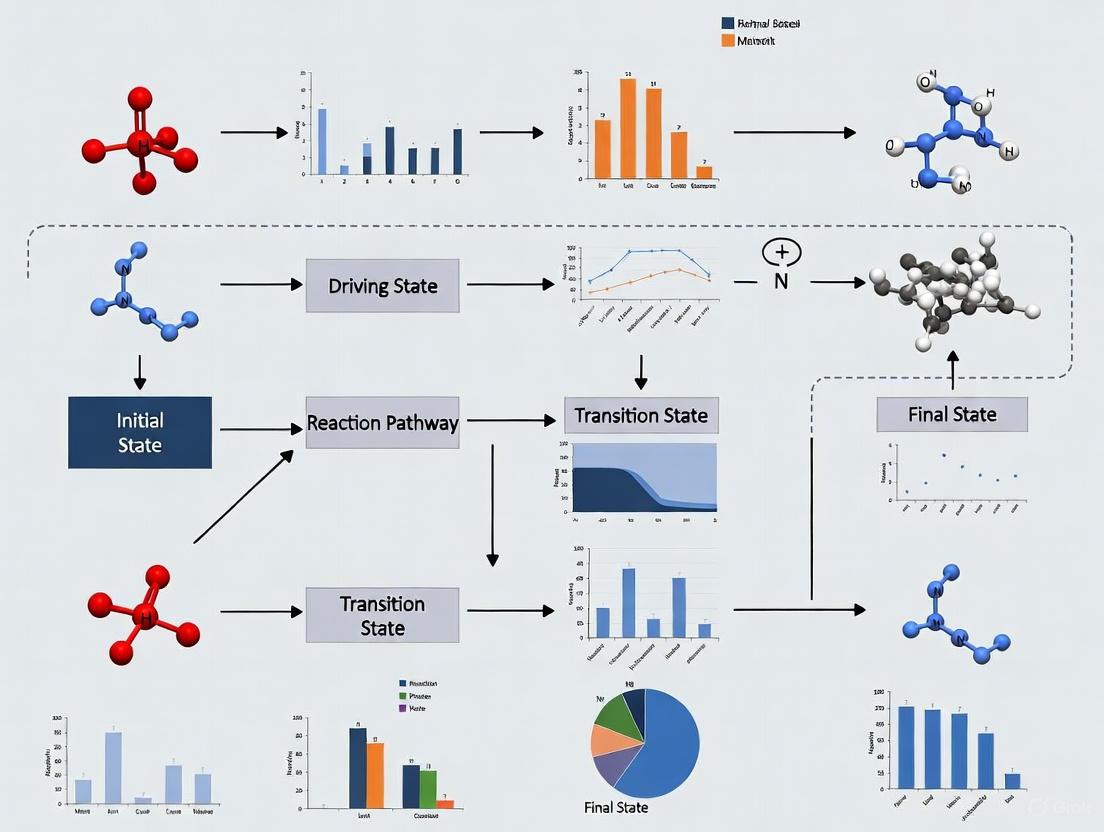
This article explores the integration of thermodynamic principles with artificial intelligence and robotics to autonomously optimize solid-state synthesis.
Optimizing Thermodynamic Driving Force in Autonomous Labs: Accelerating Solid-State Materials Discovery
Abstract
This article explores the integration of thermodynamic principles with artificial intelligence and robotics to autonomously optimize solid-state synthesis. It details how autonomous laboratories, such as the A-Lab, use computational data, machine learning, and active learning to plan and interpret experiments, dynamically selecting precursors to maximize the driving force for target materials. Covering foundational concepts, methodological applications, troubleshooting of failure modes, and comparative validation against traditional methods, this resource provides researchers and drug development professionals with a roadmap for leveraging autonomy to overcome historical bottlenecks in inorganic materials discovery, with profound implications for developing novel pharmaceuticals and biomedical technologies.
The Principles of Thermodynamic Driving Force in Solid-State Synthesis
Defining Thermodynamic Driving Force and Its Role in Reaction Pathways
Frequently Asked Questions
What is a thermodynamic driving force in the context of solid-state synthesis? In solid-state synthesis, the thermodynamic driving force is the inherent tendency of a chemical reaction to proceed, typically measured by the negative change in the Gibbs free energy (-ΔG) for the process [1]. A reaction with a large, negative ΔG is considered thermodynamically favorable. In autonomous laboratories like the A-Lab, this driving force is calculated using ab initio data from sources like the Materials Project to identify promising precursor combinations for novel inorganic materials [2] [3].
Why did my synthesis fail even though my target material is thermodynamically stable? A common reason for synthesis failure is the formation of stable intermediate phases that consume much of the initial thermodynamic driving force [2] [3]. When these intermediates form, the remaining driving force (ΔG′) to convert them into your final target may be too small to overcome kinetic barriers, effectively trapping the reaction in a metastable state. This is a primary focus of optimization algorithms like ARROWS3, which are designed to select precursors that avoid such energy-draining intermediates [3].
How can I determine if a reaction is under thermodynamic or kinetic control? The regime of control is determined by the difference in driving force between competing potential products [4].
- Thermodynamic Control: Occurs when the driving force to form one product exceeds that of all other competing phases by ≥60 meV/atom. In this regime, the reaction outcome is predictable and the phase with the largest ΔG will form first [4].
- Kinetic Control: Occurs when two or more competing products have a comparable driving force to form (difference <60 meV/atom). In this case, outcomes are influenced by kinetic factors like diffusion barriers or structural templating and are harder to predict with thermodynamics alone [4].
What is the role of precursor selection in managing thermodynamic driving force? Precursor selection is critical. The goal is not only to find precursors with a large initial driving force (ΔG) to form the target but also to choose a combination whose reaction pathway avoids intermediates that significantly deplete this force [3]. Algorithms like ARROWS3 automate this by learning from failed experiments. If one precursor set leads to a low-yield target due to a stable intermediate, the algorithm will propose a new set predicted to bypass that intermediate, thereby retaining a larger driving force for the target-forming step [2] [3].
Troubleshooting Guides
Problem: Low or No Yield of Target Material Potential Cause: Formation of stable, non-target intermediates consuming the driving force.
| Troubleshooting Step | Action & Reference | Key Parameter to Check / Adjust |
|---|---|---|
| Analyze Reaction Pathway | Use in-situ XRD to identify which intermediate phases form during heating [3] [4]. | Identify the first crystalline intermediate and its formation temperature. |
| Calculate Driving Forces | Compute ΔG for the formation of all suspected intermediates from your precursors using thermodynamic databases [2] [5]. | The intermediate with the largest (most negative) ΔG is likely to form first [4]. |
| Select New Precursors | Use an active learning algorithm (e.g., ARROWS3) or manual analysis to choose precursors that avoid the high-stability intermediate [3]. | Prioritize precursor sets that maximize the driving force (ΔG′) for the final step from the intermediate to the target. |
| Adjust Synthesis Conditions | Increase reaction temperature or prolong reaction time to overcome kinetic barriers, especially if the final ΔG′ is small [2]. | Temperature must be balanced against potential precursor volatility or decomposition. |
Problem: Inconsistent Results Between Precursor Sets Potential Cause: The synthesis is operating in a regime of kinetic control where small differences in precursor properties dictate the outcome.
| Troubleshooting Step | Action & Reference | Key Parameter to Check / Adjust |
|---|---|---|
| Check Driving Force Differences | Calculate the difference in ΔG between the observed products. | If the difference is <60 meV/atom, the outcome is likely under kinetic control [4]. |
| Evaluate Precursor Properties | Consider precursor particle size, milling procedure, and structural similarity to the target or intermediates [4]. | Smaller particle sizes and structural similarity can lower nucleation barriers. |
| Standardize Preparation | Ensure consistent grinding and mixing to reduce variability in solid-solid contact and diffusion distances. | Use automated sample preparation stations for reproducibility [6]. |
Quantitative Data for Synthesis Planning
Table 1: Thresholds for Thermodynamic Control in Solid-State Reactions Data derived from in-situ XRD studies of 37 reactant pairs reveals a threshold for predictable product formation [4].
| Driving Force Difference | Regime of Control | Predictability of Initial Product |
|---|---|---|
| ≥ 60 meV/atom | Thermodynamic | High. The phase with the largest ΔG forms first. |
| < 60 meV/atom | Kinetic | Low. Outcome depends on kinetics and precursor properties. |
Table 2: Common Failure Modes in Solid-State Synthesis and Solutions An analysis of an autonomous lab (A-Lab) run targeting 58 novel compounds identified key failure modes [2].
| Failure Mode | Prevalence in Failed Syntheses | Proposed Solution |
|---|---|---|
| Slow Reaction Kinetics | ~65% (11 of 17 targets) | Increase temperature/time; select precursors to increase ΔG of slow steps [2]. |
| Precursor Volatility | Not quantified | Use alternative precursors with lower vapor pressures. |
| Amorphization | Not quantified | Optimize heating/cooling rates; consider alternative synthesis routes. |
| Computational Inaccuracy | Not quantified | Verify computational stability predictions with experimental phase diagrams. |
Experimental Protocols
Protocol 1: Mapping a Reaction Pathway with In-Situ XRD This methodology is used to identify intermediates and understand the reaction progression [3] [4].
- Sample Preparation: Mix precursor powders stoichiometrically and grind them to ensure homogeneity.
- In-Situ Experiment Setup: Load the mixed powder into an in-situ XRD capillary cell or holder equipped with a heating stage.
- Data Collection: Heat the sample at a constant ramp rate (e.g., 10°C/min) to a target temperature (e.g., 700°C) while collecting XRD patterns at frequent intervals (e.g., every 1-2 minutes) [4].
- Phase Identification: Analyze the sequence of XRD patterns to identify the temperature at which crystalline intermediates first appear and disappear. Machine learning models can be employed to rapidly analyze the diffraction patterns and identify phases [2] [3].
- Pathway Construction: Construct a reaction pathway by listing the sequence of phase formations and decompositions.
Protocol 2: Optimizing Precursors Using the ARROWS3 Algorithm This protocol outlines the use of the ARROWS3 active learning algorithm for autonomous synthesis optimization [3] [5].
- Initial Ranking: For a given target, generate a list of stoichiometrically balanced precursor sets. Rank them initially by the computed thermodynamic driving force (ΔG) to form the target directly [3] [5].
- First-Round Experiments: Perform synthesis experiments with the top-ranked precursor sets across a range of temperatures.
- Pathway Analysis: Characterize the products (e.g., via XRD) to identify which intermediates formed in failed attempts. The algorithm uses this data to build a network of observed pairwise reactions [2] [3].
- Learning and Re-ranking: ARROWS3 updates its model to pinpoint which intermediates consume the most driving force. It then re-ranks precursor sets to favor those predicted to avoid these intermediates, thus maintaining a large driving force (ΔG′) for the final step of target formation [3].
- Iteration: Repeat steps 2-4 until the target is synthesized with high yield or all precursor options are exhausted.
Autonomous Laboratory Workflow
The following diagram illustrates the closed-loop, autonomous workflow for materials synthesis and optimization, as implemented in systems like the A-Lab [2].
Autonomous Synthesis Workflow
The Scientist's Toolkit: Key Reagents & Materials
Table 3: Essential Components of an Autonomous Solid-State Synthesis Laboratory
| Item | Function in the Workflow | Example / Note |
|---|---|---|
| Robotic Arms | Transport samples and labware between different stations (e.g., from a synthesizer to a diffractometer) [6]. | KUKA KMR iiwa mobile manipulator. |
| Automated Synthesis Station | Dispenses, weighs, and mixes solid precursor powders in preparation for heating [2]. | Integrated station with robotics for powder handling. |
| Box Furnaces | Heats the mixed precursor powders in a controlled atmosphere to drive the solid-state reaction [2]. | Multiple furnaces allow for parallel synthesis. |
| Powder X-ray Diffractometer (PXRD) | Characterizes the reaction products to identify crystalline phases and determine yield [2] [6]. | Key for in-situ and ex-situ analysis. |
| Computational Database | Provides ab initio calculated thermodynamic data (e.g., formation energies) to estimate driving forces [2] [3]. | Materials Project database. |
| Active Learning Algorithm | Makes autonomous decisions by proposing new experiments based on past outcomes and thermodynamics [3] [5]. | ARROWS3 algorithm. |
The Max-ΔG Theory posits that solid-state reactions with the largest negative Gibbs free energy change (ΔG) are thermodynamically favored to form initial products, providing a crucial predictive framework for autonomous materials synthesis. In autonomous laboratories, this principle enables computational prediction of reaction pathways, significantly accelerating the discovery of novel materials. Research demonstrates that integrating this thermodynamic guidance with robotics and active learning achieves remarkable success rates, with one platform synthesizing 41 of 58 novel target compounds (71% success rate) through computationally-driven experimentation [7].
The theory operates within a broader autonomous research paradigm where computational screening identifies promising candidates, and thermodynamic driving forces guide experimental execution. This approach effectively closes the gap between computational prediction and experimental realization, addressing a critical bottleneck in materials science research [7].
Theoretical Framework: Core Principles
Thermodynamic Foundations
The Max-ΔG Theory builds upon fundamental thermodynamic principles governing solid-state reactions:
- Driving Force Quantification: The decomposition energy (ΔG) quantifies the thermodynamic driving force for a compound to form from its neighboring phases on the phase diagram. Negative values indicate stability, while positive values suggest metastability [7].
- Reaction Pathway Optimization: Reactions proceeding through intermediates with large driving forces to form the target material (≥50 meV per atom) demonstrate significantly improved kinetics and final yield compared to pathways with smaller driving forces [7].
- Avoiding Kinetic Traps: Intermediate phases with minimal driving force to form the target (<10 meV per atom) often require prolonged reaction times and higher temperatures, potentially trapping the system in metastable states [7].
Computational Integration
The practical application of Max-ΔG Theory relies on computational infrastructure:
- Ab Initio Calculations: Large-scale density functional theory (DFT) calculations from databases like the Materials Project and Google DeepMind provide formation energies and phase stability data [7].
- Reaction Energy Predictions: Gibbs free energy changes for potential reactions are computed using formation energies, enabling prioritization of synthetically accessible targets [7].
- Stability Screening: Computational filters identify air-stable targets predicted not to react with O₂, CO₂, and H₂O, ensuring compatibility with experimental conditions [7].
The diagram below illustrates the theoretical framework of how Max-ΔG principles guide synthesis planning:
Experimental Protocols & Methodologies
Autonomous Laboratory Workflow
The implementation of Max-ΔG Theory in autonomous laboratories follows a precise experimental workflow:
Protocol Details:
- Target Selection: Identify thermodynamically stable targets on or near (<10 meV/atom) the convex hull using Materials Project data [7].
- Precursor Selection: Generate up to five initial synthesis recipes using natural language processing models trained on literature data, assessing target similarity to known materials [7].
- Temperature Optimization: Determine optimal synthesis temperatures using machine learning models trained on literature heating data [7].
- Robotic Execution:
- Phase Analysis: Extract phase and weight fractions from XRD patterns using probabilistic machine learning models with automated Rietveld refinement [7].
Active Learning Integration (ARROWS3)
When initial recipes fail to yield >50% target, the autonomous system implements ARROWS3 (Autonomous Reaction Route Optimization with Solid-State Synthesis):
- Pairwise Reaction Database: Continuously build a database of observed pairwise solid-state reactions (88 unique reactions identified in initial deployment) [7].
- Pathway Prediction: Utilize ab initio computed reaction energies with observed outcomes to predict optimal solid-state reaction pathways [7].
- Intermediate Avoidance: Prioritize pathways that avoid intermediates with small driving forces to form the target, instead selecting routes with large energy releases in final steps [7].
Table: Quantitative Synthesis Outcomes from Autonomous Laboratory Implementation
| Metric | Value | Context |
|---|---|---|
| Successful Syntheses | 41 of 58 compounds | 71% success rate [7] |
| Novel Compounds | 41 materials | 33 elements, 41 structural prototypes [7] |
| Operation Duration | 17 days | Continuous operation [7] |
| Literature-Inspired Successes | 35 of 41 | Initial recipe effectiveness [7] |
| Active Learning Optimizations | 9 targets | 6 with zero initial yield [7] |
Research Reagent Solutions
Table: Essential Materials for Solid-State Synthesis in Autonomous Laboratories
| Reagent/Category | Function & Importance | Implementation Example |
|---|---|---|
| Precursor Powders | Source of chemical elements for target compounds; purity and particle size critically affect reactivity | High-purity oxides and phosphates used for 41 novel compounds [7] |
| Surfactants (Tween series) | Control particle growth and carbon content during synthesis; chain length affects properties | Tween 80 (longer chain) prevents particle growth; Tween 20 (shorter) forms more carbon during pyrolysis [8] |
| Solid-State Reactors | Enable high-temperature processing of solid reagents; simplicity allows large-scale production | Box furnaces with robotic loading/unloading for continuous operation [7] [8] |
| Characterization Standards | Reference materials for phase identification and quantification | ICSD experimental structures for ML training; Materials Project computed structures for novel targets [7] |
| Ab Initio Databases | Source of thermodynamic data for ΔG calculations and reaction prediction | Materials Project and Google DeepMind phase stability data [7] |
Troubleshooting Guide: FAQs
Thermodynamic & Kinetic Challenges
Q: Our target material is thermodynamically stable (negative ΔG) but doesn't form in experiments. What could be wrong? A: This typically indicates kinetic limitations. Check these factors:
- Low driving force intermediates: Identify if reactions proceed through intermediates with minimal driving force to form target (<50 meV per atom). These create kinetic barriers that prevent target formation [7].
- Reaction temperature: Solid-state reactions often require very high temperatures to overcome diffusion barriers [8].
- Precursor properties: Reactant surface area, particle size, and morphological properties significantly affect solid-state reaction rates [8].
Q: How can we identify and avoid problematic intermediates? A: Implement these strategies:
- Computational screening: Calculate decomposition energies for all potential intermediates using Materials Project data [7].
- Pathway prioritization: Select synthesis routes that form intermediates with large driving forces (≥50 meV per atom) to proceed to the target [7].
- Pairwise reaction tracking: Maintain a database of observed solid-state reactions to predict and avoid kinetically-limited pathways [7].
Precursor & Experimental Optimization
Q: How does precursor selection impact synthesis success? A: Precursor choice critically affects the reaction pathway:
- Similarity principle: Recipes based on precursors from highly similar known materials show higher success rates [7].
- Particle size control: Surfactants with longer chain lengths (e.g., Tween 80) effectively prevent particle growth and reduce size, while shorter surfactants (e.g., Tween 20) form more carbon during pyrolysis [8].
- Mixing efficiency: Solid precursors don't always mix well, potentially leading to inhomogeneous products and poor morphology control [8].
Q: What experimental parameters most significantly affect solid-state reaction outcomes? A: Key factors include:
- Temperature and time: Sufficient thermal energy must be provided to overcome diffusion barriers [8].
- Atmosphere control: Reactive atmospheres can alter reaction pathways; inert atmospheres may affect gaseous product removal [8].
- Heating rates: Typical thermal analysis uses 1-20°C/min, affecting reaction initiation and completion temperatures [9].
Characterization & Analysis Issues
Q: How can we accurately characterize novel materials with no reference patterns? A: Autonomous labs use this approach:
- Computational pattern generation: Simulate XRD patterns from computed structures in Materials Project, with DFT error correction [7].
- ML-powered analysis: Employ probabilistic machine learning models trained on experimental structures from ICSD [7].
- Automated Rietveld refinement: Confirm phase identification and quantify weight fractions without manual intervention [7].
Q: What are common failure modes in autonomous synthesis campaigns? A: Analysis of failed syntheses reveals these primary categories:
- Slow reaction kinetics: Affects 65% of failed targets, typically with reaction steps <50 meV per atom driving force [7].
- Precursor volatility: Loss of precursor components at high temperatures [7].
- Amorphization: Failure to crystallize into desired structure [7].
- Computational inaccuracy: DFT errors in predicted stability [7].
Table: Synthesis Failure Modes and Resolution Strategies
| Failure Mode | Frequency | Resolution Approaches |
|---|---|---|
| Slow Kinetics | 65% of failures | Increase temperature/time; select alternative precursors with faster pathways [7] |
| Precursor Volatility | 18% of failures | Lower processing temperatures; use alternative precursors; control atmosphere [7] |
| Amorphization | 12% of failures | Optimize cooling rates; annealing protocols; alternative synthesis routes [7] |
| Computational Inaccuracy | 6% of failures | Verify stability calculations; consider metastable targets; adjust screening thresholds [7] |
In the field of autonomous materials research, a significant breakthrough has emerged for predicting and controlling solid-state reactions. Recent research has quantified a specific energy threshold that determines when thermodynamic control governs the initial phase formation during ternary metal oxide synthesis. This threshold, precisely identified as 60 milli-electron volts per atom (meV/atom), serves as a critical predictive parameter for researchers optimizing synthesis pathways in self-driving laboratories [10].
When the driving force to form a particular initial product exceeds that of all other competing phases by this 60 meV/atom margin, thermodynamic factors primarily dictate the reaction outcome. Conversely, when multiple phases have comparable driving forces, kinetic factors become dominant, making outcomes more challenging to predict [10]. This quantitative framework provides researchers with a powerful tool for planning synthesis strategies, particularly in autonomous laboratory settings where computational predictions guide experimental workflows.
Table 1: Fundamental Concepts of the 60 meV/Atom Threshold
| Concept | Description | Research Implication |
|---|---|---|
| Thermodynamic Control Regime | Conditions where reaction outcomes are predictable from energy calculations | Enables first-principles prediction of synthesis pathways [10] |
| Threshold Value | 60 meV/atom driving force difference | Minimum required energy advantage for predictable phase formation [10] |
| Kinetic Control Regime | Multiple phases with comparable driving forces (<60 meV/atom difference) | Outcomes depend on reaction kinetics and pathways [10] |
| Prevalence | Applies to approximately 15% of possible reactions | Significant portion of predictable reactions without experimental trial [10] |
FAQs: Core Principles and Applications
What is the 60 meV/atom threshold and why is it significant?
The 60 meV/atom threshold represents a quantitatively validated boundary between thermodynamic and kinetic control in solid-state reactions. When the driving force for one initial product formation exceeds all competing reactions by at least this amount, thermodynamic calculations can reliably predict the reaction outcome. This finding is particularly significant because analysis of the Materials Project database reveals that approximately 15% of possible reactions fall within this predictable regime [10]. For autonomous laboratories, this enables more reliable computational screening and reduces the need for exhaustive experimental trials.
How does this threshold impact synthesis planning in autonomous labs?
In self-driving laboratories (SDLs), this threshold provides a crucial decision-making parameter for planning synthesis routes. The A-Lab, an autonomous laboratory for solid-state synthesis, exemplifies this approach by integrating ab initio computations with active learning to optimize synthesis pathways [7]. When the driving force difference exceeds 60 meV/atom, researchers can proceed with greater confidence in computational predictions. When it falls below this threshold, the system can prioritize more extensive experimental exploration or employ active learning to navigate kinetic limitations [7].
What are common failure modes when this threshold is not respected?
Failure to account for this threshold can lead to several synthetic failures:
- Slow reaction kinetics occur when driving forces are insufficient to overcome energy barriers, affecting approximately 65% of failed syntheses [7]
- Intermediate phase trapping happens when metastable intermediates with small driving forces to the target form instead of the desired product [7]
- Unpredictable reaction pathways emerge when multiple phases have comparable formation energies below the 60 meV/atom differentiation threshold [10]
Thermodynamic Control Decision Pathway
Troubleshooting Guides
Low Target Yield Despite High Calculated Stability
Symptom: The target material is predicted to be thermodynamically stable, but experimental yields remain below 50% despite multiple attempts.
Table 2: Troubleshooting Low Yield Issues
| Possible Cause | Diagnostic Steps | Solutions |
|---|---|---|
| Insufficient driving force (<50 meV/atom) [7] | Calculate driving forces for all possible intermediate phases | Identify alternative precursor sets that avoid low-driving-force intermediates [7] |
| Precursor selection issues | Test multiple precursor combinations with the same cations | Use natural-language models trained on literature to propose analogy-based precursors [7] |
| Slow reaction kinetics | Perform in situ characterization to identify rate-limiting steps | Increase reaction temperature or time; introduce mechanical activation [7] |
| Volatile precursors [7] | Monitor mass changes during heating | Adjust heating profile; seal reaction environment; use alternative precursors |
Unpredictable Phase Formation
Symptom: Multiple competing phases form instead of the desired target, despite careful precursor stoichiometry control.
- Assess driving force differences between competing phases using computational databases like the Materials Project [10]
- Apply the 60 meV/atom threshold to determine if the system falls within the thermodynamic control regime [10]
- Implement active learning optimization like the ARROWS3 algorithm used in the A-Lab, which leverages observed reaction data to propose improved synthesis routes [7]
- Build a pairwise reaction database to track which precursor combinations form problematic intermediates [7]
Synthesis Optimization Using Active Learning
Challenge: Traditional synthesis approaches require numerous iterative experiments to optimize conditions.
Autonomous Lab Optimization Workflow
The A-Lab demonstrated the effectiveness of this approach, successfully synthesizing 41 of 58 novel compounds over 17 days of continuous operation. For six targets, the active learning cycle successfully identified synthesis routes after initial literature-inspired recipes failed completely [7].
Experimental Protocols & Methodologies
Determining Driving Force Differences
Purpose: To calculate whether a proposed reaction falls within the thermodynamic control regime (>60 meV/atom advantage).
Procedure:
- Access computational databases (Materials Project, Google DeepMind) to obtain formation energies for all possible ternary and binary phases in the chemical system [7]
- Identify all possible intermediate phases that could form from your selected precursors
- Calculate reaction energies for all possible initial pairwise reactions between precursors
- Compare driving forces between the most favorable product and all competing reactions
- Apply the 60 meV/atom threshold to predict whether thermodynamic control applies [10]
Interpretation: If one reaction pathway has at least a 60 meV/atom advantage over all competitors, it will likely form as the initial product regardless of precursor stoichiometry.
Implementing Active Learning for Synthesis Optimization
Purpose: To efficiently optimize synthesis pathways when the 60 meV/atom threshold is not met.
Procedure:
- Establish baseline: Perform initial synthesis attempts using literature-inspired recipes proposed by natural-language models [7]
- Characterize products using XRD with automated Rietveld refinement to quantify phase fractions [7]
- Build pairwise reaction database: Record which precursor combinations form which intermediates [7]
- Apply ARROWS3 methodology: Use active learning to prioritize synthesis routes that avoid low-driving-force intermediates [7]
- Iterate until success: Continue testing improved recipes until target yield exceeds 50% or all options are exhausted
Case Study: In synthesizing CaFe₂P₂O₉, the A-Lab avoided intermediates with small driving forces (8 meV/atom) and identified an alternative route with a much larger driving force (77 meV/atom), increasing yield by approximately 70% [7].
Table 3: Key Research Reagent Solutions for Solid-State Synthesis Research
| Resource Category | Specific Examples | Function in Research |
|---|---|---|
| Computational Databases | Materials Project, Google DeepMind databases [7] | Provide ab initio calculated formation energies for phase stability assessment |
| Literature Mining Tools | Natural-language processing models trained on synthesis literature [7] | Propose initial synthesis recipes based on analogy to known materials |
| Automated Synthesis Platforms | A-Lab robotics system with automated furnaces [7] | Perform solid-state synthesis with minimal human intervention |
| Characterization Equipment | X-ray diffraction (XRD) with automated Rietveld refinement [7] | Identify synthesized phases and quantify yield |
| Active Learning Algorithms | ARROWS3 (Autonomous Reaction Route Optimization) [7] | Propose improved synthesis routes based on experimental outcomes |
| In Situ Characterization | In situ XRD, differential scanning calorimetry [10] | Monitor reaction pathways in real time during synthesis |
Challenges of Precursor Selection and Kinetic Barriers
Frequently Asked Questions (FAQs)
1. What are the most common challenges in selecting precursors for solid-state reactions? The primary challenges involve balancing thermodynamic and kinetic factors. Precursor selection is crucial as it governs the synthesis pathway and the intermediates formed, which can lead to either the desired material or alternative phases. Approximately half of all target materials require the use of at least one "uncommon" precursor to achieve successful synthesis, often due to synthetic constraints like temperature, purity requirements, or morphological control [11]. Furthermore, the choices of precursors for different elements are not independent; certain precursor pairs exhibit strong dependencies and are more likely to be used together, making simple heuristic rules insufficient [11].
2. How do kinetic barriers impact solid-state synthesis outcomes? Kinetic barriers directly influence which phase forms first by controlling nucleation and diffusion rates. According to classical nucleation theory, the nucleation rate is highly sensitive to the interfacial energy and the bulk reaction energy (ΔG) [4]. When the thermodynamic driving force (ΔG) for multiple competing phases is comparable, kinetic factors—such as the ease of diffusion or structural similarity to the precursors that lowers the nucleation barrier—often determine the initial product. This is known as the regime of kinetic control [4].
3. Under what conditions can reaction outcomes be predicted by thermodynamics alone? Recent research has quantified a threshold for thermodynamic control. When the driving force to form one product exceeds that of all other competing phases by ≥60 milli-electron volt per atom (meV/atom), the initial product formed can be reliably predicted by the maximum ΔG (the "max-ΔG" theory), irrespective of reactant stoichiometry. In this regime, the phase with the largest driving force forms first. Analysis suggests about 15% of possible reactions fall into this predictable category [4].
4. What is the role of a precursor recommendation system? A data-driven recommendation system can capture decades of heuristic synthesis knowledge from the scientific literature. By learning the chemical similarity of materials and the correlations between their synthesis variables, such a system can propose potential precursor sets for a novel target material. This mimics the human approach of repurposing successful recipes from similar, previously synthesized materials, thereby accelerating synthesis design [11].
Troubleshooting Guides
Issue 1: Unwanted Intermediate Phases Forming
Problem: Your synthesis consistently results in unwanted intermediate phases instead of the target material.
Solution: Focus on optimizing the thermodynamic driving force and precursor combination.
- Step 1: Calculate Driving Forces. Compute the compositionally unconstrained ΔG (per atom) for all possible products, including your target and the unwanted intermediates, using computational databases like the Materials Project [4].
- Step 2: Compare Driving Forces. Determine if your target phase has the most negative ΔG. If it does, but an intermediate still forms, check if the difference in ΔG between the target and the intermediate is less than 60 meV/atom. If the difference is small, the reaction is under kinetic control [4].
- Step 3: Adjust Precursors.
- If the driving force is insufficient, switch to precursors that provide a larger ΔG for the target material. For example, in the Li-Nb-O system, using LiOH instead of Li₂CO₃ as a lithium source can create a much stronger thermodynamic preference for the desired Li₃NbO₄ phase [4].
- Consult a precursor recommendation system or literature data to find proven precursor sets for your target or chemically similar materials [11].
Issue 2: Slow Reaction Kinetics and Incomplete Reaction
Problem: The reaction proceeds very slowly or stalls before completion.
Solution: Enhance diffusion and reduce kinetic barriers.
- Step 1: Increase Reactant Surface Area. Use fine, nano-sized, or porous precursor particles to shorten diffusion distances and increase the contact area between reactants [8].
- Step 2: Optimize Thermal Treatment. Increase the reaction temperature to enhance diffusion coefficients. Alternatively, consider using a longer sintering time or a multi-stage heating profile to allow slow-diffusing species to react fully [8].
- Step 3: Consider Reaction Sintering. In some cases, using powder mixtures that can undergo a exothermic reaction (e.g., Mo + 2Si → MoSi₂) can generate heat locally and sustain the reaction front [8].
Issue 3: Poor Control over Final Material Morphology
Problem: The final product has an irregular particle size and shape, leading to poor performance.
Solution: Utilize synthesis routes that template specific morphologies.
- Step 1: Employ Hollow/Spherical Precursors. Start with precursors that have the desired morphology (e.g., MnO₂ microspheres/cubes). The morphology can be preserved or templated during the solid-state reaction through mechanisms like the Kirkendall effect, where differing diffusion rates of cations and anions create hollow structures [8].
- Step 2: Use Surfactants. Incorporate surfactants during precursor preparation. Surfactants with longer chain lengths (e.g., Tween 80) can effectively prevent particle growth and agglomeration, resulting in a smaller, more uniform final particle size [8].
Experimental Protocols & Data
Protocol 1: In Situ XRD for Tracking Reaction Pathways
This protocol is used to determine the first phase that forms in a solid-state reaction, which is critical for identifying kinetic versus thermodynamic control [4].
1. Objective: To identify the sequence of phase formation in a solid-state reaction between two precursors in real-time. 2. Materials: * Precursor powders (e.g., LiOH and Nb₂O₅). * Mortar and pestle or ball mill for mixing. * Synchrotron or laboratory X-ray diffractometer with a high-temperature stage. 3. Methodology: * Mixing: Intimately mix the precursor powders in the desired stoichiometric ratio. * Heating Program: Load the mixture into the XRD stage. Heat the sample from room temperature to a target temperature (e.g., 700°C) at a controlled rate (e.g., 10°C/min), followed by an isothermal hold. * Data Collection: Continuously collect XRD patterns (e.g., two scans per minute) throughout the heating and hold process. * Analysis: Use Rietveld refinement or other quantitative phase analysis on the time-series XRD patterns to determine the weight fraction of each phase as a function of temperature and time. The first crystalline phase to appear is the initial product [4].
Protocol 2: Synthesizing Morphology-Controlled LNMO Cathode Materials
This method describes the synthesis of Li-Ni-Mn-O (LNMO) hollow microspheres via a solid-state reaction, which provides short Li⁺ diffusion paths for high electrochemical performance [8].
1. Objective: To synthesize porous LNMO hollow microspheres. 2. Materials: * MnO₂ microspheres (or MnCO₃ dense microspheres) as a morphological template. * LiOH (Lithium source). * Ni(NO₃)₂ (Nickel source). 3. Methodology: * Impregnation: Soak the MnO₂ microspheres in solutions containing dissolved LiOH and Ni(NO₃)₂ to allow the precursors to infiltrate the template. * Drying: Dry the impregnated particles to remove the solvent. * Solid-State Reaction: Heat the dried powder to a high temperature (typically 700-900°C) in a furnace. The reaction proceeds via a mechanism analogous to the Kirkendall effect, where the fast outward diffusion of Mn and Ni atoms and slower inward diffusion of oxygen leads to the formation of a hollow cavity. * Characterization: Use Scanning Electron Microscopy (SEM) to confirm the hollow and porous structure [8].
The table below summarizes key quantitative findings from recent research on controlling solid-state reactions.
Table 1: Quantitative Guidelines for Solid-State Reaction Control
| Parameter | Threshold/Value | Significance | Source |
|---|---|---|---|
| Thermodynamic Control Threshold | ≥ 60 meV/atom | The minimum difference in driving force (ΔG) required for one phase to be predictably the first to form. | [4] |
| Fraction of Predictable Reactions | ~15% | The proportion of reactions analyzed in the Materials Project database that fall within the regime of thermodynamic control. | [4] |
| Use of Uncommon Precursors | ~50% | The fraction of target materials that require at least one uncommon precursor for successful synthesis. | [11] |
| Particle Size Control | Varies with surfactant | Surfactants with longer chains (e.g., Tween 80) are more effective at reducing particle size. A specific combination (Tween 80:Tween 20 at 1.5:1) yielded high-performance LiFePO₄/C. | [8] |
Research Reagent Solutions
The table below lists key reagents and their functions in solid-state synthesis experiments, as featured in the search results.
Table 2: Essential Reagents for Solid-State Synthesis
| Reagent | Function / Explanation |
|---|---|
| LiOH / Li₂CO₃ | Common lithium sources. The choice can drastically alter the thermodynamic driving force for product formation (e.g., in Li-Nb-O system) [4]. |
| Tween Series Surfactants | Used to control particle size and carbon coating in composite materials. Chain length affects particle size (Tween 80 for smaller size) and graphitic carbon yield (Tween 20 for more carbon) [8]. |
| MnO₂ Microspheres / MnCO₃ Microspheres | Act as morphological templates for the synthesis of hollow or porous structured cathode materials (e.g., LNMO), enabling shorter ion diffusion paths [8]. |
| Nitrate Precursors (e.g., Ba(NO₃)₂) | Often used together due to favorable solubility properties, which are advantageous for solution-based slurry preparation and achieving better precursor mixing [11]. |
Synthesis Pathway Diagrams
Decision Flow: Thermodynamic vs Kinetic Control.
The Role of Intermediate Phases in Consuming Available Free Energy
In the context of optimizing driving forces for solid-state reactions, particularly in autonomous labs, the first intermediate phase that forms is often the most critical determinant of synthesis success. These intermediate phases are metastable states that exist between stable phases during solid-state transformations [12]. Their formation consumes a significant portion of the available free energy associated with the starting materials, potentially leaving insufficient driving force to form the desired target material [4]. Understanding and controlling these intermediates is therefore essential for designing efficient synthesis pathways in automated research platforms.
Key Concepts: FAQs on Intermediate Phases and Free Energy
Q1: What is an intermediate phase in solid-state chemistry? An intermediate phase is a metastable state that forms between two stable phases during crystallization or solid-state transformation processes [12]. These phases possess unique crystal structures and compositions that differ from both the starting materials and the final equilibrium products.
Q2: How do intermediate phases consume available free energy? The first intermediate phase that forms during a solid-state reaction consumes much of the Gibbs free energy (∆G) associated with the starting materials [4]. This consumption reduces the remaining thermodynamic driving force available for subsequent transformations to the desired target material, potentially leading to synthetic dead-ends.
Q3: What factors determine which intermediate phase forms first? The initial product formation is governed by a balance between thermodynamic and kinetic factors [4]. When the thermodynamic driving force (∆G) to form one product exceeds that of all competing phases by approximately ≥60 meV/atom, thermodynamics primarily controls the outcome. Below this threshold, kinetic factors such as diffusion limitations and structural templating become more influential [4].
Q4: Why is understanding intermediate phases crucial for autonomous labs? In autonomous research platforms, predicting and controlling intermediate phase formation enables more efficient synthesis planning [5]. Algorithms can use thermochemical data to identify precursors that maximize the driving force to form the desired target while minimizing competitive intermediate formation, significantly reducing the number of experimental iterations needed [5].
Q5: What experimental techniques can detect intermediate phases? In situ characterization techniques, particularly in situ X-ray diffraction (XRD), are valuable for identifying intermediate phases as they form during synthesis [4]. Other techniques include electron microscopy and differential thermal analysis [12].
Troubleshooting Guide: Common Experimental Issues and Solutions
| Problem | Possible Cause | Solution |
|---|---|---|
| Failure to form target compound | Intermediate phase consuming all available free energy | Select precursors that provide larger thermodynamic driving force (∆G) for target formation [5] |
| Unpredictable reaction products | Multiple competing phases with similar formation energies | Modify precursor choice or use additives to increase ∆G difference (>60 meV/atom) for preferred product [4] |
| Inconsistent results between batches | Kinetic factors dominating over thermodynamic control | Standardize mixing procedures, particle sizes, and heating rates to improve reproducibility [8] |
| Slow reaction kinetics | Limited ion mobility and diffusion | Increase surface area of reactants, consider adding fluxing agents [8] |
| Formation of metastable intermediates | Structural templating from precursor materials | Modify precursor selection to reduce structural similarity to problematic intermediates [4] |
Quantitative Framework: The Thermodynamic Control Threshold
Recent research has quantified the conditions under which thermodynamic factors dominate initial product formation in solid-state reactions. The table below summarizes key quantitative findings:
| Parameter | Value | Significance |
|---|---|---|
| Thermodynamic control threshold | ≥60 meV/atom | Minimum difference in driving force required for predictable product formation [4] |
| Percentage of predictable reactions | ~15% | Proportion of possible reactions falling within thermodynamic control regime [4] |
| Key governing equation | Q = A exp(-16πγ³/3n²kₜ∆G²) | Nucleation rate dependence on interfacial energy (γ) and driving force (∆G) [4] |
| Primary analysis method | Compositionally unconstrained ∆G calculation | Approach that neglects reactant stoichiometry, based on local interface formation [4] |
Experimental Protocols: Methodologies for Studying Intermediate Phases
Protocol 1: In Situ XRD Monitoring of Solid-State Reactions
This protocol is adapted from synchrotron-based studies of intermediate phase formation in metal oxide systems [4].
Materials and Equipment:
- High-purity precursor powders
- Mortar and pestle or ball mill for mixing
- In situ XRD-capable furnace (synchrotron or laboratory source)
- Temperature controller
Procedure:
- Mix reactant powders in desired stoichiometric ratios using mortar and pestle or ball milling
- Load mixed powder into in situ XRD sample holder
- Heat sample at controlled rate (e.g., 10°C/min) to target temperature (e.g., 700°C) while collecting XRD patterns at regular intervals (e.g., every 30 seconds)
- Hold at peak temperature for several hours while continuing XRD monitoring
- Cool naturally to room temperature with final XRD scan
- Analyze sequence of XRD patterns to identify intermediate phases and their formation temperatures
Data Interpretation:
- Identify emerging diffraction peaks not present in starting materials
- Track phase weight fractions through Rietveld refinement
- Correlate phase appearance with temperature profiles
- Compare observed formation sequence with computed reaction energies
Protocol 2: Precursor Selection for Maximizing Target Yield
This methodology uses thermochemical calculations to guide precursor selection, as implemented in the ARROWS3 algorithm for autonomous synthesis [5].
Materials:
- Multiple potential precursor compounds
- Computational resources for thermochemical calculations
- Standard solid-state synthesis equipment
Procedure:
- Compute reaction energies for all possible precursor combinations using density functional theory or database values (e.g., Materials Project)
- Identify precursor sets that provide the largest thermodynamic driving force (most negative ∆G) for the desired target phase
- Evaluate competing reactions that might form intermediate phases
- Select precursors that maximize ∆G for target while minimizing ∆G for problematic intermediates
- Experimentally validate predictions through small-scale trials
- If intermediates form despite optimization, identify which reaction consumes most available free energy
- In subsequent iterations, select alternative precursors to avoid this unfavorable reaction pathway
Research Reagent Solutions: Essential Materials for Controlled Synthesis
| Reagent/Category | Function in Managing Intermediate Phases |
|---|---|
| LiOH (Lithium hydroxide) | Highly reactive lithium source that provides strong thermodynamic driving force in oxide synthesis [4] |
| Nb₂O₅ (Niobium pentoxide) | Common metal oxide precursor used in studies of intermediate phase formation [4] |
| Surfactants (Tween series) | Control particle growth and size during synthesis; longer chains limit particle growth [8] |
| MnO₂ templates | Create hollow microsphere structures that influence intermediate phase formation through confined reactions [8] |
| Carbon sources (e.g., sucrose) | Provide in situ carbon coating that can modify reaction pathways and intermediate stability [8] |
Visualization: Decision Pathways and Experimental Workflows
Decision Pathway for Predicting Intermediate Phase Formation
Experimental Workflow for Intermediate Phase Analysis
AI and Autonomous Systems for Dynamic Synthesis Optimization
Technical Support Center: Troubleshooting Guides and FAQs
This support center addresses common technical challenges encountered in autonomous laboratories for solid-state materials research. The guidance is framed within the context of optimizing the driving force for solid-state reactions, a critical factor for successful synthesis.
Frequently Asked Questions (FAQs)
Q1: Our robotic gantry frequently fails to place sample vials correctly into the characterization instrument, leading to failed experiments. What could be the issue?
This is a common problem often stemming from misaligned equipment or localization errors [13] [14]. Even minor inaccuracies in the robot's understanding of its environment can cause failed high-precision tasks.
- Troubleshooting Steps:
- Inspect for Physical Damage: Check the robotic arm, end-effector, and gantry for any broken or damaged components [13].
- Run a Localization Calibration: Recalibrate the vision-based localization system. This often involves the robot moving to a predefined position and detecting a fiducial marker (like an ArUco code) to update its manipulation frames [14].
- Implement Visual Inspection: Integrate a closed-loop inspection module. After the placement action, a camera should capture an image. A Vision-Language Model (VLM) can then inspect the image to validate successful placement or identify the type of failure (e.g., "vial is offset," "vial dropped") before proceeding [14].
Q2: Our autonomous workflow fails without clear errors; the instruments function, but the final product yield is consistently low. How can we diagnose this?
This indicates a potential issue with synthesis recipe optimization or kinetic barriers in your solid-state reactions, rather than a hardware failure.
- Troubleshooting Steps:
- Verify Precursor Selection: Ensure your recipe generation model accounts for reaction thermodynamics. Targets with slow reaction kinetics are a major failure mode. For example, reaction steps with a low driving force (e.g., <50 meV per atom) are often hindered by sluggish kinetics [7].
- Check Active Learning Logic: Confirm that your active learning algorithm is correctly interpreting characterization data (e.g., from X-ray Diffraction) and proposing improved follow-up recipes. Algorithms should prioritize reaction pathways that avoid intermediates with a small driving force to form the final target [7].
- Review Data Interpretation: Validate the probabilistic machine learning models that analyze your characterization data. Inaccurate phase identification will mislead the optimization cycle [7].
Q3: Our mobile robotic chemist has difficulty navigating accurately between different laboratory stations, causing manipulation inaccuracies. What can we do?
This is a known challenge with mobile-base systems where inherent navigation inaccuracies can compromise precision [14].
- Troubleshooting Steps:
- Assess Localization Infrastructure: Determine if your system uses tactile-based localization (which requires static infrastructure) or vision-based methods (which offer more flexibility). Vision-based systems using fiducial markers can achieve high accuracy [14].
- Implement a LIRA-style Module: Integrate a localization and inspection module. After navigation, the robot should perform a visual calibration at the station to correct its positional frame before attempting any manipulation task [14].
- Check for Environmental Changes: Ensure the navigation environment is consistent. Dynamic obstacles or changes in lighting for vision systems can impair performance.
Q4: We are integrating a new LIBS analyzer into our existing robotic platform, but the devices cannot communicate. How do we resolve this compatibility issue?
This is typically a problem of system incompatibility and a lack of generalized software architecture [13].
- Troubleshooting Steps:
- Adopt a Modular Software Architecture: Implement a dual-layer action server design for the new instrument. This involves creating a software block that communicates using both Socket.IO and Robot Operating System (ROS) protocols, allowing it to integrate with a high-level orchestrator like a Behavior Tree [15].
- Develop a Web-based Front End: A user-friendly interface can simplify the manual control and integration of new devices, making the system more adaptable [15].
- Consult the Vendor: If the problem persists, contact the automation provider for specific drivers or integration support [13].
Experimental Protocol: Optimizing Driving Force for Solid-State Synthesis
This protocol details the autonomous workflow for synthesizing novel inorganic powders, with a focus on optimizing the reaction driving force to maximize target yield [7].
1. Objective To autonomously synthesize a target solid-state compound by proposing, executing, and optimizing synthesis recipes based on thermodynamic driving force and learned historical data.
2. Hardware & Software Architecture
- Robotic Platform: A system comprising robotic arms for sample handling, a powder dispensing and mixing station, box furnaces for heating, and an X-ray Diffraction (XRD) station for characterization [7].
- Software & AI: An integrated management server that runs recipe-generating AI models, an active learning algorithm (e.g., ARROWS³), and probabilistic ML models for XRD analysis [7].
3. Step-by-Step Workflow
- Target Identification: A thermodynamically stable target material is selected from a computational database (e.g., the Materials Project) [7].
- Initial Recipe Proposal: A natural-language model, trained on historical synthesis data, proposes up to five initial synthesis recipes and heating temperatures based on analogy to known, similar materials [7].
- Robotic Execution:
- Sample Preparation: Precursor powders are dispensed, mixed, and transferred into crucibles.
- Heating: A robotic arm loads the crucible into a furnace for heating.
- Characterization: After cooling, the sample is ground and analyzed by XRD [7].
- Data Analysis & Active Learning:
- The XRD pattern is automatically analyzed to determine phase and weight fractions of the product.
- If the target yield is below a threshold (e.g., <50%), the active learning cycle is triggered.
- The active learning algorithm (ARROWS³) uses ab initio computed reaction energies and observed synthesis outcomes to propose a new, optimized recipe. It builds a database of pairwise reactions and prioritizes pathways with a large driving force to form the target, avoiding intermediates that leave only a small driving force [7].
- Iteration: Steps 3-4 are repeated until a high-yield recipe is identified or all options are exhausted.
4. Key Data Table: Synthesis Outcomes from A-Lab
The following table summarizes quantitative data from a large-scale autonomous synthesis campaign, illustrating the success rate and impact of different methods [7].
| Metric | Value | Context / Implication |
|---|---|---|
| Total Targets | 58 | Novel compounds identified via computational screening |
| Successfully Synthesized | 41 (71%) | Demonstrates high efficacy of autonomous discovery |
| Synthesized via Literature Recipes | 35 | Initial recipes from NLP model trained on historical data |
| Optimized via Active Learning | 6 | Active learning recovered targets from initial failures |
| Common Failure Mode (Kinetics) | 11 of 17 failures | Sluggish kinetics hindered targets, often with low driving force (<50 meV/atom) steps |
The Scientist's Toolkit: Key Research Reagents & Materials
This table lists essential components for building and operating an autonomous laboratory focused on solid-state chemistry.
| Item | Function in the Autonomous Lab |
|---|---|
| Robotic Gantry System | A low-cost, 3-axis CNC system providing precise translational movement for SSIM (Sample-Stay-Instrument-Move) characterization tasks, such as chemical mapping [15]. |
| Handheld LIBS Analyzer | An analytical instrument integrated onto the gantry for automated, dense hyperspectral chemical mapping of sample surfaces, enabling parts-per-million level quantification [15]. |
| Solid Precursor Powders | Raw materials for solid-state synthesis. Their physical properties (density, particle size) pose unique handling challenges for robotics [7]. |
| Alumina Crucibles | Labware for holding powder samples during high-temperature reactions in box furnaces [7]. |
| Fiducial Markers (e.g., ArUco) | Visual markers used for high-accuracy, vision-based localization of robotic arms and mobile platforms within the laboratory workspace [14]. |
| Vision-Language Model (VLM) | An AI model that provides real-time visual inspection and reasoning capabilities, allowing the robot to detect and correct manipulation errors (e.g., misaligned vials) autonomously [14]. |
Workflow Diagram for an Autonomous Synthesis Lab
The following diagram illustrates the closed-loop, predict-make-test-analyze cycle that is fundamental to an autonomous laboratory.
Software Architecture for Laboratory Robotics
This diagram outlines the generalized software architecture that enables flexible and user-friendly control of robotic systems in a laboratory environment.
Frequently Asked Questions
What is the core goal of an autonomous laboratory (A-Lab) workflow? The main aim is to produce reliable, reproducible, and timely results by establishing an efficient and coordinated workflow. This is achieved by automating the scientific process, where artificial intelligence (AI) runs thousands of experiments, evaluates results, identifies patterns, and determines the next steps without constant human intervention [16] [17].
Why is workflow management so important in an autonomous lab? Proper workflow management is essential to handle increasing workloads and more varied assays with limited staff. It simplifies entire lab processes, eliminates wasteful steps, and focuses on adding value and improving performance, which is critical when lab results can influence up to 70% of key decisions in areas like drug development [16].
How can I identify and resolve bottlenecks in my A-Lab workflow? Bottlenecks are identified through bottleneck analysis, a step-wise method that examines all process steps from start to finish. This analysis determines a target value for each process (e.g., throughput, turnaround time) and identifies workflow constraints and their underlying causes. Resolving bottlenecks often involves standardizing procedures and implementing laboratory automation [16].
What is the role of AI and robotics in autonomous experimentation? AI and robotics are central to autonomous discovery. They are used to aid in the planning, execution, and analysis of scientific experiments. This can involve fixed-in-place robots automating lab benchtops, mobile "human-like" robots in lab spaces, and AI frameworks that autonomously search for new materials or molecules with desired properties [18] [17].
My automated synthesis isn't reaching target material outcomes. What should I check? If you are using a method like autonomous sputter deposition targeted by Bayesian optimization, first verify the in-situ feedback mechanism (e.g., optical plasma emission measurements). Ensure the algorithmic navigation of processing conditions is receiving accurate, real-time data. The interaction between key parameters, such as time and speed in milling processes, is often critically important and should be optimized using design-of-experiment methods like Response Surface Methodology (RSM) [18] [19].
How can I improve the reproducibility of my autonomous experiments? An effective method is to standardize all experimental procedures using Standard Operating Procedures (SOPs). Furthermore, laboratory automation itself is a key strategy for reducing human error rates and increasing the quality and reproducibility of results [16].
Troubleshooting Guides
Issue 1: Failed Synthesis of Target Material
This occurs when the autonomous synthesis platform (e.g., for thin-film nitrides or oxides) fails to achieve the desired material composition or properties.
- Step 1: Verify In-Situ Feedback: Confirm that the sensors providing real-time feedback to the control algorithm (e.g., optical plasma emission monitors) are calibrated and functioning correctly [18].
- Step 2: Analyze Parameter Interaction: Use contour plots from your design-of-experiment software to check the interaction between key processing parameters (e.g., milling time and speed). The interaction is often a critical but overlooked factor [19].
- Step 3: Check Optimization Algorithm Inputs: Review the inputs and constraints provided to the optimization algorithm (e.g., Bayesian optimization). Ensure the target material space is correctly defined and feasible.
- Step 4: Characterize Output: Perform X-ray diffraction (XRD) analysis on the synthesized material to determine crystalline size and phase. Trends in crystalline size versus processing parameters can reveal the root cause, such as insufficient or excessive energy input [19].
Issue 2: Slow Experimental Throughput
The self-driving lab is not achieving the expected rate of sample synthesis or characterization.
- Step 1: Perform Bottleneck Analysis: Systematically examine all process steps from start to finish to identify the constraint that is limiting the overall speed of your workflow [16].
- Step 2: Check Resource Allocation: Ensure that the allocation of laboratory staff, robotic systems, and equipment is aligned with the workflow demand. A single piece of equipment, like one tissue culture hood, can create a bottleneck if not scheduled efficiently [20].
- Step 3: Automate Characterization: Implement AI-driven control to accelerate measurements that are inherently time-consuming, such as temperature- and pressure-dependent electrochemical impedance spectroscopy [18].
Issue 3: AI-Generated Control Code Malfunctions
The control software for a scientific instrument, generated through interactions with a large language model (e.g., ChatGPT-4), does not operate as intended.
- Step 1: Reproduce the Issue: On a development machine, run the AI-crafted control module (e.g., for a Keithley 2400 source measure unit) and walk through the process step-by-step to confirm the bug [21].
- Step 2: Isolate the Problem: Simplify the problem. Comment out sections of code to isolate the specific function that is failing. Check for issues with the graphical user interface, communication with the instrument, or data parsing logic [21] [22].
- Step 3: Refine the Prompt: The initial prompt to the LLM may have been ambiguous. Refine your prompt with more specific technical details, parameter definitions, and error handling requirements, then regenerate the code [18].
- Step 4: Validate with Instrument: Test the refined code with the actual instrument to ensure it communicates correctly, sends the right commands, and accurately collects data [18].
Experimental Protocols & Data
Protocol: Optimizing Solid-State Synthesis using Response Surface Methodology
This protocol details the use of RSM to optimize the synthesis of a mixed oxide, such as Ce0.9Cu0.1O1.9, for applications like medium temperature shift reactions [19].
- Experimental Design: Design a three-levels-two-factors experiment. For a solid-state reaction involving milling, the factors are Milling Time (e.g., 20, 95, 170 min) and Milling Speed (e.g., 100, 150, 200 rpm) [19].
- Synthesis Execution: Perform the solid-state synthesis for each combination of time and speed in the design matrix via milling of the precursor powders (e.g., CuO and CeO2) [19].
- Performance Testing: Evaluate the performance of each synthesized material. In the referenced study, this was the CO conversion percentage in a medium temperature shift reaction at various temperatures (300°C, 330°C, 360°C, 390°C) [19].
- Data Analysis & Optimization: Input the performance data into RSM software to generate contour plots. These plots visualize the interaction between parameters and help identify the optimal combination (e.g., 120 min at 162 rpm) that maximizes the desired output [19].
- Material Characterization: Characterize the optimally synthesized material using XRD to determine crystalline size and phase, BET surface area analysis, temperature-programmed reduction (TPR), and scanning electron microscopy (SEM) to confirm structure and properties [19].
Protocol: Autonomous Synthesis via Bayesian Optimization
This protocol describes a closed-loop workflow for autonomous material synthesis, such as thin-film nitrides [18].
- Define Target: Input the desired material outcome (e.g., a specific composition of Zn-Ti-N) into the autonomous system's AI algorithm.
- Initiate Deposition: The algorithm commands the synthesis instrument (e.g., a sputter deposition system) to begin with an initial set of processing conditions.
- In-Situ Measurement: During synthesis, an in-situ sensor (e.g., an optical emission spectrometer) continuously measures the plasma conditions and feeds this data to the AI algorithm in real-time.
- Algorithmic Navigation: The Bayesian optimization algorithm analyzes the in-situ data and calculates a new, optimized set of processing conditions to get closer to the target material outcome.
- Iterate to Completion: The system iterates through steps 2-4 autonomously until the desired material composition is achieved.
Workflow Visualization
Diagram 1: A-Lab High-Level Workflow
Diagram 2: Solid-State Synthesis Optimization
The Scientist's Toolkit: Research Reagent Solutions
The following table details key materials and instruments used in the featured solid-state synthesis and optimization experiments [19].
| Item | Function in the Experiment |
|---|---|
| Cerium Oxide (CeO2) | A primary precursor powder used in the solid-state synthesis of the Ce-Cu mixed oxide catalyst. |
| Copper Oxide (CuO) | The second precursor powder, providing the copper source for creating the mixed oxide structure. |
| High-Energy Ball Mill | The apparatus used for solid-state reaction via mechanical milling of the precursor powders, with controllable time and speed. |
| Response Surface Methodology (RSM) Software | Statistical software used to design the experiment, model the results, and identify the optimal synthesis parameters. |
| Bayesian Optimization Algorithm | An AI algorithm used in autonomous experimentation to navigate processing conditions and achieve a target material outcome. |
| Tube Furnace Reactor | The reactor used for testing the catalytic performance of the synthesized material (e.g., for CO conversion). |
| X-ray Diffractometer (XRD) | An analytical instrument used to characterize the synthesized material's crystalline size, phase, and structure. |
| Gas Sorption Analyzer (BET) | An instrument used to measure the specific surface area of the synthesized porous materials. |
Technical Support Center
Troubleshooting Guides
Issue 1: Low Target Yield Despite High Initial ΔG
Problem: The synthesis fails to produce a high yield of the target material, even when the initial thermodynamic driving force (ΔG) to form the target from the precursors is large (highly negative) [3].
- Step 1: Perform in situ characterization or heat samples at a range of temperatures to identify formed intermediates [3].
- Step 2: Use the ARROWS3 algorithm to analyze the reaction pathway and pinpoint which pairwise reaction formed the highly stable intermediate consuming the driving force [3] [7].
- Step 3: Let ARROWS3 update its precursor ranking to avoid the intermediate-forming step and prioritize precursors that maintain a large driving force (ΔG′) at the target-forming step [3].
- Step 4: Execute the new experiments proposed by ARROWS3 [3].
Issue 2: Algorithm Suggests Too Many Experiments
Problem: The search space of possible precursor combinations and temperatures is large, leading to potentially inefficient exploration [7].
- Step 1: The system builds a database of observed pairwise reactions from all conducted experiments [7].
- Step 2: Use this database to infer the products of untested recipes that share common precursors, precluding the need to test them [7].
- Step 3: This knowledge-based pruning can reduce the search space by up to 80%, allowing the algorithm to focus on the most promising, unexplored precursor sets [7].
Issue 3: Synthesis Failure Due to Slow Kinetics
Problem: The target is not obtained, and the identified reaction steps have low driving forces (<50 meV per atom), indicating sluggish kinetics [7].
- Step 1: Confirm low driving forces using thermodynamic data from the Materials Project [3] [7].
- Step 2: Consider adjusting processing conditions, such as prolonged heating or intermittent regrinding, which are traditional methods to overcome kinetic barriers [3] [7].
- Step 3: If the algorithm has exhausted precursor choices, the target may not be synthesizable under the given conditions, suggesting a need to re-evaluate the target's stability [7].
Frequently Asked Questions (FAQs)
Q1: What is the core principle behind ARROWS3's precursor selection? ARROWS3 prioritizes precursor sets that not only have a large initial thermodynamic driving force (ΔG) to form the target but, crucially, also avoid forming stable intermediates that consume this energy. It aims to retain a large driving force (ΔG′) all the way to the target-forming step [3] [5].
Q2: How does ARROWS3 learn from failed experiments? When an experiment fails, ARROWS3 uses X-ray diffraction (XRD) data to identify the intermediate phases that formed. It then determines the pairwise reaction responsible for creating the most stable intermediate. This information is fed back into the algorithm to deprecate precursor combinations that lead to this unfavorable pathway and suggest new ones that bypass it [3].
Q3: How does ARROWS3's performance compare to other optimization methods? In benchmark tests on over 200 synthesis procedures, ARROWS3 identified all effective precursor sets for a target while requiring substantially fewer experimental iterations than black-box optimization methods like Bayesian optimization or genetic algorithms [3] [5].
Q4: Can ARROWS3 synthesize metastable materials? Yes. The algorithm has been successfully validated by synthesizing metastable targets, including Na₂Te₃Mo₃O₁₆ and a triclinic polymorph of LiTiOPO₄, by finding reaction pathways that kinetically avoid the formation of more stable equilibrium phases [3].
Q5: What are common failure modes for syntheses guided by algorithms like ARROWS3? Analysis of the A-Lab identified several failure modes [7]:
- Sluggish kinetics (most common, affected 11 of 17 failed targets)
- Precursor volatility
- Amorphization of reactants or products
- Computational inaccuracies in the reference thermodynamic data
Experimental Protocols and Data
Key Experimental Dataset: YBCO Synthesis Benchmark
ARROWS3 was validated using a comprehensive dataset of 188 synthesis experiments targeting YBa₂Cu₃O₆.₅ (YBCO), which included both successful and failed outcomes [3].
Table 1: Summary of YBCO Synthesis Experimental Outcomes from 188 Procedures
| Target Outcome | Number of Experiments | Percentage of Total | Key Description |
|---|---|---|---|
| Pure YBCO | 10 | 5.3% | High-purity target without prominent impurities detected by XRD [3]. |
| Partial Yield | 83 | 44.1% | YBCO was formed, but with unwanted byproducts [3]. |
| Failed | 95 | 50.5% | YBCO was not successfully formed [3]. |
Detailed Methodology for ARROWS3 Workflow
- Input and Initial Ranking: The user specifies the target material. ARROWS3 generates a list of stoichiometrically balanced precursor sets and ranks them based on the computed thermodynamic driving force (ΔG) to form the target, using data from the Materials Project [3].
- Initial Experimentation: The top-ranked precursor sets are tested experimentally across a range of temperatures (e.g., 600°C to 900°C) [3].
- Phase Analysis: The products of each reaction are characterized using X-ray diffraction (XRD). Machine learning models (e.g., XRD-AutoAnalyzer) are used to identify the crystalline phases present in the product [3] [7].
- Pathway Analysis and Learning: For failed experiments, ARROWS3 determines the pairwise reactions that led to the observed intermediate phases. It calculates how much driving force was consumed by these side reactions [3].
- Updated Proposal: The algorithm updates its internal model to deprioritize precursors that lead to highly stable intermediates. It then proposes new precursor sets predicted to maintain a larger driving force (ΔG′) for the final step of target formation [3].
- Iteration: Steps 2-5 are repeated until the target is synthesized with sufficient yield or all precursor options are exhausted [3].
Algorithm Workflow and Signaling Pathways
The following diagram illustrates the autonomous decision-making and iterative learning process of the ARROWS3 algorithm.
ARROWS3 Autonomous Optimization Loop
The Scientist's Toolkit: Research Reagent Solutions
Table 2: Essential Materials and Resources for ARROWS3-Guided Synthesis
| Item / Resource | Function / Description | Relevance to ARROWS3 Workflow |
|---|---|---|
| Precursor Powders | Solid starting materials with varied compositions and structures. | The fundamental inputs for solid-state reactions; the primary variable optimized by ARROWS3 [3]. |
| Materials Project Database | A vast repository of computed material properties and formation energies. | Provides the initial thermochemical data (ΔG) for ranking precursor sets [3] [7]. |
| X-ray Diffraction (XRD) | Characterization technique for identifying crystalline phases in a powder sample. | Critical for experimental feedback; used to identify successful synthesis and the formation of intermediates in failed attempts [3]. |
| Machine Learning Phase Analysis | Models trained to analyze XRD patterns and identify phases. | Automates the interpretation of experimental outcomes, enabling high-throughput, autonomous analysis [3] [7]. |
| Pairwise Reaction Database | A growing knowledge base of observed solid-state reactions between two phases. | Allows the algorithm to predict pathways and prune the search space, drastically improving efficiency [7]. |
FAQs: NLP Implementation & Data Troubleshooting
Q1: What are the most common technical errors encountered when text-mining materials synthesis data, and how can they be resolved?
Text-mining materials science literature often encounters specific technical hurdles related to data extraction and interpretation. The table below summarizes common issues and their solutions.
Table 1: Common NLP Errors and Troubleshooting Guide for Materials Science Text-Mining
| Error Type / Issue | Possible Causes | Recommended Resolution |
|---|---|---|
| Data Parsing Error [23] | Incorrect JSON data structure; firmware version incompatibility. | Verify and correct the data structure of the JSON object; check for version compatibility. |
| Object Not Found [23] | Reference to a decoder, station, or IO configuration that has been deleted or is missing. | Check that all stations, decoders, and input/output configurations are correctly configured and exist in the system. |
| Object Incomplete [23] | Creating an object with an incomplete JSON format. | Review the JSON format for the object and ensure all required fields are populated. |
| Low Extraction Yield [24] | Complex and varied representations of chemical compounds and synthesis parameters in text. | Use advanced models like BiLSTM-CRF or fine-tuned LLMs to better identify targets and precursors from context [24] [25]. |
| Low Data Veracity [24] | Anthropogenic biases in historical data; text-mining inaccuracies; incomplete reporting in literature. | Manually validate extracted data samples; implement anomaly detection to identify rare but valuable synthesis recipes [24]. |
Q2: Our NLP pipeline has successfully extracted synthesis recipes, but predictive models built from this data perform poorly. What could be the problem?
This is a common challenge and often stems from fundamental issues with the dataset itself, rather than the modeling technique. Historical data from scientific literature may not satisfy the "4 Vs" of data science [24]:
- Volume & Variety: The data might be large in absolute number of entries but lacks diversity, covering only a narrow range of well-researched materials and synthesis conditions. This limits the model's ability to generalize to novel materials [24].
- Veracity: The data can be noisy, containing extraction errors or biases from how chemists have historically explored material spaces, which may not represent the optimal synthesis pathways [24].
- Velocity: The data is static and historical, lacking a continuous stream of new, validated data to keep the models current [24].
Instead of relying solely on regression models, a more fruitful approach is to actively search for anomalous recipes within the dataset. These outliers—syntheses that defy conventional intuition—can inspire new mechanistic hypotheses about materials formation, which can then be validated experimentally [24].
FAQs: Solid-State Synthesis & Autonomous Labs
Q3: Within the context of autonomous labs, how can we predict the initial product of a solid-state reaction?
Predicting the initial product is key, as it determines the remaining driving force to form the target material. A framework known as the max-ΔG theory can be applied: the initial product formed between two reactants will be the one that leads to the largest decrease in Gibbs energy per atom (ΔG), irrespective of the overall reactant stoichiometry [4].
This theory is most reliable within a specific regime of thermodynamic control. Experimental validation through in situ characterization has quantified that this regime applies when the driving force to form one product exceeds that of all other competing phases by ≥ 60 meV/atom [4]. When multiple phases have a comparable driving force (below this threshold), kinetic factors dominate, and the initial product is more difficult to predict from thermodynamics alone [4].
Q4: What is the experimental evidence for the 60 meV/atom threshold for thermodynamic control?
This threshold was validated through a series of controlled experiments [4]:
- In-situ Synchrotron XRD: High-resolution, rapid-scan XRD was performed on reactant pairs (e.g., LiOH + Nb₂O₅ and Li₂CO₃ + Nb₂O₅) during heating. This allowed researchers to determine the first crystalline phase that appeared.
- High-Throughput In-situ Study: A machine-learning-guided XRD study was conducted on 26 additional reactant pairs across 12 chemical spaces to identify the first-forming intermediate phase.
- Comparison with Computation: For each experiment, the compositionally unconstrained ΔG was computed for all possible ternary products. The results consistently showed that the phase with the largest ΔG formed first, but only when its driving force was at least ~60 meV/atom greater than its nearest competitor.
Experimental Protocols
Protocol 1: Text-Mining Synthesis Recipes from Scientific Literature
This protocol outlines the pipeline for extracting solid-state synthesis recipes from published papers, based on methods used to create a database of 31,782 recipes [24].
1. Full-Text Literature Procurement:
- Obtain full-text permissions from major scientific publishers (e.g., Springer, Wiley, Elsevier, RSC).
- Download papers published after the year 2000 in HTML/XML format to avoid parsing errors from scanned PDFs.
2. Identify Synthesis Paragraphs:
- Scan all paragraphs in a manuscript.
- Use a probabilistic model to identify paragraphs that contain keywords most commonly associated with inorganic materials synthesis.
3. Extract Targets and Precursors:
- Replace all chemical compounds in a sentence with a general
<MAT>tag. - Use a Bidirectional Long Short-Term Memory network with a Conditional Random Field layer (BiLSTM-CRF) to label each
<MAT>tag as a target, precursor, or other (e.g., atmosphere, reaction media) based on sentence context. - Note: This model was trained on 834 manually annotated solid-state synthesis paragraphs [24].
4. Construct Synthesis Operations:
- Apply Latent Dirichlet Allocation (LDA) to cluster synonyms describing the same synthesis operation (e.g., 'calcined', 'fired', 'heated').
- Classify sentence tokens into operations: mixing, heating, drying, shaping, quenching, or not an operation.
- Extract relevant parameters (time, temperature, atmosphere) associated with each operation.
5. Compile Recipes and Reactions:
- Combine extracted precursors, targets, and operations into a structured database format (e.g., JSON).
- Attempt to build balanced chemical reactions, including volatile atmospheric gasses (O₂, N₂, CO₂) as needed.
- Compute reaction energetics using DFT-calculated bulk energies from databases like the Materials Project [24].
Protocol 2: Validating Thermodynamic Control with In-Situ XRD
This protocol describes how to determine the first product formed in a solid-state reaction and validate the max-ΔG theory, based on experiments from [4].
1. Sample Preparation:
- Select precursor pairs from the chemical space of interest (e.g., Li-Nb-O).
- Mix precursor powders (e.g., LiOH or Li₂CO₃ with Nb₂O₅) in a specific molar ratio (e.g., 1:1 Li:Nb).
- Use a mortar and pestle or ball mill to ensure homogeneous mixing.
2. In-Situ X-ray Diffraction (XRD):
- Load the mixed powder into a high-temperature stage attached to a synchrotron XRD beamline (e.g., Beamline 12.2.2 at the Advanced Light Source).
- Heat the sample from room temperature to a target temperature (e.g., 700°C) at a controlled rate (e.g., 10°C/min).
- Hold at the target temperature for a set time (e.g., 3 hours).
- Collect XRD patterns at a high frequency (e.g., two scans per minute) throughout the heating, hold, and cooling phases.
3. Data Analysis:
- Analyze the sequence of XRD patterns to identify the first crystalline phase that appears upon heating.
- Use Rietveld refinement to quantify the weight fraction of each phase present as a function of temperature and time.
- Confirm the initial reaction product identified.
4. Computational Validation:
- For the same precursor pair, compute the compositionally unconstrained reaction energy (ΔG) for all possible ternary products in the chemical space, using data from the Materials Project.
- Normalize all ΔG values per atom of the product formed.
- Compare the computed ΔG values with the experimental observation. The product with the most negative ΔG is predicted to form first if its driving force exceeds that of the next closest competitor by ≥ 60 meV/atom [4].
The Scientist's Toolkit: Research Reagent Solutions
Table 2: Essential Materials for Solid-State Synthesis and In-Situ Characterization
| Reagent / Material | Function in Experiment | Example Use-Case |
|---|---|---|
| LiOH / Li₂CO₃ [4] | Common lithium precursors in solid-state synthesis of oxide materials. | Reacted with Nb₂O₅ to study the formation of Li-Nb-O ternary compounds (LiNb₃O₈, LiNbO₃, Li₃NbO₄) [4]. |
| Nb₂O₅ [4] | Niobium source for solid-state reactions. | Used as a reactant with lithium precursors to explore the Li-Nb-O chemical space [4]. |
| La₂O₃, CeO₂, CuO [26] | Precursor oxides for synthesizing complex cuprate materials. | Used in the polycrystalline growth of LaCe₀.₉Th₀.₁CuOᵧ via solid-state reaction [26]. |
| BioBERT Model [27] | A pre-trained language model specifically designed for biomedical and scientific text. | Fine-tuned for classifying scientific abstracts (e.g., by text source, context of use) with high accuracy, demonstrating its utility in automated literature review [27]. |
Workflow Diagrams
NLP Pipeline for Synthesis Data
Thermodynamic Control Workflow
Frequently Asked Questions (FAQs)
Q1: What is the core principle of active learning (AL) in an autonomous laboratory setting? Active Learning is an iterative experimental strategy where an AI agent selects the most informative next experiments to perform, with the goal of maximizing the gain in predictive accuracy while minimizing the total number of experiments required [28] [29]. It closes the loop by using data from each experimental cycle, including failures, to refine models and improve subsequent recipe proposals [7] [30].
Q2: Why did my solid-state synthesis fail to produce the target material even though it was computationally predicted to be stable? Failure to synthesize a predicted stable material is common and can result from several issues [7]:
- Sluggish Reaction Kinetics: One or more reaction steps may have a low driving force (<50 meV per atom), preventing the reaction from proceeding to completion within the tested time and temperature conditions [7].
- Inaccurate Computational Data: The initial ab initio calculations used to identify the target may have inherent inaccuracies, placing the material further from stability than predicted [7].
- Precursor Volatility: The chosen precursors may evaporate or decompose before they can react with other components [7].
- Amorphization: The reactants may fail to crystallize into the desired ordered structure under the provided conditions [7].
Q3: How can a "failed" experiment be useful? So-called failed experiments are a critical source of information. They help the active learning algorithm understand the boundaries of the synthesis phase diagram by revealing what doesn't work [30]. Data on formed intermediates or side products can be used to build a database of observed reactions, which helps prune the search space of possible recipes in future cycles and avoid known dead ends [7].
Q4: My property predictor model seems to be generating molecules with artificially high scores that don't hold up in validation. What is happening and how can I fix it? This is a classic sign of a property predictor that has not generalized well beyond its initial training data. When generative AI agents optimize these predictors, they can exploit the model's uncertainties, leading to molecules with high predicted but low actual property values (a false positive) [28]. To address this, integrate an active learning feedback loop using a criterion like Expected Predictive Information Gain (EPIG) to select additional molecules for an oracle (human expert or high-fidelity simulation) to evaluate. This feedback refines the predictor, specifically improving its accuracy for top-ranked molecules [28].
Q5: What is the role of a human expert in a closed-loop autonomous lab? The human expert acts as a cost-effective and knowledgeable oracle, especially when immediate wet-lab validation is impractical [28]. Experts can review and validate the AI's predictions (e.g., confirm or refute a predicted property score), provide confidence levels on their assessments, and contribute domain knowledge that helps the AI avoid nonsensical or chemically infeasible suggestions, thereby guiding the exploration more efficiently [28] [31].
Troubleshooting Guides
Poor Target Yield or Failed Synthesis
This guide addresses the scenario where your autonomous lab runs experiments but fails to produce the target material with high yield.
Table 1: Troubleshooting Poor Synthesis Yield
| Observed Symptom | Potential Root Cause | Diagnostic Steps | Recommended Solutions & Next Steps |
|---|---|---|---|
| Low yield; formation of known intermediate phases. | The reaction pathway is trapped in a metastable intermediate state with a low driving force to form the final target [7]. | 1. Analyze characterization data (e.g., XRD) to identify all intermediate phases present.2. Calculate the driving force (using formation energies) from the intermediates to the target [7]. | Use an active learning algorithm (e.g., ARROWS3) to propose alternative precursor sets that avoid the low-driving-force intermediate. Prioritize pathways with larger driving forces to the target [7]. |
| No reaction occurs; precursors remain unreacted. | 1. Insufficient thermal energy (temperature too low).2. Poor precursor contact/mixing.3. Sluggish kinetics [7]. | 1. Review thermal profile (peak temperature, dwell time).2. Check precursor particle size and mixing protocol.3. Verify that the calculated decomposition energy of the target is sufficiently negative. | 1. Propose a new recipe with a higher temperature or longer dwell time via active learning.2. Incorporate milling or use different precursor morphologies.3. Use a Bayesian optimizer to navigate the temperature-time parameter space [30] [31]. |
| Formation of incorrect, but crystalline, phase. | The synthesis conditions (precursors, T) favor a different, more stable polymorph or a competing compound. | 1. Confirm the stability of the target phase at the synthesis temperature.2. Check if the precursors are known to form other compounds easily. | 1. Use a literature-inspired ML model to propose a new precursor set based on analogy to successful syntheses of similar materials [7].2. Shift to a different region of the chemical search space. |
| High variability in yield between identical experiments. | Uncontrolled experimental parameters or insufficiently robust robotic protocols. | 1. Check the reproducibility of robotic dispensing, mixing, and heating.2. Verify the stability and purity of precursor materials. | 1. Re-calibrate robotic systems.2. Implement more rigorous in-situ characterization to monitor reaction progress and consistency. |
Inefficient Search & Slow Optimization
This guide addresses issues where the autonomous learning cycle is slow to converge on an optimal recipe.
Table 2: Troubleshooting Inefficient Active Learning
| Observed Symptom | Potential Root Cause | Diagnostic Steps | Recommended Solutions & Next Steps |
|---|---|---|---|
| The AL agent proposes seemingly random or non-informative experiments. | The acquisition function (utility function) is not well-suited to the problem, or the chemical representation (featurization) is poor [32]. | 1. Review the choice of acquisition function (e.g., Expected Improvement, EPIG, Uncertainty Sampling) [28] [29].2. Evaluate the chemical descriptors used to represent the search space. | 1. Switch the acquisition function to one that better balances exploration and exploitation. For improving top-tier predictions, use EPIG [28].2. Test simpler or more complex molecular representations (e.g., Morgan fingerprints vs. DFT-based descriptors) to find the most informative one [32]. |
| Model predictions are inaccurate even after several cycles. | The initial training dataset is too small or not representative of the target chemical space [32]. | Check the size and diversity of the initial dataset used to train the surrogate model. | Start with a larger, more diverse initial dataset. For a dataset of 186 conditions, a simple one-hot encoding representation was sufficient to accelerate optimization [32]. |
| The algorithm gets stuck in a local performance optimum. | The search is over-exploiting a small region of parameter space and lacks a mechanism for broader exploration. | Analyze the history of proposed experiments to see if they are clustered in a narrow parameter range. | Ensure the acquisition function has an exploration component. Algorithms like SNOBFIT combine local and global search strategies to escape local optima [31]. |
Detailed Experimental Protocols
Protocol: Human-in-the-Loop Refinement of a Property Predictor
This methodology is used when a quantitative structure-property relationship (QSPR/QSAR) model used for goal-oriented molecule generation produces false positives [28].
I. Problem Identification
- Observation: Molecules generated by an AI agent, which score highly on a target property predictor, consistently fail experimental validation or assessment by a high-fidelity oracle.
- Hypothesis: The property predictor has poor generalization and is overconfident in regions of chemical space not well-covered by its training data.
II. Experimental Setup
- Initial Model: A pre-trained property predictor (e.g., a Random Forest model) for a target property like bioactivity [28].
- Generative Agent: An AI agent (e.g., using Reinforcement Learning) that generates new molecules by optimizing the initial property predictor's score.
- Oracle: A human domain expert or a high-fidelity simulation capable of providing reliable labels for the target property [28].
- Acquisition Function: The Expected Predictive Information Gain (EPIG) criterion, which selects data points expected to most reduce predictive uncertainty on the model's top predictions [28].
III. Procedure
- Generation: The generative agent proposes a set of new molecules with high predicted scores from the initial property predictor.
- Selection: The EPIG acquisition function analyzes the proposed molecules and selects the most informative subset for the oracle to evaluate. This prioritizes molecules where the model is most uncertain about its top-ranked predictions.
- Feedback: The oracle (human expert) assesses the selected molecules. They provide a binary label (e.g., active/inactive) or a score, and can optionally provide a confidence level for their assessment.
- Retraining: The oracle's labels are added to the training dataset. The property predictor is then retrained on this augmented dataset.
- Iteration: Steps 1-4 are repeated until the property predictor shows improved alignment with the oracle's assessments on a validation set, and the generated molecules show a higher rate of experimental success.
IV. Key Considerations
- Robustness to Noise: The framework should be designed to remain effective even with some level of noise or uncertainty in the human expert's feedback [28].
- Representation: Molecules must be represented in a machine-readable format, such as fingerprint vectors [28].
Protocol: Hierarchical Active Learning for Mapping Synthesis Phase Diagrams
This protocol, inspired by the Scientific Autonomous Reasoning Agent (SARA), is designed for efficiently exploring complex synthesis spaces, such as stabilizing metastable materials [30].
I. Objective To autonomously map the synthesis phase boundaries of a target material (e.g., a metastable oxide) across a multi-dimensional parameter space (e.g., composition, temperature, dwell time).
II. System Setup
- Synthesis Robotics: A system like lateral gradient laser spike annealing (lg-LSA) capable of creating spatially varying thermal profiles (TTp, τ(x)) across a sample [30].
- Characterization Robotics: Automated systems for material characterization, such as X-ray diffraction (XRD) and optical spectroscopy.
- AI Agents: A hierarchy of AI models, including:
- Low-level agents for proposing optimal characterization points on a single synthesized sample.
- High-level agents for proposing the next synthesis parameters based on aggregated data.
III. Hierarchical Workflow Procedure
- Inner Loop (Characterization): For a single synthesized lg-LSA stripe, an AI agent uses active learning to select specific spatial locations (x) for detailed characterization. This builds a precise understanding of the phase outcomes from that single experiment.
- External Loop (Synthesis): A higher-level AI agent analyzes the results from all characterized samples. It then proposes the parameters (e.g., laser power, scan speed) for the next lg-LSA synthesis experiment, aiming to sample regions of highest uncertainty or most likely phase boundaries.
- Data Integration & Model Update: Characterization data from all experiments is aggregated. The high-level agent's model of the synthesis phase diagram is updated.
- Iteration: Steps 1-3 are repeated until the phase diagram is mapped to a desired level of confidence or a predefined number of cycles is completed.
IV. Key Advantages
- Efficiency: Nested loops coordinate high-level knowledge generation with low-level experiments, leading to highly efficient exploration [30].
- Uncertainty Quantification: The hierarchy of models allows for end-to-end propagation of uncertainty, which is critical for informed decision-making [30].
- Physics Integration: The AI models can incorporate physics-based knowledge, improving learning efficiency beyond standard models [30].
Workflow Visualization
Active Learning Closed Loop
Research Reagent Solutions
Table 3: Key Research Reagents, Algorithms, and Platforms
| Item Name | Type (Software/Hardware/Material) | Primary Function in the Workflow |
|---|---|---|
| Expected Predictive Information Gain (EPIG) [28] | Software (Acquisition Function) | A criterion for selecting experiments that are expected to most reduce predictive uncertainty, particularly for improving the accuracy of top-ranked predictions. |
| ARROWS3 [7] | Software (Active Learning Algorithm) | An active learning algorithm that integrates ab initio computed reaction energies with experimental outcomes to predict and optimize solid-state reaction pathways. |
| Random Forest (RF) Models [28] | Software (Predictive Model) | A robust machine learning model used as a property predictor (e.g., for QSAR) due to its stability in high-dimensional feature spaces. |
| Scientific Autonomous Reasoning Agent (SARA) [30] | Software/Hardware Platform | A hierarchical AI framework that integrates robotic synthesis and characterization with nested active learning loops for autonomous materials exploration. |
| Lateral Gradient Laser Spike Annealing (lg-LSA) [30] | Hardware (Synthesis Tool) | A robotic synthesis tool that uses a laser to create a spatial gradient of temperature profiles on a sample, enabling high-throughput exploration of thermal processing conditions. |
| Morgan Fingerprints [32] | Software (Chemical Representation) | A type of molecular fingerprint that encodes the structure of a molecule by representing the presence of specific circular substructures, used for machine learning. |
| One-Hot Encoding (OHE) [32] | Software (Chemical Representation) | A simple featurization method that represents the presence or absence of specific reagents or functional groups in a reaction, without encoding chemical physics. |
| Sulfide-Based Solid Electrolytes (e.g., Argyrodite) [33] | Material | A key component in all-solid-state batteries, used in optimization studies to maximize volumetric and gravetric energy density through modeling and parameter tuning. |
Technical Support Center
Troubleshooting Guides & FAQs
This section addresses common experimental challenges in the solid-state synthesis of novel oxides and phosphates within autonomous laboratories, framed within the research on optimizing thermodynamic driving force.
FAQ 1: My solid-state reactions consistently result in low target yield, forming unwanted by-product phases instead. How can I improve this?
This is a common kinetic trapping issue where reactions get stuck in metastable states. The solution involves redesigning your precursor selection strategy to maximize the thermodynamic driving force to the target phase.
- Root Cause: Traditional precursor sets often react to form low-energy intermediate by-products first. This consumes most of the reaction energy, leaving a miniscule driving force to complete the transformation to the desired target material [34].
- Solution & Methodology: Implement a high-energy precursor pathway.
- Identify a high-energy intermediate: Use computed phase diagrams (e.g., from the Materials Project) to find a metastable intermediate compound that lies on a direct compositional path to your target. This intermediate should be significantly higher in energy than the stable by-products that cause trapping [34].
- Synthesize the intermediate first: Prepare this high-energy intermediate separately to ensure phase purity.
- React with the final precursor: Use the high-energy intermediate as a precursor in the final synthesis step. This ensures a large, direct thermodynamic driving force to the target material, promoting faster kinetics and higher yield [34].
- Example: For synthesizing LiBaBO₃:
- Inefficient Path: Using Li₂CO₃, B₂O₃, and BaO leads to the formation of stable ternary intermediates like Li₃BO₃ and Ba₃(BO₃)₂. The subsequent reaction to form LiBaBO₃ has a very small driving force of only -22 meV/atom, resulting in poor yield [34].
- Optimized Path: First synthesize LiBO₂, then react it with BaO. This pairwise reaction has a large driving force of -192 meV/atom, successfully producing LiBaBO₃ with high phase purity [34].
FAQ 2: I am trying to incorporate phosphorus into a diamond lattice, but the doping efficiency is very low. How can I enhance phosphorus incorporation?
The challenge lies in the high formation energy of phosphorus in the diamond lattice and the competing formation of stable gas-phase phosphorus-carbon compounds that reduce incorporation efficiency [35].
- Root Cause: In a continuous plasma, precursors like CH₄ and PH₃ interact to form species like CH₃PH₂ or HCP, which sequester phosphorus and prevent its incorporation into the growing diamond film [35].
- Solution & Methodology: Utilize a dynamic gas flow process, such as CH₄ gas pulsing, within a microwave plasma chemical vapor deposition (MPCVD) reactor.
- Pulse the carbon source: Instead of a constant flow, pulse the CH₄ gas into a steady H₂/PH₃ plasma.
- Leverage transient plasma states: Time-resolved optical emission spectroscopy has shown that when the CH₄ flow is turned off, a non-equilibrium plasma state is promoted. In this state, sufficient quantities of both CH and PH radicals coexist without forming the undesirable compounds [35].
- Utilize memory effect: Phosphorus contamination from previous runs on the reactor walls can serve as an additional PH radical source during the CH₄-off phase, further boosting incorporation [35].
- Experimental Protocol: A typical process involves a CH₄ gas pulsing cycle with a period (Tp) of 300 seconds. The CH₄ gas flow is turned on for the first 60 seconds and then turned off for the remaining 240 seconds. This dynamic process enhances phosphorus incorporation and also improves crystallinity by promoting hydrogen etching during the off phase [35].
FAQ 3: The synthesis of my target material is prohibitively slow. How can I accelerate the discovery and optimization of synthesis recipes?
Sluggish reaction kinetics, often due to reaction steps with low driving forces (<50 meV/atom), are a major bottleneck [7]. An autonomous laboratory platform can overcome this.
- Root Cause: Manually navigating complex, high-dimensional parameter spaces (precursors, temperatures, times) is slow and often converges on local optima rather than the global optimum [7] [31].
- Solution & Methodology: Deploy an autonomous lab that closes the "predict-make-measure" loop using artificial intelligence and robotics [7] [31].
- AI-Driven Planning: Machine learning models, trained on vast historical data from the literature and computational databases, propose initial synthesis recipes and temperatures [7].
- Robotic Execution: Automated systems handle powder dispensing, mixing, milling, furnace heating, and sample transfer [7].
- Automated Characterization: X-ray diffraction (XRD) is performed robotically, and the patterns are analyzed by machine learning models to identify phases and quantify yield [7].
- Active Learning: If the yield is low, an active learning algorithm (e.g., ARROWS³) uses the experimental outcome and thermodynamic data to propose a new, improved recipe. This loop continues autonomously until the target is synthesized or resources are exhausted [7].
Synthesis Failure Modes in Autonomous Labs
The table below summarizes common failure modes identified during large-scale autonomous synthesis campaigns, such as the one conducted by the A-Lab which synthesized 41 of 58 novel target materials [7].
| Failure Mode | Description | Affected Targets (Examples) |
|---|---|---|
| Slow Reaction Kinetics | Reaction steps with low driving forces (<50 meV/atom) lead to impractically slow reaction rates [7]. | 11 of 17 failed targets [7]. |
| Precursor Volatility | Evaporation or decomposition of a precursor at synthesis temperatures alters the stoichiometry, preventing target formation [7]. | Specific targets not named [7]. |
| Amorphization | The material fails to crystallize, resulting in a disordered atomic structure that is not the desired crystalline phase [7]. | Specific targets not named [7]. |
| Computational Inaccuracy | The target material, predicted to be stable by computation, is not actually stable under experimental conditions [7]. | Specific targets not named [7]. |
The Scientist's Toolkit: Research Reagent Solutions
The table below lists key reagents and their functions in the synthesis of novel oxides and phosphates, as featured in the cited experiments.
| Reagent / Material | Function in Synthesis |
|---|---|
| LiBO₂ | A high-energy intermediate precursor used to synthesize LiBaBO₃, providing a large thermodynamic driving force and avoiding kinetic traps [34]. |
| Phosphine (PH₃) | A gas-phase precursor for phosphorus doping in diamond. Used in a diluted mixture (e.g., 6000 ppm in H₂) in MPCVD systems [35]. |
| Metal Chlorides (e.g., MnCl₂, NiCl₂, CuCl₂) | Common metal ion precursors in solution-based synthesis, such as in the microwave-assisted fabrication of MNiPO₄ phosphates [36]. |
| Ammonium Dihydrogen Phosphate (ADP) | A common source of phosphate (PO₄³⁻) ions in the synthesis of phosphate-based materials [36]. |
| Lithium Carbonate (Li₂CO₃) | A common lithium source in solid-state synthesis of oxide materials. It decomposes to Li₂O upon heating [34]. |
Experimental Protocols
Protocol 1: Microwave-Assisted Synthesis of Double Metal Phosphates (MNiPO₄, M = Mn, Cu) [36]
- Precursor Preparation: Dissolve metal chlorides (e.g., NiCl₂·6H₂O and MnCl₂·4H₂O) and ammonium dihydrogen phosphate (ADP) in a mixed solvent of de-ionized water and ethanol. An oil phase of cyclohexane is used, and the mixture is stabilized with surfactants like PEO and Tween 80 to form a microemulsion sol.
- pH Adjustment: Adjust the pH of the solution to 9.
- Microwave Reaction: Transfer the solution to a microwave reactor and irradiate at 250°C with a power of 300 W for 30 minutes.
- Washing & Drying: Collect the resulting precipitate by centrifugation, wash it several times with ethanol and deionized water, and dry it in an oven at 60°C.
Protocol 2: Optimizing Synthesis via an Autonomous Laboratory (A-Lab) [7]
- Target Identification: Select a target material predicted to be stable by computational screening (e.g., from the Materials Project database).
- Recipe Proposal: Machine learning models, trained on historical data, propose up to five initial synthesis recipes and temperatures.
- Robotic Execution:
- Preparation: A robotic arm dispenses and mixes precursor powders in an alumina crucible.
- Heating: The crucible is automatically transferred to a box furnace and heated.
- Characterization: After cooling, the sample is ground and analyzed by XRD.
- Data Analysis & Active Learning: ML models analyze the XRD pattern to determine yield. If the yield is below a threshold (e.g., 50%), an active learning algorithm (ARROWS³) proposes a new recipe based on the outcome, and the loop repeats.
Workflow and Strategy Diagrams
The following diagrams illustrate the core workflows and strategic principles for synthesis optimization in autonomous labs.
Autonomous Lab Workflow
Precursor Selection Strategy
Overcoming Synthesis Failure Modes and Optimizing Reaction Pathways
FAQs: Core Principles and Failure Mode Diagnostics
Q1: What are the most common failure modes in solid-state synthesis, and how can I diagnose them? Solid-state reactions commonly fail due to kinetic limitations, unintended amorphization, or the volatility of reactants. Diagnosis requires a combination of in situ characterization (like high-temperature XRD) and post-reaction analysis (SEM/TEM). A key principle is to determine if your reaction is under thermodynamic or kinetic control. If the thermodynamic driving force (∆G) for the desired product exceeds that of all competing phases by ≥60 meV/atom, thermodynamics should dictate the outcome. If not, kinetic factors like precursor diffusion or structural templating will dominate, often leading to intermediates or amorphous by-products [4].
Q2: Why does my reaction yield an amorphous phase instead of a crystalline product? Amorphization, or the formation of a disordered solid, can be a direct failure mode or a stress-induced deformation mechanism. It occurs when the crystalline lattice is destabilized by:
- Mechanical Stress: Severe plastic deformation, such as high-strain-rate compression, can generate a high-density dislocation gradient that triggers a crystalline-to-amorphous transformation [37] [38] [39]. This is often observed along crack paths or surrounding nano-voids in nanocrystalline materials [39].
- Rapid Quenching: In synthesis, if the cooling rate is too high, the atomic structure of a melt can be "frozen" into a disordered, amorphous state [39].
- Insufficient Driving Force: A low thermodynamic driving force for the crystalline phase can prevent atoms from arranging into an ordered, long-range structure, favoring an amorphous product [4].
Q3: My solid-state reaction is not proceeding at the expected rate. What kinetic factors should I investigate? Slow reaction kinetics are often related to diffusion limitations at the interfaces between solid reactants. Key factors to check include [8] [40] [41]:
- Reactant Morphology: Ensure the use of fine-grained, high-surface-area powders to maximize contact points.
- Mixing: Confirm that reactants are thoroughly and homogenously mixed, for example, using a ball mill.
- Temperature: Verify that the temperature is high enough to provide the activation energy for solid-state diffusion.
- Atmosphere: The prevailing atmosphere can hinder the removal of gaseous products or suppress sublimation, altering the apparent reaction rate [8].
Troubleshooting Guides
Use the following tables to diagnose and resolve specific experimental issues.
Table 1: Troubleshooting Kinetic and Crystallization Failures
| Failure Mode | Symptoms | Root Cause | Corrective Actions |
|---|---|---|---|
| Slow Reaction Kinetics | No reaction or low yield after expected heating time; formation of non-equilibrium intermediates [4]. | Insufficient atomic diffusion due to low temperature, large particle size, or poor mixing [8] [40]. | Increase reaction temperature; use finer precursor powders; extend ball milling time for better homogenization [40]. |
| Formation of Incorrect Crystalline Phase | XRD shows a competing crystalline phase instead of the target material. | Kinetic control: multiple phases have a comparable driving force (∆G difference <60 meV/atom), allowing a kinetically accessible phase to form first [4]. | Select precursors that maximize the thermodynamic driving force (∆G) for the target phase [5]; use a seed crystal of the target phase to lower the nucleation barrier. |
| Unintended Amorphization | XRD pattern shows a broad "hump" instead of sharp peaks; TEM reveals maze-like patterns without lattice fringes [39]. | Severe mechanical deformation during pelletization or handling [37]; thermodynamic driving force for crystallization is too low [4]. | Reduce applied pressure during pelletization; anneal the product at a temperature below its crystallization point to facilitate structural ordering. |
Table 2: Troubleshooting Volatility and Procedural Failures
| Failure Mode | Symptoms | Root Cause | Corrective Actions |
|---|---|---|---|
| Reactant Volatility/ Loss | Final product composition is off-stoichiometry; mass loss observed during heating. | High vapor pressure of a reactant (e.g., Li-based compounds) at synthesis temperature [4]. | Use a reactant in a less volatile form (e.g., Li₂CO₃ instead of LiOH) [4]; seal the reaction container; use a slight excess of the volatile reactant. |
| Sintering & Grain Growth | Product is dense with large grains, reducing reactivity; loss of surface area. | Temperature too high or heating time too long. | Optimize the heating profile (lower temperature, shorter time); use a lower melting point precursor to introduce a transient liquid phase that enhances reaction without excessive grain growth. |
| Poor Product Homogeneity | Inconsistent elemental distribution; multiple phases detected in the final product. | Inadequate mixing of solid precursors; diffusion distances are too large. | Improve mixing efficiency (e.g., use high-energy ball milling); use sol-gel or other wet-chemical methods for atomic-level mixing before calcination. |
Experimental Protocols
Protocol 1: Differentiating Thermodynamic vs. Kinetic Control
Objective: To determine whether the initial product of a solid-state reaction is governed by thermodynamics or kinetics.
Materials:
- High-purity solid precursor powders
- Agate mortar and pestle or ball mill
- High-temperature furnace with controlled atmosphere
- In situ X-ray Diffractometer (XRD) or materials for quench experiments
Methodology:
- Precursor Preparation: Dry all solid reactants thoroughly. Weigh and mix them using a volatile organic liquid (e.g., acetone) in an agate mortar for 15 minutes or a ball mill for 1-2 hours [40].
- In Situ Reaction Monitoring: Press the mixture into a pellet and place it in an in situ XRD furnace. Heat the sample at a controlled rate (e.g., 10°C/min) to the target temperature while collecting XRD patterns frequently [4].
- Data Analysis: Identify the first crystalline phase to appear in the XRD patterns during heating.
- Thermodynamic Calculation: Compute the compositionally unconstrained reaction energy (∆G in meV/atom) for all stable phases in the chemical system using a database like the Materials Project [4].
- Diagnosis: Compare the experimental and computational results.
- If the first phase observed is the one with the largest ∆G, and this value exceeds that of all other competing phases by ≥60 meV/atom, the reaction is under thermodynamic control [4].
- If a phase with a lower ∆G forms first, the reaction is under kinetic control, and factors like nucleation barriers or limited diffusion are dominant [4].
Protocol 2: Characterizing Stress-Induced Amorphization
Objective: To identify and confirm the presence of deformation-induced amorphous regions in a solid material.
Materials:
- Nanocrystalline or severely deformed sample
- Scanning Electron Microscope (SEM)
- Transmission Electron Microscope (TEM) with High-Resolution (HRTEM) capability
Methodology:
- SEM Inspection: Image the fractured or deformed surface to identify potential sites of severe deformation, such as shear bands, crack paths, or nano-voids [39].
- TEM Sample Preparation: Use Focused Ion Beam (FIB) milling to extract an electron-transparent lamella from a region of interest, such as a shear band [38].
- HRTEM and FFT Analysis:
- Acquire high-resolution lattice images of the suspected area.
- Look for regions that lack long-range lattice fringes [39].
- Perform a Fast Fourier Transform (FFT) on these regions. A crystalline area will produce a pattern of sharp diffraction spots, while an amorphous area will produce a diffuse halo [39].
- Confirmation: The co-existence of a diffuse halo in the FFT and the absence of lattice fringes in the HRTEM image confirm the presence of an amorphous phase [39].
Visual Workflows and Pathways
Experimental Pathway for Failure Diagnosis
Thermodynamic vs. Kinetic Control Logic
The Scientist's Toolkit: Research Reagent Solutions
Table 3: Essential Materials for Solid-State Synthesis
| Item | Function & Rationale |
|---|---|
| Agate Mortar & Pestle / Ball Mill | Provides manual or mechanical mixing and size reduction of precursor powders. Homogeneous mixing and fine particle size are critical for reducing diffusion distances and enhancing reaction rates [40]. |
| Noble Metal Crucibles (Pt, Au) | Serves as a chemically inert container for high-temperature reactions, preventing contamination of the sample and corrosion of the container [40]. |
| Volatile Organic Liquid (Acetone, Alcohol) | Aids in the mixing process by forming a paste that ensures uniform distribution of reactant particles before volatilizing completely [40]. |
| Inert/Reactive Gas Atmosphere | Controls the reaction environment to suppress sublimation, prevent oxidation, or maintain a specific partial pressure of a gaseous product (e.g., O₂, CO₂) [8]. |
| Lithium Sources (Li₂CO₃, LiOH) | Common reagents in battery material synthesis. Li₂CO₃ is less volatile than LiOH, making it a better choice to maintain stoichiometry when high temperatures are required [4]. |
| Thermodynamic Database (e.g., Materials Project) | Provides computed reaction energies (∆G) to predict the thermodynamic favorability of products and guide precursor selection [4] [5]. |
Strategic Precursor Selection to Avoid Low-Driving-Force Intermediates
Frequently Asked Questions (FAQs)
What is the primary thermodynamic principle behind effective precursor selection? The core principle is to maximize the thermodynamic driving force (ΔG) to form the final target material. This involves selecting precursors that not only have a large initial driving force but also avoid reaction pathways where highly stable intermediate phases form, as these intermediates consume the available free energy and prevent the target from forming [42] [3].
How can I identify if my synthesis failed due to low-driving-force intermediates? The key indicator is the formation of persistent, crystalline intermediate phases detected through characterization techniques like X-ray diffraction (XRD) during the reaction pathway, even when the calculated initial ΔG to form the target is large. These intermediates act as thermodynamic sinks, trapping the reaction and reducing the driving force available for the target phase formation [42] [3].
What is the advantage of the ARROWS3 algorithm over traditional black-box optimization methods? Unlike black-box optimization (e.g., Bayesian optimization, genetic algorithms) that treat the synthesis process as an opaque system, ARROWS3 incorporates physical domain knowledge. It actively learns from failed experiments by identifying which specific pairwise reactions lead to stable intermediates and then uses that knowledge to propose new precursors that bypass those reactions. This allows it to find optimal precursors in substantially fewer experimental iterations [42] [5] [3].
Can this strategy be applied to metastable materials? Yes, this strategy is particularly valuable for synthesizing metastable targets. Since metastable materials are, by definition, not the most thermodynamically stable configuration, careful precursor selection is crucial to navigate reaction pathways that avoid the formation of the more stable, competing phases. The strategy has been successfully validated for metastable targets like Na₂Te₃Mo₃O₁₆ and a triclinic polymorph of LiTiOPO₄ [42] [3].
Troubleshooting Guides
Problem: Persistent Intermediate Phases Blocking Target Formation
Symptoms
- The target phase is not detected in the final product via XRD.
- XRD patterns show one or more crystalline intermediate phases that remain present even after prolonged heating or across multiple temperature steps [42].
Diagnosis and Resolution Steps
| Step | Action | Expected Outcome |
|---|---|---|
| 1. Pathway Mapping | Heat precursor sets at multiple temperatures (e.g., 4-5 different T) and use XRD to identify crystalline intermediates at each step [42]. | A mapped reaction pathway showing the sequence of phase formations and disappearances. |
| 2. Intermediate Identification | Determine which pairwise reactions between precursors or early-phase products led to the persistent intermediate [42] [3]. | Identification of the specific chemical reaction that consumes the majority of the driving force. |
| 3. Precursor Re-selection | Propose new precursor sets that are thermodynamically unlikely to form the identified problematic intermediate [42] [5]. | A new shortlist of precursor candidates predicted to maintain a larger driving force (ΔG′) for the target-forming step. |
Problem: Low Yield of Target Product Despite Favorable Thermodynamics
Symptoms
- The target phase is present but its concentration is low, as determined by quantitative XRD analysis.
- Impurity phases are also present in the final product [3].
Diagnosis and Resolution Steps
| Step | Action | Expected Outcome |
|---|---|---|
| 1. Driving Force Audit | Calculate the theoretical driving force (ΔG) for your current precursor set. Then, calculate the driving force for the reaction that forms the target from the observed intermediates (ΔG′) [42] [3]. | Identification of a significant drop in driving force after intermediate formation. |
| 2. Competitive Reaction Analysis | Check if the impurity phases are more thermodynamically stable than your target or if they form via faster kinetics [3] [43]. | A list of competing reactions and their relative stabilities or kinetic favorability. |
| 3. Kinetic Intervention | If the issue is kinetic, consider modifying processing conditions (shorter times, lower temperatures) or using more reactive precursor morphologies (e.g., nanocrystals) [44]. | Suppression of a competing, kinetically favored impurity phase. |
Experimental Protocols & Data
Core Experimental Workflow for Precursor Optimization
The following diagram illustrates the autonomous decision-making cycle for precursor selection, as implemented in the ARROWS3 algorithm [42] [3].
Key Experimental Parameters from Validation Studies
The ARROWS3 approach was validated on several material systems. The table below summarizes the experimental scope and key parameters from these studies [42].
| Target Material | Number of Precursor Sets Tested | Synthesis Temperatures (°C) | Total Number of Experiments |
|---|---|---|---|
| YBa₂Cu₃O₆₅ (YBCO) | 47 | 600, 700, 800, 900 | 188 |
| Na₂Te₃Mo₃O₁₆ (NTMO) | 23 | 300, 400 | 46 |
| t-LiTiOPO₄ (t-LTOPO) | 30 | 400, 500, 600, 700 | 120 |
Troubleshooting Decision Tree
Use this flowchart to diagnose and address common synthesis failures related to intermediates and driving force.
The Scientist's Toolkit: Research Reagent Solutions
| Item | Function in Experiment |
|---|---|
| Precursor Powders | Stoichiometric, high-purity starting materials balanced to yield the target's composition. The specific chemical form (e.g., carbonate, oxide) is a critical variable [42] [3]. |
| X-ray Diffractometer (XRD) | The primary characterization tool for identifying crystalline phases present in reaction products after heating at various temperatures [42] [3]. |
| Machine Learning XRD Analyzer | Software tool for rapid, automated phase identification from XRD patterns, enabling high-throughput analysis of experimental outcomes [42] [3]. |
| Computational Thermodynamics Database | A database of pre-calculated thermodynamic data (e.g., from the Materials Project) used to calculate the driving force (ΔG) for reactions between various precursors and intermediates [42] [5] [3]. |
| Colloidal Nanocrystal Precursors | Pre-synthesized nanocrystals with defined composition and size can be used as precursors to exert better control over the solid-state reaction pathway and final product morphology [44]. |
The Power of Pairwise Reaction Analysis to Simplify Complex Pathways
Frequently Asked Questions (FAQs)
Q1: What is pairwise reaction analysis in the context of solid-state synthesis? Pairwise reaction analysis is a method that simplifies complex solid-state reaction pathways by breaking them down into fundamental, two-component reactions. In autonomous laboratories (A-Labs), this approach is used to build a database of observed reactions between pairs of precursor materials. This knowledge helps in predicting and avoiding kinetic traps—such as stable intermediate phases with low driving force for further reaction—and prioritizes synthesis routes that proceed through intermediates with a large thermodynamic driving force to form the final target material [7].
Q2: How does pairwise analysis improve the success rate in synthesizing novel materials? By focusing on pairwise interactions, this method reduces the complexity of optimizing multi-component solid-state reactions. It allows an A-Lab's active-learning algorithm to identify and avoid reaction pathways that lead to low-yield outcomes. For instance, in one case, avoiding the formation of intermediates with a small driving force (8 meV per atom) and selecting a pathway with a larger driving force (77 meV per atom) led to a ~70% increase in the yield of the target material, CaFe₂P₂O₉ [7].
Q3: My synthesis often gets stuck, forming intermediate phases instead of the target. How can pairwise analysis help? This is a common failure mode related to sluggish reaction kinetics. Pairwise analysis directly addresses this by identifying which specific precursor pairs form these problematic intermediates. The A-Lab uses this information to propose alternative precursor sets that bypass these kinetic traps or to suggest different thermal profiles that might overcome the reaction barrier [7].
Q4: Can this method be applied outside of solid-state chemistry, such as in biochemical pathway analysis? While the core principles are universal, the specific application differs. In biochemistry, pathway analysis often involves decomposing complex metabolic networks into simpler, non-decomposable pathways (e.g., basic pathways) to understand flux distributions and network properties [45]. The fundamental concept of simplifying a complex system by analyzing its fundamental pairwise or basic components is a powerful cross-disciplinary strategy.
Troubleshooting Guides
Problem: Low Yield Due to Stable Intermediate Phases
- Symptoms: X-ray diffraction (XRD) analysis shows consistent formation of one or more intermediate compounds instead of the target phase, even after prolonged heating.
- Solution:
- Identify Intermediates: Use XRD to conclusively identify the crystalline intermediate phases present in your product.
- Consult Pairwise Database: Check your lab's database of observed pairwise reactions to see which precursor combination leads to the identified intermediate.
- Calculate Driving Force: Use computed formation energies (e.g., from the Materials Project) to determine the driving force (decomposition energy) from the intermediate to the target phase. A small driving force (<50 meV per atom) confirms a kinetic trap [7].
- Propose Alternative Route: The active-learning algorithm should propose a new set of precursors that avoids the formation of this low-driving-force intermediate, opting for a path with a larger thermodynamic incentive.
Problem: Inconsistent Synthesis Outcomes Across Replicates
- Symptoms: The same synthesis recipe produces highly variable results and poor reproducibility.
- Solution:
- Verify Precursor Handling: Ensure consistent milling and mixing of solid powder precursors to guarantee uniform reactivity. The physical properties of powders (density, particle size, hardness) can significantly impact solid-state reactions [7].
- Check for Amorphization or Volatility: Some failed syntheses can be attributed to precursor amorphization or volatility [7]. Re-evaluate precursor selection and consider sealed ampoules for volatile components.
- Increase Data Density with Pairwise Analysis: If using a dilution-series-based efficiency method (e.g., in qPCR), ensure you are using a statistically robust analysis. Note that a proposed "pairwise efficiency" method was critiqued for generating falsely optimistic precision due to data correlation; a direct fit to the underlying model is statistically more sound [46].
Experimental Protocol: Implementing Pairwise Analysis in an Autonomous Workflow
Objective: To integrate pairwise reaction analysis into the synthesis of a novel, computationally predicted inorganic material.
Materials and Equipment
- Precursors: High-purity solid powders of the required elements.
- Robotics: Automated stations for powder dispensing, milling, and mixing.
- Heating System: Programmable box furnaces.
- Characterization: X-ray Diffractometer (XRD) with an automated sample handler.
- Software: AI agent with access to:
- Ab initio computed reaction energies (e.g., from the Materials Project).
- A growing database of observed pairwise solid-state reactions.
- An active-learning algorithm (e.g., ARROWS3) [7].
Methodology
- Target Identification: Select a target material predicted to be stable from ab initio databases.
- Initial Recipe Generation: Use machine learning models trained on historical literature data to propose up to five initial synthesis recipes based on precursor similarity [7].
- Automated Synthesis: Execute the recipes using robotics for weighing, mixing (milling), and heating in a crucible.
- Phase Analysis:
- Automatically grind the cooled product and acquire an XRD pattern.
- Use probabilistic ML models and automated Rietveld refinement to identify phases and determine target yield (weight fraction) [7].
- Active Learning and Pairwise Optimization:
- If yield >50%: Synthesis is successful.
- If yield <50%: The AI agent analyzes the result.
- It adds any new observed two-component reactions to its pairwise reaction database.
- It uses this database and thermodynamic data to predict the reaction pathway.
- It proposes a new, optimized recipe that avoids intermediates with low driving forces, focusing on a more favorable pairwise pathway.
- Iteration: Repeat steps 3-5 until the target is obtained as the majority phase or all logical recipe options are exhausted.
Research Reagent Solutions
The following table details key materials and software used in autonomous solid-state synthesis workflows.
| Item Name | Function / Explanation | Example / Key Feature |
|---|---|---|
| Solid Powder Precursors | High-purity starting materials for solid-state reactions. Their physical properties (flow, density) are critical for robotic handling [7]. | e.g., Oxide powders (TiO₂, Al₂O₃), Carbonates, Phosphates |
| Ab Initio Database | Provides computed thermodynamic data (e.g., formation energies, decomposition energy) to estimate the driving force for reactions [7]. | The Materials Project, Google DeepMind database |
| Natural Language Processing (NLP) Model | Proposes initial synthesis recipes by finding analogies through analysis of vast scientific literature [7]. | Trained on historical synthesis data from text-mined papers |
| Active Learning Algorithm (ARROWS3) | The "brain" that integrates observed experimental data with thermodynamics to propose optimized synthesis routes [7]. | Uses pairwise reaction database and computed energies to avoid kinetic traps |
| Automated Rietveld Refinement | Software that quantitatively analyzes XRD patterns to identify crystalline phases and calculate their proportion in the product mixture [7]. | Provides accurate weight fractions of target and by-products for feedback |
Workflow and Pathway Diagrams
Autonomous Lab Synthesis Workflow
Pairwise Path Optimization
Optimizing Heating Profiles and Conditions for Improved Yield
Troubleshooting Guides
Troubleshooting Low Yield in Solid-State Reactions
Problem: The reaction yield is lower than theoretically expected.
Potential Causes and Solutions:
| Potential Cause | Diagnostic Steps | Recommended Solution |
|---|---|---|
| Insufficient Reaction Time/Temperature | Review thermogravimetric (TG) or differential thermal analysis (DTA) data to confirm completion temperature. [47] | Increase heating duration at the target temperature; optimize the final temperature based on kinetic analysis. [47] |
| Slow Reaction Kinetics | Perform kinetic analysis using data from at least 5 different heating rates. [47] | Use computational kinetic analysis (e.g., AKTS-TA-Software) to model and predict the reaction progress under optimized time-temperature profiles. [47] |
| Incomplete Precursor Mixing | Check precursor particle size and homogeneity. | Improve solid-solid intimacy using ball milling to create nanocrystalline, highly defective powders for enhanced reactivity. [48] |
| Incorrect Heating Profile | Compare product crystallinity and phase purity from different heating rates. | Avoid single heating-rate experiments. Use multi-step or modulated temperature profiles to control the reaction pathway. [47] [49] |
| Product Decomposition | Check for secondary phases or unexpected products via X-ray diffraction. | Employ milder solid-state metathesis (SSM) conditions or a stepwise ion-exchange approach to bypass aggressive, highly exothermic conditions. [49] |
Troubleshooting Poor Reproducibility
Problem: Significant variability in yield and product quality between experimental replicates.
Potential Causes and Solutions:
| Potential Cause | Diagnostic Steps | Recommended Solution |
|---|---|---|
| Uncontrolled Atmosphere | Verify consistency of gas environment (inert, oxidizing, reducing) and pressure. [8] | Ensure a static or constantly renewed gas atmosphere using a sealed ampoule or flow system. [8] |
| Inconsistent Precursor Morphology | Characterize particle size and surface area of starting materials. | Standardize the precursor synthesis or pre-treatment method (e.g., ball milling time and conditions). [48] |
| Variations in Heating Rates | Calibrate furnace and verify temperature ramp accuracy. | Use controlled heating rates determined from kinetic studies to ensure consistent thermal history. [47] |
Frequently Asked Questions (FAQs)
Q1: Why is kinetic analysis critical for optimizing solid-state reactions? Solid-state reactions are often complex multi-step processes. A full kinetic analysis using data from multiple heating rates allows for the accurate prediction of reaction progress under any temperature mode, which is essential for designing optimal heating profiles rather than relying on trial and error. [47]
Q2: What is the advantage of using solid-state metathesis (SSM) over traditional ceramic methods? SSM reactions use the intrinsic energy of the reactants to promote atom exchange, often resulting in considerably milder synthetic conditions. This helps prevent the decomposition of thermally labile products, which can occur under the high temperatures required by conventional methods. [49]
Q3: How can I prevent my product from decomposing during synthesis? If a direct reaction pathway is too exothermic, consider an alternative stepwise synthesis. For example, forming a mixed alkali metal intermediate (e.g., LixNa1–xSc(NCN)2) before a final ion exchange can lower the activation energy for the formation of the target compound, avoiding decomposition. [49]
Q4: What are the common pitfalls in interpreting experimental yields? The theoretical yield is the maximum amount of product obtainable if the reaction completes perfectly with no loss. The actual yield is always lower due to factors like incomplete reactions, competing side reactions, or physical losses during handling. The percentage yield is calculated as (Actual Yield / Theoretical Yield) × 100. [50]
Experimental Protocols & Data Presentation
Protocol for Kinetic Analysis of Solid-State Reactions
This methodology allows for the prediction of reaction extent under various temperature conditions. [47]
- Data Collection: Perform thermoanalytical experiments (e.g., TGA, DSC) on the reactant system at a minimum of five different heating rates (e.g., 2.5, 5, 7.5, 10, and 15.5 K/min). Use identical sample mass, atmosphere, and gas flow rate for all runs. [47]
- Parameter Computation: Input the data from step 1 into solid-state kinetic analysis software (e.g., AKTS-TA Software) to compute the kinetic parameters (activation energy, pre-exponential factor, model function). Avoid methods that use only a single activation energy. [47]
- Prediction and Optimization: Use the calculated kinetic parameters to simulate the reaction progress under the desired temperature profile (isothermal, stepwise, etc.). This simulation helps identify the optimal time-temperature protocol for maximum yield before running the actual experiment. [47]
Quantitative Data for Common Temperature Modes
The table below summarizes theoretical performance data for different reaction types, useful for initial planning.
| Temperature Mode | Typical Application | Theoretical Enthalpy / Driving Force | Key Consideration |
|---|---|---|---|
| Isothermal | Decomposition studies, stability testing. [47] | Varies by system. | Requires prior knowledge of reaction onset temperature. [47] |
| Non-Isothermal | Kinetic analysis, rapid screening. [47] | Varies by system. | Use multiple heating rates for reliable kinetics. [47] |
| Adiabatic | Safety analysis of exothermic reactions. [47] | Can be calculated from non-isothermal DSC/DTA data. [47] | Models worst-case scenario temperature rise. [47] |
| Solid-State Metathesis | Synthesis of ternary cyanamides, carbodiimides. [49] | E.g., 2 Li₂NCN + ScCl₃ → LiSc(NCN)₂ + 3 LiCl; ΔH ≈ -180 kJ/mol. [49] | High exothermicity can be controlled via stepwise ion exchange. [49] |
| Eutectoid/Peritectoid | Thermal energy storage (e.g., Mn-Ni system). [48] | Identified via Calphad method; E.g., Mn-Ni system studied at 450–660°C. [48] | Reversibility and kinetics are critical for cycling. [48] |
Workflow and Relationship Visualizations
Solid-State Reaction Optimization Workflow
Reaction Pathway Decision Logic
The Scientist's Toolkit
Key Research Reagent Solutions
| Item | Function in Experiment |
|---|---|
| Thermoanalytical Instruments (TGA, DSC) | Used to collect mass loss and heat flow data as a function of temperature and time, which is the foundation for kinetic analysis. [47] |
| Kinetic Analysis Software (e.g., AKTS) | Computes kinetic parameters (activation energy, pre-exponential factor, reaction model) from experimental data and predicts reaction progress under any temperature profile. [47] |
| Ball Mill | Used to create nanocrystalline precursor powders with high surface area and defect density, which enhances solid-state reactivity by improving atomic diffusion. [48] |
| Inert Atmosphere Glove Box | Provides a controlled environment for handling air-sensitive precursors and for loading samples into sealed ampoules to prevent unwanted reactions with oxygen or moisture. [48] |
| Solid-State Metathesis Precursors | Reactants like Li₂NCN and metal halides (e.g., ScCl₃) are chosen for their ability to undergo highly exothermic exchange reactions, enabling synthesis at lower furnace temperatures. [49] |
Addressing Computational Inaccuracies in Phase Stability Data
Troubleshooting Guides
Guide 1: Incorrect Phase Stability Prediction from DFT Calculations
Problem: Density Functional Theory (DFT) calculations are predicting an incorrect ground-state crystal structure or providing inaccurate formation enthalpies, leading to unreliable assessments of a material's stability.
Explanation: Standard DFT functionals, such as the Perdew-Burke-Ernzerhof (PBE) generalized gradient approximation (GGA), have known error sources. These include self-interaction error, incomplete error cancellation between a compound and its elemental references, and the absence of van der Waals (vdW) interactions. These errors can lead to mean absolute errors (MAE) in formation enthalpies of ~0.2 eV/atom, which is significantly higher than the desired "chemical accuracy" of 1 kcal/mol (0.04 eV/atom) [51].
Solution:
- Employ Advanced Density Functionals: Use the strongly constrained and appropriately normed (SCAN) meta-GGA functional. SCAN satisfies more exact constraints than PBE and can systematically distinguish and treat different chemical bonds. It has been shown to halve the formation enthalpy errors of PBE for main-group compounds, achieving an MAE of 0.084 eV/atom [51].
- Apply Post-Processing Corrections: For transition metal compounds, where self-interaction error remains a challenge even with SCAN, consider using the DFT+U method or fitted correction schemes like the fitted elemental-phase reference energies (FERE). Be aware that the U parameter in DFT+U is often empirical and system-dependent [51].
- Utilize High-Accuracy Benchmarks: For critical benchmarks or particularly challenging systems, use Quantum Monte Carlo (QMC) methods. QMC explicitly treats electron interactions and has been demonstrated to overcome DFT failures in systems like silica, providing highly accurate equations of state and phase boundaries. However, QMC is computationally very expensive [52].
Prevention: Proactively select the appropriate level of theory for your system. SCAN offers a good balance between accuracy and computational cost for many main-group compounds. Always validate your computational method against known experimental data or high-level calculations for a similar material class before applying it to novel compounds.
Guide 2: Formation of Stable Intermediates Blocking Target Synthesis
Problem: Solid-state synthesis experiments fail to produce the target material because highly stable intermediate phases form, consuming the thermodynamic driving force needed to form the final target [42].
Explanation: In solid-state reactions, the initial precursors can react to form intermediate compounds that are more stable than the reaction pathway to the desired target. These intermediates become kinetic traps, preventing the synthesis from proceeding, even if the target material is itself thermodynamically stable [42].
Solution:
- Implement Active Learning Algorithms: Use algorithms like ARROWS3 (Autonomous Reaction Route Optimization with Solid-State Synthesis). This method actively learns from failed experiments by analyzing the intermediates that form (e.g., via X-ray diffraction) [42].
- Analyze Pairwise Reactions: The algorithm identifies the specific pairwise reactions between precursors that lead to the stable intermediates [42].
- Re-Rank Precursor Sets: Based on the experimental findings, ARROWS3 re-ranks potential precursor sets to avoid those that lead to the energy-draining intermediates. It prioritizes precursor combinations that are predicted to retain a large driving force (ΔG) all the way to the target-forming step [42].
Prevention: Before experimentation, use thermodynamic data from sources like the Materials Project to calculate the reaction energies for all possible pairwise reactions between proposed precursors. Avoid precursor sets where these side reactions are highly exothermic.
Guide 3: Visualizing Phase Stability in High-Component Systems
Problem: Traditional phase diagrams become impossible to visualize for systems with five or more components (e.g., high-entropy alloys), making it difficult to navigate complex stability relationships and design new materials [53].
Explanation: Standard phase diagrams use barycentric composition axes, which require (N-1) dimensions to represent an N-component system. This means a 5-component system requires 4 spatial dimensions, which cannot be visualized directly [53].
Solution:
- Adopt a 2D Energy-Based Visualization: Use "Inverse Hull Webs" to visualize complex stability relationships. This method forgoes composition axes in favor of two energy axes [53]:
- Y-Axis: Formation energy relative to pure elements.
- X-Axis: "Inverse hull energy," which is the reaction energy of a phase from its stable compositional neighbors. Stable phases appear to the left of zero, and metastable phases to the right [53].
- Encode Information Graphically: Use plot features to recover lost compositional information:
- Arrows: Connect hull reactants to product phases.
- Arrow Width: Represents the phase fraction of each hull reactant.
- Marker Shape: Indicates the number of elements in a compound (circle=element, square=binary, triangle=ternary, etc.).
- Color: Can represent composition or phase type (e.g., blue for solid-solution, red for intermetallic) [53].
Prevention: Integrate this visualization technique into your high-throughput screening workflow for multi-component materials to quickly identify stable and metastable phases and their thermodynamic relationships.
Frequently Asked Questions (FAQs)
FAQ 1: What is the single most impactful way to improve the accuracy of my formation enthalpy calculations?
For main-group compounds, adopting the SCAN meta-GGA functional is a highly effective step. It significantly improves upon PBE by addressing several of its fundamental error sources without a drastic increase in computational cost, moving calculations closer to chemical accuracy [51].
FAQ 2: My target material is metastable. How can I compute its likelihood of being synthesized?
The stability of a metastable phase is often discussed in terms of its "energy above the hull" (ΔEhull). This value represents the energy penalty per atom for a compound to decompose into the most stable mixture of other phases at its composition. Metastable phases with a small ΔEhull (e.g., tens of meV/atom) are more likely to be synthesizable, as they are closer to the stable convex hull [53].
FAQ 3: Are there automated tools to help manage and visualize phase stability data from my computations?
Yes, toolkits like VTAnDeM are available to help visualize phase stability and defect diagrams from DFT calculations of multicomponent materials [54]. Furthermore, the ARROWS3 algorithm provides a framework for integrating computational thermodynamics with experimental results to autonomously guide precursor selection [42].
FAQ 4: Why does my DFT calculation predict the wrong stable polymorph at ambient conditions?
This is a known failure mode for some DFT functionals. For example, the Local Density Approximation (LDA) incorrectly predicts stishovite as the stable phase of silica instead of quartz. Using a GGA functional can correct the ground state in this specific case, but may worsen other properties. This highlights the inherent functional bias in DFT and the need for higher-accuracy methods like QMC for definitive answers [52].
The following tables summarize key quantitative information from the troubleshooting guides.
Table 1: Comparison of Computational Methods for Phase Stability
| Method | Typical Formation Enthalpy MAE (eV/atom) | Computational Cost | Key Advantages | Key Limitations |
|---|---|---|---|---|
| PBE (GGA) | ~0.250 [51] | Low (Baseline) | Balanced performance; widely used. | Significant errors in stability for some systems. |
| SCAN (meta-GGA) | 0.084 (for main group) [51] | Moderate (~2-3x PBE) | Systematically improves over PBE; handles diverse bonds. | Challenge with transition metals. |
| FERE Correction | 0.052 [51] | Low (post-processing) | Reduces PBE errors effectively. | Cannot correct relative stability of different phases of a compound. |
| Quantum Monte Carlo | Near chemical accuracy [52] | Very High | High accuracy; overcomes DFT failures. | Computationally prohibitive for large/systematic studies. |
Table 2: Key Experimental Datasets for Algorithm Validation
| Target Material | Number of Precursor Sets (N_sets) | Temperatures Tested (°C) | Total Experiments (N_exp) | Key Insight |
|---|---|---|---|---|
| YBa2Cu3O6.5 (YBCO) | 47 | 600, 700, 800, 900 | 188 | Provides a comprehensive benchmark with both positive and negative results [42]. |
| Na2Te3Mo3O16 (NTMO) | 23 | 300, 400 | 46 | Target is a metastable phase [42]. |
| LiTiOPO4 (t-LTOPO) | 30 | 400, 500, 600, 700 | 120 | Target is a polymorph prone to phase transition [42]. |
Experimental Protocols
Protocol 1: Active Learning for Precursor Optimization (ARROWS3)
This protocol details the methodology for autonomously optimizing solid-state precursors by learning from experimental failures [42].
- Initialization: Define the target material's composition and structure. Generate a list of all possible precursor sets that can be stoichiometrically balanced to yield the target.
- Initial Ranking: In the absence of prior data, rank all precursor sets by the calculated thermodynamic driving force (ΔG) to form the target from the precursors, using data from sources like the Materials Project.
- Experimental Testing: Select the highest-ranked precursor sets and test them across a range of relevant temperatures (e.g., 4 different temperatures per set).
- Phase Identification: After heating, analyze the reaction products using X-ray Diffraction (XRD). Employ machine-learned analysis of XRD patterns to automatically identify the crystalline phases present (i.e., the target, intermediates, or byproducts).
- Pathway Analysis: For experiments that failed to produce the target, determine which pairwise reactions between precursors led to the observed stable intermediate phases.
- Model Update and Re-prioritization: Use the identified intermediates to predict which other precursor sets in the list will form the same energy-draining intermediates. Update the precursor ranking to deprioritize those sets and prioritize ones predicted to avoid such intermediates, thereby maintaining a large driving force (ΔG') for the final target-forming step.
- Iteration: Repeat steps 3-6 until the target is synthesized with sufficient yield or all precursor sets are exhausted.
Protocol 2: Constructing an Inverse Hull Web for Visualization
This protocol describes how to create a 2D Inverse Hull Web to visualize stability in multi-component systems [53].
- Data Collection: Calculate the formation energies (ΔG_form) for all phases of interest in the system, including elements, binaries, ternaries, and the high-entropy solid solution. The free energy of the solid solution can be modeled, for example, using a regular solution model at a given temperature.
- Convex Hull Construction: Construct the thermodynamic convex hull from the formation energy data to identify all stable phases.
- Calculate Inverse Hull Energy (IHE): For each phase in the system, calculate its Inverse Hull Energy (ΔGIHE).
- For a metastable phase, this is simply its energy above the hull (ΔEhull).
- For a stable phase, it is the reaction energy to form it from its stable "hull reactants" (its neighbors on the convex hull in composition space). The general formula for a reaction producing a phase "P" from reactants "R" is:
ΔG_IHE^P = ΔG_form^P - Σ (coefficient * ΔG_form^R)[53].
- Generate the Plot: Create a 2D scatter plot with Formation Energy (ΔGform) on the Y-axis and Inverse Hull Energy (ΔGIHE) on the X-axis. A vertical line at X=0 distinguishes stable (left) and metastable (right) phases.
- Add Graphical Elements:
- Draw arrows from the hull reactant phases to their product phase.
- Scale the width of each arrow according to the phase fraction of the corresponding hull reactant in the balanced reaction.
- Use different marker shapes to represent the number of components (e.g., circle for element, square for binary).
- Use color to represent the phase type (e.g., blue for solid-solution, red for intermetallic) or compositional information.
Workflow and System Diagrams
Diagram 1: ARROWS3 Autonomous Optimization Workflow
Diagram 2: Inverse Hull Web Construction Logic
The Scientist's Toolkit
Table 3: Research Reagent Solutions for Computational Phase Stability
| Item Name | Function in Experiment/Computation |
|---|---|
| SCAN Functional | A meta-GGA density functional that provides more accurate formation energies and phase stability predictions for main-group compounds compared to standard PBE [51]. |
| FERE Scheme | A post-processing correction scheme that uses fitted elemental-phase reference energies to reduce systematic errors in PBE-calculated formation enthalpies [51]. |
| Quantum Monte Carlo (QMC) | A high-accuracy, benchmark computational method that explicitly treats electron interactions to overcome DFT failures, used for validating properties of key materials [52]. |
| ARROWS3 Algorithm | An active learning algorithm that uses experimental feedback (XRD data) to autonomously optimize the selection of solid-state precursors and avoid stable intermediates [42]. |
| Inverse Hull Web | A 2D visualization tool that uses formation and reaction energy axes to represent complex phase stability relationships in high-component systems (N ≥ 5) [53]. |
| VTAnDeM Toolkit | A software toolkit for visualizing phase stability and defect diagrams from DFT calculations of multicomponent materials [54]. |
Benchmarking Performance: Success Rates and Comparative Analysis
The emergence of autonomous laboratories (A-Labs) represents a paradigm shift in materials science, dramatically accelerating the discovery and synthesis of novel compounds. A landmark study demonstrated this potential when an A-Lab successfully synthesized 41 out of 58 target novel compounds over just 17 days of continuous operation, achieving a 71% success rate [7] [55]. This technical support center is designed to help researchers and scientists understand and optimize the key factor behind this success: the driving force for solid-state reactions. The following guides and FAQs provide detailed methodologies and troubleshooting advice to enhance the effectiveness of your autonomous materials research.
Key Quantitative Performance Data
The performance of the A-Lab can be summarized through the following key metrics and outcomes:
Table 1: A-Lab Performance Summary
| Metric | Value | Details/Context |
|---|---|---|
| Operation Duration | 17 days | Continuous, autonomous operation [7]. |
| Novel Targets Attempted | 58 compounds | Identified using large-scale ab initio data from the Materials Project and Google DeepMind [7]. |
| Successfully Synthesized | 41 compounds | Resulting in a 71% success rate for first attempts [7]. |
| Stable Targets | 50 of 58 | Predicted to be thermodynamically stable at 0K [7]. |
| Metastable Targets | 8 of 58 | Predicted to be near the convex hull of stability [7]. |
| Success Rate Potential | Up to 78% | Estimated with minor improvements to decision-making and computational techniques [7]. |
Table 2: Synthesis Recipe Efficacy
| Recipe Type | Number of Targets Successfully Synthesized | Key Feature |
|---|---|---|
| Literature-Inspired Recipes | 35 | Proposed by ML models trained on historical data from scientific literature [7]. |
| Active-Learning Optimized Recipes | 6 | Targets for which the initial recipes failed (0% yield) but were later achieved through optimization [7]. |
Experimental Protocols & Workflows
A-Lab Autonomous Synthesis Workflow
The A-Lab followed a tightly integrated, closed-loop pipeline to achieve its high success rate. The workflow is designed to mimic and augment human decision-making through artificial intelligence.
Workflow Diagram Title: A-Lab Closed-Loop Materials Discovery Pipeline
Detailed Protocol Steps:
- Target Identification: The process begins with 58 target materials screened for thermodynamic stability using large-scale ab initio phase-stability data from the Materials Project and Google DeepMind. Targets were required to be air-stable [7].
- Initial Recipe Proposal: For each target, up to five initial solid-state synthesis recipes are generated automatically. This is done using:
- Natural-Language Models: Trained on a vast database of syntheses extracted from scientific literature to assess "target similarity" and propose precursors by analogy to known materials [7].
- Temperature Prediction Model: A second ML model, trained on heating data from the literature, proposes the synthesis temperature [7].
- Robotic Synthesis Execution: The proposed recipes are executed autonomously by the robotic platform:
- Product Characterization & Analysis:
- XRD Measurement: After cooling, a robotic arm transfers the sample to a station where it is ground into a fine powder and measured by X-ray diffraction (XRD) [7].
- Phase Identification: The XRD patterns are analyzed by probabilistic ML models trained on experimental structures to extract the phase and weight fractions of the synthesis products. For novel materials without experimental reports, diffraction patterns are simulated from computed structures and corrected for DFT errors [7].
- Yield Validation: The phases identified by ML are confirmed with automated Rietveld refinement. The target is considered successfully synthesized if the yield is >50% [7].
- Active Learning Loop (ARROWS3): If the initial recipes fail to produce the target with >50% yield, an active learning algorithm takes over. This algorithm:
- Integrates ab initio computed reaction energies with observed synthesis outcomes.
- Leverages a growing database of observed pairwise solid-state reactions to infer pathways and avoid testing redundant recipes.
- Prioritizes reaction pathways with a large thermodynamic driving force to form the target, avoiding intermediates that leave only a small driving force [7].
Quantitative Synthesis Verification Protocol
A critical step in autonomous research is the unambiguous determination of success or failure. The K-factor provides a quantitative score for this purpose.
Protocol: Using the K-Factor for XRD Pattern Matching
- Objective: To quickly and quantitatively determine if a theoretically predicted material is present in high-throughput powder XRD data [56].
- Method:
- Calculate a numerical K-factor that compares an experimental PXRD pattern with a theoretically predicted pattern.
- The metric combines both the alignment of diffraction peaks in angle and the match of their intensities, resulting in a single score between 0 and 1 [56].
- Interpretation:
- High K-value ( >0.92): Strong evidence that the predicted phase is present. This threshold was established using known benchmark compounds [56].
- Low K-value ( <0.69): Suggests the target phase is absent, even if other crystalline phases are present. A clear separation is typically observed between successful and failed syntheses [56].
- Sensitivity: The method is reliable even when the desired phase is a minority component, capable of identifying a correct phase that makes up as little as 10% of the sample by weight [56].
Troubleshooting Guides
Guide 1: Addressing Failed Syntheses in Solid-State Reactions
The A-Lab's 17 failed syntheses provide a valuable dataset for understanding common failure modes. The chart below illustrates the prevalence of these issues [7].
Diagram Title: Primary Failure Modes in Solid-State Synthesis
Troubleshooting Recommendations:
Problem: Sluggish Reaction Kinetics
- Cause: Reaction steps with a low thermodynamic driving force (less than 50 meV per atom), leading to very slow reaction rates [7].
- Solution:
- Use the active learning algorithm (ARROWS3) to identify and avoid intermediates with a small driving force to form the target.
- Prioritize synthesis routes that form intermediates with a large remaining driving force (>70 meV per atom) to react into the final target [7].
- Experimentally, consider increasing reaction temperature or time, though this must be balanced against the risk of promoting secondary reactions.
Problem: Precursor Volatility
- Cause: One or more precursor materials evaporate or decompose at the synthesis temperature before they can react with other precursors [7].
- Solution:
- Re-evaluate precursor selection via the literature-based ML model to find non-volatile alternatives with similar chemistry.
- Consider using a sealed container (e.g., a quartz ampoule) for the reaction to contain volatile precursors.
Problem: Amorphization
- Cause: The reaction product forms without a crystalline structure, making it invisible to XRD characterization and often non-functional [7].
- Solution:
- Explore different thermal profiles (e.g., slower cooling rates) to encourage crystallization.
- Investigate the use of a flux or seed crystals to promote crystalline growth.
Problem: Computational Inaccuracy
- Cause: The target material, while predicted to be stable by DFT calculations, is actually unstable or has an incorrect crystal structure in reality [7].
- Solution:
- This validates the essential role of experimental verification. Use the quantitative K-factor to confidently report these negative results.
- Feed these findings back to improve the accuracy of future computational screenings [56].
Guide 2: Optimizing the Thermodynamic Driving Force
A core thesis of autonomous materials synthesis is that a sufficient thermodynamic driving force is critical for successful and rapid solid-state reactions. The A-Lab's active learning cycle is explicitly grounded in this principle [7].
Symptoms of Insufficient Driving Force:
- Low yield of the target phase, even after multiple recipe iterations.
- Persistence of precursor materials or intermediate phases in the XRD pattern.
- Successful synthesis requires unusually high temperatures or extended reaction times.
Active Optimization Strategy (ARROWS3):
- Map Reaction Pathways: Use the autonomous lab to build a database of observed pairwise reactions between solids. This allows the inference of reaction pathways without testing every possible combination [7].
- Calculate Driving Forces: For any proposed intermediate phase, use formation energies from sources like the Materials Project to compute the driving force (energy released) to form the target material [7].
- Prioritize High-Drive Intermediates: Actively select synthesis routes that favor the formation of intermediates with a large driving force to form the target. For example, the A-Lab optimized the synthesis of CaFe₂P₂O₉ by avoiding a low-drive (8 meV/atom) intermediate and instead forming a high-drive (77 meV/atom) intermediate, increasing yield by ~70% [7].
- Avoid Low-Drive Intermediates: Recipes predicted to form intermediates with a very small driving force to proceed to the target should be deprioritized, as they often lead to kinetic traps [7].
Frequently Asked Questions (FAQs)
Q1: What makes the A-Lab's 71% success rate so significant? This success rate demonstrates that high-throughput computational screening, when combined with autonomous experimental validation, can rapidly and reliably transition predicted materials into real-world compounds. The rate of over two new materials per day far outpaces traditional human-led synthesis, which can take months per material [7] [57].
Q2: How does the A-Lab's approach differ from simple automation? The A-Lab incorporates autonomy, not just automation. This means it can interpret data (via ML analysis of XRD patterns) and make intelligent decisions based on that data (via active learning to propose new recipes). This fusion of AI, robotics, and encoded domain knowledge closes the entire R&D loop with minimal human intervention [7] [58].
Q3: Were the 41 synthesized materials truly "novel"? Yes. To the best of the researchers' knowledge, 52 of the 58 targets had no previous synthesis reports in scientific literature. All targets were new to the lab and not present in the training data for its algorithms, making these the first synthesis attempts for these compounds [7].
Q4: How can I quantitatively report a failed synthesis in my own work? The K-factor provides a standardized, quantitative metric to report negative results. A low K-factor (e.g., below 0.69) provides clear, evidence-based support that a predicted phase did not form under the tested conditions, which is crucial for improving future computational and experimental efforts [56].
Q5: What is the most common barrier to synthesis, and how can it be overcome? The most common barrier is sluggish reaction kinetics, often caused by low driving forces. The most direct solution is to use an active learning framework that leverages thermodynamic data to design alternative reaction pathways that avoid low-drive intermediates and prioritize high-drive reaction steps [7].
Table 3: Essential Resources for Autonomous Materials Discovery
| Resource Name | Type | Function in the Research Process |
|---|---|---|
| The Materials Project | Computational Database | An open-access database of computed material properties used to identify stable target materials and access their thermodynamic data (e.g., formation energies) [7] [57]. |
| GNoME (Google DeepMind) | Deep Learning Tool | A deep learning model that generated millions of predicted crystal structures, expanding the pool of potential synthetic targets [57]. |
| ARROWS3 | Active Learning Algorithm | An algorithm that integrates computed reaction energies with experimental outcomes to propose optimized solid-state synthesis routes by maximizing the thermodynamic driving force [7]. |
| Natural-Language Models | AI Model | Trained on scientific literature to propose initial synthesis recipes by finding analogies to known materials [7]. |
| K-Factor | Analytical Metric | A quantitative score (0-1) to quickly and objectively evidence the presence or absence of a predicted phase in XRD data, turning pattern matching into a numerical criterion [56]. |
Troubleshooting Guides and FAQs
Frequently Asked Questions
Q1: Why should we use black-box optimization instead of traditional gradient-based methods for optimizing YBCO synthesis?
Black-box optimization is particularly suited for problems where the relationship between design variables and outcomes is highly non-linear, noisy, or not easily differentiable. In YBCO synthesis, phenomena like fracture, damage, and material plasticity create such non-linearities [59]. Gradient-based methods become inefficient as they require small step sizes and their sensitivity estimates can be uninformative due to noise [59]. Population-based gradient-free optimizers have demonstrated promising results in similar complex material science scenarios [59].
Q2: What are the primary challenges when applying optimizers like ARROWS3 to experimental material synthesis?
The main challenges are the computational expense and time required for numerous evaluations, sampling of unfeasible or poor-performing designs, and the lack of theoretical guarantees for finding globally optimal designs [59]. Effectiveness is also highly problem-dependent, consistent with the No Free Lunch theorems for optimization [59].
Q3: How does oxygen partial pressure influence the properties of Boron-doped YBCO films?
Oxygen partial pressure is a critical parameter that directly modulates oxygen stoichiometry in the YBCO crystal structure. Systematic optimization has shown that 20 SCCM oxygen partial pressure maintains excellent oxygen stoichiometry and optimal Cu valence states, leading to enhanced superconducting and ferromagnetic properties in YBa₂Cu₂.₄B₀.₆O₇−y films [60].
Q4: Our experiments yield inconsistent superconducting properties. Which parameters should we check first?
Begin by verifying the consistency of your boron doping concentration and oxygen partial pressure, as these are the primary drivers for enhancing dual superconducting and ferromagnetic properties [60]. Ensure precise control of annealing temperature and atmospheric conditions during synthesis, as these influence oxygen stoichiometry and cell dimensions [60].
Common Experimental Issues and Solutions
| Problem | Possible Causes | Solution |
|---|---|---|
| Low Transition Temperature (Tc) | Incorrect boron doping level, insufficient oxygen partial pressure, improper annealing temperature | Follow systematic optimization: use 20 mol% B doping and 20 SCCM O₂ pressure; verify annealing process [60] |
| Poor Ferromagnetic Response | Suboptimal oxygen content, incorrect Cu valence state, inappropriate boron concentration | Optimize oxygen partial pressure to achieve ≈0.65 μB/mol magnetic moment; characterize Cu valence states [60] |
| Inconsistent Film Quality | Unstable electrospinning process, improper polymer solution viscosity, substrate contamination | Use purified PVA (160,000 g/mol); maintain constant stirring at 70°C; ensure clean quartz substrates [60] |
| Unreliable Optimization Results | Inadequate objective function evaluations, problematic constraint handling, insufficient algorithm iterations | Use population-based approaches; allow sufficient evaluations; implement proper constraint management [59] |
Experimental Protocols and Methodologies
YBCO Synthesis via Electrospinning
Materials Preparation
- Polyvinyl Alcohol (PVA): Molecular weight 160,000 g/mol, dissolved in de-ionized water [60]
- Precursor Solutions: Yttrium, barium, copper acetate, boric acid (99.9% purity) [60]
- Substrate: Quartz substrate for film fabrication [60]
Synthesis Procedure
- Polymer Solution Preparation: Dissolve 10g PVA in 50ml de-ionized water with constant stirring at 70°C in closed beaker [60]
- Cooling Phase: Allow solution to cool to room temperature with constant stirring [60]
- Precursor Mixing: Add stoichiometric quantities of yttrium, barium, copper acetate, and boric acid to polymer solution [60]
- Electrospinning: Transfer solution to electrospinning apparatus with controlled flow rate [60]
- Oxidation and Annealing: Heat treat fibers at 300°C (2 hours) for oxidation, then anneal at 800-900°C (2 hours) in oxygen atmosphere [60]
Optimization Parameters
- Boron concentrations (x in YBa₂Cu₃₋ₓBₓO₇₋y): 0.15, 0.30, 0.60, 0.75, 0.90 [60]
- Oxygen partial pressures: Multiple SCCM values with 20 SCCM identified as optimal [60]
Black-Box Optimization Benchmarking Protocol
Algorithm Evaluation Framework
- Design Variable Update: Optimization algorithm proposes new configuration by modifying design variables [59]
- Model Assembly: Integrate variable changes into model structure [59]
- Simulation Execution: Run simulation using appropriate solver (e.g., OpenRadioss for structural mechanics) [59]
- Post-Processing: Parse output files to extract relevant variables for objective computation [59]
Performance Metrics
- Objective quality achievement
- Constraint satisfaction efficiency
- Convergence behavior analysis
- Computational efficiency assessment [59]
Research Reagent Solutions
Essential Materials for YBCO Synthesis Experiments
| Material/Solution | Function | Specification |
|---|---|---|
| Polyvinyl Alcohol (PVA) | Polymer matrix for electrospinning | Molecular weight: 160,000 g/mol [60] |
| Yttrium Acetate | Yttrium source for YBCO crystal structure | 99.9% purity [60] |
| Barium Acetate | Barium source for YBCO crystal structure | 99.9% purity [60] |
| Copper Acetate | Copper source for superconducting planes | 99.9% purity [60] |
| Boric Acid | Boron doping source for property enhancement | 99.9% purity [60] |
| De-ionized Water | Solvent for precursor solution | High purity, oxygen-free recommended [60] |
| Oxygen Gas | Controlling oxygen partial pressure | High purity, precise flow control (SCCM) [60] |
Experimental Workflows and Signaling Pathways
YBCO Optimization Workflow
Black-Box Optimization Process
Oxygen Stoichiometry Impact Pathway
Optimal YBCO Synthesis Parameters
| Parameter | Optimal Value | Effect on Properties |
|---|---|---|
| Boron Concentration | 20 mol% (x=0.60 in YBa₂Cu₂.₄B₀.₆O₇−y) | Enhances both superconducting and ferromagnetic properties [60] |
| Oxygen Partial Pressure | 20 SCCM | Maintains excellent oxygen stoichiometry and optimal Cu valence [60] |
| Magnetic Moment | ≈0.65 μB/mol | Two-order magnitude increase compared to films without oxygen pressure control [60] |
| Transition Temperature (Tc) | 109 K | Near transition temperature where dual properties are observed [60] |
Black-Box Optimization Performance Metrics
| Metric | Target Performance | Evaluation Method |
|---|---|---|
| Objective Quality | Maximize Tc and magnetic moment | Comparative analysis of achieved vs. target properties [59] |
| Constraint Satisfaction | Handle non-linear, non-smooth constraints | Population-based approaches with feasibility management [59] |
| Convergence Behavior | Consistent improvement trajectory | Track objective function progression across iterations [59] |
| Computational Efficiency | Reasonable number of function evaluations | Benchmark against established synthetic problems [59] |
### Frequently Asked Questions (FAQs)
FAQ 1: What are the most common reasons for the failed synthesis of a computationally predicted metastable target?
Based on an extensive autonomous laboratory study, the primary reasons for failure can be categorized as follows [7]:
- Slow Reaction Kinetics: This is the most prevalent issue, particularly affecting reactions where the driving force to form the target from its intermediates is low (below 50 meV per atom) [7].
- Precursor Volatility: The unintended evaporation of precursor materials during high-temperature heating steps can deplete the reactants needed to form the desired target [7].
- Amorphization: Some reactions result in the formation of non-crystalline products, which prevents the target material from crystallizing and being detected by standard characterization techniques like X-ray diffraction (XRD) [7].
- Computational Inaccuracy: In some cases, the initial stability prediction from ab initio calculations may be inaccurate, suggesting a material is more stable than it is under practical synthetic conditions [7].
FAQ 2: How can an autonomous lab system improve the synthesis yield for a challenging target?
Autonomous labs employ active learning cycles to optimize synthesis. For example, the A-Lab used its ARROWS³ algorithm to achieve a significant yield increase for targets like CaFe₂P₂O₉. The system identified and avoided reaction pathways that led to intermediates with a very low driving force (8 meV per atom) to form the target. Instead, it prioritized a pathway with a more favorable intermediate, resulting in a ~70% increase in target yield [7].
FAQ 3: What role does the "driving force" play in solid-state reaction optimization?
The driving force, derived from thermodynamic calculations, is a critical metric for predicting synthesis success. A low driving force for a reaction step often leads to sluggish kinetics, making it a key parameter for autonomous labs to avoid. These systems use computed reaction energies to predict and prioritize solid-state reaction pathways that have a larger, more favorable driving force to form the final target material [7].
### Troubleshooting Guides
Problem: Slow Reaction Kinetics and Low Yield
| Symptom | Possible Cause | Solution |
|---|---|---|
| Target yield is low; intermediate phases persist. | Low thermodynamic driving force (<50 meV/atom) for the final reaction step [7]. | Use an active learning algorithm to identify a precursor set that avoids low-driving-force intermediates. The algorithm should propose a route with a larger driving force [7]. |
| Reaction does not proceed to completion. | The selected synthesis temperature or time is insufficient for the reaction kinetics [7]. | Propose an increased temperature or a longer reaction time for the specific step. A-Lab uses machine learning on literature data to suggest initial temperatures [7]. |
| Inconsistent results between similar precursor sets. | Precursor selection strongly influences the reaction pathway and whether it becomes trapped in a metastable state [7]. | Leverage a database of observed pairwise reactions to infer products and narrow the search space of viable precursors [7]. |
Problem: Failure in Characterization and Analysis
| Symptom | Possible Cause | Solution |
|---|---|---|
| XRD pattern shows no crystalline target phase. | The product is amorphous, or the target is not present [7]. | Characterize the product using techniques sensitive to amorphous phases. Consider that the computational prediction of stability may be inaccurate [7]. |
| Phases in the product cannot be identified. | The phase identification model lacks data on the formed intermediates or the target [7]. | Use probabilistic machine learning models for phase identification that are trained on large experimental structure databases and can handle computed patterns for novel targets [7]. |
| Poor precision in quantitative analysis. | The analysis method is sensitive to system fluctuations or integration parameters. | Ensure system pressure and flow stability. Use a fixed data rate for analysis and check software integration settings to ensure delimiters do not vary [61]. |
The following table summarizes quantitative data from a 17-day continuous operation of an autonomous laboratory (A-Lab) focused on synthesizing novel inorganic materials, including metastable targets [7].
Table 1: A-Lab Synthesis Outcomes and Failure Analysis
| Metric | Value | Description / Notes |
|---|---|---|
| Total Targets | 58 | Comprised of a variety of oxides and phosphates. |
| Successfully Synthesized | 41 (71%) | Obtained as the majority phase from the synthesis. |
| Failed Syntheses | 17 (29%) | Did not achieve >50% target yield. |
| Initial Recipes from Literature ML | 355 | Proposed by models trained on text-mined historical data. |
| Success Rate of Initial Recipes | 37% | Demonstrates the non-trivial nature of precursor selection. |
| Targets Optimized via Active Learning | 9 | Active learning improved yield for 6 targets that initially had zero yield [7]. |
Table 2: Detailed Categorization of Synthesis Failure Modes
| Failure Mode | Number of Affected Targets (out of 17) | Key Characteristic |
|---|---|---|
| Slow Reaction Kinetics | 11 | Reaction steps with low driving forces (<50 meV per atom) [7]. |
| Precursor Volatility | Information missing | Evaporation of precursors during heating [7]. |
| Amorphization | Information missing | Formation of non-crystalline products [7]. |
| Computational Inaccuracy | Information missing | Target is predicted to be more stable than it is under experimental conditions [7]. |
### Detailed Experimental Protocol: Autonomous Synthesis and Optimization
This protocol outlines the workflow used by the A-Lab for the solid-state synthesis of novel inorganic powders, from target selection to active learning-driven optimization [7].
1. Target Selection and Feasibility Assessment
- Target Identification: Select target materials from large-scale ab initio phase-stability databases (e.g., the Materials Project). For the referenced study, 58 targets were selected, including both stable and metastable compounds (within 10 meV per atom of the convex hull) [7].
- Stability Screening: Confirm that the targets are predicted to be air-stable and not reactive with O₂, CO₂, or H₂O [7].
- Simulated Characterization Data: Generate simulated XRD patterns for the target materials from their computed structures. These are corrected for known density functional theory (DFT) errors and used as a reference for subsequent phase identification [7].
2. Proposing the Initial Synthesis Recipe
- Precursor Selection: Use a machine learning model trained via natural-language processing on a large database of literature syntheses. This model assesses "similarity" to known materials to propose an initial set of precursors [7].
- Temperature Selection: A second machine learning model, trained on heating data from the literature, is used to propose an initial synthesis temperature [7].
3. Robotic Execution of Synthesis
- Sample Preparation: In an automated station, precursor powders are dispensed and mixed by a robotic arm before being transferred into an alumina crucible [7].
- Heating: A robotic arm loads the crucible into one of four available box furnaces for heating according to the proposed recipe [7].
- Cooling and Preparation: After heating, the sample is allowed to cool and is then automatically ground into a fine powder [7].
4. Automated Product Characterization and Analysis
- X-ray Diffraction (XRD): The ground powder is characterized using XRD [7].
- Phase Identification: The XRD pattern is analyzed by probabilistic machine learning models trained on experimental structures to identify phases and estimate their weight fractions [7].
- Result Validation: The phases identified by ML are confirmed using automated Rietveld refinement. The final weight fraction of the target material is reported [7].
5. Active Learning Cycle for Optimization (ARROWS³)
- Decision Point: If the target yield is below 50%, the active learning cycle is initiated [7].
- Pathway Database: The lab builds a database of all observed pairwise solid-state reactions from its experiments. This knowledge is used to infer the products of untested recipes and prune the search space [7].
- Recipe Re-optimization: The ARROWS³ algorithm integrates observed reaction outcomes with ab initio computed reaction energies. It proposes new recipes that avoid intermediates with a small driving force to form the target, instead prioritizing pathways with a larger thermodynamic driving force [7].
- Iteration: Steps 3-5 are repeated until the target is obtained as the majority phase or all viable synthesis recipes are exhausted [7].
### The Scientist's Toolkit: Research Reagent Solutions
Table 3: Essential Components of an Autonomous Synthesis Laboratory
| Item | Function in the Experiment |
|---|---|
| Robotics and Automation | Robotic arms are integrated across stations to handle samples and labware, performing tasks like powder dispensing, mixing, and transfer into furnaces for uninterrupted 24/7 operation [7]. |
| Box Furnaces | Used for the high-temperature solid-state reactions required to synthesize inorganic powder samples. The referenced A-Lab used four furnaces to parallelize experiments [7]. |
| X-ray Diffractometer (XRD) | The primary characterization tool used to analyze the crystalline phases present in the synthesized powder. It provides the data for phase identification and yield quantification [7]. |
| Ab initio Database | A computational database (e.g., the Materials Project) used to identify candidate target materials based on their predicted phase stability and to provide thermodynamic data (e.g., reaction driving forces) for the active learning algorithm [7]. |
| Active Learning Algorithm | The "brain" of the autonomous lab (e.g., ARROWS³). It uses thermodynamic data and experimental outcomes to propose new, optimized synthesis routes, avoiding low-driving-force intermediates [7]. |
| Natural-Language ML Models | Machine learning models trained on vast historical synthesis literature data. They propose initial synthesis recipes (precursors and temperature) by finding analogies to known materials [7]. |
Frequently Asked Questions (FAQs)
1. What does an "80% reduction in experimental cycles" actually mean in practice? It means that instead of conducting hundreds or thousands of traditional experiments, researchers can identify optimal materials or synthesis conditions in just 20% of the usual experimental workload. For example, in optimizing Li-rich NASICON-type solid electrolytes, Bayesian optimization found the best compositions and process conditions while reducing experimental cycles by almost 80% compared to an exhaustive search [62].
2. Is the quality of results compromised when using these accelerated methods? No, evidence shows these methods often yield superior results. In one pharmaceutical study, machine learning optimization identified process conditions achieving >95% yield and selectivity for API syntheses, outperforming traditional methods that had failed to find successful conditions [63].
3. What are the main computational techniques enabling this efficiency? Bayesian optimization is the cornerstone technique, using Gaussian Process regressors to predict reaction outcomes and acquisition functions to balance exploration of unknown regions with exploitation of known promising areas [63]. This is sometimes enhanced with positive-unlabeled learning for synthesizability prediction [64].
4. How does this efficiency impact sustainability in materials research? The reduction in experimental iterations directly translates to reduced chemical consumption and waste generation. One study noted their approach "dramatically cuts down on chemical use and waste, advancing more sustainable research practices" [65].
Troubleshooting Guides
Problem: Optimization Process Stagnates or Converges Too Quickly
Potential Causes and Solutions:
| Problem Area | Symptoms | Solution Steps |
|---|---|---|
| Inadequate Initial Sampling | Algorithm gets trapped in local optima, missing better solutions | Use quasi-random Sobol sampling for initial experiments to maximize reaction space coverage [63] |
| Poor Hyperparameter Tuning | Model makes inaccurate predictions, leading to poor experiment selection | Leverage materials researchers' domain expertise to tune kernel and acquisition function hyperparameters [66] |
| Insufficient Data Quality | High variability in experimental results undermines ML predictions | Implement real-time, in situ characterization to capture higher-quality data [65] |
Problem: Experimental Throughput Remains Low
Potential Causes and Solutions:
| Problem Area | Symptoms | Solution Steps |
|---|---|---|
| Idle Time Between Experiments | System waits for reactions to complete before characterization | Implement dynamic flow experiments where chemical mixtures are continuously varied and monitored in real-time [65] |
| Small Batch Sizes | Limited number of parallel experiments per optimization cycle | Scale to larger batch sizes (96-well plates) using scalable multi-objective acquisition functions like q-NParEgo and TS-HVI [63] |
| Manual Sample Transfer | Robotic systems spend significant time moving samples between stations | Implement centralized robot arms that handle all sample transfers between synthesis and characterization chambers [66] |
Problem: Synthesis Results Are Unreliable or Irreproducible
Potential Causes and Solutions:
| Problem Area | Symptoms | Solution Steps |
|---|---|---|
| Data Format Inconsistencies | Difficulty comparing results across different instruments or batches | Adopt standardized data formats like MaiML (Measurement Analysis Instrument Markup Language) following FAIR principles [66] |
| Incorrect Synthesizability Predictions | Attempting to synthesize materials that are unlikely to form | Use positive-unlabeled learning trained on human-curated literature data to predict solid-state synthesizability [64] |
| Poor Reaction Condition Filtering | Testing impractical temperature-solvent combinations | Implement automatic filtering of unsafe or impractical conditions (e.g., temperatures exceeding solvent boiling points) [63] |
Quantitative Efficiency Data
Table 1: Documented Efficiency Improvements Across Studies
| Application Domain | Efficiency Improvement | Experimental Reduction | Key Enabling Technology |
|---|---|---|---|
| Solid Electrolyte Optimization [62] | Almost 80% reduction in experimental cycles | 20% of original experiments needed | Bayesian optimization with experimental synthesis |
| Pharmaceutical Process Development [63] | 6-month campaign reduced to 4 weeks | ~83% time reduction | Minerva ML framework with 96-well HTE |
| Inorganic Materials Discovery [65] | 10x more data acquisition | Significantly fewer experiments | Dynamic flow experiments with real-time characterization |
| Thin-Film Materials Research [66] | 10x higher throughput than manual methods | 90% time reduction | Closed-loop system with Bayesian optimization |
Table 2: Optimization Algorithm Performance Comparison
| Algorithm/Method | Batch Size Capability | Key Advantages | Best Suited Applications |
|---|---|---|---|
| q-NParEgo [63] | Large batches (96-well) | Scalable multi-objective optimization | Pharmaceutical HTE campaigns |
| TS-HVI [63] | Large batches (96-well) | Thompson sampling with hypervolume improvement | Complex reaction landscapes |
| Bayesian Optimization [62] [66] | Small to medium batches | Balances exploration and exploitation | Materials composition searching |
| Dynamic Flow Experiments [65] | Continuous operation | Real-time data every 0.5 seconds | Inorganic materials synthesis |
Experimental Protocols
Protocol 1: Bayesian Optimization for Solid-State Materials
Based on: Optimization of Li1+x+2yCayZr2-ySixP3-xO12 co-doped with Ca2+ and Si4+ [62]
Initial Setup
- Define search space: dopant amounts and heating conditions
- Establish objective function: Li-ion conductivity measurement
- Set convergence criteria: improvement threshold or experimental budget
Iterative Optimization Cycle
- Use Bayesian optimization to suggest next experimental samples
- Execute automated synthesis via robotic systems
- Perform automated physical property evaluation
- Update machine learning model with new results
- Repeat until convergence (typically 5-10 cycles)
Key Parameters
- Kernel function: Matérn or Radial Basis Function (RBF)
- Acquisition function: Expected Improvement or Upper Confidence Bound
- Hyperparameters tuned using domain knowledge
Protocol 2: Highly Parallel Reaction Optimization
Based on: Minerva framework for pharmaceutical applications [63]
Reaction Condition Space Definition
- Compile discrete combinatorial set of potential conditions
- Include categorical variables (ligands, solvents, additives) and continuous variables (temperature, concentration)
- Apply practical filters to exclude unsafe/impractical conditions
Initial Experiment Selection
- Use algorithmic quasi-random Sobol sampling for initial batch
- Aim for diverse coverage of reaction condition space
- Typically 96 experiments for initial batch
Multi-Objective Optimization Loop
- Train Gaussian Process regressor on collected data
- Use scalable acquisition functions (q-NParEgo, TS-HVI) for batch selection
- Balance multiple objectives (yield, selectivity, cost)
- Continue for 3-5 iterations or until performance plateaus
The Scientist's Toolkit
Table 3: Essential Research Reagent Solutions for Autonomous Labs
| Reagent/Material | Function in Optimization | Application Examples |
|---|---|---|
| Cation Dopants (Ca²⁺, Si⁴⁺) [62] | Enhance ionic conductivity in solid electrolytes | LiZr₂(PO₄)₃ optimization for all-solid-state batteries |
| Non-Precious Metal Catalysts (Ni) [63] | Cost-effective alternative to precious metals | Suzuki and Buchwald-Hartwig cross-coupling reactions |
| Combinatorial Precursor Libraries [66] | Enable high-throughput screening of compositions | Thin-film materials discovery for semiconductors and batteries |
| Solid-State Synthesis Precursors [64] | Base materials for ternary oxide synthesis | Exploration of novel oxide materials with specific properties |
Workflow Visualization
Bayesian Optimization for Materials Discovery
Highly Parallel Experimental Setup
Analysis of Unobtained Targets and Actionable Improvements for Future Work
Frequently Asked Questions (FAQs)
Q1: What are the most common reasons a solid-state synthesis fails to produce the target material? Based on the analysis of an autonomous laboratory (A-Lab), the primary reasons for failed synthesis include slow reaction kinetics, precursor volatility, amorphization, and computational inaccuracies in the initial predictions. Of these, sluggish kinetics was the most prevalent, affecting 11 out of 17 unobtained targets, often linked to reaction steps with low driving forces below 50 meV per atom [7].
Q2: How can I improve the reaction kinetics for a stubborn solid-state reaction? The key is to increase the driving force of the reaction. Use active learning algorithms to identify and avoid reaction pathways that form intermediate phases with a very small driving force to form the final target. For instance, in synthesizing CaFe₂P₂O₉, avoiding the formation of FePO₄ and Ca₃(PO₄)₂ (driving force: 8 meV/atom) and instead targeting an intermediate like CaFe₃P₃O₁₃ (driving force: 77 meV/atom) led to a ~70% increase in yield [7].
Q3: My precursors are not reacting. Could the issue be with my initial powder mixture? Yes. A high degree of homogenization and intimate contact between precursor grains is critical. To achieve this, move beyond manual mixing and consider coprecipitation methods, which can provide a high degree of homogenization and small particle size, significantly speeding up the reaction rate [67].
Q4: Why is the initial selection of precursors so important? Precursor selection has a profound influence on the synthesis path, determining whether the reaction proceeds to the target or becomes trapped in a metastable state. Although the A-Lab achieved a 71% success rate in obtaining targets, only 37% of the individual recipes tested were successful, highlighting the non-trivial nature of precursor selection [7].
Q5: How does the crystalline environment in a solid-state reaction differ from solution-phase reactions? The crystalline state provides a solvent-free environment with well-defined initial conditions. The crystal lattice can promote specific system-bath interactions and inhibit competing pathways, such as isomerization, allowing for a clearer resolution of the key reactive motions that drive the chemical transformation [68].
Troubleshooting Guide: From Failure to Solution
| Observed Problem | Potential Root Cause | Actionable Improvement Strategy |
|---|---|---|
| No target formation, slow kinetics | Low driving force (<50 meV/atom) for key reaction steps [7]. | Use active learning to find a synthesis route with intermediates that have a larger driving force to form the target [7]. |
| Incomplete reaction, poor yield | Poor homogenization and large particle size of precursors [67]. | Employ coprecipitation or other precursor methods to achieve finer, more intimate mixing of reactants [67]. |
| Formation of incorrect phases | Precursor selection leads to metastable intermediates, trapping the reaction [7]. | Use literature-inspired ML models to select precursors based on similarity to known, successful syntheses of analogous materials [7]. |
| Volatilization of components | One or more precursors have high volatility at synthesis temperatures [7]. | Modify thermal protocol (e.g., lower temperature, use a sealed ampoule) or select alternative, less volatile precursors. |
| Amorphization of the product | The product fails to crystallize [7]. | Optimize the heating and cooling profile to provide sufficient energy and time for crystal nucleation and growth. |
Quantitative Analysis of Unobtained Targets
The following table summarizes the failure modes observed during a large-scale autonomous synthesis campaign, which targeted 58 novel compounds. The data provides a quantitative basis for prioritizing research efforts [7].
| Failure Mode | Number of Affected Targets | Key Characteristic |
|---|---|---|
| Slow Reaction Kinetics | 11 | Reaction steps with low driving force (<50 meV/atom) [7]. |
| Precursor Volatility | 3 | Loss of precursor material during heating [7]. |
| Amorphization | 2 | Product fails to crystallize [7]. |
| Computational Inaccuracy | 1 | Target material is computationally predicted to be less stable than it is in reality [7]. |
Experimental Protocol: Active Learning for Synthesis Optimization
This protocol is adapted from the ARROWS³ (Autonomous Reaction Route Optimization with Solid-State Synthesis) methodology used in the A-Lab [7].
Objective: To autonomously optimize the solid-state synthesis recipe for a novel target material after an initial literature-inspired attempt has failed.
Materials:
- Precursor powders
- Autonomous lab setup (or manual equivalent) with integrated stations for powder dispensing, mixing, heat treatment, and X-ray Diffraction (XRD) characterization.
Procedure:
- Initial Synthesis & Characterization: Perform the initial synthesis recipe suggested by literature-based machine learning models. Characterize the resulting product using XRD to determine the phases present and their weight fractions.
- Pathway Database Population: Identify the crystalline intermediates formed in the reaction. Add this observed set of precursors and products to a growing database of pairwise solid-state reactions.
- Search Space Reduction: Use the database to preemptively eliminate poor future recipes. If a proposed recipe is predicted to yield a set of intermediates already known not to proceed to the target, that recipe can be deprioritized or skipped.
- Driving Force Calculation & New Recipe Proposal: For the remaining viable synthesis routes, calculate the driving force (using ab initio formation energies) for the final step from the intermediate to the target material. Propose a new recipe that favors intermediates with the largest possible driving force to form the target.
- Iteration: Repeat steps 1-4 until the target is obtained as the majority phase or all plausible synthesis avenues are exhausted.
Research Reagent Solutions
The following table lists key materials and their functions in advanced solid-state research and battery studies [69].
| Reagent/Material | Function/Application | Key Property |
|---|---|---|
| Li₆PS₅Cl | Sulfide-based solid electrolyte in all-solid-state batteries (ASSBs) [69]. | High ionic conductivity, compliant mechanical nature for good particle contact [69]. |
| Single-Crystal NCM (LiNi₀.₆Co₀.₂Mn₀.₂O₂) | Cathode active material in model ASSB studies [69]. | Mitigates intergranular cracking, allowing clearer study of interfacial effects [69]. |
| Lithium Difluorophosphate (LiDFP) | Coating material to suppress chemical degradation at cathode/solid-electrolyte interfaces [69]. | Forms an electrochemically stable layer, reduces electronic conductivity, and maintains ionic conduction [69]. |
Visualization of Synthesis Workflow and Failure Analysis
The following diagram illustrates the integrated workflow for autonomous materials discovery and the decision points for analyzing failures.
Autonomous Lab Workflow and Failure Analysis
This diagram maps the logical relationships between different failure modes and the corresponding strategic improvements.
Failure Modes and Strategic Solutions
Detailed Experimental Protocols
Protocol for Coprecipitation Synthesis of Spinel Oxides This method is used to achieve a high degree of homogenization for the synthesis of compounds like ZnFe₂O₄ and MnCr₂O₄ [67].
- Solution Preparation: Dissolve stoichiometric amounts of the metal salts (e.g., nitrates or acetates) in deionized water to form a clear solution.
- Precipitation: While stirring vigorously, add a precipitating agent (e.g., oxalic acid or ammonium carbonate) to the mixed metal solution. This results in the simultaneous precipitation of a mixed metal complex.
- Aging and Filtration: Allow the precipitate to age for a set period to complete the reaction, then filter and wash thoroughly to remove by-products.
- Drying: Dry the filtered precipitate in an oven at a moderate temperature (e.g., 80-120°C) to remove water.
- Calcination: Heat the dried precursor powder in a furnace at the required ignition temperature (e.g., 1100°C for MnCr₂O₄ to ensure Mn is in the 2+ state) to form the desired crystalline oxide phase [67].
Conclusion
The integration of autonomous laboratories with thermodynamic-driven synthesis strategies marks a paradigm shift in materials discovery. By leveraging AI to dynamically optimize the thermodynamic driving force, systems like the A-Lab have demonstrated a high success rate in synthesizing novel compounds, drastically reducing the experimental iterations required. The key takeaways are the quantifiable threshold for thermodynamic control, the effectiveness of active learning algorithms like ARROWS3 in navigating complex reaction landscapes, and the critical role of pairing computational screening with robotic experimentation. Future directions include refining computational data accuracy, expanding the library of manageable precursors, and tackling more complex kinetic limitations. For biomedical and clinical research, these accelerated discovery pipelines promise to rapidly deliver new inorganic materials for drug delivery systems, diagnostic agents, and biomedical devices, ultimately shortening the development timeline from concept to clinical application.
References
- 1. Golden Rules of Chemistry [https://iverson.cm.utexas.edu/courses/310N/MainPagesSp06/HowToThinkAboutReactions.html]
- 2. An autonomous for the accelerated synthesis of... | Nature laboratory [https://www.nature.com/articles/s41586-023-06734-w?error=cookies_not_supported&code=81a337ab-a82f-4210-a14a-8841d5305e75]
- 3. Autonomous and dynamic precursor selection for solid- ... [https://www.nature.com/articles/s41467-023-42329-9]
- 4. Quantifying the regime of thermodynamic control for solid- ... [https://pmc.ncbi.nlm.nih.gov/articles/PMC11221506/]
- 5. Autonomous decision making for solid-state synthesis of ... [https://arxiv.org/abs/2304.09353]
- 6. Modular, multi-robot integration of laboratories : an autonomous ... [https://pubs.rsc.org/en/content/articlehtml/2024/sc/d3sc06206f]
- 7. An autonomous laboratory for the accelerated synthesis of ... [https://www.nature.com/articles/s41586-023-06734-w]
- 8. Solid State Reaction - an overview [https://www.sciencedirect.com/topics/chemistry/solid-state-reaction]
- 9. Solid State Chemistry Questions and Answers | PDF [https://www.scribd.com/document/514088933/Solid-State-Chemistry-Questions-and-Answers]
- 10. Quantifying the regime of thermodynamic control for solid ... [https://pubmed.ncbi.nlm.nih.gov/38959320/]
- 11. Precursor recommendation for inorganic synthesis by ... [https://pmc.ncbi.nlm.nih.gov/articles/PMC10256153/]
- 12. Understanding the Chemistry of Intermediate Phases [https://www.ai-futureschool.com/en/chemistry/understanding-the-chemistry-of-intermediate-phases.php]
- 13. How to troubleshoot automation problems in the lab [https://biosero.com/blog/7-ways-to-troubleshoot-automation-problems-in-the-lab/]
- 14. Localization, inspection, and reasoning (LIRA) module for ... [https://www.nature.com/articles/s42004-025-01770-1]
- 15. Autonomous Elemental Characterization Enabled by a Low ... [https://arxiv.org/html/2509.19541v1]
- 16. What are laboratory workflows? [https://automata.tech/blog/lab-workflow-management]
- 17. Autonomous Discovery [https://www.anl.gov/autonomous-discovery]
- 18. Autonomous Experimentation | Materials Science [https://www.nrel.gov/materials-science/autonomous-experimentation]
- 19. (PDF) Nanostructured Ce Cu mixed oxide synthesized by solid ... state [https://www.academia.edu/128494582/Nanostructured_Ce_Cu_mixed_oxide_synthesized_by_solid_state_reaction_for_medium_temperature_shift_reaction_Optimization_using_response_surface_method]
- 20. Creating a Laboratory Workflow for Sample Management [https://www.labkey.com/laboratory-workflow-for-sample-management/]
- 21. The Art of Troubleshooting for Customer Support ... [https://www.helpscout.com/helpu/art-of-troubleshooting-support/]
- 22. IT Help Desk Troubleshooting Guide - 13 Common Solutions [https://www.suptask.com/blog/help-desk-troubleshooting-guide]
- 23. NLP Error Codes - All - NLP Support Portal [https://nlpsupport.tucor.com/support/solutions/articles/4000215366-nlp-error-codes-all]
- 24. A critical reflection on attempts to machine-learn materials ... [https://pubs.rsc.org/en/content/articlehtml/2025/fd/d4fd00112e]
- 25. Applications of natural language processing and large ... [https://www.nature.com/articles/s41524-025-01554-0]
- 26. Limitation of solid-reaction technique in a controlled ... [https://www.sciencedirect.com/science/article/pii/S2307410823000317]
- 27. Natural language processing (NLP) to facilitate abstract ... [https://pmc.ncbi.nlm.nih.gov/articles/PMC11020656/]
- 28. Human-in-the-loop active learning for goal-oriented molecule ... [https://pmc.ncbi.nlm.nih.gov/articles/PMC11629536/]
- 29. Active learning in materials science with emphasis on ... [https://www.nature.com/articles/s41524-019-0153-8]
- 30. Autonomous materials synthesis via hierarchical active ... [https://pmc.ncbi.nlm.nih.gov/articles/PMC8682983/]
- 31. Autonomous laboratories in China: an embodied intelligence ... [https://pubs.rsc.org/en/content/articlehtml/2025/dd/d5dd00072f]
- 32. The effect of chemical representation on active machine ... [https://pubs.rsc.org/en/content/articlehtml/2022/re/d2re00008c]
- 33. Design parameter optimization for sulfide-based all-solid- ... [https://www.sciencedirect.com/science/article/abs/pii/S2590116825001146]
- 34. Navigating phase diagram complexity to guide robotic ... [https://www.nature.com/articles/s44160-024-00502-y]
- 35. Novel growth process in the synthesis of heavily ... [https://www.sciencedirect.com/science/article/abs/pii/S092596352500175X]
- 36. Exploring novel synthesis techniques, optical ... [https://www.sciencedirect.com/science/article/abs/pii/S1387700325002448]
- 37. On amorphization as a deformation mechanism under high ... [https://www.sciencedirect.com/science/article/pii/S1359028621000796]
- 38. Hyper-Range Amorphization Unlocks Superior Damage ... [https://www.nature.com/articles/s41467-025-65379-7]
- 39. Deformation-induced localized solid-state amorphization in ... [https://pmc.ncbi.nlm.nih.gov/articles/PMC3389370/]
- 40. Solid-state reaction route - Wikipedia [https://en.wikipedia.org/wiki/Solid-state_reaction_route]
- 41. Study of the kinetics of the mechanism of solid-state reactions at increasing temperatures - ScienceDirect [https://www.sciencedirect.com/science/article/abs/pii/0040603171850517]
- 42. Autonomous and dynamic precursor selection for solid- ... [https://pmc.ncbi.nlm.nih.gov/articles/PMC10618174/]
- 43. Application of the maximum driving force concept for solid ... [https://www.sciencedirect.com/science/article/abs/pii/S1359645408006320]
- 44. Colloidal Nanocrystals as Precursors and Intermediates in Solid ... State [https://pubmed.ncbi.nlm.nih.gov/33492926/]
- 45. Basic pathway decomposition of biochemical reaction ... [https://www.sciencedirect.com/science/article/pii/S258900422302583X]
- 46. Critique of the pairwise method for estimating qPCR ... [https://pmc.ncbi.nlm.nih.gov/articles/PMC7346608/]
- 47. Prediction of the progress of solid-state reactions under ... [https://www.sciencedirect.com/science/article/abs/pii/S0040603102000527]
- 48. Solid-State Reactions for the Storage of Thermal Energy [https://pmc.ncbi.nlm.nih.gov/articles/PMC6416567/]
- 49. On the path to kinetic solid-state chemistry [https://www.sciencedirect.com/science/article/abs/pii/S0022459624004249]
- 50. Theoretical and Actual Yields [https://chem.libretexts.org/Bookshelves/Inorganic_Chemistry/Supplemental_Modules_and_Websites_(Inorganic_Chemistry)/Chemical_Reactions/Stoichiometry/Theoretical_and_Actual_Yields]
- 51. Efficient first-principles prediction of solid stability: Towards ... [https://www.nature.com/articles/s41524-018-0065-z]
- 52. Quantum Monte Carlo computations of phase stability ... [https://pmc.ncbi.nlm.nih.gov/articles/PMC2906913/]
- 53. temperature-dependent Visualizing in phase entropy... stability high [https://www.nature.com/articles/s41524-021-00626-1?error=cookies_not_supported&code=519e16b4-1db4-4458-8763-a397e3f9e053]
- 54. ertekin-research-group/VTAnDeM: Toolkit for visualizing ... phase [https://github.com/ertekin-research-group/VTAnDeM]
- 55. An autonomous laboratory for the accelerated synthesis of novel materials - PubMed [https://pubmed.ncbi.nlm.nih.gov/38030721/]
- 56. A New X-Ray Score to Distinguish Success and Failure in ... [https://physics.ucdavis.edu/news/new-x-ray-score-distinguish-success-and-failure-materials-synthesis]
- 57. Nearly 400,000 new compounds added to open-access materials database | ScienceDaily [https://www.sciencedaily.com/releases/2023/11/231129112351.htm]
- 58. Navigating self-driving labs in chemical and material ... [https://www.sciencedirect.com/science/article/pii/S2590238524003229]
- 59. MECHBench: A Set of Black-Box Optimization Benchmarks ... [https://arxiv.org/html/2511.10821v1]
- 60. Enhanced dual superconducting and ferromagnetic ... [https://www.sciencedirect.com/science/article/abs/pii/S0925838823035338]
- 61. HPLC Troubleshooting Guide [https://www.thermofisher.com/us/en/home/industrial/chromatography/chromatography-learning-center/high-performance-liquid-chromatography-hplc-support/hplc-troubleshooting.html]
- 62. Experimental data-driven efficient exploration of the ... [https://www.sciencedirect.com/science/article/pii/S2949822825000929]
- 63. Highly parallel optimisation of chemical reactions through ... [https://www.nature.com/articles/s41467-025-61803-0]
- 64. Solid-state synthesizability predictions using positive ... [https://pubs.rsc.org/en/content/articlehtml/2025/dd/d5dd00065c]
- 65. Researchers Hit 'Fast Forward' on Materials Discovery with ... [https://news.ncsu.edu/2025/07/fast-forward-for-self-driving-labs/]
- 66. Self-driving laboratories in Japan - RSC Publishing [https://pubs.rsc.org/en/content/articlehtml/2025/dd/d4dd00387j]
- 67. Solid State Reaction Questions and Answers [https://www.sanfoundry.com/solid-state-chemistry-questions-answers-solid-state-reaction/]
- 68. Elucidating the reaction kernel and probing the effect of ... [https://pubs.rsc.org/en/content/articlehtml/2025/sc/d5sc03764f]
- 69. Interfacial chemistry-driven reaction dynamics and ... [https://www.nature.com/articles/s41467-025-63959-1]