Optimizing CRISPR Editing Efficiency in Primary Cells: From Foundational Challenges to Clinical Translation
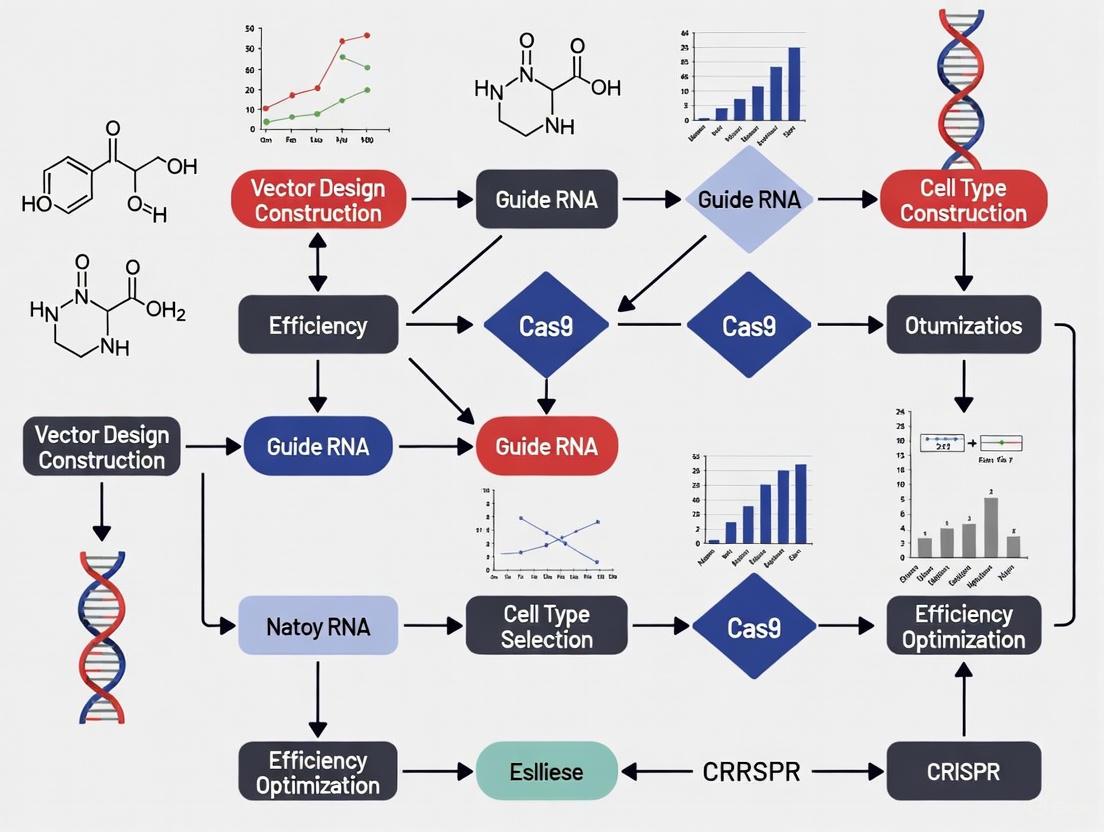
This article provides a comprehensive guide for researchers and drug development professionals on optimizing CRISPR-Cas9 editing efficiency in therapeutically relevant primary human cells.
Optimizing CRISPR Editing Efficiency in Primary Cells: From Foundational Challenges to Clinical Translation
Abstract
This article provides a comprehensive guide for researchers and drug development professionals on optimizing CRISPR-Cas9 editing efficiency in therapeutically relevant primary human cells. Covering foundational principles, advanced delivery methods, and rigorous validation strategies, we address the unique challenges of working with hard-to-transfect immune and stem cells. The content synthesizes the latest advancements, including epigenetic engineering and high-fidelity systems, to bridge the gap between high editing efficiency and genomic safety, offering a practical roadmap for preclinical and clinical application.
Understanding the Unique Landscape of Primary Cell Genome Editing
FAQs: Understanding the Core Challenges
Q1: Why is CRISPR editing efficiency lower in non-dividing or quiescent primary cells? Non-dividing cells, such as neurons, cardiomyocytes, and resting T cells, possess unique biological properties that limit standard CRISPR mechanisms. DNA repair in these cells relies heavily on non-homologous end joining (NHEJ) and lacks efficient homology-directed repair (HDR), which is cell-cycle dependent [1]. Furthermore, these cells often have condensed chromatin structure, limiting access to the target DNA, and maintain low levels of deoxynucleotides (dNTPs) due to factors like SAMHD1, which hinders editing methods relying on reverse transcription like prime editing [2].
Q2: What are the major transfection barriers in primary cells? Primary cells are notoriously difficult to transfect due to their sensitivity to external manipulation. Common barriers include:
- Delivery Efficiency: Physical methods like electroporation can cause significant cell death and are not always applicable in vivo [3].
- Cargo Size: The large size of Cas9 cDNA (~4.2 kb) makes it difficult to package into efficient delivery vectors like adeno-associated virus (AAV), which has a limited capacity [3].
- Cell Viability: High concentrations of CRISPR components can trigger toxic responses, leading to low survival rates post-transfection [4].
Q3: How does the cell cycle specifically influence CRISPR repair outcomes? The active DNA replication machinery in dividing cells favors certain repair pathways. Dividing cells, such as iPSCs, frequently use repair pathways like microhomology-mediated end joining (MMEJ), which results in a broader distribution of indel sizes [1]. In contrast, postmitotic cells predominantly use classical NHEJ, leading to a narrower profile of smaller indels [1]. Furthermore, DNA mismatch repair (MMR), which is mostly active in dividing cells, can work against certain precise editing techniques like prime editing by rejecting the newly synthesized DNA strand [2].
Troubleshooting Guides
Problem: Low Editing Efficiency in Quiescent Primary Cells
Issue: Your primary cells (e.g., T cells, neurons, hepatocytes) show poor knock-in or HDR efficiency.
Solutions:
- Choose the Right Editor: For non-dividing cells, consider technologies that do not rely on HDR. Prime editing shows promise, though its efficiency in quiescent cells is limited by low dNTP pools [2]. ARCUS nucleases have demonstrated high-frequency homologous recombination in non-dividing hepatocytes (30-40% efficiency) [5].
- Modulate Cellular Factors: To enhance prime editing, target factors that restrict it in quiescence. Suppressing SAMHD1 activity increases dNTP availability and has been shown to significantly boost prime editing efficiency [2].
- Optimize Delivery for Cell Health: Use delivery methods that minimize toxicity. Virus-like particles (VLPs) can efficiently deliver Cas9 ribonucleoprotein (RNP) to sensitive cells like neurons with high efficiency (up to 97% transduction reported) while avoiding the long-term presence of editing components [1].
Experimental Protocol: Enhancing Prime Editing in Quiescent Cells
- Objective: To improve prime editing efficiency in human resting lymphocytes.
- Materials: Prime editor (PE4 system), pegRNA, and SAMHD1 inhibitor (e.g, dNTPs or Vpx protein).
- Method:
- Isolate and culture primary human lymphocytes.
- Pre-treat cells with a SAMHD1 inhibitor for 12 hours to elevate intracellular dNTP levels.
- Deliver the prime editing components (PE4 and pegRNA) via electroporation or using engineered VLPs.
- Culture cells for at least 48-72 hours before analyzing editing outcomes via next-generation sequencing (NGS).
- Validation: Compare the editing efficiency and product purity with and without SAMHD1 inhibition.
Problem: High Cell Death and Low Viability After Transfection
Issue: A large proportion of your primary cells die following transfection with CRISPR reagents.
Solutions:
- Titrate Reagent Concentration: High concentrations of Cas9-gRNA RNP are a common cause of toxicity. Start with lower doses and titrate upwards to find a balance between editing efficiency and cell viability [4] [6].
- Switch Delivery Method: If using electroporation, optimize the electrical parameters (voltage, pulse length). For hard-to-transfect cells, lipid-based nanoparticles (LNPs) can be a gentler alternative [3] [5]. Synthego's automated platform testing up to 200 electroporation conditions identified a protocol that increased editing efficiency in THP-1 cells from 7% to over 80% while maintaining viability [6].
- Use RNP Complexes: Delivery of pre-assembled Cas9-gRNA ribonucleoprotein (RNP) complexes is often less toxic and has a shorter cellular half-life than plasmid DNA, reducing off-target effects and cell stress [4] [1].
Problem: Inefficient Delivery to Sensitive Primary Cells
Issue: Your chosen delivery method (e.g., chemical transfection) is ineffective for your primary cell type.
Solutions:
- Use a Positive Control: Always include a positive control (e.g., a well-validated gRNA) during optimization to distinguish between delivery failure and gRNA failure [6].
- Select a Clinically Relevant Vector: For in vivo delivery to non-dividing tissues, engineered virus-like particles (eVLPs) have shown success in delivering RNP to retinal pigment epithelium in mice, achieving 16.7% average editing efficiency [5]. For ex vivo work, flow electroporation platforms (e.g., MaxCyte ExPERT) are designed for scalable transfections in clinical development [5].
- Optimize Systematically: Do not rely on standard protocols. Perform a multi-parameter optimization for your specific cell line, testing 7 or more conditions covering different reagent ratios, delivery parameters, and cell densities [6].
The following tables consolidate key quantitative findings from recent research to aid in experimental planning and comparison.
Table 1: Comparison of Editing Outcomes in Dividing vs. Non-Dividing Cells
| Cell Type / State | Predominant DNA Repair Pathway | Typical Indel Profile | Time to Indel Plateau | HDR Efficiency |
|---|---|---|---|---|
| Dividing (iPSCs) | MMEJ, NHEJ | Broad range, larger deletions [1] | 1-3 days [1] | Higher (cell cycle dependent) |
| Non-Dividing (Neurons) | Classical NHEJ | Narrow range, small indels [1] | Up to 2 weeks [1] | Very Low |
| Activated T Cells | MMEJ, NHEJ | Broad range | Similar to dividing cells | Moderate |
| Resting T Cells | Classical NHEJ | Small indels | Prolonged | Very Low |
Table 2: Efficiency of Different Delivery Systems
| Delivery Method | Typical Application | Key Advantages | Key Limitations | Reported Efficiency (Example) |
|---|---|---|---|---|
| Electroporation | Ex vivo, various cell types | High efficiency for many cells, direct RNP delivery | Can cause significant cell toxicity [3] | >80% in THP-1 after optimization [6] |
| Virus-Like Particles (VLPs) | In vivo & ex vivo, neurons | High transduction (up to 97%), RNP delivery, transient [1] | Complex production, packaging size constraints | 97% transduction in human neurons [1] |
| Lipid Nanoparticles (LNPs) | In vivo & ex vivo | Low immunogenicity, repeat dosing, scalable [5] | Mostly liver-tropic, ongoing research to target other tissues | Successful in vivo CAR-T generation [5] |
| Adeno-Associated Virus (AAV) | In vivo gene therapy | High tropism, long-term expression | Small packaging capacity (<4.7 kb) [3] | N/A |
The Scientist's Toolkit: Essential Reagents and Materials
Table 3: Key Research Reagent Solutions
| Reagent / Material | Function | Application Note |
|---|---|---|
| High-Fidelity Cas9 Variants | Reduces off-target cleavage while maintaining on-target activity. | Critical for therapeutic applications to minimize unintended mutations [4]. |
| HDR Enhancer Proteins | Boosts homology-directed repair efficiency. | IDT's Alt-R HDR Enhancer Protein increased HDR efficiency up to 2-fold in iPSCs and hematopoietic stem cells [5]. |
| Prime Editing (PE) Systems | Enables precise point mutations, small insertions, and deletions without double-strand breaks. | PE4 system achieved 34.8% correction of a cardiomyopathy-causing mutation in iPSC-derived cardiomyocytes [5]. |
| GMP-grade gRNA and Cas9 | Ensures purity, safety, and efficacy for clinical trial development. | Essential for transitioning from research to clinical applications; lack of true GMP reagents is a major hurdle [7]. |
| Chemical Synchronization Agents | Arrests cells at specific cell cycle stages (e.g., G1/S with palbociclib). | Useful for studying cell-cycle dependence of editing, but can impact cell health and DNA repair [8]. |
Supporting Diagrams
DNA Repair Pathways in Cell Editing
Optimizing CRISPR Workflow
FAQs: Troubleshooting Your CRISPR Screens in Primary Cells
Q1: Why is my CRISPR screen in primary human NK cells showing poor editing efficiency and cell viability?
A: Genome-wide CRISPR screens in primary NK cells are hampered by technical challenges, including difficulties in achieving efficient editing at the required scale. To overcome this, ensure extensive optimization of your electroporation parameters. One developed protocol involves using a retroviral vector system for sgRNA delivery, followed by electroporation with Cas9 protein. Key steps include confirming stable sgRNA integration via puromycin selection and using targeted ablation of a surface marker (e.g., PTPRC/CD45) to validate editing efficiency, which achieved over 90% knockout. Maintaining cell fitness post-electroporation is critical for a successful screen [9].
Q2: Our hiPS cells show high sensitivity to perturbations in mRNA translation machinery compared to differentiated cells. Is this a common dependency, and how should we adjust our screen design?
A: Yes, this is a recognized dependency. Comparative CRISPRi screens reveal that human induced pluripotent stem (hiPS) cells are exceptionally sensitive to perturbations in the mRNA translation machinery, with 76% of targeted genes being essential, compared to 67% in neural progenitor cells (NPCs) and HEK293 cells. This is likely linked to their exceptionally high global protein synthesis rates. When designing screens, do not assume genetic dependencies are universal. It is crucial to:
- Profile essentiality across multiple relevant cell types, as dependencies can be highly context-specific.
- Focus on translation-coupled quality control pathways, as these show pronounced cell-type-specific effects [10].
Q3: What are the major logistical challenges in transitioning a CRISPR-based therapy from research to clinical trials?
A: Several key challenges exist beyond the science itself:
- Regulatory Hurdles: The existing FDA framework, designed for small-molecule drugs, is a poor fit for the complexity of CRISPR therapies, leading to unclear guidelines [7].
- Procurement of GMP Reagents: There is a critical shortage of suppliers offering true GMP-grade CRISPR reagents (e.g., gRNAs, Cas nuclease), and demand is outstripping supply. Using "GMP-like" reagents can jeopardize clinical translation [7].
- Maintaining Consistency: Changing vendors between research and clinical stages can introduce variability in reagents, leading to discrepant results and potential safety risks. Using a consistent vendor from bench to bedside is recommended [7].
Q4: How can computational tools help improve the precision of our CRISPR experiments?
A: Machine learning (ML) and deep learning (DL) are becoming leading methods for predicting both on-target and off-target activity of CRISPR systems. Their accuracy is continually improving as more experimental data is incorporated into training models. You can use these tools to:
- Design optimal gRNAs with high predicted on-target efficiency.
- Predict potential off-target sites across the genome before conducting experiments, which is crucial for mitigating one of the major challenges in clinical CRISPR application [11] [3].
Comparative Genetic Dependency Data from CRISPRi Screens
The table below summarizes quantitative data on gene essentiality from a comparative CRISPRi screen targeting mRNA translation machinery components in different cell types [10].
| Cell Type | Number of Genes Targeted | Genes Essential in This Cell Type (Count) | Genes Essential in This Cell Type (%) | Notable Cell-Type-Specific Essential Genes |
|---|---|---|---|---|
| hiPS Cells | 262 | 200 | 76% | ZNF598 (and other ribosome collision sensors) |
| Neural Progenitor Cells (NPCs) | 262 | 175 | 67% | — |
| HEK293 Cells | 262 | 176 | 67% | CARHSP1, EIF4E3, EIF4G3, IGF2BP2 |
| Neurons (Survival) | 262 | 118 | 45% | NAA11 |
| Cardiomyocytes (Survival) | 262 | 44 | 17% | CPEB2 |
The Scientist's Toolkit: Essential Research Reagents
This table lists key reagents and their functions for executing CRISPR screens in primary and stem cells, as detailed in the cited protocols [12] [9] [10].
| Reagent | Function in the Experiment | Key Considerations |
|---|---|---|
| High-Fidelity Cas9 Protein | Generates double-strand breaks at the DNA target site specified by the gRNA. | Using recombinant protein complexed with gRNA as a ribonucleoprotein (RNP) is common for ex vivo editing of primary cells [12] [9]. |
| Synthego Custom gRNA | Guides the Cas9 protein to the specific genomic locus for cleavage. | Critical for specificity. GMP-grade gRNAs are required for clinical applications [12] [7]. |
| AAV Serotype 6 (AAV6) | Acts as a viral vector to deliver the DNA repair template for homology-directed repair (HDR). | Effective for transducing hematopoietic stem and progenitor cells (HSPCs). Has a packaging limit of <4.7 kb [12] [3]. |
| Inducible KRAB-dCas9 System | A CRISPR interference (CRISPRi) system for gene knockdown without double-strand breaks. | Allows for screening in sensitive cell types like hiPS cells without triggering p53-mediated toxicity [10]. |
| Lentiviral sgRNA Library | Delivers a pooled library of guide RNAs for large-scale, loss-of-function screens. | Enables genome-wide or focused screens. Requires optimization for transduction efficiency in primary cells [9] [10]. |
| Cytokines (SCF, TPO, FLT3L, IL-6, IL-3) | Supports the ex vivo culture, expansion, and maintenance of primary cells like HSPCs and NK cells. | Essential for maintaining cell viability and function during the editing process [12] [9]. |
Detailed Experimental Protocols
Protocol 1: Genome-Wide CRISPR Screening in Primary Human NK Cells [9]
This protocol enables unbiased interrogation of gene knockouts that enhance NK cell antitumor activity.
- NK Cell Expansion: Isolate and expand primary human NK cells from cord blood using engineered universal antigen-presenting feeder cells (uAPCs) and IL-2 (200 IU/mL).
- Library Transduction: On day 5 of expansion, transduce NK cells with a pooled, genome-wide lentiviral sgRNA library at a low multiplicity of infection (MOI) to ensure one guide per cell.
- Electroporation: Electroporate the transduced cells with Cas9 protein using optimized electrical pulse codes to ensure efficient editing while maintaining viability.
- Selection and Expansion: Select successfully transduced cells with puromycin and re-expand them with feeder cells and IL-2.
- Phenotypic Challenge: Subject the edited NK cell pool to multiple rounds of challenge with cancer cells (e.g., pancreatic cancer Capan-1 cells) to induce a dysfunctional state.
- Cell Sorting and Sequencing: After the final challenge, sort NK cell populations based on a functional marker (e.g., LAMP1/CD107a for degranulation) or simply culture for outgrowth. Extract genomic DNA from pre- and post-selection samples and perform deep sequencing to quantify sgRNA abundance.
- Data Analysis: Identify enriched or depleted sgRNAs using specialized bioinformatics pipelines (e.g., MAGeCK) to reveal hits that confer a fitness advantage or disadvantage under selective pressure.
Protocol 2: Inducible CRISPRi Screening in hiPS Cells and Differentiated Progeny [10]
This protocol compares gene essentiality across a developmental lineage using a non-cutting CRISPR system.
- Engineer Inducible Cell Line: Generate a reference hiPS cell line with a doxycycline-inducible KRAB-dCas9 expression cassette inserted into a safe harbor locus (e.g., AAVS1).
- Differentiation: Differentiate the engineered hiPS cells into target lineages, such as neural progenitor cells (NPCs), neurons, and cardiomyocytes, using established protocols.
- sgRNA Library Transduction: Transduce the indducible hiPS cells and their differentiated counterparts with a lentiviral sgRNA library targeting genes of interest (e.g., mRNA translation factors).
- Gene Knockdown Induction: Add doxycycline to the culture medium to induce KRAB-dCas9 expression and initiate targeted gene repression.
- Phenotypic Outgrowth: Culture the cells for approximately ten population doublings (for proliferative cells) or for a set survival period (for post-mitotic neurons/cardiomyocytes) to allow phenotypic consequences to manifest.
- Sequencing and Hit Calling: Harvest cells, extract genomic DNA, and sequence the integrated sgRNAs. Calculate gene-level enrichment or depletion scores using a CRISPRi-specific analysis pipeline (e.g., CRISPRiDesign) to identify essential genes in each cellular context.
Workflow and Pathway Visualizations
CRISPRi Screen Workflow Across Cell Types
Translation Stress Response in hiPS Cells
FAQs: Epigenetic Editing in Primary Cells
Q1: What are CRISPRoff and CRISPRon, and how do they differ from standard CRISPR-Cas9?
CRISPRoff and CRISPRon are epigenetic editing tools based on a catalytically inactive Cas9 (dCas9) fused to epigenetic modifiers, such as DNA methyltransferases or histone deacetylases [13]. Unlike standard CRISPR-Cas9, which creates double-strand breaks (DSBs) to permanently alter the DNA sequence, these tools reversibly modulate gene expression without changing the underlying genetic code. CRISPRoff typically silences genes by adding repressive methyl marks to DNA or histones, while CRISPRon can reverse this silencing or activate genes by removing these marks or adding activating marks [14].
Q2: What are the main advantages of using epigenetic editing like CRISPRoff/CRISPRon in primary cell research?
The key advantages are:
- No DSBs: Eliminates the risks associated with DNA breaks, such as unwanted indels from non-homologous end joining (NHEJ) or translocations [14].
- Reversibility and Tunability: Epigenetic modifications can be reversed, allowing for dynamic studies of gene function [14].
- Persistence: Some epigenetic marks can be maintained through cell divisions, leading to sustained gene expression changes even after the editing machinery is no longer present.
- Applicability in Non-Dividing Cells: Epigenetic editors do not require active cell division to function, making them highly suitable for hard-to-transfect primary cells like neurons and resting T-cells [1].
Q3: I am experiencing low editing efficiency in my primary T cells. What strategies can I use to improve this?
Low efficiency in primary cells is common. To improve it, consider these strategies:
- Use Ribonucleoprotein (RNP) Complexes: Deliver pre-assembled complexes of dCas9 protein and guide RNA via electroporation. RNPs act transiently, reducing off-target effects and cell toxicity, and have been shown to achieve high editing efficiencies in primary T cells [15] [16].
- Optimize gRNA Design: Use chemically synthesized, modified guide RNAs (e.g., with 2'-O-methyl analogs) to enhance stability and reduce innate immune responses [15] [16].
- Validate Multiple gRNAs: Test 2-3 different gRNAs for your target to identify the most effective one, as efficiency can vary significantly [16].
- Utilize Virus-Like Particles (VLPs): For particularly sensitive cells, VLPs can be an efficient method for delivering epigenetic editors, as demonstrated in human iPSC-derived neurons [1].
Q4: How can I minimize off-target effects in epigenetic editing?
While generally having fewer safety concerns than nuclease-based editing, off-target epigenetic modifications can still occur.
- Choose High-Fidelity Systems: Select engineered dCas9 variants with higher specificity.
- Optimize gRNA Design: Use computational tools to design gRNAs with minimal off-target potential across the genome. Truncated gRNAs can also increase specificity [17].
- Control Expression: Use transient delivery methods like RNPs or mRNA instead of plasmids to limit the duration of editor expression, thereby reducing the window for off-target activity [15] [17].
- Titrate Components: Use the lowest effective concentration of the RNP complex to minimize off-target editing while maintaining on-target activity [4].
Troubleshooting Guides for Common Experimental Issues
Problem: Low Gene Silencing/Knockdown Efficiency with CRISPRoff
| Possible Cause | Solution |
|---|---|
| Ineffective gRNA | Design and test multiple gRNAs. Use predictive algorithms to select gRNAs targeting promoter regions and ensure the target site is not blocked by nucleosomes [18]. |
| Inefficient Delivery | Switch to RNP delivery via electroporation for primary immune cells. For other primary cells, optimize nucleofection protocols or explore VLP delivery [15] [1]. |
| Insufficient Editor Activity | Use a strong, cell-type-specific promoter to drive the expression of the epigenetic effector. Fuse to potent epigenetic domains (e.g., DNMT3A) and consider using synergistic effector systems. |
| Rapid Reversion of Marks | The targeted locus might be resistant to long-term silencing. Consider using editors that recruit multiple repressive complexes or performing repeated editing. |
Problem: High Cell Toxicity or Poor Viability Post-Editing
| Possible Cause | Solution |
|---|---|
| Delivery Method | Electroporation can be harsh. Optimize electroporation buffer and program settings specifically for your primary cell type. |
| High RNP/DNA Concentration | Titrate down the amount of RNP complex or DNA delivered. Start with lower doses and increase gradually to find the optimal balance between efficiency and viability [4]. |
| Innate Immune Activation | Use chemically modified synthetic sgRNAs, which are less likely to trigger immune responses compared to in vitro transcribed (IVT) RNAs [16]. |
| Prolonged Expression | Avoid plasmid-based delivery that leads to sustained expression. Use transient RNP delivery to limit the duration of editor presence in the cell [15]. |
Data Presentation: Strategies for Optimizing Editing in Primary Cells
The table below summarizes key optimization parameters based on successful protocols from recent literature.
| Optimization Parameter | Recommended Strategy | Application/Rationale |
|---|---|---|
| Delivery Format | Ribonucleoprotein (RNP) complexes [15] [16] | Reduces toxicity and off-target effects; enables rapid editing without integration; highly effective in primary T cells. |
| gRNA Design | Chemically modified, synthetic sgRNAs [16] | Increases nuclease resistance and editing efficiency; reduces immune stimulation. |
| gRNA Selection | Test 2-3 gRNAs per target [16] | Identifies the most effective guide empirically, as predictive algorithms are not perfect. |
| Delivery Method | Electroporation (e.g., 4D-Nucleofector) [15] | High efficiency for hard-to-transfect primary cells; optimized protocols exist for various cell types. |
| Cell Health | Use early-passage, high-viability cells; optimize recovery media | Primary cells are sensitive; starting with healthy cells is critical for post-editing survival. |
| Timeline for Analysis | Allow extended time for outcome analysis (e.g., up to 16 days in neurons) [1] | Epigenetic changes and their functional outcomes may manifest slowly in non-dividing primary cells. |
Experimental Protocol: Epigenetic Silencing in Primary T Cells using CRISPRoff-based RNP Delivery
This protocol outlines a method for transient, DNA-free epigenetic silencing in human primary T cells.
Key Reagents:
- Primary Human T Cells: Isolated from peripheral blood.
- dCas9-Epigenetic Effector Protein: Purified recombinant dCas9 fused to a DNA methyltransferase (e.g., DNMT3A) or histone methyltransferase (e.g., SUV39H1).
- Chemically Modified sgRNA: Synthetic sgRNA targeting the gene of interest, designed with proprietary stability-enhancing modifications (e.g., Alt-R CRISPR modifications).
- Nucleofector System & Kit: Specifically formulated for primary T cells.
Procedure:
- RNP Complex Assembly: Combine the dCas9-effector protein and synthetic sgRNA at a predetermined molar ratio in a sterile tube. Incubate at room temperature for 10-20 minutes to allow RNP complex formation.
- T Cell Preparation: Isolate and count primary T cells. Ensure viability is >95%. Centrifuge cells and resuspend in the provided Nucleofector solution at a specific concentration.
- Electroporation: Add the pre-assembled RNP complex to the cell suspension. Transfer the entire mixture into a certified cuvette. Electroporate using the recommended program for primary T cells.
- Cell Recovery: Immediately after electroporation, add pre-warmed recovery medium to the cuvette. Gently transfer the cells to a culture plate pre-filled with complete medium supplemented with IL-2.
- Culture and Analysis:
- Culture the cells under standard conditions.
- Day 2-3: Assess cell viability and activation status via flow cytometry.
- Day 5-7: Analyze initial gene silencing efficiency via RT-qPCR to measure mRNA levels.
- Day 7-14: Perform downstream analyses such as bisulfite sequencing to confirm DNA methylation changes or functional assays.
The Scientist's Toolkit: Essential Reagents for Epigenetic Editing
| Research Reagent | Function & Explanation |
|---|---|
| dCas9-Epigenetic Effector Fusions | The core enzyme; dCas9 provides target specificity via gRNA, while the fused effector (e.g., DNMT3A, TET1, p300) writes or erases specific epigenetic marks on DNA or histones [13] [14]. |
| Chemically Modified Synthetic sgRNA | Guides the dCas9-effector to the target genomic locus. Chemical modifications enhance stability, improve editing efficiency, and reduce toxic immune responses in primary cells [16]. |
| Nucleofector System | An electroporation device optimized for hard-to-transfect cells like primary T cells and neurons. Critical for efficient RNP delivery into these sensitive cell types [15]. |
| Virus-Like Particles (VLPs) | A delivery vehicle engineered to carry protein cargo (e.g., Cas9 RNP). Useful for delivering editors to cells that are refractory to electroporation, such as neurons [1]. |
| High-Fidelity Cas Variants | Engineered Cas proteins with reduced off-target activity. Using high-fidelity versions of dCas9 can improve the specificity of epigenetic modifications [13] [17]. |
Visualization: Workflow for Epigenetic Editing in Primary Cells
The following diagram illustrates the logical workflow and key decision points for implementing an epigenetic editing experiment in primary cells.
Frequently Asked Questions (FAQs)
Q1: Why do my CRISPR protocols, optimized in HEK293 or HeLa cells, fail when I move to primary human T cells or hematopoietic stem cells?
Protocol failure occurs because immortalized cell lines and primary cells differ in nearly every biological aspect that influences CRISPR efficiency. The table below summarizes the critical divergences.
Table 1: Key Differences Between Immortalized and Primary Cells Impacting CRISPR Editing
| Biological Characteristic | Immortalized Cell Lines (e.g., HEK293, HeLa) | Primary Cells (e.g., T cells, HSCs) | Impact on CRISPR Efficiency |
|---|---|---|---|
| Proliferation Rate | High, continuous division [19] | Often slow or quiescent [20] | Limits access to HDR, which is most active in S/G2 cell cycle phases [20] |
| DNA Repair Pathway Dominance | NHEJ and HDR are active | Heavily biased towards error-prone NHEJ [20] | Results in high indel rates and low HDR knock-in efficiency in primary cells [20] |
| Epigenetic Landscape | Often altered, simplified, and unstable [21] | Native, complex, and tightly regulated [22] | Affects sgRNA binding accessibility and Cas9 on-target activity [22] |
| Response to DSBs | Tolerates high levels of DNA damage [23] | Highly sensitive; prone to apoptosis or senescence [23] | Lower viability post-transfection/nucleofection in primary cells [19] |
| Transfection Efficiency | Generally high and easy to achieve [19] | Low; requires optimized methods like nucleofection [19] [24] | Directly reduces the percentage of cells receiving CRISPR components |
Q2: What are the specific safety risks of using CRISPR in primary cells for therapeutic applications?
Beyond common off-target effects, primary cells are uniquely vulnerable to on-target structural variations (SVs). These large, complex aberrations are a critical safety concern for clinical translation.
Table 2: Safety Risks in Primary vs. Immortalized Cells
| Risk Type | Description | Clinical Concern | Relative Risk in Primary Cells |
|---|---|---|---|
| Large Deletions/Megabase Losses | Deletions spanning kilobases to megabases from the on-target cut site [23] | Loss of tumor suppressor genes or critical regulatory elements [23] | Higher, due to sensitive DNA damage response [23] |
| Chromosomal Translocations | Rearrangements between different chromosomes after simultaneous DSBs [23] | Potential oncogenic activation (e.g., in proto-oncogenes) [23] | Significant, especially with multiple sgRNAs or in p53-deficient clones [23] |
| p53-Mediated Stress Response | Activation of the p53 pathway post-DSB, leading to cell death or arrest [23] | Selective outgrowth of p53-deficient cells with genomic instability [23] | Pronounced, raising oncogenic concerns in therapeutic products [23] |
Q3: My goal is stable gene silencing in primary T cells. Is CRISPR knockout my only option?
No. CRISPRoff for epigenetic silencing is a genetically safer alternative. Unlike CRISPR-Cas9 nuclease, CRISPRoff uses a catalytically dead Cas9 (dCas9) fused to repressive domains to establish heritable gene silencing without creating double-strand breaks. This avoids the risks of genomic instability, chromosomal translocations, and indels, making it ideal for sensitive primary cells [22].
Q4: How can I enhance knock-in efficiency in hard-to-transfect primary B cells?
Successful knock-in in primary B cells requires shifting the DNA repair balance from NHEJ to HDR.
- HDR Template Design: Use single-stranded DNA (ssDNA) templates for small insertions (e.g., tags, point mutations) with 30-60 nt homology arms. For larger insertions (e.g., fluorescent proteins), use double-stranded DNA (dsDNA) templates with 200-300 nt homology arms [20].
- Strand Preference: For edits located >10 bp from the cut site, design your template with strand preference in mind: use the targeting (sgRNA-bound) strand for PAM-proximal edits and the non-targeting strand for PAM-distal edits [20].
- Small Molecule Inhibitors: Caution is advised. While inhibiting NHEJ factors like DNA-PKcs can enhance HDR, it can also dramatically increase the frequency of large deletions and chromosomal translocations [23]. Transient inhibition of 53BP1 may be a safer alternative, but extensive validation is required [23].
Troubleshooting Guides
Problem: Low HDR Knock-in Efficiency in Primary Human T Cells
Potential Causes:
- Quiescent Cell State: Primary T cells are often non-dividing, favoring the NHEJ repair pathway over HDR [24] [20].
- Suboptimal HDR Template: Incorrect template format, length, or design.
- Cellular Toxicity: High cell death from delivery methods (e.g., electroporation), leaving insufficient healthy cells for HDR.
Step-by-Step Solution:
- Activate and Expand T Cells: Stimulate T cells using CD3/CD28 agonists and culture in IL-2 for 48-72 hours pre-editing. This pushes cells into cycle, promoting HDR [24].
- Optimize Template Delivery: Co-deliver Cas9 ribonucleoprotein (RNP) complexes with a ssDNA HDR template during nucleofection. Ensure the template's homology arms are 30-60 nt long [20].
- Titrate Reagents: Perform a dose-response curve for the Cas9 RNP complex. Using excessive nuclease increases DSBs and toxicity, reducing HDR efficiency.
- Validate and Sequence: Use flow cytometry or PCR to check knock-in success. Always confirm precise integration with Sanger or next-generation sequencing.
Problem: High Cell Death Post-Transfection in Primary Hematopoietic Stem/Progenitor Cells (HSPCs)
Potential Causes:
- Innate Sensitivity to DSBs: Primary stem cells have a robust DNA damage response, triggering apoptosis or senescence upon Cas9 cutting [23].
- Delivery Method Toxicity: Standard transfection methods are too harsh.
Step-by-Step Solution:
- Switch to RNP Delivery: Use pre-complexed Cas9-gRNA ribonucleoproteins (RNPs). RNP editing is fast, precise, and reduces off-target effects and cellular stress compared to plasmid DNA delivery [19].
- Use a Gentler Delivery System: Utilize a Nucleofector system with programs and kits specifically optimized for HSPCs. This maximizes delivery while preserving viability [19].
- Consider Alternative Editors: For gene silencing, use CRISPRoff (epigenetic editing) to avoid DSBs entirely [22]. For single-base changes, investigate base or prime editors.
- Monitor Genomic Integrity: Employ long-range PCR or CAST-Seq to screen for unexpected on-target structural variations that could impair cell health [23].
The Scientist's Toolkit: Essential Reagents & Solutions
Table 3: Key Reagents for Optimizing CRISPR in Primary Cells
| Reagent / Solution | Function | Key Consideration for Primary Cells |
|---|---|---|
| Cas9 Ribonucleoprotein (RNP) | Pre-complexed Cas9 and sgRNA; enables rapid, transient editing with reduced off-target effects [19] | Gold standard for primary cells; reduces toxicity and avoids the need for transcription/translation [19] [24] |
| CRISPRoff System | dCas9 fused to DNMT3A/3L and KRAB for heritable, DSB-free gene silencing via DNA methylation [22] | Safer alternative to knockout; ideal for sensitive cells like HSCs and T cells where genomic integrity is paramount [22] |
| Chemically Modified sgRNA | Synthetic sgRNAs with chemical modifications (e.g., 2'-O-methyl) to improve stability and reduce immune activation [7] | Enhances editing efficiency and consistency in primary human cells, which can have robust nucleic acid sensing pathways. |
| cGMP-Grade Guides & Nucleases | Reagents manufactured under current Good Manufacturing Practice regulations for clinical use [7] | Mandatory for therapeutic development; ensures purity, safety, and efficacy. Avoids "GMP-like" reagents which may not meet regulatory standards [7] |
| Cell-Type Specific Nucleofection Kits | Optimized buffers and electrical parameters for specific primary cell types (e.g., T cells, HSCs) [19] | Crucial for achieving high efficiency and viability; standard electroporation buffers are often suboptimal and toxic. |
Advanced Delivery and Editing Strategies for Clinical Applications
For researchers aiming to optimize CRISPR editing efficiency in primary cells, selecting the appropriate editing modality is a critical first step. Primary cells, which are freshly isolated from living tissue and not immortalized, present unique challenges including limited lifespan, sensitivity to manipulation, and innate immune responses to foreign genetic material [15]. The choice between nuclease editing, base editing, epigenetic control, and transcriptional regulation depends heavily on your experimental goals, the nature of your target cells, and the specific outcome you wish to achieve. This guide addresses common questions and troubleshooting scenarios to help you navigate this complex decision-making process and implement robust protocols for your primary cell research.
Frequently Asked Questions (FAQs)
Q1: What are the primary considerations when choosing a CRISPR modality for primary cells?
The key considerations are your desired genomic outcome, the cell cycle status of your primary cells, and the potential for off-target effects.
- Goal: Do you need a complete gene knockout, a precise single-base change, or transient gene regulation?
- Cell Cycle: Homology-Directed Repair (HDR), required for precise knock-in, is inefficient in non-dividing primary cells as it is active only in the S/G2 phases. Non-Homologous End Joining (NHEJ) is active throughout the cell cycle [15]. A recent 2025 study confirmed that postmitotic cells like neurons and resting T cells have fundamentally different DNA repair pathways than dividing cells, favoring NHEJ over other repair mechanisms [1].
- Off-Targets: The risk of unintended edits varies by nuclease and modality. Nuclease-based knockout has a higher inherent risk than some newer modalities [25].
Q2: Why is HDR so inefficient in primary cells, and what can be done to improve it?
HDR efficiency is low because most primary cells are quiescent (non-dividing). HDR requires a sister chromatid template, which is only available after DNA replication [15].
- Solution: Use Cas9 ribonucleoprotein (RNP) complexes for delivery. RNP delivery is fast and transient, coinciding with the short window of HDR activity. Furthermore, synchronizing your primary cell culture to the S or G2 phase can increase HDR efficiency [15].
Q3: How can I minimize off-target editing in my primary cell experiments?
Off-target editing occurs when the CRISPR machinery acts at sites with DNA sequences similar to your target.
- Choose High-Fidelity Cas Variants: Engineered nucleases like eSpCas9(1.1) and SpCas9-HF1 are designed to reduce off-target effects by weakening non-specific interactions with DNA [13] [26].
- Optimize gRNA Design: Select gRNAs with high on-target and low off-target scores using design tools. Use chemically modified synthetic gRNAs (e.g., with 2'-O-methyl analogs) to enhance stability and specificity. Shorter guide RNAs (17-18 nucleotides) can also reduce off-target activity [25].
- Select the Right Delivery Method and Cargo: Delivery format impacts how long the nuclease is active. Using RNP complexes, which have a short half-life, significantly reduces the window for off-target editing compared to plasmid DNA, which persists longer [25] [15].
Q4: My primary cells are hard to transfect. What is the best delivery method?
Electroporation of pre-assembled Cas9 RNP complexes is widely considered the gold standard for difficult-to-transfect primary cells, such as T cells and neurons [15].
- Advantages of RNP Electroporation:
- High Efficiency: Achieves high editing rates even in sensitive cells.
- Low Toxicity: RNP components are transient and do not integrate into the genome.
- Rapid Action: Editing begins immediately after delivery, reducing cellular stress [15].
- Avoids Immune Activation: Bypasses the need for transcription and translation, which can trigger antiviral responses in primary immune cells [15].
Troubleshooting Guides
Problem: Low Editing Efficiency in Primary T Cells or NK Cells
Potential Causes and Solutions:
Cause: Suboptimal delivery of CRISPR components.
- Solution: Implement the SLICE (sgRNA Lentiviral Infection with Cas9 Protein Electroporation) method. As used in genome-wide T cell and NK cell screens, this involves lentiviral delivery of the sgRNA and electroporation of Cas9 protein [9] [27]. This combines stable genomic integration of the guide with highly efficient protein delivery.
Cause: Poor cell viability post-transfection.
- Solution: Titrate the amount of Cas9 RNP complex. High concentrations can be toxic. Use chemically synthesized, modified sgRNAs to enhance nuclease stability and reduce the required dose [25] [15]. Ensure post-electroporation recovery media contains appropriate cytokines (e.g., IL-2 for T cells) [9].
Cause: Inefficient gRNA.
- Solution: Always design and test 3-4 different gRNAs for your target. Use bioinformatic tools to select guides with high predicted on-target activity [6].
Problem: Inefficient Knock-in (HDR) in Non-Dividing Primary Cells
Potential Causes and Solutions:
Cause: HDR pathway is largely inactive in postmitotic cells.
- Solution: Consider alternative modalities. Base editing or prime editing can introduce precise changes without requiring DSBs or the HDR pathway, making them ideal for non-dividing cells [25]. A 2025 study also showed that chemical or genetic perturbation of the DNA repair network in neurons can shift repair outcomes, offering a potential strategy to improve desired edits [1].
Cause: The HDR donor template is not being co-delivered efficiently.
- Solution: Electroporate the single-stranded oligodeoxynucleotide (ssODN) HDR donor template alongside the Cas9 RNP complex. Using a "cocktail" of Cas9 RNP and donor DNA is a standard protocol for knock-in experiments in primary T cells [15].
Modality Comparison and Selection Table
The table below summarizes the key characteristics of the four main CRISPR modalities to guide your selection.
Table 1: Comparison of CRISPR Genome Editing Modalities
| Modality | Mechanism of Action | Primary Applications | Key Advantages | Key Limitations | Best Suited Primary Cell Types |
|---|---|---|---|---|---|
| Nuclease Editing (e.g., Cas9, Cas12) | Creates double-strand breaks (DSBs) repaired by NHEJ or HDR [13]. | Gene knockouts, gene knock-ins, large deletions [13]. | Highly effective for complete gene disruption; most mature and widely used technology. | Off-target DSB risk [25]; HDR is very inefficient in non-dividing cells [15]. | Activated T cells, NK cells, proliferating progenitors. |
| Base Editing | Uses catalytically impaired Cas fused to a deaminase enzyme to directly convert one base pair to another without a DSB [25]. | Point mutations, correcting single nucleotide polymorphisms (SNPs). | Does not require a DSB or donor template; higher efficiency and fewer indels than HDR; works in non-dividing cells [25]. | Limited by strict editing window (~10-15 bp); cannot make all possible base changes. | Neurons [1], cardiomyocytes, resting immune cells. |
| Epigenetic Editing | Uses dCas9 fused to epigenetic effector domains (e.g., methyltransferases, acetyltransferases) [13] [28]. | Targeted DNA methylation or histone modification to alter gene expression. | Reversible modulation of gene expression without altering the underlying DNA sequence. | Changes are often transient; requires detailed knowledge of epigenetic regulation. | Cells for disease modeling where long-term epigenetic reprogramming is needed. |
| Transcriptional Control | Uses dCas9 fused to transcriptional activators (e.g., VP64) or repressors (e.g., KRAB) [13] [26]. | Gene activation (CRISPRa) or repression (CRISPRi). | Reversible, tunable gene regulation; no DNA damage. | Effects are transient; potential for off-target transcriptional changes. | Functional genomics screens in any primary cell type. |
Experimental Protocols
Protocol 1: Genome-wide CRISPR Knockout Screen in Primary Human T Cells or NK Cells
This protocol, adapted from successful studies, enables unbiased discovery of genes regulating immune cell function [9] [27].
Research Reagent Solutions:
- sgRNA Library: A lentiviral genome-wide sgRNA library (e.g., 77,736 guides targeting 19,281 genes) [9].
- Cas9 Protein: High-quality, recombinant Cas9 protein.
- Primary Cells: Activated human T cells or NK cells from cord blood or peripheral blood.
- Cell Culture Media: RPMI-1640 supplemented with IL-2 (200 IU/mL) and other necessary cytokines [9].
- Transfection Reagent: Electroporation system (e.g., Lonza 4D-Nucleofector).
- Selection Agent: Puromycin for selecting transduced cells.
Methodology:
- Cell Activation & Expansion: Isolate and activate primary T/NK cells using engineered feeder cells or CD3/CD28 antibodies for 3-5 days [9].
- Lentiviral Transduction: On day 5, transduce the activated cells with the sgRNA lentiviral library at a low Multiplicity of Infection (MOI) to ensure one guide per cell.
- Cas9 Electroporation: 24 hours post-transduction, electroporate cells with Cas9 protein using optimized pulse codes.
- Selection & Expansion: Treat cells with puromycin to select for successfully transduced cells. Re-expand the selected cell population with feeder cells and IL-2.
- Functional Screening: Subject the edited cell pool to your screening condition (e.g., repeated tumor challenge to identify resistance genes) [9].
- NGS & Analysis: After the screen, extract genomic DNA and perform next-generation sequencing (NGS) of the sgRNA region. Compare sgRNA abundance between experimental and control groups to identify hits [9] [27].
Protocol 2: High-Efficiency Knockout in Resting Primary T Cells using RNP Electroporation
This protocol is optimized for hard-to-edit resting primary cells [15].
Research Reagent Solutions:
- CRISPR Components: Synthetic sgRNA (chemically modified for stability) and Cas9 protein, pre-complexed as an RNP [25] [15].
- Primary Cells: Resting human CD4+ T cells.
- Electroporation Kit: A specialized electroporation kit for primary human T cells.
Methodology:
- Isolate Resting T Cells: Purify CD4+ T cells from healthy donor blood using a negative selection kit.
- Prepare RNP Complex: Pre-complex synthetic sgRNA and Cas9 protein at a optimized molar ratio in a sterile buffer. Incubate for 10-20 minutes at room temperature.
- Electroporation: Mix the RNP complex with the resting T cells and electroporate using a pre-validated program for primary T cells.
- Recovery & Culture: Immediately transfer cells to pre-warmed, cytokine-rich media. Allow cells to recover for 48-72 hours before analysis.
- Validation: Assess editing efficiency using the T7E1 assay, NGS, or flow cytometry if targeting a surface protein.
Signaling Pathways and Workflows
CRISPR Modality Selection Workflow
This diagram outlines a logical decision tree for selecting the appropriate CRISPR modality based on research goals.
DNA Repair Pathways in Primary Cells
This diagram illustrates the competing DNA repair pathways that determine CRISPR outcomes in primary cells, particularly highlighting the differences between dividing and non-dividing cells.
Research Reagent Solutions
Table 2: Essential Reagents for CRISPR Editing in Primary Cells
| Reagent / Material | Function / Description | Example Use Case |
|---|---|---|
| Synthetic sgRNA (Chemically Modified) | A synthetic guide RNA with chemical modifications (e.g., 2'-O-methyl) that enhance stability, reduce immune response, and improve editing efficiency [25] [15]. | High-efficiency knockout in sensitive primary T cells and hard-to-transfect cells. |
| Cas9 Protein (WT and High-Fidelity) | The nuclease enzyme that cuts DNA. Available as wild-type for robust cutting and high-fidelity versions (e.g., SpCas9-HF1) for reduced off-target effects [13] [26]. | Pre-complexing with sgRNA to form RNP complexes for electroporation. |
| Ribonucleoprotein (RNP) Complex | A pre-assembled complex of Cas9 protein and sgRNA. The preferred delivery format for primary cells due to high efficiency, low toxicity, and short activity window [15]. | All experimental modalities in primary cells, especially for knockouts and when using base editors. |
| Electroporation System | A device that uses electrical pulses to create temporary pores in cell membranes, allowing RNP complexes or other cargo to enter cells efficiently [9] [15]. | Delivery of CRISPR components into primary immune cells (T cells, NK cells). |
| Virus-Like Particles (VLPs) | Engineered particles that deliver protein cargo (e.g., Cas9 RNP) instead of genomic material. Effective for delivering to difficult cells like neurons [1]. | CRISPR editing in postmitotic primary cells, such as iPSC-derived neurons. |
| Genome-wide sgRNA Library | A pooled lentiviral library containing thousands of sgRNAs targeting every gene in the genome, used for large-scale functional genetic screens [9] [27]. | Unbiased identification of genes regulating primary T cell or NK cell function. |
Within the broader thesis of optimizing CRISPR editing efficiency in primary cell research, the delivery of pre-assembled Cas9 ribonucleoprotein (RNP) complexes represents a pivotal strategy. RNP delivery offers high editing efficiency with reduced off-target effects and lower cytotoxicity compared to DNA-based methods, making it particularly valuable for sensitive primary cells [29] [15]. This technical support center provides comprehensive guidance on two principal RNP delivery approaches: optimized electroporation protocols and emerging hardware-free alternatives, specifically engineered virus-like particles (VLPs) and enveloped delivery vehicles (EDVs).
Frequently Asked Questions (FAQs)
Q1: Why is RNP delivery often preferred over plasmid DNA for CRISPR editing in primary cells?
RNP delivery offers several advantages for primary cell editing: (1) Immediate activity upon delivery without requiring transcription or translation; (2) Short intracellular half-life that reduces off-target effects; (3) Pre-complexed RNA and protein avoids guide RNA degradation; (4) No risk of genomic integration of foreign DNA; (5) Demonstrated high editing efficiency in challenging primary cell types including T cells and stem cells [29] [15] [30].
Q2: What are the key advantages of hardware-free delivery methods like VLPs/EDVs over electroporation?
Hardware-free methods like VLPs and EDVs provide: (1) Superior cell viability by preserving cell membrane integrity; (2) Up to 30-50-fold higher editing efficiency at comparable RNP doses; (3) Faster editing kinetics with edits occurring at least 2-fold faster; (4) Natural endocytic uptake mechanisms; (5) Ability to target specific cell types through envelope engineering [31] [1] [30].
Q3: How can I troubleshoot low cell viability after electroporation of primary cells?
Low viability can result from: (1) Suboptimal electrical parameters for your specific cell type; (2) Excessive cell concentration during electroporation; (3) Poor RNP quality or excessive dosage; (4) Incorrect post-electroporation handling; (5) Contamination in buffers or reagents. Refer to the troubleshooting table in this guide for specific solutions [32] [33].
Q4: What is the typical timeline for observing CRISPR edits when using different delivery methods?
The editing timeline varies significantly by method: Electroporation typically shows maximal indels within 24-72 hours in dividing cells. EDV delivery demonstrates accelerated editing, with maximal effects occurring approximately 2-fold faster than electroporation. In postmitotic cells like neurons, editing outcomes may continue to accumulate for up to 2 weeks post-delivery regardless of method [1] [30].
Troubleshooting Guides
Electroporation Troubleshooting
Table 1: Common Electroporation Issues and Solutions
| Problem | Potential Causes | Recommended Solutions |
|---|---|---|
| Arcing (Electrical Spark) | High salt concentration in RNP preparation; Air bubbles in cuvette; Excessive cell concentration; Impure glycerol in buffers | Desalt DNA/RNP preparations using microcolumn purification; Tap cuvette to remove bubbles; Dilute cell concentration; Use high-purity glycerol [32] [33] |
| Low Editing Efficiency | Suboptimal electrical parameters; Poor cell viability; Insufficient RNP concentration; Incorrect cell type parameters | Optimize voltage and pulse duration using manufacturer guidelines; Use cold cuvettes stored in freezer; Validate RNP quality and concentration; Use cell-type specific buffers [19] [33] |
| Poor Cell Viability | Excessive electrical parameters; High RNP toxicity; Incorrect post-electroporation handling; Cell type sensitivity | Reduce voltage or pulse duration; Titrate RNP to lower concentrations; Use specialized recovery media; Optimize cell density (typically 1x10^6 cells per 100μL) [32] [15] |
| Inconsistent Results Between Experiments | Cuvette age or quality; Variable RNP preparation; Cell passage number or health; Temperature fluctuations | Use fresh cuvettes and check for cracks; Standardize RNP complexing protocol; Use low-passage healthy cells; Pre-chill cuvettes on ice [32] [33] |
Hardware-Free Delivery Troubleshooting
Table 2: VLP/EDV Delivery Challenges and Solutions
| Problem | Potential Causes | Recommended Solutions |
|---|---|---|
| Low Transduction Efficiency | Suboptimal pseudotyping for target cell type; Insufficient particle concentration; Incorrect storage/handling | Optimize envelope proteins (e.g., VSVG, BRL) for your cell type; Concentrate particles via ultracentrifugation; Avoid freeze-thaw cycles [31] [1] |
| Inadequate Editing Despite High Transduction | Insufficient RNP packaging; Early degradation; Poor endosomal escape | Extend production time to 72h for higher yield; Incorporate endosomolytic agents; Engineer gag-editor fusion proteins [31] [30] |
| Cell Type-Specific Delivery Challenges | Lack of appropriate receptors; Intracellular barriers; Immune recognition | Screen different pseudotyped envelopes; Use targeting motifs (nanobodies, scFvs); Consider immunosuppressants for sensitive cells [1] [30] |
| Manufacturing Inconsistency | Variable transfection efficiency; Unoptimized purification; Plasmid quality issues | Use high-quality plasmid prep methods; Standardize transfection protocols; Implement quality control checks (ELISA, Western) [31] |
Quantitative Comparison of Delivery Methods
Table 3: Performance Metrics of RNP Delivery Methods in Primary Cells
| Parameter | Electroporation | VLP/EDV Delivery | Testing Conditions |
|---|---|---|---|
| Editing Efficiency | 20-60% in primary T cells [15] | >30-fold higher than electroporation [30] | Comparable total RNP doses |
| Cell Viability | 40-80% (cell type dependent) [15] | >90% in multiple primary cell types [31] [30] | 24-72 hours post-delivery |
| Time to Maximal Editing | 1-3 days (dividing cells) [1] | 2-fold faster than electroporation [30] | Hours to days post-delivery |
| Minimum RNP Required | Variable, typically high doses | >1300 RNPs per nucleus [30] | Measured via fluorescence correlation spectroscopy |
| Duration of Editor Activity | Transient (24-48h) [29] | Transient (24-72h) [31] | Dependent on cell type and delivery efficiency |
| Multiplexing Capacity | Moderate (limited by RNP complexity) | High (multiple gRNAs possible) [31] | Demonstrated with epigenome editors |
Experimental Protocols
Protocol 1: Optimized Electroporation for Primary T Cells
This protocol achieves high knockout efficiency in primary human T cells using the Lonza 4D-Nucleofector system [15].
Materials:
- Healthy primary T cells (resting or activated)
- Cas9 protein with nuclear localization signal
- Synthetic sgRNA (chemical modifications recommended)
- Lonza 4D-Nucleofector System with X Unit
- Appropriate cell culture media and supplements
Procedure:
- Isolate and count T cells, ensuring >95% viability.
- Resuspend cells in appropriate nucleofection solution at 1x10^6 cells per 100μL.
- Complex Cas9 protein and sgRNA at 1.5:1 molar ratio in duplex buffer. Incubate 10-15 minutes at room temperature to form RNPs.
- Combine cell suspension with RNP complexes (typically 2-4μg Cas9 per 100μL reaction).
- Transfer to certified cuvettes, ensuring no air bubbles.
- Electroporate using appropriate pulse code (e.g., DS-137 for resting T cells, EO-115 for activated T cells).
- Immediately add pre-warmed recovery media and transfer to culture plates.
- Assess editing efficiency 48-72 hours post-electroporation via flow cytometry or sequencing.
Key Optimization Parameters:
- Cell concentration: 1x10^6 cells per 100μL optimal
- RNP concentration: Titrate between 1-5μg Cas9 per reaction
- Electrical parameters: Cell-type specific codes recommended
- Recovery media: Supplement with IL-2 for T cell viability [15]
Protocol 2: VLP-Mediated RNP Delivery to iPSC-Derived Neurons
This protocol enables efficient RNP delivery to postmitotic cells using engineered virus-like particles, based on the RENDER platform [31] [1].
Materials:
- Lenti-X HEK293T cells for VLP production
- Plasmids: VSV-G envelope, gag-pol polyprotein, gag-editor fusion, sgRNA
- Target cells (iPSC-derived neurons, primary cells)
- Ultracentrifugation equipment
- Cell culture reagents and media
Procedure: VLP Production:
- Seed Lenti-X HEK293T cells in 10cm tissue culture dishes.
- Transfect with plasmid mixture (1μg VSV-G, 6.7μg gag-editor fusion, 3.3μg sgRNA plasmid) using TransIT-LT1.
- Harvest supernatant 48-72 hours post-transfection.
- Filter through 0.45μm PES membrane.
- Concentrate via ultracentrifugation through 30% sucrose cushion.
- Resuspend pellet in Opti-MEM, aliquot, and store at -80°C.
Cell Transduction:
- Plate target cells at appropriate density.
- Thaw VLP aliquots quickly and add to cells with appropriate polybrane.
- Centrifuge plates (2000xg, 30-60min, 32°C) to enhance transduction.
- Replace media after 24 hours.
- Assess editing efficiency over 1-2 weeks (especially important for postmitotic cells).
Key Optimization Parameters:
- Production time: Extending to 72h increases yield [31]
- Pseudotyping: VSVG/BRL co-pseudotyping enhances neuronal transduction [1]
- Cell status: Cell cycle synchronization may enhance HDR efficiency [15]
Essential Research Reagent Solutions
Table 4: Key Reagents for Optimized RNP Delivery
| Reagent/Category | Specific Examples | Function & Importance |
|---|---|---|
| Nucleofection Systems | Lonza 4D-Nucleofector; Neon Transfection System (Thermo Fisher) | Electroporation systems with pre-optimized protocols for primary cells [15] [33] |
| Chemically Modified Guides | 2'-O-methyl (M); 2'-O-methyl 3' phosphorothioate (MS); Synthego sgRNA | Enhanced stability and reduced immune activation in primary cells [15] |
| Specialized Buffers | Nucleofection Solution; Electroporation Buffers | Low-conductivity, optimized for specific cell types to enhance viability [33] |
| VLP Production Plasmids | VSV-G envelope; gag-pol; gag-editor fusions | Enable production of engineered VLPs for hardware-free delivery [31] [1] |
| Cell Viability Enhancers | IL-2 for T cells; Rock Inhibitors for stem cells; Specialized recovery media | Improve post-transduction viability, critical for primary cells [15] |
Method Selection Workflow
Advanced Applications and Future Directions
The integration of RNP delivery technologies with advanced CRISPR systems continues to expand the possibilities for primary cell research. Recent advances include:
Epigenome Editing: The RENDER platform enables delivery of large CRISPR-based epigenome editors (CRISPRoff, CRISPRi) as RNPs via VLPs, allowing transient delivery for durable epigenetic modifications without DNA breaks [31].
Multiplexed Gene Activation: Second-generation CRISPRa systems (dCas9-VPR) delivered as RNPs enable highly efficient transcriptional activation of endogenous genes, even for deeply silenced developmental genes, with temporal precision unmatched by DNA-based approaches [34].
Therapeutic Applications: Engineered VLPs/EDVs show particular promise for in vivo therapeutic applications, combining the targeting specificity of viral vectors with the safety profile of transient RNP delivery [1] [30].
As these technologies mature, researchers can expect continued improvements in delivery efficiency, cell-type specificity, and applications across diverse primary cell types, further enhancing our ability to model human disease and develop novel therapies.
Technical Support Center: FAQs & Troubleshooting
This guide addresses common experimental challenges in implementing hairpin internal Nuclear Localization Signal (hiNLS) technology to enhance CRISPR-Cas9 editing in primary cells.
Frequently Asked Questions
Q1: Our recombinant hiNLS-Cas9 protein yields are low. How can we improve production?
A: This is a common issue when adding multiple NLS tags. The hiNLS strategy was specifically designed to address this.
- Problem: Traditional terminal fusion of multiple NLSs (e.g., 6xNLS) often disrupts protein stability or folding, leading to low recombinant expression yields.
- Solution: The hiNLS approach inserts NLS sequences into surface-exposed loops within the Cas9 backbone, which is better tolerated by the protein's structure. Researchers have reported yields of 4–9 mg per liter for hiNLS-Cas9 variants, which is comparable to unmodified Cas9 and significantly better than terminally tagged multi-NLS constructs [35] [36].
- Troubleshooting Tip: Ensure you are using the correct hairpin internal NLS (hiNLS) modules and not simply adding linear NLS sequences to the termini. Check protein expression and purification protocols standard for your Cas9 system.
Q2: We are not observing a significant increase in editing efficiency in primary T cells despite using hiNLS-Cas9. What could be wrong?
A: The delivery method and RNP complex formation are critical.
- Problem: The benefits of enhanced nuclear import are most apparent with transient delivery methods like Ribonucleoprotein (RNP) electroporation. If the RNP complex is not properly formed or the delivery is inefficient, you will not see the full effect.
- Solution:
- Always pre-complex the hiNLS-Cas9 protein with your synthetic guide RNA (sgRNA) to form RNPs before delivery [15].
- For primary T cells, electroporation of RNPs is a robust and widely used method. The enhanced nuclear import of hiNLS-Cas9 ensures it reaches the nucleus quickly during the short RNP half-life (1-2 days) [35].
- Troubleshooting Tip: Include a standard NLS-Cas9 control in your experiment. A successful hiNLS-Cas9 test should show a clear improvement over the control. For example, in one study, a hiNLS-Cas9 variant achieved over 80% knockout of the B2M gene in primary T cells, compared to about 66% with traditional Cas9 [36].
Q3: Could adding more NLS motifs increase the risk of off-target editing?
A: There is a potential trade-off between efficiency and specificity.
- Observation: One study noted a slight increase in off-target activity at a known problematic site with hiNLS-Cas9, likely because the improved nuclear localization helps Cas9 remain bound to DNA for longer [36].
- Solution: For applications where off-target effects are a top concern, consider combining the hiNLS strategy with high-fidelity Cas9 variants (e.g., eSpCas9(1.1) or SpCas9-HF1). The core hiNLS strategy can be applied to these engineered variants to create an editor that is both highly efficient and precise [37] [36].
Q4: Is this technology only useful for Cas9, or can it be applied to other editors?
A: The hiNLS strategy is a generalizable concept for improving nuclear import.
- Current Status: The published research demonstrates the principle with CRISPR-Cas9 [35] [38].
- Future Direction: The same rational design strategy—inserting NLS peptides into surface-exposed loops—can be applied to other genome editors like Cas12a, base editors, or prime editors, which face similar nuclear delivery challenges [36]. This is an active area of research.
Experimental Data & Protocols
The following table summarizes key quantitative data from the foundational hiNLS-Cas9 study, providing a benchmark for your experiments.
Table 1: Editing Efficiency of hiNLS-Cas9 in Primary Human T Cells [35] [36]
| Target Gene | Delivery Method | Cas9 Construct | Editing Efficiency | Cell Viability |
|---|---|---|---|---|
| B2M (Beta-2-microglobulin) | Electroporation | Standard Cas9 (control) | ~66% | Unaffected |
| B2M (Beta-2-microglobulin) | Electroporation | hiNLS-Cas9 (s-M1M4 variant) | >80% | Unaffected |
| B2M (Beta-2-microglobulin) | Peptide-mediated (PERC) | Standard Cas9 (control) | ~38% | Unaffected |
| B2M (Beta-2-microglobulin) | Peptide-mediated (PERC) | hiNLS-Cas9 (multiple variants) | 40-50% | Unaffected |
| TRAC (T-cell receptor alpha constant) | Electroporation | hiNLS-Cas9 variants | Effectively enhanced vs. control | Unaffected |
Key Experimental Protocol: RNP Delivery via Electroporation
This is a generalized protocol for achieving high-efficiency editing in primary T cells using hiNLS-Cas9 RNPs.
RNP Complex Formation:
- Dilute synthetic sgRNA and purified hiNLS-Cas9 protein in a nuclease-free buffer.
- Incubate the sgRNA and protein at a molar ratio of 1:1.2 (sgRNA:Cas9) for 10-20 minutes at room temperature to form the RNP complex [39] [15].
- Note: The optimal ratio may need empirical optimization for your specific gRNA and cell type.
Cell Preparation:
- Isolate primary human T cells from whole blood or a leukopak.
- Activate and expand the T cells for 2-3 days using CD3/CD28 beads and IL-2.
Electroporation:
- Wash and resuspend the T cells in an electroporation-compatible buffer.
- Mix the cell suspension with the pre-formed RNP complexes.
- Electroporate using a specialized system (e.g., Lonza 4D-Nucleofector). Use a pre-optimized program for primary T cells, such as "EO-115" [15].
Post-Transfection Culture:
- Immediately after electroporation, transfer the cells to pre-warmed culture medium supplemented with IL-2.
- Allow the cells to recover and express any edits for at least 48-72 hours before analysis.
Visualizing the hiNLS-Cas9 Workflow and Mechanism
The diagram below illustrates the key experimental workflow for using hiNLS-Cas9 and its fundamental advantage: enhanced nuclear import.
The Scientist's Toolkit: Essential Research Reagents
Table 2: Key Reagents for hiNLS-Cas9 Experiments in Primary Cells
| Reagent / Material | Function / Description | Key Considerations |
|---|---|---|
| hiNLS-Cas9 Protein | Engineered Cas9 nuclease with internal hairpin NLS sequences for superior nuclear import. | Can be produced recombinantly with high yield (4-9 mg/L) [35]. Commercial purified Cas9 proteins with terminal NLS are available, but lack the hiNLS advantage [39]. |
| Synthetic sgRNA | Chemically synthesized guide RNA with specific chemical modifications (e.g., 2'-O-methyl). | Modified sgRNAs enhance stability and editing efficiency when complexed with Cas9 protein as RNPs [15]. |
| Primary Human T Cells | Target cells for therapeutic genome editing. | Freshly isolated from donors. Highly sensitive to transfection; require specific activation and culture conditions [15]. |
| Electroporation System | Hardware for delivering RNP complexes into cells via electrical pulses. | Systems like the 4D-Nucleofector (Lonza) offer optimized protocols for primary T cells [15]. Gentler methods like peptide-mediated delivery (PERC) also benefit from hiNLS [35] [36]. |
| Cell Culture Reagents | Activation beads (e.g., CD3/CD28) and cytokines (e.g., IL-2). | Essential for maintaining T cell health and proliferation during and after the editing process [15]. |
Frequently Asked Questions
General Principles and Challenges
Q1: Why is precise knock-in particularly challenging in primary B and T cells compared to cell lines?
Primary B and T cells present unique challenges for CRISPR knock-in due to their biological characteristics. Unlike immortalized cell lines, these primary immune cells often exist in a quiescent state and are non-dividing or slowly dividing, which favors the non-homologous end joining (NHEJ) DNA repair pathway over homology-directed repair (HDR). HDR is naturally restricted to the S and G2 phases of the cell cycle, making it inefficient in these cell types [40] [41]. Additionally, certain primary cells like B cells possess elevated levels of DNA repair enzymes that can efficiently repair Cas9-induced double-strand breaks, further reducing knock-in success rates [42] [40].
Q2: What are the key differences between knock-in and knockout experiments that affect experimental design?
Knock-out experiments rely on the error-prone NHEJ pathway, which is active throughout the cell cycle and rapidly repairs double-strand breaks by creating insertions or deletions (indels) that often disrupt gene function. In contrast, knock-in experiments require the HDR pathway, which is only active in dividing cells and uses a donor template to create precise genomic alterations. This fundamental difference makes knock-ins more challenging and requires careful optimization of template design and delivery [43].
Template Design and Selection
Q3: How do I choose between single-stranded oligos and double-stranded DNA templates for my knock-in experiment?
The choice depends primarily on the size of your intended insertion [43]:
- Single-stranded oligodeoxynucleotides (ssODNs): Optimal for small insertions (<120-150 nucleotides), such as point mutations, epitope tags, or loxP sites. They typically require homology arms of 30-60 nucleotides [44] [43] [40].
- Double-stranded DNA (dsDNA) templates: Necessary for larger insertions such as fluorescent proteins or chimeric antigen receptors (CARs). These can be in the form of PCR products or plasmids and require longer homology arms, typically 200-800 nucleotides, for efficient recombination [44] [43] [40].
Q4: What are the benefits of using a "double-cut" HDR donor design?
A double-cut donor is a linear dsDNA template flanked by sgRNA target sequences that are cleaved by Cas9 in vivo. This design significantly increases HDR efficiency compared to circular plasmid donors because it synchronizes the creation of the genomic double-strand break with donor linearization. This synchronization makes the homologous ends of the donor template more readily available for the repair machinery. Studies in 293T cells and iPSCs have shown that double-cut donors can improve HDR efficiency by twofold to fivefold [45].
Q5: Can chemical modifications to the donor template improve knock-in efficiency?
Yes, chemically modified templates can enhance stability and performance. Modifications such as 5'-phosphorylation and the incorporation of phosphorothioate bonds at the ends can protect donor templates from exonuclease degradation. Recent studies in zebrafish have demonstrated that chemically modified templates outperform those released in vivo from a plasmid, leading to higher rates of precise germline transmission [43] [46].
Enhancing Efficiency and Troubleshooting
Q6: What small molecules can I use to enhance HDR efficiency in primary cells?
Small molecule inhibitors that suppress the NHEJ pathway or synchronize the cell cycle can tilt the balance toward HDR. Several proprietary compounds are available, and research has tested molecules like SCR7 (an NHEJ inhibitor) and nocodazole (a G2/M phase synchronizer). Using nocodazole in combination with CCND1 (cyclin D1), which promotes G1/S transition, has been shown to double HDR efficiency in induced pluripotent stem cells [40] [45].
Q7: How can I prevent re-cutting of the successfully edited locus by Cas9?
Introducing silent mutations into the protospacer adjacent motif (PAM) or the seed sequence of the target site in your donor template is an effective strategy. These mutations disrupt the recognition site for the Cas9-sgRNA complex after successful editing, preventing further cleavage and allowing for enrichment of correctly modified cells. This approach is a standard feature in some commercial HDR design tools [43].
Troubleshooting Guide
Low Knock-in Efficiency
| Potential Cause | Investigation Approach | Solution |
|---|---|---|
| Suboptimal sgRNA | Test cutting efficiency with a T7E1 assay or NGS; check for predicted off-targets. | Use bioinformatics tools (e.g., IDT's Alt-R HDR Design Tool, CRISPR Design Tool) to design high-efficiency guides. Test 3-5 sgRNAs per target [42] [43]. |
| Inefficient delivery | Measure transfection/electroporation efficiency with a fluorescent reporter. | For hard-to-transfect cells like primary T cells, use electroporation (e.g., MaxCyte systems) or optimized lipid nanoparticles. Use stably expressing Cas9 cell lines if possible [42] [47]. |
| Poor template design or delivery | Verify template integrity and concentration post-synthesis. | Optimize homology arm length based on template type. For ssODNs, use 30-60 nt arms; for dsDNA, use 200-800 nt arms. Use double-cut donor design and chemical modifications [44] [43] [40]. |
| Dominant NHEJ pathway | Assess cell cycle status via flow cytometry. | Use HDR enhancers like small molecule NHEJ inhibitors (e.g., nedisertib) or cell cycle synchronizers (e.g., nocodazole) [40] [41] [45]. |
High Cell Toxicity or Poor Viability
| Potential Cause | Investigation Approach | Solution |
|---|---|---|
| Electroporation stress | Check viability 24-48 hours post-electroporation. | Titrate sgRNA:Cas9 RNP complex amounts. Optimize electroporation parameters (voltage, pulse length). Include electroporation enhancers [43] [47]. |
| Cellular toxicity from CRISPR components | Titrate components individually to identify the toxic element. | Use high-fidelity Cas9 variants to reduce off-target cuts and genotoxic stress. Purify RNP complexes to remove contaminants [41] [47]. |
| Template toxicity | Co-deliver a fluorescent reporter and sort viable cells. | For plasmid donors, ensure the backbone lacks motifs causing immune activation. Consider using minimalistic templates like "Nanoplasmids" [47]. |
Lack of Functional Knock-in Validation
| Potential Cause | Investigation Approach | Solution |
|---|---|---|
| Imprecise integration | Perform Sanger sequencing or long-read sequencing (PacBio) of the target locus. | Use donors with sufficiently long homology arms. Introduce silent mutations to prevent re-cutting. Use HDR-enhancing Cas9 fusions (e.g., miCas9) [43] [41] [46]. |
| Low protein expression | Perform Western blot for the tagged protein or flow cytometry for reporters. | Ensure the insert does not disrupt the reading frame. For tags, verify they are inserted at the correct terminus (N- or C-terminal). Use a 2A peptide linker for larger inserts like fluorescent proteins to ensure proper folding [40] [48]. |
| Inefficient editing in primary cells | Use a control fluorescent reporter knock-in to assess system efficiency. | Activate primary T cells before editing. Use optimized protocols specifically developed for primary human immune cells [40] [47]. |
Experimental Protocol Data Tables
Table 1: Optimized Homology Arm Lengths for Different Template Types
| Template Type | Insert Size | Recommended Homology Arm Length | Key Considerations |
|---|---|---|---|
| ssODN | < 120 nt | 30 - 60 nt [43] [40] | Chemical modifications (phosphorothioate) improve stability and HDR rates [43]. |
| dsDNA PCR Fragment | 120 - 2000 nt | 200 - 800 nt [40] [45] | Double-cut design with sgRNA flanking sites can boost efficiency 2-5x [45]. |
| Plasmid DNA | > 1000 nt | 500 - 1500 nt (or longer) [44] [45] | Large plasmids are difficult to deliver and can cause toxicity; linearize before use [43] [45]. |
Table 2: HDR Enhancement Strategies and Their Reported Efficacy
| Strategy | Method of Action | Example Reagents/Approaches | Reported Effect on HDR |
|---|---|---|---|
| Cell Cycle Synchronization | Increases proportion of cells in S/G2 phases where HDR is active. | Nocodazole (G2/M arrest), CCND1/Cyclin D1 (G1/S progression) [45] | Up to 2-fold increase in iPSCs when combined [45]. |
| NHEJ Inhibition | Suppresses competing error-prone repair pathway. | Small molecule inhibitors (e.g., nedisertib, reomidepsin) [40] | Significant increase in HDR-mediated repair in primary B cells [40]. |
| Template Engineering | Increases donor stability and local concentration at the cut site. | Chemical modifications, TFO-tailed ssODN [49], Double-cut donors [45] | TFO-tailed design increased knock-in from ~18% to ~38% [49]. |
| Cas9 Engineering | Recruits HDR machinery or reduces off-target genotoxicity. | HDR-Cas9 fusions (e.g., miCas9), High-fidelity Cas9 variants [41] | Improved precise integration, though larger protein size can be a delivery challenge [41]. |
Visual Guide: Key Workflows and Pathways
Diagram 1: HDR vs. NHEJ Pathway Competition in Primary Cells
This diagram illustrates the critical competition between the NHEJ and HDR repair pathways following a CRISPR-induced double-strand break. Primary B and T cells' tendency toward quiescence favors the NHEJ pathway, making HDR-mediated knock-in inherently less efficient [40] [41].
Diagram 2: Double-Cut HDR Donor Strategy Workflow
This workflow shows the mechanism of the double-cut HDR donor strategy. By designing the donor plasmid with flanking sgRNA sites, Cas9 linearizes it in vivo, synchronizing the creation of the homologous repair template with the genomic break. This synchronization has been shown to increase HDR efficiency by twofold to fivefold compared to circular plasmids [45].
The Scientist's Toolkit: Essential Reagents and Solutions
| Item Category | Specific Examples | Function in Knock-in Experiment |
|---|---|---|
| CRISPR Nucleases | Wild-type SpCas9, Cas9 nickase (nCas9), High-fidelity Cas9 (e.g., SpCas9-HF1), Cas12a (Cpfl) | Induces controlled DNA breaks. High-fidelity variants reduce off-target effects; Cas12a offers different PAM recognition and creates sticky ends, potentially beneficial for HDR [41] [46]. |
| HDR Donor Templates | Alt-R HDR Donor Oligos (ssODN), Alt-R HDR Donor Blocks (dsDNA), Double-cut plasmid donors, PCR-amplified fragments | Serves as the repair blueprint. Chemically modified ssODNs resist nuclease degradation; double-cut dsDNA donors enhance efficiency [44] [43] [45]. |
| Delivery Tools | MaxCyte Electroporation Systems, Lipid Nanoparticles (LNPs), Neon Transfection System | Enables efficient intracellular delivery of CRISPR RNP complexes and donor templates, crucial for hard-to-transfect primary cells [42] [47]. |
| HDR Enhancers | NHEJ inhibitors (e.g., Nedisertib), Cell cycle regulators (e.g., Nocodazole, CCND1), Commercial HDR enhancer cocktails | Shifts DNA repair balance from NHEJ to HDR by inhibiting competing pathways or synchronizing the cell cycle [40] [41] [45]. |
| Validation Tools | Flow Cytometry, Next-Generation Sequencing (NGS), Pacific Biosciences (PacBio) Long-Read Sequencing, Western Blot | Confirms knock-in efficiency (flow cytometry), precise integration and sequence (NGS, PacBio), and functional protein expression (Western Blot) [42] [46]. |
Systematic Optimization and Pitfall Mitigation in Primary Cell Systems
Achieving high-efficiency genome editing in primary cells requires a systematic approach to optimization. This framework outlines a comprehensive, multi-parameter strategy to maximize CRISPR editing outcomes.
Table: Key Optimization Parameters and Their Impact
| Optimization Category | Specific Parameters to Test | Impact on Editing Efficiency |
|---|---|---|
| Guide RNA Design | sgRNA scoring algorithm selection, target site location, chemical modification (2'-O-methyl-3'-thiophosphonoacetate) [50] | Benchling algorithm provided most accurate predictions; modified sgRNAs enhance stability and efficiency [50] |
| Delivery & Transfection | Nucleofection program, voltage, pulse pattern, cell-to-sgRNA ratio, total nucleofection frequency [50] | Systematically refining parameters increased INDEL efficiencies to 82–93% for single-gene knockouts [50] |
| Cell Health | Cell tolerance to nucleofection stress, post-transfection recovery, cell confluency at time of editing [50] | Critical for balancing high editing efficiency with cell viability [50] [6] |
| HDR Enhancement | HDR template design (ssODN vs. dsDNA), homology arm length (30-60 nt for ssODN, 200-300 nt for long donors), cell cycle synchronization [20] | Shifts repair pathway balance from error-prone NHEJ to precise HDR for knock-ins [20] |
Troubleshooting FAQs
We are experiencing low editing efficiency in our primary human B cells. What are the primary levers we can adjust?
Low efficiency in primary immune cells, which are often quiescent and favor NHEJ, is common. Focus on these levers:
- Enhance HDR Efficiency: Design your HDR template with optimized homology arm lengths: 30–60 nucleotides for short single-stranded oligos or 200–300 nucleotides for longer double-stranded donors [20].
- sgRNA Validation: Use Western blotting to rapidly identify "ineffective sgRNAs" that show high INDEL rates but fail to eliminate protein expression [50].
- Delivery Optimization: Perform a multi-parameter optimization of your electroporation conditions, including cell-to-sgRNA ratio and nucleofection frequency. Repeated nucleofection 3 days after the first transfection can significantly boost efficiency [50].
How can we minimize off-target effects in our CRISPR experiments?
- gRNA Design: Use highly specific guide RNAs (gRNAs) designed with online algorithms that predict and minimize potential off-target sites [4].
- High-Fidelity Cas9: Employ engineered high-fidelity Cas9 variants (e.g., eSpCas9(1.1), SpCas9-HF1, HypaCas9) which have reduced off-target cleavage while maintaining robust on-target activity [13].
- Control Experiments: Always include proper negative controls, such as cells transfected with a non-targeting gRNA, to account for background noise and off-target effects [4].
A high percentage of our cells are dying after electroporation. How can we reduce toxicity?
Cell death is often linked to the stress of the delivery process and the concentration of CRISPR components.
- Component Titration: Optimize the concentration of delivered Cas9 and sgRNA. Start with lower doses and titrate upwards to find a balance between effective editing and cell viability [4].
- Parameter Screening: Systematically test cell tolerance to nucleofection stress by refining parameters like cell density and recovery conditions [50]. Large-scale optimization (testing up to 200 conditions) can identify parameters that achieve >80% editing with minimal death [6].
We need to perform a double-gene knockout. What is the most effective strategy?
- Multiplexing: Deliver multiple gRNAs using a single plasmid to ensure all are expressed in the same cell. This is called multiplexing and increases the likelihood that any cell containing the CRISPR plasmid will have all desired genomic edits [13].
- Validated System: Using an optimized system, it is possible to achieve over 80% efficiency for double-gene knockouts. Targeting multiple genes simultaneously requires careful optimization of sgRNA design and delivery ratios [50].
Our knock-in experiments are inefficient. How can we favor HDR over NHEJ?
- Template Design: Follow the strand preference guidelines: the targeting strand is preferred for PAM-proximal edits, while the non-targeting strand is better for PAM-distal edits [20].
- Cell Cycle Control: Since HDR is most active in the S and G2 phases, consider synchronizing your cell population or using inducible Cas9 systems to time the editing event with the cell cycle [4].
- Inhibit NHEJ: Gently suppressing key NHEJ pathway factors can shift the balance toward HDR, but this must be done carefully to avoid cytotoxicity [20].
Experimental Protocols
Protocol 1: Rapid sgRNA Validation via Western Blotting
Purpose: To quickly identify sgRNAs that generate high INDEL rates but fail to knock out the target protein (ineffective sgRNAs) [50].
Steps:
- Editing: Electroporate your candidate sgRNAs and Cas9 into your target cell line (e.g., an inducible Cas9-hPSC line).
- Harvest Cells: Collect edited cell pools 72-96 hours post-transfection.
- Parallel Analysis:
- Genomic DNA: Extract gDNA and perform PCR on the target site. Analyze INDEL frequency using an algorithm like ICE (Inference of CRISPR Edits) [50].
- Protein: Lyse cells and run a Western blot to detect the presence of the target protein.
- Interpretation: An ineffective sgRNA will show high INDEL percentages (e.g., 80%) in the ICE analysis but no reduction in protein expression on the Western blot.
Protocol 2: High-Throughput Assessment of HDR vs. NHEJ Using a Fluorescent Reporter
Purpose: To simultaneously and quantitatively study the efficiency of HDR and NHEJ repair pathways in your cell system [51].
Steps:
- Generate Reporter Cell Line: Produce lentivirus containing a construct for eGFP (enhanced green fluorescent protein) expression. Transduce your target cells (e.g., HEK293T) and select with puromycin to create a stable eGFP-positive cell line [51].
- Transfect Editing Components: Deliver Cas9 RNP complexed with a sgRNA targeting the eGFP gene, along with a single-stranded oligodeoxynucleotide (ssODN) HDR template. This template is designed to convert eGFP into BFP (blue fluorescent protein) via two specific point mutations [51].
- Measure Outcomes via FACS: Analyze cells by fluorescence-activated cell sorting (FACS) 3-7 days post-transfection.
- Successful HDR: Cells will fluoresce blue (BFP-positive).
- NHEJ Indel: Cells will lose fluorescence (eGFP-negative/BFP-negative).
- Unedited: Cells remain green (eGFP-positive) [51].
- Calculation: Editing efficiencies are calculated as the percentage of BFP-positive cells (HDR) or double-negative cells (NHEJ) within the total live cell population.
Protocol 3: Multiparameter Electroporation Optimization
Purpose: To systematically identify the ideal nucleofection conditions for a specific cell line by testing a large matrix of parameters [50] [6].
Steps:
- Select Parameters: Choose key variables to test, such as:
- Cell number and health (confluency)
- sgRNA amount (e.g., 1 µg vs. 5 µg)
- sgRNA format (in vitro transcribed vs. chemically modified)
- Nucleofection program/device settings
- Post-transfection recovery media [50]
- Design Experiment Matrix: Create a experimental grid to test all combinations of selected parameters. Automated platforms can test up to 200 conditions in parallel [6].
- Execute and Analyze: Perform nucleofection for each condition. After 3-5 days, extract genomic DNA from each pool and assess editing efficiency at the target locus (e.g., via ICE analysis or T7EI assay) [50].
- Identify Optimal Condition: Plot editing efficiency against each condition to find the parameter set that delivers the highest efficiency with acceptable cell viability.
The Scientist's Toolkit
Table: Essential Reagents and Resources for CRISPR Optimization
| Resource | Function/Description | Example Sources / Notes |
|---|---|---|
| Inducible Cas9 Cell Line | Enables tunable nuclease expression, enhancing efficiency and reducing cytotoxicity. | hPSCs-iCas9 line with doxycycline-inducible spCas9 [50] |
| Chemically Modified sgRNA | Enhances sgRNA stability within cells, leading to higher editing efficiency. | sgRNA with 2’-O-methyl-3'-thiophosphonoacetate modifications at both ends [50] |
| HDR Enhancers | Small molecules or template design strategies that shift DNA repair toward HDR for precise knock-ins. | Optimized ssODN templates with 30-60 nt homology arms [20] |
| High-Fidelity Cas9 Variants | Engineered Cas9 proteins that significantly reduce off-target effects. | eSpCas9(1.1), SpCas9-HF1, HypaCas9 [13] |
| Fluorescent Reporter Kits | Positive controls and reporter systems (e.g., eGFP to BFP) to validate editing and measure HDR/NHEJ. | Enables high-throughput, quantitative assessment of editing outcomes [51] |
| Automated Optimization Platforms | Services that perform large-scale (e.g., 200-point) transfection optimization to find ideal parameters. | Identifies high-efficiency conditions for hard-to-transfect cells [6] |
| Nucleofection Systems | Devices for efficient delivery of CRISPR components into primary and difficult-to-transfect cells. | e.g., 4D-Nucleofector System (Lonza) [50] |
Troubleshooting Guides & FAQs
Frequently Asked Questions
What are the main DNA repair pathways involved in CRISPR editing, and why does NHEJ dominate in quiescent cells?
After a CRISPR-Cas9-induced double-strand break (DSB), mammalian cells primarily repair the damage via one of two major pathways [52]:
- Non-Homologous End-Joining (NHEJ): This is an error-prone, "fast-and-loose" repair mechanism that ligates the broken DNA ends together, often introducing small insertions or deletions (indels). It is active throughout all cell cycle phases and is the predominant pathway in non-cycling, quiescent cells [52].
- Homology-Directed Repair (HDR): This is a precise repair mechanism that uses a homologous donor DNA template (like a sister chromatid or an exogenous donor) to accurately repair the break. HDR is restricted to the late S and G2 phases of the cell cycle when a homologous template is available, making it inherently inefficient in quiescent cells [52].
Why is enhancing HDR specifically challenging in primary cells?
Primary cells, such as T cells or hematopoietic progenitor cells, are more sensitive and difficult to culture than immortalized cell lines [15]. They have a finite lifespan in culture and possess innate defense mechanisms that can degrade foreign CRISPR components. Furthermore, a large proportion of therapeutically relevant primary cells are in a quiescent (G0) state, creating a significant biological barrier for HDR, which requires active cell cycling [52].
What are the common signs of low HDR efficiency in my experiments?
- High rates of indels (insertions/deletions) at the target site instead of the desired precise edit.
- Failure to detect the insertion of a reporter gene or selection marker from your donor template.
- Sequencing results showing a high background of NHEJ-derived mutations alongside a low percentage of correctly edited sequences.
Troubleshooting Common Problems
Problem: Low or Undetectable HDR Efficiency
| Possible Cause | Recommendations & Solutions |
|---|---|
| Cell cycle status | Quiescent cells favor NHEJ. Consider synchronizing cells in S/G2 phase or using PAGE CRISPR for efficient editing in quiescent cells [52] [53]. |
| NHEJ pathway dominance | Transiently suppress key NHEJ factors. Use small-molecule inhibitors (e.g., for DNA-PKcs) or RNA interference to tilt the balance toward HDR [52]. |
| Inefficient delivery | Use ribonucleoprotein (RNP) complexes instead of plasmid DNA. Electroporation of pre-assembled Cas9-gRNA RNP complexes is fast, reduces toxicity, and can improve editing in primary T cells [15]. |
| Donor template design | Optimize the donor template. Ensure it has sufficient homology arms and consider using single-stranded DNA (ssDNA) donors. Protect the donor template from degradation by the cellular machinery [52]. |
Problem: High Cell Toxicity or Low Cell Survival Post-Editing
| Possible Cause | Recommendations & Solutions |
|---|---|
| Delivery method | Avoid prolonged expression from plasmids. Use RNP delivery for transient activity or the PAGE system for a gentle 30-minute incubation, which shows minimal toxicity [15] [53]. |
| CRISPR component dosage | High concentrations of Cas9 and gRNA can induce cell death. Titrate the amount of RNP or mRNA to find the optimal balance between editing and viability [4]. |
| Innate immune response | Primary cells may trigger an immune response to bacterial Cas9. Using high-purity, endotoxin-free reagents can help mitigate this [54]. |
Problem: High Off-Target Activity
| Possible Cause | Recommendations & Solutions |
|---|---|
| gRNA specificity | The gRNA sequence may target multiple genomic loci. Use validated bioinformatics tools to design highly specific gRNAs and avoid sequences with homology to other genome regions [55] [4]. |
| Cas9 variant | Standard Cas9 nuclease can tolerate mismatches. Switch to high-fidelity Cas9 variants (e.g., eSpCas9, SpCas9-HF1) engineered to reduce off-target cleavage [4]. |
| CRISPR format | prolonged expression increases off-target risk. The transient nature of RNP delivery limits the window for off-target cutting [15]. |
Detailed Experimental Protocols
Protocol 1: Peptide-Assisted Genome Editing (PAGE) for Primary Cells
The PAGE system enables robust genome editing in primary cells with low toxicity by using a cell-penetrating Cas9 and an endosomal escape peptide [53].
Workflow Diagram:
Key Reagents & Materials:
- Cell-penetrating Cas9 protein: Recombinant Cas9 fused with cell-penetrating peptides (CPPs) and nuclear localization signals (NLS), e.g., TAT-4xNLS-Cas9-2xNLS-sfGFP (Cas9-T6N) [53].
- Assist Peptide (AP): TAT-HA2 fusion peptide, which combines a CPP (TAT) with an endosomal escape domain (HA2 from influenza) [53].
- Cells: Primary human T cells, hematopoietic progenitor cells, or other target primary cells [53].
- Buffer: Appropriate cell culture medium without serum for the incubation step.
Step-by-Step Methodology:
- Complex Formation: Pre-complex the cell-penetrating Cas9 protein with the target-specific guide RNA to form an RNP. Use a molar ratio of 1:1.2 (Cas9:gRNA) and incubate at room temperature for 10-15 minutes.
- Peptide Addition: Add the TAT-HA2 assist peptide directly to the pre-formed RNP complex. A final concentration of 5 µM Cas9-T6N and 25 µM TAT-HA2 has been shown to be effective [53].
- Cell Incubation: Isolate and wash the primary cells. Resuspend the cells in serum-free medium and mix with the Cas9-RNP-AP complex. Incubate for 30 minutes at 37°C.
- Recovery and Culture: After incubation, remove the complex-containing medium, wash the cells to remove surface-bound components, and resuspend in fresh complete culture medium.
- Analysis: Allow cells to recover and express any edits for 48-72 hours before analyzing editing efficiency via flow cytometry, sequencing, or other functional assays.
Protocol 2: Enhancing HDR Using RNP Electroporation and Cell Cycle Synchronization
This protocol combines RNP delivery with pharmacological control of the cell cycle to boost HDR rates.
Pathway Diagram: HDR vs. NHEJ Balance
Key Reagents & Materials:
- CRISPR RNP: Recombinant Cas9 protein and synthetic, chemically modified sgRNA [15].
- HDR Donor Template: Single-stranded oligodeoxynucleotide (ssODN) or double-stranded DNA (dsDNA) donor with homology arms.
- NHEJ Inhibitor: Small-molecule inhibitors such as NU7026 (DNA-PKcs inhibitor) or SCR7 (Ligase IV inhibitor) [52].
- Electroporation System: 4D-Nucleofector or similar system with optimized kits for primary cells [15].
Step-by-Step Methodology:
- Cell Cycle Synchronization (Optional but Recommended): To enrich for cells in HDR-permissive phases, treat cells with compounds like aphidicolin or thymidine to arrest them at the G1/S boundary. Release them into S phase a few hours before electroporation [52].
- RNP Complex Assembly: Assemble the RNP complex by mixing Cas9 protein and sgRNA at a predetermined optimal ratio. Incubate at room temperature for 10-15 minutes to allow complex formation.
- Electroporation: Combine the RNP complex and the HDR donor template with the cell pellet. Electroporate the cells using a program optimized for your specific primary cell type.
- Post-Transfection Treatment: Immediately after electroporation, add an NHEJ inhibitor to the cell culture medium to further suppress the error-prone repair pathway. Culture the cells for 24-48 hours in the presence of the inhibitor [52].
- Analysis: Allow cells to recover and expand. Analyze HDR efficiency using droplet digital PCR (ddPCR), next-generation sequencing (NGS), or flow cytometry for a surface marker.
The Scientist's Toolkit: Essential Research Reagents
The following table lists key reagents and their functions for optimizing HDR in challenging primary cell systems.
| Research Reagent | Function & Application | Example Use Case |
|---|---|---|
| Cell-Penetrating Peptide Cas9 | Enables efficient delivery of Cas9 RNP into cells without harsh physical methods, minimizing toxicity [53]. | Peptide-Assisted Genome Editing (PAGE) for primary T cells and HSCs. |
| TAT-HA2 Assist Peptide | Facilitates endosomal escape of internalized CRISPR complexes, dramatically increasing nuclear localization and editing efficiency [53]. | Co-incubation with Cas9-CPP to boost editing efficiency from <5% to >80% in primary cells. |
| Ribonucleoprotein (RNP) Complex | Pre-assembled complex of Cas9 protein and guide RNA. Offers transient activity, high efficiency, and reduced off-target effects and toxicity [15]. | Electroporation into primary CD4+ T cells for knockout or knock-in with high viability. |
| NHEJ Pathway Inhibitors | Small molecules that transiently inhibit key proteins in the NHEJ pathway (e.g., DNA-PKcs, Ligase IV) to favor HDR [52]. | Treatment post-electroporation to increase the proportion of HDR-mediated edits. |
| Chemically Modified sgRNA | Synthetic sgRNAs with chemical modifications (e.g., 2'-O-methyl) improve stability and reduce degradation by cellular nucleases [15]. | Enhances editing efficiency in difficult-to-transfect cells like resting T cells. |
| High-Fidelity Cas9 Variants | Engineered Cas9 proteins with reduced off-target activity, crucial for therapeutic applications [4]. | Used when high specificity is required to minimize unintended genomic alterations. |
For researchers advancing CRISPR-based therapies from the research bench toward clinical applications, the quality of critical reagents is not just a matter of protocol—it's a fundamental determinant of regulatory success and patient safety. The transition from Research Use Only (RUO) to current Good Manufacturing Practice (cGMP)-grade nucleases and guide RNAs (gRNAs) represents a critical juncture in therapeutic development. These reagents form the core of your editing machinery, and their quality directly impacts the safety, efficacy, and consistency of your cell and gene therapy products. This guide addresses the specific challenges you may encounter with these reagents in primary cell research and provides actionable solutions to navigate this complex landscape.
Troubleshooting Common cGMP Reagent Challenges
FAQ 1: What are the concrete risks of using RUO-grade reagents in preclinical work intended for clinical translation?
Using RUO reagents for therapy development introduces significant risks that can compromise development timelines and patient safety.
- Risk of Impurity Carry-Over: RUO-grade nuclease and gRNA preps may contain undesirable host cell proteins, DNA fragments, endotoxins, or RNases. These impurities can trigger innate immune responses in patients, reduce editing efficiency, or lead to unpredictable cell viability outcomes [56].
- Lack of Traceability and Documentation: RUO production lacks the rigorous batch-to-batch consistency and comprehensive Certificate of Analysis (CoA) required for clinical applications. This makes it difficult to prove the identity, purity, potency, and safety of your final therapeutic product to regulatory agencies [7].
- Increased Risk of Off-Target Effects: RUO sgRNAs may contain truncated gRNA sequences that can promote increased off-target editing. High-purity, cGMP-grade sgRNAs are purified to remove these faulty fragments, thereby enhancing editing specificity and patient safety [57].
FAQ 2: We are experiencing low HDR efficiency in our primary HSPCs. Could reagent quality be a factor?
Yes, reagent quality and selection are critical factors. Homology-Directed Repair (HDR) is inherently less efficient in primary cells compared to the error-prone Non-Homologous End Joining (NHEJ) pathway.
- Solution: Incorporate a cGMP-grade HDR enhancer. For example, IDT's Alt-R HDR Enhancer Protein is a proprietary, protein-based solution shown to facilitate up to a two-fold increase in HDR efficiency in challenging cells like Hematopoietic Stem and Progenitor Cells (HSPCs) and induced Pluripotent Stem Cells (iPSCs) without increasing off-target edits or translocations [58].
- Protocol Integration: This enhancer protein seamlessly integrates into existing workflows and is compatible with different Cas systems and common delivery methods. It shifts the DNA repair pathway balance toward HDR, promoting more precise genome modification [58].
FAQ 3: How can we confidently transition from research-grade to cGMP-grade sgRNAs without repeating all our preclinical work?
A strategic vendor selection and transition plan can mitigate this risk.
- Select a Vendor with a Seamless Path: Choose a supplier that offers a full range of sgRNA grades, from research-grade to full cGMP. This ensures consistency in the core product as you transition. Vendors like GenScript provide EasyEdit (research grade), SafeEdit (HPLC grade for enhanced performance), and INDEdit/cGMP grades, all based on the same chemical synthesis platform [57].
- Plan for a Bridging Study: While the core sequence is identical, regulatory strategy requires demonstrating that the switch to the cGMP material does not alter your product's safety or efficacy profile. Plan a side-by-side experiment comparing the editing efficiency (INDEL %), cell viability, and specificity of your established RUO sgRNA with the new cGMP sgRNA in your relevant primary cell model.
FAQ 4: What are the key purity specifications we should demand in a CoA for cGMP-grade Cas9 nuclease?
A comprehensive CoA is your guarantee of quality. For cGMP-grade Cas9, ensure it includes the following critical quality attributes, as exemplified by a second-generation purification process [56]:
Table: Key Specifications for cGMP-Grade Cas9 Nuclease
| Quality Attribute | Target Specification | Importance |
|---|---|---|
| Purity | > 95% (by SDS-PAGE) | Ensures the majority of the protein is the intended nuclease, not contaminants or degraded product. |
| Residual Host Cell Proteins | < 20 ng/mg of Cas9 | Reduces risk of immunogenicity in patients. |
| Residual Host Cell DNA | < 1% (w/w) | Lowers the risk of unwanted genomic integration of foreign DNA. |
| Endotoxin Level | < 20 EU/mg | Prevents pyrogenic (fever-causing) reactions in patients. |
| Residual RNase/DNase | Low / Undetectable | Protects the integrity of your gRNA and the host genome during the editing process. |
FAQ 5: Our edited primary T cells are showing poor viability. Could the sgRNA be the cause?
Yes, this is a common challenge. While electroporation stress is a major factor, the quality and formulation of the CRISPR reagents themselves can contribute to cytotoxicity.
- Switch to Chemically Modified, HPLC-Purified sgRNA: In vitro transcribed (IVT) sgRNAs possess a 5'-triphosphate that can trigger a potent innate immune response, leading to cell death [57]. Chemically synthesized sgRNAs lack this modification and are therefore less immunogenic.
- Verify Purity: Ensure your sgRNA is purified via HPLC, like the SafeEdit grade from GenScript. This process removes truncated gRNA fragments and synthesis byproducts that can be cytotoxic or contribute to off-target effects [57].
- Utilize a Positive Control: Always include a validated positive control sgRNA (e.g., targeting a well-characterized locus like TRAC) in your optimization experiments. If viability is poor even with the control, the issue is likely your delivery method or cell health. If viability is good with the control but poor with your target sgRNA, the issue may be specific to that guide's sequence or target locus [59].
Optimizing Your Workflow: From Reagents to Results
Experimental Workflow for cGMP-Grade CRISPR Editing in Primary Cells
The following diagram outlines a robust workflow for using cGMP-grade reagents in primary cell editing, incorporating critical optimization and control checkpoints.
Essential Tools: The Research Reagent Solutions Toolkit
Building a reliable toolkit is essential for successful and translatable CRISPR work in primary cells.
Table: Essential Research Reagent Solutions for CRISPR Therapy Development
| Reagent / Tool | Function & Importance | Key Features for cGMP Transition |
|---|---|---|
| cGMP-grade Cas9 Nuclease | The enzyme that creates the double-strand break in DNA. | Produced under cGMP conditions with documented low endotoxin, host cell protein, and DNA residuals [56]. |
| cGMP-grade sgRNA | The guide molecule that directs Cas9 to the specific genomic target. | 100% chemical synthesis; HPLC purified to remove truncated guides; comprehensive CoA with MS/NGS identity confirmation [57]. |
| HDR Enhancer Protein | Shifts DNA repair balance from error-prone NHEJ to precise HDR in primary cells. | Protein-based, compatible with RNP delivery; shown to boost HDR efficiency without compromising genomic integrity [58]. |
| Positive Control sgRNA | Validated guide (e.g., against TRAC locus) to distinguish between delivery failure and guide failure. | Essential for troubleshooting and optimizing transfection parameters in every experiment [59]. |
| Optimization Platform | Systematic method for testing hundreds of transfection conditions to maximize efficiency and minimize cell death. | Critical for hard-to-transfect primary cells; allows identification of ideal parameters that balance high editing with high viability [60]. |
The journey from a promising research concept to a life-changing clinical therapy is complex. By prioritizing cGMP-grade nucleases and gRNAs early in your development pipeline, you build a foundation of quality, safety, and regulatory compliance. Addressing the challenges of editing efficiency, cell viability, and reagent transition with the strategies outlined above will de-risk your program and accelerate your path to delivering transformative treatments to patients.
Troubleshooting Guides
Problem 1: Low Cell Viability Post-Nucleofection
Observed Issue: Significant cell death (e.g., viability below 70%) following delivery of CRISPR components via nucleofection.
Potential Causes and Solutions:
| Potential Cause | Diagnostic Check | Recommended Solution |
|---|---|---|
| Overly harsh electroporation parameters | Check viability immediately (2-4 hours) post-nucleofection. [61] | Optimize the nucleofector program. The "DZ-100" program on the Amaxa 4D-Nucleofector has been shown to maintain 88% viability in sensitive primary erythroblasts. [61] |
| Excessive Cas9 RNP concentration | Titrate Cas9 protein while keeping gRNA constant. [61] | Reduce Cas9 RNP concentration. A systematic optimization found 3 µg of Cas9 protein to be an effective concentration for primary human erythroblasts. [61] |
| Toxic small molecule enhancers | Test HDR enhancers in a viability assay prior to editing. | Titrate or switch enhancers. Nedisertib at 0.25 µM boosted precise editing to 73% while maintaining 74% viability, whereas Alt-R HDR enhancer was found to negatively impact viability. [61] |
| Prolonged exposure to cell cycle synchronizers | Time the exposure to synchronization agents. | Avoid extended treatments. Nocodazole treatment for 18 hours, intended to enrich G2/M phase cells, resulted in a marked reduction in cell viability. [61] |
Problem 2: Poor Homology-Directed Repair (HDR) Efficiency
Observed Issue: Successful knockout via NHEJ is achieved, but the rate of precise HDR remains low, limiting the creation of specific disease models.
Potential Causes and Solutions:
| Potential Cause | Diagnostic Check | Recommended Solution |
|---|---|---|
| CRISPR cargo format leads to short editing window | Compare HDR efficiency using plasmid vs. mRNA vs. RNP. | Use pre-assembled Ribonucleoprotein (RNP) complexes for delivery. RNPs have a short half-life, leading to transient activity that reduces off-target effects but, crucially, they also enable higher HDR efficiency in primary cells compared to plasmid DNA or in vitro transcribed mRNAs. [15] |
| Low donor template concentration | Titrate single-stranded oligodeoxynucleotide (ssODN) donor. | Increase the amount of donor template. In an optimized protocol for BEL-A cells, 100 pmol of ssODN was used to achieve high HDR efficiency. [61] |
| Cells not in optimal cell cycle phase for HDR | Analyze cell cycle distribution post-transfection. | Employ small molecule inhibitors to enrich for HDR-prone phases. DNA-PK inhibitors like Nedisertib and NU7441 increased precise genome editing (PGE) efficiency by 21% and 11%, respectively, by favoring the HDR pathway. [61] |
| Suboptimal RNP complex ratio | Test different gRNA to Cas9 molar ratios. | Adjust the gRNA:Cas9 ratio. A ratio of 1:2.5 (gRNA:Cas9) was identified as part of an optimal parameter set. [61] |
Problem 3: Undesired High Off-Target Activity
Observed Issue: Sequencing reveals unintended mutations at genomic sites with homology to the gRNA, raising safety concerns.
Potential Causes and Solutions:
| Potential Cause | Diagnostic Check | Recommended Solution |
|---|---|---|
| Use of wild-type Cas9 with high off-target potential | Use bioinformatics tools (e.g., CRISPOR) to predict off-target sites for your gRNA. [25] | Switch to a high-fidelity Cas nuclease. Engineered variants like HiFi Cas9 or AI-designed editors such as OpenCRISPR-1 exhibit reduced off-target activity while maintaining high on-target efficiency. [62] [25] |
| Chemically unmodified gRNA | Review the synthesis specification of your gRNA. | Use synthetic gRNAs with chemical modifications. Incorporating 2'-O-methyl analogs (2'-O-Me) and 3' phosphorothioate bonds (PS) can reduce off-target editing and increase on-target efficiency. [25] |
| Prolonged expression from plasmid-based cargo | Use a Western blot to track how long the Cas9 protein persists. | Deliver CRISPR components as RNP complexes. The transient activity of RNPs significantly shortens the editing window, limiting opportunities for off-target cleavage. [15] [25] |
| Long gRNA sequence | Check if your gRNA is longer than 20 nucleotides. | Use truncated gRNAs (tru-gRNAs) of 17-18 nucleotides, which can improve specificity, though this may require validation of on-target activity. [25] |
Frequently Asked Questions (FAQs)
FAQ 1: What is the single most impactful change I can make to improve HDR efficiency without severely compromising viability in primary cells? Adopting RNP delivery is highly recommended. Pre-complexing the Cas9 protein with your gRNA into an RNP complex before nucleofection is a superior strategy. It leads to high editing efficiency, rapid kinetics, and lower toxicity because the components are active immediately and degraded quickly, minimizing the stress on cells. [15] Combining RNP delivery with a low concentration of a DNA-PK inhibitor like Nedisertib (0.25 µM) can further enhance HDR, as it tilts the DNA repair machinery toward the HDR pathway without the severe toxicity associated with cell cycle synchronizers like nocodazole. [61]
FAQ 2: Beyond standard viability assays, how can I assess the "functional fitness" of my edited primary cells? For immune cells like T cells, functional fitness is critical. After editing, you should assay:
- Proliferation Capacity: Perform a longitudinal growth curve over 7-10 days to ensure edited cells expand robustly. [15]
- Differentiation Potential: For erythroid progenitors, differentiate the edited cells and confirm they can produce relevant proteins (e.g., HbS tetramer in a sickle cell model) and that differentiation dynamics remain unchanged from wild-type cells. [61]
- Disease Phenotype Recapitulation: In disease modeling, challenge the cells to confirm they display the expected phenotype. For example, differentiated sickle cell BEL-A cells showed deformed morphology and HbS polymer formation after hypoxia exposure, validating the model. [61]
FAQ 3: My off-target prediction tools show no high-risk sites. Is it safe to proceed to clinical applications without further validation? No. Bioinformatics prediction is a first step, but it is not infallible. Regulatory guidance, including FDA feedback for therapies like Casgevy, mandates experimental off-target assessment. [25] You should employ unbiased, genome-wide methods to empirically profile off-target activity. Techniques like GUIDE-seq or CIRCLE-seq can identify unexpected off-target sites that in silico tools may miss. [63] [25] For the highest safety standard, especially for in vivo therapies, whole genome sequencing (WGS) of edited clones provides the most comprehensive analysis, including the detection of large chromosomal rearrangements. [25]
FAQ 4: Are next-generation editors like Base and Prime Editors a solution to the balance between efficiency and toxicity? Yes, they represent a promising alternative. Because Base Editors (BEs) and Prime Editors (PEs) do not rely on creating double-strand breaks (DSBs), they avoid activating the error-prone NHEJ pathway. This eliminates the primary source of genotoxicity associated with indels and chromosomal rearrangements, leading to better preservation of cell viability and fitness. [25] Furthermore, the lack of DSBs makes them inherently less prone to the off-target effects that are a major concern with nucleases. Their use is particularly advantageous in post-mitotic cells where HDR is inefficient. [64]
Table 1: Optimization of Nucleofection and RNP Parameters for Primary Erythroblasts (BEL-A Cell Line) [61]
| Parameter | Tested Range | Optimal Value | Impact at Optimal Value |
|---|---|---|---|
| Nucleofector Program | Multiple (e.g., DZ-100) | DZ-100 | 52% HDR efficiency, 88% viability |
| Cas9 Protein | Not Specified | 3 µg | Part of a combination yielding >70% editing |
| gRNA:Cas9 Ratio | Not Specified | 1:2.5 | Part of a combination yielding >70% editing |
| ssODN Donor | Not Specified | 100 pmol | Part of a combination yielding >70% editing |
| Cell Number | Not Specified | 5x10⁴ | Part of a combination yielding >70% editing |
Table 2: Efficacy and Toxicity Profile of Small Molecule HDR Enhancers [61]
| Small Molecule (Mechanism) | Concentration Tested | Optimal Concentration | Effect on PGE Efficiency | Effect on Cell Viability |
|---|---|---|---|---|
| Nedisertib (DNA-PK Inhibitor) | 1 µM, 2 µM | 0.25 µM | 21-24% increase | Maintained 74% viability at 0.25 µM; 14% reduction at 2 µM |
| NU7441 (DNA-PK Inhibitor) | Not Specified | Not Specified | 11% increase | Less toxic than Nedisertib at higher concentrations |
| Alt-R HDR Enhancer | Not Specified | N/A | No increase | Negative impact |
| SCR-7 (Ligase IV Inhibitor) | Not Specified | N/A | No increase | No negative impact |
| Nocodazole (Cell Cycle Sync.) | 18-hour treatment | N/A | No increase | Marked reduction |
Experimental Workflow & Pathway Diagram
The Scientist's Toolkit: Essential Reagents and Materials
Table 3: Key Research Reagent Solutions for CRISPR in Primary Cells
| Item | Function | Key Consideration |
|---|---|---|
| Synthetic sgRNA (Chemically Modified) | Guides Cas9 to specific genomic locus. 2'-O-methyl and phosphorothioate modifications increase stability and editing efficiency while reducing innate immune response and off-target effects. [15] [25] | |
| High-Fidelity Cas9 Nuclease | Creates a double-strand break at the target DNA. High-fidelity variants (e.g., HiFi Cas9, OpenCRISPR-1) are engineered for reduced off-target activity while maintaining strong on-target cleavage. [62] [25] | |
| Alt-R HDR Enhancer Protein | A recombinant protein that boosts homology-directed repair (HDR) efficiency, reportedly by up to two-fold in hard-to-edit cells like iPSCs and HSPCs, without compromising cell viability or genomic integrity. [64] | |
| 4D-Nucleofector System (Lonza) | An electroporation device for transfecting a wide range of primary cells and cell lines with CRISPR components. Enables parallel transfections and offers optimized protocols for specific cell types. [61] [15] | |
| DNA-PK Inhibitors (e.g., Nedisertib) | Small molecule inhibitors of the DNA-dependent protein kinase (DNA-PK), a key enzyme in the NHEJ pathway. Tilts DNA repair toward HDR, increasing precise editing efficiency. [61] | Requires careful titration (e.g., 0.25 µM) to balance efficacy and toxicity. [61] |
Ensuring Safety and Specificity: From Off-Target Detection to Genomic Integrity
FAQ: Troubleshooting Off-Target Analysis in Primary Cells
Q: My primary cells show very low off-target editing rates, making detection difficult. Are empirical methods still necessary? A: Recent evidence suggests that in clinically relevant primary cells like Hematopoietic Stem and Progenitor Cells (HSPCs), off-target activity is often exceedingly rare, with studies finding an average of less than one off-target site per guide RNA [65]. In such contexts, refined in silico prediction tools can identify virtually all true off-target sites without the need for extensive empirical screening [65]. For primary immune cells like T cells, using ribonucleoprotein (RNP) complexes for editing, rather than plasmid-based expression, reduces the time Cas9 is active and can minimize off-target effects [66].
Q: How does the choice of Cas9 variant impact my off-target discovery strategy? A: The choice of Cas9 variant significantly simplifies the off-target landscape. High-fidelity Cas9 variants (e.g., HiFi Cas9, eSpCas9, SpCas9-HF1) are engineered to reduce mismatch tolerance [17]. When using these variants in primary cells, the remaining off-target sites are often successfully identified by multiple prediction methods, increasing confidence in bioinformatic nominations [65]. If using a high-fidelity variant, you might prioritize a workflow that starts with comprehensive in silico analysis.
Q: I am getting too many false-positive off-target nominations from prediction tools. How can I improve this? A: This is a common challenge. To improve the Positive Predictive Value (PPV) of your screenings:
- Use multiple algorithms: Combine tools that use different scoring models (e.g., MIT, CCTop, CFD) to find a consensus [67].
- Leverage modern AI-based tools: Newer deep learning frameworks like CCLMoff and DeepCRISPR are trained on comprehensive datasets from multiple empirical methods and show stronger generalization, reducing false positives [68] [69].
- Incorporate epigenetic data: Some models can integrate data like chromatin accessibility (e.g., from ATAC-seq) to better predict which nominated sites are biologically accessible and therefore more likely to be true off-targets [69] [67].
Q: When is it absolutely essential to use an empirical method like GUIDE-seq or CIRCLE-seq? A: Empirical methods are crucial in these scenarios:
- For novel gRNAs with no existing validation data.
- When using a new Cas nuclease or variant with an uncharacterized off-target profile.
- In cell types with unknown chromatin landscapes or DNA repair machinery.
- For regulatory filings, where unbiased, genome-wide experimental data may be required to confirm safety [70].
Comparison of Major Off-Target Discovery Methods
Table 1: Categories of Off-Target Discovery Tools
| Category | Description | Key Examples | Primary Use Case |
|---|---|---|---|
| In Silico (Bioinformatic) | Algorithms that predict potential off-target sites based on sequence homology to the gRNA. | Cas-OFFinder, CCTop, COSMID, CCLMoff [65] [69] [67] | Initial gRNA screening, quick risk assessment, and guiding targeted sequencing. |
| Cell-Free Empirical | Highly sensitive in vitro methods that use purified genomic DNA or chromatin. | CIRCLE-seq, Digenome-seq, SITE-seq [65] [69] [67] | Unbiased, highly sensitive profiling of a gRNA's potential in a controlled system. |
| Cell-Based Empirical | Methods performed in living cells that capture the biological context of chromatin state and DNA repair. | GUIDE-seq, DISCOVER-Seq, IDLV [65] [69] [67] | Identifying off-targets that occur in a specific, biologically relevant cellular environment. |
Table 2: Performance and Characteristics of Key Methods
| Method | Key Principle | Sensitivity / Advantages | Limitations / Disadvantages |
|---|---|---|---|
| COSMID (In Silico) | Bioinformatic nomination with stringent mismatch criteria [65]. | High Positive Predictive Value (PPV) in primary cells [65]. | May miss sites with more complex mismatch patterns. |
| CCLMoff (In Silico) | Deep learning framework using an RNA language model [69]. | Strong generalization across diverse datasets; captures seed region importance [69]. | Performance depends on the quality and diversity of training data. |
| GUIDE-seq (Empirical) | Tags DSBs with integrated double-stranded oligodeoxynucleotides [65] [67]. | Highly sensitive in cells; cost-effective; low false positive rate [67]. | Limited by transfection efficiency in hard-to-transfect cells [67]. |
| CIRCLE-seq (Empirical) | Circularizes sheared genomic DNA for in vitro Cas9 cleavage and sequencing [65] [67]. | Extremely high sensitivity; low background; cell-free [67]. | Does not account for cellular context like chromatin accessibility [65]. |
| DISCOVER-Seq (Empirical) | Uses DNA repair protein MRE11 as bait to perform ChIP-seq on DSBs [65] [67]. | Detects off-targets in vivo; leverages endogenous repair machinery [67]. | Can have false positives; requires specific antibodies [67]. |
| SITE-Seq (Empirical) | Biochemical method with selective biotinylation and enrichment of Cas9-cleaved fragments [65] [69]. | Minimal read depth; eliminates background; does not require a reference genome [67]. | Lower validation rate and sensitivity compared to other empirical methods [65]. |
Experimental Protocols for Key Methods
Protocol 1: GUIDE-seq in Cultured Cells
Principle: This cell-based method captures double-strand breaks (DSBs) by integrating a tag (dsODN) during repair, which is then sequenced [67].
- Cell Preparation and Transfection: Co-deliver the Cas9/sgRNA RNP complex along with the GUIDE-seq dsODN tag into your cells using an appropriate method (e.g., electroporation for immune cells [66]).
- Genomic DNA Extraction: Harvest cells 2-3 days post-transfection and extract genomic DNA.
- Library Preparation and Sequencing:
- Fragment the genomic DNA and size-select.
- Perform an end-repair and A-tailing reaction.
- Ligate sequencing adapters.
- Amplify the library via PCR using one primer specific to the integrated dsODN tag and another specific to the adapter.
- Data Analysis: Map the sequencing reads to the reference genome and identify genomic locations where the dsODN tag integrated, which correspond to both on-target and off-target DSB sites.
Protocol 2: CIRCLE-seqIn VitroAssay
Principle: This cell-free method uses circularized genomic DNA to create a substrate for highly sensitive, unbiased detection of Cas9 cleavage sites in vitro [67] [71].
- Genomic DNA Preparation: Extract and purify high-molecular-weight genomic DNA from your target cell type.
- DNA Circularization: Shear the DNA to a desired fragment size and use a ligase to circularize the fragments.
- Cas9 Cleavage: Incubate the circularized DNA with the pre-assembled Cas9/sgRNA RNP complex.
- Linearization and Library Prep:
- Treat the product with an exonuclease to degrade linear DNA, enriching for successfully cleaved (linearized) fragments.
- Purify the linearized DNA and prepare a next-generation sequencing library.
- Sequencing and Analysis: Sequence the library and map the reads to the reference genome. The breakpoints of the linearized fragments reveal the precise locations of Cas9 cleavage.
Research Reagent Solutions
Table 3: Essential Reagents for CRISPR Off-Target Studies
| Reagent / Tool | Function | Example & Notes |
|---|---|---|
| High-Fidelity Cas9 | Engineered nuclease with reduced off-target activity while maintaining on-target efficiency. | HiFi Cas9, SpCas9-HF1 [65] [17]. Critical for reducing the off-target burden from the start. |
| RNP Complex | Pre-complexed Cas9 protein and synthetic gRNA for transient, efficient, and less toxic delivery. | ArciTect System [66]. Ideal for primary cells like T cells and HSPCs. |
| Synthetic gRNA | Chemically synthesized guide RNA; avoids immune activation compared to in vitro transcribed (IVT) gRNA. | ArciTect sgRNA/crRNA [66]. Reduces cytotoxicity in sensitive primary cells. |
| Cell Activation Media | Stimulates primary immune cells to proliferate, making them more amenable to gene editing. | ImmunoCult CD3/CD28 T Cell Activator [66]. Essential for efficient editing of primary T cells. |
| In Silico Prediction Tool | Computational software to nominate potential off-target sites for targeted sequencing. | CCLMoff, COSMID, Cas-OFFinder [65] [69] [67]. The first, cost-effective step in any safety assessment. |
Workflow Diagrams for Off-Target Assessment
Diagram 1: Off-target assessment workflow.
Diagram 2: Primary T cell editing protocol.
While CRISPR-Cas9 has revolutionized genetic engineering, the technology introduces significant genomic risks beyond simple small insertions and deletions (indels). Recent research has revealed that CRISPR editing can induce large structural variations (SVs) and chromosomal translocations, raising substantial safety concerns for therapeutic applications [23]. These unintended genetic alterations include kilobase- to megabase-scale deletions, chromosomal truncations, and exchanges of genetic material between heterologous chromosomes that can potentially activate oncogenes or disrupt tumor suppressor genes [23] [72].
The growing clinical adoption of CRISPR-based therapies, exemplified by approved treatments like Casgevy, makes understanding and mitigating these risks paramount for research and drug development [23]. This guide provides essential information for researchers to identify, assess, and minimize these complex genomic alterations in their experiments, particularly when working with primary cells.
Key Concepts and Troubleshooting FAQs
Q1: What types of large structural variations does CRISPR induce, and how frequently do they occur?
CRISPR-Cas9 editing can generate a spectrum of large-scale unintended genetic outcomes beyond simple indels. The table below summarizes the main types and their reported frequencies.
Table 1: Types and Frequencies of Large Structural Variations in CRISPR Editing
| Variation Type | Description | Reported Frequency | Key References |
|---|---|---|---|
| Large Deletions | Deletions ranging from kilobases to megabases, sometimes encompassing entire chromosomal arms [23]. | Up to 6% of editing outcomes in zebrafish models; exacerbated by DNA-PKcs inhibitors [73] [23]. | Cullot et al. [23] |
| Chromosomal Translocations | Reciprocal exchanges of genetic material between two different chromosomes following concurrent DSBs [72] [74]. | Varies by system; significantly increased (up to 1000-fold) with NHEJ inhibition [23]. | Ghezraoui et al. [23] |
| Chromothripsis | Catastrophic chromosomal shattering and error-prone repair, leading to complex, clustered rearrangements [23]. | Reported in multiple cell editing studies [23]. | Kosicki et al. [23] |
| Loss of Heterozygosity | Loss of one copy of a gene or chromosomal region, potentially uncovering recessive mutations [23]. | Associated with specific repair pathway manipulations [23]. | Cullot et al. [23] |
Q2: Which DNA repair pathways contribute to these complex outcomes?
Double-strand breaks (DSBs) induced by Cas9 are primarily repaired by two major pathways: non-homologous end joining (NHEJ) and homology-directed repair (HDR). The formation of SVs and translocations is deeply linked to the competition and potential errors in these pathways [72].
- Non-Homologous End Joining (NHEJ): This is the dominant pathway in most somatic cells and is active throughout the cell cycle. It directly ligates broken DNA ends without a template, making it error-prone and a major contributor to translocations and large deletions [72] [20].
- Homology-Directed Repair (HDR): This high-fidelity pathway uses a homologous template (like a sister chromatid or donor DNA) for repair. It is restricted to the S and G2 phases of the cell cycle. While more precise, attempts to enhance HDR efficiency can inadvertently increase risks [23] [20].
- Alternative End Joining (alt-EJ) / Microhomology-Mediated End Joining (MMEJ): This pathway uses short microhomology sequences (2-20 bp) near the break sites for repair. It often results in larger deletions and is a key mechanism for translocation formation, even in the presence of functional canonical NHEJ [72].
The following diagram illustrates how DSBs on different chromosomes can be misrepaired to form a translocation.
Q3: What experimental strategies can I use to detect SVs and translocations in my samples?
Traditional short-read sequencing methods often fail to detect large SVs because they cannot span the rearranged regions and may lose primer binding sites. The table below compares robust methods for identifying these complex events.
Table 2: Methods for Detecting Structural Variations and Translocations
| Method | Principle | Advantages | Limitations |
|---|---|---|---|
| Long-Range PCR + Long-Read Sequencing (e.g., PacBio, Nanopore) | Amplifying large genomic regions (2-7 kb+) spanning the cut site(s) for sequencing with long reads [73]. | - Detects large, complex indels and SVs at on-target sites- Identifies the exact sequence of rearrangement junctions | - Requires high-quality, high-molecular-weight DNA- PCR amplification bias possible |
| CAST-Seq (Circularization for Amplification and Sequencing) | A targeted, amplification-based NGS method to discover and sequence translocations and complex rearrangements genome-wide [23]. | - Highly sensitive for off-target translocations- Provides genome-wide overview of rearrangements | - Complex workflow- Computational analysis required for deconvolution |
| LAM-HTGTS (Linear Amplification-Mediated High-Throughput Genome-Wide Translocation Sequencing) | An NGS method to map DSBs and their translocation partners across the genome [23]. | - Unbiased mapping of translocation partners- High sensitivity | - Specialized expertise required |
| Karyotyping / FISH (Fluorescence In Situ Hybridization) | Microscopy-based visualization of chromosomes and specific genetic loci. | - Direct visualization of large rearrangements and translocations- No amplification bias | - Low resolution (megabase scale)- Low throughput |
Q4: Does using high-fidelity Cas9 or HDR-enhancers eliminate the risk of SVs?
Unfortunately, no. While important for reducing off-target activity, these strategies do not fully eliminate the risk of on-target SVs and may even introduce new risks.
- High-Fidelity Cas9 Variants: Engineered Cas9 proteins (e.g., HiFi Cas9) with reduced off-target activity still introduce substantial on-target structural aberrations, including large deletions [23].
- HDR-Enhancing Reagents (e.g., DNA-PKcs Inhibitors): Small molecules like AZD7648 are used to inhibit NHEJ and favor HDR. However, they can dramatically increase the frequency of kilobase- and megabase-scale deletions and lead to a thousand-fold increase in chromosomal translocations by disrupting normal DNA repair [23].
- Alternative Editors: Base editors and prime editors, which do not cause DSBs, significantly lower but do not eliminate the risk of genetic alterations, including SVs [23].
Essential Research Reagent Solutions
The following table catalogs key reagents mentioned in the literature for studying or mitigating CRISPR-induced structural variations.
Table 3: Research Reagent Solutions for SV Analysis and Mitigation
| Reagent / Tool | Function / Description | Key Considerations for Use |
|---|---|---|
| DNA-PKcs Inhibitors (e.g., AZD7648) | Small molecule used to inhibit canonical NHEJ to enhance HDR efficiency [23]. | Risk: Can drastically increase large deletions and translocations [23]. Use with caution. |
| POLQ (Polymerase Theta) Inhibitors | Small molecule used to inhibit the MMEJ/alt-EJ repair pathway [23]. | Potential Benefit: Co-inhibition with DNA-PKcs showed a protective effect against kilobase-scale deletions in one study [23]. |
| p53 Inhibitor (e.g., Pifithrin-α) | Transiently suppresses the p53-mediated DNA damage response [23]. | Reported Benefit: Can reduce the frequency of large chromosomal aberrations [23]. Major Risk: Long-term suppression poses oncogenic concerns; use transiently only [23]. |
| High-Fidelity Cas9 (e.g., SpCas9-HF1) | Engineered Cas9 variant with reduced off-target activity due to weakened non-specific DNA interactions [23]. | Limitation: Reduces off-target effects but does not prevent on-target SVs [23]. |
| Chemically Modified Synthetic sgRNAs (Synthego) | Enhanced sgRNAs with improved stability and editing efficiency [74]. | Application: Used in complex editing workflows, such as modeling leukemic translocations in primary human HSPCs [74]. |
| CAST-Seq Kit | Commercial kit (e.g., from Amplexa) for profiling CRISPR-Cas off-target activity and chromosomal rearrangements. | Application: Provides a standardized workflow for comprehensive translocation analysis, as required by some regulatory agencies [23]. |
Advanced Experimental Protocol: Modeling a Leukemic Translocation in Human Hematopoietic Stem and Progenitor Cells (HSPCs)
The following workflow, adapted from a 2025 Leukemia study, details the steps to recapitulate the t(4;11) translocation found in KMT2A-rearranged acute leukemia using CRISPR/Cas9 in primary human HSPCs [74]. This model allows study of early leukemogenic events.
Detailed Protocol Steps:
- CD34+ HSPC Isolation: Isolate CD34+ hematopoietic stem and progenitor cells from fresh umbilical cord blood using magnetic-activated cell sorting (MACS) [74].
- Pre-culture: Culture the purified cells for 48 hours in StemSpan SFEMII medium supplemented with 10% donor plasma, 1% Penicillin/Streptomycin, and the cytokines SCF (100 ng/ml), FLT3-L (100 ng/ml), and TPO (100 ng/ml) [74].
- sgRNA Design and Validation: Design sgRNAs targeting intronic regions of the KMT2A (e.g., intron 9) and AFF1 (e.g., intron 3) genes where patient breakpoints cluster. Validate the cleavage efficiency of each sgRNA first in an in vitro cleavage assay, then test their ability to induce the t(4;11) translocation in a model cell line like K562 [74].
- Ribonucleoprotein (RNP) Complex Formation: Form RNP complexes by pre-incubating chemically modified synthetic sgRNAs (e.g., from Synthego) with Cas9 protein. A representative ratio is 7.5 µM sgRNA with 3.75 µM Cas9, incubated at 37°C for 15 minutes [74].
- Electroporation: Electroporate 0.5x10⁶ to 1.5x10⁶ CD34+ HSPCs (on day 2 of culture) with the pre-formed RNPs using a Lonza 4D-Nucleofector system (e.g., program CA-137) [74].
- Post-Transfection Recovery: Immediately after electroporation, culture the cells in fresh stem cell medium supplemented with 60 µM z-VAD-fmk, a caspase inhibitor, to reduce apoptosis [74].
- Long-Term Culture and Differentiation: Maintain the edited cells in long-term culture (5-6 months) with appropriate cytokine support. To investigate lineage commitment potential, cells can be stimulated with additional cytokines like IL-7 (100 ng/ml) around day 40 to drive lymphoid differentiation [74].
- Molecular Surveillance: Monitor the success of translocation generation and its functional consequences over time using PCR, RT-PCR to detect fusion transcripts, flow cytometry for surface marker expression, and RNA-seq for global gene expression profiling [74].
CRISPR-Cas9 genome editing has revolutionized biological research and therapeutic development. However, the widespread adoption of this technology has been tempered by concerns over off-target effects, where the Cas9 nuclease cleaves DNA at unintended sites with sequence similarity to the target. To address this critical limitation, researchers have developed high-fidelity Cas9 variants through protein engineering. These engineered mutants exhibit significantly reduced off-target activity while maintaining robust on-target editing efficiency, making them invaluable tools for precise genetic manipulation, particularly in therapeutically relevant primary cells where specificity is paramount for clinical translation.
The development of these variants is largely based on the "excess energy" hypothesis, which posits that wild-type SpCas9 possesses more binding energy than necessary for optimal on-target activity, enabling it to tolerate mismatches between the guide RNA and target DNA. By systematically mutating residues involved in non-specific DNA contacts, researchers have successfully rebalanced this energy equilibrium to favor discrimination against imperfectly matched sites. This technical advancement represents a crucial step toward safer genome editing in both basic research and clinical applications.
Molecular Mechanisms and Key Variants
Engineering Principles
High-fidelity Cas9 variants were developed through structure-guided engineering focused on residues involved in non-specific DNA contacts. Structural studies revealed that SpCas9 makes several direct hydrogen bonds with the target DNA phosphate backbone through four key residues: N497, R661, Q695, and Q926. Researchers hypothesized that disrupting these interactions would reduce non-specific binding energy without completely abolishing on-target activity, thereby increasing the enzyme's dependence on perfect guide RNA:DNA complementarity for stable binding and cleavage [75].
The most successful high-fidelity variants contain combinations of alanine substitutions at these positions. Testing of all possible single, double, triple, and quadruple combinations revealed that the triple mutant (R661A/Q695A/Q926A) and quadruple mutant (N497A/R661A/Q695A/Q926A, termed SpCas9-HF1) showed the most dramatic reductions in off-target activity while preserving on-target efficiency across multiple targets [75]. This strategic approach to engineering specificity has established a general paradigm for optimizing genome-wide specificities of RNA-guided nucleases.
Established High-Fidelity Variants
Table 1: Key High-Fidelity Cas9 Variants and Their Characteristics
| Variant Name | Mutations | On-Target Efficiency | Specificity Improvement | PAM Requirement |
|---|---|---|---|---|
| SpCas9-HF1 | N497A, R661A, Q695A, Q926A | >70% of wild-type for 86% of guides [75] | Undetectable off-targets for most guides in GUIDE-seq [75] | NGG (unchanged) |
| eSpCas9(1.1) | Not specified in results | Not specified in results | Reduced off-target effects [76] | NGG (unchanged) |
| HypaCas9 | Not specified in results | Not specified in results | Enhanced specificity [76] | NGG (unchanged) |
| Sniper-Cas9 | Not specified in results | Not specified in results | Improved target discrimination [76] | NGG (unchanged) |
| HiFi Cas9 | Not specified in results | Maintained efficiency in primary cells [23] | Reduced off-target activity [23] | NGG (unchanged) |
Among these variants, SpCas9-HF1 has been most comprehensively characterized. In rigorous genome-wide assessments using GUIDE-seq, SpCas9-HF1 rendered all or nearly all off-target events undetectable for standard non-repetitive target sites when compared to wild-type SpCas9 [75]. Even for atypical, repetitive targets, the vast majority of off-targets induced by wild-type SpCas9 were not detected with SpCas9-HF1. Importantly, this variant did not create any new nuclease-induced off-target sites not already observed with wild-type SpCas9, confirming its enhanced specificity profile.
Figure 1: Molecular basis of high-fidelity Cas9 variants. Through strategic mutations that reduce non-specific DNA contacts, HiFi variants maintain on-target activity while minimizing off-target effects.
Quantitative Performance Assessment
Efficiency and Specificity Metrics
Table 2: Quantitative Performance Comparison of SpCas9-HF1 vs. Wild-Type SpCas9
| Parameter | Wild-Type SpCas9 | SpCas9-HF1 | Testing Method |
|---|---|---|---|
| On-target efficiency | Baseline | >70% of wild-type for 86% of sgRNAs (32/37 tested) [75] | EGFP disruption and T7EI assays |
| Detectable off-target sites | 2-25 sites per sgRNA (7/8 sgRNAs tested) [75] | 0 sites for 6/7 sgRNAs, 1 site for 1/7 sgRNAs [75] | GUIDE-seq |
| Off-target indel frequencies | Significant mutations at 35/36 off-target sites [75] | Minimal mutations at 34/36 off-target sites [75] | Targeted amplicon sequencing |
| New off-target sites created | Baseline | None detected [75] | GUIDE-seq comparison |
The performance data demonstrate that SpCas9-HF1 achieves its high-fidelity characteristics without substantially compromising on-target activity for most targets. In direct comparisons using eight different sgRNAs targeted to endogenous human genes (EMX1, FANCF, RUNX1, and ZSCAN2), SpCas9-HF1 exhibited comparable on-target activity to wild-type SpCas9 while dramatically reducing off-target effects [75]. For instance, with FANCF site 2, wild-type SpCas9 induced off-target cleavage at multiple genomic locations, while SpCas9-HF1 produced only a single detectable off-target site genome-wide—one that harbored just a single mismatch within the protospacer seed sequence [75].
Trade-offs and Limitations
Despite their enhanced specificity, high-fidelity Cas9 variants present certain trade-offs that researchers must consider in experimental design. While SpCas9-HF1 maintains robust activity for most targets, approximately 14% of sgRNAs (3 out of 37 tested) showed essentially no activity with this variant [75]. Analysis of these ineffective target sites revealed no obvious sequence characteristics distinguishing them from effective sites, making a priori prediction challenging.
Additionally, even high-fidelity variants can still induce on-target structural variations, including chromosomal translocations and megabase-scale deletions [23]. These large-scale genomic rearrangements represent a significant safety concern for therapeutic applications that is not fully addressed by enhanced specificity alone. Some evidence suggests that high-fidelity variants may be more susceptible to these aberrations under certain conditions, particularly when used in conjunction with DNA repair pathway modulators [23].
Experimental Protocols for Primary Cell Editing
Ribonucleoprotein (RNP) Delivery in Hematopoietic Cells
Editing primary cells, particularly hematopoietic stem and progenitor cells (HSPCs), requires optimized delivery strategies to achieve efficient editing while minimizing toxicity. The following protocol has been successfully demonstrated for high-fidelity editing in CD34+ HSPCs:
RNP Complex Formation:
- Combine 10µg of Alt-R S.p. HiFi Cas9 protein with 6µg of chemically modified synthetic sgRNA (60pmol) in duplex buffer
- Incubate at room temperature for 10-20 minutes to form RNP complexes
- For HDR experiments, include 4µL of 100µM electroporation enhancer or 5µg of ssODN/dsDNA donor template [77]
Electroporation Conditions:
- Use the Lonza 4D-Nucleofector system with the appropriate cell-type specific kit
- For CD34+ HSPCs: Program DZ-100 with P3 Primary Cell solution
- Resuspend 2×10^5 cells in 20µL P3 solution mixed with prepared RNP complexes
- Electroporate following manufacturer's protocols [77]
Post-Electroporation Handling:
- Immediately add pre-warmed culture medium to electroporated cells
- Transfer to collagen-coated plates and incubate at 37°C, 5% CO₂
- Assess editing efficiency 48-72 hours post-electroporation via flow cytometry, sequencing, or functional assays [77]
Figure 2: Experimental workflow for high-fidelity CRISPR editing in primary cells using RNP delivery, which enhances specificity and reduces off-target effects compared to plasmid-based delivery.
Enhancing HDR Efficiency in B Cells
CRISPR-mediated knock-ins in primary human B cells present unique challenges due to their quiescent nature, which favors the non-homologous end joining (NHEJ) pathway over homology-directed repair (HDR). The following strategies can enhance HDR efficiency for precise genome editing:
- HDR Template Design: For short donor oligos, use 30-60nt homology arms; for longer inserts, extend homology arms to 200-300nt [20]
- Strand Preference: For edits within 5-10bp of the cut site, no strand preference exists; for PAM-proximal edits, use the targeting strand; for PAM-distal edits, prefer the non-targeting strand [20]
- Cell Cycle Synchronization: Favor HDR by enriching for S/G2 phases through serum starvation or chemical synchronization
- NHEJ Inhibition: Transiently inhibit key NHEJ factors (e.g., DNA-PKcs) using small molecules, though with caution due to potential genomic aberrations [23]
Troubleshooting Guide: FAQs
Q: My high-fidelity Cas9 variant shows significantly reduced editing efficiency compared to wild-type. What optimization strategies can I try?
A: Several approaches can improve editing efficiency with high-fidelity variants:
- sgRNA redesign: Test 2-3 alternative sgRNAs targeting the same locus, as performance is highly sgRNA-dependent [75]
- Chemical modifications: Use chemically modified sgRNAs with phosphorothioate bonds and 2'-O-methyl analogs to enhance stability and efficiency [77]
- Enhancer molecules: Include the Alt-R Electroporation Enhancer or similar ssODNs during RNP delivery to boost editing efficiency in primary cells [77]
- Ratio optimization: Use excess sgRNA over Cas9 protein (e.g., 2:1 molar ratio) to ensure complete RNP complex formation [77]
Q: How can I properly assess both on-target and off-target editing in my experiments?
A: Implement a comprehensive validation strategy:
- On-target assessment: Use amplicon sequencing with unique molecular identifiers (UMIs) to quantify precise editing efficiencies
- Off-target detection: Employ genome-wide methods like GUIDE-seq or CIRCLE-seq to identify potential off-target sites [77]
- Structural variation screening: Implement CAST-Seq or LAM-HTGTS to detect large-scale chromosomal rearrangements that may be missed by standard sequencing [23]
- Functional validation: Conduct phenotypic assays to confirm intended genetic modifications without adverse effects
Q: What are the risks of using DNA repair enhancers to improve HDR rates with high-fidelity variants?
A: While DNA-PKcs inhibitors like AZD7648 can enhance HDR efficiency, they carry significant risks:
- Increased frequency of kilobase- to megabase-scale deletions at on-target sites [23]
- Elevated chromosomal translocations (up to thousand-fold increase) between on-target and off-target sites [23]
- Overestimation of HDR efficiency in standard assays due to undetected large deletions
- Consider alternative strategies like cell cycle synchronization or 53BP1 inhibition that may pose lower risks [23]
Q: When should I choose a high-fidelity variant over wild-type Cas9 for my experiments?
A: Prioritize high-fidelity variants in these scenarios:
- Therapeutic applications where safety is paramount [23]
- Studies involving primary cells with limited expansion capacity
- Experiments requiring high specificity for targets with many genomic homologs
- Screening approaches where false positives from off-target effects could compromise results
- Use wild-type Cas9 when maximum on-target efficiency is critical and comprehensive off-target characterization is feasible
The Scientist's Toolkit: Essential Reagents
Table 3: Key Research Reagents for High-Fidelity CRISPR Experiments
| Reagent Category | Specific Examples | Function and Application |
|---|---|---|
| High-Fidelity Nucleases | SpCas9-HF1, eSpCas9(1.1), HypaCas9, HiFi Cas9 [76] [75] | Reduce off-target effects while maintaining on-target activity |
| Modified sgRNAs | Chemically modified crRNA and tracrRNA with phosphorothioate bonds and 2'-O-methyl analogs [77] | Enhance nuclease stability and editing efficiency in primary cells |
| Delivery Enhancers | Alt-R Electroporation Enhancer (short ssODN) [77] | Increase editing efficiency when included during RNP electroporation |
| HDR Enhancers | DNA-PKcs inhibitors (use with caution), 53BP1 inhibitors, cell cycle synchronization agents [23] | Improve precise editing via homology-directed repair |
| Detection Tools | GUIDE-seq, CIRCLE-seq, rhAmpSeq, CAST-Seq [77] [23] | Comprehensive identification and quantification of on-target and off-target editing |
Emerging Technologies and Future Directions
The field of precise genome editing continues to evolve rapidly beyond standard high-fidelity Cas9 variants. Several promising technologies are emerging that offer alternative approaches to enhance specificity:
Prime Editing: This system uses a Cas9 nickase fused to a reverse transcriptase and a prime editing guide RNA (pegRNA) to introduce targeted insertions, deletions, and all base substitutions without generating double-strand breaks. Prime editing offers higher precision and potentially greater specificity than conventional CRISPR-Cas9 systems [78] [68].
Artificial Intelligence-Optimized Design: Machine learning algorithms are increasingly being deployed to predict gRNA activity and specificity. Tools like DeepCRISPR, CRISPRon, and others leverage large-scale datasets to improve gRNA design rules, potentially enhancing the performance of high-fidelity variants [68].
Base Editing: While not without their own specificity challenges, base editors enable direct chemical conversion of one base to another without inducing double-strand breaks, offering an alternative pathway for precise genome modification with potentially different off-target profiles [76] [78].
Each of these technologies presents unique advantages and limitations, and the optimal choice depends on the specific application, target sequence, and required precision. As the field matures, combination approaches that leverage the strengths of multiple systems may offer the best balance of efficiency and specificity for therapeutic applications.
FAQs on Epigenetic Silencing Durability and Stability
What defines "long-term" stability in epigenetic silencing for cell therapies, and how is it measured?
In primary human T cells, long-term stability refers to the maintenance of epigenetic silencing through numerous cell divisions, even after the editing machinery is no longer present. This is critically assessed over extended time courses in vitro and in vivo.
- Duration and Cell Divisions: Durable silencing has been demonstrated for at least 28 days in culture, persisting through approximately 30–80 cell divisions and multiple T cell stimulation events [79].
- In Vivo Persistence: The programmed silencing is also maintained after adoptive transfer into animal models, confirming the stability of the epigenetic memory in a therapeutic context [79].
- Key Measurements: Stability is quantitatively measured using:
- Flow Cytometry: To track the loss of target cell surface protein expression over time [79].
- RNA Sequencing (RNA-seq): To confirm robust repression of the target gene transcript and assess specificity by ensuring no other genes are differentially expressed [79].
- Whole-Genome Bisulfite Sequencing (WGBS): To directly confirm the presence and specificity of durable DNA methylation (a key epigenetic mark) at the target gene's promoter region [79].
How does the persistence of epigenetic editing compare to traditional CRISPR knockout?
Epigenetic silencing and traditional CRISPR knockout aim to reduce gene expression, but their mechanisms and long-term stability profiles differ significantly.
Table: Comparison of Editing Persistence: CRISPRoff vs. Cas9 Knockout
| Feature | CRISPRoff (Epigenetic Silencing) | Cas9 (Genetic Knockout) | CRISPRi (Transcriptional Interference) |
|---|---|---|---|
| Mechanism | Writes heritable repressive marks (DNA methylation, H3K9me3) without DNA breaks [79] [80] | Creates double-strand breaks (DSBs), leading to permanent insertions/deletions (indels) [81] | Blocks transcription without altering DNA or epigenetic code [79] |
| Persistence | Durable and stable; maintained through cell divisions and in vivo after transient editor delivery [79] | Permanent and stable; the genetic alteration is passed to all daughter cells [79] | Transient; silencing is rapidly lost after editor expression declines [79] |
| Key Advantage for Stability | Non-permanent, reversible programming with the safety of no genotoxic double-strand breaks [79] | One-time editing event confers permanent loss of function [79] | N/A |
What are the primary factors that influence the long-term stability of epigenetic editing?
The durability of epigenetic silencing is not automatic; it depends on several key experimental factors.
- Target Locus Selection: Success is most reliable at genomic elements with a CpG Island (CGI). CRISPRoff is highly effective at stably silencing genes with known CGIs at their promoters [79].
- Efficient Delivery and Editor Design: The potency and design of the editor delivery platform are crucial. Using optimized, modified mRNA (e.g., with Cap1 cap and 1-Me-ps-UTP bases) results in highly efficient initial silencing, setting the stage for long-term persistence [79]. Alternative platforms like RENDER (Robust ENveloped Delivery of Epigenome-editor Ribonucleoproteins) using virus-like particles (VLPs) also enable durable silencing from a single, transient RNP delivery [80].
- sgRNA Design and Multiplexing: Using a pool of multiple (e.g., 3) highly active sgRNAs targeting a region immediately downstream of the transcription start site (TSS) increases the robustness and reliability of initial epigenetic programming, which is then maintained long-term [79].
Troubleshooting Guide: Ensuring Durable Epigenetic Silencing
Problem: Incomplete or Transient Silencing
Potential Causes and Solutions:
- Cause 1: Suboptimal Target Site: The chosen genomic element may lack the features necessary for stable epigenetic reprogramming.
- Solution: Prioritize targets with defined CpG Islands (CGIs) in their promoter regions. Use bioinformatic tools to analyze the target locus before designing sgRNAs [79].
- Cause 2: Inefficient Editor Delivery: The epigenetic editors did not efficiently engage the target locus in a sufficient number of cells.
- Solution: For mRNA delivery, optimize the nucleofection parameters (e.g., pulse code DS-137 for T cells) and use the most potent, modified mRNA design. Consider alternative delivery methods like VLP-based RNP delivery (RENDER) for highly transient yet effective delivery that can still establish durable silencing [79] [80].
- Solution: Implement a pool of 3-6 validated sgRNAs instead of a single guide to increase the probability of effective initial locus targeting and silencing [79].
Problem: Loss of Silencing Over Multiple Cell Divisions
Potential Causes and Solutions:
- Cause: Incomplete Initial Epigenetic Programming: The repressive marks (DNA methylation, H3K9me3) were not robustly established.
- Solution: Verify the initial silencing efficiency at both the protein (flow cytometry) and epigenetic (bisulfite sequencing for DNA methylation) levels shortly after editing (e.g., day 3-5). A strong initial signal is a prerequisite for long-term stability [79] [80].
- Solution: Use editors that combine multiple repressive mechanisms, such as CRISPRoff, which fuses dCas9 to both DNMT3A/3L (for DNA methylation) and KRAB (for H3K9me3). This combination creates a more resilient and heritable silenced state [79] [80].
Problem: High Cytotoxicity or Genomic Instability
Potential Cause and Solution:
- Cause: Use of Double-Strand Break (DSB)-Based Editing for Multiplexing: While not a problem for single edits, performing multiple knockouts with Cas9 simultaneously introduces numerous DSBs, leading to cytotoxicity, p53 activation, and chromosomal abnormalities [81].
- Solution: For multiplexed gene silencing, switch to CRISPRoff. It enables the stable turning off of multiple genes from a single transfection without DSBs, thereby avoiding the cytotoxicity and chromosomal translocations associated with multiplexed Cas9 editing [79].
Essential Experimental Workflows for Stability Assessment
Protocol 1: Assessing Durability of Silencing in Primary Human T Cells
This protocol outlines the key steps for establishing and tracking long-term epigenetic silencing.
1. Editor Delivery:
- Material: Primary human T cells, activated.
- Method: Electroporate cells using a 4D-Nucleofector (e.g., pulse code DS-137) with mRNA encoding the epigenetic editor (e.g., CRISPRoff) and a pool of sgRNAs targeting the gene of interest. Include a non-targeting control (NTC) sgRNA [79].
2. Long-Term Culture and Restimulation:
- Method: Maintain cells in culture for extended periods (e.g., 28+ days). To model immune activation and provoke cell division, perform T cell restimulation every 9-10 days using soluble anti-CD2/CD3/CD28 antibodies. Count cells at each passage to estimate population doublings [79].
3. Longitudinal Sampling and Analysis:
- Timepoints: Sample cells at multiple time points (e.g., days 0, 7, 14, 21, 28).
- Flow Cytometry: Analyze cell surface expression of the target protein at each time point to quantify the percentage of cells with stable silencing [79].
- Molecular Validation (Endpoint): At the final time point, harvest cells for:
Protocol 2: In Vivo Persistence of Epigenetically Edited CAR-T Cells
This protocol describes a preclinical assessment of stability in a therapeutic model.
1. Generate Epi-Edited CAR-T Cells:
- Method: Combine targeted genetic and epigenetic engineering. First, perform a targeted CAR knock-in at the TRAC locus using an orthogonal CRISPR system (e.g., Cas12a). In the same cells, use CRISPRoff to epigenetically silence a therapeutically relevant gene (e.g., an immune checkpoint). This creates a dual-engineered product [79].
2. Adoptive Transfer and Tracking:
- Material: Immunodeficient mouse model with target tumors.
- Method: Infuse the epi-edited CAR-T cells into the mouse model. Monitor the animals over time for tumor control and survival [79].
3. Ex Vivo Analysis of Retrieved T Cells:
- Method: At the experimental endpoint, retrieve T cells from the mouse (e.g., from blood, spleen, or tumor).
- Analysis: Perform flow cytometry and bisulfite sequencing on the retrieved cells to confirm that the epigenetic silencing of the target gene was maintained throughout the in vivo exposure and expansion [79].
The Scientist's Toolkit: Key Research Reagent Solutions
Table: Essential Reagents for Epigenome Editing and Stability Assessment
| Reagent / Solution | Function / Description | Key Considerations for Stability |
|---|---|---|
| CRISPRoff / CRISPRon Systems | All-in-one epigenetic editors for stable gene silencing (CRISPRoff) or activation (CRISPRon) via DNA methylation [79] [80]. | Enables "hit-and-run" editing; durable memory does not require sustained editor expression [79]. |
| Optimized mRNA (CRISPRoff 7) | In vitro transcribed mRNA with Cap1 cap and 1-Me-ps-UTP base modifications for high potency and reduced immunogenicity in primary T cells [79]. | High initial editing efficiency is foundational for long-term stability [79]. |
| RENDER Platform | Engineered virus-like particles (VLPs) for RNP delivery of large epigenome editors (CRISPRi, CRISPRoff, TET1-dCas9) [80]. | Offers a highly transient, non-viral delivery method that still establishes durable epigenetic changes [80]. |
| Pooled sgRNAs | A mixture of 3-6 sgRNAs targeting within 250bp downstream of the Transcription Start Site (TSS) [79]. | Increases robustness of initial epigenetic programming at the target locus [79]. |
| Whole-Genome Bisulfite Sequencing (WGBS) | Gold-standard method for genome-wide mapping of DNA methylation at single-base resolution [79]. | Critical for directly confirming the presence and specificity of the durable epigenetic mark (DNA methylation) [79]. |
Conclusion
Optimizing CRISPR editing in primary cells requires a holistic approach that integrates foundational knowledge of cell biology, advanced delivery methodologies, rigorous empirical optimization, and comprehensive safety validation. The field is moving beyond simple knockout efficiency to prioritize genomic integrity, as evidenced by the adoption of high-fidelity editors and epigenetic tools that avoid double-strand breaks. Future directions will focus on achieving cell-type-specific editing through novel delivery systems and engineered effectors, coupled with standardized regulatory frameworks for assessing complex structural variations. By adopting these integrated strategies, researchers can more effectively translate CRISPR technologies into safe and potent therapeutic applications, from engineered CAR-T cells to in vivo gene therapies.
References
- 1. Characterizing and controlling CRISPR repair outcomes in ... [https://www.nature.com/articles/s41467-025-66058-3]
- 2. Prime Editing in Dividing and Quiescent Cells - PMC [https://pmc.ncbi.nlm.nih.gov/articles/PMC12026808/]
- 3. Challenges and Opportunities in the Application of CRISPR ... [https://pmc.ncbi.nlm.nih.gov/articles/PMC12503735/]
- 4. Troubleshooting Guide for Common CRISPR-Cas9 Editing ... [https://synapse.patsnap.com/article/troubleshooting-guide-for-common-crispr-cas9-editing-problems]
- 5. CMN Weekly (10 October 2025) [https://crisprmedicinenews.com/news/cmn-weekly-10-october-2025-your-weekly-crispr-medicine-news/]
- 6. Optimize Your CRISPR Experiments Like a Pro [https://www.synthego.com/blog/crispr-optimization/]
- 7. CRISPR Cell and Gene Therapies: Key Challenges in ... [https://www.synthego.com/blog/crispr-cell-gene-therapy-obstacles/]
- 8. High resolution profiling of cell cycle-dependent protein ... [https://www.nature.com/articles/s41467-025-57537-8]
- 9. Genome-wide CRISPR screens identify critical targets to ... [https://pmc.ncbi.nlm.nih.gov/articles/PMC12396527/]
- 10. Comparative CRISPRi screens reveal a human stem cell ... [https://www.nature.com/articles/s41594-025-01616-3]
- 11. Review Advancing CRISPR with deep learning [https://www.sciencedirect.com/science/article/pii/S2162253125002458]
- 12. Protocol for efficient CRISPR/AAV-mediated genome ... [https://pmc.ncbi.nlm.nih.gov/articles/PMC12348250/]
- 13. CRISPR Guide [https://www.addgene.org/guides/crispr/]
- 14. Precision gene editing: The power of CRISPR-Cas in ... [https://pmc.ncbi.nlm.nih.gov/articles/PMC12590234/]
- 15. CRISPR Editing in Primary Cells [https://www.synthego.com/crispr-primary-cells/]
- 16. 5 tips when starting a CRISPR-Cas9 experiment [https://eu.idtdna.com/page/support-and-education/decoded-plus/quick-tips-when-starting-a-crispr-experiment/]
- 17. Strategies for High-Efficiency Mutation Using the CRISPR/ ... [https://pmc.ncbi.nlm.nih.gov/articles/PMC8860194/]
- 18. Plan Your CRISPR Experiment [https://www.addgene.org/guides/crispr/plan-your-experiment/]
- 19. CRISPR Transfection Protocols Guide: How To Select The Best Method [https://www.synthego.com/guide/how-to-use-crispr/transfection-protocols/]
- 20. Strategies for CRISPR-based knock-ins in primary human ... [https://www.frontiersin.org/journals/immunology/articles/10.3389/fimmu.2025.1589729/full]
- 21. Stop Sabotaging Your Science With the Wrong Cell Type [https://www.synthego.com/blog/crispr-cell-type-model/]
- 22. CRISPRoff epigenome editing for programmable gene silencing in human cell lines and primary T cells - PMC [https://pmc.ncbi.nlm.nih.gov/articles/PMC12052198/]
- 23. The hidden risks of CRISPR/Cas: structural variations and ... [https://www.nature.com/articles/s41467-025-62606-z]
- 24. Challenges of CRISPR-Based Gene Editing in Primary T Cells [https://pmc.ncbi.nlm.nih.gov/articles/PMC8835901/]
- 25. CRISPR Off-Target Editing: Prediction, Analysis, and More [https://www.synthego.com/blog/crispr-off-target-editing/]
- 26. CRISPR Nucleases: The Ultimate Guide To Selection [https://bitesizebio.com/46146/crispr-nucleases-the-ultimate-guide/]
- 27. Genome-wide CRISPR Screens in Primary Human T Cells ... [https://www.sciencedirect.com/science/article/pii/S0092867418313333]
- 28. The CRISPR tool kit for genome editing and beyond - PMC [https://pmc.ncbi.nlm.nih.gov/articles/PMC5953931/]
- 29. CRISPR Delivery Methods: Cargo, Vehicles, and Challenges [https://www.synthego.com/blog/delivery-crispr-cas9/]
- 30. Packaged delivery of CRISPR–Cas9 ribonucleoproteins ... [https://pmc.ncbi.nlm.nih.gov/articles/PMC11878570/]
- 31. Programmable epigenome editing by transient delivery of ... [https://www.nature.com/articles/s41467-025-63167-x]
- 32. Conquer Electroporation & Avoid the Arc [https://www.goldbio.com/blogs/articles/conquer-electroporation-avoid-the-arc-12-troubleshooting-tips?srsltid=AfmBOopzVxBxQfZkQUIsCVpurcIsCPfEOL2Dudz0VVXZl-fyhgu18c-l]
- 33. Electroporation—Troubleshooting [https://www.thermofisher.com/us/en/home/technical-resources/technical-reference-library/transfection-support-center/electroporation-support/electroporation-support-troubleshooting.html]
- 34. Efficient DNA- and virus-free engineering of cellular ... [https://pmc.ncbi.nlm.nih.gov/articles/PMC11952960/]
- 35. New Strategy Enhances CRISPR Editing Efficiency for ... [https://www.genengnews.com/topics/genome-editing/new-strategy-enhances-crispr-editing-efficiency-for-therapeutic-use/]
- 36. Turbocharging Cas9's Nuclear Entry [https://www.genengnews.com/topics/genome-editing/turbocharging-cas9s-nuclear-entry/]
- 37. Integrating gene delivery and gene-editing technologies by adenoviral vector transfer of optimized CRISPR-Cas9 components | Gene Therapy [https://www.nature.com/articles/s41434-019-0119-y]
- 38. Hairpin Internal Nuclear Localization Signals in CRISPR- ... [https://pubmed.ncbi.nlm.nih.gov/40163415/]
- 39. Purified Cas9 Protein (NLS-Cas9-NLS) | System Biosciences [https://www.systembio.com/products/crispr-cas9-systems/cas9-and-grna-delivery/individual-components/purified-cas9-protein-nls-cas9-nls]
- 40. Strategies for CRISPR-based knock-ins in primary human ... [https://pmc.ncbi.nlm.nih.gov/articles/PMC12122508/]
- 41. Current Strategies for Increasing Knock-In Efficiency ... [https://pmc.ncbi.nlm.nih.gov/articles/PMC10931195/]
- 42. Troubleshooting Low Knockout Efficiency in CRISPR ... [https://www.biosynsis.com/blog/troubleshooting-low-knockout-efficiency-in-crispr-experiments/]
- 43. Tips and tricks for a successful CRISPR knock-in experiment [https://sg.idtdna.com/page/support-and-education/decoded-plus/crispr-knock-in/]
- 44. HDR knock in Templates [https://horizondiscovery.com/en/gene-editing/gene-editing-reagents/hdr-knock-in-templates]
- 45. Efficient precise knockin with a double cut HDR donor after ... [https://genomebiology.biomedcentral.com/articles/10.1186/s13059-017-1164-8]
- 46. Identifying optimal conditions for precise knock-in of ... [https://pmc.ncbi.nlm.nih.gov/articles/PMC12211562/]
- 47. CAR Knockin Optimization for Primary Human T Cells [https://maxcyte.com/resource/optimizing-crispr-cas-mediated-car-knockin-in-primary-human-t-cells/]
- 48. An optimized CRISPR/Cas9 approach for precise genome ... [https://elifesciences.org/articles/65202]
- 49. Successful CRISPR/Cas9-mediated HDR at individual ... [https://www.sciencedirect.com/science/article/pii/S0717345824000022]
- 50. Optimization of gene knockout approaches and sgRNA ... [https://www.nature.com/articles/s41598-025-24184-4]
- 51. Protocol to rapidly screen CRISPR-Cas9 gene editing ... [https://pmc.ncbi.nlm.nih.gov/articles/PMC12282252/]
- 52. Fine-Tuning Homology-Directed Repair (HDR) for ... [https://pmc.ncbi.nlm.nih.gov/articles/PMC12071731/]
- 53. Efficient engineering of human and mouse primary cells using ... [https://pmc.ncbi.nlm.nih.gov/articles/PMC11230135/]
- 54. Frequently Asked Questions About CRISPR [https://innovativegenomics.org/resources/frequently-asked-questions/]
- 55. CRISPR-Based Genome Editing Support—Troubleshooting [https://www.thermofisher.com/io/en/home/technical-resources/technical-reference-library/genome-editing-support-center/crispr-based-genome-editing-support/crispr-based-genome-editing-support-troubleshooting.html]
- 56. Dual Cation Exchange coupled with Multi-Modal ... [https://www.sciencedirect.com/science/article/pii/S1465324925005432]
- 57. CRISPR Synthetic Cas9 sgRNA Solutions [https://www.genscript.com/crispr-synthetic-sgrna.html]
- 58. Boost HDR Efficiency with new HDR Enhancer Protein | IDT [https://www.idtdna.com/pages/about/news/2025/09/25/integrated-dna-technologies-launches-new-enhancer-protein-to-accelerate-crispr-based-therapies-from-translational-research-to-clinical-breakthrough]
- 59. Ensure Proper Controls in Your CRISPR Experiments [https://www.synthego.com/blog/controls-crispr-experiments/]
- 60. Optimize Your CRISPR Experiments Like a Pro [https://www.synthego.com/blog/crispr-optimization]
- 61. Optimizing CRISPR methodology for precise gene editing ... [https://pmc.ncbi.nlm.nih.gov/articles/PMC12580712/]
- 62. Design of highly functional genome editors by modelling ... [https://www.nature.com/articles/s41586-025-09298-z]
- 63. Guarding the genome: strategies for off-target detection ... [https://pubmed.ncbi.nlm.nih.gov/41241768/?utm_source=FeedFetcher&utm_medium=rss&utm_campaign=None&utm_content=0GaYCevddEDAfC5HA0wlElkFqaKqOUgRmbLrsDcYiaD&fc=None&ff=20251116125141&v=2.18.0.post22+67771e2]
- 64. CMN Weekly (26 September 2025) [https://crisprmedicinenews.com/news/cmn-weekly-26-september-2025-your-weekly-crispr-medicine-news/]
- 65. Comparative analysis of CRISPR off-target discovery tools ... [https://pmc.ncbi.nlm.nih.gov/articles/PMC10124080/]
- 66. Genome Editing of Human Primary T Cells Using CRISPR- ... [https://www.stemcell.com/genome-editing-of-human-primary-t-cells-using-the-arcitect-crispr-cas9-system.html]
- 67. Off-target effects in CRISPR/Cas9 gene editing - PMC [https://pmc.ncbi.nlm.nih.gov/articles/PMC10034092/]
- 68. Revolutionizing CRISPR technology with artificial intelligence [https://www.nature.com/articles/s12276-025-01462-9]
- 69. A versatile CRISPR/Cas9 system off-target prediction tool ... [https://www.nature.com/articles/s42003-025-08275-6]
- 70. Measurement and clinical interpretation of CRISPR off- ... [https://www.nature.com/articles/s41588-025-02428-3]
- 71. A massively parallel approach for assessing CRISPR off- ... [https://www.sciencedirect.com/science/article/pii/S2667237523002059]
- 72. Induction of chromosomal translocations with CRISPR ... [https://pmc.ncbi.nlm.nih.gov/articles/PMC6333474/]
- 73. CRISPR-Cas9 induces large structural variants at on-target ... [https://pmc.ncbi.nlm.nih.gov/articles/PMC8810904/]
- 74. CRISPR/Cas9-mediated t(4;11) translocation in human ... [https://www.nature.com/articles/s41375-025-02791-4]
- 75. High-fidelity CRISPR-Cas9 variants with undetectable ... [https://pmc.ncbi.nlm.nih.gov/articles/PMC4851738/]
- 76. Enhancing Specificity, Precision, Accessibility, Flexibility ... [https://pmc.ncbi.nlm.nih.gov/articles/PMC12302564/]
- 77. Increasing CRISPR Efficiency and Measuring Its Specificity ... [https://pmc.ncbi.nlm.nih.gov/articles/PMC7251314/]
- 78. Revolution of Biotechnology with CRISPR [https://www.nature.com/articles/s12276-025-01452-x]
- 79. Integrated epigenetic and genetic programming of primary ... [https://www.nature.com/articles/s41587-025-02856-w]
- 80. Programmable epigenome editing by transient delivery of ... [https://pmc.ncbi.nlm.nih.gov/articles/PMC12381050/]
- 81. CRISPR Tools for T cells: Targeting the Genome, Epigenome ... [https://pmc.ncbi.nlm.nih.gov/articles/PMC12397615/]