Navigating Batch Effects in Longitudinal Microbiome Studies: A Comprehensive Guide for Robust Biomedical Research
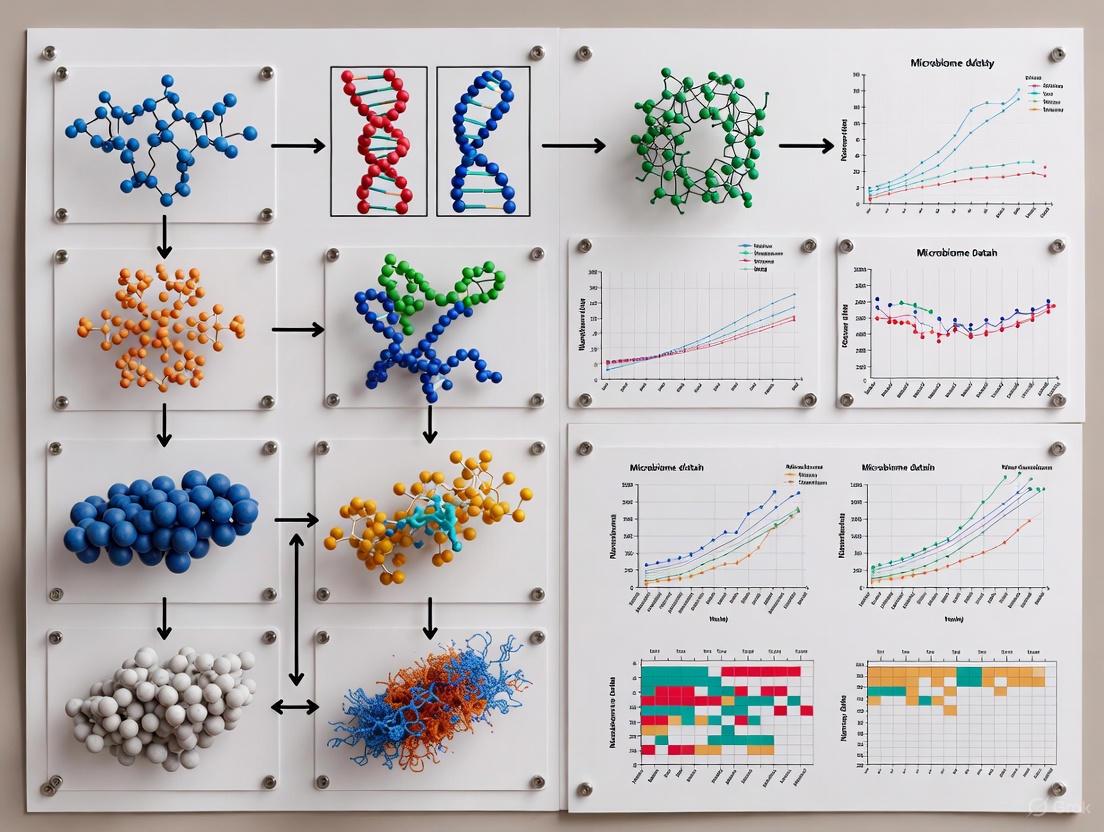
Longitudinal microbiome studies are essential for understanding dynamic host-microbiome interactions but are particularly vulnerable to batch effects—technical variations that can obscure true biological signals and lead to spurious findings.
Navigating Batch Effects in Longitudinal Microbiome Studies: A Comprehensive Guide for Robust Biomedical Research
Abstract
Longitudinal microbiome studies are essential for understanding dynamic host-microbiome interactions but are particularly vulnerable to batch effects—technical variations that can obscure true biological signals and lead to spurious findings. This article provides a comprehensive framework for researchers and drug development professionals to effectively handle these challenges. It covers the foundational concepts of batch effects in time-series data, explores advanced correction methodologies like conditional quantile regression and shared dictionary learning, offers troubleshooting strategies for common pitfalls like unobserved confounders, and establishes a rigorous protocol for validating and comparing correction methods. By integrating insights from the latest research, this guide aims to empower robust, reproducible, and biologically meaningful integrative analysis of longitudinal microbiome data.
Understanding Batch Effects: The Hidden Challenge in Longitudinal Microbiome Research
What is a Batch Effect?
In molecular biology, a batch effect occurs when non-biological factors in an experiment introduce systematic changes in the data. These technical variations are unrelated to the biological questions being studied but can lead to inaccurate conclusions when their presence is correlated with experimental outcomes of interest [1].
Batch effects represent systematic technical differences that arise when samples are processed and measured in different batches. They are a form of technical variation that can be distinguished from random noise by their consistent, non-random pattern across groups of samples processed together [1].
The key distinction in technical variation lies in its organization:
- Systematic Technical Variation (Batch Effects): Consistent, reproducible patterns affecting entire groups of samples processed together
- Non-systematic Technical Variation: Random, unpredictable fluctuations affecting individual samples or measurements
How Do Batch Effects Differ from Normal Biological Variation in Microbiome Studies?
Batch effects introduce technical artifacts that can obscure or mimic true biological signals, making them particularly problematic in microbiome research where natural biological variations already present analytical challenges [2].
Table: Distinguishing Batch Effects from Biological Variation in Microbiome Data
| Characteristic | Batch Effects | Biological Variation |
|---|---|---|
| Source | Technical processes (reagents, equipment, personnel) | Host physiology, environment, disease status |
| Pattern | Groups samples by processing batch | Groups samples by biological characteristics |
| Effect on Data | Introduces artificial separation or clustering | Represents genuine biological differences |
| Correction Goal | Remove while preserving biological signals | Preserve and analyze |
Microbiome data presents unique challenges for batch effect management due to its zero-inflated and over-dispersed nature, with complex distributions that violate the normality assumptions of many correction methods developed for other omics fields [3].
What Are the Most Common Causes of Batch Effects in Longitudinal Microbiome Studies?
Longitudinal microbiome studies investigating changes over time are particularly vulnerable to batch effects due to their extended timelines and repeated measurements [4].
Table: Common Sources of Batch Effects in Longitudinal Microbiome Research
| Experimental Stage | Batch Effect Sources | Impact on Longitudinal Data |
|---|---|---|
| Sample Collection | Different personnel, time of day, collection kits | Introduces time-dependent confounding |
| Sample Processing | Reagent lots, DNA extraction methods, laboratory conditions | Affects DNA yield and community representation |
| Sequencing | Different sequencing runs, platforms, or primers | Creates batch-specific technical biases |
| Data Analysis | Bioinformatics pipelines, software versions | Introduces computational artifacts |
The fundamental cause stems from the broken assumption that the relationship between instrument readout and actual analyte abundance remains constant across all experimental conditions. In reality, technical factors cause this relationship to fluctuate, creating inevitable batch effects [5].
Common Sources of Batch Effects in Microbiome Studies
How Can I Detect Batch Effects in My Microbiome Data?
Detecting batch effects requires both visual and statistical approaches. For longitudinal data, this becomes more complex as time-dependent patterns must be distinguished from technical artifacts [6] [4].
Visual Detection Methods:
- Principal Component Analysis (PCA): Plot samples colored by batch to see if they separate along principal components
- t-SNE/UMAP Visualization: Check if samples cluster by batch rather than biological groups
- Guided PCA: Specifically assess whether known batch factors explain significant variance [4]
Statistical and Quantitative Metrics:
- PERMANOVA: Test whether batch explains significant variance in distance matrices
- Delta Value: Calculate the proportion of variance explained by batch factors [4]
- Quantitative Integration Metrics: kBET, ARI, or NMI to quantify batch separation [6]
In one longitudinal microbiome case study, researchers used guided PCA to test whether different primer sets (V3/V4 vs. V1/V3) created statistically significant batch effects, finding a moderate but non-significant delta value of 0.446 (p=0.142) [4].
What Batch Effect Correction Methods Are Available for Microbiome Data?
Several specialized methods have been developed to address the unique characteristics of microbiome data while preserving biological signals of interest.
Table: Batch Effect Correction Methods for Microbiome Data
| Method | Approach | Best For | Considerations |
|---|---|---|---|
| Percentile Normalization [2] | Non-parametric, converts case abundances to percentiles of control distribution | Case-control studies with healthy reference population | Model-free, preserves rank-based signals |
| ConQuR [3] | Conditional quantile regression with two-part model for zero-inflated data | General microbiome studies with complex distributions | Handles zero-inflation and over-dispersion thoroughly |
| Harman [4] | PCA-based with constrained optimization | Longitudinal data with moderate batch effects | Effective in preserving time-dependent signals |
| ComBat [2] | Empirical Bayesian framework | Studies with balanced batch designs | May over-correct with strong biological signals |
| Ratio-Based Methods [7] | Scaling relative to reference materials | Multi-omics studies with reference standards | Requires concurrent profiling of reference materials |
Batch Effect Correction Methodology Workflow
How Do I Choose the Right Correction Method for My Longitudinal Study?
Selecting the appropriate batch effect correction method depends on your study design, data characteristics, and research questions.
For Longitudinal Microbiome Studies Consider:
Study Design Compatibility:
Data Characteristics:
Signal Preservation:
- Methods must preserve temporal patterns and biological trends
- Avoid over-correction that removes genuine biological signals [4]
In a comparative evaluation of longitudinal differential abundance tests, Harman-corrected data showed better performance by demonstrating clearer discrimination between groups over time, especially for moderately or highly abundant taxa [4].
What Are the Key Signs of Overcorrection?
Overcorrection occurs when batch effect removal inadvertently removes genuine biological signals, potentially leading to false negative results.
Indicators of Overcorrection:
Loss of Expected Biological Signals:
- Absence of canonical markers for known biological groups
- Missing differential expression in pathways expected to be significant [6]
Unrealistic Data Patterns:
- Cluster-specific markers comprise ubiquitous genes (e.g., ribosomal genes)
- Substantial overlap among markers specific to different clusters [6]
Performance Metrics:
- Reduced classification accuracy in random forest models
- Increased error rates in sample prediction [4]
One study found that while uncorrected data showed mixed clustering patterns, overcorrected data failed to group biologically similar samples together, with increased error rates in downstream classification tasks [4].
Research Reagent Solutions for Batch Effect Management
Table: Essential Research Reagents and Resources for Batch Effect Control
| Reagent/Resource | Function in Batch Effect Management | Application Notes |
|---|---|---|
| Reference Materials [7] | Provides standardization across batches via ratio-based correction | Enables scaling of feature values relative to reference standards |
| Standardized Primer Sets [4] | Reduces technical variation in amplification | Critical for 16S rRNA sequencing consistency |
| Multi-Omics Reference Suites [7] | Enables cross-platform standardization | Matched DNA, RNA, protein, and metabolite materials |
| Quality Control Samples [1] | Monitors batch-to-batch technical variation | Should be included in every processing batch |
| Standardized DNA Extraction Kits | Minimizes protocol-induced variability | Consistent reagent lots reduce technical noise |
Can Proper Experimental Design Prevent Batch Effects?
While computational correction is valuable, proper experimental design remains the most effective strategy for minimizing batch effects.
Key Design Principles for Longitudinal Studies:
- Randomization: Process samples from different timepoints and groups across batches
- Balanced Design: Ensure each batch contains samples from all biological groups and timepoints
- Reference Materials: Include common reference samples in every batch [7]
- Metadata Collection: Document all potential batch effect sources for later adjustment
- Protocol Standardization: Use consistent reagents, personnel, and equipment throughout
When biological and batch factors are completely confounded (e.g., all samples from timepoint A processed in batch 1, all from timepoint B in batch 2), even advanced correction methods may struggle to distinguish technical from biological variation [7].
How Do I Validate That Batch Correction Has Been Effective?
Validation should assess both technical correction success and biological signal preservation.
Validation Framework:
Visual Assessment:
- PCA/t-SNE plots should show mixing of batches
- Biological groups should form distinct clusters regardless of batch [6]
Quantitative Metrics:
- Batch mixing scores (kBET, ARI, NMI) should improve
- Within-batch variance should decrease relative to between-batch variance [6]
Biological Validation:
- Known biological signals should be preserved or enhanced
- Classification accuracy should improve or remain stable [4]
In validation studies, successfully corrected data shows tighter grouping of intra-sample replicates within biological groups while maintaining clear separation between different treatment conditions over time [4].
In the study of microbial communities, longitudinal data collection—where samples are collected from the same subjects over multiple time points—is crucial for understanding dynamic processes. Unlike cross-sectional studies that provide a single snapshot, longitudinal studies can reveal trends, infer causality, and predict community behavior. However, this design introduces unique analytical challenges centered on time, dependency, and confounding. These characteristics are particularly pronounced when investigating batch effects, which are technical variations unrelated to the study's biological objectives. This guide addresses the specific troubleshooting issues researchers face when handling these complexities in longitudinal microbiome studies.
Frequently Asked Questions (FAQs)
1. What makes the analysis of longitudinal microbiome data different from cross-sectional analysis? Longitudinal analysis is distinct because it must account for the inherent temporal ordering of samples and the statistical dependencies between repeated measurements from the same subject. Unlike cross-sectional data, where samples are assumed to be independent, longitudinal data from the same participant are correlated over time. This correlation structure must be properly modeled to avoid misleading conclusions [8]. Furthermore, batch effects in longitudinal studies can be especially problematic because technical variations can be confounded with the time-varying exposures or treatments you are trying to study, making it difficult to distinguish biological changes from technical artifacts [9].
2. How can I tell if my longitudinal dataset has a significant batch effect? A combination of exploratory and statistical methods can help diagnose batch effects. Guided Principal Component Analysis (PCA) is one exploratory tool that can visually and statistically assess whether samples cluster by batch (e.g., sequencing run or primer set) rather than by time or treatment group. The significance of this clustering can be formally tested with permutation procedures [4]. In a longitudinal context, it is crucial to check if the batch effect is confounded with the time factor, for instance, if all samples from later time points were processed in a different batch than the baseline samples.
3. I've corrected for batch effects, but I'm worried I might have also removed biological signal. How can I validate my correction? This concern about overcorrection is valid. After applying a batch-effect correction method (e.g., Harman, ComBat), you can evaluate its success by checking:
- Clustering Patterns: Do replicates or samples from the same subject and time point cluster more tightly? Do treatment groups separate better? [4]
- Classification Performance: Does a classifier (e.g., Random Forest) trained to distinguish treatment groups show a lower error rate on the corrected data compared to the uncorrected data? [4]
- Biological Plausibility: Do the results after correction align with known biology or pathways? For example, in a study of immune checkpoint blockade, successful correction should preserve microbial signatures and metabolic pathways (like short-chain fatty acid synthesis) known to be associated with treatment response [10].
4. My longitudinal samples were collected and sequenced in several different batches. Should I correct for this before or after my primary differential abundance analysis? Batch effect correction should be performed before downstream analyses like longitudinal differential abundance testing. If batch effects are not addressed first, they can inflate false positives or obscure true biological signals, leading to incorrect identification of temporally differential features [4]. The choice of correction method is critical, as some methods are more robust than others in longitudinal settings where batch may be confounded with time.
Troubleshooting Guides
Problem 1: Inability to Distinguish Biological Time Trends from Batch Effects
Symptoms:
- Abrupt, step-like changes in microbial abundance that align perfectly with processing batches, rather than showing smooth biological trajectories.
- Poor model fit when testing for changes over time, with high residual error.
Solutions:
- Prevention in Study Design: Whenever possible, randomize the processing order of samples from different time points and subjects across sequencing batches. This helps break the correlation between time and batch [9].
- Statistical Correction: Employ batch-effect correction methods that are designed for complex, confounded designs. For instance, MetaDICT is a newer method that uses shared dictionary learning and can better preserve biological variation when batches are confounded with covariates [11]. Another study found that Harman correction performed well in removing batch structure while maintaining a clear pattern of group differences over time in longitudinal data [4].
Problem 2: Low Power in Detecting Temporally Dynamic Microbes
Symptoms:
- Few microbial taxa or genes are identified as significantly changing over time, despite visual trends in the data.
- High variability in abundance measurements within subjects over time.
Solutions:
- Increase Sampling Frequency: If feasible, use denser longitudinal sampling. This provides a more detailed view of trajectories and can improve statistical power for detecting dynamic features [12].
- Use Appropriate Longitudinal Models: Move beyond simple per-time-point tests. Use statistical models that explicitly account for within-subject correlation and temporal structure. Mixed-effects models (e.g., with random subject effects) are a powerful framework for this. Methods like ZIBR (Zero-Inflated Beta Random-effects model) are specifically designed for longitudinal microbiome proportion data, handling both the dependency and zero-inflation [8].
Problem 3: Handling Missing Data and Irregular Time Intervals
Symptoms:
- Not all subjects have samples at every planned time point.
- Time intervals between samples are not uniform across subjects.
Solutions:
- Plan for Missingness: In your protocol, plan for potential drop-offs and collect rich metadata to help determine if the missing data is random.
- Use Robust Methods: Choose analytical methods that can handle irregular time points and missing data. Bayesian regression models with higher-order interactions are one such approach, as they can model individual trajectories and are robust to missing data points [10]. Some newer approaches also employ deep-learning-based interpolation during preprocessing to address missingness in time-series data [8].
Experimental Protocols for Key Analyses
Protocol 1: Assessing Batch Effect in Integrated Longitudinal Data
Objective: To determine if a known batch factor (e.g., different trials, primer sets) introduces significant technical variation in a meta-longitudinal microbiome dataset.
Materials:
- Integrated microbiome abundance table (e.g., OTU, SGB) with metadata indicating batch and time.
- Statistical software (R/Python).
Methodology:
- Data Preparation: Combine your raw count tables from different batches. Do not normalize or transform at this stage.
- Guided PCA: Perform a Principal Component Analysis (PCA) where the principal components are "guided" by the known batch factor. This analysis estimates the proportion of total variance explained by the batch.
- Significance Testing: Use a permutation test (e.g., 1000 permutations) by randomly shuffling the batch labels. Calculate the p-value as the proportion of permutations where the variance explained by the shuffled batch is greater than or equal to the variance explained by the true batch.
- Interpretation: A statistically significant p-value (e.g., < 0.05) indicates a non-random batch effect that must be addressed before further analysis [4].
Protocol 2: Longitudinal Differential Abundance Testing with Batch Correction
Objective: To identify microbial features that show different abundance trajectories over time between two groups, while controlling for batch effects.
Materials:
- Batch-corrected microbiome abundance table.
- Sample metadata including time, group, and subject ID.
Methodology:
- Batch Correction: Apply a chosen batch correction method (see Reagent Table) to the raw data. Validate the correction using the methods described in the FAQ section.
- Model Fitting: For each microbial feature, fit a model that accounts for the longitudinal design. An example model structure is:
Abundance ~ Group + Time + Group*Time + (1|Subject_ID)- This model tests for a "Group-by-Time interaction," which indicates that the change over time is different between groups.
- Multiple Testing Correction: Apply a multiple testing correction (e.g., Benjamini-Hochberg) to the p-values from all tested features to control the False Discovery Rate (FDR).
- Validation: Check the results for biological consistency and, if possible, validate key findings in an independent cohort [4] [10].
Essential Data Summaries
Table 1: Common Challenges in Longitudinal Microbiome Data and Their Characteristics
| Challenge | Description | Impact on Analysis |
|---|---|---|
| Temporal Dependency | Repeated measures from the same subject are statistically correlated [8]. | Violates the independence assumption of standard statistical tests, leading to inflated Type I errors. |
| Compositionality | Data represents relative proportions rather than absolute abundances [8]. | Makes it difficult to determine if an increase in one taxon is due to actual growth or a decrease in others. |
| Zero-Inflation | A high proportion of zero counts (70-90%) in the data [8]. | Reduces power to detect changes in low-abundance taxa; requires specialized models. |
| Confounded Batch Effects | Technical batch variation is correlated with the time variable or treatment group [4] [9]. | Makes it nearly impossible to distinguish true biological trends from technical artifacts. |
Table 2: Research Reagent Solutions for Longitudinal Microbiome Analysis
| Tool / Reagent | Function | Application Context |
|---|---|---|
| Harman | A batch effect correction algorithm. | Found to be effective in removing batch effects in longitudinal microbiome data while preserving group-time interaction patterns [4]. |
| MetaPhlAn4 | A tool for taxonomic profiling at the species-level genome bin (SGB) level [10]. | Used for precise tracking of microbial strains over time in longitudinal studies, as in ICB-treated melanoma patients [10]. |
| Mixed-Effects Models (e.g., ZIBR, NBZIMM) | Statistical models that include both fixed effects (e.g., time, treatment) and random effects (e.g., subject) to handle dependency and other data characteristics [8]. | Modeling longitudinal trajectories while accounting for within-subject correlation, zero-inflation, and over-dispersion. |
| MetaDICT | A data integration method that uses shared dictionary learning to correct for batch effects [11]. | Robust batch correction, especially when there are unobserved confounding variables or high heterogeneity across studies. |
| Bayesian Regression Models | Statistical models that generate a posterior probability distribution for parameters, allowing for robust inference even with complex designs and missing data [10]. | Ideal for modeling longitudinal microbiome dynamics and testing differential abundance over time with confidence intervals. |
Key Workflow and Relationship Visualizations
Diagram 1: The Impact of Batch Effects in a Longitudinal Workflow. This diagram outlines a typical longitudinal study pipeline and highlights how batch effects, if introduced during sampling or processing, can confound the entire analytical pathway, ultimately threatening the validity of the biological conclusions.
Diagram 2: Confounding Between Time and Batch. This diagram illustrates a classic confounding problem in longitudinal studies. Measurements from Time 1 and 2 are processed in Batch A, while Time 3 is processed in a different Batch B. Any observed change at T3 could be due to true biological progression, the batch effect, or both, making causal inference unreliable.
Why Do Batch Effects Cause False Discoveries?
Batch effects are technical variations introduced during different stages of sample processing, such as when samples are collected on different days, sequenced in different runs, or processed by different personnel or laboratories [9]. In longitudinal microbiome studies, where samples from the same individual are collected over time, these effects are particularly problematic because the technical variation can be confounded with the time variable, making it nearly impossible to distinguish true biological changes from artifacts introduced by batch processing [4] [9].
The core issue is that batch effects systematically alter the measured abundance of microbial taxa. When these technical variations are correlated with the biological groups or time points of interest, they can create patterns that look like real biological signals but are, in fact, spurious. This leads to two main types of errors in downstream analysis:
- False Positives (Spurious Associations): Identifying taxa as being differentially abundant over time or between groups when the observed differences are actually due to batch effects [9] [2].
- False Negatives (Obscured Signals): Missing true biological differences because the batch effect noise drowns out the genuine signal [9].
The table below summarizes the specific impacts on common analytical goals in longitudinal microbiome research.
Table 1: Impact of Batch Effects on Key Downstream Analyses
| Analytical Goal | Consequence of Uncorrected Batch Effects | Specific Example from Literature |
|---|---|---|
| Differential Abundance Testing | Inflated false discovery rates; spurious identification of non-differential taxa as significant [4] [13]. | In a meta-longitudinal study, different lists of temporally differential taxa were identified before and after batch correction, directly affecting biological conclusions [4]. |
| Clustering & Community Analysis | Samples cluster by batch (e.g., sequencing run) instead of by biological group or temporal trajectory, leading to incorrect inferences about community structure [4] [2]. | In PCoA plots, samples from the same treatment group failed to cluster together until after batch correction with a tool like Harman [4]. |
| Classification & Prediction | Predictive models learn batch-specific technical patterns instead of biology-generalizable signals, reducing their accuracy and robustness for new data [4] [3]. | In a Random Forest model, the error rate for classifying samples was higher with uncorrected data compared to data corrected with the ConQuR method [4]. |
| Functional Enrichment Analysis | Distorted functional profiles and pathway analyses, as the inferred functional potential is based on a taxonomically biased abundance table [4]. | After batch correction, the hierarchy and distribution of taxonomy in bar graphs became clearer, indicating a more reliable functional profile [4]. |
| Network Analysis | Inference of spurious microbial correlations that reflect technical co-occurrence across batches rather than true biological interactions [13]. | The complex, high-dimensional nature of longitudinal data makes it susceptible to technical covariation being mistaken for biotic interactions [13]. |
Troubleshooting Guide: Diagnosing and Correcting Batch Effects
How Can I Detect Batch Effects in My Dataset?
Before correction, you must diagnose the presence and severity of batch effects. The following workflow and table outline the primary methods.
Diagram 1: Batch effect detection workflow.
Table 2: Methods for Detecting Batch Effects
| Method | Description | Interpretation |
|---|---|---|
| Guided PCA (gPCA) | A specialized PCA that quantifies the variance explained by a known batch factor. It calculates a delta statistic and tests its significance via permutation [4]. | A statistically significant delta value (p-value < 0.05) indicates the batch factor has a significant systematic effect on the data structure [4]. |
| Ordination (PCA, PCoA, NMDS) | Unsupervised visualization of sample similarities based on distance matrices (e.g., Bray-Curtis). Color points by batch and by biological group [2]. | If samples cluster more strongly by batch than by biological group or time, a batch effect is likely present. |
| PERMANOVA | A statistical test that determines if the variance in distance matrices is significantly explained by batch membership [2]. | A significant p-value for the batch term confirms it is a major source of variation in the dataset. |
| Dendrogram Inspection | Visual assessment of hierarchical clustering results (e.g., from pvclust). |
If samples from the same batch are clustered together as sub-trees, rather than mixing according to biology, a batch effect is present [4]. |
What Are the Best Methods to Correct for Batch Effects?
Choosing a correction method depends on your data type, study design, and the nature of the batch effect. The field has moved beyond methods designed for Gaussian data (like standard ComBat) to techniques that handle the zero-inflated, over-dispersed, and compositional nature of microbiome counts [3].
Table 3: Comparison of Microbiome Batch Effect Correction Methods
| Method | Underlying Approach | Best For | Key Considerations |
|---|---|---|---|
| ConQuR (Conditional Quantile Regression) | A two-part non-parametric model. Uses logistic regression for taxon presence-absence and quantile regression for non-zero counts, adjusting for key variables and covariates [3] [14]. | Large-scale integrative studies; preserving signals for association testing and prediction; thorough removal of higher-order batch effects [3]. | Requires known batch variable. More robust and flexible than parametric models. Outputs corrected read counts for any downstream analysis [3] [14]. |
| Percentile Normalization | A model-free approach that converts case sample abundances into percentiles of the control distribution within each study before pooling [2]. | Case-control study designs where a clear control group is available for normalization [2]. | Simple and non-parametric. Effectively mitigates batch effects for meta-analysis but is restricted to case-control designs [2]. |
| Harman | A method based on PCA and a constrained form of factor analysis to remove batch noise [4]. | Longitudinal differential abundance testing; can perform well in removing batch effects visible in PCA plots [4]. | One study found it outperformed other correction tools (ARSyNseq, ComBatSeq) in achieving clearer separation of biological groups in heatmaps and dendrograms [4]. |
| ComBat and Limma (Linear Models) | Adjust data using linear models (Limma) or an empirical Bayes framework (ComBat) to remove batch-associated variation [2] [15]. | Scenarios where batch effects are assumed to be linear and not conflated with the biological effect of interest. | Originally designed for transcriptomics. May not adequately handle microbiome-specific distributions (zero-inflation, over-dispersion) and can struggle when batch is confounded with biology [3] [2]. |
The following diagram illustrates the typical workflow for applying a batch correction method like ConQuR.
Diagram 2: Batch effect correction process.
The Scientist's Toolkit
What Experimental and Reagent Factors Should I Control?
Batch effects originate long before data analysis. Careful experimental design is the first and most crucial line of defense.
Table 4: Key Research Reagent Solutions and Experimental Controls
| Item / Factor | Function / Role | Consequence of Variation |
|---|---|---|
| Primer Set Lot | To amplify target genes (e.g., 16S rRNA) for sequencing. | Different lots or primer sets (e.g., V3/V4 vs. V1/V3) can preferentially amplify different taxa, causing major shifts in observed community structure [4]. |
| DNA Extraction Kit | To lyse microbial cells and isolate genetic material. | Variations in lysis efficiency and purification across kits or lots can dramatically alter the recovery of certain taxa (e.g., Gram-positive vs. Gram-negative) [9]. |
| Sequencing Platform/Run | To determine the nucleotide sequence of the amplified DNA. | Differences between machines, flow cells, or sequencing runs introduce technical variation in read counts and quality [9] [15]. |
| Sample Collection & Storage | To preserve the microbial community intact at the time of collection. | Variations in storage buffers, temperature, and time-to-freezing can degrade samples and alter microbial profiles [9]. |
| Library Prep Reagents | Kits for preparing sequencing libraries (e.g., ligation, amplification). | Lot-to-lot variability in enzyme efficiency and chemical purity can introduce batch-specific biases in library preparation and subsequent counts [15]. |
How Can I Validate That My Batch Correction Worked?
After applying a correction method, it is essential to validate its performance to ensure technical variation was removed without stripping away biological signal.
- Visual Inspection: Re-run the ordination plots (PCA, PCoA) used for detection. After successful correction, samples should no longer cluster by batch and should instead group by biological factors or show mixed inter-batch clustering [4] [2].
- Statistical Validation: Use the original statistical tests (e.g., PERMANOVA) to confirm the batch factor no longer explains a significant portion of variance.
- Check Biological Signal: Ensure that known biological differences between groups (positive controls) are preserved or enhanced after correction. In longitudinal data, check that temporal trajectories become clearer [4] [3].
- Assess Downstream Analysis: Evaluate the impact on the final analysis. For example, after correction, differential abundance tests should yield more biologically plausible candidate lists, and prediction models should show improved accuracy and generalizability [4] [3] [14].
Frequently Asked Questions (FAQs)
Can't I Just Include "Batch" as a Covariate in My Statistical Model?
While including batch as a covariate in models like linear mixed models is a common practice (often called "batch adjustment"), it has limitations. This approach typically only adjusts for mean shifts in abundance between batches. Microbiome batch effects are often more complex, affecting the variance (scale) and higher-order moments of the distribution. A comprehensive "batch removal" method like ConQuR is designed to correct the entire distribution of the data, leading to more robust results for various downstream tasks like visualization and prediction [3].
What If My Batch Effects Are Confounded with My Main Longitudinal Variable?
This is a critical challenge in longitudinal studies, for example, if all samples from a later time point were processed in a single, separate batch. When batch is perfectly confounded with time, it becomes statistically nearly impossible to disentangle the technical effect from the biological time effect. There is no statistical magic bullet for this scenario. The solution primarily lies in preventive experimental design: randomizing samples from all time points across processing batches whenever possible. If the confounding has already occurred, the STORMS reporting guidelines recommend being exceptionally transparent about this limitation, as it severely impacts the interpretability of the results [9] [16].
I Have a Small Sample Size. Can I Still Correct for Batch Effects?
Yes, but with caution. The performance of many batch correction methods, including ConQuR, improves with increasing sample size [3] [14]. With a small sample size, the model may have insufficient data to accurately estimate and remove the batch effect without also removing a portion of the biological signal (over-correction). In such cases, using simpler methods like percentile normalization (if a control group is available) or relying on meta-analysis approaches that combine p-values instead of pooling raw data might be more conservative and reliable options [2].
Are There Reporting Standards for Batch Effects in Microbiome Studies?
Yes. The STORMS (Strengthening The Organization and Reporting of Microbiome Studies) checklist provides a comprehensive framework for reporting human microbiome research [16]. It includes specific items related to batch effects, guiding researchers to:
- Report the source of batch effects (e.g., DNA extraction, sequencing run).
- Describe the statistical methods used for detecting and correcting them.
- Disclose any confounding between batch and biological variables. Adhering to these standards enhances the reproducibility and credibility of your findings [16].
Frequently Asked Questions (FAQs)
Q1: Why do my PCA plots show clear separation by study batch rather than the biological condition I am investigating?
This is a classic sign of strong batch effects. In microbiome data, technical variations from different sequencing runs, labs, or DNA extraction protocols can introduce systematic variation that overwhelms the biological signal. Your dimension reduction is correctly identifying the largest sources of variation in your data, which in this case are technical rather than biological. To confirm, check if samples cluster by processing date, sequencing run, or study cohort rather than by disease status or treatment group [9].
Q2: How can I distinguish between true biological separation and batch effects in my hierarchical clustering results?
Batch effects in hierarchical clustering typically manifest as samples grouping primarily by technical batches rather than biological groups. To diagnose this, color your dendrogram leaves by both batch ID and biological condition. If samples from the same batch cluster together regardless of their biological group, you likely have significant batch effects. Statistical methods like PERMANOVA can help quantify how much variation is explained by batch versus biological factors [9] [17].
Q3: My longitudinal samples from the same subject are not clustering together in PCA space. What could be causing this?
In longitudinal studies, batch effects from different processing times can overpower the temporal signal from individual subjects. This is particularly problematic when samples from the same subject collected at different time points are processed in different batches. The technical variation between batches exceeds the biological similarity within subjects. Methods like ConQuR and MetaDICT are specifically designed to handle these complex longitudinal batch effects while preserving biological signals [14] [11].
Q4: Can I use PCA to diagnose both systematic and non-systematic batch effects in microbiome data?
Yes, but with limitations. PCA is excellent for detecting systematic batch effects that consistently affect all samples in a batch similarly. However, non-systematic batch effects that vary depending on microbial abundance or composition may require more specialized diagnostics. Composite quantile regression approaches (like in ConQuR) can address both effect types by modeling the entire distribution of operational taxonomic units (OTUs) rather than just mean effects [17].
Q5: After batch effect correction, my biological signal seems weaker. Did the correction remove biological variation?
This is a common concern known as over-correction. It occurs when batch effect correction methods cannot distinguish between technical artifacts and genuine biological signals. To minimize this risk, use methods that explicitly preserve biological variation. MetaDICT, for instance, uses shared dictionary learning to distinguish universal biological patterns from batch-specific technical artifacts [11]. Always validate your results by checking if known biological associations remain significant after correction.
Troubleshooting Guides
Problem: PCA Shows Strong Batch Confounding
Symptoms: Samples cluster primarily by technical factors (sequencing batch, processing date) rather than biological groups in PCA plots.
Step-by-Step Solution:
- Visual Diagnosis: Create PCA plots colored by both batch and biological condition. Look for clear separation by batch identifiers.
- Statistical Confirmation: Perform PERMANOVA to quantify variance explained by batch versus biological factors.
- Apply Batch Correction: Select an appropriate method based on your data structure:
- Validate Results: Re-run PCA after correction to confirm reduced batch separation while maintained biological grouping.
Prevention: When designing longitudinal studies, randomize sample processing order across time points and biological groups to avoid complete confounding of batch and biological effects [9].
Problem: Hierarchical Clustering Reveals Batch-Driven Dendrogram Structure
Symptoms: Samples from the same technical batch cluster together in the dendrogram, while biological replicates scatter across different clusters.
Step-by-Step Solution:
- Distance Metric Selection: Choose appropriate beta-diversity metrics (Bray-Curtis, UniFrac) that capture relevant ecological distances [18].
- Batch Effect Assessment: Calculate Average Silhouette Coefficients by batch to quantify batch-driven clustering [17].
- Compositional Data Transformation: Apply Centered Log-Ratio (CLR) transformation to address compositionality before clustering [19].
- Structured Correction: Implement batch correction that accounts for the hierarchical nature of microbiome data using phylogenetic information or taxonomic relationships.
Advanced Approach: For complex multi-batch studies, use MetaDICT's two-stage approach that first estimates batch effects via covariate balancing, then refines the estimation through shared dictionary learning to preserve biological structure [11].
Problem: Inconsistent Dimensionality Reduction Results Across Different Methods
Symptoms: PCA, PCoA, and NMDS show conflicting patterns, making batch effect diagnosis challenging.
Step-by-Step Solution:
- Method Alignment: Understand that different methods highlight different data aspects:
- PCA: Emphasizes Euclidean distance and variance
- PCoA: Can utilize ecological distance metrics (Bray-Curtis, UniFrac)
- NMDS: Focuses on rank-order relationships between samples [18]
- Consistent Metric Use: Apply the same distance metric across methods where possible for comparable results.
- Benchmark with Positive Controls: Include samples with known biological relationships to verify they maintain association after correction.
- Utilize Robust Frameworks: Implement Melody for meta-analysis, which generates harmonized summary statistics while respecting microbiome compositionality without requiring batch correction [20].
Batch Effect Correction Method Comparison
Table 1: Comparison of primary batch effect correction methods for microbiome data
| Method | Best Use Case | Key Advantages | Limitations | Data Requirements |
|---|---|---|---|---|
| ConQuR [14] [17] | Single studies with known batch variables | Handles microbiome-specific distributions; Non-parametric; Works directly on count data | Requires known batch variable; Performance improves with larger sample sizes | Taxonomic read counts; Batch identifiers |
| MetaDICT [11] | Integrating highly heterogeneous multi-study data | Avoids overcorrection; Handles unobserved confounders; Generates embeddings for downstream analysis | Complex implementation; Computationally intensive | Multiple datasets; Common covariates across studies |
| Melody [20] | Meta-analysis of multiple studies | No batch correction needed; Works with summary statistics; Respects compositionality | Not for individual-level analysis; Requires compatible association signals | Summary statistics from multiple studies |
| MMUPHin [20] | Standardized multi-study integration | Comprehensive pipeline; Handles study heterogeneity | Assumes zero-inflated Gaussian distribution; Limited to certain transformations | Normalized relative abundance data |
Experimental Protocols
Protocol 1: Comprehensive Batch Effect Diagnosis Using Dimensionality Reduction
Purpose: Systematically identify and quantify batch effects in longitudinal microbiome data before proceeding with correction.
Materials Needed:
- Normalized microbiome abundance table (raw counts or relative abundance)
- Metadata with batch identifiers (processing date, sequencing run, study center)
- Biological condition metadata (disease status, treatment group, time points)
- R or Python statistical environment
Procedure:
- Data Preparation: Pre-filter features to remove excess zeros and apply CLR transformation to address compositionality [19].
- PCA Analysis:
- Perform PCA on the transformed data
- Create scatter plots of PC1 vs. PC2, colored by both batch and biological condition
- Calculate variance explained by principal components
- Distance-Based Ordination:
- Compute Bray-Curtis dissimilarity and UniFrac distance matrices
- Perform PCoA on each distance matrix
- Visualize ordinations colored by batch and condition
- Statistical Quantification:
- Perform PERMANOVA to partition variance between batch and biological factors
- Calculate Average Silhouette Coefficients by batch to quantify batch-driven clustering [17]
- Hierarchical Clustering:
- Create dendrograms using appropriate linkage methods
- Color branches by batch membership and biological groups
- Calculate cophenetic correlation to assess clustering quality
Interpretation: Strong batch effects are indicated when batch explains significant variance in PERMANOVA, samples cluster by batch in ordination plots, and dendrogram structure follows batch rather than biological groupings.
Protocol 2: Batch Effect Correction Using Conditional Quantile Regression (ConQuR)
Purpose: Remove both systematic and non-systematic batch effects from microbiome count data while preserving biological signals.
Materials Needed:
- Raw taxonomic count table
- Batch identifier variable
- Biological covariates of interest
- Reference batch selection
Procedure:
- Reference Batch Selection: Use the Kruskal-Wallis test to identify the most representative batch as reference [17].
- Model Specification: For each taxon, ConQuR non-parametrically models the underlying distribution of observed values, adjusting for key biological covariates [14].
- Batch Effect Removal: The algorithm removes batch effects relative to the chosen reference batch by aligning conditional distributions across batches.
- Corrected Data Generation: Outputs corrected read counts that enable standard microbiome analyses (visualization, association testing, prediction).
- Validation:
- Re-run PCA on corrected data to confirm reduced batch separation
- Verify preservation of biological effects using positive controls
- Check that batch no longer explains significant variance in PERMANOVA
Technical Notes: ConQuR assumes that for each microorganism, samples share the same conditional distribution if they have identical intrinsic characteristics, regardless of which batch they were processed in [14].
Research Reagent Solutions
Table 2: Essential computational tools and resources for batch effect management
| Tool/Resource | Primary Function | Application Context | Key Features |
|---|---|---|---|
| ConQuR R package [14] | Batch effect correction | Single studies with known batches | Conditional quantile regression; Works on raw counts; Handles over-dispersion |
| MetaDICT [11] | Data integration | Multi-study meta-analysis | Shared dictionary learning; Covariate balancing; Avoids overcorrection |
| Melody framework [20] | Meta-analysis | Combining multiple studies without individual data | Compositionality-aware; Uses summary statistics; No batch correction needed |
| CLR Transformation [19] | Compositional data analysis | Data preprocessing for any microbiome analysis | Addresses compositionality; Scale-invariant; Handles relative abundance |
| PERMANOVA | Variance partitioning | Batch effect diagnosis | Quantifies variance explained by batch vs. biological factors |
| UniFrac/Bray-Curtis [18] | Ecological distance | Beta-diversity analysis | Phylogenetic/non-phylogenetic community dissimilarity |
Workflow Diagrams
Batch Effect Diagnosis and Correction Workflow
Method Selection Logic for Batch Effect Correction
Troubleshooting Guides
FAQ 1: How can I detect if my primer sets are causing a batch effect in my longitudinal microbiome study?
Answer: Primer-induced batch effects can be detected through a combination of exploratory data analysis and statistical tests before proceeding with longitudinal analyses. In a meta-longitudinal study integrating samples from two different trials that used distinct primer sets (V3/V4 versus V1/V3), researchers employed guided Principal Component Analysis (PCA) to quantify the variance explained by the primer-set batch factor [4]. The analysis calculated a delta value of 0.446, defined as the ratio of the proportion of total variance from the first component on guided PCA divided by that of unguided PCA [4]. The statistical significance of this batch effect was assessed through permutation procedures (with 1000 random shuffles of batch labels), which yielded a p-value of 0.142, indicating the effect was not statistically significant in this specific case, though still practically important [4]. This suggests that while visual inspection of PCoA plots is valuable, it should be supplemented with quantitative metrics.
Detection Protocol:
- Perform Guided PCA: Use the
guidedPCApackage or similar tools to visualize sample clustering by primer batch [4]. - Calculate Batch Effect Metrics: Compute the delta value to quantify the proportion of variance explained by the primer batch factor [4].
- Assess Statistical Significance: Perform permutation testing (e.g., 1000 iterations) to obtain a p-value for the observed batch effect [4].
- Visual Inspection: Create PCoA or PCA plots colored by primer set to visually inspect clustering patterns [4].
- Evaluate Biological Impact: Proceed to evaluate the impact on downstream longitudinal analyses, as a statistically non-significant batch effect can still distort biological interpretations [4].
FAQ 2: What is the impact of uncorrected primer batch effects on longitudinal differential abundance analysis?
Answer: Uncorrected primer batch effects significantly compromise the validity of longitudinal differential abundance tests, leading to both false positives and false negatives. In the featured case study, the set of candidate features identified as temporally differential abundance (TDA) varied dramatically between uncorrected data and data processed with various batch-correction methods [4]. The core intersection set of "always TDA calls" was used for comparison, revealing that:
- Uncorrected data and some correction methods (ARSyNseq, ComBatSeq) showed persistent batch effects in heatmaps, with samples clustering by primer batch rather than treatment group or time point [4].
- Harman-corrected data demonstrated superior performance, showing clearer discrimination between treatment groups over time, especially for moderately or highly abundant taxa [4].
- Clustering reliability was significantly improved after proper batch correction. Hierarchical clustering of samples showed much tighter intra-group grouping with Harman-corrected data compared to the mixed-up patterns in uncorrected data [4].
Table 1: Impact of Batch Handling on Longitudinal Differential Abundance Analysis
| Batch Handling Procedure | Effect on TDA Detection | Performance in Clustering | Residual Batch Effect |
|---|---|---|---|
| Uncorrected Data | High false positive/negative rates; batch-driven signals | Poor; samples cluster by batch | Severe |
| Harman Correction | Biologically plausible TDA calls; clearer group separation | Excellent; tight intra-group clusters | Effectively Removed |
| ARSyNseq/ComBatSeq | Inconsistent TDA calls | Moderate; some batch mixing persists | Moderate |
| Marginal Data (filtering) | Limited statistical power due to reduced sample size | Good for remaining data | Eliminated (but data lost) |
FAQ 3: Which batch effect correction methods are most effective for primer-related technical variation in longitudinal data?
Answer: Effectiveness varies, but methods specifically designed for the unique characteristics of microbiome data (zero-inflation, compositionality) generally outperform others. The case study compared several approaches [4], and recent methodological advances have introduced even more robust tools.
Recommended Correction Methods:
- Harman: Demonstrated excellent performance in the featured case study, effectively removing batch effects and enabling clearer biological interpretation in downstream analyses like heatmaps and hierarchical clustering [4].
- Conditional Quantile Regression (ConQuR): A comprehensive method that uses a two-part quantile regression model to handle zero-inflated, over-dispersed microbiome read counts. It non-parametrically models the entire conditional distribution of counts, making it robust for correcting higher-order batch effects beyond just mean and variance differences [3].
- Microbiome Batch Effects Correction Suite (MBECS): An R package that integrates multiple correction algorithms (e.g., ComBat, RUV, Batch Mean Centering) and provides standardized evaluation metrics to help users select the optimal method for their dataset [21].
Table 2: Comparison of Batch Effect Correction Methods for Microbiome Data
| Method | Underlying Model | Handles Zero-Inflation? | Longitudinal Application | Key Advantage |
|---|---|---|---|---|
| Harman [4] | PCA-based constraint | Yes | Suitable (Case-Study Proven) | Effectively discriminates groups over time in longitudinal tests [4] |
| ConQuR [3] | Conditional Quantile Regression | Explicitly models presence/absence and abundance | Highly suitable; generates corrected counts for any analysis | Robustly corrects higher-order effects; preserves key variable signals [3] |
| MBECS [21] | Suite of multiple methods | Varies by method (e.g., RUV, ComBat) | Suitable via integrated workflow | Provides comparative metrics to evaluate correction success [21] |
| ComBat/ComBatSeq | Empirical Bayes | Limited (Assumes Gaussian or counts) | Limited | Can leave residual batch effects in microbiome data [4] [3] |
The Scientist's Toolkit: Research Reagent Solutions
Table 3: Essential Reagents and Computational Tools for Managing Primer Batch Effects
| Item | Function/Description | Application Note |
|---|---|---|
| V3/V4 Primer Set | Targets hypervariable regions V3 and V4 of the 16S rRNA gene. | One of the most common primer sets; differences in targeted region versus V1/V3 can cause significant batch effects [4]. |
| V1/V3 Primer Set | Targets hypervariable regions V1 and V3 of the 16S rRNA gene. | Yields systematically different community profiles compared to V3/V4; avoid mixing with V3/V4 in same longitudinal analysis without correction [4]. |
| Harman R Package | A batch correction tool using a constrained matrix factorization approach. | Effectively removed primer batch effects in the case study, enabling valid longitudinal analysis [4]. |
| ConQuR R Script | Conditional Quantile Regression for batch effect removal on microbiome counts. | Superior for zero-inflated count data; corrects entire conditional distribution, not just mean [3]. |
| MBECS R Package | An integrated suite for batch effect correction and evaluation. | Allows testing of multiple BECAs and provides metrics (e.g., Silhouette coefficient, PCA) to choose the best result [21]. |
| phyloseq R Package | A data structure and toolkit for organizing and analyzing microbiome data. | The foundational object class used by MBECS and other tools for managing microbiome data with associated metadata [21]. |
Experimental Protocols
Protocol: Assessment and Correction of Primer Set Batch Effects in a Longitudinal Framework
Objective: To identify, quantify, and correct for batch effects introduced by different 16S rRNA primer sets in a longitudinal microbiome dataset, thereby ensuring the validity of subsequent time-series and differential abundance analyses.
Step-by-Step Methodology:
Data Integration and Pre-processing:
- Combine raw OTU or ASV count tables from all longitudinal time points and studies that used different primer sets.
- Create a comprehensive metadata file that includes: Sample ID, Subject ID, Time Point, Primer Set (batch), Treatment Group, and other relevant covariates [4].
- Perform basic filtering to remove low-abundance features using a standard toolkit like
MicrobiomeAnalyst[4].
Initial Batch Effect Detection (Pre-Correction Assessment):
- Visual Inspection: Generate a PCoA plot (e.g., using Bray-Curtis or UniFrac distance) colored by the primer set factor. Look for clear clustering of samples by primer type [4].
- Quantitative Metric: Perform guided PCA to calculate the delta value, which quantifies the variance explained by the primer batch factor [4].
- Statistical Test: Conduct a permutation test (e.g., with
PERMANOVA) to determine the statistical significance of the observed grouping by primer set [4].
Batch Effect Correction:
- Apply one or more of the following correction methods to the integrated count data:
- Harman: Use the
Harmanpackage with the primer set as the batch factor and key biological variables (e.g., treatment group, time) as confounders [4]. - ConQuR: Use the
ConQuRfunction, specifying the primer set as the batch variable and including biological variables as covariates. Choose between ConQuR and ConQuR-libsize based on whether library size differences are of biological interest [3]. - MBECS Workflow: Use the
MBECSpackage to run a suite of correction methods (e.g., ComBat, RUV) and store the results in a unified object for easy comparison [21].
- Harman: Use the
- Apply one or more of the following correction methods to the integrated count data:
Post-Correction Evaluation:
- Re-visualization: Re-generate the PCoA plot from Step 2 using the corrected data. Successful correction is indicated by the inter-mixing of samples from different primer batches [4] [21].
- Numerical Metrics: Use evaluation metrics within
MBECS, such as Principal Variance Components Analysis (PVCA), to quantify the reduction in variance attributed to the batch factor. The Silhouette coefficient with respect to the batch factor should decrease post-correction [21]. - Downstream Analysis Check: Perform a preliminary longitudinal differential abundance test (e.g., using
metaSplinesormetamicrobiomeR) on both corrected and uncorrected data. Compare the lists of significant taxa to ensure biological signals are preserved while batch artifacts are removed [4].
Advanced Considerations for Longitudinal Designs
Longitudinal microbiome data introduces unique challenges beyond standard batch correction. The data are inherently correlated (repeated measures from the same subject), often zero-inflated, and compositional [22]. When correcting for primer batch effects in this context, it is critical to choose methods that:
- Preserve Temporal Signals: The correction must remove technical variation without flattening meaningful biological trajectories over time [4].
- Account for Complex Distributions: Methods like ConQuR are advantageous because they model zero-inflation and over-dispersion directly, which is not handled well by methods designed for Gaussian data like standard ComBat [3] [22].
- Enable Valid Downstream Analysis: The ultimate goal is to produce batch-corrected data that can be fed into specialized longitudinal models (e.g.,
ZIBR,NBZIMM) for testing time-varying group differences, without the results being confounded by primer-set technical artifacts [4] [22].
A Practical Toolkit for Batch Effect Correction in Time-Series Microbiome Data
Frequently Asked Questions (FAQs)
Q1: How do I choose between ComBat, limma, and a Negative Binomial model for correcting batch effects in my microbiome data?
The choice depends on your data type and the nature of your analysis.
- ComBat and its derivatives are highly effective when you have a known batch variable and need to remove its systematic non-biological variations.
ComBat-seqand the newerComBat-refare specifically designed for count-based data (e.g., RNA-Seq, microbiome sequencing) as they use a negative binomial model and preserve integer counts for downstream differential analysis [23] [24]. - limma is ideal for continuous, normally distributed data. While powerful for microarray-based transcriptomics, its application in microbiome research is often for analyzing transformed (e.g., log-transformed) or compositionally normalized data [24].
- Negative Binomial Models are the foundation for tools like
edgeRandDESeq2, which are standard for direct analysis of count data. They inherently model overdispersion, a common characteristic of sequencing data. You can often include "batch" as a covariate in the design matrix of these models to statistically account for its effect [23] [24].
Q2: My dataset has a high proportion of zeros. Which of these methods is most robust?
Methods based on Negative Binomial models are generally more robust for zero-inflated count data, as they are specifically designed to handle overdispersion, which often accompanies zero inflation [24]. While ComBat-seq and ComBat-ref also use a negative binomial framework and are therefore suitable, standard limma applied to transformed data may be less ideal for highly zero-inflated raw counts without careful preprocessing.
Q3: What are the key considerations for applying these methods in longitudinal microbiome studies?
Longitudinal data analysis requires methods that account for the correlation between repeated measures from the same subject.
- While
ComBatandlimmacan adjust for batch effects at each time point, they do not inherently model within-subject correlations. - For a more integrated approach, you can use Negative Binomial Mixed Models (NBMM), which allow you to include both fixed effects (like condition, time, and batch) and random effects (like subject ID) to account for repeated measures [25]. The
timeSeqpackage is an example of this approach for RNA-Seq time course data.
Q4: How can I validate that my batch effect correction was successful?
The most common validation is visual inspection using Principal Component Analysis (PCA) or Principal Coordinates Analysis (PCoA). Before correction, samples often cluster strongly by batch. After successful correction, this batch-specific clustering should diminish, and biological groups of interest should become more distinct.
Troubleshooting Guides
Issue: Loss of Statistical Power After Batch Correction
Problem: After applying a batch correction method, you find fewer significant features (e.g., differentially abundant taxa) than expected.
Potential Causes and Solutions:
- Over-correction: The method might be removing genuine biological signal along with the batch effect.
- Solution: Consider using a reference batch approach. The
ComBat-refmethod, for instance, selects the batch with the smallest dispersion as a reference and adjusts other batches towards it, which has been shown to help maintain high statistical power [23]. - Solution: When using a negative binomial model in
edgeRorDESeq2, ensure your model formula correctly specifies the biological condition of interest alongside the batch term.
- Solution: Consider using a reference batch approach. The
- Incorrect Model Specification: The model may not be appropriate for the data's distribution.
- Solution: Verify that you are using a count-based model (like negative binomial) for raw sequencing counts. Avoid applying methods designed for normal distributions (like standard
limma) to raw count data without proper variance-stabilizing transformation [24].
- Solution: Verify that you are using a count-based model (like negative binomial) for raw sequencing counts. Avoid applying methods designed for normal distributions (like standard
Issue: Model Fails to Converge or Produces Errors
Problem: When running a negative binomial model or ComBat, the software returns convergence errors or fails to run.
Potential Causes and Solutions:
- Sparse Data or Too Many Zeros: Extremely sparse data can cause estimation problems.
- Solution: Filter out low-abundance taxa before analysis. A common practice is to remove taxa that do not have a minimum count in a certain percentage of samples [26].
- Complex Model for Small Sample Size: A model with too many covariates (batches, conditions) relative to the number of samples can be unstable.
- Solution: Simplify the model if possible. For
ComBat, ensure that the batch variable is not perfectly confounded with the biological group variable.
- Solution: Simplify the model if possible. For
Key Experimental Protocols
Protocol: Applying ComBat-ref for Batch Effect Correction in Microbiome Count Data
Objective: To remove batch effects from microbiome sequencing count data while preserving biological signal and maximizing power for downstream differential analysis.
Materials:
- A count matrix (features x samples) from a 16S rRNA or metagenomic sequencing study.
- Metadata including a known batch variable and the biological condition of interest.
Methodology:
- Data Preprocessing: Filter the count matrix to remove low-abundance taxa (e.g., those with a maximum abundance below 0.001% across all samples) to reduce noise [26].
- Dispersion Estimation: For each batch, estimate a batch-specific dispersion parameter using a negative binomial model [23].
- Reference Batch Selection: Calculate the pooled dispersion for each batch and select the batch with the smallest dispersion as the reference batch.
- Model Fitting: Fit a generalized linear model (GLM) for each gene/taxon. The model is typically of the form:
log(μ_ijg) = α_g + γ_ig + β_cjg + log(N_j)whereμ_ijgis the expected count for taxongin samplejfrom batchi,α_gis the background expression,γ_igis the batch effect,β_cjgis the biological condition effect, andN_jis the library size [23]. - Data Adjustment: Adjust the count data from all non-reference batches towards the reference batch. The adjusted expression is calculated as:
log(μ~_ijg) = log(μ_ijg) + γ_1g - γ_igfor batchesi ≠ 1(where batch 1 is the reference) [23]. - Count Matching: Generate a final adjusted integer count matrix by matching the cumulative distribution function (CDF) of the original and adjusted negative binomial distributions.
Validation:
- Perform PCoA on the corrected count data using a robust distance metric (e.g., Bray-Curtis). Visualize to confirm that samples no longer cluster primarily by batch.
Protocol: Differential Abundance Analysis with Batch as a Covariate in a Negative Binomial Model
Objective: To identify differentially abundant taxa across biological conditions while statistically controlling for the influence of batch effects.
Materials:
- A filtered microbiome count matrix.
- Metadata with biological condition and batch variables.
Methodology (using edgeR or DESeq2):
- Data Input: Load the count matrix and metadata into your chosen tool (
edgeRorDESeq2). - Normalization: Apply a normalization method to account for differences in library sizes (e.g., TMM in
edgeRor median-of-ratios inDESeq2) [24]. - Model Design: Specify the model design matrix. The design should include both the batch and the biological condition of interest.
- Example in R for
edgeR:design <- model.matrix(~ batch + condition)
- Example in R for
- Model Fitting: Estimate dispersions and fit the negative binomial GLM.
- Hypothesis Testing: Perform a likelihood ratio test or a Wald test to test for significant differences attributable to the biological condition, while considering the batch effect.
Method Comparison and Selection Table
Table 1: Comparison of Batch Effect Correction Methods for Microbiome Data
| Method | Core Model | Data Type | Handles Count Data? | Longitudinal Capability? | Key Advantage |
|---|---|---|---|---|---|
| ComBat | Empirical Bayes, Linear | Continuous, Microarray | No (requires transformation) | No (without extension) | Effective for known batch effects; widely used [26] [24] |
| ComBat-seq | Empirical Bayes, Negative Binomial | Count (RNA-Seq, Microbiome) | Yes, preserves integers | No (without extension) | Superior power for overdispersed count data vs. ComBat [23] |
| ComBat-ref | Empirical Bayes, Negative Binomial | Count (RNA-Seq, Microbiome) | Yes, preserves integers | No (without extension) | Maintains high statistical power by using a low-dispersion reference batch [23] |
| limma | Linear Models | Continuous, Microarray | No (requires transformation) | No (without extension) | Powerful for analyzing transformed data; very flexible for complex designs [24] |
| NBMM (e.g., timeSeq) | Negative Binomial Mixed Model | Count (RNA-Seq, Microbiome) | Yes | Yes | Can account for within-subject correlation in longitudinal studies [25] |
| edgeR/DESeq2 | Negative Binomial GLM | Count (RNA-Seq, Microbiome) | Yes | Limited (can use paired design) | Standard for differential abundance; batch included as covariate [23] [24] |
Method Selection Workflow
The following diagram illustrates a decision pathway for selecting an appropriate batch effect correction method based on your data characteristics and research goals.
Research Reagent Solutions
Table 2: Essential Software Tools and Packages for Batch Effect Correction
| Tool/Package | Function | Primary Application | Key Feature |
|---|---|---|---|
| sva (ComBat) [26] [24] | Batch effect correction | Microarray, transformed sequencing data | Empirical Bayes framework for known batch effects. |
| sva (ComBat-seq) [23] | Batch effect correction | Count-based sequencing data (RNA-Seq, Microbiome) | Negative binomial model; preserves integer counts. |
| limma [24] | Differential analysis & batch correction | Continuous, normalized data | Flexible linear modeling; can include batch in design. |
| edgeR [23] [24] | Differential abundance analysis | Count-based sequencing data | Negative binomial GLM; includes batch as covariate. |
| DESeq2 [23] [24] | Differential abundance analysis | Count-based sequencing data | Negative binomial GLM; includes batch as covariate. |
| metagenomeSeq [24] | Differential abundance analysis | Microbiome count data | Uses CSS normalization; models zero-inflated data. |
Abstract: This technical support guide provides researchers with practical solutions for implementing Conditional Quantile Regression (ConQuR), a robust batch effect correction method specifically designed for zero-inflated and over-dispersed microbiome data in longitudinal studies.
Understanding ConQuR and Its Application Scope
What is ConQuR and how does it fundamentally differ from other batch effect correction methods?
Answer: Conditional Quantile Regression (ConQuR) is a comprehensive batch effects removal tool specifically designed for microbiome data's unique characteristics. Unlike methods developed for other genomic technologies (e.g., ComBat), ConQuR uses a two-part quantile regression model that directly handles the zero-inflated and over-dispersed nature of microbial read counts without relying on parametric distributional assumptions [3] [14].
Key differentiators include:
- Non-parametric approach: Models the entire conditional distribution of microbial read counts rather than just mean and variance
- Two-part structure: Separately models presence-absence status (via logistic regression) and abundance distribution (via quantile regression)
- Distributional alignment: Adjusts the entire conditional distribution relative to a reference batch, correcting for mean, variance, and higher-order batch effects
- Preservation of biological signals: Specifically designed to preserve effects of key variables while removing technical artifacts [3]
When should researchers choose ConQuR over other batch correction methods for longitudinal microbiome studies?
Answer: ConQuR is particularly advantageous in these scenarios:
- Data characteristics: Your microbiome data exhibits significant zero-inflation (>20% zeros) and over-dispersion (variance much greater than mean)
- Study designs: Longitudinal studies with repeated measurements where batch effects are confounded with time points
- Analysis goals: When you need batch-removed read counts for multiple downstream analyses (visualization, association testing, prediction)
- Effect heterogeneity: When batch effects vary across the abundance distribution (not just mean shifts)
- Data integration: When pooling data from multiple studies with different processing protocols [3] [4]
Conversely, ConQuR may be less suitable when sample sizes are very small (<50 total samples) or when batch effects are minimal compared to biological effects.
Implementation and Workflow Guidance
What is the complete experimental protocol for implementing ConQuR?
Answer: The ConQuR implementation follows a structured two-step procedure:
Step 1: Regression-step
- For each taxon, fit a two-part model:
- Logistic component: Model presence-absence status using binomial regression
- Quantile component: Model multiple percentiles (e.g., deciles) of read counts conditional on presence using quantile regression
- Include batch ID, key variables (e.g., disease status), and relevant covariates in both model components
- Estimate both original and batch-free distributions by subtracting fitted batch effects relative to a reference batch [3]
Step 2: Matching-step
- For each sample and taxon:
- Locate the observed count in the estimated original distribution
- Identify the corresponding percentile
- Assign the value at that same percentile in the estimated batch-free distribution as the corrected measurement
- Iterate across all samples and taxa [3]
What are the essential computational tools and their functions for implementing ConQuR?
Answer: The table below outlines the key research reagent solutions for ConQuR implementation:
Table 1: Essential Computational Tools for ConQuR Implementation
| Tool/Package | Primary Function | Application Context | Key Advantages |
|---|---|---|---|
| R quantreg package | Quantile regression modeling | Fitting conditional quantile models for abundance data | Handles multiple quantiles simultaneously; robust estimation methods [27] |
| MMUPHin | Microbiome-specific batch correction | Alternative for relative abundance data | Handles zero-inflation; integrates with phylogenetic information [3] [28] |
| MBECS | Batch effect correction suite | Comparative evaluation of multiple methods | Unified workflow; multiple assessment metrics [21] |
| Phyloseq | Microbiome data management | Data organization and preprocessing | Standardized data structures; integration with analysis tools [21] |
Troubleshooting Common Implementation Challenges
How should researchers handle situations where batch effects remain after ConQuR application?
Answer: If batch effects persist after ConQuR correction, consider these diagnostic and optimization steps:
Diagnostic Checks:
- Visual assessment: Create PCA/PCoA plots colored by batch before and after correction
- Quantitative metrics: Calculate batch effect strength using metrics like Partial R² from PERMANOVA [28]
- Distribution examination: Check whether zero-inflation patterns align across batches post-correction
Optimization Strategies:
- Reference batch selection: Try different reference batches if the initial choice doesn't yield optimal results
- Covariate adjustment: Review and potentially expand the set of biological covariates included in the model
- Parameter tuning: Adjust the number of quantiles used in the regression (typically 9-19 quantiles work well)
- Library size consideration: Use ConQuR-libsize version if between-batch library size differences are biologically relevant [3]
What are the specific solutions when applying ConQuR to longitudinal study designs?
Answer: Longitudinal microbiome studies present unique challenges that require specific adaptations:
Temporal Confounding Solutions:
- Include time-by-batch interaction terms in the regression model when appropriate
- Use structured covariance matrices to account for within-subject correlations
- Consider stratified correction by time points when batch effects vary substantially across time
Missing Data Handling:
- Implement multiple imputation for irregular sampling intervals before batch correction
- Use subject-specific random effects to account for missingness patterns
- Apply weighted quantile regression to down-weight observations with incomplete longitudinal profiles [4]
Validation Approach:
- Assess preservation of biological trajectories while removing technical artifacts
- Verify that time-dependent biological signals remain intact post-correction
- Check that within-subject correlations are maintained while between-batch differences are reduced [4]
Validation and Interpretation Framework
What metrics and visualizations should researchers use to validate ConQuR's performance?
Answer: A comprehensive validation strategy should include both quantitative metrics and visual assessments:
Table 2: ConQuR Validation Metrics and Interpretation Guidelines
| Validation Type | Specific Metrics | Interpretation Guidelines | Optimal Outcome |
|---|---|---|---|
| Batch Effect Removal | PERMANOVA R² for batch [28] | Significant decrease indicates successful batch removal | R² reduction >50% with p-value >0.05 |
| Signal Preservation | PERMANOVA R² for biological variable | Stable or increased values indicate signal preservation | <20% change in biological R² |
| Distribution Alignment | Kolmogorov-Smirnov test between batches | Non-significant p-values indicate distribution alignment | p-value >0.05 after correction |
| Zero Inflation Handling | Difference in zero prevalence between batches | Reduced differences indicate proper zero handling | <5% absolute difference post-correction |
How can researchers determine whether ConQuR is appropriately preserving biological signals while removing batch effects?
Answer: Implement these specific diagnostic procedures:
Differential Abundance Concordance:
- Identify a set of positive control taxa with established biological relationships
- Compare effect sizes and significance of these controls before and after correction
- Verify that direction and magnitude of biological effects remain consistent
Negative Control Verification:
- Include a set of negative control taxa not expected to associate with biological variables
- Confirm that spurious associations are not introduced during correction
- Check that type I error rates are controlled in null simulations [3]
Structured Diagnostic Workflow:
Advanced Applications and Methodological Extensions
How can researchers adapt ConQuR for integrated multi-omics studies or specialized microbial communities?
Answer: For advanced applications beyond standard 16S rRNA data, consider these adaptations:
Multi-Omics Integration:
- Apply separate ConQuR corrections to each omics data type (metagenomics, metabolomics, transcriptomics)
- Use cross-omics validation where features with known relationships are checked for consistency
- Implement coordinated batch correction by including technical factors common across platforms
Low-Biomass Communities:
- Increase the number of quantiles in the regression model to better capture sparse distributions
- Apply more stringent zero-replacement protocols before correction
- Use positive control spikes when available to guide correction parameters [2]
Longitudinal Integration:
- Incorporate time-series structured residuals to preserve temporal dynamics
- Use functional data analysis approaches to model trajectory shapes across batches
- Implement rolling correction windows for long-term studies with evolving batch characteristics [4]
What are the current methodological limitations of ConQuR and what alternative approaches should be considered in these scenarios?
Answer: While powerful, ConQuR has specific limitations that may necessitate alternative approaches:
Table 3: ConQuR Limitations and Alternative Solutions
| Limitation Scenario | Recommended Alternative | Rationale for Alternative |
|---|---|---|
| Unknown batch sources | Surrogate Variable Analysis (SVA) | Infers hidden batch factors from data patterns [3] |
| Extreme sparsity (>95% zeros) | Percentile normalization | Non-parametric approach specifically designed for case-control studies [2] |
| Very small sample sizes (<30) | MMUPHin or Harman correction | More stable with limited data; fewer parameters to estimate [4] |
| Compositional data concerns | ANCOM-BC or ALDEx2 | Specifically addresses compositional nature of microbiome data [29] |
These troubleshooting guidelines provide a comprehensive framework for implementing ConQuR in longitudinal microbiome studies. Researchers should adapt these recommendations to their specific experimental contexts while maintaining rigorous validation practices to ensure both technical artifact removal and biological signal preservation.
In longitudinal microbiome studies, batch effects are technical variations introduced due to changes in experimental conditions, sequencing protocols, or laboratory processing over time. These non-biological variations can considerably distort temporal patterns, leading to misleading conclusions in downstream analyses such as longitudinal differential abundance testing [4]. The challenges are particularly pronounced in longitudinal designs because time imposes an inherent, irreversible ordering on samples, and samples exhibit statistical dependencies that are a function of time [4]. When batch effects are confounded with time points or treatment groups, distinguishing true biological signals from technical artifacts becomes methodologically challenging.
Data integration across multiple studies or batches is a powerful strategy for enhancing the generalizability of microbiome findings and increasing statistical power. However, this approach presents unique quantitative challenges as data from different studies are collected across times, locations, or sequencing protocols and thus suffer severe batch effects and high heterogeneity [11]. Traditional batch correction methods often rely on regression models that adjust for observed covariates, but these approaches can lead to overcorrection when important confounding variables are unmeasured [11]. This limitation has stimulated the development of advanced computational techniques that leverage intrinsic data structures to disentangle biological signals from technical noise more effectively.
MetaDICT (Microbiome data integration via shared dictionary learning) represents a methodological advancement that addresses these limitations through a novel two-stage approach [11]. By combining covariate balancing with shared dictionary learning, MetaDICT can robustly correct batch effects while preserving biological variation, even in the presence of unobserved confounders or when batches are completely confounded with certain covariates [11] [30]. This technical guide provides comprehensive support for researchers implementing MetaDICT in their longitudinal microbiome studies, with detailed troubleshooting advice and methodological protocols.
Understanding MetaDICT's Core Methodology
Theoretical Foundation and Algorithmic Workflow
MetaDICT operates on the fundamental premise that batch effects in microbiome data manifest as heterogeneous capturing efficiency in sequencing measurement—the proportion of microbial DNA from a sample that successfully progresses through extraction, amplification, library preparation, and detection processes [11]. This measurement efficiency is highly influenced by technical variations and affects observed sequencing counts in a multiplicative rather than additive manner [11].
The algorithm is structured around two synergistic stages that progressively refine batch effect estimation:
Table 1: Core Stages of the MetaDICT Algorithm
| Stage | Primary Function | Key Components | Output |
|---|---|---|---|
| Stage 1: Initial Estimation | Provides initial batch effect estimation via covariate balancing | Weighting methods from causal inference literature; Adjusts for observed covariates | Initial measurement efficiency estimates |
| Stage 2: Refinement | Refines estimation through shared dictionary learning | Shared microbial abundance dictionary; Measurement efficiency smoothness via graph Laplacian | Final batch-effect-corrected data |
The shared dictionary learning component is particularly innovative, as it leverages the ecological principle that microbes interact and coexist as an ecosystem similarly across different studies [11]. Each atom in the learned dictionary represents a group of microbes whose abundance changes are highly correlated, capturing universal patterns of co-variation that persist across studies. This approach allows MetaDICT to identify and preserve biological signal while removing technical noise.
Key Advantages in Longitudinal Study Contexts
For longitudinal microbiome investigations, MetaDICT offers several distinct advantages over conventional batch correction methods. The approach effectively handles temporal confounding where batch effects are correlated with time points, a common challenge in long-term studies where technical protocols inevitably change over extended durations [4]. By leveraging shared dictionary learning, MetaDICT can distinguish true temporal biological trajectories from technical variations introduced by batch effects.
The method also preserves subject-specific temporal patterns that are crucial for understanding microbiome dynamics within individuals over time. This is particularly valuable for detecting personalized responses to interventions or identifying microbial stability and transition points in health and disease contexts [31]. Additionally, MetaDICT maintains cross-study biological signals while removing technical artifacts, enabling more powerful meta-analyses that combine longitudinal datasets from multiple research groups [11].
Experimental Protocols and Implementation Guide
Installation and Data Preparation
Software Installation: MetaDICT is implemented as an R package available through Bioconductor. For the stable release, use the following installation code [32]:
For the development version (requires R version 4.6), use [32]:
Data Preparation Requirements: Prior to applying MetaDICT, ensure your microbiome data is properly structured with the following elements [11]:
- Feature Count Matrix: A taxa (rows) × samples (columns) matrix of raw sequencing counts
- Batch Information: Vector specifying batch membership for each sample
- Sample Covariates: Data frame of observed covariates (e.g., age, sex, treatment group)
- Taxonomic Tree: Phylogenetic tree or taxonomic information for relatedness
Proper data preprocessing is essential for optimal performance. This includes filtering low-abundance features (e.g., removing taxa with prevalence <10% across samples) and addressing excessive zeros, while avoiding normalization procedures that might distort the count structure [29].
Essential Research Reagent Solutions
Table 2: Key Computational Tools for MetaDICT Implementation
| Tool/Resource | Function | Implementation Context |
|---|---|---|
| Bioconductor MetaDICT Package | Core algorithm execution | Primary analysis environment for batch effect correction |
| Phylogenetic Tree | Captures evolutionary relationships | Enables smoothness constraint in measurement efficiency estimation |
| MicrobiomeMultiAssay | Data container for multi-batch datasets | Facilitates organization of longitudinal multi-omic data |
| Weighting Algorithms | Covariate balancing in Stage 1 | Adjusts for observed confounders across batches |
| Dictionary Learning Libraries | Intrinsic structure identification | Enables shared pattern recognition across studies |
Troubleshooting Guides and FAQs
Common Implementation Challenges and Solutions
Q1: MetaDICT appears to overcorrect my data, removing genuine biological signal along with batch effects. What strategies can prevent this?
A1: Overcorrection typically occurs when unobserved confounding variables are present or when the shared dictionary fails to capture true biological patterns. Implement the following solutions [11]:
- Increase dictionary atoms: Expand the number of atoms in the shared dictionary to capture more nuanced biological patterns
- Adjust smoothness parameters: Modify the graph Laplacian smoothness constraints to better reflect taxonomic relatedness
- Incorporate additional covariates: Include any available metadata about sample characteristics that might explain biological variation
- Validate with positive controls: Include known biological signals in your experimental design to monitor preservation
Q2: How should I handle completely confounded designs where batch is perfectly correlated with my primary variable of interest?
A2: In completely confounded scenarios (e.g., all samples from one treatment group sequenced in a single batch), traditional methods often fail. MetaDICT's shared dictionary learning provides particular advantage here [11]:
- Leverage the shared dictionary to identify universal microbial interaction patterns that persist despite the confounding
- Utilize the smoothness assumption that taxonomically similar microbes have similar measurement efficiencies
- Conduct sensitivity analyses with varying degrees of smoothness constraints to assess robustness
- Supplement with external validation using positive control features with known behavior
Q3: My longitudinal dataset has uneven time intervals and missing time points. How does this impact MetaDICT performance?
A3: Irregular sampling is common in longitudinal studies and poses specific challenges [22]:
- MetaDICT operates on individual time points without assuming regular intervals, making it naturally suited for uneven sampling
- For missing time points, consider interpolation methods before batch correction, but validate carefully against complete cases
- Ensure batch effects are not confounded with time trends by visualizing batch distribution across the temporal trajectory
- For analyses after correction, use longitudinal methods that explicitly handle irregular intervals (e.g., generalized additive mixed models)
Q4: What are the best practices for validating MetaDICT performance in my specific dataset?
A4: Implement a multi-faceted validation strategy [4] [11]:
- Positive control validation: Monitor preservation of established biological patterns known to exist in your system
- Technical replication: Include technical replicates across batches to assess correction of batch-specific effects
- Negative controls: Verify reduction of batch-associated variation in negative control samples
- Downstream analysis consistency: Compare results across multiple downstream analytical methods (e.g., different differential abundance tests)
- Visual assessment: Use PCA and PCoA plots to confirm batch mixing while maintaining biological separation
Advanced Technical Considerations
Q5: How does MetaDICT handle different sequencing depths across batches compared to other normalization methods?
A5: MetaDICT intrinsically accounts for differential capturing efficiency, which includes variations in sequencing depth [11]. Unlike simple scaling methods (e.g., TSS, TMM), MetaDICT models these differences as part of the batch effect rather than applying a global normalization. This approach preserves the relative efficiency differences between taxa within batches, which can contain important biological information.
Q6: Can MetaDICT integrate data from different sequencing platforms (e.g., 16S vs. metagenomic) effectively?
A6: While MetaDICT was primarily designed for within-platform integration, its shared dictionary approach can be adapted for cross-platform integration when there is sufficient taxonomic overlap [11]. For optimal results:
- Perform analysis at the highest common taxonomic resolution available across platforms
- Ensure dictionary atoms represent evolutionarily conserved co-abundance patterns
- Validate integration with known microbial relationships that should persist across platforms
- Consider a two-stage approach where platform-specific effects are corrected first, followed by study-level batch effects
Q7: What computational resources are required for large-scale integrative analyses with MetaDICT?
A7: MetaDICT's computational complexity scales with the number of taxa, samples, and batches [11]:
- For moderate datasets (<500 samples, <1000 taxa), standard desktop computing is sufficient
- For large-scale integrations (>1000 samples), high-performance computing resources are recommended
- Memory requirements primarily depend on the feature count matrix dimensions
- Parallel processing can be implemented for the dictionary learning stage to improve efficiency
- Consider feature pre-filtering for very large taxonomic sets (>10,000 features) to reduce computational burden
MetaDICT represents a significant methodological advancement for addressing batch effects in longitudinal microbiome studies. By leveraging shared dictionary learning and incorporating smoothness constraints based on taxonomic relatedness, it provides robust batch effect correction while preserving biological signal, even in challenging scenarios with unobserved confounders or complete confounding [11].
For researchers investigating dynamic host-microbiome relationships, proper handling of batch effects in longitudinal designs is crucial for drawing valid biological conclusions [4] [31]. The integration of multiple datasets through methods like MetaDICT enhances statistical power and facilitates the identification of generalizable microbial signatures associated with health, disease, and therapeutic interventions [11].
As microbiome research continues to evolve toward more complex multi-omic and longitudinal designs [12], methodologies that leverage intrinsic data structures will play an increasingly important role in ensuring the reliability and reproducibility of research findings. MetaDICT's flexible framework provides a solid foundation for these future developments, with ongoing methodological refinements expected to further enhance its performance and applicability across diverse research contexts.
Frequently Asked Questions (FAQs)
Q1: What is percentile normalization and when should I use it in my microbiome study? Percentile normalization is a non-parametric method specifically designed for correcting batch effects in case-control studies. It converts feature values (e.g., bacterial taxon relative abundances) in case samples to percentiles of the equivalent features in control samples within each study separately. This method is particularly useful when you need to pool data across multiple studies with similar case-control cohort definitions, providing greater statistical power to detect smaller effect sizes. It was originally developed for amplicon sequencing data like 16S sequencing but can be extended to other omics data types [33].
Q2: My data comes from multiple research centers with different sequencing protocols. Can percentile normalization help? Yes. Percentile normalization is particularly valuable for multi-center studies where technical variations between labs, sequencing platforms, or protocols can introduce significant batch effects. This is a common challenge in longitudinal microbiome studies where samples may be processed on different days, with different primer sets, or in different laboratories. The method establishes control samples as a uniform null distribution (0-100), allowing case samples to be compared against this reference regardless of technical variations [33] [4].
Q3: What are the software implementation options for percentile normalization? The method is available through multiple platforms:
- Python 3.0 implementation on GitHub with installation and usage instructions
- QIIME 2 plugin for integration into microbiome analysis workflows
- Command-line tool with three required inputs: OTU table, case sample list, and control sample list [33] [34]
Q4: How does percentile normalization compare to other batch effect correction methods? Unlike parametric methods that assume specific distributions, percentile normalization is model-free and doesn't rely on distributional assumptions. In comparative studies of batch correction tools for microbiome data, methods like Harman correction have shown better performance in some scenarios, explicitly discriminating groups over time at moderately or highly abundant taxonomy levels. However, percentile normalization's non-parametric nature makes it robust for diverse data types [4].
Q5: What are the critical considerations for control sample selection? Control selection is crucial for percentile normalization. Controls must be from the same 'study base' as cases to ensure valid comparisons. The fundamental principle is that the pool of population from which cases and controls are enrolled should be identical. Controls can be selected from general population, relatives/friends, or hospital patients, but must be carefully matched to avoid introducing biases [35].
Troubleshooting Common Experimental Issues
Problem: Inconsistent results after pooling data from multiple batches
- Cause: High variability in control distributions across batches
- Solution: Ensure case-control definitions are consistent across all studies before pooling. Verify that control samples represent a comparable null distribution in each batch [33]
- Prevention: Standardize case-control criteria during study design phase and document all definitions explicitly
Problem: Poor discrimination between case and control percentiles
- Cause: Insufficient sample size or poorly defined cohorts
- Solution: Increase sample size, particularly for control groups. Re-evaluate case inclusion criteria to ensure homogeneous phenotype definition [35]
- Diagnostic: Check if control distribution approximates uniformity (0-100) as expected
Problem: Technical variations overwhelming biological signals
- Cause: Severe batch effects from different experimental conditions, extraction kits, or sequencing platforms
- Solution: Apply percentile normalization within each batch first, then pool normalized data. Consider complementary methods if technical variation exceeds biological variation [4] [9]
Problem: Low statistical power after normalization
- Cause: Over-correction removing genuine biological signals
- Solution: Validate with positive controls and known biomarkers. Adjust stringency parameters and compare results with uncorrected data [9]
Experimental Protocols and Methodologies
Percentile Normalization Step-by-Step Protocol
Input Requirements:
- OTU/Feature Table: Samples as rows, OTUs/phylotypes as columns
- Case Sample List: Identifiers for all case samples in the OTU table
- Control Sample List: Identifiers for all control samples in the OTU table [34]
Normalization Procedure:
- For each study/batch separately:
- Calculate empirical cumulative distribution function (ECDF) for each feature using control samples only
- Convert case sample feature values to percentiles of the control distribution
- Transform control values to uniform distribution (0-100)
Quality Control Checks:
- Verify control distributions approximate uniformity after transformation
- Confirm case percentiles show deviation from uniformity for features with true effects
Data Pooling:
- Combine percentile-normalized data across studies/batches
- Proceed with downstream analyses on pooled normalized data [33]
Command Line Implementation:
Validation and Quality Assessment Protocol
Positive Control Setup:
- Include known biomarkers or spiked-in standards when possible
- Validate using positive control features with expected effects
Performance Metrics:
- Batch mixing: Assess using PCA visualization pre- and post-correction
- Signal preservation: Monitor effect sizes for known true positives
- False positive control: Evaluate negative controls and null features [4]
Experimental Workflow Visualization
Percentile Normalization Workflow for Multi-Batch Data
Research Reagent Solutions
| Reagent/Resource | Function in Experiment | Implementation Notes |
|---|---|---|
| Control Samples | Reference distribution for percentile calculation | Must represent same 'study base' as cases; carefully matched [35] |
| Case Samples | Test samples converted to percentiles of controls | Require precise, consistent phenotypic definition across batches [33] |
| OTU/ASV Table | Input feature abundance data | Samples as rows, features as columns; raw or relative abundance [34] |
| Batch Metadata | Identifies technical batches | Critical for within-batch normalization; includes center, date, platform [4] |
| Python Implementation | Software for normalization | Requires Python 3.0; handles delimited input files [34] |
| QIIME 2 Plugin | Microbiome-specific implementation | Integrates with microbiome analysis pipelines [33] |
Table 1: Batch Effect Impact Assessment in Microbiome Studies
| Impact Metric | Severity Level | Consequence | Correction Priority |
|---|---|---|---|
| False Positive Findings | High | Misleading biological interpretations | Critical [9] |
| Reduced Statistical Power | Medium | Inability to detect true effects | High [4] |
| Cross-Study Irreproducibility | High | Economic losses, retracted articles | Critical [9] |
| Cluster Misclassification | Medium | Incorrect sample grouping | High [4] |
Table 2: Method Comparison for Longitudinal Microbiome Data
| Method | Data Requirements | Parametric Assumptions | Longitudinal Support |
|---|---|---|---|
| Percentile Normalization | Case-control labels | Non-parametric | Requires per-timepoint application [33] |
| Harman Correction | Batch labels | Semi-parametric | Better performance in time-series [4] |
| ARSyNseq | Batch labels | Parametric | Mixed results in longitudinal data [4] |
| ComBatSeq | Batch labels | Parametric (Bayesian) | Batch contamination issues [4] |
Fundamental Concepts & FAQs
FAQ: What is the core principle of Compositional Data Analysis (CoDA) in microbiome studies? Microbiome data, such as 16S rRNA sequencing results, are inherently compositional. This means that the absolute abundance of microorganisms is unknown, and we only have information on their relative proportions. Consequently, any change in the abundance of one taxon affects the perceived proportions of all others. CoDA addresses this by focusing on the relative relationships between components using log-ratios, rather than analyzing raw counts or proportions in isolation. This approach ensures that analyses are sub-compositionally coherent and scale-invariant [36].
FAQ: Why are log-ratios essential for identifying longitudinal signatures? In longitudinal studies, where samples from the same subjects are collected over time, the goal is often to identify microbial features whose relative relationships are associated with an outcome. Log-ratios provide a valid coordinate system for compositional data. Using log-ratios helps to control for false discoveries that can arise from the closed nature of the data and isolates the meaningful relative change between features over time, which is more informative than analyzing features individually [37] [36].
FAQ: How do batch effects specifically impact longitudinal microbiome studies? Batch effects are technical variations introduced by factors like different sequencing runs, primers, or laboratories [5]. In longitudinal studies, these effects can be particularly damaging because:
- They can be confounded with the time variable, making it impossible to distinguish true temporal changes from technical artifacts [4].
- They can increase variability and decrease the statistical power to detect real biological signals associated with the outcome of interest, such as a disease state or response to treatment [5] [4].
- They can lead to incorrect conclusions and irreproducible research findings if left unaddressed [5].
FAQ: What are the different types of batch effects I might encounter? Batch effects can generally be categorized into two types:
- Systematic Batch Effects: Consistent, directional shifts that affect all samples within a batch in a similar way. For example, a specific primer set might consistently over-estimate the abundance of a particular taxon across all samples in its batch [38].
- Nonsystematic Batch Effects: Variations that are not consistent across all samples in a batch but depend on the specific characteristics of individual samples or operational taxonomic units (OTUs). This introduces unpredictable noise [38].
Troubleshooting Common Experimental Issues
Issue: My longitudinal differential abundance analysis yields different results after integrating a new batch of samples.
| Potential Cause | Diagnostic Steps | Solution |
|---|---|---|
| Strong batch effect confounded with a biological group. | Perform a guided Principal Component Analysis (PCA). A significant association between the principal components and the batch factor indicates a strong batch effect [4]. | Apply a batch effect correction method (see Table 2) before conducting the longitudinal differential abundance test. Tools like Harman have shown better performance in removing batch effects while preserving biological signal in such scenarios [4]. |
| The chosen batch correction method is over-correcting and removing biological signal. | Compare the clustering of samples (e.g., using PCoA) before and after correction. If biologically distinct groups become overly mixed after correction, over-correction may have occurred. | Re-run the correction with a less aggressive parameter setting, or try a different algorithm. Use negative control features (those not expected to change biologically) to guide the correction strength. |
Issue: My model fails to converge when using a large number of log-ratio predictors.
| Potential Cause | Diagnostic Steps | Solution |
|---|---|---|
| High dimensionality and multicollinearity among the log-ratios. | Check the variance inflation factor (VIF) for the predictors. A VIF > 10 indicates severe multicollinearity. | Use a regularized regression approach like the lasso (L1 regularization), which is designed for high-dimensional data. The FLORAL tool, for instance, uses a log-ratio lasso regression that automatically performs feature selection on the log-ratios, mitigating this issue [37]. |
| Insufficient sample size for the number of candidate features. | Ensure your sample size is adequate. For high-dimensional data, a two-step screening process can help. | Implement a two-step procedure to filter out non-informative log-ratios before model fitting. FLORAL incorporates such a process to control for false positives [37]. |
Issue: After batch effect correction, my data shows good batch mixing, but the biological separation has also been lost.
| Potential Cause | Diagnostic Steps | Solution |
|---|---|---|
| Overly aggressive batch correction. | Assess the Average Silhouette Coefficient for known biological groups before and after correction. A significant decrease suggests loss of biological signal [38]. | Use a batch correction method that is better at preserving biological variation. Methods like Harmony or Seurat Integration are explicitly designed for this, though they may require adaptation for microbiome data [39]. Always validate with known biological truths. |
| The biological variable of interest is correlated with the batch variable. | Examine the study design to check if samples from one biological group were processed predominantly in a single batch. | This is primarily a design problem that is difficult to fix computationally. The best solution is to randomize samples across batches during the experimental design phase [5]. |
Methodologies & Experimental Protocols
Protocol: A Workflow for Longitudinal Analysis with Batch Effect Correction
The following diagram outlines a robust workflow for analyzing longitudinal microbiome data while accounting for batch effects and compositional nature.
Step-by-Step Guide:
- Data Preprocessing & Quality Control: Filter out samples with low total read counts and features (OTUs/ASVs) with low prevalence. This reduces noise. For example, you might remove features not present in at least 50% of the samples [36].
- Compositional Transformation: Transform the filtered count data into a compositional space. Common transformations include the Centered Log-Ratio (CLR) transformation. This step is foundational for all subsequent analyses [36].
- Batch Effect Diagnosis: Before correction, diagnose the presence and strength of batch effects. Use guided PCA [4] or PERMANOVA to test if the batch factor explains a significant amount of variation in the data.
- Apply Batch Effect Correction: Choose and apply an appropriate batch effect correction method (BECA). The choice depends on your data and the type of batch effect (see Table 2). For microbiome count data,
Harman[4] or the composite quantile regression approach [38] are suitable options. - Construct Log-Ratio Features: From the batch-corrected compositional data, define a set of log-ratios to be used as predictors. This can be done by selecting a denominator (e.g., a reference taxon or a geometric mean) or by using all pairwise log-ratios in a feature selection framework.
- Longitudinal Feature Selection & Modeling: Use a modeling approach that can handle the longitudinal design and high dimensionality of the log-ratio features. The FLORAL method, which implements a scalable log-ratio lasso regression for continuous, binary, and survival outcomes, is specifically designed for this task [37].
Protocol: Implementing the FLORAL Method for Enhanced Feature Selection
FLORAL is a specialized tool that integrates CoDA principles with regularized regression for longitudinal microbial feature selection [37].
Key Steps:
- Input: Prepare a feature table (OTUs/ASVs), a metadata table with subject IDs, time points, and outcome (continuous, binary, or survival), and optionally, information on competing risks.
- Log-Ratio Formation: FLORAL internally constructs all pairwise log-ratios from the input features.
- Two-Step Selection: The method employs a two-stage screening process:
- It first screens individual log-ratios for association with the outcome.
- It then fits a lasso-penalized regression model to the promising log-ratios from the first stage, further shrinking many coefficients to zero.
- Output: The final model contains a sparse set of log-ratio features that are most predictive of the longitudinal outcome. The coefficients of these log-ratios can be interpreted in relation to the outcome.
Comparative Analysis Tables
Table 1: Comparison of Batch Effect Correction Methods for Microbiome Data
| Method Name | Underlying Approach | Strengths | Limitations | Best Suited For |
|---|---|---|---|---|
| Harman [4] | Constrained PCA-based rotation. | - Effective removal of batch effects in longitudinal data.- Shown to improve sample clustering and discrimination in heatmaps. | - Performance may depend on the initial data structure. | Meta-longitudinal studies with unbalanced batch designs. |
| Composite Quantile Regression [38] | Negative binomial regression for systematic effects + composite quantile regression for non-systematic effects. | - Handles both systematic and non-systematic batch effects.- Does not assume a specific distribution for the data. | - Computationally intensive.- Requires selection of a reference batch. | Datasets with complex, OTU-level varying batch effects. |
| ConQuR [38] | Conditional quantile regression. | - Flexible, distribution-free approach.- Corrects counts directly. | - Effectiveness can be sensitive to the choice of reference batch. | General microbiome batch correction when a representative reference batch is available. |
| MMUPHin [38] | Meta-analysis with uniform pipeline. | - Comprehensive tool for managing heterogeneity and batch effects.- Adapts to non-parametric data. | - Assumes Zero-inflated Gaussian distribution, limiting applicability to certain data transformations. | Large-scale meta-analyses of microbiome studies. |
Table 2: Key Software Packages for CoDA and Batch Effect Correction
| Tool / Package | Language | Primary Function | Key Feature / Note |
|---|---|---|---|
| FLORAL [37] | Not Specified | Scalable log-ratio lasso regression for longitudinal outcomes. | Specifically designed for microbial feature selection with false discovery control. Integrates CoDA and longitudinal analysis. |
compositions R package [40] |
R | Comprehensive CoDA. | Provides functions for consistent CoDA as proposed by Aitchison and Pawlowsky-Glahn. |
compositional Python package [36] |
Python | Compositional data analysis. | Includes functions for CLR transformation, proportionality metrics, and preprocessing filters. |
batchelor R package [41] |
R | Batch effect correction for single-cell and omics data. | Contains rescaleBatches (linear regression) and fastMNN (non-linear) methods. Can be adapted for microbiome data. |
The Scientist's Toolkit: Research Reagent Solutions
Table 3: Essential Computational Tools for Longitudinal CoDA Studies
| Item | Function / Explanation | Example Use Case |
|---|---|---|
| High-Contrast Visualization Tools | Using high-contrast color schemes in plots (e.g., black/yellow, white/black) ensures that data patterns are distinguishable by all researchers, including those with low vision, aiding in accurate interpretation of complex figures [42]. | Creating PCoA plots to assess batch effect correction and sample clustering. |
| 16S rRNA Primer Sets | Different variable regions (e.g., V3/V4, V1/V3) can introduce batch effects. Documenting and accounting for the primer set used is critical when integrating datasets [4]. | Integrating in-house sequenced data with public datasets for a meta-analysis. |
| Reference Microbial Communities | Mock communities with known compositions of microbes. Used as positive controls to diagnose batch effects and assess the accuracy of sequencing and bioinformatic pipelines [5]. | Quantifying technical variability and validating batch effect correction protocols. |
| Standardized DNA Extraction Kits | Using the same batch of reagents, especially enzymes, across a longitudinal study minimizes non-systematic batch effects introduced during sample preparation [5] [39]. | Processing all samples for a multi-year cohort study to ensure technical consistency. |
Solving Real-World Problems: Avoiding Over-Correction and Handling Complex Data
In longitudinal microbiome research, unobserved confounding presents a significant threat to the validity of causal inferences. These are factors that influence both your exposure variable of interest (e.g., a drug, dietary intervention) and the microbial outcomes you are measuring, but which you have not recorded in your data. In the context of batch effects, which are technical variations from processing samples in different batches, an unobserved confounder could be a factor like the time of sample collection that is correlated with both the introduction of a new reagent lot (a batch effect) and the biological state of the microbiome [9]. When these technical variations are systematically linked to your study groups, they can create spurious associations or mask true biological signals, leading to incorrect conclusions [4] [9].
Distinguishing true biological changes from these technical artifacts is a core challenge. This guide provides troubleshooting advice and FAQs to help you diagnose, correct for, and prevent the distorting effects of unobserved confounding in your analyses.
Troubleshooting Guides
How to Diagnose the Presence of Unobserved Confounding and Batch Effects
Problem: You suspect that technical batch effects or other unobserved variables are confounding your results, making it difficult to discern the true biological effect of your intervention.
Solution: A combination of visual and quantitative diagnostic methods can help you detect the presence of these confounding influences.
Visual Diagnostics:
- Principal Component Analysis (PCA): Perform PCA on your raw data. If the samples cluster strongly by their batch ID (e.g., sequencing run, processing day) rather than by the biological groups of your study, this is a clear indicator of a major batch effect [6] [15].
- t-SNE/UMAP Plots: Visualize your data using t-SNE or UMAP plots, labeling cells by both batch and biological condition. Before correction, cells from the same batch often cluster together indiscriminately of their biological identity. After successful correction, clustering should reflect biological groups [6].
Quantitative Metrics: After attempting a batch correction, use these metrics to assess its effectiveness [6] [15]:
- k-nearest neighbor Batch Effect Test (kBET): Measures the extent to which batches are well-mixed in the local neighborhood of each data point.
- Average Silhouette Width (ASW): Evaluates how similar a data point is to its own cluster compared to other clusters. It can be used to check for tight clustering within biological groups.
- Adjusted Rand Index (ARI): Assesses the similarity between two clusterings, such as clustering by batch versus clustering by cell type.
Leveraging Null Control Outcomes: In multi-outcome studies, you can use a sensitivity analysis that leverages the shared confounding assumption. If you have prior knowledge that certain outcomes (null controls) are not causally affected by your treatment, any estimated effect on them can be used to calibrate the potential bias from unobserved confounders affecting your primary outcomes [43].
Experimental Protocol: Guided PCA for Batch Inspection
- Input: Your raw, uncorrected feature count or abundance matrix (samples x features).
- Calculation: Perform a standard PCA and a "guided" PCA where the first principal component is forced to align with the known batch factor.
- Metric Calculation: Compute the delta value, defined as the ratio of the variance explained by the first component in the guided PCA divided by the variance explained by the first component in the unguided PCA.
- Significance Testing: Use permutation testing (e.g., 1000 random shuffles of the batch labels) to calculate a p-value for the statistical significance of the observed batch effect [4].
My Causal Effect Estimates are Biased by an Unmeasured Variable. What Can I Do?
Problem: You have identified a potential unobserved confounder (U) that violates the ignorability assumption, and traditional regression methods adjusting for observed covariates (C1, C2) are giving biased results.
Solution: Employ advanced causal inference techniques designed to handle unobserved confounding.
Sensitivity Analysis: This approach does not remove the confounder but quantifies how strong it would need to be to change your research conclusions. You can use a factor model to bound the causal effects for all outcomes conditional on a single sensitivity parameter, often defined as the fraction of treatment variance explained by the unobserved confounders [43]. This helps you assess the robustness of your findings.
The Double Confounder Method: A novel approach that uses two observed variables (C1, C2) that act as proxies for the unobserved confounder. This method is based on a specific set of assumptions [44]:
- The two observed confounders are independent of the error term in the outcome model.
- The effect of the treatment and observed confounders on the outcome is linear.
- Crucially, the effect of the two observed confounders on the treatment is non-linear (e.g., includes an interaction term or a quadratic term) [44].
Using Negative Controls: Negative control outcomes (variables known not to be caused by the treatment) can be used to detect and sometimes correct for unobserved confounding. The logic is that any association between the treatment and a negative control outcome must be due to confounding, providing a way to estimate the bias structure [43] [44].
Experimental Protocol: Sensitivity Analysis for Multi-Outcome Studies
- Specify a Model: Assume a linear factor model where both the treatment (T) and the multiple outcomes (Y) are influenced by unobserved confounders (U).
- Set a Sensitivity Parameter (η): Define a parameter, such as the proportion of treatment variance explained by U.
- Calculate Bounds: For a range of plausible η values, compute the bounds of the causal effect for your primary outcomes.
- Report Ignorance Regions: Present the range of causal effect estimates that are consistent with different strengths of unobserved confounding, providing a more honest assessment of robustness [43].
The following diagram illustrates the logical workflow for diagnosing and addressing unobserved confounding.
Diagnostic and Correction Workflow for Unobserved Confounding
Frequently Asked Questions (FAQs)
Q1: What is the fundamental difference between normalization and batch effect correction? A1: These are two distinct steps in data preprocessing. Normalization operates on the raw count matrix and corrects for technical variations like sequencing depth, library size, and amplification bias. Batch effect correction, in contrast, typically uses normalized data and aims to remove systematic technical variations introduced by different batches, such as those from different sequencing platforms, reagent lots, or processing days [6].
Q2: Can batch correction methods accidentally remove true biological signals? A2: Yes, overcorrection is a significant risk. Signs of overcorrection include [6]:
- Cluster-specific markers comprising genes with widespread high expression (e.g., ribosomal genes).
- A substantial overlap among markers specific to different clusters.
- The absence of expected canonical markers for known cell types or microbial taxa present in your dataset. Always validate your correction with both quantitative metrics and biological knowledge.
Q3: I am planning a longitudinal microbiome study. How can I minimize batch effects from the start? A3: Proactive experimental design is your best defense [9] [12]:
- Randomize and Balance: Ensure samples from all experimental groups and time points are randomized across processing batches.
- Standardize Protocols: Use the same reagents, equipment, and protocols throughout the study.
- Include Controls: Use pooled quality control (QC) samples that are processed with every batch to monitor technical variation.
- Plan Sampling: For longitudinal studies, consider the system's dynamics (e.g., daily fluctuations in gut microbiota) to determine an appropriate sampling frequency [12].
Q4: How do I handle zero-inflation and over-dispersion in microbiome data when correcting for batches? A4: Standard methods assuming a Gaussian distribution may fail. Instead, use models designed for count data:
- Negative Binomial Models: These can account for over-dispersion. Some batch correction methods are built upon this framework [38].
- Zero-Inflated Mixed Models: Methods like ZIBR (Zero-Inflated Beta Regression with Random Effects) or NBZIMM (Negative Binomial and Zero-Inflated Mixed Models) are specifically designed for longitudinal microbiome data, handling both zero-inflation and the correlation structure from repeated measures [8].
Q5: When should I use the "double confounder" method for causal inference? A5: This method is applicable when you have two observed confounders that are associated with both the treatment and the outcome, and you have a strong theoretical reason to believe that their combined effect on the treatment is non-linear. This non-linearity is essential for the identification of the causal effect in the presence of an unobserved confounder [44].
The Scientist's Toolkit: Essential Methods and Reagents
The table below summarizes key computational methods and their applications for managing confounding in microbiome research.
Table 1: Key Methodologies for Confounding and Batch Effect Correction
| Method Name | Type | Key Application | Considerations |
|---|---|---|---|
| Harmony [6] [45] | Batch Correction | Integrates single-cell or microbiome data from multiple batches. Uses PCA and iterative clustering. | Effective for complex datasets, preserves biological variation. |
| Combat [38] [15] | Batch Correction | Adjusts for known batch effects using an empirical Bayes framework. | Assumes known batch labels; may not handle non-linear effects well. |
| SVA (Surrogate Variable Analysis) [15] | Batch Correction | Estimates and removes hidden sources of variation (unobserved confounders). | Useful when batch variables are unknown; risk of removing biological signal. |
| Multi-Outcome Sensitivity Analysis [43] | Sensitivity Analysis | Assesses robustness of causal effects to unobserved confounding in studies with multiple outcomes. | Requires a shared confounding assumption; bounds effects based on a sensitivity parameter. |
| Double Confounder Method [44] | Causal Inference | Estimates causal effects using two observed confounders with a non-linear effect on treatment. | Relies on a specific and untestable non-linear identification assumption. |
| ZIBR / NBZIMM [8] | Statistical Model | Longitudinal differential abundance testing for zero-inflated, over-dispersed microbiome data. | Accounts for repeated measures and excess zeros. |
The table below lists common reagents and materials that, if their usage varies across batches, can become sources of unobserved confounding.
Table 2: Common Reagent Solutions and Potential Batch Effect Sources
| Research Reagent / Material | Function | Potential for Batch Effects |
|---|---|---|
| Primer Sets (e.g., 16S rRNA V3/V4 vs V1/V3) [4] | Amplification of target genes for sequencing. | High. Different primer sets can capture different microbial taxa, creating major technical variation. |
| DNA Extraction Kits | Isolation of genetic material from samples. | High. Variations in lysis efficiency and protocol can drastically alter yield and community representation. |
| Reagent Lots (e.g., buffers, enzymes) [9] | Fundamental components of library prep and sequencing. | Moderate to High. Different chemical purity or activity between lots can introduce systematic shifts. |
| Fetal Bovine Serum (FBS) [9] | Cell culture supplement. | High. Batch-to-batch variability has been linked to the retraction of studies due to irreproducibility. |
| Sequencing Flow Cells | Platform for sequencing reactions. | Moderate. Variations in manufacturing and calibration can affect quality and depth of sequencing runs. |
Experimental Workflow for a Robust Longitudinal Analysis
Integrating the strategies above, the following diagram outlines a comprehensive workflow for a longitudinal microbiome study, from design to analysis, with checks for confounding at each stage.
Robust Workflow for Longitudinal Microbiome Studies
Addressing Zero-Inflation and Over-Dispersion in Microbial Count Data
Troubleshooting Guides
Guide 1: Diagnosing and Correcting for Batch Effects in Integrated Longitudinal Studies
Problem: After integrating multiple microbiome datasets from different studies (a meta-analysis), subsequent longitudinal differential abundance tests yield inconsistent or unreliable results, and sample clustering appears driven by technical origin rather than biological groups.
Background: In large-scale meta-longitudinal studies, batch effects from different sequencing trials, primer-sets (e.g., V3/V4 vs. V1/V3), or laboratories can introduce significant technical variation. This variation can confound true biological signals, especially time-dependent trends, leading to spurious conclusions [4]. The compositional, zero-inflated, and over-dispersed nature of microbiome data exacerbates this issue.
Investigation & Solution:
Step 1: Initial Batch Effect Inspection
- Action: Use exploratory tools like guided Principal Component Analysis (gPCA) to quantify the variance explained by the known batch factor (e.g., different trials or primer sets). A statistically significant batch effect indicates that technical variation is a major source of data structure [4].
- Metrics: Calculate the delta value (ratio of variance explained by batch in gPCA versus standard PCA) and its statistical significance via permutation tests [4].
Step 2: Apply Batch Effect Correction
- Action: If a significant batch effect is confirmed, apply a batch effect correction algorithm (BECA) suitable for microbiome data.
- Recommendation: Based on comparative evaluations, the Harman batch correction method has been shown to effectively remove batch effects while preserving biological signal in longitudinal microbiome data. It demonstrated clearer discrimination between treatment groups over time and tighter within-group sample clustering compared to uncorrected data or methods like ARSyNseq and ComBatSeq [4].
Step 3: Post-Correction Validation
- Action: Validate the success of batch correction by examining:
- Clustering: Check if samples cluster by biological group and time point rather than by batch in dendrograms or PCoA plots [4].
- Classification Error: Use a random forest classifier to predict biological groups; successfully corrected data should yield lower classification error rates [4].
- Biological Consistency: Ensure that functional enrichment analyses (e.g., using PICRUSt) yield more coherent and interpretable biological pathways post-correction [4].
- Action: Validate the success of batch correction by examining:
Guide 2: Handling Group-Wise Structured Zeros in Differential Abundance Analysis
Problem: A differential abundance analysis between two experimental groups fails to identify a taxon that is highly abundant in one group but is completely absent (all zeros) in the other group.
Background: "Group-wise structured zeros" or "perfect separation" occurs when a taxon has non-zero counts in one group but is entirely absent in the other. Standard count models (e.g., negative binomial) can produce infinite parameter estimates and inflated standard errors for such taxa, causing them to be deemed non-significant. It is critical to determine if these zeros are biological (true absence) or non-biological (due to sampling) [46].
Investigation & Solution:
Step 1: Identify Group-Wise Structured Zeros
- Action: Prior to formal differential abundance testing, screen your feature table to identify any taxa that have exactly zero counts in all samples of one group but non-zero counts in the other [46].
Step 2: Implement a Combined Testing Strategy
- Action: Employ a pipeline that uses two different methods to handle zero-inflation and group-wise structured zeros separately.
- Recommended Pipeline: DESeq2-ZINBWaVE & DESeq2 [46]
- For general zero-inflation: Use
DESeq2-ZINBWaVE. This method applies observation weights derived from the ZINB-WaVE model to the standard DESeq2 analysis, which helps control the false discovery rate in the presence of pervasive zero-inflation [46]. - For group-wise structured zeros: Apply standard
DESeq2to the taxa exhibiting perfect separation. DESeq2 uses a ridge-type penalized likelihood estimation, which provides finite parameter estimates and stable p-values for these otherwise problematic taxa [46].
- For general zero-inflation: Use
Step 3: Biological Interpretation
- Action: For taxa identified as differentially abundant due to group-wise structured zeros, carefully interpret the results. If there is strong prior biological evidence, these can be considered true "structural zeros" (absent for biological reasons). If due to limited sampling, they may require further validation [46].
Frequently Asked Questions (FAQs)
FAQ 1: What are the primary sources of batch effects in large-scale omics studies, and why are they particularly problematic for longitudinal designs?
Batch effects are technical variations introduced at virtually every step of a high-throughput study. Common sources include differences in sample collection, preparation, and storage protocols; DNA extraction kits; sequencing machines and lanes; and laboratory personnel [9]. In longitudinal studies, where the goal is to track changes within subjects over time, batch effects are especially problematic because technical variations can be confounded with the time variable itself. This makes it difficult or impossible to distinguish whether observed changes are driven by the biological process of interest or by artifacts from batch effects [9].
FAQ 2: Beyond traditional methods like ComBat, what newer approaches are available for correcting both systematic and non-systematic batch effects in microbiome count data?
Traditional methods like ComBat assume a Gaussian distribution and may not be ideal for microbiome count data. Newer approaches are specifically designed for the characteristics of such data:
- For systematic batch effects (consistent differences across all samples in a batch), a negative binomial regression model that includes batch ID as a fixed effect can be used to adjust counts [38].
- For non-systematic batch effects (variability that depends on the OTUs within each sample), methods like Composite Quantile Regression have been developed. This approach adjusts the distribution of OTUs to be similar to a reference batch, handling over-dispersion and zero-inflation without assuming a specific data distribution [38].
- ConQuR (Conditional Quantile Regression) is another method that uses a reference batch to standardize OTU distributions across batches independently for each quantile, offering distribution-free flexibility [38].
FAQ 3: My microbiome data has over 90% zeros. Which statistical models are best equipped to handle this level of zero-inflation in a longitudinal setting?
For longitudinal data with extreme zero-inflation, models that combine zero-inflation mechanisms with random effects to account for repeated measures are most appropriate. Several robust methods have been developed:
- ZIGMMs (Zero-Inflated Gaussian Mixed Models): A flexible framework that can handle proportion or count data from either 16S rRNA or shotgun sequencing. It uses a two-part model: a logistic regression component to model the probability of a zero, and a Gaussian component (with fixed and random effects) to model the non-zero values. It can account for various within-subject correlation structures [47].
- ZIBR (Zero-Inflated Beta Regression with random effects): Designed specifically for longitudinal microbiome proportion data. It models the data as a mixture of a beta distribution (for the non-zero proportions) and a point mass at zero [8].
- NBZIMM (Negative Binomial and Zero-Inflated Mixed Models) / FZINBMM (Fast Zero-Inflated Negative Binomial Mixed Model): These use a zero-inflated negative binomial framework coupled with random effects to model over-dispersed count data while accounting for subject-specific correlations [8].
The Scientist's Toolkit: Essential Reagents & Computational Methods
Table 1: Key Statistical Models and Software for Analyzing Complex Microbiome Data
| Name | Type/Brief Description | Primary Function | Key Reference/Implementation |
|---|---|---|---|
| ZIBB (Zero-Inflated Beta-Binomial) | Statistical Model | Tests for taxa-phenotype associations in cross-sectional studies; handles zero-inflation and over-dispersion via a constrained mean-variance relationship. | [48] (R package: ZIBBSeqDiscovery) |
| ZIGMM (Zero-Inflated Gaussian Mixed Model) | Statistical Model | Analyzes longitudinal proportion or count data; handles zero-inflation, includes random effects, and models within-subject correlations. | [47] (Available in R package NBZIMM) |
| ZIBR (Zero-Inflated Beta Regression) | Statistical Model | Analyzes longitudinal microbiome proportion data; models zero-inflation and longitudinal correlations via random effects. | [8] |
| DESeq2-ZINBWaVE | Analysis Pipeline | A combined approach for differential abundance analysis. Uses ZINB-WaVE weights to handle general zero-inflation in DESeq2. | [46] |
| Harman | Batch Correction Algorithm | Effectively removes batch effects from integrated microbiome data, improving downstream analyses like differential abundance testing and clustering. | [4] |
| ISCAZIM | Computational Framework | A framework for microbiome-metabolome association analysis that automatically selects the best correlation method based on data characteristics like zero-inflation rate. | [49] |
| ConQuR | Batch Correction Algorithm | Uses conditional quantile regression to correct for batch effects in microbiome data without assuming a specific distribution. | [38] |
Workflow and Protocol Visualizations
Diagram 1: Strategy for Differential Abundance Analysis with Sparse Data
Diagram 2: Batch Effect Correction in Meta-Longitudinal Analysis
Frequently Asked Questions
1. What is a reference batch and why is it critical for batch effect correction? A reference batch is a designated set of samples against which all other batches are aligned or normalized during batch effect correction. This batch serves as a baseline to remove technical variation while, ideally, preserving the biological signal of interest. The choice of reference is critical because an inappropriate selection can lead to overcorrection (erasing true biological signal) or undercorrection (leaving unwanted technical variation), both of which compromise the validity of downstream analyses and conclusions [3] [5].
2. What are the primary strategies for selecting a reference batch? The optimal strategy often depends on your experimental design and the available metadata:
- Largest/Most Representative Batch: Choosing the batch with the largest sample size or one that best represents the core biological population of interest. This is a common and generally robust approach.
- Gold-Standard or Control Batch: Selecting a batch processed with the highest technical standards or one containing specific control samples (e.g., a specific set of healthy controls in a case-control study) [2] [50].
- Aggregate Reference: Some advanced methods, like MetaDICT, do not rely on a single batch as a reference. Instead, they use shared dictionary learning to estimate a universal underlying structure, making the correction more robust when batches are highly heterogeneous or completely confounded with biological factors [11].
3. What is the most common pitfall when choosing a reference batch? The most significant pitfall is selecting a reference batch that is completely confounded with a biological factor of interest. For example, if all healthy control samples were sequenced in one batch and all disease case samples in another, using either batch as a reference would make it nearly impossible to disentangle the disease signal from the batch effect. In such scenarios, standard correction methods may fail, and alternative strategies like percentile normalization or reference-independent meta-analysis should be considered [11] [2] [51].
4. How does the choice of reference batch impact longitudinal studies? In longitudinal studies, where samples from the same subject are collected over time, it is crucial that the reference batch selection does not introduce time-dependent biases. If samples from a critical time point (e.g., baseline) are all contained within one batch, using a different batch as a reference could distort the apparent temporal trajectory. The best practice is to ensure that the reference batch contains a balanced representation of the time series or to use a method that does not force all batches to conform to a single reference, thereby preserving within-subject temporal dynamics [11] [12].
Reference Batch Selection Strategies
Table 1: Comparison of common reference batch selection strategies and their applications.
| Strategy | Description | Best For | Potential Pitfalls |
|---|---|---|---|
| Largest Batch | Selects the batch with the greatest number of samples. | General use; provides statistical stability. | The large batch may not be biologically representative. |
| High-Quality Control Batch | Uses a batch with known technical excellence, spike-in controls, or specific control samples (e.g., healthy subjects). | Case-control studies; when a "gold-standard" exists [2] [50]. | Control group must be well-defined and consistent across studies. |
| Aggregate/Global Standard | Uses methods like MetaDICT that learn a shared, batch-invariant standard from all data, avoiding a single physical batch [11]. | Highly heterogeneous studies; when batch and biology are confounded. | Increased computational complexity; may require specialized software. |
| Pooled Samples | Uses a batch containing physically pooled samples as a technical reference. | Technical replication; controlling for library preparation and sequencing. | Does not correct for sample collection or DNA extraction biases. |
Experimental Protocol: Implementing Reference-Based Batch Correction with ConQuR
The following protocol outlines how to implement the Conditional Quantile Regression (ConQuR) method, which explicitly uses a reference batch to remove batch effects from microbiome count data [3].
1. Principle ConQuR uses a two-part quantile regression model to non-parametrically estimate the conditional distribution of each taxon's read counts, adjusting for batch ID, key variables, and covariates. It then removes the batch effect relative to a user-specified reference batch, generating corrected read counts suitable for any downstream analysis [3].
2. Pre-processing Requirements
- Input Data: A taxa (e.g., OTU, ASV) by sample count table.
- Metadata: A table that includes:
- A
batchvariable (e.g., sequencing run, study site). - A
key_variableof primary scientific interest (e.g., disease status). - Any relevant
covariatesto be preserved (e.g., age, BMI).
- A
- Taxa Filtering: It is recommended to filter out very low-abundance taxa before correction to improve stability and reduce noise [26].
3. Step-by-Step Procedure
- Step 1: Reference Batch Designation. In the metadata, designate one level of the
batchvariable as the reference. This is the batch to which all other batches will be calibrated. - Step 2: Two-Part Model Fitting. For each taxon, ConQuR fits:
- A logistic regression model to predict the probability of the taxon being present (non-zero), using batch, the key variable, and covariates.
- A quantile regression model on the non-zero counts, using the same predictors, to model the conditional distribution (e.g., median, quartiles).
- Step 3: Batch Effect Removal. For each sample and taxon:
- The fitted models are used to estimate the sample's original count distribution and a "batch-free" distribution (with the batch effect removed relative to the reference).
- The observed count is located in the original distribution, and the value at the same percentile in the batch-free distribution is taken as the corrected count [3].
- Step 4: Output. The result is a fully corrected count table that retains the zero-inflated, over-dispersed nature of microbiome data but with batch effects removed.
The Scientist's Toolkit
Table 2: Essential software and reagent solutions for batch effect management.
| Item | Function | Application Note |
|---|---|---|
| MBECS R Package | A comprehensive suite that integrates multiple batch effect correction algorithms (e.g., ComBat, Percentile Normalization) and evaluation metrics into a single workflow [21]. | Ideal for comparing the performance of different correction methods, including reference-based approaches, on your specific dataset. |
| MetaDICT | A data integration method that uses shared dictionary learning and covariate balancing to estimate batch effects, reducing overcorrection and the risk associated with a single reference batch [11]. | Use when batches are highly heterogeneous or when batch is completely confounded with a covariate. |
| Melody | A meta-analysis framework that identifies microbial signatures by combining summary statistics from multiple studies, circumventing the need for raw data pooling and batch effect correction [51]. | Apply when individual-level data cannot be shared or pooled, or when batch effects are intractable. |
| Technical Replicates | Samples split and processed across different batches to explicitly measure technical variation. | Crucial for methods like RUV-3 and for validating the success of any batch correction procedure [21] [5]. |
| Process Controls/Spike-ins | Known quantities of exogenous DNA added to samples before processing. | Allows for direct estimation of sample-specific measurement efficiency, providing an absolute standard for correction [52]. |
Troubleshooting Guide
Problem: Biological signal disappears after batch correction.
- Potential Cause: Overcorrection due to a poorly chosen reference batch where the batch effect is confounded with the biology.
- Solutions:
- Re-evaluate your metadata to ensure the reference batch is not perfectly confounded with your key variable.
- Consider using a method like MetaDICT that is specifically designed to be more robust to unobserved confounders and avoids rigid reference-based alignment [11].
- Validate your results with a positive control—a known biological signal that should persist after correction.
Problem: Batch clusters remain visible in ordination plots after correction.
- Potential Cause: Undercorrection, which can happen if the model is too simple or if the reference batch is an outlier.
- Solutions:
- Verify that all relevant technical covariates (e.g., library size, DNA extraction kit) are included in the correction model.
- Check if the chosen reference batch is technically anomalous. Try using the "largest batch" strategy instead.
- Use the MBECS package to quantitatively evaluate the correction using metrics like Principal Variance Components Analysis (PVCA) to see how much batch-related variance remains [21].
Problem: Corrected data contains negative or non-integer values.
- Potential Cause: This is an expected outcome of some regression-based correction methods applied to count data.
- Solutions:
- ConQuR is explicitly designed to produce corrected, zero-inflated count data, avoiding this issue [3].
- If using another method, consider whether the downstream analysis tool can handle continuous data. If not, explore alternative count-specific correction methods.
Workflow Diagram: Navigating Reference Batch Selection
The diagram below outlines a logical workflow for selecting a reference batch strategy, based on the experimental design.
Optimizing for Library Size Differences and Severe Heterogeneity Across Studies
Frequently Asked Questions (FAQs)
1. What are the most critical sources of batch effects in integrated longitudinal microbiome studies? Batch effects in longitudinal microbiome data are technical variations introduced from multiple sources, including different sequencing trials, distinct primer-sets (e.g., V3/V4 versus V1/V3), samples processed on different days, and data originating from different laboratories [4]. In large-scale omics studies, these effects can also arise from variations in sample preparation, storage, and choice of high-throughput technology [9]. In longitudinal designs, these technical variations can be confounded with the time variable, making it difficult to distinguish biological temporal changes from batch artifacts [4] [9].
2. How can I determine if my integrated microbiome dataset has significant batch effects? Initial inspection can be performed using exploratory tools like guided Principal Component Analysis (PCA) [4]. A quantified metric, the delta value, can be computed as the ratio of the variance explained by the known batch factor in guided PCA versus unguided PCA. The statistical significance of this batch factor can then be assessed through permutation tests that randomly shuffle batch labels [4]. A statistically significant result indicates that the batch effect is substantial and requires correction.
3. What is the biological impact of uncorrected batch effects on downstream analyses? Uncorrected batch effects can significantly distort key downstream analyses. They can lead to inaccurate lists of features identified as temporally differential abundance (TDA), obscure true clustering patterns of samples, increase error rates in sample classification algorithms (e.g., Random Forest), and produce misleading results in functional enrichment analyses [4]. In the worst cases, batch effects can lead to incorrect scientific conclusions and contribute to the irreproducibility of research findings [9].
4. Which batch effect correction methods are most effective for longitudinal microbiome data? Research comparing different batch-handling procedures has shown that the performance of correction methods can vary. In a case study, the Harman batch correction method demonstrated better performance by showing clearer discrimination between treatment groups over time in heatmaps, tighter intra-group sample clustering, and lower classification error rates compared to other methods like ARSyNseq and ComBat-seq [4]. It is crucial to evaluate multiple methods, as some may not fully remove batch effects and can even leave "batch-contaminated" data [4].
5. Why is it important to account for library size differences before batch effect correction? Library size (the total number of sequences per sample) is one of the most substantial technical confounders in microbiome data. If not accounted for, differences in library size can be mistakenly interpreted as biological variation by batch correction algorithms, leading to over-correction and the removal of genuine biological signals. Normalization for library size is therefore an essential prerequisite step before applying any batch effect correction method.
Troubleshooting Guides
Problem: Inconsistent Clustering Driven by Batch, Not Biology
Symptoms
- Samples cluster primarily by batch source (e.g., sequencing run, primer set) instead of by treatment group or time point in PCoA plots.
- Dendrograms from hierarchical clustering show mixed patterns, with intra-sample groups from the same biological group not clustering together.
Solutions
- Diagnose: Use guided PCA to quantify the variance explained by the suspected batch factor [4].
- Correct: Apply a batch effect correction algorithm such as Harman. Studies have shown that Harman-corrected data can result in much tighter grouping of intra-sample clusters within a biological group compared to uncorrected data [4].
- Validate: After correction, re-run the clustering analysis (e.g., PCoA, hierarchical clustering) to confirm that samples now group by biological relevant factors.
Problem: Identifying False Positive Temporal Signals
Symptoms
- Features (e.g., OTUs, ASVs) are identified as significantly changing over time, but these changes are artificially induced by a batch effect that is confounded with the time series (e.g., all samples from a later time point were sequenced in a separate batch).
Solutions
- Study Design: The best solution is prevention through a confounded study design. Randomize samples from different time points across sequencing batches whenever possible [9].
- Statistical Correction: If a confounded design is unavoidable, use longitudinal differential abundance testing methods that can incorporate batch as a covariate in their model, or apply a suitable batch effect correction method to the data prior to analysis.
- Comparative Analysis: Analyze the data with and without batch correction. Compare the lists of significant features. Temporally differential abundance (TDA) calls that disappear after batch correction are likely false positives driven by the technical artifact [4].
Problem: Severe Heterogeneity in Multi-Center Studies
Symptoms
- Data from different research centers or studies show large systematic variations that overwhelm the biological signals of interest.
- Inability to integrate datasets for a meta-analysis due to large technical discrepancies.
Solutions
- Harmonization Protocols: Implement standardized laboratory and bioinformatic protocols across all participating centers to minimize the introduction of batch effects [9].
- Batch Effect Correction: Use BECAs that are designed for large-scale data integration. The Harman method has been shown to effectively remove batch structure in integrated longitudinal data from different trials, allowing for a clearer interpretation of group differences over time [4].
- Consortium Efforts: Leverage consortium efforts and data resources that are specifically aimed at tackling batch effects, providing best practices and benchmarked correction methods [9].
Experimental Protocols & Data Presentation
Protocol: Assessing Batch Factor Significance with Guided PCA
Objective: To statistically test whether a known batch factor (e.g., primer set) introduces significant systematic bias into an integrated dataset.
Methodology:
- Input: An integrated microbiome dataset (e.g., OTU table) and a known batch factor.
- Unguided PCA: Perform a standard PCA on the data. Record the proportion of total variance explained by the first principal component.
- Guided PCA: Perform a PCA where the computation is guided by the known batch factor. Record the proportion of total variance explained by the first component in this guided analysis.
- Calculate Delta Value: Compute the delta value (Δ) as follows: ( \Delta = \frac{\text{(Proportion of variance, 1st component in Guided PCA)}}{\text{(Proportion of variance, 1st component in Unguided PCA)}} )
- Permutation Test: Randomly shuffle the labels of the batch samples and recalculate the delta value. Repeat this process 1000 times (default) to generate a null distribution of delta values.
- P-value Calculation: The statistical significance (p-value) is the proportion of permutations where the permuted delta value is greater than or equal to the observed delta value from the real data. A p-value < 0.05 suggests a significant batch effect [4].
Protocol: Workflow for Longitudinal Analysis with Batch Control
Objective: To provide a robust workflow for detecting true temporal biological signals while controlling for batch effects.
Workflow for batch-controlled longitudinal analysis
Comparison of Batch Effect Handling Procedures
Table 1: Impact of different batch-handling procedures on downstream analyses as demonstrated in a longitudinal microbiome case study [4].
| Procedure | Description | Impact on Longitudinal Differential Abundance | Impact on Sample Clustering | Impact on Sample Classification Error |
|---|---|---|---|---|
| Uncorrected Data | Integrated data with a known batch factor, no correction applied. | Produces TDA lists contaminated by batch effects. | Samples cluster by batch, leading to mixed biological groups. | Higher error rates. |
| Harman Correction | Data corrected using the Harman method. | Clearer discrimination of true group differences over time; more reliable TDA calls. | Much tighter intra-group sample clustering. | Lower error rates. |
| ARSyNseq Correction | Data corrected using the ARSyNseq method. | May still show residual batch effects in TDA results. | Can show more mixed clustering patterns than Harman. | Error rates typically between Uncorrected and Harman. |
| ComBat-seq Correction | Data corrected using the ComBat-seq method. | May still show residual batch effects in TDA results. | Can show more mixed clustering patterns than Harman. | Error rates typically between Uncorrected and Harman. |
| Marginal Data | Data where the batch factor is ignored by filtering out affected samples. | Avoids batch issue but reduces sample size and statistical power. | Clustering reflects biological groups due to removed batch. | Lower error rates, similar to corrected data. |
Reagent and Computational Toolkit
Table 2: Key research reagents and computational tools for handling batch effects.
| Item / Tool Name | Type | Function / Purpose |
|---|---|---|
| Standardized Primer Sets | Wet-lab Reagent | To minimize pre-sequencing technical variation during library preparation [4]. |
| Harman | R Package / Algorithm | A batch effect correction tool that uses a PCA-based method to remove batch noise, shown to be effective in longitudinal microbiome data [4]. |
| ARSyNseq | R Package / Algorithm | A batch effect correction method part of the NOISeq package, designed for RNA-seq data but applicable to microbiome count data. |
| ComBat-seq | R Package / Algorithm | A batch effect correction tool that uses a parametric empirical Bayes framework and is designed for sequence count data. |
| Guided PCA | R Script / Method | An exploratory data analysis technique to quantify and test the significance of a known batch factor's influence on the dataset [4]. |
| MicrobiomeAnalyst | Web-based Platform | A versatile tool for microbiome data analysis that incorporates diversity analysis, differential abundance testing, and functional prediction (e.g., via PICRUSt) [4]. |
Ensuring Biological Signal Preservation During Technical Effect Removal
Frequently Asked Questions
What is the core challenge when removing technical effects from microbiome data? The core challenge lies in the fact that technical variations (e.g., from different sequencing batches, sites, or extraction kits) are often confounded with, or correlated to, the biological signals of interest. Overly aggressive correction can remove these genuine biological signals, while under-correction leaves in technical noise that can lead to spurious results [53] [9].
Why are longitudinal microbiome studies particularly vulnerable to batch effects? In longitudinal studies, technical variables (like sample processing time) are often confounded with the exposure or time variable itself. This makes it difficult or nearly impossible to distinguish whether detected changes are driven by the biological factor of interest or are merely artifacts from batch effects [4] [9].
Which batch correction methods are best for preserving biological signals? No single method is universally best, as performance can depend on the dataset. However, methods like Harman and Dual Projection-based ICA (ICA-DP) have demonstrated superior performance in some comparative studies. ICA-DP is specifically designed to separate signal effects correlated with site variables from pure site effects for removal [53] [4]. The table below summarizes the performance of several methods as evaluated in different studies.
What are the most common sources of contamination and technical variation? Major sources include reagents, sampling equipment, laboratory environments, and human operators. These can introduce contaminating DNA or cause systematic shifts in data. For low-biomass samples, this contamination can constitute most or all of the detected signal [54] [55].
How can I be sure my model hasn't overfitted the microbiome data? Microbiome data is sparse and high-dimensional, making it prone to overfitting. A key sign is a model with high accuracy in training that fails to generalize to new data. Using rigorous nested cross-validation and separating feature selection from validation are essential practices to prevent this [56].
Troubleshooting Guides
Problem: Biological Signal is Removed Along with Batch Effects
Symptoms
- Loss of statistically significant associations with the condition of interest after batch correction.
- Weakened effect sizes for known biological relationships.
- Clustering that no longer separates biological groups in the data.
Solutions
- Use Advanced Correction Methods: Implement methods specifically designed to handle correlated signals, such as ICA with Dual Projection (ICA-DP). This method projects out only the variance associated with the technical effects, even when they are mixed with signals of interest [53].
- Leverage Positive Controls: If available, use positive control samples (e.g., mock microbial communities) spiked into your experiment. The behavior of these known signals during batch correction can help you tune parameters to ensure their preservation [55].
- Validate with Known Biology: After correction, check if well-established biological relationships in your data (e.g., known differences between healthy and diseased groups) remain detectable. This serves as a sanity check [56].
Problem: Inconsistent Findings in a Longitudinal Study
Symptoms
- Microbial trajectories over time show abrupt, illogical shifts that coincide with processing batches.
- Inability to distinguish time-dependent biological changes from batch effects.
Solutions
- Incorporate Batch in Modeling: Use statistical models that include batch as a covariate. For longitudinal data, employ methods designed for time-series that can account for batch, such as
metaSplinesormetamicrobiomeR[4]. - Apply Longitudinal-Capable Batch Correction: Use a batch correction method like Harman, which has shown good performance in preserving temporal group differences in longitudinal microbiome data [4].
- Inspect Integration Before Analysis: Use guided PCA or similar tools to check if the known batch factor is a significant source of variation before running longitudinal differential abundance tests [4].
Problem: Suspected Contamination in Low-Biomass Samples
Symptoms
- High abundance of taxa commonly found in reagents (e.g., Delftia, Pseudomonas) or on human skin.
- Microbiome profiles in case and control samples are indistinguishable from negative controls (blank extraction kits) [54].
Solutions
- Intensive Decontamination: Decontaminate equipment and surfaces with 80% ethanol followed by a nucleic acid degrading solution (e.g., bleach, UV-C light). Use single-use, DNA-free consumables whenever possible [54].
- Use Comprehensive Controls: Include multiple negative controls (e.g., empty collection vessels, swabs of the air, aliquots of preservation solution) throughout the sampling and processing workflow. These are essential for identifying contaminant sequences [54] [55].
- Bioinformatic Contaminant Removal: Process sequence data with tools that can identify and subtract contaminants based on the negative controls, such as the
decontampackage in R [54].
Experimental Protocols & Data
Protocol: Implementing ICA with Dual Projection for Signal Preservation
This protocol is adapted from a method developed for multi-site MRI data that effectively separates site effects from biological signals, even when they are correlated [53].
- Data Input: Start with your feature-by-sample data matrix (e.g., taxa counts, OTU table).
- Independent Component Analysis (ICA): Decompose the data matrix into independent components (spatial maps) and their corresponding subject loadings.
- Identify Pure and Mixed Components:
- Pure Site Effects: Components whose loadings correlate only with site/scanner/batch variables.
- Mixed Components: Components whose loadings correlate with both batch variables and biological variables of interest (e.g., diagnosis).
- Dual Projection:
- Apply a projection procedure to the mixed components to separate them into a part related only to the biological signal and a part related only to site effects.
- Combine the extracted site effects from the mixed components with the pure site effects components.
- Regress Out Site Effects: Remove the combined site effects from the original data using a second projection to generate the harmonized, clean dataset.
The following workflow diagram illustrates this multi-step process:
Protocol: Batch Effect Assessment with Guided PCA
Before applying any correction, assess the severity of batch effects using Guided Principal Component Analysis (PCA) [4].
- Data Preparation: Input your uncorrected feature table (e.g., OTU counts).
- Perform Guided PCA: Run a PCA where the known batch factor (e.g., sequencing run, primer set) guides the analysis.
- Calculate Delta Value: Compute the proportion of total variance from the first component of the guided PCA divided by that from a standard (unguided) PCA.
Delta = (Variance explained by PC1 in guided PCA) / (Variance explained by PC1 in unguided PCA) - Permutation Test: Randomly shuffle the batch labels 1000 times (default) to generate a null distribution of delta values.
- Statistical Significance: Compare your real delta value to the null distribution. A significant p-value (e.g., < 0.05) indicates a statistically significant batch effect that needs correction.
Quantitative Data on Method Performance
The table below summarizes the performance of different batch effect correction methods as reported in a study on meta-longitudinal microbiome data [4].
Table 1: Performance Comparison of Batch Effect Correction Methods in a Longitudinal Microbiome Study
| Method | Batch Removal Effectiveness | Biological Signal Preservation | Notes |
|---|---|---|---|
| Harman | High - showed batch removal in heatmaps and PCoA | High - clearer discrimination of treatment groups over time | Recommended for longitudinal data; showed tighter sample clustering [4]. |
| ARSyNseq | Moderate - some batch effect remained | Moderate | Performance was inferior to Harman in the evaluated study [4]. |
| ComBatSeq | Moderate - some batch effect remained | Moderate | Assumes a constant batch effect; may not handle day-to-day variations well [53] [4]. |
| Uncorrected Data | Low - clear batch patterns visible | N/A | Serves as a baseline; biological signals are often confounded [4]. |
The Scientist's Toolkit: Key Research Reagents & Materials
Table 2: Essential Materials for Contamination Control and Batch Effect Mitigation
| Item | Function | Considerations for Low-Biomass Studies |
|---|---|---|
| DNA-Free Collection Swabs/Vessels | To collect samples without introducing contaminating DNA. | Single-use, pre-sterilized (autoclaved/UV-irradiated) items are critical [54]. |
| Negative Controls | To identify contaminating sequences originating from reagents or the environment. | Should include blank extraction kits, empty collection vessels, and swabs of the air [54] [55]. |
| Positive Controls (Mock Communities) | To monitor technical variation and assess pipeline performance. | A defined mix of microbial cells or DNA; helps verify that batch correction preserves true signals [55]. |
| Nucleic Acid Degrading Solution | To remove contaminating DNA from surfaces and equipment. | Sodium hypochlorite (bleach), hydrogen peroxide, or commercial DNA removal solutions are used after ethanol cleaning [54]. |
| Personal Protective Equipment (PPE) | To limit contamination from human operators. | Gloves, masks, and clean suits reduce contamination from skin, hair, and aerosols [54]. |
Workflow Visualization: Batch Effect Assessment & Correction
The following diagram outlines a logical workflow for diagnosing and addressing batch effects while prioritizing biological signal preservation.
Benchmarking Success: How to Validate and Compare Correction Methods
Fundamental Concepts: Understanding Batch Effects
What are the primary types of batch effects in longitudinal microbiome studies?
Batch effects are technical variations that arise from non-biological factors during sample processing, sequencing, or analysis. In longitudinal microbiome studies, two primary types of batch effects are particularly relevant:
- Systematic Batch Effects: Consistent, directional differences affecting all samples within a batch equally. These often stem from variations in reagents, sequencing equipment, or personnel.
- Nonsystematic Batch Effects: Variable influences that depend on the specific composition of operational taxonomic units (OTUs) within each sample, even within the same batch. These can arise from irregular experimental errors or unique sample characteristics [38].
Why are batch effects particularly problematic in longitudinal studies?
Longitudinal microbiome data possesses two unique characteristics that make batch effect correction especially critical: time imposes an inherent, irreversible ordering on samples, and samples exhibit statistical dependencies that are a function of time. Batch effects can confound these temporal patterns, leading to inaccurate conclusions about microbial dynamics and their relationship with disease progression or treatment outcomes [57] [58].
Troubleshooting Guides & FAQs
How do I determine if my longitudinal dataset has significant batch effects?
Symptoms: Clustering of samples by batch rather than biological group in ordination plots; low sample classification accuracy; inconsistent temporal patterns across batches.
Diagnostic Protocol:
- Visual Inspection: Perform Principal Coordinates Analysis (PCoA) using Bray-Curtis or other ecological distances. Visualize the results, coloring points by batch ID and biological group. Significant batch effects are indicated when samples cluster more strongly by batch than by biological condition [38] [57].
- Statistical Testing: Use PERMANOVA (Permutational Multivariate Analysis of Variance) to quantify the proportion of variance (R-squared) explained by the batch factor. A high R-squared value indicates a strong batch effect [38].
- Cluster Quality Assessment: Calculate the Average Silhouette Coefficient. This metric evaluates how well samples cluster within their biological groups versus batches. A low coefficient suggests batch effects are obscuring biological signals [38] [21].
My batch correction removed biological signal along with technical variation. What went wrong?
Problem: Overcorrection, where genuine biological differences are mistakenly removed during the batch adjustment process.
Solutions:
- Use Robust Methods: Employ algorithms specifically designed to preserve biological variation. Methods like Harman, MetaDICT, and percentile normalization have demonstrated better performance in preserving biological signal while removing technical noise [57] [11] [2].
- Incorporate Controls: If available, use technical replicates across batches or negative controls to anchor the correction process. This provides a baseline for distinguishing technical from biological variation [21].
- Validate with Known Biological Truths: After correction, verify that established, expected biological differences (e.g., between healthy and diseased groups from prior literature) are still detectable [11].
Which batch correction method should I choose for my longitudinal microbiome data?
The optimal method depends on your data's characteristics and study design. The table below summarizes the primary approaches:
Table 1: Comparison of Batch Effect Correction Methods for Microbiome Data
| Method | Core Principle | Best For | Longitudinal Considerations |
|---|---|---|---|
| Percentile Normalization [2] | Non-parametric conversion of case abundances to percentiles of the control distribution within each batch. | Case-control studies with a clear control/reference group. | Preserves intra-subject temporal ranks but may oversimplify complex temporal dynamics. |
| ComBat and Derivatives [38] [21] | Empirical Bayes framework to adjust for location and scale batch effects. | Datasets where batch effects are not completely confounded with biological effects. | Standard ComBat does not explicitly model time; time can be included as a covariate. |
| Harman [57] | Constrained principal components analysis to remove batch noise. | Situations requiring clear separation of batch and biological effects. | Effective in longitudinal data, shown to produce tighter intra-group sample clustering over time. |
| MetaDICT [11] | Two-stage approach combining covariate balancing and shared dictionary learning. | Integrating highly heterogeneous datasets and avoiding overcorrection from unmeasured confounders. | The shared dictionary can capture universal temporal patterns across studies. |
| Joint Modeling [58] | Simultaneously models longitudinal microbial abundances and time-to-event outcomes. | Studies focused on linking temporal microbial patterns to clinical event risks. | Directly models the longitudinal nature of the data within the statistical framework. |
How do I handle missing data points in longitudinal series before batch correction?
Challenge: Missing values in longitudinal data can introduce bias and complicate batch effect correction.
Solutions:
- SysLM-I Framework: This method uses a Temporal Convolutional Network (TCN) and Bi-directional Long Short-Term Memory (BiLSTM) networks to infer missing values. It incorporates metadata and uses diversity-based loss functions (alpha and beta diversity) to ensure the imputed data maintains ecological plausibility [59].
- Pre-correction Imputation: Perform data imputation before applying batch correction methods to create a complete matrix for downstream correction algorithms.
Quantitative Validation Metrics
A robust validation framework requires multiple metrics to assess the success of batch effect correction from different angles. The following table outlines key metrics and their interpretation.
Table 2: Key Metrics for Validating Batch Effect Correction
| Metric Category | Specific Metric | Calculation / Principle | Interpretation |
|---|---|---|---|
| Variance Explained | PERMANOVA R-squared [38] | Proportion of variance attributed to batch factor in a multivariate model. | Goal: Significant decrease post-correction. Lower values indicate successful removal of batch variance. |
| Cluster Quality | Average Silhouette Coefficient [38] [21] | Measures how similar a sample is to its own cluster (biological group) compared to other clusters. | Goal: Increase post-correction. Values closer to +1 indicate tight biological clustering. |
| Classification Performance | Random Forest Error Rate [57] | Error rate of a classifier trained to predict the batch label. | Goal: Significant increase in error rate post-correction. Higher error indicates the algorithm can no longer discern batch. |
| Biological Preservation | Log Fold Change of Known Biomarkers [11] | Effect size of previously established microbial signatures. | Goal: Remain stable or increase. Confirms biological signal was not removed during correction. |
| Multivariate Separation | Principal Variance Components Analysis (PVCA) [21] | Decomposes total variance into components attributable to batch, biology, and other factors. | Goal: Reduction in variance component associated with batch, with preservation of biological variance. |
Experimental Protocols for Validation
Protocol 1: Standard Workflow for Batch Effect Detection and Correction
This protocol provides a step-by-step guide for a typical batch correction validation pipeline in longitudinal studies.
Workflow Diagram: Batch Effect Validation
Steps:
- Data Preprocessing: Import your OTU/ASV count table and metadata (including batch IDs, time points, and biological groups). Perform basic filtering to remove low-abundance features and normalize the data (e.g., using Total-Sum Scaling (TSS) or Centered Log-Ratio (CLR) transformation) [21].
- Initial Diagnosis: Calculate and record all baseline validation metrics from Table 2 on the uncorrected data. Generate PCoA plots colored by batch and by biological group.
- Select & Apply Correction: Choose an appropriate batch correction method from Table 1 (e.g., via the
MBECSR package [21]). Apply the method to the dataset. - Post-Correction Diagnosis: Calculate the exact same validation metrics on the corrected data. Generate new PCoA plots with the same coloring scheme.
- Comparative Analysis: Compare pre- and post-correction metrics. Successful correction is indicated by a reduction in batch-related variance (PERMANOVA R-squared for batch) and an improvement in biological cluster quality (Silhouette Coefficient for biological groups).
- Decision Point: If validation is successful, proceed with downstream longitudinal analysis (e.g., differential abundance, trajectory analysis). If not, return to Step 3 and test an alternative correction method.
Protocol 2: Functional Enrichment Analysis to Preserve Biological Meaning
This protocol ensures that batch correction does not distort the biological functionality of the microbiome.
Procedure:
- Functional Profiling: Predict microbial functional profiles from 16S rRNA data using tools like PICRUSt2 or Tax4Fun2 [57]. Alternatively, use gene abundance profiles from shotgun metagenomic data.
- Pathway-Level Analysis: Perform PERMANOVA or similar tests on the functional profile data (e.g., Bray-Curtis distances of pathway abundances) to assess the variance explained by batch and biological groups.
- Differential Abundance Testing: Identify differentially abundant functional pathways between biological groups (e.g., cases vs. controls) before and after batch correction.
- Validation: A successful correction will yield a more consistent and biologically plausible set of differentially abundant pathways. The loss of pathways with established links to the condition being studied indicates potential overcorrection [57].
Table 3: Key Software Tools and Resources for Batch Effect Management
| Tool/Resource Name | Type | Primary Function | Application Note |
|---|---|---|---|
| MBECS [21] | R Package | Integrated suite for applying multiple BECAs and evaluating results with standardized metrics. | Ideal for comparing several methods and generating diagnostic reports. Streamlines the validation workflow. |
| phyloseq [21] [60] | R Package | Data structure and tools for importing, handling, and visualizing microbiome census data. | The foundational object class for many microbiome analyses in R. Often required by other correction packages. |
| MicrobiomeHD [2] | Database | A standardized database of human gut microbiome studies from various diseases and health states. | Useful for accessing real, batch-affected datasets for method testing and benchmarking. |
| PERMANOVA [38] [2] | Statistical Test | A non-parametric multivariate statistical test used to compare groups of objects. | The go-to method for quantifying the variance explained by batch or biological factors in community composition. |
| PCoA [38] [57] | Visualization | An ordination method to visualize similarities or dissimilarities in high-dimensional data. | The primary plot for visually inspecting batch and biological group separation. Use with Bray-Curtis distance. |
| Harman [57] | Correction Algorithm | Constrained PCA method to remove batch effects. | Demonstrated to perform well in longitudinal settings by improving intra-group clustering over time [57]. |
| MetaDICT [11] | Correction Algorithm | Data integration via shared dictionary learning and causal inference weighting. | Particularly robust against overcorrection when unmeasured confounding variables are present. |
| SysLM-I [59] | Imputation Tool | Deep learning framework for inferring missing values in longitudinal microbiome data. | Addresses the critical issue of missing data in longitudinal studies before batch correction is applied. |
Advanced Workflow: Integrated Analysis with Causal Inference
For complex longitudinal studies aiming to move beyond association to causation, integrating batch correction with causal inference models is a powerful advanced approach.
Workflow Diagram: Causal Integration
Procedure:
- Start with a batch-corrected and imputed longitudinal microbiome dataset.
- Utilize a framework like SysLM-C, which constructs three causal spaces [59]:
- Static Causal Space: Focuses on identifying microbial features with stable causal relationships to the host outcome.
- Dynamic Causal Space: Models time-varying causal relationships to identify biomarkers whose influence changes over the course of the study.
- Interactive Causal Space: Discovers biomarkers that interact with other variables (e.g., host genetics, medication) to influence the outcome.
- The output is a comprehensive list of validated, multi-type biomarkers (differential, network, core, dynamic) whose association with the outcome is robust not only to batch effects but also modeled within a causal framework, strengthening the basis for mechanistic hypotheses.
In longitudinal microbiome studies, where researchers track microbial communities over time, batch effects present a formidable analytical challenge. These technical artifacts, arising from variations in sample processing, sequencing batches, or different laboratories, can introduce structured noise that confounds true biological signals, especially the temporal dynamics central to longitudinal designs [61] [4]. When unaddressed, batch effects can lead to increased false positives in differential abundance testing, reduced statistical power, and ultimately, misleading biological conclusions [61] [9].
The problem is particularly acute in meta-analyses that integrate multiple studies to increase statistical power. Here, inter-study batch effects are often the dominant source of variation, obscuring genuine cross-study biological patterns [14] [11]. Furthermore, the inherent data characteristics of microbiome sequencing—such as compositionality, sparsity, and over-dispersion—demand specialized correction methods that respect these properties [62]. This technical support guide provides a comparative evaluation of four batch effect correction methods—Harman, ConQuR, MetaDICT, and Percentile Normalization—to help researchers select and implement the most appropriate strategy for their longitudinal microbiome research.
Method Comparison Tables
Core Algorithmic Properties and Data Requirements
Table 1: Fundamental characteristics and application contexts of the evaluated methods.
| Method | Underlying Principle | Data Types Supported | Longitudinal Specificity | Key Assumptions |
|---|---|---|---|---|
| Harman | Constrained principal components analysis (PCA) to remove batch variance while preserving biological signal [61] | Generic high-dimensional data (microbiome, microarrays, RNA-seq) [61] [4] | Not specifically designed for longitudinal data, but successfully applied to it [4] | Batch effects are orthogonal to biological signal of interest; user can set acceptable risk threshold for signal loss [61] |
| ConQuR | Conditional quantile regression that models the conditional distribution of taxon counts [14] | Microbiome taxonomic count data (16S rRNA, shotgun metagenomic) [14] | Not specifically designed for longitudinal data | Batch effects act multiplicatively on count data; conditional distribution of counts should be batch-invariant after correction [14] |
| MetaDICT | Two-stage approach: covariate balancing followed by shared dictionary learning [11] | Microbiome data integration across multiple studies [11] | Designed for cross-study integration, including longitudinal designs | Microbial interaction patterns are conserved across studies; measurement efficiency is similar for phylogenetically related taxa [11] |
| Percentile Normalization | Forces all samples to follow the same distribution percentile ranks | Generic high-dimensional omics data (adopted from RNA-seq) [62] [63] | No specific consideration for longitudinal data | Distribution shape should be similar across batches; may distort biological signal in highly heterogeneous data [63] |
Performance Characteristics in Microbiome Applications
Table 2: Performance evaluation and practical implementation considerations.
| Method | Preserves Biological Signal | Handles Severe Confounding | Ease of Implementation | Ideal Use Cases |
|---|---|---|---|---|
| Harman | Excellent - explicitly maximizes signal preservation with user-defined risk threshold [61] [4] | Limited in perfectly confounded scenarios (batch completely aligned with treatment) [61] [64] | R/Bioconductor package; compiled MATLAB version available [61] | Single studies with moderate batch effects; longitudinal designs with orthogonal batch/time effects [4] |
| ConQuR | Good - maintains association structures while removing batch effects [14] | Moderate - employs reference batch approach to handle challenging confounding | R package available; specifically designed for microbiome data [14] | Microbiome-specific analyses requiring count data preservation; cross-study integrations [14] |
| MetaDICT | Excellent - shared dictionary learning prevents overcorrection and preserves biological variation [11] | Good - robust even with unobserved confounders and high heterogeneity [11] | New method with demonstrated applications but may require custom implementation [11] | Large-scale meta-analyses; studies with unmeasured confounding; heterogeneous population integration [11] |
| Percentile Normalization | Poor - can distort biological variation by forcing identical distributions [63] | Poor - may introduce false signals in confounded designs | Simple to implement (standard in many packages) but requires careful validation [62] [63] | Initial exploratory analysis; technical replication studies with minimal biological heterogeneity [63] |
Experimental Protocols
Protocol 1: Implementing Harman for Longitudinal Microbiome Data
Purpose: Remove batch effects from longitudinal microbiome data while preserving temporal biological signals. Reagents & Materials: R/Bioconductor environment, Harman package, normalized microbiome abundance table (e.g., from DESeq2 or edgeR), sample metadata with batch and timepoint information.
Procedure:
- Data Preparation: Format your data as a matrix with features (OTUs/ASVs/taxa) as rows and samples as columns. Ensure the sample metadata includes both batch identifiers and timepoints.
- Parameter Configuration: Set the
limitparameter based on your acceptable risk (typically 0.95-0.99 for 5-1% risk of removing biological signal). Define experimental factors using themodelparameter. - Execution: Run Harman using the
harman()function with your data matrix and experimental design. - Result Extraction: Extract the corrected data matrix using the
reconstructedData()function. - Validation: Perform PCA and coloring by batch and timepoint to confirm batch effect removal while maintaining temporal structure.
Troubleshooting:
- Incomplete batch removal: Adjust the
limitparameter to be less conservative. - Excessive signal loss: Increase the
limitparameter value to be more conservative (closer to 1). - Model convergence issues: Check that your design matrix is not rank-deficient and that batch is not perfectly confounded with time.
Protocol 2: Applying ConQuR for Cross-Study Microbiome Integration
Purpose: Integrate microbiome datasets from multiple studies while preserving biological associations with host phenotypes. Reagents & Materials: R environment, ConQuR package, raw taxonomic count tables from multiple studies, metadata with study ID, clinical variables, and batch information.
Procedure:
- Data Preparation: Combine count tables from all studies, maintaining raw count structure. Prepare metadata with study as batch variable and relevant covariates (e.g., age, BMI).
- Reference Batch Selection: Choose the largest or most technically robust dataset as reference.
- Parameter Tuning: Select appropriate quantile regression parameters based on data sparsity and sample size.
- Batch Correction: Execute ConQuR using the
conqur()function with batch, covariates, and reference batch specified. - Downstream Analysis: Use corrected counts for diversity analysis, differential abundance testing, or machine learning applications.
Troubleshooting:
- Poor integration: Verify that the chosen reference batch has sufficient sample size and check covariate completeness.
- Computational intensity: For very large datasets, consider feature filtering or subsetting before correction.
- Zero inflation issues: Confirm ConQuR is appropriately handling the excess zeros characteristic of microbiome data.
Method Selection Workflow
Frequently Asked Questions (FAQs)
Method Selection and Implementation
Q1: Which method is most suitable for a longitudinal microbiome study with samples processed in multiple sequencing batches?
For longitudinal designs, we recommend Harman as a primary choice, as it has been specifically validated in longitudinal microbiome contexts where it demonstrated superior preservation of temporal biological signals while effectively removing batch effects [4]. Its constrained PCA approach effectively separates batch variance from biological variance, which is crucial for maintaining true temporal dynamics. ConQuR represents a strong alternative for studies specifically focused on maintaining the integrity of count-based data structures in association analyses.
Q2: How do I handle a completely confounded design where all samples from one treatment group were processed in a single batch?
This represents the most challenging scenario for any batch correction method. When batch and treatment are perfectly confounded, no statistical method can reliably distinguish technical artifacts from biological signals [61] [64]. In such cases:
- First, acknowledge this fundamental limitation in your research reporting.
- Consider experimental solutions such as processing additional samples to break the confounding.
- If impossible, apply methods like Harman or MetaDICT but perform extensive validation using negative controls, positive controls, and permutation tests to assess potential overcorrection [65] [64].
- Clearly report the confounding and correction attempts using reporting standards like STORMS [66].
Q3: What validation approaches should I use to confirm successful batch correction without sacrificing biological signal?
Employ a multi-faceted validation strategy:
- Visualization: Perform PCA/PCoA before and after correction, coloring points by batch and biological groups [4].
- Quantitative metrics: Use metrics like PC-PR and other batch effect measures to quantify residual batch effects [64].
- Negative controls: Analyze known invariant features (housekeeping taxa) to ensure they remain unchanged.
- Positive controls: Verify that established biological signals persist after correction.
- Downstream analysis: Check that correction improves rather than degrades model performance in association tests or machine learning applications [63].
Troubleshooting Common Problems
Q4: After applying batch correction, my biological effect sizes seem attenuated. Have I overcorrected?
This suggests potential overcorrection, where genuine biological signal is being removed along with batch effects. To address this:
- For Harman, increase the
limitparameter to be more conservative (e.g., from 0.95 to 0.99) to reduce the risk of removing biological signal [61]. - For ConQuR, ensure your model includes all relevant biological covariates to protect these signals during correction.
- For any method, verify that your batch variable isn't partially confounded with biological groups.
- Compare results with and without correction to assess the reasonableness of effect size changes.
Q5: How do I choose a reference batch for methods like ConQuR that require one?
The optimal reference batch should:
- Have the largest sample size to provide stable distribution estimates
- Represent the most technically rigorous processing standards
- Contain balanced representation of biological groups when possible
- Be the study most central to your research question in multi-study integrations
If no obvious candidate exists, consider iterating through different reference batches to assess result stability.
Research Reagent Solutions
Table 3: Essential computational tools for batch effect correction in microbiome research.
| Tool Name | Primary Function | Implementation | Key Features |
|---|---|---|---|
| Harman | Constrained PCA-based batch correction | R/Bioconductor package | Explicit risk control for signal preservation; suitable for longitudinal data [61] [4] |
| ConQuR | Conditional quantile regression for microbiome counts | R package | Preserves association structures; microbiome-specific count model [14] |
| MetaDICT | Dictionary learning for multi-study integration | Method described in literature | Handles unmeasured confounders; generates integrated embeddings [11] |
| Percentile Normalization | Distribution alignment across batches | Various R packages (e.g., preprocessCore) | Simple implementation; useful as baseline method [62] [63] |
| MicrobiomeAnalyst | Comprehensive microbiome analysis platform | Web-based interface | Incorporates multiple normalization and batch correction methods; user-friendly [4] |
| STORMS Checklist | Reporting guidelines for microbiome studies | Documentation framework | Ensures complete reporting of batch effect handling [66] |
FAQ: Troubleshooting Batch Effects in Longitudinal Microbiome Studies
How do I know if my longitudinal microbiome data has significant batch effects?
You can identify batch effects through initial statistical inspection and visualization techniques. Use guided Principal Component Analysis (PCA) to determine if samples cluster by batch (e.g., different trials or primer sets) rather than by biological groups or time points. Calculate a delta value defined as the proportion of variance explained by the known batch factor, computed as the ratio of variance from the first component of guided PCA divided by that from unguided PCA. Assess statistical significance through permutation procedures that randomly shuffle batch labels (typically with 1000 permutations). A statistically significant result (p-value < 0.05) with a moderate to high delta value indicates substantial batch effects. [4]
Table 1: Methods for Initial Batch Effect Detection
| Method | What It Measures | Interpretation |
|---|---|---|
| Guided PCA | Variance explained by known batch factor | Delta value > 0.5 with p < 0.05 indicates significant batch effect |
| Permutation Test | Statistical significance of batch effect | p-value < 0.05 suggests batch effect is not due to random chance |
| 3D PCA Visualization | Clustering patterns of samples | Samples clustering by batch rather than treatment group indicates batch effect |
Which batch correction methods work best for longitudinal differential abundance testing?
Multiple methods exist, but performance varies significantly. In comparative evaluations, Harman correction consistently demonstrated superior performance by showing clearer discrimination between treatment groups over time, especially for moderately or highly abundant taxa. Other methods like ARSyNseq and ComBatseq often retained visible batch effects in heatmaps. For case-control designs, percentile-normalization provides a model-free approach that converts case abundances to percentiles of equivalent control distributions within each study before pooling data. The recently developed ConQuR method uses conditional quantile regression to handle zero-inflated microbiome data and can correct higher-order batch effects beyond just mean and variance differences. [4] [2] [3]
Why do different differential abundance methods produce conflicting results in my longitudinal analysis?
This is a common challenge because differential abundance methods employ different statistical frameworks and assumptions. A comprehensive evaluation of 14 DA methods across 38 datasets found they identified drastically different numbers and sets of significant features. Methods like limma voom and Wilcoxon on CLR-transformed data tended to identify the largest number of significant ASVs, while ALDEx2 and ANCOM-II produced more consistent results across studies. The choice of data pre-processing, including rarefaction and prevalence filtering, further influences results. For robust biological interpretation, use a consensus approach based on multiple differential abundance methods rather than relying on a single tool. [67]
Table 2: Comparison of Differential Abundance Method Categories
| Method Type | Key Assumptions | Longitudinal Considerations | Example Tools |
|---|---|---|---|
| Distribution-Based | Counts follow specific distributions (e.g., negative binomial) | May require specialized extensions for repeated measures | DESeq2, edgeR, metagenomeSeq |
| Compositional (CoDa) | Data are relative (compositional) | Better accounts for microbial interdependence | ALDEx2, ANCOM-II |
| Non-Parametric | Minimal distributional assumptions | Flexible for complex temporal patterns | Wilcoxon, PERMANOVA |
| Mixed Models | Accounts for within-subject correlations | Specifically designed for repeated measures | MALLARD, NBZIMM, ZIBR |
How do batch effects impact functional profiling and pathway analysis?
Batch effects significantly alter functional interpretation in downstream analyses. When using functional profiling tools like PICRUSt, improper batch correction leads to:
- Distorted abundance profiling at taxonomic genus levels, showing lesser hierarchy in uncorrected data
- Misleading β-diversity results where technical variation obscures true biological patterns
- Increased classification error rates in random forest models
- Incorrect pathway enrichment results that don't reflect true biological states
Studies demonstrate that Harman-corrected data consistently shows better performance in β-diversity profiling (PCoA) with clearer separation of true biological groups, and lower error rates in sample classification compared to uncorrected data or data corrected with other methods. [4]
What specialized methods address longitudinal microbiome data challenges?
Longitudinal microbiome data requires methods that account for its unique characteristics:
- Zero-inflated mixed models: Handle excess zeros while accounting for within-subject correlations (e.g., ZIBR, NBZIMM, FZINBMM)
- Compositional time-series analysis: Address the relative nature of microbiome data across time points
- Deep-learning interpolation: Manage irregular sampling intervals and missing data common in longitudinal designs
- Interaction network inference: Model dynamic microbial relationships over time
These approaches specifically address the inherent dependencies in repeated measurements from the same subjects and the dynamic nature of microbial communities. [8]
The Scientist's Toolkit: Research Reagent Solutions
Table 3: Essential Computational Tools for Longitudinal Microbiome Analysis
| Tool/Resource | Primary Function | Application Context |
|---|---|---|
| Harman | Batch effect correction | Removes batch effects while preserving biological signals in longitudinal data |
| ConQuR | Conditional quantile regression | Comprehensive batch effect removal for zero-inflated microbiome data |
| Percentile-normalization | Case-control batch correction | Model-free approach for cross-study integration |
| ALDEx2 | Differential abundance testing | Compositional approach providing consistent results |
| ANCOM-II | Differential abundance testing | Additive log-ratio transformation for compositional data |
| ZIBR | Longitudinal analysis | Zero-inflated beta regression with random effects for time-series |
| MicrobiomeAnalyst | Functional profiling | Web-based platform for diversity, enrichment, and biomarker analysis |
| STORMS checklist | Reporting framework | Comprehensive guidelines for reporting microbiome studies |
How should I design my longitudinal study to minimize batch effects?
Implement these proactive design strategies:
- Randomize processing: Distribute samples from different time points and groups across sequencing runs
- Include controls: Use technical controls across batches to monitor technical variation
- Balance batches: Ensure each batch contains similar proportions of biological groups and time points
- Metadata collection: Document all potential batch sources (reagent lots, personnel, equipment)
- Pilot studies: Conduct small-scale tests to identify major batch effect sources before full implementation
Proper study design significantly reduces batch effect problems that cannot be fully corrected computationally. Follow reporting guidelines like STORMS to ensure complete documentation of all potential batch effect sources. [5] [16]
Frequently Asked Questions (FAQs)
Q1: What are batch effects and why are they a critical concern in integrative studies of colorectal cancer and the microbiome?
Batch effects are technical variations introduced into high-throughput data due to changes in experimental conditions over time, the use of different laboratories or machines, or different analysis pipelines [9]. In the context of longitudinal microbiome studies related to colorectal cancer, these effects are particularly problematic because technical variables can affect outcomes in the same way as the exposure or treatment you are studying [9]. For example, sample processing time can be confounded with the time of treatment intervention, making it difficult or nearly impossible to distinguish whether detected changes in the microbiome or tumor microenvironment are driven by the immunotherapy or by batch-related artifacts [9]. If left uncorrected, batch effects can lead to increased variability, reduced statistical power, and incorrect conclusions, potentially invalidating research findings [4] [9].
Q2: My longitudinal microbiome data shows unexpected clustering by sequencing date rather than treatment group. What steps should I take?
This pattern is a classic sign of a significant batch effect. Your immediate steps should be:
- Initial Inspection: Use exploratory tools like guided Principal Component Analysis (PCA) to statistically determine if the known batch factor (e.g., sequencing date) is significant. This can be quantified by metrics like the delta value (the proportion of variance explained by the batch factor) and a permutation test for significance [4].
- Apply Batch Correction: Apply a batch effect correction algorithm (BECA). A case study on meta-longitudinal microbiome data found that the Harman correction method demonstrated better performance by providing clearer discrimination between treatment groups over time compared to other methods like ARSyNseq and ComBatSeq [4].
- Validate Results: After correction, reassess your data. Successful correction should show tighter clustering of intra-group samples in analyses like β-diversity PCoA plots and dendrograms, and should lead to more biologically interpretable results in downstream analyses like longitudinal differential abundance tests [4].
Q3: Are batch effects handled differently in single-cell RNA-seq data compared to bulk RNA-seq or microbiome data in immunotherapy research?
Yes, batch effects are more severe and complex in single-cell RNA-seq (scRNA-seq) data. Compared to bulk RNA-seq, scRNA-seq technologies have lower RNA input, higher dropout rates (more zero counts), and greater cell-to-cell variation [9]. These factors intensify technical variations, making batch effects a predominant challenge in large-scale or multi-batch scRNA-seq studies aimed at understanding the tumor microenvironment [9]. While some BECAs are broadly applicable across omics types, others are designed to address these platform-specific problems, so it is critical to choose a method validated for scRNA-seq data [9].
Q4: Can batch effects really impact the clinical interpretation of a study?
Absolutely. Batch effects have a profound negative impact and are a paramount factor contributing to the irreproducibility of scientific studies [9]. In one clinical trial example, a change in the RNA-extraction solution batch led to a shift in gene-based risk calculations, resulting in incorrect classification and treatment regimens for 162 patients [9]. In microbiome studies, batch effects can obscure true temporally differential signals, leading to flawed inferences about how the microbiome interacts with cancer therapies [4].
Troubleshooting Guides
Problem: Inconsistent Findings in a Multi-Center Longitudinal Study
Description: You are integrating longitudinal microbiome data from multiple clinical centers conducting an immunotherapy trial for colorectal cancer. The data from different centers show irreconcilable differences, making integrated analysis impossible.
Diagnosis: This is a common issue caused by center-specific technical protocols (e.g., different DNA extraction kits, sequencing platforms, primer sets), which introduce strong batch effects confounded with the center identity [4] [9].
Solution:
- Pre-Study Design: The best solution is proactive. If possible, design the study to randomize samples from different centers across processing batches and standardize laboratory protocols as much as possible [9].
- Post-Hoc Batch Correction: If the data is already collected, employ a batch correction strategy.
- Use the
Harmanbatch correction method, which has been shown in meta-longitudinal microbiome data to effectively remove batch effects while preserving biological signal, leading to clearer discrimination of treatment groups over time [4]. - After correction, validate the integration by checking if samples cluster by biological group (e.g., treatment vs. control) rather than by center in a PCoA plot [4].
- Use the
Problem: Loss of Biological Signal After Batch Effect Correction
Description: After applying a batch correction method to your microbiome data, the known biological differences between your patient groups have disappeared.
Diagnosis: This "over-correction" occurs when the batch effect is confounded with the biological variable of interest, or when the correction algorithm is too aggressive and removes the biological signal along with the technical noise [9].
Solution:
- Use a Milder Correction: Not all batch effects require aggressive correction. If the initial delta value from a guided PCA is statistically non-significant, the batch effect might be moderate, and a strong correction could be detrimental [4].
- Leverage Marginal Data: As a benchmark, analyze a subset of your data from a single, homogeneous batch (e.g., data from only one trial or one sequencing run). Compare the results from this "marginal data" with the results from the full corrected dataset. The biological signals identified in the marginal data should be recovered in the properly corrected full dataset [4].
- Algorithm Selection: Test different BECAs. Research indicates that algorithms perform differently; for instance, while Harman successfully removed batch effects in one study, other methods like ARSyNseq and ComBatSeq left residual batch contamination [4].
Experimental Protocols for Key Methodologies
Protocol 1: Assessing Batch Effect Significance in Longitudinal Data
Objective: To quantitatively evaluate whether a known batch factor (e.g., primer-set, sequencing run) introduces a statistically significant technical variation in longitudinal microbiome data [4].
Methodology:
- Guided PCA: Perform a guided PCA, where the principal component analysis is constrained by the known batch factor labels.
- Calculate Delta Value: Compute the delta value, defined as the ratio of the proportion of total variance explained by the first component of the guided PCA divided by the proportion of total variance explained by the first component of a standard (unguided) PCA. The value ranges from 0 to 1 [4].
- Permutation Test: Assess the statistical significance of the delta value using a permutation test. Randomly shuffle the batch labels 1000 times, recalculating the delta value for each permutation. The p-value is the proportion of permuted delta values that are greater than or equal to the observed delta value [4].
- A significant p-value (e.g., < 0.05) indicates a batch effect that needs to be addressed.
Protocol 2: Longitudinal Differential Abundance Testing Post-Correction
Objective: To identify microbial features whose abundance changes significantly over time in response to immunotherapy, after accounting for batch effects [4].
Methodology:
- Data Preprocessing: Start with batch-corrected abundance data (e.g., OTU or ASV counts). Filter out lowly abundant features to reduce noise.
- Apply Multiple Statistical Tests: Analyze the data using several longitudinal differential abundance test methods. The cited study used a combination of the following:
metaSplinesmetamicrobiomeRsplinectomeRdream
- Define Core TDAs: For each method, identify features with a statistically significant time-varying group difference (Temporally Differential Abundance or TDA) at a false discovery rate (FDR) corrected p-value < 0.05. The most robust set of candidates is the core intersection of TDAs identified by all, or the majority, of the methods ("always TDA calls") [4].
- Biological Validation: Validate the biological relevance of the core TDA set through functional enrichment analysis using tools like
PICRUStandMicrobiomeAnalystto link microbial changes to metabolic pathways [4].
The Scientist's Toolkit: Research Reagent Solutions
Table 1: Essential reagents and tools for integrative colorectal cancer and microbiome studies.
| Item | Function in Research | Application Context |
|---|---|---|
| Primer Sets (V3/V4, V1/V3) | To amplify specific hypervariable regions of the 16S rRNA gene for microbial community profiling. | A source of batch effect if different sets are used across studies; requires careful tracking and correction [4]. |
| Harman Correction Algorithm | A batch effect correction tool designed to remove technical variation while preserving biological signal. | Demonstrates superior performance in clarifying treatment group differences in longitudinal microbiome data [4]. |
| PICRUSt (Phylogenetic Investigation of Communities by Reconstruction of Unobserved States) | A bioinformatics tool to predict the functional composition of a microbiome based on 16S data. | Used for functional enrichment analysis following differential abundance testing to infer biological impact [4]. |
| Immune Checkpoint Inhibitors (e.g., Pembrolizumab) | Monoclonal antibodies that block PD-1/PD-L1 interaction, reactivating T-cell-mediated anti-tumor immunity. | The foundational immunotherapy in dMMR/MSI-H metastatic colorectal cancer; subject of landmark trials like KEYNOTE-177 [68]. |
| Zanzalintinib | A targeted therapy drug that inhibits VEGFR, MET, and TAM kinases, affecting tumor growth and the immune-suppressive microenvironment. | Used in combination with atezolizumab (immunotherapy) to improve survival in metastatic colorectal cancer, as shown in the STELLAR-303 trial [69]. |
Data Presentation Tables
Table 2: Comparison of batch effect correction method performance on longitudinal microbiome data. (Based on a case study from [4])
| Method | Performance on Longitudinal Differential Abundance | Clustering of Intra-Group Samples | Residual Batch Effect |
|---|---|---|---|
| Uncorrected Data | Poor - batch effect obscures true signals | More mixed-up patterns between groups | High |
| Harman | Good - clearer discrimination of groups over time | Much tighter grouping | Effectively Removed |
| ARSyNseq | Moderate | Mixed results | Yes |
| ComBatSeq | Moderate | Mixed results | Yes |
| Marginal Data (Single Batch) | Good (but on a limited dataset) | Good (but on a limited dataset) | Not Applicable |
Table 3: Efficacy outcomes from key colorectal cancer immunotherapy clinical trials.
| Trial / Regimen | Patient Population | Median Overall Survival | Median Progression-Free Survival | Reference |
|---|---|---|---|---|
| KEYNOTE-177 (Pembrolizumab) | dMMR/MSI-H mCRC | Not reached (No significant difference vs. chemo) | 16.5 months vs. 8.2 months (Chemo) | [68] |
| STELLAR-303 (Zanzalintinib + Atezolizumab) | Previously treated mCRC | 10.9 months vs. 9.4 months (Regorafenib) | 3.7 months vs. 2.0 months (Regorafenib) | [69] |
| Network Meta-Analysis (FOLFOXIRI + Bevacizumab + Atezolizumab) | mCRC (First-line) | Significant improvement (HR: 0.48) | Significant improvement (HR: 0.19) | [70] |
Workflow and Pathway Diagrams
Batch Effect Mitigation Workflow
PD-1/PD-L1 Checkpoint Inhibition
FAQs on Sample Classification and Error Rates
Q1: Why is sample classification performance often poor in longitudinal microbiome studies, and how can I improve it?
Poor performance often stems from batch effects and technical variation introduced when samples are processed in different batches, on different days, or with different reagents [4] [9]. These non-biological variations can confound the true biological signal, causing models to learn technical artifacts instead of genuine patterns. To improve performance:
- Implement Batch Correction: Use algorithms like Harman, which was shown to yield lower classification error rates compared to uncorrected data or other correction tools in a longitudinal microbiome case study [4].
- Include Batch in Models: Statistically account for batch effects by including batch as a covariate in your classification or differential analysis models [71].
- Improve Experimental Design: Whenever possible, design experiments to minimize batch confounding. This includes randomizing samples across processing batches and sequencing runs [45] [9].
Q2: My model has high accuracy, but I suspect it's not performing well. What other metrics should I use?
Accuracy can be misleading, especially with imbalanced datasets where one class is rare [72] [73]. A model that always predicts the majority class will have high accuracy but is practically useless. You should use a suite of metrics for a complete picture [72]:
- Precision: Use when it is critical that your positive predictions are correct (e.g., minimizing false alarms).
- Recall (True Positive Rate): Use when it is critical to find all positive samples, and missing them (false negatives) is costly [72].
- F1 Score: Provides a single metric that balances the trade-off between Precision and Recall, and is preferable for imbalanced datasets [72] [73].
Q3: After correcting for batch effects, my sample classification error rates changed. Is this normal?
Yes, this is an expected and often desirable outcome. Batch correction aims to remove technical noise, thereby allowing the model to focus on biologically relevant features [4] [9]. A successful correction should:
- Reduce Error Rates: By removing confounding variation. For example, one study on microbiome data found that Harman-corrected data and marginal data consistently demonstrated smaller error rates in random forest classification compared to uncorrected data [4].
- Alter Feature Importance: The specific microbial taxa or features that drive classification may change, as the correction process re-weights the influence of different variables.
Q4: How can I visualize the impact of batch effects and the success of correction on my classification groups?
Principal Component Analysis (PCA) is a standard and effective method [4] [71].
- Before Correction: Plot your data and color the points by batch. If batches form separate clusters, it indicates strong batch effects. Then, color the same plot by your biological groups (e.g., control vs. treatment). If the separation by batch is stronger than by biological group, batch effects are likely confounding your analysis.
- After Correction: Re-generate the PCA plot. A successful correction will show that samples from different batches are intermixed, while the separation between your true biological groups becomes more distinct [71].
Key Evaluation Metrics for Classification Models
The table below summarizes the core metrics for evaluating classification performance, explaining their meaning and when to prioritize them.
Table 1: Key Metrics for Evaluating Classification Model Performance
| Metric | Formula | Interpretation | When to Prioritize |
|---|---|---|---|
| Accuracy | (TP + TN) / (TP + TN + FP + FN) | The overall proportion of correct predictions. | Use as a rough indicator only for balanced datasets. Avoid for imbalanced data [72]. |
| Precision | TP / (TP + FP) | In the samples predicted as positive, this shows the proportion that are truly positive. | When the cost of a false positive (FP) is high (e.g., spam classification) [72] [73]. |
| Recall (Sensitivity) | TP / (TP + FN) | From all actual positive samples, this shows the proportion that were correctly identified. | When the cost of a false negative (FN) is high (e.g., disease screening) [72] [73]. |
| F1 Score | 2 * (Precision * Recall) / (Precision + Recall) | The harmonic mean of precision and recall. | When you need a single score to balance precision and recall, especially with imbalanced classes [72] [73]. |
| False Positive Rate (FPR) | FP / (FP + TN) | The proportion of actual negatives that were incorrectly classified as positive. | When false positives are more expensive than false negatives [72]. |
TP = True Positive, TN = True Negative, FP = False Positive, FN = False Negative
Experimental Protocol: Assessing Batch Effect Impact on Classification
This protocol outlines how to evaluate the influence of batch effects on supervised classification in a longitudinal study.
Objective: To quantify the change in predictive performance and error rates before and after applying batch effect correction.
Materials:
- Normalized count matrix from a longitudinal microbiome study (e.g., 16S rRNA or shotgun metagenomic data).
- Sample metadata including time points, biological groups, and batch identifiers (e.g., sequencing run, extraction date).
- Computing environment with R/Python and necessary statistical packages.
Procedure:
- Data Partitioning: Split your data into training and test sets, ensuring that all time points from the same subject are kept together in either the training or test set to avoid data leakage.
- Baseline Model Training: Train a classification model (e.g., Random Forest) on the uncorrected training data to predict the biological groups. Use cross-validation on the training set to tune hyperparameters.
- Baseline Model Evaluation: Apply the trained model to the uncorrected test set. Calculate evaluation metrics (Accuracy, Precision, Recall, F1) and record the error rate.
- Batch Correction: Apply a batch effect correction method (e.g., Harmony, ComBat-seq, or limma's
removeBatchEffect) to the entire dataset. It is critical to perform this correction separately on the training and test sets after splitting, or using a method that prevents information leakage. - Corrected Model Training & Evaluation: Train an identical classification model on the batch-corrected training data. Evaluate its performance on the batch-corrected test set and record the same metrics.
- Results Comparison: Compare the performance metrics and error rates from the uncorrected and corrected models. A successful batch correction should ideally lead to improved performance metrics on the test set.
Workflow: From Raw Data to Reliable Classification
The following diagram illustrates the logical workflow for handling batch effects to ensure robust sample classification.
Research Reagent Solutions
Table 2: Essential Tools for Batch Effect Management and Classification
| Category | Tool / Reagent | Specific Function |
|---|---|---|
| Batch Correction Algorithms | Harmony [74], ComBat/ComBat-seq [71] [74], limma [71] | Computational tools to remove technical batch variations from high-dimensional data. |
| Statistical Software | R with sva, limma, caret packages; Python with scikit-learn, scanpy |
Environments for implementing batch correction, building classification models, and calculating performance metrics. |
| Classification Models | Random Forest, Support Vector Machines (SVM), Logistic Regression | Supervised learning algorithms used to build predictors for sample classes (e.g., disease state). |
| Visualization Tools | Principal Component Analysis (PCA), t-SNE, UMAP | Dimensionality reduction techniques to visually assess batch effects and biological grouping before and after correction. |
Conclusion
Effectively managing batch effects is not merely a preprocessing step but a foundational component of rigorous longitudinal microbiome research. As this outline demonstrates, a successful strategy requires a deep understanding of the data's inherent challenges, a carefully selected methodological toolkit that respects the data's compositional and zero-inflated nature, vigilant troubleshooting to preserve biological truth, and rigorous validation to ensure reliability. Methods like ConQuR and MetaDICT represent a shift towards robust, non-parametric models that can handle the complexity of microbiome data. Moving forward, the field must continue to develop standardized validation practices and methods that can seamlessly integrate data from diverse, large-scale longitudinal studies. This will be paramount for unlocking the full potential of the microbiome in informing drug development, discovering diagnostic biomarkers, and advancing personalized medicine.
References
- 1. Batch effect - Wikipedia [https://en.wikipedia.org/wiki/Batch_effect]
- 2. Correcting for batch effects in case-control microbiome studies [https://pmc.ncbi.nlm.nih.gov/articles/PMC5940237/]
- 3. Batch effects removal for microbiome data via conditional ... [https://www.nature.com/articles/s41467-022-33071-9]
- 4. Large-Scale Meta-Longitudinal Microbiome Data with a ... [https://pmc.ncbi.nlm.nih.gov/articles/PMC8953633/]
- 5. Assessing and mitigating batch effects in large-scale omics ... [https://pmc.ncbi.nlm.nih.gov/articles/PMC11447944/]
- 6. Batch Effect in Single-cell RNA-seq: Frequently Asked ... [https://www.elucidata.io/blog/batch-effect-in-single-cell-rna-seq-frequently-asked-questions-and-answers]
- 7. Correcting batch effects in large-scale multiomics studies using a reference-material-based ratio method | Genome Biology | Full Text [https://genomebiology.biomedcentral.com/articles/10.1186/s13059-023-03047-z]
- 8. Methodological Considerations in Longitudinal Analyses of ... [https://pmc.ncbi.nlm.nih.gov/articles/PMC11154524/]
- 9. Assessing and mitigating batch effects in large-scale omics ... [https://genomebiology.biomedcentral.com/articles/10.1186/s13059-024-03401-9]
- 10. Longitudinal gut microbiome changes in immune ... [https://www.nature.com/articles/s41591-024-02803-3]
- 11. Microbiome data integration via shared dictionary learning [https://www.nature.com/articles/s41467-025-63425-y]
- 12. Challenges, Strategies, and Perspectives for Reference ... [https://www.frontiersin.org/journals/genetics/articles/10.3389/fgene.2021.666244/full]
- 13. Statistical challenges in longitudinal microbiome data analysis [https://pmc.ncbi.nlm.nih.gov/articles/PMC9294433/]
- 14. How to “ConQuR” batch effects in microbiome data [https://www.fredhutch.org/en/news/spotlight/2022/12/ccg-ling-natcomm.html]
- 15. Why You Must Correct Batch Effects in Transcriptomics Data? [https://www.metwarebio.com/transcriptomics-batch-effect-correction/]
- 16. Reporting guidelines for human microbiome research [https://www.nature.com/articles/s41591-021-01552-x]
- 17. Composite quantile regression approach to batch effect ... [https://pmc.ncbi.nlm.nih.gov/articles/PMC11893821/]
- 18. Dimension reduction of microbiome data linked ... [https://www.nature.com/articles/s41598-024-57934-x]
- 19. Managing Batch Effects in Microbiome Data [https://evayiwenwang.github.io/Managing_batch_effects/]
- 20. Melody: meta-analysis of microbiome association studies ... [https://pmc.ncbi.nlm.nih.gov/articles/PMC12359909/]
- 21. MBECS: Microbiome Batch Effects Correction Suite [https://bmcbioinformatics.biomedcentral.com/articles/10.1186/s12859-023-05252-w]
- 22. Methodological Considerations in Longitudinal Analyses of ... [https://www.mdpi.com/2073-4425/15/1/51]
- 23. Highly effective batch effect correction method for RNA-seq ... [https://pmc.ncbi.nlm.nih.gov/articles/PMC11718288/]
- 24. A Survey of Statistical Methods for Microbiome Data Analysis [https://www.frontiersin.org/journals/applied-mathematics-and-statistics/articles/10.3389/fams.2022.884810/full]
- 25. Temporal Dynamic Methods for Bulk RNA-Seq Time Series ... [https://www.mdpi.com/2073-4425/12/3/352]
- 26. Best practices for developing microbiome-based disease ... [https://pmc.ncbi.nlm.nih.gov/articles/PMC11980492/]
- 27. Getting Started with Quantile Regression - UVA Library [http://library.virginia.edu/data/articles/getting-started-with-quantile-regression]
- 28. Batch correction for microbiome data - MMUPHin [https://forum.biobakery.org/t/batch-correction-for-microbiome-data/8092]
- 29. Mini-review Data pre-processing for analyzing microbiome ... [https://www.sciencedirect.com/science/article/pii/S2001037023003574]
- 30. BoYuan07/MetaDICT [https://github.com/BoYuan07/MetaDICT]
- 31. How longitudinal data can contribute to our understanding ... [https://pmc.ncbi.nlm.nih.gov/articles/PMC9980606/]
- 32. Bioconductor - MetaDICT (development version) [http://bioconductor.posit.co/packages/3.23/bioc/html/MetaDICT.html]
- 33. Alm Lab Software: Percentile normalization [https://web.mit.edu/almlab/percnorm.html]
- 34. GitHub - seangibbons/percentile_normalization: Percentile-normalization method for correcting batch effects in case-control studies [https://github.com/seangibbons/percentile_normalization]
- 35. Methodology Series Module 2: Case-control Studies - PMC [https://pmc.ncbi.nlm.nih.gov/articles/PMC4817437/]
- 36. Python package for compositional data analysis including ... [https://github.com/jolespin/compositional]
- 37. Scalable log-ratio lasso regression for enhanced microbial ... [https://www.sciencedirect.com/science/article/pii/S2667237524002893]
- 38. Composite quantile regression approach to batch effect ... [https://www.frontiersin.org/journals/microbiology/articles/10.3389/fmicb.2025.1484183/full]
- 39. Batch effect correction and normalization of scRNA-Seq data [https://www.nygen.io/resources/blog/batch-effect-normalization-techniques-scrna-seq]
- 40. CRAN: Package compositions - R Project [https://cran.r-project.org/package=compositions]
- 41. Chapter 1 Correcting batch effects | Multi-Sample Single- ... [https://bioconductor.org/books/3.15/OSCA.multisample/integrating-datasets.html]
- 42. High contrast and low vision [https://www.perkins.org/resource/choosing-high-contrast-color-schemes-for-low-vision/]
- 43. Sensitivity to Unobserved Confounding in Studies with ... [https://pmc.ncbi.nlm.nih.gov/articles/PMC11528154/]
- 44. A novel method for controlling unobserved confounding using ... [https://bmcmedresmethodol.biomedcentral.com/articles/10.1186/s12874-020-01049-0]
- 45. Batch Effect Correction [https://www.10xgenomics.com/analysis-guides/introduction-batch-effect-correction]
- 46. A strategy for differential abundance analysis of sparse ... [https://www.nature.com/articles/s41598-024-62437-w]
- 47. Zero-Inflated gaussian mixed models for analyzing ... [https://pmc.ncbi.nlm.nih.gov/articles/PMC7652264/]
- 48. A Zero-inflated Beta-binomial Model for Microbiome Data ... [https://pmc.ncbi.nlm.nih.gov/articles/PMC6124506/]
- 49. ISCAZIM: Integrated statistical correlation analysis for zero ... [https://pubmed.ncbi.nlm.nih.gov/39811376/]
- 50. Correcting for batch effects in case-control microbiome studies | PLOS Computational Biology [https://journals.plos.org/ploscompbiol/article?id=10.1371/journal.pcbi.1006102]
- 51. Melody: meta-analysis of microbiome association studies for ... [https://genomebiology.biomedcentral.com/articles/10.1186/s13059-025-03721-4]
- 52. Managing batch effects in microbiome data - PubMed [https://pubmed.ncbi.nlm.nih.gov/31776547/]
- 53. Removal of site effects and enhancement of signal using ... [https://pmc.ncbi.nlm.nih.gov/articles/PMC10659240/]
- 54. Guidelines for preventing and reporting contamination in ... [https://www.nature.com/articles/s41564-025-02035-2]
- 55. Optimizing methods and dodging pitfalls in microbiome research [https://microbiomejournal.biomedcentral.com/articles/10.1186/s40168-017-0267-5]
- 56. And What Experienced Bioinformaticians Do Differently [https://www.accurascience.com/blogs_27_2.html]
- 57. Large-Scale Meta-Longitudinal Microbiome Data with a Known Batch Factor - PMC [https://www.ncbi.nlm.nih.gov/pmc/articles/PMC8953633/]
- 58. A joint modeling approach for longitudinal microbiome data improves ability to detect microbiome associations with disease - PMC [https://www.ncbi.nlm.nih.gov/pmc/articles/PMC7769610/]
- 59. A systematic longitudinal study of microbiome: integrating ... [https://bmcgenomics.biomedcentral.com/articles/10.1186/s12864-025-12282-6]
- 60. Tools for microbiome anlaysis [https://microsud.github.io/Tools-Microbiome-Analysis/]
- 61. Risk-conscious correction of batch effects - BMC Bioinformatics [https://bmcbioinformatics.biomedcentral.com/articles/10.1186/s12859-016-1212-5]
- 62. Statistical normalization methods in microbiome data with ... [https://pmc.ncbi.nlm.nih.gov/articles/PMC10461514/]
- 63. Comparison of the effectiveness of different normalization ... [https://www.nature.com/articles/s41598-024-57670-2]
- 64. Examining the practical limits of batch effect-correction ... [https://www.sciencedirect.com/science/article/abs/pii/S1673852719301481]
- 65. Are we tricking ourselves with batch effect correction? [https://www.biostars.org/p/145083/]
- 66. Reporting guidelines for Human Microbiome Research [https://pmc.ncbi.nlm.nih.gov/articles/PMC9105086/]
- 67. Microbiome differential abundance methods produce ... [https://www.nature.com/articles/s41467-022-28034-z]
- 68. Emerging strategies in colorectal cancer immunotherapy [https://www.frontiersin.org/journals/immunology/articles/10.3389/fimmu.2025.1616414/full]
- 69. ESMO 2025: Combination of immunotherapy and targeted ... [https://ecancer.org/en/news/27160-esmo-2025-combination-of-immunotherapy-and-targeted-therapy-improves-survival-for-patients-with-advanced-colorectal-cancer]
- 70. Efficacy and safety of first-line targeted and immunotherapy ... [https://pubmed.ncbi.nlm.nih.gov/41262255/]
- 71. How to Analyze RNAseq Data for Absolute Beginners 21 [https://ngs101.com/how-to-analyze-rnaseq-data-for-absolute-beginners-21-a-comprehensive-guide-to-batch-effects-covariates-adjustment/]
- 72. Classification: Accuracy, recall, precision, and related metrics [https://developers.google.com/machine-learning/crash-course/classification/accuracy-precision-recall]
- 73. Evaluation Metrics For Classification Model [https://www.analyticsvidhya.com/blog/2021/07/metrics-to-evaluate-your-classification-model-to-take-the-right-decisions/]
- 74. A benchmark of batch-effect correction methods for single-cell ... [https://genomebiology.biomedcentral.com/articles/10.1186/s13059-019-1850-9]