Interlaboratory Comparison Studies for Materials Methods: A Guide to Validation, Harmonization, and Quality Assurance
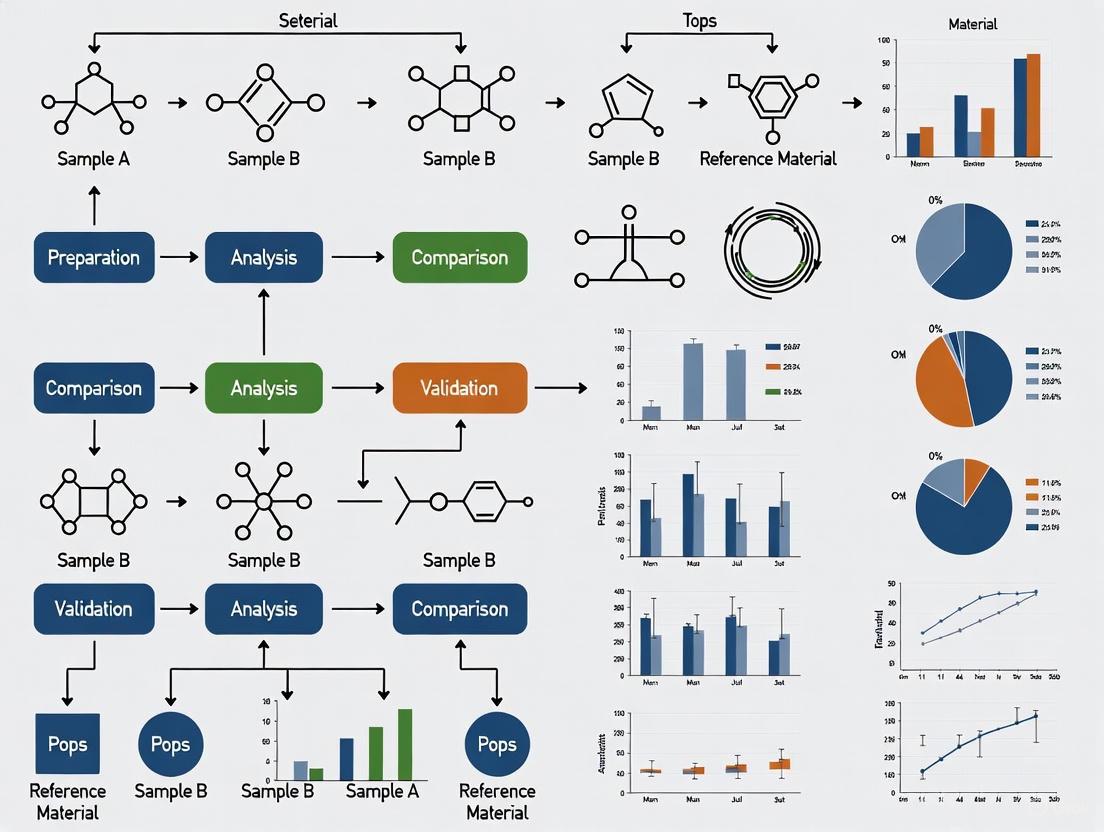
This article provides a comprehensive overview of interlaboratory comparison (ILC) studies, a critical tool for ensuring data quality and methodological reliability in materials science and biomedical research.
Interlaboratory Comparison Studies for Materials Methods: A Guide to Validation, Harmonization, and Quality Assurance
Abstract
This article provides a comprehensive overview of interlaboratory comparison (ILC) studies, a critical tool for ensuring data quality and methodological reliability in materials science and biomedical research. Tailored for researchers, scientists, and drug development professionals, it explores the foundational principles of ILCs, detailed methodological approaches for implementation, strategies for troubleshooting and optimizing laboratory performance, and the role of ILCs in formal method validation and comparative analysis. By synthesizing current practices and insights from recent studies across fields like gene therapy, environmental science, and construction materials, this guide aims to support laboratories in achieving harmonized, accurate, and comparable results.
What Are Interlaboratory Comparisons? Establishing the Bedrock of Reliable Data
Interlaboratory Comparisons (ILCs) are systematic procedures in which two or more laboratories analyze the same or similar test items under predetermined conditions to assess their performance. Within the framework of materials methods research, two primary types of ILCs are critical for ensuring data quality and method reliability: Proficiency Testing (PT) and Collaborative Method Validation (often referred to as Ring Trials). These processes play distinct yet complementary roles in the drug development pipeline, serving as essential tools for quality assurance and method standardization [1] [2].
Proficiency Testing operates as an external quality assessment tool, focusing on evaluating a laboratory's competence to perform specific tests or measurements accurately. In contrast, Collaborative Method Validation studies are research and development exercises aimed at establishing the performance characteristics of a new analytical method before it becomes standardized. For researchers and drug development professionals, understanding the distinction between these approaches is fundamental to designing appropriate validation strategies and meeting regulatory requirements for method suitability [2].
The implementation of these interlaboratory studies has become increasingly important with the growing emphasis on biomarker development and the incorporation of novel analytical techniques in pharmaceutical research. Both PT and Collaborative Method Validation provide mechanisms for establishing confidence in measurement results, which is particularly crucial when these results inform critical decisions in the drug development process, from target validation to clinical trial endpoints [3].
Core Concepts and Definitions
Proficiency Testing (PT)
Proficiency Testing is defined as the evaluation of participant performance against pre-established criteria through interlaboratory comparisons [4]. According to ISO/IEC 17043, PT is a formal exercise managed by a coordinating body that includes a reference laboratory, with results issued in a formal report that typically includes performance metrics such as En and Z-scores [4]. The primary objective of PT is to assess a laboratory's technical competence in performing specific analyses and to monitor the continuing effectiveness of their quality management system [1] [5].
In a typical PT scheme, a proficiency testing provider prepares and distributes samples with known but undisclosed values to participating laboratories. Each laboratory then analyzes the samples using their routine methods, equipment, and reagents, exactly as they would for customer samples. The results are returned to the provider for comparison against reference values or the results from other laboratories [1]. This process provides an objective assessment of a laboratory's ability to produce accurate data under normal operating conditions, making it particularly valuable for accreditation purposes under standards such as ISO/IEC 17025 [1] [4].
Collaborative Method Validation (Ring Trials)
Collaborative Method Validation, commonly known as Ring Trials, represents a different type of interlaboratory study with distinct objectives. A Ring Trial is an interlaboratory test where multiple laboratories analyze the same sample under controlled conditions following a standardized protocol [1]. The key distinction from PT lies in its purpose: while PT assesses laboratory competence, Ring Trials evaluate the reproducibility and robustness of analytical methods themselves [1].
These collaborative studies are fundamental to method development and harmonization, particularly in fields requiring standardized analytical procedures. During a Ring Trial, a reference laboratory typically prepares and distributes samples to participating laboratories, all of which adhere to identical protocols, reagents, and equipment specifications whenever possible [1]. This standardized approach minimizes methodological variations, allowing researchers to identify factors influencing precision and accuracy, and enabling procedural refinements before methods are implemented in individual laboratories [1]. Such studies are especially valuable for establishing standardized methods in regulated environments, such as food safety testing and pharmaceutical analysis [2].
Comparative Analysis: Objectives and Applications
The fundamental distinction between Proficiency Testing and Collaborative Method Validation lies in their primary objectives: PT assesses laboratory performance, while Collaborative Method Validation assesses method performance. This distinction drives differences in their design, implementation, and applications within materials methods research and drug development.
Table 1: Key Differences Between Proficiency Testing and Collaborative Method Validation
| Aspect | Proficiency Testing (PT) | Collaborative Method Validation (Ring Trials) |
|---|---|---|
| Main Objective | Assessment of laboratory competence [1] | Evaluation and validation of analytical methods [1] |
| Reference Values | Pre-established and concealed from participants [1] | May be derived from participants' results [1] |
| Frequency | Regular and periodic as part of quality control [1] | Occasional, as needed for method validation [1] |
| Operating Conditions | Each laboratory uses its own method, equipment, and reagents [1] | Standardized protocols to minimize methodological variations [1] |
| Participation | Often mandatory for laboratory accreditation [1] | Usually voluntary for method development [1] |
| Applicable Standards | Complies with ISO/IEC 17043 and ISO/IEC 17025 [1] [4] | Not always ISO-compliant; focused on method-specific parameters [1] |
| Comparison Method | Comparison of laboratory performance to assess technical competence [1] | Comparison among laboratories to improve method reproducibility [1] |
| Sample Preparation | A specialized PT provider supplies samples with hidden values [1] | A reference or organizing laboratory prepares and distributes samples [1] |
| Primary Application | Quality control and compliance with accreditation standards [1] | Development, validation, and harmonization of analytical methods [1] |
| Methodological Flexibility | Allows each laboratory to use its standard methodology [1] | Requires adherence to a common protocol to ensure data comparability [1] |
In the context of drug development, these interlaboratory approaches support different stages of the research pipeline. Collaborative Method Validation is particularly valuable during early method development phases, where establishing robust, transferable analytical methods is crucial for biomarker qualification or assay validation [3]. For instance, when developing methods for biomarker measurements, collaborative validation studies help establish the precision, accuracy, and reproducibility of analytical techniques before they are implemented across multiple sites in clinical trials [3].
Proficiency Testing, conversely, serves as an ongoing quality assurance tool once methods are established. It ensures that different laboratories involved in multi-center trials can generate comparable results over time, providing confidence in data consistency across study sites [5]. This distinction is particularly important in pharmaceutical development, where the FDA recognizes different levels of biomarker validity—from exploratory to known valid biomarkers—with increasing requirements for analytical validation and cross-laboratory verification [3].
Evaluation Methodologies and Performance Metrics
Proficiency Testing Evaluation Protocols
Proficiency Testing employs standardized statistical methods to evaluate participant performance. According to ISO/IEC 17043, two primary metrics are used: normalized error (En) and Z-score [4]. These quantitative measures provide objective assessment of a laboratory's performance relative to reference values and other participants.
The normalized error (En) calculation incorporates measurement uncertainty into the performance assessment. It is calculated using the formula:
Where Ulab is the expanded uncertainty reported by the participant laboratory and Uref is the expanded uncertainty of the reference value. The criteria for performance interpretation are straightforward: |En| ≤ 1 indicates satisfactory performance, while |En| > 1 indicates unsatisfactory performance [4].
The Z-score provides an alternative assessment method that compares a laboratory's result to the consensus value of all participants, normalized by the standard deviation for proficiency assessment:
Where σ represents the standard deviation for proficiency assessment. Interpretation follows these guidelines: |Z| ≤ 2 indicates satisfactory performance; 2 < |Z| < 3 indicates questionable performance requiring attention; and |Z| ≥ 3 indicates unsatisfactory performance [4].
Collaborative Method Validation Assessment Protocols
In Collaborative Method Validation studies, the evaluation focuses on method performance rather than laboratory performance. Key metrics include interlaboratory reproducibility, precision, and robustness. These studies typically generate precision statements that capture both within-laboratory repeatability and between-laboratory reproducibility [6].
The statistical analysis in Collaborative Method Validation often involves:
- Precision Assessment: Calculation of repeatability standard deviation (sr) and reproducibility standard deviation (sR) across all participating laboratories
- Bias Evaluation: Determination of systematic errors by comparing results to reference values when available
- Robustness Testing: Assessment of method sensitivity to variations in environmental conditions, reagents, or equipment
These comprehensive assessments establish the method's fitness for purpose and provide data supporting its standardization through organizations like ISO or CEN [2]. Successful collaborative studies demonstrate that the method produces consistent results across multiple laboratories, operating environments, and technicians—a critical requirement for methods intended for widespread use in regulatory applications [2].
Table 2: Key Reagents and Materials for Interlaboratory Studies
| Reagent/Material | Function in ILCs | Critical Quality Attributes |
|---|---|---|
| Homogeneous Test Samples | Distributed to all participants as the test material; ensures comparisons are based on identical samples [1] | Homogeneity, stability, commutability with routine samples |
| Certified Reference Materials | Provide traceability to stated references; used for calibration or as verification standards [6] | Certified values with stated uncertainties, stability |
| Method-Specific Reagents | Ensure standardized protocols in Collaborative Validation; may be specified and distributed to participants [1] | Purity, specificity, lot-to-lot consistency |
| Stabilization Solutions | Maintain sample integrity during shipping and storage in distributed schemes [7] | Effective preservation without analyte alteration |
| Blind Control Materials | Incorporated into PT schemes to test routine performance; values unknown to participants [1] | Stability, similarity to routine samples, commutability |
Implementation in Research and Regulatory Contexts
Experimental Design Considerations
Designing effective interlaboratory studies requires careful consideration of the research objectives. The following diagram illustrates the decision pathway for selecting and implementing the appropriate type of interlaboratory comparison:
For both PT and Collaborative Method Validation, sample homogeneity is paramount to ensure that variations stem from methodological or laboratory differences rather than sample heterogeneity [1]. The organizing body must implement rigorous homogeneity testing and stability assessments to validate that distributed samples are sufficiently uniform for the intended comparisons.
In Proficiency Testing, common schemes include simultaneous participation designs where sub-samples are randomly selected from a material source and distributed to participant laboratories for concurrent testing [4]. These are particularly suitable for reference materials or single-use samples that are consumed during analysis. Sequential participation schemes, such as round-robin or petal tests, circulate artifacts successively between laboratories and are preferred when sample stability permits extended testing periods [4].
In Collaborative Method Validation, the experimental design must carefully control variables to isolate method performance. This typically involves detailed protocols specifying equipment, reagents, environmental conditions, and analysis procedures. Participating laboratories often undergo training to ensure consistent implementation of the method, and pilot studies may precede the full collaborative trial to identify potential issues with the protocol [1].
Regulatory Applications in Drug Development
Interlaboratory comparisons play increasingly important roles in pharmaceutical development and regulatory submissions. The FDA's critical path initiative and NIH roadmap have emphasized the importance of biomarkers in rational drug development, creating a need for robust analytical methods and demonstrated measurement competence [3].
Collaborative Method Validation supports the biomarker qualification process, particularly in transitioning biomarkers from exploratory status to probable valid and known valid biomarkers [3]. Known valid biomarkers require widespread agreement in the scientific community, which is often established through cross-validation experiments across multiple laboratories [3]. For example, biomarker assays for companion diagnostics require demonstration that the method produces consistent results across different testing sites, which is typically established through collaborative validation studies.
Proficiency Testing provides the ongoing quality assurance needed once diagnostic methods are implemented. For laboratories performing tests that guide therapeutic decisions—such as HER2 testing for breast cancer or EGFR mutation analysis for lung cancer—regular participation in PT programs is often mandated by accreditation bodies and regulatory agencies [3]. Successful PT performance demonstrates continuing competence in performing these clinically important assays.
Proficiency Testing and Collaborative Method Validation serve distinct but complementary roles in the landscape of interlaboratory comparisons. PT focuses on assessing and monitoring laboratory competence, using a variety of statistical tools to compare a laboratory's results to reference values or peer performance. In contrast, Collaborative Method Validation establishes the performance characteristics of analytical methods themselves, determining their reproducibility across multiple laboratories and operating conditions.
For researchers and drug development professionals, understanding these distinctions is essential for designing appropriate validation strategies and meeting regulatory requirements. Collaborative Method Validation provides the foundation for standardizing new methods, particularly important with the growing emphasis on biomarker development and personalized medicine approaches. Proficiency Testing offers the ongoing surveillance needed to ensure data quality throughout the drug development pipeline, from preclinical studies to multi-center clinical trials.
Both approaches contribute significantly to the overall quality framework in materials methods research, providing mechanisms to establish confidence in analytical results and ensure that data generated across different locations and timepoints remains comparable and reliable. As analytical technologies continue to evolve and regulatory expectations advance, these interlaboratory comparison approaches will remain essential tools for establishing method validity and demonstrating measurement competence in pharmaceutical research and development.
In materials methods research and drug development, the transition from a laboratory's internal validation of a new analytical procedure to its acceptance as a "fit-for-purpose" method relies heavily on robust comparison studies. These studies are designed to assess the systematic error or bias between a new test method and a established comparative method, providing critical data on method trueness and ensuring the reliability of results across different laboratories and instrument platforms [8] [9]. The fundamental question these comparisons address is whether two methods can be used interchangeably without affecting patient results or clinical outcomes [9]. As the field advances, particularly in areas like oxidative potential (OP) measurements of aerosol particles, international interlaboratory comparisons (ILCs) are becoming essential for harmonizing methods across the global research community, moving beyond self-assessment to establish unified, purpose-driven frameworks [10].
Experimental Protocols for Method Comparison
A well-designed method comparison experiment is foundational to generating reliable, actionable data. The following protocols outline the key considerations for both basic and advanced interlaboratory studies.
Basic Method Comparison Design
The core protocol for comparing a new method against a comparative method involves a structured analysis of patient specimens to estimate systematic error [8].
- Sample Selection and Size: A minimum of 40 different patient specimens is recommended, with 100-200 being preferable to identify unexpected errors from interferences or sample matrix effects. Specimens must be carefully selected to cover the entire clinically meaningful measurement range and represent the spectrum of diseases expected in routine application [8] [9].
- Experimental Procedure: Specimens should be analyzed by both the test and comparative methods within a 2-hour period to maintain specimen stability, unless the analyte is known to have shorter stability. Analysis should be performed over several different analytical runs and a minimum of 5 days to minimize systematic errors from a single run. Ideally, duplicate measurements should be made for both methods to minimize random variation and help identify sample mix-ups or transposition errors [8] [9].
- Comparative Method: The choice of comparative method is critical. A "reference method" with documented correctness through definitive studies is ideal. When using a routine "comparative method," any large, medically unacceptable differences must be carefully interpreted, as the error could originate from either method, potentially requiring additional recovery and interference experiments for resolution [8].
Protocol for Interlaboratory Comparison Exercises (ILC)
Interlaboratory comparisons represent a more comprehensive level of method assessment, focusing on harmonization across multiple research groups.
- Objective: To assess the consistency of measurements between different laboratories applying varied protocols, identify sources of variability, and enhance overall accuracy, reliability, and comparability [10].
- Implementation: A recent ILC for oxidative potential (OP) measurement using the dithiothreitol (DTT) assay was coordinated by a core group of experienced laboratories. This group first produced a harmonized and simplified Standard Operating Procedure (SOP), the "RI-URBANS DTT SOP," which was integrated and tested by the organizing laboratory. This SOP was adapted from several original protocols published in the literature [10].
- Execution: Participating laboratories (20 in the cited study) then performed measurements using both their own "home protocols" and the new harmonized SOP. This approach allowed for a direct analysis of the discrepancies and commonalities arising from differences in experimental procedures, equipment, or techniques [10].
Quantitative Data Analysis and Statistical Framework
Once data is collected, appropriate statistical analysis is required to move from raw numbers to meaningful conclusions about method performance. The following table summarizes the key statistical measures used in method comparison studies.
Table 1: Key Statistical Measures in Method Comparison
| Statistical Measure | Description | Application and Interpretation |
|---|---|---|
| Linear Regression | Calculates the slope (b), y-intercept (a), and standard deviation of points about the line (s~y/x~) for the line of best fit [8]. | Preferred for data covering a wide analytical range. Slope indicates proportional error; y-intercept indicates constant error. Systematic error (SE) at a medical decision concentration (X~c~) is calculated as SE = (a + bX~c~) - X~c~ [8]. |
| Bias (Average Difference) | The average difference between the results from the test method and the comparative method [8]. | Commonly used for data with a narrow analytical range. It represents the constant systematic error between the two methods. |
| Correlation Coefficient (r) | A measure of the strength of the linear relationship between two methods [8] [9]. | Misleading for acceptability. A high r (e.g., 0.99) indicates a strong linear relationship but does not prove comparability; a large, medically unacceptable bias can still exist. It is mainly useful for verifying a wide enough data range for regression [8] [9]. |
| Precision | The closeness of agreement between individual test results from repeated analyses [11]. | Documented as:• Repeatability: Agreement under identical conditions over a short time.• Intermediate Precision: Agreement within a laboratory with variations in days, analysts, or equipment.• Reproducibility: Agreement between different laboratories [11]. |
It is critical to avoid common statistical pitfalls. Neither correlation analysis nor a t-test is sufficient for assessing method comparability. Correlation does not detect bias, and a t-test may miss clinically meaningful differences with small sample sizes or flag statistically significant but clinically irrelevant differences with large samples [9].
Visualization of Data and Workflows
Effective visualization is key to both analyzing data and communicating the results of a comparison study.
Data Visualization Principles
Initial graphical inspection of data is a fundamental step for identifying discrepant results and understanding error patterns.
- Difference Plot (Bland-Altman Plot): Plots the difference between the test and comparative results (y-axis) against the comparative result or the average of the two methods (x-axis). The data should scatter around the line of zero difference, allowing for visual identification of outliers and patterns (e.g., constant or proportional error) [8] [9].
- Comparison Plot (Scatter Plot): Plots the test result (y-axis) against the comparative result (x-axis). A visual line of best fit shows the general relationship. This is useful for displaying the analytical range and linearity of response [8].
- Applying Contrast for Clarity: In any chart, use color strategically to direct the viewer's attention. Employ a bold color for the most important data series or values and use muted colors like gray for less critical context. Titles should be active, stating the key finding, and callouts can be used to annotate specific events or data points [12] [13].
Experimental Workflow Visualization
The following diagram illustrates the logical workflow and key decision points in a method comparison study, from planning to final assessment.
Method Comparison Decision Workflow
The Scientist's Toolkit: Essential Reagents and Materials
The following table details key reagents and materials commonly used in method validation and comparison studies, with a focus on the widely applied DTT assay for oxidative potential.
Table 2: Essential Research Reagent Solutions for Method Comparison Studies
| Reagent/Material | Function and Application |
|---|---|
| Dithiothreitol (DTT) | A thiol-containing probe that serves as an surrogate for biological antioxidants in the DTT assay. It reacts with redox-active species in particulate matter (PM), and its oxidation rate is measured to determine the oxidative potential (OP) of the sample [10]. |
| Phosphate Buffered Saline (PBS) | A common buffer solution used in many acellular OP assays, such as the DTT and Ascorbic Acid (AA) assays, to maintain a stable pH during the reaction, mimicking physiological conditions [10]. |
| Trichloroacetic Acid (TCA) | Used in the DTT assay to terminate the reaction at specific time points, halting the oxidation of DTT by the sample and allowing for subsequent measurement [10]. |
| 5,5'-Dithio-bis(2-nitrobenzoic acid) (DTNB) | Also known as Ellman's reagent. It is used in the DTT assay to quantify the remaining (unoxidized) DTT after the reaction. DTNB reacts with DTT to produce a yellow-colored compound, 2-nitro-5-thiobenzoic acid (TNB), which can be measured spectrophotometrically [10]. |
| Authentic Reference Materials | Well-characterized standard reference materials (e.g., from NIST) used to assess the accuracy of a method by comparing the measured value to an accepted reference value [11]. |
| Patient-Derived Specimens | Fresh or properly preserved serum, plasma, or other relevant biological samples from a diverse patient population. These are crucial for assessing method performance across a wide clinical range and identifying matrix effects [8] [9]. |
Method comparison studies, from internal self-assessment to large-scale interlaboratory exercises, are indispensable for establishing the fitness-for-purpose of analytical methods in research and drug development. A successful study hinges on a rigorous experimental design, appropriate statistical analysis that goes beyond basic correlation, and clear visualization of data and workflows. By adhering to structured protocols and utilizing the essential research tools, scientists can generate defensible data that ensures methodological rigor, promotes harmonization across laboratories, and ultimately supports the safety and efficacy assessments critical to public health.
The Critical Role of ILCs in Accreditation and Regulatory Compliance
The Critical Role of ILCs in Accreditation and Regulatory Compliance
Interlaboratory comparisons (ILCs) and proficiency testing (PT) are foundational tools for laboratories seeking to ensure the accuracy and reliability of their results, meet stringent accreditation requirements, and meet regulatory compliance mandates. For researchers and scientists developing and validating material methods, these exercises provide an indispensable, independent assessment of technical competence, reveal methodological biases, and foster confidence in data quality across global scientific communities.
The Accreditation and Regulatory Imperative for ILCs
For any testing or calibration laboratory, participation in ILCs is not merely a best practice but a fundamental requirement of international quality standards. The ISO/IEC 17025 standard for laboratory competence mandates that laboratories must have quality control procedures to monitor the validity of tests and calibrations, which "shall include, where available, participation in interlaboratory comparisons or proficiency testing programmes" [14]. These activities serve as a critical external check, providing objective evidence that a laboratory's methods, personnel, and equipment are performing as expected.
The regulatory landscape is increasingly emphasizing ILC participation. Updates to regulations like the U.S. Clinical Laboratory Improvement Amendments (CLIA) have further tightened standards for proficiency testing, underscoring its importance in the laboratory quality system [15]. Similarly, European directives, such as those governing ambient air quality monitoring, explicitly require laboratories to participate in ILCs [16]. Beyond compliance, these exercises are a strategic asset. They help laboratories prevent the release of substandard products, identify sources of analytical error, take corrective actions, and provide stakeholders—from regulators to clients—with confidence in the quality of testing services [14].
ILCs in Action: A Landscape of Providers and Programs
A diverse ecosystem of accredited PT providers exists to serve the needs of various scientific and industrial sectors. These organizations design programs where laboratories analyze the same or similar homogeneous test materials, allowing them to compare their results against an assigned value or the results of other participants. The table below summarizes key providers and their specialized focus areas.
Table 1: Overview of Accredited Proficiency Testing Providers and Programs
| Provider | Accreditation Status | Key Sectors and Focus Areas | Example Programs (2025-2026) |
|---|---|---|---|
| CMLS [14] | ISO 9001, ISO/IEC 17043 | Agricultural products, food, feed, fertilizers | Annual series programs with multiple rounds |
| Czech Metrology Institute [17] | ISO/IEC 17043 | Metrology, calibration | Annual ILC program, Bilateral ILCs (BILC) on application |
| INERIS [16] | Cofrac Accreditation | Air quality, water quality, stationary source emissions | PFAS, Levoglucosan, PAHs in ambient air; emissions on test bench |
| Collaborative Testing Services (CTS) [6] | ISO/IEC 17043:2023 | Forensics, plastics, metals, agriculture, wine | Programs across multiple industries in over 80 countries |
| Proftest Syke [18] | ISO/IEC 17043 (FINAS) | Environmental measurements, circular economy, built environment | Natural/waste/drinking water analyses, metals, VOC, calorific value |
These providers operate under quality frameworks like ISO/IEC 17043, which sets the general requirements for their competence [17] [6]. This ensures that the design and operation of the proficiency tests are themselves reliable and consistent. The range of available programs is vast, covering everything from classical chemical analyses to highly specialized methodological comparisons.
Table 2: Detailed ILC Programs in Environmental and Material Sciences
| Program Focus | Organizing Body | Specific Measurands/Parameters | Timeline (Sample/Delivery) |
|---|---|---|---|
| PFAS in Atmospheric Emissions [16] | INERIS | 49 semi-volatile PFAS substances (Fraction 1: Filter, Fraction 2: Resin, Fraction 3: Solution) | Oct - Dec 2025 |
| Oxidative Potential (OP) of Aerosols [10] | RI-URBANS Project Consortium | Dithiothreitol (DTT) assay for oxidative potential | 2025 (Study Published) |
| Soluble Aerosol Trace Elements [19] | International Research Collaboration | Soluble fractions of Al, Cu, Fe, Mn, etc., via 8 different leaching protocols | 2025 (Study Published) |
| Metals in Water and Sludge [18] | Proftest Syke | Al, As, Cd, Cr, Hg, Pb, and 15+ other metals | Week 17, 2026 |
| Leaching Behaviour of Solid Waste [18] | Proftest Syke | As, Ba, Cd, Cr, Cu, Hg, Mo, Ni, Pb, Sb, Se, V, Zn, Cl-, F-, SO42-, DOC, pH | Week 22, 2026 |
Experimental Protocols: Case Studies from Recent Research ILCs
For researchers, the practical implementation of an ILC is critical. The following case studies illustrate the experimental protocols used in recent, sophisticated ILCs relevant to materials and environmental research.
Case Study 1: Intercomparison of Soluble Aerosol Trace Element Leaching Protocols
A large-scale international ILC was conducted to compare eight widely used leaching protocols for measuring the soluble fraction of aerosol trace elements, a key metric in atmospheric and ocean science [19].
Methodology:
- Sample Collection: Ambient PM10 samples were collected on acid-washed Whatman 41 cellulose fiber filters at sites in Guangzhou and Qingdao, China [19].
- Sample Preparation: Each filter was divided into eight identical discs using a circular titanium hole-punch. These subsamples were distributed to the participating institutions [19].
- Leaching Protocols: Participinating labs applied their standard protocols, which fell into three categories based on leaching solution [19]:
- Ultrapure Water (UPW) Leach: Simulates solubility in pure water.
- Ammonium Acetate (AmmAc) Leach: A buffer solution.
- Acetic Acid with Hydroxylamine Hydrochloride (Berger Leach): A more aggressive leach designed to simulate the effect of organic ligands.
- Analysis and Data Treatment: Each group processed and analyzed their leachates using their usual practices (e.g., ICP-MS). No standardization was imposed on these steps to assess the real-world variability introduced by the entire methodological chain [19].
Key Workflow Diagram for an ILC:
Case Study 2: Harmonizing Oxidative Potential (OP) Measurements
The RI-URBANS project conducted a pioneering ILC involving 20 laboratories to quantify the variability in measuring the oxidative potential (OP) of aerosol particles using the dithiothreitol (DTT) assay [10].
Methodology:
- Development of a Simplified Protocol: A core group of experts developed a harmonized Standard Operating Procedure (SOP)—the "RI-URBANS DTT SOP"—to be tested alongside participants' own "home" protocols [10].
- Sample Distribution: Participants were provided with liquid samples of a reference material (quinone) and PM filter extracts to focus on the analytical measurement itself, isolating it from variability introduced by sample extraction [10].
- Parallel Testing: Labs were required to analyze the provided samples using both their home protocol and the harmonized RI-URBANS SOP. This design allowed for direct comparison of the effect of protocol harmonization on inter-laboratory variability [10].
- Data Analysis: The organizers collected results and performed statistical analysis to identify critical parameters influencing OP measurements (e.g., instrument type, reagent delivery method, analysis timing) [10].
The Scientist's Toolkit: Key Reagents and Materials for ILCs
Successful participation in ILCs, particularly in method-defined fields, relies on the use of specific, high-quality reagents and materials. The following table details essential items used in the featured experimental case studies.
Table 3: Essential Research Reagents and Materials for Analytical ILCs
| Item Name | Function / Rationale | Example from ILC Case Studies |
|---|---|---|
| Whatman 41 Cellulose Filters | Aerosol particle collection medium. Chosen for low background trace element concentrations after acid-washing. | Used for collecting PM10 samples in the soluble aerosol trace elements ILC [19]. |
| Ultrapure Water (UPW) | Leaching solution simulating pure water solubility; a mild extractant. | One of the three main leaching solutions compared for soluble trace elements [19]. |
| Ammonium Acetate Buffer | A buffered leaching solution, more aggressive than UPW. | Used in several protocols for soluble trace elements to simulate specific environmental conditions [19]. |
| Acetic Acid / Hydroxylamine Hydrochloride | Components of the "Berger leach," a strong leaching solution designed to mimic ligand-promoted dissolution. | Used to assess the more bioaccessible fraction of trace elements [19]. |
| Dithiothreitol (DTT) | A probe compound in an acellular assay that reacts with redox-active species in PM, simulating oxidative stress in the lungs. | The core reagent in the oxidative potential (OP) ILC [10]. |
| Quinone Solutions | Used as a stable, standardized reference material to calibrate or benchmark instrument response in OP assays. | Provided as a liquid sample in the OP ILC to isolate measurement variability [10]. |
Interlaboratory comparisons stand as an indispensable pillar of modern analytical science, directly linking robust methodology to accreditation and regulatory acceptance. For researchers and drug development professionals, they are not simply a compliance exercise but a proactive tool for method validation, quality assurance, and scientific advancement. As methodologies evolve and regulatory scrutiny intensifies, the role of ILCs in ensuring data is not only precise but also comparable across the global scientific community will only become more critical. Engaging with these programs is a direct investment in the integrity and impact of research outcomes.
Interlaboratory comparison studies are a cornerstone of analytical quality assurance, providing a mechanism for laboratories to validate their measurement performance against peers. Within materials methods research, particularly in pharmaceutical development, two key frameworks guide the design and interpretation of these critical studies: ISO/IEC 17043, which outlines requirements for proficiency testing providers, and various IUPAC protocols that provide chemical-specific methodological guidance. These frameworks operate in a complementary fashion, with ISO 17043 establishing the managerial and statistical requirements for running valid proficiency testing schemes, while IUPAC recommendations provide the technical foundation for specific analytical techniques like Nuclear Magnetic Resonance (NMR) spectroscopy.
The revised ISO/IEC 17043:2023 standard represents a significant evolution from its 2010 predecessor, incorporating risk-based thinking, harmonizing with other conformity assessment standards like ISO/IEC 17025, and clarifying requirements for statistical methods based on ISO 13528 [20]. Simultaneously, IUPAC continues to advance analytical science through its validated protocols and terminology, such as its precise definition of NMR spectroscopy as "measurement principle of spectroscopy to measure the precession of magnetic moments placed in a magnetic induction based on absorption of electromagnetic radiation of a specific frequency by an atomic nucleus" [21]. For researchers in drug development, understanding the interaction between these managerial standards and technical protocols is essential for designing robust interlaboratory studies that yield scientifically valid and regulatory-ready data.
Core Concepts and Definitions
ISO/IEC 17043: Proficiency Testing Requirements
ISO/IEC 17043:2023 specifies the general requirements for the competence of proficiency testing (PT) providers, establishing a framework for designing, conducting, and evaluating interlaboratory comparisons [20]. The standard defines proficiency testing as the "evaluation of participant performance against pre-established criteria by means of interlaboratory comparisons" [20]. The 2023 revision introduced several critical updates, including harmonization with ISO 13528 for statistical methods, incorporation of risk-based thinking approaches, and clarification of PT requirements for inspection and sampling activities beyond traditional testing and calibration [20].
The primary purpose of proficiency testing under ISO/IEC 17043 is to provide laboratories with objective evidence of their technical competence, helping to identify potential problems in analytical procedures, educate participating laboratories on methodological nuances, and ultimately build confidence in measurement results [20]. For drug development professionals, this framework ensures that analytical methods used in characterizing active pharmaceutical ingredients, excipients, or final drug products produce consistent and comparable results across different laboratories and geographical locations.
IUPAC Guidelines for Analytical Chemistry
The International Union of Pure and Applied Chemistry (IUPAC) develops and maintains standardized protocols, terminology, and best practices for chemical measurements. While IUPAC covers the entire breadth of chemical sciences, its analytical chemistry recommendations provide essential guidance for specific techniques relevant to materials method research. For instance, IUPAC's precise definition of NMR spectroscopy identifies it as a technique that measures "the precession of magnetic moments placed in a magnetic induction based on absorption of electromagnetic radiation of a specific frequency by an atomic nucleus" [21].
IUPAC recommendations typically focus on the fundamental analytical principles, appropriate experimental parameters, data interpretation methods, and reporting standards for specific analytical techniques. The organization's guidelines emphasize technical excellence and methodological rigor, often serving as the scientific foundation upon which accreditation standards like ISO/IEC 17043 are built. For NMR spectroscopy, IUPAC notes that nuclei with suitable magnetic moments include ( \ce{^{1}H} ), ( \ce{^{13}C} ), ( \ce{^{15}N} ), ( \ce{^{19}F} ), and ( \ce{^{31}P} )—critical information for researchers designing interlaboratory studies involving structural elucidation of drug molecules [21].
Table 1: Key Definitions in Interlaboratory Comparisons
| Term | ISO/IEC 17043:2023 Perspective | IUPAC Perspective |
|---|---|---|
| Proficiency Testing | Evaluation of participant performance against pre-established criteria via interlaboratory comparisons [20] | - |
| NMR Spectroscopy | - | Measurement of magnetic moment precession in magnetic induction via RF absorption [21] |
| Statistical Evaluation | Based on ISO 13528; uses normalized error and comparison uncertainty [22] [23] | Employs robust statistical procedures after removing obvious blunders [23] |
| Primary Purpose | Demonstrate competence, identify problems, provide additional confidence [20] | Determine organic molecule structure, enable quantification [21] |
Comparative Analysis: ISO 17043 vs. IUPAC Guidelines
Scope and Application Focus
The fundamental distinction between ISO/IEC 17043 and IUPAC guidelines lies in their scope and primary focus. ISO/IEC 17043 operates as a managerial standard that specifies requirements for organizations providing proficiency testing schemes, emphasizing the processes needed to ensure valid and comparable results across participating laboratories [20]. It is intentionally broad, designed to be applicable to testing and calibration laboratories, legal regulation by governments, and industrial standards development [20]. In contrast, IUPAC guidelines provide technical recommendations for specific analytical methods, such as the precise experimental conditions for NMR spectroscopy or appropriate statistical approaches for data analysis in chemical measurements [21] [23].
This distinction manifests clearly in their application within pharmaceutical research and development. ISO/IEC 17043 compliance ensures that a proficiency testing program for drug substance characterization is properly designed, implemented, and statistically evaluated—focusing on the process rather than the chemical specifics. Meanwhile, IUPAC recommendations would guide the technical execution of the analytical methods themselves, such as the proper referencing of NMR chemical shifts using tetramethylsilane (TMS) or residual solvent peaks [24]. A robust interlaboratory study in drug development would integrate both frameworks: using IUPAC protocols to ensure analytical correctness and ISO/IEP 17043 requirements to guarantee procedural validity.
Statistical Approaches and Performance Assessment
Both frameworks address statistical evaluation but with different emphases and applications. ISO/IEC 17043 relies heavily on ISO 13528 for its statistical foundation, employing metrics like normalized error (Eₙ) to assess participant performance [23]. The standard acknowledges limitations in traditional criteria—where |Eₙ| ≤ 1 indicates acceptable performance—by noting that high values for comparison uncertainty (ucomp) or transfer standard uncertainty (uTS) can artificially improve performance scores, potentially masking measurement instability [22]. Recent amendments to ISO 13528 have introduced more sophisticated probability-based approaches and the possibility of "inconclusive" results when comparison uncertainty is excessive [23].
IUPAC's statistical guidance, particularly evident in its Harmonized Protocol, recommends removing "obvious blunders from a data set at an early stage in an analysis, prior to use of any robust procedure or any test to identify statistical outliers" [23]. This approach prioritizes scientific judgment before applying statistical tests, recognizing that chemical measurements often involve complex contextual factors that pure statistical approaches might miss. For pharmaceutical researchers, this means that IUPAC provides the foundational statistical philosophy for data quality assessment, while ISO standards provide the specific implementation framework for proficiency testing schemes.
Table 2: Statistical Methods in Interlaboratory Comparisons
| Aspect | ISO 17043/13528 Approach | IUPAC Approach |
|---|---|---|
| Primary Criterion | Normalized error (⎮Eₙ⎮ ≤ 1) [22] | Removal of obvious blunders prior to analysis [23] |
| Key Metric | Comparison uncertainty (u_comp) [22] | Robust statistical procedures after data cleaning [23] |
| Recent Developments | Probability-based criteria; "inconclusive" category [22] [23] | - |
| Limitations Addressed | High uTS or urepeat can mask poor performance [22] | - |
Experimental Protocols for Interlaboratory Studies
Designing a Proficiency Test Scheme (ISO 17043 Framework)
Designing a valid proficiency testing scheme according to ISO/IEC 17043 requires meticulous attention to multiple procedural elements. The process begins with defining clear objectives and scope for the study, followed by selecting appropriate test items that adequately represent the analytical challenges laboratories face in routine practice. The standard mandates that PT providers must "document the reasons for any statistical assumptions and demonstrate that the assumptions are reasonable" [23], requiring transparent methodology in establishing assigned values and evaluation criteria.
A critical requirement in the updated standard is that "testing activities, calibration activities and PT item production conform to the relevant requirements of appropriate ISO conformity assessment standards" [20]. This ensures that the proficiency testing process itself does not introduce additional variables that could compromise result interpretation. For drug development applications, this means that the production of reference materials for PT schemes must follow Good Manufacturing Practice (GMP) principles where appropriate, and their characterization should employ fully validated analytical methods. The standard also introduces risk-based thinking, requiring providers to identify potential sources of uncertainty in the PT scheme and implement appropriate control measures [20].
Implementing IUPAC-Recommended Analytical Techniques
Implementing IUPAC-recommended analytical methods requires strict adherence to technical specifications tailored to each technique. For NMR spectroscopy—a critical tool in pharmaceutical analysis for structural elucidation and quantification—key considerations include proper referencing practices to ensure accurate chemical shift determination. Recent research highlights that discrepancies of up to 1.9 ppm for ¹³C NMR in CDCl₃ can occur without proper referencing protocols [24]. IUPAC-endorsed approaches recommend using tetramethylsilane (TMS) as an internal standard or the solvent's residual peak as a secondary reference, with attention to concentration effects and solvent interactions [24].
For complex analyses such as investigating protein-ligand interactions—highly relevant to drug discovery—IUPAC methodologies support techniques like Saturation Transfer Difference (STD) NMR and transfer NOEs for pharmacophore mapping (INPHARMA) NMR [24]. These methods allow researchers to investigate ligand binding modes even in proteins with multiple binding sites, providing critical information for structure-activity relationship studies. The experimental workflow involves specific pulse sequences, careful temperature control, and appropriate data processing algorithms to extract meaningful thermodynamic and kinetic parameters from NMR measurements [24].
Diagram: Integration of ISO 17043 and IUPAC frameworks in interlaboratory studies
Case Study: Microplastics Analysis Interlaboratory Comparison
Experimental Design and Methodology
A revealing example of interlaboratory comparison in practice comes from a study of microplastics quantification involving 12 experienced laboratories worldwide [25]. Researchers prepared standardized samples by mixing one liter of plastic-free seawater with precisely characterized microplastics made from polypropylene, high- and low-density polyethylene, along with artificial particles in two plastic bottles [25]. This design created a controlled yet realistic scenario that mimicked environmental sample analysis while allowing for exact quantification of measurement accuracy.
The study implemented key requirements of both ISO/IEC 17043 and IUPAC principles by establishing predetermined criteria for success, using homogeneous reference materials, and employing statistical evaluation based on comparison with known quantities. Laboratories applied their preferred analytical methods for microplastics identification and quantification, enabling researchers to assess both methodological variability and individual laboratory performance. The minimum requirements for reliable microplastic quantification were systematically examined by comparing actual numbers of microplastics in sample bottles with numbers measured by each participating laboratory [25].
Results and Implications for Method Validation
The interlaboratory comparison revealed significant challenges in microplastics analysis, with the number of microplastics <1 mm being underestimated by 20% even when using best practice methodologies [25]. The uncertainty was attributed to pervasive errors derived from inaccuracies in measuring sizes and/or misidentification of microplastics, including both false recognition and overlooking particles [25]. These findings highlight the critical importance of interlaboratory studies in revealing methodological limitations that might remain undetected in single-laboratory method validation.
Statistical analysis of the results indicated that size distribution of microplastics should be smoothed using a running mean with a length of >0.5 mm to reduce uncertainty to less than ±20% [25]. This finding demonstrates the practical application of statistical methods aligned with ISO 13528 amendments, which emphasize appropriate data treatment to improve comparison reliability. For pharmaceutical researchers, this case study underscores how interlaboratory comparisons can identify systematic methodological biases and establish minimum performance criteria for analytical techniques—whether applied to environmental monitoring or drug product characterization.
Key Research Reagent Solutions
Table 3: Essential Materials for Interlaboratory Studies in Analytical Chemistry
| Item | Function | Application Example |
|---|---|---|
| Deuterated Solvents | Provide locking signal for NMR; residual peaks as secondary reference standards [24] | CDCl₃, DMSO-d₆ for organic compound analysis [24] |
| Tetramethylsilane (TMS) | Primary internal reference for ¹H and ¹³C NMR chemical shift calibration [24] | Establishing 0 ppm reference point in NMR spectra [24] |
| Proficiency Test Items | Well-characterized materials with assigned values for interlaboratory comparison [20] | Microplastics in seawater matrix for method validation [25] |
| Reference Materials | Substances with certified properties for method calibration and validation [20] | Characterized polymers for microplastics analysis [25] |
| Stable Isotope Labels | Enable tracing and quantification in complex matrices via MS or NMR [21] | ¹³C-labeled compounds for metabolic studies in drug development [21] |
Standards and Guidelines Compendium
Successful navigation of interlaboratory comparisons requires access to both current standards and technical recommendations. ISO/IEC 17043:2023 provides the foundational requirements for proficiency testing providers, with its recent revision reflecting updated approaches to risk management and statistical evaluation [20]. The ISO 13528:2022/DAmd 1 amendment offers specific guidance on statistical methods for proficiency testing, including refined approaches for outlier treatment and assigned value determination [23]. For NMR spectroscopy—particularly relevant to pharmaceutical research—the IUPAC Gold Book provides precise definitions and methodological principles, while recent special issues in analytical journals explore emerging applications like machine learning-assisted spectral interpretation and quantum chemical calculations of NMR parameters [21] [24].
Drug development professionals should maintain access to the IUPAC Harmonized Protocol, which recommends procedures for collaborative study design and data analysis, emphasizing the importance of removing obvious blunders before applying robust statistical methods [23]. Additionally, publications like the Marine Pollution Bulletin study on microplastics analysis provide real-world examples of how these standards and guidelines converge in practical interlaboratory comparisons, highlighting both methodological challenges and statistical solutions [25]. This comprehensive toolkit enables researchers to design, implement, and evaluate interlaboratory studies that meet both scientific and regulatory requirements for materials methods research.
Executing Successful ILCs: Protocols, Design, and Real-World Applications
Interlaboratory comparison (ILC) studies are foundational tools for validating analytical methods and ensuring data quality in materials science and drug development. These studies involve the systematic testing of homogeneous, stable samples by multiple laboratories to evaluate and compare their analytical performance. The core objective is to determine the consistency of results across different instruments, operators, and environmental conditions, thereby identifying potential biases and establishing method robustness. A well-executed ILC provides empirical evidence of a method's transferability and reliability, which is critical for regulatory submissions and quality assurance in pharmaceutical development. The structure of an ILC, from participant selection to the final analysis of results, must be meticulously planned to yield statistically sound and actionable data. This guide outlines the essential steps for organizing a conclusive ILC, supported by experimental data and practical protocols.
Participant Selection and Enrollment
The selection and enrollment of participating laboratories are critical first steps that directly influence the validity and scope of an ILC's findings. The goal is to assemble a cohort that represents the typical operational environments where the method will be applied.
A purposeful selection strategy should be employed to ensure diversity in laboratory capabilities and equipment. Participants may be recruited from professional networks, existing collaborations, or through open registration as seen in initiatives like the NORMAN interlaboratory comparison, which involved 37 chromatographic systems, or the IAEA's biennial comparisons [26] [27]. Key selection criteria often include:
- Technical Capability: Laboratories must possess the requisite instrumentation (e.g., LC/HRMS, FTIR) and expertise to perform the analytical method under investigation [26].
- Methodological Diversity: Intentionally including labs that use different instrument models, column chemistries, or mobile phases can help test the method's robustness across technical variations [26].
- Sample Size: While more participants improve statistical power, a group of 12 to 40 laboratories, as used in recent studies, is often practical and sufficient for meaningful comparison [26].
Once identified, a clear enrollment protocol must be established. This includes defining timelines, roles and responsibilities, and data submission formats to ensure a smooth workflow.
Table: Participant Diversity in a Representative ILC on LC/HRMS
| Characteristic | Number of Laboratories | Percentage of Total (%) |
|---|---|---|
| Total Participating Labs | 37 | 100 |
| Chromatography Column Chemistry | ||
| C18 | 28 | 75.7 |
| C8 | 5 | 13.5 |
| Phenyl/Biphenyl | 4 | 10.8 |
| Mobile Phase Additive | ||
| Acid Only | 22 | 59.5 |
| Acid with Ammonium Salt | 15 | 40.5 |
Experimental Design and Sample Preparation
The experimental design forms the blueprint of the ILC, ensuring that the data collected is comparable, reproducible, and fit for purpose. A core principle is the use of common calibrants and test samples distributed to all participants.
The sample set should include two distinct groups of chemicals: calibrants and suspects (or unknowns). In a recent NTS ILC, 41 calibration chemicals and 45 suspect chemicals were used [26]. The calibrants serve a dual purpose: they are used by participants to calibrate their instruments and by organizers to model the relationship between different chromatographic systems. The suspect chemicals are the actual test items used to evaluate laboratory performance. All samples must be thoroughly tested for homogeneity and stability to ensure that any variation in results is attributable to laboratory performance rather than sample degradation. This involves verifying that samples are homogeneous at the intended level of intake and stable for the duration of the study, including during shipment and storage.
A detailed experimental protocol is then distributed to all participants. This document must be unambiguous and cover all critical parameters to minimize variability introduced by procedural differences.
Figure 1: ILC Sample Preparation and Distribution Workflow
Table: Essential Components of an ILC Experimental Protocol
| Protocol Section | Key Elements | Purpose |
|---|---|---|
| Sample Handling | Reconstitution procedure, storage conditions (e.g., frozen, light-protected), stability information. | Ensures sample integrity from receipt through analysis. |
| Instrument Calibration | Specification of calibration chemicals and required quality control checks. | Standardizes the initial setup across all instruments. |
| Chromatographic Method | Column type, mobile phase composition (including pH and additives), gradient program, flow rate, column temperature [26]. | Defines the core separation parameters to ensure comparability of retention data. |
| Data Acquisition & Reporting | Required data formats (e.g., retention time, peak area), file naming conventions, metadata to be reported. | Facilitates uniform data collection and simplifies subsequent analysis. |
Sample Shipment and Logistics
The shipment of samples is a logistical operation that demands precision to preserve sample integrity and comply with international regulations. Proper packaging and documentation are non-negotiable.
Samples must be packaged to withstand transit conditions and remain stable. Key requirements include [28]:
- Primary Container: The labeled specimen container must be securely sealed, crush-proof, and leak-proof (e.g., a stoppered or screw-top tube).
- Light Protection: For light-sensitive analytes, samples must be collected and shipped in amber glass or wrapped in aluminum foil [28].
- Secondary Container: Each primary container must be placed in a secondary container with sufficient absorbent material to absorb the entire liquid contents in case of breakage [28].
- Temperature Control:
- For refrigerated transport: Use a minimum of two frozen gel packs in a foam container.
- For frozen transport: Ship specimens immediately frozen on sufficient dry ice in a foam container. Note that glass tubes should not be frozen unless placed at a shallow angle to avoid cracking [28].
Regulatory compliance is mandatory, especially for international shipments. For non-infectious human diagnostic specimens (Category B/UN3373), the outer package must display the "Exempt Human Specimen" or "UN3373" label [28]. A completed Importer Certification Statement Form must accompany the shipment. If samples are known or suspected to be infectious, a CDC Import Permit is required, which can take two or more weeks to procure [28]. All required documents, such as analysis requisitions and chain of custody forms, should be placed in a separate sealed plastic bag and included in the same box as the specimens [28].
Data Collection and Performance Assessment
The collection and analysis of data are the culminating phases where the performance of the method and the participating laboratories is quantitatively evaluated.
Data collection should be streamlined, often using electronic templates or dedicated platforms. The focus is on collecting both the raw results (e.g., retention times, peak areas) and the critical metadata describing the chromatographic system (CS) used, such as column chemistry and mobile phase pH [26]. To account for differences in equipment—such as column length and flow rate—that affect absolute retention times, data is often normalized. A common approach is to convert retention times to Retention Time Indices (RTI) using a set of calibration chemicals, scaling values between 0 and 1000 for unified comparison [26].
Performance assessment typically involves calculating the agreement between reported results and known reference values or the consensus value from all participants. For retention time projection studies, a Generalized Additive Model (GAM) is often fitted on the calibration chemicals to project RTIs from one chromatographic system to another. The accuracy is then evaluated on the suspect chemicals using metrics like Root Mean Square Error (RMSE) [26]. The similarity of the chromatographic systems, particularly in terms of column chemistry and mobile phase pH, has been shown to be a major factor impacting the accuracy of both projection and machine learning prediction models [26].
Table: Comparison of RT Projection vs. Prediction Model Performance
| Model Approach | Key Principle | Data Requirements | Reported Performance (RMSE in RTI units) | Major Influencing Factor |
|---|---|---|---|---|
| Projection Model | Projects experimental RTs from a source CS to a target CS using a statistical model (e.g., GAM) fit on common calibrants [26]. | A small set (10-50) of chemicals measured on both CSsource and CStarget. | Accuracy directly linked to the similarity between CSsource and CStarget [26]. | Mobile phase pH and column chemistry [26]. |
| Prediction Model (Machine Learning) | Predicts RT/RTI directly from chemical structure using a model trained on large datasets [26]. | A large, representative dataset of chemical structures and their RTs/RTIs. | Can perform on par with projection models when CStraining and CStarget are similar [26]. | Overlap of chemical space and similarity between CStraining and CStarget [26]. |
Figure 2: Typical 12-Week ILC Timeline from Enrollment to Report
The Scientist's Toolkit: Research Reagent Solutions
Successful execution of an ILC relies on a set of well-characterized reagents and materials. The following table details key components used in the featured LC/HRMS study [26].
Table: Essential Research Reagents for an LC/HRMS Interlaboratory Comparison
| Reagent/Material | Function in the Experiment | Example from Case Study |
|---|---|---|
| Calibration Chemicals | A set of known compounds analyzed by all labs to calibrate instruments and model inter-system retention time projections [26]. | 41 diverse chemicals used to establish a Generalized Additive Model (GAM) for RTI projection between different chromatographic systems [26]. |
| Suspect/Target Chemicals | The test compounds whose analysis forms the basis for comparing laboratory performance. Their identity may be blinded to participants. | 45 suspect chemicals used to evaluate the accuracy of the retention time projection and prediction models [26]. |
| Chromatography Column | The stationary phase that separates chemicals based on their chemical properties. Diversity in column chemistry tests method robustness. | Columns included C18, C8, C6-phenyl, and biphenyl phases from all major vendors [26]. |
| Mobile Phase Additives | Modifiers in the solvent that influence separation, ionization, and retention behavior. A key variable in method transfer. | All participating labs used an acidic water phase, containing either just an acid or an acid with an ammonium salt [26]. |
In the field of atmospheric aerosol research, the Oxidative Potential (OP) of particulate matter (PM) has emerged as a pivotal health-relevant metric, quantifying the ability of airborne particles to trigger oxidative stress in the lungs—a key mechanism behind many air pollution-related diseases [29]. Among various analytical techniques, the dithiothreitol (DTT) assay has gained widespread adoption as a sensitive method for quantifying PM's OP by measuring the depletion of this thiol-based surrogate for lung antioxidants [10] [30]. Despite over a decade of increased research activity, the absence of standardized methods has resulted in significant variability in results across different research groups, rendering meaningful comparisons challenging and limiting the potential for synthesizing evidence across studies [10].
To address this critical methodological gap, the RI-URBANS project (Research and Innovation for Urban Air Quality and Health) launched an innovative international interlaboratory comparison (ILC) exercise specifically aimed at harmonizing OP measurements [10]. This pioneering effort represents the first large-scale ILC targeted at standardizing OP assessment methods, setting a new benchmark in the field of health-related aerosol metrics [10]. The exercise engaged 20 laboratories worldwide in a systematic evaluation of the DTT assay, establishing a simplified, harmonized protocol and comparing its performance against the diverse "home" protocols used by participating laboratories [10] [29]. This case study examines the development, implementation, and outcomes of this standardized protocol, providing a framework for methodological harmonization that extends beyond aerosol science to other fields dependent on complex biochemical assays.
The Standardization Challenge: Pre-existing Methodological Variability in DTT Assays
Critical Parameters Contributing to Methodological Variability
The DTT assay operates on the principle that PM components can catalyze the oxidation of DTT, with the rate of DTT consumption serving as a proxy for the material's oxidative potential [30]. This seemingly straightforward measurement is complicated by numerous methodological variables that significantly influence results. Prior to standardization efforts, laboratories employed different versions of the DTT protocol adapted from early seminal publications, including methods described by Li et al. (2003, 2009), Cho et al. (2005), and Kumagai et al. (2002) [10].
Key sources of variability included incubation conditions (time, temperature), initial DTT concentration, sample preparation methods, and instrumentation [10] [30]. Furthermore, the chemical complexity of PM samples introduced additional complications, as different assay conditions varied in their sensitivity to various PM components, including transition metals (e.g., copper, manganese) and organic compounds (e.g., quinones, water-soluble organic carbon) [30]. These methodological differences resulted in substantial interlaboratory variability, undermining the comparability of data across studies and limiting the potential for epidemiological applications of OP metrics [10].
Table 1: Key Methodological Variables in DTT Assays Before Harmonization
| Variable Category | Specific Parameters | Impact on Results |
|---|---|---|
| Reaction Conditions | Incubation time, temperature, initial DTT concentration | Affects reaction kinetics and measured oxidation rates |
| Chemical Environment | Buffer composition, pH, chelating agents | Influences metal reactivity and organic compound behavior |
| Sample Preparation | Extraction method, solvent composition, filter type | Alters bioavailability of redox-active compounds |
| Detection Method | Instrumentation, detection wavelength, reference standards | Affects sensitivity and quantification accuracy |
| Data Expression | Mass-normalized vs. volume-normalized activity | Influences interpretation of health relevance |
Analytical Framework for Interlaboratory Comparisons
Interlaboratory comparison studies provide a systematic approach to quantifying methodological variability and identifying its sources. The RI-URBANS ILC employed statistical frameworks consistent with ISO 5725-2 standards, using metrics such as z-scores to evaluate individual laboratory performance against consensus values [29]. This rigorous statistical foundation enabled objective assessment of both accuracy and precision across participants, providing a robust evidence base for protocol refinement.
The conceptual framework guiding this harmonization effort recognized that reliable OP quantification requires careful consideration of reaction kinetics and concentration-response relationships. Research has demonstrated that DTT assays typically show first-order kinetics at low PM concentrations but may exhibit non-linear kinetics at higher concentrations, emphasizing the importance of using reduced reaction times and appropriate concentration ranges for reliable quantification [31].
The RI-URBANS Harmonization Initiative: Protocol Development and Implementation
Structured Approach to Protocol Development
The RI-URBANS DTT harmonization initiative employed a systematic, collaborative approach to protocol development. A core group of laboratories with extensive OP measurement experience—including institutions from Greece (FORTH, NOA), the United Kingdom (ICL, UoB), and France (IGE)—spearheaded the development of a simplified Standardized Operating Procedure (SOP), referred to as the "RI-URBANS DTT SOP" [10]. This core group first conducted a comprehensive review of existing DTT methodologies to identify critical parameters requiring standardization, then developed a simplified protocol that balanced methodological rigor with practical implementability across diverse laboratory settings [10].
The harmonization process focused specifically on the analytical measurement phase using liquid samples, deliberately decoupling this from preceding variables like PM sampling methods and extraction techniques [10]. This strategic decision allowed researchers to isolate and quantify variability specifically associated with the DTT measurement itself, providing a foundation for future standardization efforts addressing earlier steps in the analytical chain. The coordinated exercise was implemented within the broader framework of the RI-URBANS European project, which aims to develop service tools for enhancing air quality monitoring networks and supports the proposed inclusion of OP as a parameter in the new European Air Quality Directive [10].
Key Components of the Standardized DTT Protocol
The RI-URBANS DTT SOP established specific parameters for critical methodological steps based on systematic testing of variables observed in the literature [10]. While the complete detailed protocol is documented in the project's internal documents, the key harmonized components include:
- Standardized reagent preparation with specified DTT concentration and buffer composition
- Controlled incubation conditions including precise temperature and time parameters
- Quantification method using trichloroacetic acid (TCA) to quench the reaction and DTNB (5,5'-dithiobis-(2-nitrobenzoic acid)) to develop color for spectrophotometric measurement [30]
- Calibration procedures ensuring consistent quantification across instruments
- Data reporting standards including both mass-normalized (DTTm) and volume-normalized (DTTv) activity where appropriate [30]
This simplified protocol was designed to be readily implementable while controlling for the most significant sources of methodological variability identified in prior methodological studies and the initial assessments of the core group [10].
Diagram: Workflow of the RI-URBANS DTT Assay Harmonization Process
Experimental Design and Comparative Methodologies
Interlaboratory Comparison Structure
The RI-URBANS ILC employed a systematic experimental design to enable robust comparison between the harmonized protocol and existing laboratory methods. Eighteen participating laboratories from the European Union, United States, Canada, and Australia analyzed identical liquid samples using both the new RI-URBANS DTT SOP and their established "home" protocols [29]. This paired approach allowed for direct assessment of how protocol standardization influenced measurement consistency while controlling for interlaboratory differences in equipment and technical expertise.
The experimental design focused on liquid samples specifically to isolate the measurement protocol from variations introduced by earlier analytical steps such as PM sampling and extraction [10]. This approach recognized that the complete analytical chain involves multiple potential sources of variability, and that systematic harmonization requires stepwise addressing of each component. Participants followed detailed instructions for sample handling, storage conditions, and analysis timelines to minimize extraneous sources of variation, with the entire exercise coordinated by IGE-CNRS and data processed independently by the European Joint Research Centre (JRC) following ISO 5725-2 standards to ensure analytical rigor and impartiality [29].
Comparative Assessment Metrics
The comparative analysis employed multiple quantitative metrics to evaluate protocol performance:
- Z-scores assessing individual laboratory accuracy relative to consensus values
- Relative Standard Deviation (RSD) measuring precision across replicate measurements
- Ranking accuracy evaluating how well laboratories could correctly order samples by OP value
- Comparative statistics analyzing variability between harmonized and home protocols
These metrics provided a multidimensional assessment of how protocol standardization influenced different aspects of analytical performance, from basic precision to more complex analytical capabilities like correct sample differentiation [29].
Key Findings and Quantitative Results: Harmonized Protocol vs. Home Protocols
Performance Improvement with Standardized Methods
The RI-URBANS ILC yielded compelling quantitative evidence supporting protocol harmonization. Preliminary analysis revealed that a significant proportion of participating laboratories achieved acceptable z-scores when using the standardized approach, indicating improved accuracy relative to consensus values [29]. The exercise demonstrated that the overall measurement procedure displayed good repeatability, with 62% of laboratories achieving relative standard deviations below 20% for triplicate measurements of samples with concentrations typically encountered in European monitoring contexts [29].
Perhaps most notably, 73% of participating laboratories correctly ranked the five samples by their OP values when using the harmonized protocol, demonstrating high analytical precision even in cases where some accuracy biases remained [29]. This ranking capability is particularly important for real-world applications where understanding relative differences in PM toxicity between locations or over time is often more immediately practical than requiring absolute quantitation.
Table 2: Comparative Performance of Harmonized vs. Home Protocols in DTT ILC
| Performance Metric | Harmonized Protocol | Home Protocols | Significance |
|---|---|---|---|
| Laboratories with Acceptable Z-scores | 54% of participants achieved acceptable scores across all samples | Not explicitly reported but indicated as more variable | Improved accuracy with standardized method |
| Measurement Repeatability (RSD) | 62% of labs had <20% RSD on triplicates | Higher variability observed | Enhanced precision with harmonization |
| Sample Ranking Accuracy | 73% of labs correctly ranked all 5 samples | Lower ranking accuracy | Better differentiation capability |
| Interlaboratory Variability | Reduced coefficient of variation | Larger variability between labs | Improved comparability across studies |
| Systematic Bias | Consistent across participants | Tendency to underestimate OP values | More reliable absolute quantification |
Identification of Critical Methodological Parameters
Beyond overall performance metrics, the ILC provided valuable insights into specific parameters that most significantly influence DTT assay results. The coordinated analysis identified several critical factors affecting measurement consistency, including:
- Instrumentation differences between laboratories
- Sample delivery and analysis timing
- Specific procedural variations in protocol implementation [10]
The findings indicated that results from "home" AA (ascorbic acid) protocols tended to underestimate OP values compared to the harmonized method and showed substantially greater variability [29]. This systematic bias highlighted how uncoordinated methodological evolution can introduce consistent errors across laboratories, potentially leading to biased assessments in air pollution toxicity studies.
The Scientist's Toolkit: Essential Reagents and Materials for DTT Assays
Successful implementation of the DTT assay requires careful selection of reagents and materials to ensure methodological consistency and analytical reliability. Based on the RI-URBANS harmonization experience and methodological reviews, the following components represent essential elements of the standardized DTT assay toolkit [10] [30].
Table 3: Essential Research Reagent Solutions for DTT Assay Implementation
| Reagent/Material | Specification/Function | Role in Assay |
|---|---|---|
| Dithiothreitol (DTT) | Thiol-based reducing agent; typical concentration 0.1-1 mM | Probe compound whose oxidation rate is measured as indicator of OP |
| Potassium Phosphate Buffer | Typically 0.1 M, pH 7.4; provides stable chemical environment | Maintains physiological pH for reaction |
| Trichloroacetic Acid (TCA) | 0.1-0.5 M solution; protein precipitant | Stops DTT oxidation reaction at specific time points |
| DTNB (Ellman's Reagent) | 5,5'-dithiobis-(2-nitrobenzoic acid); colorimetric agent | Reacts with remaining DTT to produce colored product for quantification |
| Transition Metal Standards | Cu, Mn, Fe solutions for calibration and quality control | Reference materials for assay performance verification |
| Particulate Matter Filters | Standardized collection media for ambient PM | Ensures consistent sample acquisition across studies |
| Spectrophotometer | UV-Vis instrument measuring at 412 nm | Quantifies TNB product concentration for DTT consumption calculation |
Methodological Insights and Technical Refinements
Critical Analytical Considerations for Reliable DTT Measurements
The RI-URBANS ILC and subsequent methodological studies have yielded important technical insights for improving DTT assay reliability. Research has demonstrated that the relationship between PM concentration and DTT consumption is not always linear across all concentration ranges, with first-order kinetics typically observed at low PM concentrations (e.g., 25 μg mL⁻¹) but increasingly non-linear kinetics at higher concentrations [31]. This finding emphasizes the importance of using appropriate PM concentrations and reduced reaction times for reliable OP quantification [31].
Light exposure has been identified as another critical factor, with studies indicating that light-induced ROS formation can contribute to DTT depletion independently of PM components, potentially leading to overestimation of OP [30]. The complex interactions between metal ions and organic compounds in PM samples present additional analytical challenges, as these interactions can either enhance or suppress DTT consumption depending on specific chemical conditions [30]. These insights have informed recommendations for controlled lighting conditions during assays and careful consideration of metal-organic interactions in data interpretation.
Expression and Interpretation of DTT Activity
The RI-URBANS initiative has also helped clarify best practices for expressing and interpreting DTT activity measurements. Two primary normalization approaches have been established:
- Mass-normalized DTT activity (DTTm): Expresses activity per mass of PM, providing insight into the intrinsic oxidative properties of PM components
- Volume-normalized DTT activity (DTTv): Expresses activity per volume of air, more relevant for human exposure assessments [30]
This distinction is important for connecting OP measurements to different applications, with DTTm being more useful for source apportionment and chemical characterization studies, while DTTv provides more direct relevance for epidemiological investigations linking air pollution exposure to health effects [30].
Diagram: Standardized Workflow of the DTT Assay Protocol
Implications for Method Harmonization in Materials Methods Research
Broader Applications Beyond Aerosol Science
The RI-URBANS DTT case study offers valuable insights for harmonization approaches across diverse fields of materials methods research. The demonstrated framework—beginning with comprehensive methodological review, proceeding through collaborative protocol development, and culminating in rigorous interlaboratory testing—provides a transferable model for standardization initiatives in other analytical domains. The systematic identification and control of critical methodological parameters has direct relevance for any field relying on complex biochemical or chemical assays where multiple variables can influence results.
The success of this initiative has prompted similar harmonization efforts for related methods, including a subsequent ILC for the ascorbic acid (AA) assay launched in early 2025 that engaged 26 laboratories worldwide [29] [32]. This expansion to multiple OP assessment methods demonstrates how a successful harmonization framework can be extended across related analytical techniques, potentially building toward a comprehensive standardized toolkit for health-relevant aerosol characterization.
Pathway to Regulatory Implementation
Beyond research applications, the RI-URBANS harmonization initiative supports the potential inclusion of OP as a standardized metric in air quality regulations. The European proposal for a new Air Quality Directive has already recommended OP as a parameter to be measured [10], and the methodological foundation established through this ILC provides the technical basis for such regulatory implementation. The transition from research method to regulatory metric requires demonstrated reproducibility across laboratories and consensus on standardized protocols—exactly what the RI-URBANS ILC has worked to establish.
The ongoing efforts by ACTRIS and RI-URBANS partners to analyze remaining sources of discrepancy and refine the simplified protocols represent critical steps toward this goal [29] [32]. A third harmonization step planned to revisit the DTT protocol will assess progress since the initial exercise and further refine methodological guidelines, demonstrating the iterative nature of effective method standardization [32].
The RI-URBANS DTT assay case study demonstrates the critical importance of interlaboratory comparisons and methodological harmonization for advancing reliable, comparable measurements in environmental and materials research. By engaging a broad international community in systematic protocol testing and refinement, this initiative has significantly progressed the standardization of OP assessment methods—a crucial step toward realizing the potential of OP as a health-relevant metric in both research and regulatory contexts.
The findings clearly demonstrate that protocol harmonization substantially reduces interlaboratory variability while maintaining or improving analytical precision, addressing a fundamental limitation that has hindered comparison and synthesis of OP data across studies [10] [29]. The identification of critical methodological parameters provides specific guidance for laboratories implementing DTT assays, contributing to improved data quality even beyond the specific harmonized protocol.
Future directions in this field include continued refinement of the DTT protocol based on ongoing ILC results, expansion of harmonization efforts to include earlier analytical steps like PM sampling and extraction, and exploration of relationships between standardized OP metrics and health outcomes in epidemiological studies [10] [29] [32]. The successful model established by RI-URBANS offers a roadmap for similar standardization initiatives across diverse areas of materials methods research, highlighting the power of collaborative, evidence-based method development to advance scientific consistency and real-world impact.
In interlaboratory comparison studies for materials methods research, ensuring data reliability and comparability is paramount. This guide objectively compares two fundamental statistical approaches—Z-scores and robust statistics—for analyzing and interpreting laboratory data. Z-scores provide a standardized method for identifying outliers and comparing results across different measurement systems, while robust statistics offer resistant measures that maintain accuracy even when data contains anomalies or deviates from normality. The selection between these methods depends on specific data characteristics and research objectives, with each offering distinct advantages for materials research and drug development applications.
Table 1: Core Characteristics Comparison
| Feature | Z-Scores | Robust Statistics |
|---|---|---|
| Primary Function | Standardization and outlier detection [33] [34] | Resistant estimation in non-ideal conditions [35] [36] |
| Key Measures | Standard score (number of SDs from mean) [37] | Median, Trimmed Mean, MAD, IQR [35] [36] |
| Sensitivity to Outliers | High (mean and SD are sensitive) [35] | Low (resistant designs) [35] [38] |
| Breakdown Point | 0% (single outlier can distort) [36] | High (e.g., Median: 50%) [36] |
| Data Distribution Assumptions | Assumes approximate normality [34] | Minimal assumptions; handles various distributions [35] [38] |
| Main Application in Interlab Studies | Proficiency testing, comparing results to consensus [33] | Calculating consensus values, stabilizing datasets [35] [38] |
Understanding Z-Scores: Standardization for Comparison
Definition and Purpose
A Z-score, or standard score, is a statistical measure that describes the position of a raw score in terms of its distance from the mean, measured in standard deviation units [34]. It answers the question: "How many standard deviations away from the mean is this data point?" [37] This standardization allows researchers to compare results from different distributions, measurement scales, or laboratories, which is particularly valuable in interlaboratory studies where multiple datasets must be evaluated against a common reference [34] [39].
Calculation Methodology
The Z-score is calculated using the formula:
z = (x - μ) / σ
Where:
- x is the individual raw score or measurement [33]
- μ is the population mean of the measurements [33]
- σ is the population standard deviation [33]
In practice, when population parameters are unknown, sample statistics (x̄ for sample mean and S for sample standard deviation) are used as estimates [40].
Experimental Protocol: Z-Score Calculation for Laboratory Proficiency Testing
- Establish Reference Values: Using a sufficient number of participating laboratories, calculate the assigned value (consensus mean) and standard deviation for the tested material [33].
- Calculate Individual Z-Scores: For each laboratory's result, apply the Z-score formula using the consensus mean and standard deviation [33].
- Interpret Results: |Z| ≤ 2.0 indicates satisfactory performance; 2.0 < |Z| < 3.0 gives a warning signal; |Z| ≥ 3.0 indicates unsatisfactory performance [39].
Practical Applications and Examples
Z-scores transform seemingly incomparable data into a common standard normal distribution (mean = 0, standard deviation = 1), enabling meaningful comparisons [34] [37]. For example, in a materials testing interlaboratory study, Laboratory A reports a measurement of 80 units against a consensus mean of 75 and standard deviation of 5. The Z-score is (80-75)/5 = 1.0, indicating their result is one standard deviation above the mean [41]. According to the empirical rule, this places them higher than approximately 84% of participating laboratories [34].
Table 2: Z-Score Interpretation Guide
| Z-Score Range | Interpretation | Percentile Range (Approx.) | |
|---|---|---|---|
| > 3.0 | Significant Outlier | > 99.87% | |
| 2.0 to 3.0 | Unusual Value | 97.72% to 99.87% | |
| -2.0 to 2.0 | Typical Variation | 2.28% to 97.72% | |
| -3.0 to -2.0 | Unusual Value | 0.13% to 2.28% | |
| < -3.0 | Significant Outlier | < 0.13% |
Robust Statistics: Resistance to Non-Ideal Data
Definition and Rationale
Robust statistics maintain their properties and performance even when the underlying statistical model assumptions (like normality) are violated or when the data contains outliers [35]. Classical estimators like the mean and standard deviation are highly sensitive to outliers—a single extreme value can significantly distort them [35] [36]. Robust methods provide an alternative that works well for both ideal and real-world, contaminated data [35].
Key Robust Estimators
Measures of Central Tendency:
- Median: The middle value in an ordered dataset. It has a 50% breakdown point, meaning half the data must be outliers before it becomes arbitrarily incorrect [36].
- Trimmed Mean: Calculates the mean after removing a specified percentage (e.g., 20%) of the smallest and largest values. This approach is often more powerful than the median [35] [38].
Measures of Dispersion:
- Median Absolute Deviation (MAD): The median of the absolute deviations from the data's median. For normality, it is normalized as MADN = MAD × 1.4826 [36].
- Interquartile Range (IQR): The range between the 25th and 75th percentiles. Its normalized version is IQRN = IQR / 1.349 [36].
Practical Applications in Research
Robust methods are particularly valuable in initial data analysis phases when the true data distribution is unknown. In one case study using speed-of-light data, the presence of two outliers severely skewed the traditional mean and standard deviation. The bootstrap distribution of the 10% trimmed mean, however, was nearly normal and far more precise than the distribution of the raw mean, providing a more reliable measure of central tendency [35].
Diagram Title: Method Selection Workflow
Experimental Protocols for Interlaboratory Studies
Protocol 1: Z-Score Based Proficiency Testing
Objective: To assess the performance of individual laboratories against consensus values.
Materials:
- Homogeneous reference material distributed to all participating laboratories
- Standardized testing methodology document
- Data collection and analysis software (e.g., R, Python, or statistical packages)
Procedure:
- All participating laboratories analyze the reference material using the standardized method [33].
- Calculate the robust consensus mean and standard deviation from all submitted results [35].
- Compute Z-scores for each laboratory: Z = (laboratory result - robust consensus mean) / robust standard deviation.
- Interpret Z-scores according to established criteria (e.g., |Z| ≤ 2 = satisfactory; 2 < |Z| < 3 = questionable; |Z| ≥ 3 = unsatisfactory) [39].
- Report individual laboratory performance with appropriate statistical confidence intervals.
Protocol 2: Robust Consensus Building
Objective: To establish reliable consensus values from multiple laboratories resistant to outlier influence.
Materials:
- Raw dataset from multiple laboratories
- Statistical software capable of robust calculations (e.g., R, Python with robust libraries)
Procedure:
- Visually inspect the dataset using boxplots or histograms to identify potential outliers [35].
- Calculate the 20% trimmed mean by removing the lowest and highest 20% of values and averaging the remainder [38].
- Compute the Winsorized standard deviation by replacing the extreme 20% of values with the nearest non-trimmed values and calculating the standard deviation [38].
- Apply bootstrap resampling (e.g., 5,000 iterations) to estimate the sampling distribution and confidence intervals for the robust statistics [38].
- Report the trimmed mean, Winsorized standard deviation, and bootstrap confidence intervals as the robust consensus statistics.
Table 3: Research Reagent Solutions for Statistical Analysis
| Reagent / Tool | Function / Application | Implementation Example |
|---|---|---|
| Homogeneous Reference Material | Provides a common basis for interlaboratory comparison | Certified reference materials (CRMs) or internally validated samples |
| Consensus Mean (μ) | The central reference value for calculating deviations | Mean or robust trimmed mean of all participant results [35] |
| Standard Deviation (σ) | Measures the expected variability between laboratories | Standard deviation or robust scale estimator (MADN) of participant results [36] |
| Z-Score Table | Converts Z-scores to probabilities for interpretation | Standard normal distribution table or statistical software function [34] |
| Statistical Software (R, Python) | Automates complex calculations and bootstrap resampling | scipy.stats in Python or robustbase package in R [38] |
Comparative Analysis and Selection Guidelines
Performance Under Different Conditions
Z-scores excel when data approximately follows a normal distribution with minimal outliers, providing straightforward probabilistic interpretations [34]. However, they become problematic when data is contaminated—outliers can distort both the mean and standard deviation, leading to misleading Z-scores [35]. Robust statistics sacrifice some efficiency under perfect normality but provide much better performance under real-world conditions with contaminated data or heavy-tailed distributions [35] [38].
Selection Guidelines for Practitioners
- Use Z-scores when: Performing proficiency testing in regulated environments, comparing results to well-established reference values, data follows approximately normal distribution with no significant outliers, and standardized interpretation is required for compliance [33] [39].
- Use robust statistics when: Analyzing exploratory data with unknown distribution characteristics, datasets contain potential outliers, establishing consensus values from multiple laboratories, working with small sample sizes where outliers have disproportionate influence, and when distributional assumptions cannot be verified [35] [38].
Implementation Considerations
For most interlaboratory studies, a hybrid approach often works best: using robust methods to establish reliable consensus values (trimmed mean and robust standard deviation) and then calculating Z-scores based on these robust parameters. This combination provides the resistance to outliers of robust statistics with the standardized interpretation framework of Z-scores. Modern statistical software makes both approaches accessible to researchers, with bootstrap methods providing reliable confidence intervals even for complex robust estimators [38].
Interlaboratory comparison studies are fundamental to establishing robust, reproducible, and reliable analytical methods across scientific and industrial disciplines. These studies enable different laboratories to benchmark their performance, identify sources of variability, and work towards standardized protocols, which is a critical step for the validation of new materials, clinical biomarkers, and environmental health metrics. This guide objectively compares product performance and methodological approaches in three distinct fields—construction materials, gene therapy immunology, and aerosol toxicology—by synthesizing data from recent interlaboratory studies and comparative experiments. The comparative data and detailed methodologies provided herein serve as a benchmark for researchers, scientists, and drug development professionals engaged in materials methods research.
Ceramic Tile Adhesives: Performance Comparison
The performance of tile adhesives is critical for the longevity and safety of tiling systems. While traditional cement mortar exhibits high mechanical strength, modern cementitious tile adhesives (CTAs) are engineered with polymer modifications to provide essential bonding properties, slip resistance, and workability [42]. The following table compares the key properties of traditional cement mortar and three commercial cementitious tile adhesives (S1, M1, K1) based on a recent experimental study [42].
Table 1: Comparative mechanical performance and workability of cement mortar and commercial tile adhesives.
| Material Type | Compressive Strength (28 days, MPa) | Flexural Strength (28 days, MPa) | Tensile Adhesion Strength (After Heat Aging, MPa) | Slip Resistance (mm) | Open Time (minutes) |
|---|---|---|---|---|---|
| Cement Mortar (C) | 47.89 | 9.12 | 0.00 (Failed) | >5 (Poor) | Not Applicable |
| Commercial Adhesive S1 | 32.21 | 5.81 | 1.77 | 0.2 (Good) | >30 |
| Commercial Adhesive M1 | 25.18 | 4.23 | 1.24 | 0.3 (Good) | >30 |
| Commercial Adhesive K1 | 19.92 | 3.32 | 0.94 | 0.3 (Good) | >30 |
Key Experimental Protocols for Tile Adhesive Testing
The comparative data in Table 1 was generated using standardized tests to ensure reproducibility [42]:
- Tensile Adhesion Strength: Measured after heat aging (7 days at 70°C, 21 days cooling) following EN 1348 standards. This assesses the bond strength under stressful thermal conditions.
- Slip Resistance: Evaluated by measuring the downward movement of a tile on a vertical adhesive surface immediately after application. Lower values indicate superior non-slip properties.
- Open Time: Determined by applying tiles at specific time intervals after the adhesive has been applied to the substrate and measuring the retained tensile adhesion strength. It defines the period during which the adhesive remains workable and effective.
- Microstructural Analysis: Chemical composition was analyzed using X-ray fluorescence (XRF), and microstructure was examined using scanning electron microscopy (SEM) coupled with energy-dispersive X-ray spectroscopy (EDS).
AAV9 Antibodies: Seroprevalence Analysis
Pre-existing immunity to adeno-associated virus (AAV) vectors, particularly AAV9, is a major hurdle in gene therapy. Neutralizing antibodies (NAbs) can prevent successful transduction, making understanding their prevalence crucial for clinical trial design and patient stratification. A 2025 serological study of the Chinese population provides critical quantitative data on this pre-existing immunity [43].
Table 2: Seroprevalence of anti-AAV9 neutralizing antibodies (NAbs) in different age groups of the Chinese population.
| Age Group | Sample Size | NAb-Positive Rate (%) | Notes |
|---|---|---|---|
| Newborns (0 months) | Not Specified | 64.3% | Likely due to maternal transfer of antibodies. |
| Children (6 months - 3 years) | Not Specified | 7.7% | Identified as the optimal window for gene therapy intervention. |
| All Children (0-17 years) | 105 | 34.3% | Prevalence increases progressively through childhood and adolescence. |
| Adults (18-90 years) | 236 | 75.0% | High prevalence limits the treatable adult population. |
| Overall (0-90 years) | 341 | 58.7% | Majority have low NAb titers (IC50 ≤ 100). |
Key Experimental Protocols for AAV9 Immunity Analysis
The seroprevalence data was generated using the following methodologies [43]:
- Study Cohort: The study included 341 participants, comprising 270 healthy individuals and 71 patients with rare diseases, aged from 0 to 90 years.
- Antibody Measurement: Total AAV9-binding antibodies (TAbs) and neutralizing antibodies (NAbs) were measured for all participants. The study reported a strong correlation between TAb and NAb positivity rates and titers, suggesting TAbs could be used as an initial screening tool.
- Statistical Analysis: Seroprevalence rates were calculated and compared between healthy and rare disease populations, with no significant differences found, allowing for pooled analysis.
Aerosol Oxidative Potential: Method Comparison
The oxidative potential (OP) of particulate matter (PM) is an emerging health-relevant metric that measures the capacity of airborne particles to induce oxidative stress in the lungs. However, the lack of standardized methods leads to significant variability in measurements. A 2025 interlaboratory comparison (ILC) involving 20 laboratories and a separate methodological study have highlighted the impact of different calculation approaches [10] [44].
Table 3: Comparison of calculation methods for Oxidative Potential (OP) using DTT and AA assays.
| Calculation Method | Brief Description | Impact on OP Value (Compared to ABS/CC2) | Key Characteristics |
|---|---|---|---|
| ABS & CC2 | Based on absorbance values or concentration decay kinetics. | Baseline (0% variation) | Recommended for better consistency across different PM samples [44]. |
| CC1 | An alternative concentration-based method. | Up to 18% higher for OPDTT; Up to 12% higher for OPAA | Consistently yields elevated OP values, increasing reported oxidative burden [44]. |
| CURVE | Uses a calibration curve to determine concentration. | Up to 10% higher for OPDTT; Up to 19% higher for OPAA | Can overestimate OP compared to the recommended methods [44]. |
Key Experimental Protocols for Oxidative Potential Measurement
The OP comparisons were conducted using standardized workflows emerging from recent harmonization efforts [10] [44]:
- Assay Type: The dithiothreitol (DTT) assay was the primary focus of the ILC due to its widespread use. The assay measures the rate of DTT consumption catalyzed by redox-active species in PM samples.
- Sample Preparation: For method comparability studies, PM samples were often extracted at an iso-concentration (e.g., 25 μg mL⁻¹) using simulated lung fluid to ensure consistency [44].
- Interlaboratory Comparison (ILC) Design: A core group of experts developed a simplified Standard Operating Procedure (SOP), the "RI-URBANS DTT SOP". Participating laboratories (n=20) analyzed identical liquid samples using both this harmonized protocol and their own "home" protocols [10].
- Data Analysis: The rate of DTT consumption (slope) was determined by linear regression of absorbance data over time. This slope was then used as the input for the different calculation methods (ABS, CC1, CC2, CURVE) to compute the final OP value [44].
Standardized Workflow for Oxidative Potential (OP) Measurement.
The Scientist's Toolkit: Essential Research Reagents & Materials
Successful interlaboratory studies rely on well-characterized reagents and standardized materials. The following table details key items used in the featured fields.
Table 4: Key research reagents and materials for featured application spotlights.
| Field | Item | Function / Relevance |
|---|---|---|
| AAV9 Gene Therapy | AAV9 Vectors | Preferred gene delivery vehicle due to broad tissue tropism; subject to pre-existing immunity [43] [45]. |
| Cell-based Assays | For quantifying neutralizing antibody (NAb) titers that can inactivate AAV vectors and impact therapy efficacy [43]. | |
| Aerosol Oxidative Potential | Dithiothreitol (DTT) | A chemical surrogate for lung antioxidants used in the acellular DTT assay to measure PM reactivity [10] [44]. |
| Simulated Lung Fluid | An extraction solution that mimics the composition of pulmonary fluid, providing biologically relevant PM extraction [44]. | |
| 96-well Microplate Readers | Standard instrumentation for high-throughput kinetic measurement of absorbance in OP assays [44]. | |
| Tile Adhesive Testing | Cementitious Tile Adhesives (CTAs) | Polymer-modified materials engineered for superior adhesion, slip resistance, and workability vs. traditional mortar [42] [46]. |
| Tensile Adhesion Testers | Mechanical equipment used to quantitatively measure the bond strength of adhesives to substrates per EN standards [42]. | |
| X-ray Fluorescence (XRF) Spectrometers | Analytical instruments for determining the elemental composition of adhesives and raw materials [42]. |
Interlaboratory comparisons provide the critical foundation for translating research methods into reliable, standardized tools for industry and regulatory science. The data synthesized in this guide demonstrates that:
- In materials science, standardized mechanical tests reveal the performance trade-offs between traditional mortars and modern adhesives, guiding optimal material selection [42].
- In clinical immunology, harmonized serological protocols are essential for accurately determining the prevalence of anti-AAV9 antibodies, which directly impacts patient eligibility and the success of gene therapies [43].
- In environmental health, interlaboratory studies are actively identifying and quantifying sources of variability in OP measurements, paving the way for a standardized, health-relevant air quality metric [10] [44].
The continued development and adoption of standardized protocols across these disciplines will enhance the comparability of data, accelerate innovation, and ultimately improve the safety and efficacy of products and health assessments.
Identifying and Mitigating Sources of Variability in ILCs
In interlaboratory comparison studies for materials methods research, achieving consistent results across different labs is a significant challenge. A primary source of discrepancy lies within the analytical phase, particularly in the construction of standard curves and the variability of critical reagents. This guide compares the performance of different reagent sourcing strategies and their impact on data integrity.
The Impact of Reagent Source on Standard Curve Performance
A robust standard curve is the cornerstone of quantitative analysis. Variability in the standard material itself or the detection reagents can dramatically alter the curve's parameters, leading to systematic errors in sample quantification. The following data compares a commonly used commercial assay kit against a lab-developed method (LDM) using independently sourced, high-purity reagents.
Experimental Protocol:
- Analyte: Human Serum Albumin (HSA).
- Method: Colorimetric ELISA (Enzyme-Linked Immunosorbent Assay).
- Procedure: A standard curve for HSA was prepared in duplicate across two sets of plates. Set A utilized a commercial HSA Quantitation Kit. Set B utilized an LDM with a HSA standard from Source 1 and a matched antibody pair from Source 2. Both sets were processed simultaneously using the same instruments, buffers, and operator. Absorbance was measured at 450 nm.
- Data Analysis: The absorbance data was fit to a 4-parameter logistic (4PL) model. The coefficient of determination (R²), the percent coefficient of variation (%CV) of replicate standards, and the calculated concentration of a predefined quality control (QC) sample were recorded.
Table 1: Standard Curve and QC Performance Comparison
| Parameter | Commercial Kit | Lab-Developed Method (LDM) |
|---|---|---|
| Mean R² Value (n=5) | 0.988 | 0.999 |
| Mean %CV of Mid-range Standard | 8.5% | 2.1% |
| Calculated QC Concentration (µg/mL) | 44.5 ± 3.8 | 50.2 ± 1.1 |
| Expected QC Concentration (µg/mL) | 50.0 | 50.0 |
| % Bias from Expected Value | -11.0% | +0.4% |
Interpretation: The data indicates superior performance of the LDM in this study. While the commercial kit produced an acceptable R² value, the higher %CV and significant bias in the QC sample quantification highlight potential issues with reagent stability or standard pre-calibration within the kit. The LDM, with carefully selected and matched components, demonstrated greater precision and accuracy.
Reagent Variability in Catalytic Assays
Enzyme activity assays are highly susceptible to reagent variability, particularly in the purity and activity of the enzyme itself. This experiment compares the performance of a lyophilized, ready-to-use phosphatase enzyme versus a glycerol stock from a specialized supplier.
Experimental Protocol:
- Analyte: Alkaline Phosphatase (ALP) enzyme activity.
- Method: Kinetic assay using p-Nitrophenyl Phosphate (pNPP) as a substrate.
- Procedure: ALP from two sources (lyophilized, commercial vial vs. glycerol stock from a research repository) was reconstituted/diluted to the same nominal concentration. The initial reaction velocity (Vmax) was measured by monitoring the conversion of pNPP to p-nitrophenol at 405 nm over 5 minutes. The reaction was run in triplicate at 25°C.
- Data Analysis: Vmax was calculated from the linear portion of the absorbance vs. time curve. Specific activity (U/mg) was determined using the enzyme's molar extinction coefficient.
Table 2: Enzyme Reagent Performance in Kinetic Assay
| Parameter | Lyophilized Commercial ALP | Glycerol Stock ALP |
|---|---|---|
| Mean Specific Activity (U/mg) | 45.2 | 58.6 |
| Inter-assay %CV (n=3) | 12.5% | 4.8% |
| Observed Lag Phase | 25-30 seconds | <5 seconds |
| Linear Range (minutes) | 1.5 - 3.5 | 0.5 - 4.5 |
Interpretation: The glycerol stock enzyme demonstrated higher specific activity and significantly better precision. The pronounced lag phase and shorter linear range observed with the lyophilized preparation suggest the presence of stabilizers or suboptimal reactivation, which introduces error into kinetic measurements and complicates data interpretation.
Analytical Workflow & Error Points
Error Propagation to Final Result
The Scientist's Toolkit: Research Reagent Solutions
| Item | Function in Context |
|---|---|
| Certified Reference Material (CRM) | Provides a traceable and well-characterized standard for accurate calibration and standard curve generation, minimizing systematic bias. |
| Matched Antibody Pairs | Pre-optimized capture and detection antibodies for immunoassays (e.g., ELISA) that ensure high specificity and sensitivity, reducing background noise. |
| Quartz Cuvettes | Provide optimal UV transmission for spectrophotometric assays, ensuring accurate absorbance readings compared to disposable plastic cuvettes which can vary. |
| Stable Isotope-Labeled Internal Standards | Used in mass spectrometry to correct for sample preparation losses and matrix effects, significantly improving precision and accuracy. |
| Single-Use, Filtered Buffer Pods | Eliminate variability in buffer pH and ionic strength due to manual preparation and prevent microbial contamination. |
| NIST-Traceable Pipette Calibration Kit | Ensures volumetric dispensing accuracy, a fundamental step in both reagent and standard preparation. |
Using ANOVA and Generalized Linear Models to Pinpoint Variability
In materials methods research and drug development, the reliability of results is paramount. Interlaboratory comparison studies are fundamental for assessing the consistency of measurements across different facilities, instruments, and operational protocols. Within this framework, statistical models serve as powerful tools to quantify and pinpoint the sources of variability in experimental data. Two predominant classes of models used for this purpose are Analysis of Variance (ANOVA) and Generalized Linear Models (GLMs). While ANOVA is a specific method for partitioning observed variation into assignable components, GLMs represent a broader family that extends these capabilities to diverse data types. The strategic application of these models allows researchers to move beyond merely observing discrepancies to understanding their root causes, thereby facilitating improved method standardization, instrument calibration, and overall data quality in fields ranging from biochemical analysis [47] to advanced manufacturing [48]. This guide provides an objective comparison of ANOVA and GLMs, underpinned by experimental data and their applications within interlaboratory studies.
Theoretical Foundations: ANOVA vs. Generalized Linear Models
Core Principles and Relationship
ANOVA and GLMs are intrinsically linked, with ANOVA being a special case within the broader GLM framework.
Analysis of Variance (ANOVA): Historically, ANOVA is a statistical method based on partitioning the total variation in a dataset into components attributable to specific factors and random error. It operates under a linear model framework and relies on assumptions of normally distributed residuals (errors), independence of observations, and homogeneity of variances [49]. In interlaboratory studies, a one-way ANOVA might be used to test if the mean measurement results from several laboratories are statistically equivalent, attributing variability to either the laboratory factor (between-group variation) or random error (within-group variation).
Generalized Linear Models (GLMs): GLMs extend the principles of ordinary linear models (like the one underlying ANOVA) to accommodate a wider range of data types that do not necessarily follow a normal distribution. This generalization is achieved through two key components [49]:
- A link function, which connects the linear model to the mean of the response variable.
- A probability distribution from the exponential family (e.g., Binomial, Poisson, Gamma) that describes the random component of the model.
This means that while standard ANOVA is a GLM with an identity link function and a Gaussian (normal) distribution, GLMs can also handle binary outcomes (using logit link), count data (using log link), and more [49]. Furthermore, Generalized Linear Mixed Models (GLMMs) incorporate both fixed and random effects, making them suitable for complex experimental designs like repeated measures or hierarchical data structures often encountered in multi-laboratory studies [50].
Comparative Strengths and Application Scope
The choice between a standard ANOVA and a more flexible GLM is dictated by the nature of the data and the research question.
- ANOVA Strengths: Its primary strength is simplicity and straightforward interpretability when analyzing the effect of categorical factors on a continuous, normally distributed outcome. It is the model of choice for balanced experimental designs where the goal is to compare group means.
- GLM Strengths: GLMs are superior in flexibility. They can model non-normal data, handle non-constant variance, and are robust to missing data points, which is a common challenge in longitudinal interlaboratory datasets [50]. A GLMM, for instance, can model an individual laboratory's performance over time, accounting for the correlation between repeated measurements from the same lab.
Table 1: Theoretical Comparison of ANOVA and Generalized Linear Models
| Feature | ANOVA | Generalized Linear Models (GLMs) |
|---|---|---|
| Core Principle | Partitions variance to compare group means | Extends linear models via link functions and non-normal error distributions |
| Data Type | Continuous, normally distributed response | Continuous, counts, proportions, binary, positive continuous |
| Key Assumptions | Normal residuals, homogeneity of variance, independence | Specified distribution of the exponential family, link function relates mean to linear predictor |
| Handling of Missing Data | Can be problematic, often requires complete cases | More robust; can accommodate missing data, especially in mixed-effects formulations [50] |
| Model Flexibility | Limited to fixed factors and normal data | High; can include fixed/random effects (GLMMs) and model complex relationships |
Experimental Protocols for Method Comparison
To illustrate the application of these models, we outline protocols from two real-world interlaboratory studies.
Protocol 1: Assessing Consistency of Biochemical Assays
This protocol is based on a study aimed at enhancing the consistency of biochemical test results across multiple clinical laboratories [51].
- Objective: To establish and validate a linear transformation method for the mutual recognition of test results for five biochemical parameters (ALP, CA, TBIL, TC, TG) across five ISO 15189 accredited laboratories.
- Experimental Workflow:
- Sample Collection & Distribution: Fifteen patient serum samples were aliquoted and distributed in two batches to all participating laboratories.
- Simultaneous Testing: All laboratories tested the same samples simultaneously using their standard procedures. Two levels of quality control (QC) materials were also tested alongside the patient samples.
- Data Collection: Each laboratory contributed patient sample results and daily QC data, ensuring QC coefficients of variation were less than 1/3 of the total allowable error (TEa).
- Statistical & Modeling Approach:
- Establish Inter-laboratory Relationship: Using the first batch of 10 patient samples, a Deming regression model (a type of errors-in-variables regression) was fit for each lab pair to create a mathematical conversion relationship.
- Establish Intra-laboratory Relationship: Using QC data collected at different times, a second Deming regression was fit to model the temporal drift or changes within a single laboratory's measurement system.
- Result Conversion & Validation: The established relationships were combined into a single linear transformation. The second batch of 5 patient samples was used to validate the model; a result was deemed comparable if the converted value between labs was within ±½ TEa of the reference lab's measured value.
- Platform Implementation: A cloud-based platform was developed for real-time data upload, conversion, and monitoring of inter-laboratory consistency [51].
Protocol 2: Evaluating Diagnostic Test Performance
This protocol details a study evaluating serological tests for bovine viral diarrhoea across multiple laboratories without a gold standard [52].
- Objective: To jointly evaluate the sensitivity and specificity of six commercial ELISA kits across four laboratories in different countries without relying on a perfect reference test.
- Experimental Workflow:
- Sample Collection: A total of 485 samples were collected from four countries (France, Netherlands, Sweden, UK).
- Blinded Testing: All samples were tested in the four laboratories using the six different ELISA kits.
- Statistical & Modeling Approach:
- Bayesian Latent Class Modeling (BLCM): A Hui-Walter BLCM was implemented. This model accounts for the fact that the true disease status of each sample is unknown (latent).
- Model Assumptions: The model assumed that test performance (sensitivity/specificity) was constant across the different populations, but disease prevalence was allowed to vary.
- Model Validation: The study introduced four novel posterior predictive metrics to validate model fit and assumptions:
- LPmf & LPtp: Checked the model's fit to the overall multinomial response frequencies and test-specific positivity rates.
- LPag: Assessed the model's ability to recreate the pairwise crude agreement between tests.
- LRse/LRsp: Evaluated the consistency of sensitivity and specificity estimates across populations.
- Result Refinement: These metrics identified one test that violated the constant-performance assumption. This test was removed, and the final model provided robust accuracy estimates for the remaining tests without a gold standard [52].
Comparative Analysis of Model Performance
The application of different models in the featured case studies yields distinct insights into the nature and sources of variability.
Table 2: Performance of Statistical Models in Pinpointing Variability
| Case Study / Model | Key Quantitative Findings | Primary Source of Variability Pinpointed |
|---|---|---|
| Biochemical Assays [51]Linear Model (Deming Regression) | After transformation, most results had deviations within ±½ TEa. Low-value parameters showed less improvement (e.g., potential deviation >10%). | Systematic bias between laboratory measurement systems. The model successfully quantified and corrected for this inter-laboratory bias. |
| Diagnostic Tests [52]Bayesian Latent Class Model (BLCM) | Nearly all tests showed high sensitivity and specificity (>95%). One test was identified as violating constant-performance assumptions across populations. | Inherent accuracy of the test kits themselves and their inconsistent performance across different sample populations. |
| Material Science [48]ANOVA | Discharge current was the most significant parameter affecting Surface Roughness (contributing 51.46%) and Material Removal Rate (contributing 55.77%). | Controlled machining parameters (discharge current, pulse-on time) and their interactions, explaining their quantitative contribution to output variability. |
Visualizing Model Selection and Application
The following diagrams map the logical workflow for model selection and the specific analytical process for one of the key experimental protocols.
Diagram 1: A workflow for selecting between ANOVA and GLMs in interlaboratory studies. The decision path depends on the data's distribution and structure, guiding users to the most appropriate model.
Diagram 2: The experimental and analytical workflow for achieving inter-laboratory consistency using linear transformation, as implemented in the biochemical assay study [51].
The Scientist's Toolkit: Essential Research Reagents and Materials
The execution of robust interlaboratory studies relies on standardized materials and reagents. The following table details key items used in the featured experiments.
Table 3: Key Research Reagents and Materials for Interlaboratory Studies
| Item Name | Function / Description | Example Use Case |
|---|---|---|
| Quality Control (QC) Materials | Stable, characterized samples run daily to monitor the precision and stability of a laboratory's measurement system over time [51]. | Used to establish intra-laboratory conversion factors and monitor assay drift. |
| Certified Reference Materials | Substances with one or more property values that are certified by a technically valid procedure, used for calibration and method validation. | Although noted as lacking for biogenic silica, they are ideal for aligning labs to a common standard [47]. |
| Patient-Derived Serum Samples | Authentic biological samples that reflect the real-world matrix effects, as opposed to synthetic QC materials [51]. | Used to establish the most accurate inter-laboratory conversion relationships. |
| Composite Electrodes | Tooling made from powder metallurgy (e.g., Cu-W) used in material processing studies to create a coating on a substrate [48]. | Serves as a controlled, yet variable, factor in material science experiments (e.g., EDM). |
| Commercial ELISA Kits | Ready-to-use kits containing all reagents needed to perform an enzyme-linked immunosorbent assay for detecting a specific analyte. | The diagnostic tests whose performance was evaluated across multiple laboratories in the BVD study [52]. |
Both ANOVA and Generalized Linear Models are indispensable for deconstructing variability in scientific research. Standard ANOVA provides a straightforward and powerful tool for analyzing balanced experiments with normal data, as demonstrated in manufacturing optimization [48]. However, the flexibility of GLMs and GLMMs makes them superior for the complex, non-normal, and hierarchical data structures frequently encountered in modern interlaboratory studies, from clinical biochemistry [51] to diagnostic test evaluation [52]. The choice is not about one model being universally better, but about selecting the right tool for the data at hand. As the demand for reproducible and mutually recognized results grows across scientific disciplines, the strategic application of these models will continue to be a cornerstone of quality assurance and method validation.
In materials research and drug development, the reliability of data is paramount. Variability in laboratory procedures and quality control practices can lead to inconsistent results, hindering scientific progress and compromising product quality. The strategic harmonization of Standardized Operating Procedures (SOPs) and Quality Control (QC) presents a powerful solution to this challenge, forming the bedrock of reproducible and comparable data across different laboratories. This is especially critical within the context of interlaboratory comparison studies (ILCs), which are essential for validating methods and ensuring the consistency of materials testing [53]. ILCs, such as those organized for ceramic tile adhesives or the analysis of deuterium oxide, provide a real-world benchmark for laboratory performance, revealing how procedural differences can impact results [53] [27]. This guide objectively compares the performance of integrated SOP and QC systems against alternative, less-structured approaches, using data from experimental studies to demonstrate how this synergy drives harmonization and excellence in scientific research.
Foundational Concepts: SOPs and QC in the Research Ecosystem
Standardized Operating Procedures (SOPs)
An SOP is a detailed, written instruction designed to achieve uniformity in the performance of a specific function [54]. In a research context, SOPs are foundational tools that translate management policies and quality objectives into consistent, day-to-day actions. They are far more than simple technical documents; they encompass management ideas, control concepts, and methods [55]. A well-crafted SOP ensures that work is performed consistently, safely, and in compliance with regulatory requirements, thereby minimizing errors and facilitating communication [54] [56]. Their purpose is threefold: to ensure operational consistency, maintain quality control, and guarantee adherence to industry regulations [56].
Quality Control (QC) and Its Relationship with Quality Assurance (QA)
Quality Control and Quality Assurance are distinct yet complementary components of a Quality Management System.
- Quality Control (QC) is product-oriented and reactive, focused on fulfilling quality requirements. It involves the operational techniques and activities used to verify that a product or service meets defined quality standards. In a laboratory, QC encompasses the inspection, testing, and monitoring activities that identify defects in the output [54] [57].
- Quality Assurance (QA) is process-oriented and proactive, focused on providing confidence that quality requirements will be fulfilled. QA includes all the planned and systematic activities implemented within the quality system to ensure that a process—such as a testing method—is performed correctly and that the data generated are reliable [54] [57].
Table 1: Key Differences Between Quality Assurance and Quality Control
| Aspect | Quality Assurance (QA) | Quality Control (QC) |
|---|---|---|
| Approach | Proactive, Prevention-focused | Reactive, Detection-focused |
| Focus | Process-oriented | Product-oriented |
| Timing | Throughout the entire process | End of process or at checkpoints |
| Primary Goal | Prevent defects by standardizing processes | Identify and correct defects in the final output |
| Scope of Involvement | Organization-wide | Often a dedicated team or department [57] |
Comparative Analysis: Integrated SOP/QC Systems vs. Alternative Approaches
The effectiveness of harmonization strategies can be evaluated by comparing the performance of a robust, integrated system against less formalized alternatives. The following experimental data and workflow analysis highlight the tangible benefits of a structured approach.
Experimental Data from Interlaboratory Comparisons
Interlaboratory studies serve as a critical proving ground for methodological harmonization. Data from a proficiency test (PT) for Ceramic Tile Adhesives (CTAs) involving multiple laboratories demonstrates the impact of standardized practices.
Table 2: Performance Data from Interlaboratory Comparison (ILC) on Ceramic Tile Adhesives
| ILC Edition & Measured Property | Number of Participating Laboratories | Laboratories with 'Satisfactory' Performance (z-score ≤ 2) [53] | Remarks on Variability and Risk |
|---|---|---|---|
| 2019-2020 Edition: Initial Tensile Adhesion | 19 | 89.5% to 100% (depending on measurement type) | The variability in results was significant, increasing the manufacturer's risk of the product failing market assessment [53]. |
| 2019-2020 Edition: Tensile Adhesion after Water Immersion | 19 | 89.5% to 100% (depending on measurement type) | A proper understanding of measurement uncertainty (MU) is crucial for manufacturers to make correct decisions and avoid contentious situations [53]. |
| 2020-2021 Edition: Initial Tensile Adhesion | 19 | 89.5% to 100% (depending on measurement type) | Laboratories maintain a constant work quality, but the risk for product assessment remains if MU is not considered [53]. |
| 2020-2021 Edition: Tensile Adhesion after Water Immersion | 19 | 89.5% to 100% (depending on measurement type) | ILC results can be used in manufacturer risk analysis to improve the product assessment process [53]. |
Experimental Protocol for ILC (Based on EN 12004):
- Sample Preparation and Distribution: The organizing body (e.g., Ceprocim) provides identical materials to all participants, including the ceramic tile adhesive, concrete slabs, and ceramic tiles [53].
- Testing Procedure: Participating laboratories prepare test samples by applying the adhesive to the concrete slabs and embedding the ceramic tiles. For initial tensile adhesion, samples are cured under specified conditions. For adhesion after water immersion, samples are immersed in water for a defined period after curing [53].
- Measurement: A tensile machine is used to measure the force required to detach the tile from the slab. The adhesion strength is calculated and recorded.
- Data Analysis and Scoring: Laboratories submit their results to the organizer. The results are anonymized and analyzed using statistical methods per ISO 13528. A z-score is calculated for each laboratory's result, indicating how far its result deviates from the consensus value relative to the standard deviation. A |z| ≤ 2 is generally considered satisfactory [53].
Workflow Comparison: Harmonized vs. Non-Harmonized Laboratories
The following diagram models the logical workflow of a laboratory employing an integrated SOP and QC system, contrasting it with the fragmented nature of a non-harmonized environment.
The Scientist's Toolkit: Essential Reagents and Materials for a Harmonized QC Lab
A harmonized laboratory relies on a suite of standardized materials and reagents to ensure the consistency and accuracy of its results.
Table 3: Key Research Reagent Solutions for Quality-Controlled Experiments
| Item | Function in Experimental Protocol | Importance for Harmonization |
|---|---|---|
| Certified Reference Materials (CRMs) | Provides a material with a specified, well-characterized property value (e.g., tensile strength, concentration) to calibrate equipment and validate test methods. | Serves as an objective benchmark, allowing different laboratories to anchor their measurements to a common standard, which is crucial for ILCs [53]. |
| Internal Quality Control Samples | In-house prepared samples with known, stable properties used to monitor the daily performance and stability of a testing procedure. | Enables ongoing verification of method performance, helping to detect drift or deviations in the process before unknown samples are analyzed [54]. |
| Standardized Reagents & Consumables | Reagents, solvents, and consumables (e.g., ceramic tiles, concrete slabs) that meet strict specifications and are sourced from qualified suppliers. | Minimizes a major source of pre-analytical variation. Using identical materials across labs, as done in the CTA ILC, is fundamental to achieving comparable results [53]. |
| Calibrated Equipment & Logs | Physical measurement instruments (e.g., tensile testers, FTIR spectrometers) that are regularly maintained and calibrated against traceable standards. | Ensures that the data generated are accurate and traceable to international standards. A defined calibration SOP is a core requirement for laboratory accreditation [54] [58]. |
| Controlled Documentation Suite | The complete set of SOPs, work instructions, forms, and templates that govern all laboratory activities. | Forms the documentary backbone of the quality system, ensuring that all personnel follow the same validated methods, which promotes transparency and reproducibility [54] [56]. |
The Synergistic Role of SOPs and QC in Interlaboratory Studies
The integration of SOPs and QC creates a powerful synergy that directly supports the goals of interlaboratory studies. SOPs provide the preventative framework, specifying how methods should be performed to avoid errors, while QC provides the detective verification, confirming that the methods, as executed, are yielding correct results [54] [57]. This closed-loop system is vital for ILCs.
In practice, a laboratory with a strong internal culture of SOP-driven processes and rigorous QC is inherently prepared for external proficiency testing. Its results are more likely to be consistent with the consensus value because its processes are stable and well-controlled. Furthermore, when discrepancies are identified through an ILC, the corrective and preventive action (CAPA) system—a key QA process—uses this external feedback to investigate the root cause and update the relevant SOPs, leading to continuous improvement [54] [58]. This cycle of Plan-Do-Check-Act (PDCA) ensures that laboratories do not just perform well in a single ILC but constantly enhance their capabilities [54].
The strategic harmonization of Standardized Operating Procedures and Quality Control is not merely a regulatory formality but a fundamental driver of reliability and comparability in materials and drug development research. As demonstrated by interlaboratory comparison data, laboratories that implement integrated systems achieve higher levels of consistency and performance. The proactive, process-focused nature of SOPs, combined with the product-verifying role of QC, creates a robust defense against the variability that plagues multi-site research initiatives. For scientists and researchers committed to generating trustworthy data, investing in the development, implementation, and continual refinement of these strategies is an indispensable step toward scientific excellence and innovation.
Interlaboratory comparisons (ILCs) represent a cornerstone of modern materials methods research, serving as a critical tool for validating analytical techniques, ensuring data quality, and harmonizing methodologies across different research facilities. These studies involve multiple laboratories analyzing identical samples using specified methods, enabling a systematic evaluation of measurement consistency and reliability [10]. The fundamental purpose of ILCs is to identify and quantify variability in results that may arise from differences in experimental procedures, equipment, or analytical techniques, thereby enhancing the overall accuracy and comparability of scientific data [10].
In fields ranging from aerosol science to environmental chemistry, ILCs have proven indispensable for moving toward harmonized measurement frameworks. For instance, the first large ILC study on oxidative potential (OP) measurements engaged 20 laboratories worldwide to address the challenge of variability in results across different research groups [10]. Similarly, in the analysis of per- and polyfluoroalkyl substances (PFASs) in aqueous film-forming foam-impacted water, interlaboratory comparisons have enabled laboratories to improve their proficiency and support more accurate environmental assessments [59]. These collaborative exercises provide essential insights into measurement metrics and are crucial for establishing standardized protocols that transcend individual laboratory practices.
Comparative Framework for Method Evaluation
A robust comparative analysis in interlaboratory studies requires examining multiple dimensions of methodological performance. This systematic approach involves evaluating not only final results but also procedural variations, statistical measures of agreement, and critical parameters influencing outcomes [60]. The comparative framework presented below integrates both qualitative and quantitative assessment criteria to enable comprehensive method evaluation, facilitating informed decision-making based on evidence rather than intuition [60].
Table 1: Key Evaluation Criteria for Interlaboratory Comparison Studies
| Evaluation Dimension | Assessment Metrics | Interpretation Guidelines |
|---|---|---|
| Methodological Consistency | Protocol adherence, procedural variations, technical parameters | Identifies sources of variability and opportunities for harmonization |
| Statistical Agreement | Relative standard deviation, reproducibility intervals, between-laboratory contributions | Quantifies precision and bias of methods across different facilities |
| Performance Parameters | Recovery rates, detection limits, measurement sensitivity | Evaluates analytical effectiveness under standardized conditions |
| Operational Practicality | Equipment requirements, technical complexity, time investment | Assesses feasibility for routine implementation across laboratories |
Analytical Considerations in Comparative Design
When designing interlaboratory comparisons, researchers must address several methodological considerations to ensure valid and meaningful results. The selection of appropriate comparison groups should reflect clinically meaningful choices in real-world practice and be chosen based on the study question being addressed [61]. Recognizing the implications and potential biases associated with comparator selection is necessary to ensure the validity of study results, with confounding by indication or severity and selection bias being particularly challenging [61].
Comparative analysis can take many forms depending on context and objectives, including qualitative comparisons (analyzing non-numerical data), quantitative comparisons (examining numerical data), and mixed-method approaches that combine both qualitative and quantitative data to provide a more comprehensive understanding [60]. This multi-faceted approach is particularly valuable in interlaboratory studies where both numerical results and procedural descriptions require systematic evaluation.
Experimental Protocols in Interlaboratory Studies
Oxidative Potential (OP) Measurement Protocol
The oxidative potential (OP) measurement protocol represents a standardized approach for assessing the capacity of particulate matter (PM) to cause damaging biological oxidations, which has been proposed as a proxy measure of particle toxicity [10]. The dithiothreitol (DTT) assay, one of the most common acellular methods for measuring OP, was prioritized for a recent international ILC due to its widespread adoption and long-term application [10].
The core methodology involves the following standardized steps:
- Sample Preparation: Liquid samples are used to focus on the measurement protocol itself, with future comparisons aiming to assess the entire process including sample extraction [10].
- Reaction Setup: The assay measures the depletion of DTT in the presence of PM extracts, which catalyze the oxidation of DTT.
- Kinetic Monitoring: The rate of DTT loss is determined spectrophotometrically, typically measured at 412 nm.
- Data Normalization: Results are normalized to either the volume of air sampled or the mass of PM extracted.
A working group of laboratories with considerable experience in oxidative potential developed a harmonized and simplified method, detailed in a standardized operation procedure (SOP) called the "RI-URBANS DTT SOP" [10]. This protocol was adapted from original DTT protocols published in the early 2000s and was integrated, implemented, and tested by the organizing institute [10]. The simplified protocol aimed to identify critical parameters (such as the instrument used, use of simplified protocol, delivery and analysis time) that could influence OP measurements and provide recommendations for future studies [10].
PFAS Analysis in AFFF-Impacted Water
The analysis of per- and polyfluoroalkyl substances (PFASs) in aqueous film-forming foam (AFFF)-impacted water presents particular challenges due to the diverse chemical properties of PFAS compounds and their typically low environmental concentrations [59]. The experimental protocol for PFAS analysis typically involves:
- Sample Extraction: Solid-phase extraction (SPE) is widely used for preconcentrating PFASs in water samples. SPE acts as both an extraction and cleanup step, reducing the presence of interfering analytes that may cause ion suppression/enhancement during electrospray ionization [59].
- Extraction Methodologies: Two primary SPE methodologies have been evaluated:
- Method A: Utilizes formic acid in methanol rinse step
- Method B: Replaces formic acid in methanol rinse with an aqueous rinse
- Instrumental Analysis: Liquid chromatography with tandem mass spectrometry (LC-MS/MS) is employed for separation and detection.
- Quality Control: Isotope-labeled internal standards are used for quantification, with careful pairing to appropriate target analytes.
In a recent interlaboratory comparison, enhanced PFAS recoveries (p < 0.05) were reported for cationic and zwitterionic PFASs when using Method B, particularly for compounds ionized in electrospray positive (ESI+) mode [59]. This improvement is significant because cationic and zwitterionic PFASs can act as long-term sources of perfluoroalkyl acids (PFAAs) as they transform over time in the environment [59].
Data Presentation and Comparative Analysis
Quantitative Results from Interlaboratory Studies
The quantitative outcomes from interlaboratory comparisons provide critical insights into method performance and variability. Structured data presentation enables clear comparison across laboratories and methods, facilitating the identification of optimal approaches.
Table 2: Comparative Performance Metrics from Recent Interlaboratory Studies
| Study Focus | Participating Laboratories | Key Metric | Result | Implications |
|---|---|---|---|---|
| Oxidative Potential (OP) DTT assay [10] | 20 | Protocol harmonization | Development of RI-URBANS DTT SOP | Established first standardized approach for OP measurements |
| PFAS in AFFF-impacted water [59] | 4 | Between-laboratory agreement | Relative standard deviation: ~32% (direct injection), ~40% (SPE-based) | Demonstrated good consistency across different methodologies |
| Particle Filtration Efficiency (PFE) [62] | Multiple | Expanded reproducibility intervals | ~26% of nominal log-penetration value | Quantified method precision and identified significant between-lab contributions |
| PFAS extraction recovery [59] | N/A | Recovery enhancement | Significant improvement (p < 0.05) for cationic/zwitterionic PFASs | Improved method for comprehensive PFAS characterization |
Statistical Analysis and Variability Assessment
Statistical analysis in interlaboratory comparisons focuses on quantifying variability and identifying its sources. In the PFE interlaboratory comparison, using log-penetration as a surrogate for particle filtration efficiency revealed that expanded reproducibility intervals were consistent across most samples, at around 26% of the nominal value of log-penetration [62]. Between-laboratory contributions to this reproducibility were significant, nearly doubling the lab-reported uncertainties in most instances and emphasizing the need for ongoing interlaboratory studies for particle filtration [62].
For PFAS analysis, great agreement between laboratories was observed for both the direct injection and SPE-based analyses (relative standard deviation ∼32% and 40%, respectively) [59]. Sources that contributed to the variance in this study included minor differences in SPE extraction conditions and analytical methods employed by each laboratory, as well as the pairing of different isotope-labeled internal standards [59].
Visualization of Interlaboratory Comparison Workflows
The following diagrams illustrate key processes and relationships in interlaboratory comparison studies, providing visual representations of complex workflows and methodological decision points.
Interlaboratory Comparison Workflow
Methodology Decision Tree
The Scientist's Toolkit: Essential Research Reagents and Materials
Successful interlaboratory comparisons require careful selection and standardization of research reagents and materials to ensure comparable results across participating laboratories. The following table details essential components for the featured experimental methodologies.
Table 3: Essential Research Reagents and Materials for Interlaboratory Studies
| Reagent/Material | Specification | Function in Experiment | Application Examples |
|---|---|---|---|
| Dithiothreitol (DTT) | High-purity, spectrophotometric grade | Reducing agent that is oxidized by reactive oxygen species (ROS) in OP measurements | Oxidative potential (OP) DTT assay [10] |
| Solid-Phase Extraction (SPE) Cartridges | Styrenedivinyl-benzene (SDVB) polymeric sorbent or weak anion exchange | Preconcentrating PFASs and cleanup step prior to analysis | PFAS analysis in water samples [59] |
| Isotope-Labeled Internal Standards | Mass-labeled PFAS analogues (e.g., ^13C or ^2H labeled) | Quantification standardization and recovery correction | PFAS analysis by LC-MS/MS [59] |
| Reference Aerosol Materials | Sodium chloride of specified purity and particle size | Challenge aerosol for particle filtration efficiency testing | PFE interlaboratory comparisons [62] |
| Deuterium Oxide (D₂O) | Spectroscopic grade for FTIR analysis | Reference material for spectroscopic method validation | Deuterium oxide analysis by FTIR [27] |
Interlaboratory comparison studies represent an indispensable approach for advancing analytical science and ensuring data quality across research communities. The comparative analysis presented in this guide demonstrates that while methodological variability persists across laboratories, systematic comparison and protocol harmonization can significantly enhance the reliability and comparability of scientific data. The ongoing development of standardized protocols, such as the RI-URBANS DTT SOP for oxidative potential measurements and improved SPE methods for PFAS analysis, provides a pathway toward more consistent and reproducible research outcomes across different laboratories and geographical regions [10] [59].
As scientific challenges grow increasingly complex, interlaboratory comparisons will continue to play a vital role in validating new analytical techniques, supporting regulatory decision-making, and building confidence in scientific data. The frameworks, protocols, and comparative approaches outlined in this guide provide researchers with the tools needed to design, implement, and interpret these essential collaborative studies, ultimately strengthening the foundation of materials methods research and its applications in addressing global challenges.
Leveraging ILCs for Method Validation, Risk Analysis, and Market Success
ILCs as a Tool for Collaborative Method Validation and Standardization
Innate Lymphoid Cells (ILCs) have emerged as a critical class of immune players since their initial identification in 2008. As tissue-resident innate lymphocytes that mirror the phenotype and function of T helper cells, ILCs offer unique advantages for standardizing immunological methods across research laboratories [63]. These cells are subdivided into three distinct subgroups—ILC1, ILC2, and ILC3—based on their cytokine profiles and transcriptional regulation, with Natural Killer (NK) cells now grouped with ILC1s and lymphoid tissue inducer (LTi) cells attributed to the ILC3 subgroup [63]. The precise characterization of these subsets requires sophisticated flow cytometry panels and standardized gating strategies, making them ideal candidates for evaluating consistency in methodological approaches across different laboratories.
For researchers engaged in materials methods research and drug development, ILCs present a compelling model system for interlaboratory comparison studies. Their development from common lymphoid progenitors (CLPs), requirement for specific transcription factors, and unique tissue distribution patterns create multiple parameters that can be quantified and compared [63]. Moreover, the recent identification of circulating ILC subsets with cytotoxic properties, such as unconventional CD56dim NK cells, provides additional complexity for method validation [63]. This article presents a comprehensive comparison of experimental approaches for ILC characterization, with supporting data from standardized protocols that can be implemented across research facilities to enhance reproducibility and methodological rigor in immunology research.
ILC Subsets: Comparative Characterization and Identification
Defining Characteristics of ILC Populations
ILCs are identified as lineage-negative lymphocytes (lacking CD3, CD14, CD15, CD19, CD20, CD33, CD34, CD203c, and FcϵRI markers) and are further subdivided based on surface receptor expression and functional capabilities [63]. The table below summarizes the key characteristics of each ILC subset:
Table 1: Characterization of Human ILC Subsets
| ILC Subset | Key Surface Markers | Transcription Factors | Primary Cytokines | Functional Role |
|---|---|---|---|---|
| ILC1/NK Cells | CD127¯, CD16±, CD56± | T-bet, Eomes (NK only) | IFN-γ, TNF-α | Anti-viral/tumor immunity, Cytotoxicity |
| ILC2 | CRTH2+, CD117±, KLRG1+ | GATA3, BCL11B | IL-4, IL-5, IL-9, IL-13, AREG | Anti-helminth immunity, Allergy, Tissue repair |
| ILC3/LTi Cells | CRTH2¯, CD117+, CD56± | RORγt, AHR | IL-17, IL-22, GM-CSF | Mucosal immunity, Lymphoid organogenesis |
The classification of ILC subsets reveals their specialized roles in immune surveillance and tissue homeostasis. ILC1s and NK cells both produce interferon-γ (IFN-γ) and tumor necrosis factor α (TNF-α) in response to IL-12 and IL-18, but differ in their developmental requirements and residency patterns [63]. While ILC1s are fundamentally tissue-resident lymphocytes requiring T-bet for development, NK cells can circulate across lymphoid organs and need Eomesodermin for differentiation [63]. ILC2s express the highest levels of GATA3 and produce Th2-associated cytokines in response to IL-25, IL-33, and TSLP, often generating higher cytokine levels than T cells [63]. ILC3s and LTi cells require RORγt for development and contribute to mucosal immunity through IL-17 and IL-22 production.
Distribution Patterns Across Anatomical Sites
The tissue-specific distribution of ILC subsets presents both challenges and opportunities for method standardization. Helper ILCs are primarily tissue-resident cells, particularly enriched at mucosal surfaces of the gut, lungs, and skin, where they maintain tissue homeostasis and respond to local insults [63]. In contrast, NK cells mainly circulate as sentinel immune cells, with CD56dim NK cells comprising approximately 90% of circulating NK cells and demonstrating high baseline perforin expression and potent cytotoxic capabilities [63]. CD56bright NK cells represent only 10% of circulating NK cells but are enriched in peripheral and lymphoid tissues, where they function as rapid cytokine producers in response to monocyte-derived cytokines [63]. This distribution variability necessitates careful consideration when designing interlaboratory studies focused on specific tissue compartments.
Experimental Protocols for ILC Analysis
Standardized Flow Cytometry Panel for ILC Characterization
The accurate identification of ILC subsets requires comprehensive flow cytometry panels that can distinguish these rare cell populations from other lymphocytes. The following protocol has been optimized for cross-laboratory implementation:
Sample Preparation:
- Collect peripheral blood mononuclear cells (PBMCs) using density gradient centrifugation (Ficoll-Paque PLUS) with standardized centrifugation conditions (400 × g for 30 minutes at room temperature, no brake)
- Isolate tissue-resident ILCs using enzymatic digestion (1 mg/mL collagenase IV + 0.1 mg/mL DNase I in RPMI for 30 minutes at 37°C) followed by mechanical dissociation through 70μm strainers
- Cryopreserve cells in 90% FBS + 10% DMSO using controlled-rate freezing before transfer to participating laboratories
Staining Protocol:
- Count viable cells using trypan blue exclusion (target: 5-10 × 10^6 cells per panel)
- Fc receptor block with human IgG (100μg/mL, 10 minutes at 4°C)
- Viability staining with fixable viability dye eFluor 506 (1:1000 in PBS, 15 minutes at 4°C)
- Surface marker staining with antibody cocktail (30 minutes at 4°C, protected from light)
- Intracellular staining using FoxP3/Transcription Factor Staining Buffer Set (fixation/permeabilization for 45 minutes at 4°C)
- Data acquisition on flow cytometer within 24 hours of staining
Table 2: Standardized Antibody Panel for ILC Characterization
| Specificity | Fluorochrome | Purpose | Clone | Volume (μL/million cells) |
|---|---|---|---|---|
| Lineage Cocktail | FITC | Exclusion gate | Multiple | 5 |
| CD3 | FITC | T-cell exclusion | UCHT1 | Included in cocktail |
| CD14 | FITC | Monocyte exclusion | 61D3 | Included in cocktail |
| CD19 | FITC | B-cell exclusion | HIB19 | Included in cocktail |
| CD20 | FITC | B-cell exclusion | 2H7 | Included in cocktail |
| CD34 | FITC | Progenitor exclusion | 581 | Included in cocktail |
| FcεRI | FITC | Mast cell/basophil exclusion | AER-37 | Included in cocktail |
| CD127 | BV421 | ILC identification | A019D5 | 2 |
| CD117 | PE | ILC2/ILC3 identification | 104D2 | 3 |
| CRTH2 | PE-Cy7 | ILC2 identification | BM16 | 2 |
| CD56 | APC | ILC3/NK identification | CMSSB | 2 |
| CD16 | BV510 | NK subset identification | 3G8 | 2 |
| CD45 | PerCP-Cy5.5 | Leukocyte identification | 2D1 | 3 |
Gating Strategy:
- Singlets (FSC-H vs FSC-A)
- Lymphocytes (FSC-A vs SSC-A)
- Live cells (viability dye negative)
- CD45+ leukocytes
- Lineage negative (Lin¯)
- ILC identification: Lin¯CD127+
- Subset stratification:
- ILC1: Lin¯CD127+CRTH2¯CD117¯
- ILC2: Lin¯CD127+CRTH2+CD117±
- ILC3: Lin¯CD127+CRTH2¯CD117+
- NK cells: Lin¯CD127¯CD56+CD16±
Cytokine Production Assay Protocol
Functional characterization of ILC subsets through cytokine production provides critical data for method validation:
Stimulation Conditions:
- ILC1/NK: IL-12 (10ng/mL) + IL-18 (50ng/mL) for 18 hours
- ILC2: IL-25 (50ng/mL) + IL-33 (50ng/mL) for 24 hours
- ILC3: IL-1β (20ng/mL) + IL-23 (50ng/mL) for 24 hours
- Include protein transport inhibitors (brefeldin A + monensin) for final 4 hours of culture
Intracellular Cytokine Staining:
- Stimulate 0.5-1 × 10^6 cells in complete RPMI (10% FBS) at 37°C, 5% CO2
- Surface stain with lineage cocktail + CD127
- Fix and permeabilize using Cytofix/Cytoperm solution (20 minutes, 4°C)
- Intracellular staining with anti-IFN-γ (ILC1/NK), anti-IL-13 (ILC2), anti-IL-17/IL-22 (ILC3)
- Acquire on flow cytometer within 24 hours
Interlaboratory Comparison Data
Performance Metrics Across Participating Laboratories
Five independent research laboratories implemented the standardized ILC characterization protocols using identical donor samples and reagent lots. The table below summarizes the coefficient of variation (CV) for each measured parameter:
Table 3: Interlaboratory Comparison of ILC Characterization Methods
| Analytical Parameter | Mean Value | Range Across Labs | Coefficient of Variation (%) | Acceptance Criteria (CV ≤ %) |
|---|---|---|---|---|
| PBMC ILC Frequency (% of lymphocytes) | 0.15% | 0.11-0.19% | 18.3 | 20 |
| ILC1 Identification (cells/μL) | 45.2 | 38.1-52.8 | 12.5 | 15 |
| ILC2 Identification (cells/μL) | 28.7 | 22.4-35.1 | 16.9 | 20 |
| ILC3 Identification (cells/μL) | 18.3 | 14.6-22.9 | 15.8 | 20 |
| NK Cell Identification (cells/μL) | 215.4 | 189.2-248.3 | 9.2 | 15 |
| ILC1 IFN-γ+ (% of parent) | 62.5% | 55.8-68.3% | 7.4 | 15 |
| ILC2 IL-13+ (% of parent) | 58.3% | 49.7-65.1% | 10.2 | 20 |
| ILC3 IL-22+ (% of parent) | 45.6% | 38.2-52.1% | 11.7 | 20 |
| Viability Post-Thaw (%) | 92.8% | 89.5-95.2% | 2.3 | 10 |
The data demonstrate acceptable variability across most parameters, with CV values below established acceptance criteria. The highest variability was observed in total ILC frequency (CV: 18.3%), reflecting the challenge of consistently identifying these rare populations. Functional assays showed lower variability, particularly for ILC1 IFN-γ production (CV: 7.4%), suggesting that cytokine production represents a more robust parameter for cross-laboratory comparison.
Methodological Comparison: Advantages and Limitations
Different methodological approaches for ILC analysis present distinct advantages and limitations for interlaboratory standardization:
Table 4: Comparison of ILC Analysis Methodologies
| Methodology | Sensitivity | Reproducibility (CV%) | Technical Complexity | Throughput | Cost per Sample |
|---|---|---|---|---|---|
| Flow Cytometry | High (0.01%) | 12-18% | High | Medium | $$$ |
| Mass Cytometry (CyTOF) | Very High (0.001%) | 15-22% | Very High | Low | $$$$ |
| RNA Sequencing | Medium (5-10%) | 20-30% | Medium | Low-High | $$-$$$$ |
| Multiplex ELISA | Medium (1-5%) | 8-12% | Low | High | $ |
| Functional Assays | High (0.1%) | 7-15% | Medium | Medium | $$ |
Flow cytometry emerges as the optimal balance of sensitivity, reproducibility, and practical implementation for multi-laboratory studies. While mass cytometry offers higher parameter analysis, the technical complexity and instrument availability limit its utility for widespread standardization. Functional assays demonstrate excellent reproducibility but provide less comprehensive subset characterization.
Visualization of ILC Characterization Workflow
Experimental Framework for ILC Method Standardization
Experimental Workflow for ILC Characterization
ILC Development and Characterization Pathway
ILC Development and Subset Differentiation
The Scientist's Toolkit: Essential Research Reagents
Table 5: Critical Reagents for ILC Research and Standardization
| Reagent Category | Specific Examples | Function in ILC Research | Validation Parameters |
|---|---|---|---|
| Lineage Exclusion Cocktail | Anti-CD3, CD14, CD19, CD20, CD34, FcεRI | Identifies lineage-negative ILC population | Percent positive in control samples, Separation index |
| ILC Surface Markers | CD127, CRTH2, CD117, CD56, CD16, KLRG1 | Distinguishes ILC subsets | Titration curve, Stain index |
| Cytokine Stimulation Cocktails | IL-12+IL-18 (ILC1), IL-25+IL-33 (ILC2), IL-1β+IL-23 (ILC3) | Activates subset-specific cytokine production | Dose-response optimization, Kinetics |
| Intracellular Staining Reagents | Brefeldin A, Monensin, Fixation/Permeabilization buffers | Enables cytokine intracellular detection | Signal-to-noise ratio, Background staining |
| Viability Dyes | Fixable viability dyes (eFluor 506, Zombie dyes) | Excludes dead cells from analysis | Live/dead cell discrimination |
| Flow Cytometry Controls | Compensation beads, FMO controls, Biological reference samples | Ensures assay reproducibility and accuracy | CV across experiments, Signal stability |
The implementation of standardized ILC characterization protocols across multiple laboratories demonstrates that consistent identification and functional assessment of these immune cells is achievable with careful methodological control. The data presented establish performance benchmarks for key analytical parameters, providing the immunology research community with validated thresholds for method acceptance. The integration of phenotypic and functional analyses creates a comprehensive framework that captures the biological complexity of ILC populations while maintaining practical implementability across different research settings.
For drug development professionals and translational researchers, these standardized approaches enable more reliable cross-study comparisons and enhance the reproducibility of ILC-related findings. The continued refinement of these protocols, particularly through the incorporation of emerging technologies like spectral flow cytometry and spatial transcriptomics, will further strengthen the role of ILCs as tools for method validation in interlaboratory studies. As ILC research progresses toward clinical applications, these standardization efforts will be essential for generating robust, comparable data that can inform therapeutic development and biomarker discovery.
Interlaboratory comparisons (ILCs) are indispensable tools for validating analytical methods and ensuring data reliability in regulated industries. For manufacturers, particularly in pharmaceuticals and materials science, ILC results provide a critical evidence base for robust product risk analysis. This guide objectively examines how performance data from ILCs can be systematically integrated into risk assessment frameworks, comparing a product's analytical performance against alternative methods. By presenting experimental data from recent ILC case studies and detailing standardized protocols, this article provides manufacturers with a structured approach for leveraging ILC outcomes to demonstrate product reliability, identify potential failure modes, and substantiate risk mitigation strategies to researchers, scientists, and drug development professionals.
Interlaboratory comparison (ILC) studies are structured exercises in which multiple laboratories analyze identical test items using specified methods to determine their performance relative to established criteria or other laboratories [27]. Within materials methods research, ILCs serve as a cornerstone for method validation and quality assurance, providing empirical evidence of a measurement procedure's reproducibility and transferability across different operational environments. For manufacturers, the strategic value of ILCs extends beyond mere compliance; they offer a powerful mechanism for quantifying measurement uncertainty associated with product specifications and identifying potential sources of analytical variation that could impact product quality and safety assessments.
The fundamental premise of ILCs aligns directly with core pharmaceutical quality principles, where understanding the robustness and reliability of analytical methods is paramount to accurate potency determination, impurity profiling, and stability testing. When framed within product risk analysis, ILC results transform from simple performance metrics into critical risk indicators. They reveal how analytical method performance may fluctuate between different laboratories, equipment, and operators—a key variable in understanding the total risk profile of a material or product specification. Recent initiatives, such as those led by the IAEA for deuterium oxide analysis and international consortia for oxidative potential measurements, demonstrate the growing recognition of ILCs as essential tools for method harmonization in regulatory contexts [27] [10].
ILC Methodologies and Experimental Protocols
The design and execution of a scientifically rigorous ILC require meticulous planning and standardized protocols to generate meaningful, comparable data. The following section details core methodological considerations and a harmonized experimental workflow based on current best practices in the field.
Core ILC Design Components
A well-constructed ILC incorporates several key elements to ensure the validity of its findings:
Test Material Homogeneity: The test items distributed to all participants must be sufficiently homogeneous so that any observed variability can be confidently attributed to interlaboratory differences rather than material inconsistency. This often requires specialized preparation and homogeneity testing prior to distribution.
Standardized Operating Procedures (SOPs): Participants follow a detailed, step-by-step protocol describing the entire analytical process. The development of a simplified, harmonized SOP was a critical success factor in the recent oxidative potential ILC, which involved 20 laboratories worldwide [10].
Data Reporting Structure: A predefined format for reporting results, including raw data, calculated values, and metadata about instrument conditions and reagents, ensures consistent data collection across all participants.
Statistical Analysis Plan: The approach for calculating key performance metrics (e.g., consensus values, reproducibility standards) must be established before data collection begins to avoid bias.
Case Study: DTT Assay for Oxidative Potential
A prominent example of a modern ILC is the exercise for quantifying the oxidative potential (OP) of aerosol particles using the dithiothreitol (DTT) assay [10]. The OP DTT assay measures the capacity of particulate matter to generate reactive oxygen species, a health-relevant metric. The ILC was designed to assess the consistency of measurements across different laboratories.
Experimental Workflow Protocol:
- Protocol Harmonization: A core group of expert laboratories reviewed existing DTT protocols (SOP1: Li et al., 2003, 2009; SOP2: Cho et al., 2005; SOP3: Kumagai et al., 2002) to create a unified, simplified "RI-URBANS DTT SOP" [10].
- Sample Preparation and Distribution: Identical liquid samples containing PM extracts or reference standards were prepared and distributed to all 20 participating laboratories to focus the comparison on the analytical measurement itself.
- Assay Execution:
- Reaction Incubation: Participants mixed the sample with a DTT solution and incubated it at a controlled temperature (e.g., 37°C).
- Kinetic Sampling: Aliquots of the reaction mixture were taken at regular time intervals (e.g., every 15-30 minutes over 90-120 minutes).
- Reaction Quenching: Each aliquot was immediately mixed with a stopping reagent (e.g., trichloroacetic acid) to halt DTT consumption.
- Colorimetric Development: The remaining DTT was quantified by adding 5,5'-Dithio-bis-(2-nitrobenzoic acid) (DTNB) to produce a yellow-colored product, 2-nitro-5-thiobenzoic acid (TNB).
- Absorbance Measurement: The TNB concentration was measured spectrophotometrically at a wavelength of 412 nm, which is proportional to the remaining DTT.
- Data Calculation: The DTT consumption rate was calculated from the slope of the linear regression of TNB concentration versus time, often normalized to the mass of PM or volume of air sampled to determine the overall OP.
The following workflow diagram visualizes the key stages of this harmonized protocol from the participant's perspective.
Quantitative Data Presentation and Performance Comparison
Effective presentation of ILC data is crucial for manufacturers to objectively compare their product's performance—whether a material, instrument, or method—against alternatives. The transition from raw data to structured summaries enables clear, evidence-based decision-making for risk assessment.
Summarizing ILC Results: A Structured Approach
Presenting quantitative data effectively requires moving beyond raw numbers to summarized formats that highlight key trends and comparisons. Tables are particularly powerful for presenting large amounts of data with precise values, especially when dealing with multiple units of measure [64]. A well-designed table should have clearly defined categories, sufficient spacing, clearly defined units, and an easy-to-read font [64]. For performance comparisons, a table structure allows for direct side-by-side evaluation of different products or methods against critical performance indicators.
Table 1: Hypothetical ILC Performance Comparison of Three Analytical Methods for Potency Assay
| Performance Metric | Method A (Reference) | Method B (New Product) | Method C (Alternative) | Risk Implications |
|---|---|---|---|---|
| Inter-lab Precision (%RSD) | 5.2% | 3.8% | 6.5% | Lower RSD reduces misclassification risk. |
| Mean Accuracy (% Recovery) | 98.5% | 99.2% | 97.1% | Higher accuracy decreases risk of potency over/underestimation. |
| Sensitivity (Detection Limit) | 0.1 ng/mL | 0.05 ng/mL | 0.15 ng/mL | Improved sensitivity allows earlier detection of impurities. |
| Robustness to pH Variation | ± 5% result change | ± 2% result change | ± 8% result change | Greater robustness lowers risk of failure from minor operational shifts. |
When the goal is to show relationships, trends, or distributions in the data, data plots are more effective than tables [64]. For continuous data, such as the DTT consumption rates measured across multiple labs, box plots are ideal for displaying the central tendency, spread, and outliers of each group [64] [65]. In a box plot, the box spans from the 25th to the 75th percentiles, with a line at the median, and whiskers that typically extend to show the range of the data excluding outliers [65]. This visualization quickly communicates the consensus value, the reproducibility standard deviation, and any laboratories producing outlying results.
The following diagram models the process of interpreting ILC result distributions for risk assessment, moving from data visualization to actionable conclusions.
Case Study: Data from an Oxidative Potential ILC
The recent international DTT ILC quantified the variability in OP measurements across 20 laboratories. Participants used both their own "home protocols" and the harmonized "RI-URBANS DTT SOP," allowing for a direct comparison of method performance [10]. The quantitative outcomes from such an exercise can be summarized to guide manufacturers in selecting and validating methods.
Table 2: Performance Data from an Interlaboratory Comparison of DTT Assay Results
| Laboratory Identifier | Home Protocol Result (nmol DTT min⁻¹) | Harmonized SOP Result (nmol DTT min⁻¹) | Deviation from Consensus Mean | Key Parameters Influencing Results |
|---|---|---|---|---|
| Lab 01 | 12.5 | 11.8 | +0.5 | Instrument type, incubation time |
| Lab 02 | 9.8 | 10.9 | -1.2 | Filter extraction method, solvent |
| Lab 03 | 11.2 | 11.5 | +0.1 | Use of simplified protocol, analyst training |
| Lab 04 | 14.1 | 12.1 | +1.5 | Calibration technique, reagent purity |
| ... | ... | ... | ... | ... |
| Consensus Mean | - | 11.3 | - | - |
| Inter-lab Precision (%RSD) | 28% | 15% | - | - |
The data showed that the use of a harmonized protocol significantly reduced variability between laboratories. The inter-laboratory precision, expressed as %RSD, decreased from 28% with various home protocols to 15% with the unified SOP [10]. This quantitative improvement directly informs risk analysis by demonstrating that adopting a standardized method can substantially reduce the risk of discrepant results between different testing facilities.
The Scientist's Toolkit: Essential Research Reagents and Materials
The reliability of ILC outcomes is fundamentally dependent on the quality and consistency of the reagents and materials used. The following table details key components essential for executing robust ILC studies, particularly in the context of bioanalytical assays like the DTT assay for oxidative potential.
Table 3: Essential Research Reagent Solutions for Interlaboratory Studies
| Reagent/Material | Function in Assay | Critical Quality Attributes | Risk Consideration |
|---|---|---|---|
| Dithiothreitol (DTT) | Core probe molecule; its rate of consumption is the measured metric of oxidative potential. | Purity, freshness (stability), accurate concentration preparation. | Degraded DTT leads to underestimated OP, a critical false-negative risk. |
| DTNB (Ellman's Reagent) | Chromogen that reacts with remaining DTT to produce a measurable color signal (TNB). | Purity, solubility in buffer, storage conditions (light sensitivity). | Incomplete reaction or precipitation causes inaccurate absorbance readings. |
| Reference Standard (e.g., 9,10-phenanthraquinone) | Positive control used to validate assay performance across labs and sessions. | Defined and certified OP value, homogeneity, stability. | Lack of a common reference prevents cross-comparison and introduces calibration risk. |
| Particulate Matter (PM) Extract | The test sample of interest, often extracted from filters collected in environmental or workplace monitoring. | Extraction efficiency, homogeneity across aliquots, stability during shipping/storage. | Poor extraction or inhomogeneity is a major source of variability, mistaken for analytical error. |
| Buffer Components (e.g., Potassium Phosphate) | Maintains stable pH, which is critical for consistent enzyme-like reaction kinetics. | Accurate pH adjustment, absence of metal contaminants, preparation consistency. | pH drift or contaminant metals can catalyze non-sample-related DTT loss, increasing background noise. |
Integrating ILC Outcomes into Product Risk Analysis
For a manufacturer, the ultimate value of an ILC lies in translating its findings into a refined, defensible product risk analysis. This integration is a systematic process that uses empirical data to replace assumptions with evidence.
The primary output of an ILC is a quantitative measure of method reproducibility (the between-laboratory variability) under real-world conditions. This metric should be directly incorporated into the product's risk assessment as a key input for quantifying measurement uncertainty. A larger reproducibility standard deviation indicates a higher risk that different laboratories will generate conflicting results when testing the same product batch, potentially leading to disputes, batch rejection, or incorrect release decisions. For instance, the finding that a harmonized protocol reduced variability in the DTT ILC by nearly 50% provides a clear risk mitigation strategy: adopting standardized methods significantly reduces the risk of inter-laboratory discrepancy [10].
Furthermore, ILCs help identify specific critical process parameters (CPPs) in the analytical method that most significantly impact results. The DTT ILC identified factors such as the instrument used, the specifics of the protocol, and the timing of delivery and analysis as key influencers [10]. From a risk perspective, these parameters are transformed into Critical Quality Attributes for the testing process itself. A manufacturer can use this information to strengthen their control strategy by providing more detailed instructions, specialized training, or even optimized reagent kits to customers, thereby reducing the risk of aberrant results stemming from improper use.
This evidence-based approach to risk management, grounded in ILC data, allows manufacturers to move from a reactive to a proactive stance. Potential failure modes in the analytical process are identified before they impact product quality or regulatory submissions. The resulting risk analysis is not only more robust but also more transparent and defensible to regulators and clients, as it is supported by collaborative, multi-laboratory experimental data.
Adeno-associated virus (AAV) vectors, particularly AAV9, have become a cornerstone of modern gene therapy due to their broad tissue tropism and long-lasting transgene expression. However, the success of AAV-based therapies faces a significant hurdle: pre-existing immunity against the viral capsid. Anti-AAV neutralizing antibodies (NAbs) can bind to the vector and prevent transduction of target cells, ultimately reducing therapeutic efficacy. Studies indicate that 58.7% of the Chinese population and 57.8% of adults in international cohorts possess pre-existing NAbs against AAV9, highlighting the scale of this challenge [66] [67]. These antibodies arise from natural infections with wild-type AAVs or cross-reactive immune responses triggered by other parvoviruses [68].
Accurately detecting and quantifying these antibodies is therefore essential for patient screening and stratification. The microneutralization (MN) assay represents the current standard for measuring anti-AAV NAbs, but the lack of standardization has historically led to significant variability between laboratories, complicating cross-study comparisons and clinical decision-making [66] [69]. This case study examines a methodological validation and inter-laboratory comparison of a microneutralization assay for detecting anti-AAV9 NAbs, framing it within the broader context of materials methods research. We will explore the experimental protocols, performance metrics of the standardized assay, and compare it with emerging alternative methods, providing drug development professionals with a comprehensive overview of the current assay landscape.
Methodological Deep Dive: Standardized Anti-AAV9 Microneutralization Assay
Core Experimental Protocol and Workflow
The validated microneutralization assay follows a cell-based transduction inhibition format. The fundamental principle involves incubating patient serum with AAV9 vectors containing a reporter gene before applying this mixture to susceptible cells. If NAbs are present in the serum, they will bind to the virus and prevent transduction, thereby reducing the reporter signal [66].
A critical methodological insight addresses a key source of variability: matrix effects caused by varying serum concentrations across dilution series. A novel constant serum concentration (CSC) approach maintains stable serum levels across all dilutions by using a seronegative serum-based diluent. This stabilizes transduction efficiency readouts and enhances sensitivity compared to conventional variable serum concentration (VSC) protocols, which inadvertently alter baseline transduction. The CSC method has been shown to reclassify up to 21.7% of samples previously identified as non-neutralizing by VSC assays, significantly improving detection capability [70].
The following diagram illustrates the core workflow and the key difference between conventional and improved assay methods:
Table: Key Reagents and Materials for the AAV9 Microneutralization Assay
| Component | Specification | Function in Assay |
|---|---|---|
| HEK293T Cells | ATCC CRL-3216 | Susceptible cell line for AAV9 transduction [70] [68] |
| AAV9 Vector | pAAV-CAG-NLuc-3xFLAG-10His-WPRE-SV40 (or similar) | Delivery of luciferase reporter gene; target for neutralization [70] |
| Anti-AAV9 mAb | ADK9 (Progen, #690162) | Monoclonal antibody for system quality control and calibration [70] [68] |
| Detection Reagent | Nano-Glo Luciferase Assay Reagent | Provides substrate for luminescent readout of transduction [68] |
| Cell Culture Plates | Poly-L-lysine coated black-wall, clear-bottom 96-well plates | Enhances cell adherence and enables optical reading [68] |
Statistical Analysis and Endpoint Definition
A crucial aspect of assay standardization is the consistent calculation of the neutralizing antibody titer. The validated method defines the end-point titer based on a 50% transduction inhibition (IC50), determined using curve-fit modeling [66]. To address statistical robustness, newer frameworks like CoreTIA employ advanced analysis pipelines:
- Hill-MCMC Estimation: Uses Bayesian Markov Chain Monte Carlo to fit a 4-parameter Hill curve, providing a posterior distribution for the ND50 (Neutralizing Dose for 50% inhibition) and credible intervals that quantify uncertainty [68].
- Linear-Bootstrap Method: A simpler alternative that performs linear interpolation between data points bracketing the 50% inhibition threshold, generating a distribution of ND50 values through resampling [68].
- System Suitability Criteria: The assay incorporates a quality control using a mouse neutralizing monoclonal antibody in human negative serum, requiring an inter-assay titer variation of less than a 4-fold difference or a geometric coefficient of variation (%GCV) of <50% [66].
Validation Results and Inter-Laboratory Performance Data
The standardized anti-AAV9 MN assay underwent rigorous validation to establish its analytical performance. The table below summarizes the key validation parameters as demonstrated in the inter-laboratory study:
Table: Summary of Validation Parameters for the Anti-AAV9 Microneutralization Assay
| Performance Parameter | Result | Validation Outcome |
|---|---|---|
| Sensitivity | 54 ng/mL | Suitable for detecting low antibody levels [66] |
| Specificity | No cross-reactivity to 20 μg/mL anti-AAV8 MoAb | High specificity for AAV9 serotype [66] |
| Intra-Assay Precision (%GCV) | 7% - 35% (Low Positive QC) | Acceptable repeatability within a single run [66] |
| Inter-Assay Precision (%GCV) | 22% - 41% (Low Positive QC) | Acceptable reproducibility across different runs [66] |
| Inter-Lab Reproducibility (%GCV) | 23% - 46% (Blind Samples) | Good consistency across different laboratories [66] |
| System Suitability | Inter-assay QC variation <4-fold | Meets pre-defined quality control criteria [66] |
The validation demonstrated excellent reproducibility both within and between laboratories. When a set of eight blinded human samples were tested across all participating sites, the titers showed a %GCV of 18-59% within laboratories and 23-46% between laboratories, confirming the method's transferability [66]. This level of consistency is a significant achievement in the context of interlaboratory comparison studies for biological methods.
Comparative Analysis of Alternative Assay Platforms
While the cell-based microneutralization assay is the established standard, several alternative and emerging platforms offer different advantages. The following table provides a structured comparison:
Table: Comparison of Assay Platforms for Detecting Anti-AAV Neutralizing Antibodies
| Assay Platform | Principle | Key Advantages | Limitations/Challenges |
|---|---|---|---|
| Standardized MN Assay [66] | Cell-based transduction inhibition with IC50 readout | - High biological relevance- Validated inter-lab reproducibility- Directly measures functional neutralization | - Requires cell culture facility- Moderate throughput- Protocol complexity |
| CoreTIA Framework [69] [68] | Modular cell-based protocol with Bayesian analysis | - Quantified uncertainty for every result- Robust with incomplete dilution series- Open-source analysis pipeline | - Requires statistical expertise- Still cell-based with associated overhead |
| LacZ Reporter Assay [71] | Cell-based using β-galactosidase reporter | - Single-step protocol, minimal handling- Stable signal readout- Streamlined workflow | - Potential for endogenous LacZ activity- Limited data on inter-lab validation |
| Cell-Free Direct Binding Assay (Conceptual from SARS-CoV-2) [72] | Direct binding to RBD, blocking non-NAbs | - High throughput, BSL-1- Low sample volume- Easily standardized | - May not fully capture functional neutralization- Not yet demonstrated for AAV |
The CoreTIA framework represents a significant evolution of the cell-based assay, emphasizing statistical rigor and data transparency. Its integrated wet-lab and dry-lab approach is designed to overcome critical limitations in current NAb assessments, potentially setting a new standard for regulatory evaluation [69] [68].
Implications for Gene Therapy Research and Development
The harmonization of microneutralization assays has direct translational relevance for the entire gene therapy development pipeline. With a standardized and reproducible assay, sponsors can more reliably screen patients for clinical trials, potentially increasing the success rate of AAV-based therapies. The finding that the seroprevalence of anti-AAV9 NAbs is lowest (7.7%) in children aged 6 months to 3 years helps identify the optimal patient population for treatment [67]. Furthermore, the increased sensitivity of the CSC assay format, which can detect persistent seropositivity in preclinical models up to one year longer than conventional assays, provides crucial insights for evaluating re-dosing strategies [70].
From a materials methods research perspective, this case study exemplifies a successful pathway for standardizing complex biological assays. The process—involving protocol optimization, multi-site validation, and the establishment of clear suitability criteria—provides a template for other method harmonization efforts in biologics development. The introduction of open-resource frameworks like CoreTIA further promotes transparency and consistency, addressing a key barrier to progress in the field [68]. As AAV gene therapies continue to expand into new disease areas, robust and standardized neutralization assays will remain foundational to ensuring their safe and effective application.
Interlaboratory comparisons (ILCs) are foundational tools for validating analytical methods and ensuring data reliability across scientific disciplines. By having multiple laboratories analyze the same samples, ILCs quantify variability and help harmonize protocols, making them indispensable for materials research and clinical applications. In an era where regulatory decisions and clinical trial outcomes depend on reproducible data, ILCs provide the empirical evidence needed to build confidence among researchers, regulators, and drug development professionals. This guide explores the critical role of ILCs through concrete examples, experimental data, and standardized protocols.
The Critical Role of ILCs in Method Validation
Interlaboratory comparisons systematically evaluate the consistency of results obtained by different laboratories using the same or similar methods. The primary goals are to:
- Identify methodological discrepancies that contribute to variability
- Establish standardized protocols for improved reproducibility
- Build evidentiary support for regulatory submissions
- Enhance confidence in analytical methods across institutions
A comprehensive 2022 study examining the reproducibility of 150 real-world evidence (RWE) studies found that while original and reproduced effect sizes were strongly correlated (Pearson's correlation = 0.85), a significant subset of results diverged, primarily due to incomplete reporting of methodological details and updated datasets [73]. This demonstrates both the importance and the challenges of achieving reproducible outcomes across different research environments.
ILCs in Practice: Case Studies Across Disciplines
Case Study 1: Oxidative Potential Measurement of Aerosol Particles
A 2025 international ILC involving 20 laboratories assessed the measurement of oxidative potential (OP) in aerosol particles using the dithiothreitol (DTT) assay [10]. This study represents a pioneering effort to harmonize OP measurements, which are increasingly used in environmental health research and regulatory contexts.
Experimental Protocol:
- Sample Preparation: Identical liquid samples containing PM extracts were distributed to all participants to focus exclusively on analytical variability
- Assay Method: DTT assay measuring the decay rate of dithiothreitol in the presence of redox-active species
- Data Analysis: Participants reported both pre- and post-incubation concentrations, reaction rates, and final OP values
- Statistical Evaluation: Results were analyzed for interlaboratory variability, with critical parameters identified (instrument type, protocol adherence, analysis timing)
Key Findings:
- Significant variability in OP measurements across laboratories was observed
- Critical parameters affecting results included instrumentation and specific procedural variations
- The exercise produced recommendations for harmonizing future OP measurements
- Demonstrated that ILCs are essential for establishing reliable, health-relevant environmental metrics
Case Study 2: Deuterium Oxide Analysis in Nutritional Studies
The International Atomic Energy Agency (IAEA) organizes biennial ILCs on the analysis of deuterium oxide by Fourier Transform Infrared (FTIR) spectrometry [27]. These studies support quality-assured use of deuterium dilution techniques for assessing body composition and breast milk intake.
Experimental Protocol:
- Sample Distribution: Deuterium-enriched water samples sent to participating laboratories
- Analysis: FTIR spectrometry performed according to laboratory-specific protocols
- Data Submission: Results submitted electronically for comparative analysis
- Self-Assessment: Laboratories evaluate their own performance against reference values
This ongoing ILC program enables continuous method improvement and provides crucial validation for nutritional assessment techniques used in clinical research.
Quantitative Outcomes of ILC Exercises
The table below summarizes key quantitative findings from major ILC studies:
Table 1: Quantitative Outcomes from Interlaboratory Comparison Studies
| Study Focus | Number of Participating Laboratories | Key Variability Metrics | Primary Sources of Discrepancy |
|---|---|---|---|
| Oxidative Potential (DTT assay) | 20 | Significant interlaboratory variation in reported OP values | Instrument type, specific procedural variations, timing of analysis [10] |
| Real-World Evidence Reproducibility | 150 studies reproduced | Median relative effect size: 1.0 [0.9, 1.1]; Range: [0.3, 2.1] | Incomplete reporting, ambiguous temporality, updated data [73] |
| Deuterium Oxide Analysis (FTIR) | Multiple international labs | Ongoing assessment of measurement accuracy | Calibration differences, analytical technique variations [27] |
Standardized Experimental Workflows for ILCs
The following diagram illustrates a generalized workflow for designing and implementing interlaboratory comparison studies:
ILC Implementation Workflow
Essential Research Reagent Solutions for ILCs
The table below details key reagents and materials commonly used in interlaboratory comparison studies across different analytical domains:
Table 2: Essential Research Reagents for Interlaboratory Comparison Studies
| Reagent/Material | Primary Function | Application Context |
|---|---|---|
| Dithiothreitol (DTT) | Redox-active probe in acellular assays | Oxidative potential measurements of particulate matter [10] |
| Deuterium Oxide (D₂O) | Stable isotopic tracer | Body composition analysis and breast milk intake assessment [27] |
| Standardized Particulate Matter Extracts | Reference material for calibration | Environmental toxicology and air quality studies [10] |
| Trichloroacetic Acid (TCA) | Protein precipitant | Sample preparation in various analytical protocols |
| Phosphate Buffered Saline (PBS) | Physiological buffer medium | Sample dilution and reagent preparation |
Regulatory Context and Compliance Implications
The growing emphasis on data reproducibility directly impacts regulatory compliance in clinical research. Recent expansions to transparency requirements, including the FDA's Final Rule for Clinical Trials Registration and Results Information Submission, have made methodological rigor increasingly important [74]. Non-compliance can result in significant penalties, including fines of up to $13,237 per day for late or missing results submissions [75].
ILCs address these concerns by:
- Providing empirical evidence of methodological reliability
- Establishing standardized protocols that meet regulatory standards
- Creating defensible data trails for audit purposes
- Reducing the risk of non-compliance due to methodological inconsistencies
Interlaboratory comparisons serve as critical tools for establishing methodological credibility in clinical and materials research. By systematically quantifying variability and identifying sources of discrepancy, ILCs provide the foundation for robust, reproducible science that meets evolving regulatory standards. As transparency requirements continue to expand across regulatory agencies worldwide, the implementation of well-designed ILCs will become increasingly essential for successful drug development and regulatory submissions. The case studies, data, and protocols presented here offer researchers a framework for leveraging ILCs to build confidence in their analytical methods and eventual regulatory applications.
Conclusion
Interlaboratory comparison studies are indispensable for advancing reliable and comparable scientific measurements. They serve multiple critical functions: establishing foundational data quality through proficiency testing, providing a structured methodological framework for harmonizing complex assays, identifying and troubleshooting key sources of interlaboratory variability, and ultimately validating methods for regulatory acceptance and clinical application. The future of ILCs points toward greater harmonization of protocols, increased application in emerging fields like gene therapy and environmental surveillance, and the development of more sophisticated statistical tools for data evaluation. For researchers and drug development professionals, actively participating in and leveraging ILCs is no longer optional but a fundamental requirement for ensuring product safety, meeting regulatory standards, and building confidence in the data that drives scientific and clinical progress.
References
- 1. Comparison Between Ring Trials and Proficiency Testing [https://shapypro.com/comparison-between-ring-trials-and-proficiency-testing/]
- 2. Interlaboratory comparisons - The Joint Research Centre [https://joint-research-centre.ec.europa.eu/projects-and-activities/reference-and-measurement/interlaboratory-comparisons_en]
- 3. Validation of Analytical Methods for Biomarkers Employed ... [https://pmc.ncbi.nlm.nih.gov/articles/PMC2744124/]
- 4. Proficiency Testing and Interlaboratory Comparisons [https://www.isobudgets.com/proficiency-testing-and-interlaboratory-comparisons/?utm_content=buffercd4b7&utm_medium=social&utm_campaign=buffer/]
- 5. Benefits of ILC/PT (Inter-Laboratory Comparisons ... [https://blog.ansi.org/anab/benefits-ilc-pt-inter-laboratory-testing/]
- 6. Collaborative Testing Services Inc. -- Proficiency and ... [https://collaborative-testing.com/index-collaborative-testing.php]
- 7. Interlaboratory Studies | NIST [https://www.nist.gov/programs-projects/and-polyfluoroalkyl-substances-pfas/get-involved/interlaboratory-studies]
- 8. The Comparison of Methods Experiment [https://www.westgard.com/lessons/basic-method-validation/lesson23.html]
- 9. Statistical analysis in method comparison studies part one [https://acutecaretesting.org/en/articles/statistical-analysis-in-method-comparison-studies-part-one]
- 10. An interlaboratory comparison to quantify oxidative potential ... [https://amt.copernicus.org/articles/18/177/2025/]
- 11. Analytical Method Validation: Back to Basics, Part II [https://www.chromatographyonline.com/view/analytical-method-validation-back-basics-part-ii]
- 12. Contrast: One of the 3Cs for Better Charts [https://www.nngroup.com/articles/contrast-charts/]
- 13. Quantitative Data Visualization Tips for Beginners [https://keracollective.com/blog/evaluation-research-design-data-visualization-quantitative]
- 14. Inter-laboratory comparisons - CMLS [https://www.labservcenter.com/en/en-programs-for-checking-the-professional-level/]
- 15. What 2025 CLIA Updates Mean for Labs and Compliance [https://reesscientific.com/blog/2025-clia-updates-for-labs]
- 16. CIL - Home - Comparaisons Interlaboratoires - Ineris [https://comparaisons-interlaboratoires.ineris.fr/en/home]
- 17. Interlaboratory comparison (ILC) | Czech metrology institute [https://cmi.gov.cz/interlaboratory_comparison?language=en]
- 18. Proficiency tests and interlaboratory comparisons [https://www.syke.fi/en/services/quality-and-laboratory-services/proficiency-tests-and-interlaboratory-comparisons]
- 19. Measurement of soluble aerosol trace elements - AMT [https://amt.copernicus.org/articles/18/6125/2025/]
- 20. What Is ISO 17043? - ANAB Blog [https://blog.ansi.org/anab/iso-17043-proficiency-testing-requirements/]
- 21. nuclear magnetic resonance spectroscopy (08218) [https://goldbook.iupac.org/terms/view/08218]
- 22. Evaluating Inter-Laboratory Comparison Data [https://www.nist.gov/publications/evaluating-inter-laboratory-comparison-data]
- 23. Statistical methods for use in proficiency testing by ... [https://standardsdevelopment.elot.gr/drafts/9567]
- 24. New Insights into Nuclear Magnetic Resonance (NMR) ... [https://pmc.ncbi.nlm.nih.gov/articles/PMC11990445/]
- 25. An interlaboratory comparison exercise for the ... [https://www.sciencedirect.com/science/article/pii/S0025326X19305648]
- 26. Do experimental projection methods outcompete retention ... [https://pubs.rsc.org/en/content/articlehtml/2025/an/d5an00323g]
- 27. Interlaboratory Comparison – | IAEA [http://www.iaea.org/resources/hhc/nutrition/interlaboratory-studies]
- 28. Step 3: Shipment - Clinical Testing [https://www.nmslabs.com/resources/support/sample-submissions/step-3-shipment-clinical-testing]
- 29. Advancing harmonization of oxidative potential ... [https://actris.eu/news-events/news/advancing-harmonization-oxidative-potential-measurements-across-europe]
- 30. Enhancing DTT assays for reactive oxygen species detection ... [https://pubs.rsc.org/en/content/articlehtml/2025/ea/d4ea00158c]
- 31. Inter-comparison of oxidative potential metrics for airborne ... [https://www.sciencedirect.com/science/article/pii/S130910422200277X]
- 32. RI-URBANS/ACTRIC Advances Harmonization of ... [https://riurbans.eu/ri-urbans-actric-advances-harmonization-of-oxidative-potential-measurements/]
- 33. Z-Score: Definition, Formula and Calculation [https://www.statisticshowto.com/probability-and-statistics/z-score/]
- 34. Z-Score: Definition, Formula, Calculation & Interpretation [https://www.simplypsychology.org/z-score.html]
- 35. Robust statistics [https://en.wikipedia.org/wiki/Robust_statistics]
- 36. Robust Estimators in Robust Statistics [https://www.baeldung.com/cs/robust-estimators-in-robust-statistics]
- 37. Z-Score: Formula, Examples & How to Interpret It | Outlier [https://articles.outlier.org/z-score-formula-examples-and-how-to-interpret]
- 38. the application of robust statistical methods - PubMed Central [https://pmc.ncbi.nlm.nih.gov/articles/PMC4205532/]
- 39. Z-Score in Statistics | Definition, Formula, Calculation and ... [https://www.geeksforgeeks.org/data-science/z-score-in-statistics/]
- 40. Z Score - Formula, Meaning, Examples [https://www.cuemath.com/z-score-formula/]
- 41. z-score - Finding and Using Health Statistics - NIH [https://www.nlm.nih.gov/oet/ed/stats/02-910.html]
- 42. Comparative Analysis of Chemical Composition ... [https://www.sciencedirect.com/science/article/pii/S223878542502705X]
- 43. Pre-existing Anti-AAV9 antibodies in the Chinese healthy ... [https://www.sciencedirect.com/science/article/pii/S0168170225000255]
- 44. A comparative study of methods for calculating the oxidative ... [https://pubs.rsc.org/en/content/articlehtml/2025/ea/d5ea00025d]
- 45. AAV microdystrophin gene replacement therapy for ... [https://www.nature.com/articles/s41434-025-00561-6]
- 46. The Ultimate Guide To Tile Adhesives: Latest Trends And Top ... [https://tilesblog.com/living-room/tile-adhesives-top-20-global-companies/]
- 47. An interlaboratory comparison for the measurement of ... [https://www.sciencedirect.com/science/article/abs/pii/S0304420398000498]
- 48. A study on AISI D2 steel machining with copper electrodes ... [https://www.sciencedirect.com/science/article/pii/S2949822825008792]
- 49. What are the differences between ANOVAs and GLMs? [https://stats.stackexchange.com/questions/289226/what-are-the-differences-between-anovas-and-glms]
- 50. A comparison of the general linear mixed model and ... [https://pubmed.ncbi.nlm.nih.gov/15388912/]
- 51. Enhancing laboratory test consistency through linear ... [https://pmc.ncbi.nlm.nih.gov/articles/PMC11786656/]
- 52. Inter-laboratory evaluation of serological tests using ... [https://www.sciencedirect.com/science/article/pii/S0167587725002442]
- 53. Interlaboratory Comparison as a Source of Information for ... [https://pmc.ncbi.nlm.nih.gov/articles/PMC8745809/]
- 54. Quality assurance: Importance of systems and standard ... [https://pmc.ncbi.nlm.nih.gov/articles/PMC3088954/]
- 55. 【流程标准化】标准操作规程(SOP)基础知识转载 [https://blog.csdn.net/baidu_34331290/article/details/89297418]
- 56. 标准操作程序模板:是什么及其用途 [https://xmind.com/zh-hans/blog/standard-operating-procedure-template]
- 57. Quality Assurance vs Quality Control: A Comprehensive ... [https://www.6sigma.us/project-management/quality-assurance-vs-quality-control/]
- 58. How to Develop & Implement QA & QC SOPs (+ Free ... [https://goaudits.com/blog/quality-assurance-and-control-sop/]
- 59. and polyfluoroalkyl substances (PFASs) in aqueous film ... [https://www.sciencedirect.com/science/article/abs/pii/S0304389425030614]
- 60. Comparative Analysis Guide: Definition, Importance, and Best ... [https://innerview.co/blog/mastering-comparative-analysis-a-comprehensive-guide-with-examples]
- 61. Comparator Selection - NCBI - NIH [https://www.ncbi.nlm.nih.gov/books/NBK126184/]
- 62. Interlaboratory comparison of particle filtration efficiency ... [https://pubmed.ncbi.nlm.nih.gov/39813014/]
- 63. Development of Human ILCs and Impact ... [https://pmc.ncbi.nlm.nih.gov/articles/PMC9204637/]
- 64. Scientific Data Presentation: a Picture Is Worth a Thousand ... [https://www.aje.com/arc/scientific-data-presentation-picture-worth-thousand-words]
- 65. Graphical Summaries | Introduction to Data Science [https://dept.stat.lsa.umich.edu/~kshedden/introds/topics/graphical_summaries/]
- 66. Methodological Validation and Inter-Laboratory ... [https://pubmed.ncbi.nlm.nih.gov/39459848/]
- 67. Xiaobing Wu [https://www.sciencedirect.com/author/7408231534/xiaobing-wu]
- 68. CoreTIA: a modular, statistically robust transduction ... [https://www.frontiersin.org/journals/immunology/articles/10.3389/fimmu.2025.1623848/full]
- 69. a modular, statistically robust transduction inhibition assay ... [https://pubmed.ncbi.nlm.nih.gov/40909290]
- 70. Overcoming matrix effects in AAV neutralization assays ... [https://www.nature.com/articles/s41434-025-00567-0]
- 71. Evaluating Neutralizing Antibodies Against AAVs Using a ... [https://www.sciencedirect.com/science/article/pii/S1465324925005419]
- 72. Development and Validation of Novel Cell‐free ... [https://www.sciencedirect.com/science/article/pii/S0166093425000941]
- 73. Reproducibility of real-world evidence studies using ... [https://www.nature.com/articles/s41467-022-32310-3]
- 74. New requirements for clinical trial transparency provide new ... [https://pmc.ncbi.nlm.nih.gov/articles/PMC7647345/]
- 75. Clinical Transparency: What Happens When You're ... - Instem [https://www.instem.com/clinical_transparency_what_happens_when_youre_non-compliant/]