Foundation Models for Property Prediction: A New Paradigm in Biomedical Research and Drug Discovery
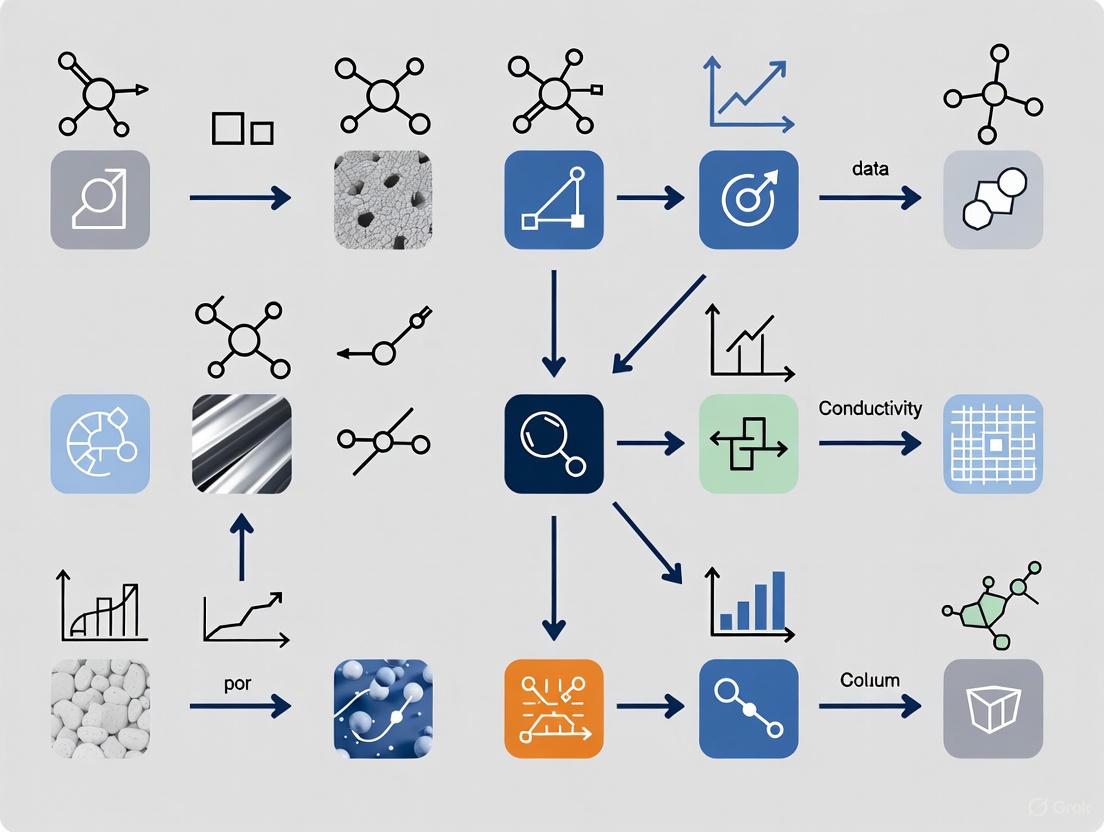
This article explores the transformative role of foundation models in predicting molecular, material, and clinical properties.
Foundation Models for Property Prediction: A New Paradigm in Biomedical Research and Drug Discovery
Abstract
This article explores the transformative role of foundation models in predicting molecular, material, and clinical properties. Tailored for researchers and drug development professionals, it provides a comprehensive overview of the core principles, key architectures, and practical methodologies for applying these models. The content delves into strategies for overcoming common challenges like data scarcity, offers a comparative analysis of model performance across domains such as computational pathology and chemistry, and synthesizes key insights to guide future research and clinical application.
What Are Foundation Models and Why Are They Revolutionizing Property Prediction?
The field of molecular property prediction is undergoing a profound transformation, moving away from isolated, task-specific machine learning models toward versatile, general-purpose artificial intelligence systems known as foundation models. These models are characterized by their training on "broad data (generally using self-supervision at scale)" which enables them to be "adapted (e.g., fine-tuned) to a wide range of downstream tasks" [1]. This paradigm shift is pivotal for accelerating scientific discovery, as it decouples the data-hungry process of learning fundamental chemical representations from the application to specific prediction tasks with limited labeled data [1].
In domains like drug discovery and materials science, this translates to a powerful new capability: a model pre-trained on billions of unlabeled molecular structures can subsequently be fine-tuned with small, labeled datasets to achieve state-of-the-art performance on critical tasks, such as predicting the absorption, distribution, metabolism, excretion, and toxicity (ADMET) of candidate molecules [2]. This report details the core architecture, experimental protocols, and key resources that underpin this emerging paradigm.
The Foundation Model Workflow: Architecture and Implementation
The power of foundation models lies in a structured workflow that progresses from broad pre-training to targeted fine-tuning. The diagram below illustrates this overarching architecture and process.
Core Architectural Components
Foundation models for molecular science are built upon several key components that enable them to process and understand complex chemical structures:
- Encoder-Decoder Structures: Modern architectures often decouple the understanding (encoding) and generation (decoding) of molecular data. Encoder-only models are focused on understanding input data to generate meaningful representations, making them ideal for property prediction tasks. In contrast, decoder-only models are designed for generative tasks, producing new molecular structures token-by-token [1].
- Adapted Transformer Architectures: The transformer architecture, which revolutionized natural language processing, has been successfully adapted for molecular graphs. The MolE (Molecular Embeddings) model, for instance, uses a modified disentangled attention mechanism from DeBERTa that explicitly accounts for relative atom positions in a molecular graph. This is crucial for capturing spatial relationships that define chemical properties [2].
- Multimodal Integration: Advanced frameworks like MultiMat demonstrate the ability to train on diverse material data types simultaneously. This multimodal approach allows models to leverage the rich variety of information available—from textual descriptions to structural graphs and images—creating more robust and generalizable representations [3].
Data Extraction and Preprocessing
The starting point for successful pre-training is the availability of massive, high-quality datasets. For molecular foundation models, this involves sophisticated data extraction pipelines that can parse information from various sources [1]:
- Structured Databases: Resources like PubChem, ZINC, and ChEMBL provide structured information on millions of molecules and are commonly used for training chemical foundation models [1].
- Scientific Literature and Patents: Advanced data-extraction models employ Named Entity Recognition (NER) and computer vision techniques, including Vision Transformers, to identify molecular structures and associated properties from documents, tables, and images in patents and scientific papers [1].
- Specialized Tool Integration: Modular approaches integrate specialized algorithms as intermediary tools. For example, Plot2Spectra can extract data points from spectroscopy plots, while DePlot converts visual charts into structured tabular data, making this information accessible to foundation models [1].
Experimental Protocols for Foundation Model Development
Protocol: Self-Supervised Pre-training for Molecular Graphs (MolE)
This protocol outlines the two-step pre-training strategy used to develop the MolE foundation model, which achieved state-of-the-art performance on 10 of 22 ADMET tasks [2].
Objective: To learn transferable molecular representations from unlabeled graph data.
Step 1: Self-Supervised Pre-training (Learning Chemical Structure)
- Input Representation: Represent molecules as graphs where atoms are nodes and bonds are edges. Compute atom identifiers by hashing atomic properties (Daylight atomic invariants) into a single integer.
- Model Architecture: Use a Transformer with disentangled self-attention. The model takes both atom identifiers and a topological distance matrix as input.
- Masking Strategy: Randomly mask 15% of atoms. For masked atoms, 80% are replaced with a mask token, 10% with a random token, and 10% are left unchanged.
- Training Task: The model is trained to predict the atom environment of radius 2 (all atoms within two bonds) for each masked atom. This forces the model to aggregate information from neighboring atoms.
- Training Data: Train on ~842 million molecular graphs from ZINC20 and ExCAPE-DB.
- Outcome: The model learns rich, local structural features of molecules without requiring labeled data.
Step 2: Supervised Graph-Level Pre-training (Learning Biological Information)
- Objective: Transition from local atomic features to global, biologically relevant molecular representations.
- Implementation: Follow the pre-training with supervised learning on a large labeled dataset of ~456,000 molecules.
- Rationale: This combined node- and graph-level pre-training helps the model integrate both local chemical and global biological information, enhancing its predictive power for downstream tasks.
The following diagram visualizes this two-step pre-training protocol.
Protocol: Fine-tuning for Downstream Property Prediction
Objective: To adapt a pre-trained foundation model to a specific molecular property prediction task.
- Dataset Curation: Assemble a labeled dataset specific to the target property (e.g., solubility, toxicity, metabolic stability). For low-data scenarios, techniques such as transfer learning and few-shot learning are particularly valuable [4] [5].
- Model Initialization: Initialize the model weights using the pre-trained foundation model.
- Fine-tuning: Train the model on the target task. The learning rate for this stage is typically set lower than during pre-training to avoid catastrophic forgetting.
- Evaluation: Rigorously evaluate the model on held-out test data. Use task-relevant metrics (e.g., ROC-AUC for classification, RMSE for regression) and perform multiple runs with different random seeds to ensure statistical significance [6]. Critical to this process is assessing performance on activity cliffs—molecules with high structural similarity but large property differences—which are a key challenge in chemical generalization [1] [6].
Performance Benchmarking and Quantitative Analysis
The transition to foundation models is substantiated by significant improvements in predictive performance across diverse chemical tasks. The table below summarizes key benchmark results from recent state-of-the-art models.
Table 1: Performance Benchmarks of Molecular Foundation Models
| Model Name | Architecture / Approach | Key Performance Metrics | Notable Achievements |
|---|---|---|---|
| MolE [2] | Transformer for molecular graphs with disentangled attention & 2-step pre-training. | State-of-the-art (SOTA) on 10/22 ADMET tasks in TDC benchmark (as of Sept 2023). | Outperformed models using pre-computed fingerprints (e.g., RDKit, Morgan) and other GNNs like ChemProp. |
| CheMeleon [7] | Directed Message-Passing Neural Network pre-trained on molecular descriptors. | 79% win rate on Polaris tasks; 97% win rate on MoleculeACE assays. | Outperformed Random Forest (46%), fastprop (39%), and Chemprop (36%) baselines. |
| Edge Set Attention [8] | Graph-based model with attention applied to edges (bonds) instead of nodes (atoms). | Outperformed other methods across >70 graph tasks, including molecular benchmarks. | Showed superior scaling and performance on long-range graph benchmarks. |
| MultiMat [3] | Multimodal foundation model for materials (graph, text, image). | SOTA performance on challenging material property prediction tasks. | Enabled accurate discovery of stable materials with desired properties via latent-space search. |
Table 2: Application to Targeted Protein Degraders (TPDs) [5]
| Property Predicted | Model Performance | Implications for Drug Discovery |
|---|---|---|
| Passive Permeability | Misclassification errors: <4% for glues, <15% for heterobifunctionals. | Demonstrates ML/QSPR models are applicable to novel, complex therapeutic modalities beyond traditional small molecules. |
| CYP3A4 Inhibition | Misclassification errors: <4% for glues, <15% for heterobifunctionals. | |
| Microsomal Clearance | Misclassification errors: 0.8% to 8.1% across all modalities. | Supports ML usage for TPD design to accelerate discovery. |
Building and applying foundation models requires a curated set of data, software, and computational resources. The following table details the key components of the modern computational scientist's toolkit.
Table 3: Key Research Reagents for Molecular Foundation Models
| Resource Name | Type | Function and Utility | Key Features / Examples |
|---|---|---|---|
| OMol25 (Open Molecules 2025) [9] | Dataset | High-accuracy quantum chemistry dataset for biomolecules, metal complexes, and electrolytes. | The largest and most diverse dataset of its kind; enables unprecedented accuracy in atomic-scale design. |
| ZINC20 [2] / ChEMBL [1] | Dataset | Large-scale, publicly available databases of molecular structures. | Provides hundreds of millions of compounds for self-supervised pre-training. |
| Therapeutic Data Commons (TDC) [2] | Benchmark | Curated suite of ADMET prediction tasks. | Standardized benchmark for fair comparison of model performance on clinically relevant properties. |
| Universal Model for Atoms (UMA) [9] | Pre-trained Model | Machine learning interatomic potential trained on >30 billion atoms. | A foundational model providing accurate predictions of atomic interactions; a versatile base for fine-tuning. |
| RDKit [6] | Software Library | Open-source cheminformatics toolkit. | Standard for computing molecular descriptors (e.g., 200+ 2D descriptors), fingerprints (e.g., Morgan/ECFP), and handling SMILES. |
| ChemXploreML [10] | Desktop Application | User-friendly, offline-capable software for molecular property prediction. | Democratizes access to state-of-the-art ML by eliminating the need for deep programming expertise. |
| Adjoint Sampling [9] | Algorithm | Reward-driven generative modeling for scenarios with limited or no training data. | Enables generation of diverse molecules from large-scale energy models like UMA. |
Critical Analysis and Future Directions
Despite their promise, the development and application of foundation models in molecular science require careful consideration of several critical factors:
- Data Quality and Bias: Foundation models are susceptible to learning biases present in their training data. The principle of "garbage in, garbage out" remains pertinent; a model cannot save an unqualified dataset [6]. Furthermore, subtle variations in molecular structures can lead to significant property changes (activity cliffs), which models must be robust to [1].
- Representation Limitations: Many current models are trained on 2D molecular representations (e.g., SMILES, 2D graphs), omitting critical 3D conformational information that profoundly influences properties and interactions [1].
- Evaluation Rigor: Heavy reliance on a few benchmark datasets can be misleading. Performance gains must be statistically rigorous and evaluated on data splits that mimic real-world challenges, such as generalizing to novel molecular scaffolds [6].
Future progress will be driven by several key trends: the expansion of multimodal training that integrates text, image, and 3D structural data [4] [3]; the creation of ever-larger and more diverse high-fidelity datasets like OMol25 [9]; and the development of more accessible tools that lower the barrier to entry for chemists and materials scientists [10]. As these elements converge, the paradigm will continue to shift from building single-use models to leveraging and adapting general-purpose AI, fundamentally accelerating the pace of scientific discovery.
Application Notes
Self-supervised learning (SSL) provides a powerful framework for overcoming the labeled data bottleneck in machine learning by leveraging large volumes of unlabeled data to learn transferable representations [11]. This approach is particularly valuable for foundation models in property prediction research, where labeled experimental data is often scarce and expensive to obtain [2]. SSL operates by defining pretext tasks that generate supervisory signals directly from the structure of the data itself, enabling models to learn meaningful representations without manual annotation [11] [12]. These pre-trained models can then be adapted to various downstream tasks through fine-tuning, often achieving state-of-the-art performance with minimal task-specific labeled data [2] [13].
In scientific domains like drug development, SSL has demonstrated remarkable effectiveness. The MolE foundation model exemplifies this approach, utilizing self-supervised pretraining on ~842 million molecular graphs to learn fundamental chemical structures, followed by supervised pretraining to incorporate biological information [2]. This two-stage process enables the model to capture both local atomic environments and global molecular properties, resulting in representations that transfer effectively to specialized downstream tasks such as ADMET property prediction [2].
Key Advantages for Scientific Research
- Reduced Annotation Cost: SSL eliminates the requirement for extensively labeled datasets, which are particularly costly and time-consuming to produce in experimental sciences [11] [2].
- Improved Generalization: Models pretrained with SSL learn robust, general-purpose representations that capture underlying data structures rather than superficial patterns, enhancing performance on specialized downstream tasks [12] [13].
- Domain Adaptation Capability: In domain-specific applications where large-scale pretraining datasets are unavailable, in-domain SSL pretraining with limited data can outperform large-scale general pretraining approaches [13].
Quantitative Performance Data
Table 1: MolE Performance on Therapeutic Data Commons (TDC) ADMET Benchmark [2]
| Task Category | Number of Tasks | Dataset Size Range | State-of-the-Art Performance |
|---|---|---|---|
| Classification | 13 | 475 - ~13,000 compounds | Top performance on 10 of 22 tasks |
| Regression | 9 | 475 - ~13,000 compounds | Top performance on 10 of 22 tasks |
Table 2: Self-Supervised Learning Outcomes Across Domains
| Domain | Pretraining Data Scale | Key Result | Reference |
|---|---|---|---|
| Molecular Graphs (MolE) | ~842 million molecules | Outperformed best published results on 10/22 ADMET tasks | [2] |
| Computer Vision | Varies (general to domain-specific) | In-domain low-data SSL can outperform large-scale general pretraining | [13] |
Experimental Protocols
Protocol 1: Self-Supervised Pretraining for Molecular Graphs (MolE)
Objective: To learn fundamental chemical structure representations by predicting atomic environments from large-scale unlabeled molecular data [2].
Materials: Unlabeled molecular graphs from ZINC20 and ExCAPE-DB databases (~842 million molecules) [2].
Procedure:
- Graph Tokenization: Convert each molecular graph into input tokens using atom identifiers calculated by hashing Daylight atomic invariants (neighboring heavy atoms, neighboring hydrogens, valence, atomic charge, atomic mass, bond types, ring membership) into a single integer via the Morgan algorithm [2].
- Input Representation: Construct a topological distance matrix d where each element dᵢⱼ represents the shortest path length (in bonds) between atom i and atom j. This matrix encodes graph connectivity as relative position information [2].
- Masking: Randomly select 15% of atoms in each molecular graph for masking. Replace 80% of selected tokens with a mask token, 10% with random tokens from vocabulary, and leave 10% unchanged [2].
- Pretext Task: For each masked atom, task the model with predicting its corresponding atom environment of radius 2 (all atoms within two bonds). This is formulated as a classification task where each possible environment has a predefined label [2].
- Model Training: Train the MolE transformer architecture using disentangled self-attention to incorporate both token information and relative positional relationships between atoms [2].
Protocol 2: Supervised Multi-Task Pretraining
Objective: To transfer learned chemical structure representations to biological domain by incorporating labeled data for various properties [2].
Materials: Labeled dataset of ~456,000 molecules with associated property annotations [2].
Procedure:
- Model Initialization: Initialize model weights from the self-supervised pretrained MolE checkpoint [2].
- Task Formulation: Frame the learning as a multi-task problem where the model simultaneously predicts multiple molecular properties from the labeled dataset [2].
- Graph-Level Prediction: Aggregate atomic-level representations into a single molecular representation, then use this to predict target properties through task-specific output heads [2].
- Joint Optimization: Train the model using a combined loss function that optimizes performance across all property prediction tasks simultaneously [2].
Protocol 3: Downstream Task Fine-Tuning
Objective: To adapt the pretrained foundation model to specific property prediction tasks with limited labeled data [2] [13].
Materials: Task-specific labeled dataset (e.g., 475 compounds for DILI task, ~13,000 for CYP inhibition) [2].
Procedure:
- Model Selection: Initialize with the fully pretrained MolE model (self-supervised + supervised pretraining) [2].
- Architecture Adaptation: Replace the multi-task prediction heads with a single task-specific output layer appropriate for the target property (classification or regression) [2].
- Transfer Learning: Fine-tune the entire model on the downstream task dataset using standard supervised learning. Employ smaller learning rates for pretrained layers and potentially higher rates for the new output layer [2].
- Evaluation: Assess model performance using task-specific metrics through 5 independent runs with different random seeds to ensure statistical significance [2].
Workflow Visualization
Figure 1: Two-stage pretraining and fine-tuning workflow for molecular foundation models.
Figure 2: MolE architecture with disentangled attention for molecular graphs.
The Scientist's Toolkit
Table 3: Essential Research Reagents and Computational Tools
| Item | Function/Description | Example/Reference |
|---|---|---|
| ZINC20 Database | Source of ~842 million unlabeled molecular structures for self-supervised pretraining | [2] |
| ExCAPE-DB Database | Additional source of molecular structures for expanding pretraining data | [2] |
| Therapeutic Data Commons (TDC) | Benchmark platform with 22 standardized ADMET tasks for evaluation | [2] |
| RDKit | Open-source cheminformatics toolkit used for computing molecular fingerprints and atom environments | [2] |
| Morgan Algorithm | Method for generating atom identifiers (radius 0) and atom environments (radius 2) for molecular graphs | [2] |
| Disentangled Attention | Modified self-attention mechanism that separately processes content and relative position information | [2] |
| Transformer Architecture | Base model architecture adapted for molecular graphs with modified attention mechanisms | [2] |
Application Notes for Property Prediction
Foundation models are revolutionizing property prediction in drug development by providing powerful, transferable representations of biological and chemical entities. The choice of architecture dictates the model's capabilities and optimal application domain.
Table 1: Architectural Comparison for Property Prediction
| Feature | Encoder-Only (e.g., BERT, RoBERTa) | Decoder-Only (e.g., GPT, LLaMA) | Multimodal (e.g., CLIP, Uni-Mol) |
|---|---|---|---|
| Core Function | Representation Learning & Understanding | Autoregressive Generation & In-Context Learning | Cross-Modal Alignment & Fusion |
| Typical Input | Full sequence (e.g., SMILES, Protein Sequence) | Sequence prompt or context | Multiple modalities (e.g., SMILES + Assay Data, Structure + Text) |
| Primary Mechanism | Bidirectional Attention | Causal Attention (Masked to past) | Fusion Encoder (e.g., Cross-Attention, Concatenation) |
| Property Prediction Use Case | Predicting binding affinity, toxicity, solubility from a single representation. | Generating novel compounds with desired properties via prompt-guided generation. | Predicting drug-target interaction by jointly modeling ligand structure and protein sequence. |
| Sample Benchmark (c-Score) | ~0.75 (Tox21) | ~0.68 (Tox21 via in-context learning) | ~0.82 (Drug-Target Interaction) |
| Parameter Efficiency | High for fine-tuning tasks. | High for few-shot learning; less efficient for fine-tuning. | Lower due to complex fusion architecture. |
| Data Requirement | Large unlabeled corpus for pre-training. | Massive text/sequence corpus for pre-training. | Large, aligned multimodal datasets (e.g., ChEMBL+PubChem). |
Experimental Protocols
Protocol 1: Fine-Tuning an Encoder-Only Model for Toxicity Prediction
Objective: To adapt a pre-trained molecular encoder (e.g., a SMILES-BERT model) to predict compound toxicity on the Tox21 dataset.
Materials:
- Pre-trained SMILES-BERT model weights.
- Tox21 dataset (12,707 compounds across 12 toxicity assays).
- Hardware: Single GPU (e.g., NVIDIA A100 with 40GB VRAM).
- Software: Python, PyTorch, Hugging Face Transformers, RDKit.
Procedure:
- Data Preprocessing:
- Standardize SMILES strings using RDKit.
- Split data into training (80%), validation (10%), and test (10%) sets, ensuring stratified splits per assay.
- Tokenize SMILES strings using the model's pre-defined tokenizer.
- Model Setup:
- Load the pre-trained encoder model.
- Add a custom classification head: a dropout layer (p=0.1) followed by a linear layer that maps the
[CLS]token embedding to 12 output logits (one per assay).
- Training:
- Loss Function: Binary Cross-Entropy Loss with logits.
- Optimizer: AdamW (Learning Rate = 2e-5, Weight Decay = 0.01).
- Batch Size: 32.
- Epochs: 10. Perform validation after each epoch.
- Stopping Criterion: Early stopping with patience of 3 epochs based on validation loss.
- Evaluation:
- Calculate the area under the receiver operating characteristic curve (ROC-AUC) for each of the 12 assays on the held-out test set.
- Report the mean ROC-AUC across all assays.
Protocol 2: Prompt-Based Property Prediction with a Decoder-Only Model
Objective: To leverage a pre-trained molecular decoder (e.g., a GPT-style model) for solubility prediction using in-context learning, without fine-tuning.
Materials:
- Pre-trained molecular generator (e.g., MolGPT).
- A dataset of (SMILES, Solubility Category) pairs for in-context examples.
- Test set of SMILES strings for prediction.
Procedure:
- Prompt Engineering:
- Construct a prompt containing 5-10 (SMILES, Solubility) example pairs. The final line is the SMILES string of the test compound followed by "Solubility:".
- Example Prompt:
CC(=O)O Soluble\nC1=CC=CC=C1 Insoluble\nC(CO)OC Soluble\n[C@H]1[C@@H]2CC[C@]3(...) Solubility:
- Model Inference:
- Tokenize the entire prompt and feed it to the decoder model.
- Perform autoregressive generation to predict the next tokens after "Solubility:".
- The model will generate a text completion (e.g., "Soluble" or "Insoluble").
- Output Parsing:
- Map the generated text to a solubility category.
- For quantitative regression, the prompt can be designed to output a numerical value or a range.
Protocol 3: Training a Multimodal Model for Drug-Target Interaction (DTI)
Objective: To train a model that predicts binding affinity by jointly encoding a drug's molecular graph and a protein's sequence.
Materials:
- DTI dataset (e.g., BindingDB) with Ki/Kd values.
- Hardware: Multi-GPU setup recommended.
- Software: PyTorch, PyTorch Geometric, Deep Graph Library (DGL).
Procedure:
- Data Preprocessing:
- Ligand: Convert SMILES to a molecular graph with node (atom) and edge (bond) features.
- Protein: Tokenize amino acid sequence and embed using a pre-trained protein language model (e.g., ESM-2) to get a feature vector per residue.
- Model Architecture:
- Ligand Encoder: A Graph Neural Network (GNN) to produce a single graph-level embedding.
- Protein Encoder: A 1D Convolutional Neural Network (CNN) or Transformer to process the residue embeddings into a single protein vector.
- Fusion Mechanism: Concatenate the ligand and protein embeddings. Pass the fused vector through a multi-layer perceptron (MLP) regressor head.
- Training:
- Loss Function: Mean Squared Error (MSE) for regression on pKi/pKd.
- Optimizer: Adam (Learning Rate = 1e-4).
- Batch Size: 64.
- Evaluation:
- Evaluate on a test set of unseen drug-target pairs using Concordance Index (CI) and MSE.
Visualizations
Diagram 1: Encoder-Only Model Flow
Diagram 2: Multimodal DTI Model
The Scientist's Toolkit: Research Reagent Solutions
Table 2: Essential Materials for Foundation Model Experiments
| Item | Function & Application |
|---|---|
| Pre-trained Model Weights (e.g., ChemBERTa, ESM-2) | Provides a foundational understanding of chemical/protein language, drastically reducing required data and compute for task-specific fine-tuning. |
| Curated Benchmark Dataset (e.g., Tox21, BindingDB) | Standardized dataset for fair model evaluation, comparison, and validation of property prediction tasks. |
| High-Performance Computing (HPC) Cluster | Essential for training large foundation models from scratch or for extensive hyperparameter optimization due to immense computational load. |
| Automated Hyperparameter Optimization Tool (e.g., Weights & Biays, Optuna) | Systematically searches the hyperparameter space to identify the optimal model configuration, maximizing predictive performance. |
| Structured Data Serialization Format (e.g., Apache Parquet, HDF5) | Enables efficient storage and rapid loading of large-scale molecular datasets and their associated features for training pipelines. |
The development of foundation models for molecular property prediction represents a paradigm shift in computational drug discovery. These models, pre-trained on vast, unlabeled molecular datasets, learn fundamental chemical and structural principles, which can then be efficiently adapted to specific downstream prediction tasks with limited labeled data. This approach directly addresses one of the most significant challenges in the field: the extreme cost and time required to obtain experimental property data for millions of drug-like compounds. By leveraging large-scale public resources such as PubChem and ZINC, researchers can create models with superior generalization capabilities, thereby accelerating the identification of promising drug candidates and reducing attrition rates in clinical phases [14].
The core advantage of this methodology lies in its ability to learn comprehensive molecular representations that capture intricate relationships from atomic to functional levels. Modern molecular pre-trained models (MPMs) have demonstrated remarkable success by utilizing diverse pre-training strategies on these large datasets, covering aspects from 2D molecular graphs to 3D spatial conformations and chemical functionality [14]. This document provides detailed application notes and experimental protocols for leveraging these data resources effectively within foundation model research, enabling researchers to build robust and accurate predictive models for molecular properties.
Database Characteristics and Access Protocols
Key Molecular Databases for Pre-training
Table 1: Core Characteristics of Major Molecular Databases
| Database | Primary Content | Data Volume | Key Features | Access Methods |
|---|---|---|---|---|
| PubChem [15] | Small molecules, bioactivity data | 119 million compounds; 295 million bioactivities | Highly integrated with biological annotations, extensive bioassay data | Web interface, REST API, PubChemRDF download |
| ZINC [16] | Commercially available compounds, 3D structures | 230 million purchasable compounds | Ready-to-dock 3D formats, focused on drug-like compounds | Web interface, bulk download of subsets |
Data Retrieval and Preprocessing Protocols
Protocol 1: Efficient Data Acquisition from PubChem for Pre-training
- Objective: To programmatically retrieve large-scale molecular structures in SMILES format from PubChem for model pre-training.
- Materials: Computational workstation with internet access and ≥100 GB storage capacity.
- Procedure:
- Identify Relevant Compound Sets: Utilize PubChem's classification trees to select compounds of interest (e.g., "Pharmaceutical Substances," "Bioactive Compounds").
- Batch Retrieval via PUG-REST API: Use the PubChem Programming User Gateway (PUG) REST interface to retrieve compounds in SMILES format. The base URL structure is:
https://pubchem.ncbi.nlm.nih.gov/rest/pug/compound/cid/[CID1,CID2,...]/property/CanonicalSMILES/JSON. - List-Based Download: For large-scale downloads (>100,000 compounds), split requests into batches of 10,000 CIDs to avoid server timeouts.
- Structure Standardization: Process raw SMILES strings using a cheminformatics toolkit (e.g., RDKit) to standardize tautomeric forms, remove salts, and neutralize charges, ensuring consistency across the dataset.
- Troubleshooting Note: For very large downloads (>1 million compounds), prefer the FTP bulk download option provided by PubChemRDF to minimize network load.
Protocol 2: Curating a Drug-like 3D Conformer Dataset from ZINC
- Objective: To obtain a high-quality dataset of 3D molecular conformations for geometric deep learning.
- Materials: High-performance computing cluster with molecular mechanics software (e.g., Open Babel, RDKit).
- Procedure:
- Subset Selection: Navigate the ZINC20 interface to filter for "in-stock," "drug-like" compounds with a molecular weight between 200 and 500 Da.
- Download 3D Structures: Download the pre-computed 3D structures in SDF or MOL2 format. These conformers are typically generated using the Merck Molecular Force Field (MMFF94).
- Conformational Energy Minimization (Optional but Recommended): For critical applications, perform further energy minimization on the downloaded structures using a force field like MMFF94s to ensure conformational stability.
- Format Conversion: Convert the final structures into a format compatible with the target deep learning framework (e.g., PyTorch Geometric).
- Validation: Manually inspect a random sample of 100 structures to verify correct geometry and absence of atomic clashes.
Foundational Model Architectures and Training Methodologies
State-of-the-Art Model Frameworks
The SCAGE (Self-Conformation-Aware Graph Transformer) architecture exemplifies the advanced integration of large-scale data and sophisticated model design [14]. Its pre-training framework, known as M4, integrates four distinct learning tasks to capture comprehensive molecular semantics, from structure to function. Concurrently, Kolmogorov-Arnold Graph Neural Networks (KA-GNNs) demonstrate how novel network architectures can enhance the expressivity and interpretability of models trained on these datasets [17].
Table 2: Comparative Analysis of Foundation Model Architectures
| Model Architecture | Core Innovation | Pre-training Tasks | Reported Advantages |
|---|---|---|---|
| SCAGE [14] | Multitask pre-training with multiscale conformational learning | 1. Molecular fingerprint prediction2. Functional group prediction3. 2D atomic distance prediction4. 3D bond angle prediction | Superior performance on 9 molecular properties and 30 structure-activity cliff benchmarks; provides atomic-level interpretability. |
| KA-GNN [17] | Integration of Fourier-based Kolmogorov-Arnold Networks into GNN components | Node embedding, message passing, and graph-level readout using learnable univariate functions | Enhanced parameter efficiency, interpretability, and ability to capture both low and high-frequency structural patterns. |
Experimental Protocol for Multi-Task Pre-training
Protocol 3: Implementing the M4 Multi-Task Pre-training Strategy (Inspired by SCAGE)
- Objective: To pre-train a graph transformer model using a balanced multi-task objective that incorporates 2D, 3D, and functional molecular information [14].
- Materials: Pre-processed molecular dataset (from Protocol 1 or 2), PyTorch/TensorFlow environment with geometric deep learning extensions (e.g., PyTorch Geometric).
- Procedure:
- Data Preparation:
- Graph Representation: Convert each molecule into a graph ( G = (V, E) ), where nodes ( V ) represent atoms (featurized by atomic number, hybridization, etc.) and edges ( E ) represent bonds (featurized by bond type, conjugation, etc.).
- 3D Conformation: Generate or retrieve the lowest-energy 3D conformation for each molecule.
- Functional Group Labels: Implement an atomic-level functional group annotation algorithm (e.g., using SMARTS patterns) to assign a unique functional group label to each atom.
- Model Setup: Implement a graph transformer backbone equipped with a Multiscale Conformational Learning (MCL) module to capture both local and global structural contexts.
- Multi-Task Loss Calculation: Compute the combined loss ( \mathcal{L}{total} ) using a dynamic adaptive weighting strategy ( wi ) for each task:
- ( \mathcal{L}{total} = w{FP} \cdot \mathcal{L}{FP} + w{FG} \cdot \mathcal{L}{FG} + w{2D} \cdot \mathcal{L}{2D} + w{3D} \cdot \mathcal{L}{3D} )
- ( \mathcal{L}{FP} ) (Fingerprint Prediction): Binary cross-entropy loss for predicting pubchem molecular fingerprints.
- ( \mathcal{L}{FG} ) (Functional Group Prediction): Cross-entropy loss for classifying the functional group of each atom.
- ( \mathcal{L}{2D} ) (2D Distance): Mean squared error loss for predicting pairwise atomic distances in the 2D graph.
- ( \mathcal{L}{3D} ) (3D Bond Angle): Mean squared error loss for predicting bond angles derived from the 3D conformation.
- Dynamic Weighting: Implement a learning strategy that dynamically adjusts ( wi ) based on the homoscedastic uncertainty of each task or the rate of change of its loss to balance learning across tasks.
- Data Preparation:
- Validation: Monitor the loss convergence for all four tasks simultaneously. A successful pre-training run should show a steady decrease in both individual and total loss without any single task dominating the learning process.
SCAGE M4 Pre-training Workflow: A multi-stage process from raw data to a pre-trained foundation model.
Downstream Application and Transfer Learning Protocols
Task-Similarity Enhanced Transfer Learning
Transfer learning is the critical step that unlocks the value of a pre-trained foundation model for specific, often data-scarce, molecular property predictions. The MoTSE (Molecular Tasks Similarity Estimator) framework provides a principled approach to this process by quantitatively estimating the similarity between the pre-training tasks and the target downstream task, thereby guiding the selection of the most relevant pre-trained model and the optimal fine-tuning strategy [18].
Protocol 4: Fine-tuning with Task Similarity Guidance
- Objective: To effectively adapt a foundation model to a target molecular property prediction task (e.g., toxicity, solubility) by leveraging insights from task similarity.
- Materials: A pre-trained foundation model (from Protocol 3), a labeled dataset for the target task, the MoTSE framework code.
- Procedure:
- Task Similarity Estimation: Use MoTSE to compute the similarity between the pre-training tasks (e.g., fingerprint prediction, functional group prediction) and the target property prediction task. This is achieved by comparing the learned representations of a shared set of probe molecules across task-specific models.
- Model Selection: If multiple pre-trained models are available, select the one whose pre-training tasks show the highest aggregate similarity to the target task.
- Adaptive Fine-tuning:
- High-Similarity Task: For a target task highly similar to the pre-training tasks (e.g., predicting a property tightly linked to functional groups), fine-tune all layers of the model with a low learning rate to achieve subtle adaptation.
- Low-Similarity Task: For a novel or dissimilar target task, consider a two-stage approach: first fine-tune only the task-specific prediction head with the backbone frozen, then unfreeze the entire network for end-to-end fine-tuning with a slightly higher learning rate.
- Performance Validation: Evaluate the fine-tuned model on a held-out test set, using metrics appropriate for the task (e.g., ROC-AUC for classification, RMSE for regression). Compare against a model trained from scratch to quantify the benefit of transfer learning.
- Analysis: The application of this protocol has been shown to consistently improve prediction performance, particularly on small datasets, by effectively leveraging the prior knowledge encoded in the foundation model [18].
Task-Similarity Guided Fine-tuning: A decision workflow for adapting a foundation model based on task relatedness.
The Scientist's Toolkit: Research Reagent Solutions
Table 3: Essential Computational Reagents for Molecular Foundation Models
| Reagent / Resource | Type | Primary Function in Workflow | Exemplars / Standards |
|---|---|---|---|
| Large-Scale Databases | Data Resource | Provide unlabeled molecular structures for self-supervised pre-training. | PubChem [15], ZINC [16] |
| Geometric Deep Learning Libraries | Software Library | Enable construction and training of graph-based neural networks. | PyTorch Geometric, Deep Graph Library (DGL) |
| Cheminformatics Toolkits | Software Library | Handle molecular I/O, featurization, standardization, and descriptor calculation. | RDKit, Open Babel |
| Force Field Software | Computational Tool | Generate stable 3D molecular conformations for geometric learning. | Merck Molecular Force Field (MMFF) [14], Open Babel |
| Multi-Task Optimization Algorithms | Algorithm | Dynamically balance the contribution of multiple pre-training tasks to total loss. | Dynamic Adaptive Multitask Learning [14], Uncertainty Weighting |
| Task Similarity Estimation Frameworks | Analytical Framework | Quantify relatedness between pre-training and target tasks to guide transfer learning. | MoTSE (Molecular Tasks Similarity Estimator) [18] |
The strategic leverage of large-scale unlabeled datasets from PubChem and ZINC, combined with advanced multi-task pre-training frameworks like SCAGE and novel architectures like KA-GNNs, establishes a powerful foundation for accurate and generalizable molecular property prediction. The protocols outlined herein provide a concrete roadmap for researchers to implement these state-of-the-art methods, from data curation and model pre-training to task-aware fine-tuning. As these foundation models continue to evolve, their ability to provide atomic-level interpretability and avoid activity cliffs will further solidify their role as indispensable tools in the next generation of computational drug discovery [14] [17]. The continued growth and curation of public molecular databases will remain the critical fuel for this transformative engine.
In the field of property prediction research, foundation models promise to revolutionize the pace of scientific discovery, particularly in domains like drug development. However, their adoption in scientific applications has been slower than in natural language processing, hampered by two interconnected core challenges: data scarcity and the need for robust generalization [19]. Data scarcity arises because generating reliable, high-quality labels in domains like pharmaceuticals is often prohibitively expensive or time-consuming [20]. Furthermore, models must generalize effectively, not just to unseen data from the same distribution, but often to out-of-distribution (OOD) samples, a common scenario in real-world research and development [21]. These application notes provide a detailed framework, including structured data and experimental protocols, to guide researchers in overcoming these hurdles.
Selecting the appropriate strategy to mitigate data scarcity requires an understanding of the performance characteristics and data requirements of different techniques. The following table summarizes key quantitative findings from recent research.
Table 1: Comparative Performance of Techniques for Low-Data Regimes
| Technique | Reported Performance Gain | Key Application Context | Data Requirements & Characteristics |
|---|---|---|---|
| Multi-task Learning (MTL) with Adaptive Checkpointing (ACS) [20] | Surpassed single-task learning by 8.3% on average; achieved accurate predictions with as few as 29 labeled samples. | Molecular property prediction (e.g., toxicity, fuel properties). | Effective for multiple related tasks, even with severe task imbalance and missing labels. |
| Data Augmentation [22] | Can enhance model accuracy by 5-10% and reduce overfitting by up to 30%. | Computer vision, with principles applicable to other data types. | Requires a foundational dataset; effectiveness depends on the chosen transformations. |
| Soft Causal Learning [21] | Demonstrated strong generalization ability across seven different OOD scenarios. | Molecular property prediction on graph-structured data. | Focuses on learning from "environments" to achieve OOD robustness, bypassing invariant rationales. |
| Noise Injection [23] | Improved model generalization to new, unseen aircraft types. | Aircraft fuel flow estimation. | A regularization technique that adds controlled noise to existing data to simulate variance. |
Detailed Experimental Protocols
This section provides step-by-step methodologies for implementing two of the most powerful techniques outlined above.
Protocol 1: Multi-task Learning with Adaptive Checkpointing (ACS)
ACS is a training scheme designed to mitigate negative transfer (NT) in MTL, which occurs when updates from one task degrade the performance of another [20].
Objective: To train a multi-task Graph Neural Network (GNN) that leverages shared representations across tasks while protecting individual tasks from detrimental parameter updates. Materials:
- Hardware: Standard GPU-enabled workstation.
- Software: Python, deep learning framework (e.g., PyTorch, TensorFlow), ACS implementation.
- Data: A multi-task molecular property dataset (e.g., Tox21, ClinTox). Data should be split using a Murcko-scaffold protocol to ensure rigorous evaluation [20].
Procedure:
- Model Architecture Setup:
- Implement a shared GNN backbone based on message passing to learn general-purpose molecular representations.
- Attach task-specific Multi-Layer Perceptron (MLP) heads to the backbone for each property prediction task.
Training Configuration:
- Use a joint training loss that aggregates task-specific losses (e.g., binary cross-entropy for classification). Apply loss masking for tasks with missing labels.
- Establish a separate validation set for each task to monitor performance.
Adaptive Checkpointing:
- Throughout the training process, continuously monitor the validation loss for every single task.
- For each task, checkpoint (save) the model parameters for the shared backbone and its corresponding task-specific head at the point when that task's validation loss reaches a minimum.
- This results in a unique, specialized backbone-head pair for each task, representing the model state that was most beneficial for that specific task during shared training.
Evaluation:
- For each task, evaluate the performance using its specialized checkpoint on the held-out test set.
- Compare against baselines like single-task learning and standard MTL without checkpointing.
The workflow for this protocol, which ensures robust model specialization, is detailed in the diagram below.
Protocol 2: Building a Functional Group-Centric Reasoning Dataset
Incorporating fine-grained, domain-specific knowledge like functional groups can significantly enhance model interpretability and generalization [24].
Objective: To construct a dataset (e.g., FGBench) that enables models to reason about molecular properties based on functional group modifications. Materials:
- Hardware: Standard CPU/GPU compute.
- Software: Chemistry toolkits (e.g., RDKit), pipeline for functional group annotation (e.g., AccFG).
- Data: Source molecular structures and properties (e.g., from PubChem, QM9).
Procedure:
- Molecule and Functional Group Annotation:
- Process source molecules to precisely identify and localize all functional groups. This goes beyond simple pattern matching to handle overlapping groups and accurately localize them within the molecular structure [24].
Define Molecular Modifications:
- Define a set of controlled modifications, such as the addition, deletion, or substitution of specific functional groups on a base molecular scaffold.
Generate Question-Answer (QA) Pairs:
- For each modification, generate QA pairs that probe the model's understanding. Structure these into three categories:
- Single Functional Group Impact: "How does adding a hydroxyl group (-OH) affect the solubility?"
- Multiple Functional Group Interactions: "Compare the logP of this molecule (with -COOH) to its analog (with -COO- and -NH₂)."
- Direct Molecular Comparisons: "Which of these two isomers has a higher boiling point and why?" [24]
- For each modification, generate QA pairs that probe the model's understanding. Structure these into three categories:
Validation-by-Reconstruction:
- Implement a critical validation step where the molecular structure resulting from a described functional group modification is reconstructed and verified against a known ground-truth structure to ensure data integrity [24].
Benchmarking:
- Use the curated dataset to benchmark the reasoning capabilities of foundation models, fine-tune them, and perform structure-activity relationship (SAR) analysis.
The logical flow for constructing this dataset, which is crucial for teaching models fine-grained causal relationships, is as follows.
The Scientist's Toolkit: Essential Research Reagents
Successful implementation of the above protocols relies on a suite of software "reagents". The following table lists key tools and their functions in the context of foundation models for property prediction.
Table 2: Key Research Reagent Solutions for Foundation Model Development
| Tool Name | Type | Primary Function in Research |
|---|---|---|
| Neptune [25] | Experiment Tracker | Manages the complexity of ML experimentation, tracking runs, hyperparameters, and results for foundation model development. |
| ChemTorch [26] | Development Framework | Provides modular, standardized pipelines for developing and benchmarking chemical reaction property prediction models, ensuring reproducibility. |
| FGBench [24] | Dataset & Benchmark | Serves as a benchmark and fine-tuning resource for developing LLMs capable of functional group-level molecular property reasoning. |
| Albumentations / NLPAug [27] | Data Augmentation Library | Applies geometric, color-based, and semantic transformations to image and text data, respectively, to artificially expand training sets. |
| imbalanced-learn [27] | Data Augmentation Library | Implements algorithms like SMOTE to generate synthetic samples for minority classes in tabular/structured data, addressing class imbalance. |
| Chronos [19] | Foundation Model | A time series foundation model (TSFM) adapted from language models, useful for forecasting tasks in scientific domains like energy and traffic. |
Architectures, Workflows, and Real-World Applications in Biomedicine
Foundation models are revolutionizing property prediction in scientific domains, offering unprecedented capabilities for drug discovery and materials science. These models, pre-trained on extensive datasets, can be adapted to a wide range of downstream tasks with remarkable efficiency. Among the most impactful architectures are Graph Neural Networks (GNNs), Transformers, and Vision-Language Models (VLMs), each bringing unique strengths to scientific problem-solving. GNNs naturally represent molecular and crystalline structures, Transformers capture complex long-range dependencies, and VLMs integrate multimodal information for enhanced reasoning. This article examines the predominant architectures, their hybrid implementations, and provides detailed protocols for their application in property prediction research, offering scientists a comprehensive toolkit for advancing computational discovery.
Graph Neural Networks for Molecular Representation
Architectural Fundamentals and Advances
Graph Neural Networks have emerged as a fundamental architecture for molecular property prediction due to their inherent ability to represent non-Euclidean data structures. Molecules naturally correspond to graph representations, with atoms as nodes and bonds as edges, enabling GNNs to learn directly from structural information. Conventional GNNs operate through message-passing mechanisms where node representations are iteratively updated by aggregating information from neighboring nodes. This local aggregation process effectively captures atomic environments and bonding patterns essential for predicting chemical properties.
Recent advancements have significantly enhanced GNN capabilities through novel mathematical frameworks. The Kolmogorov-Arnold GNN (KA-GNN) integrates Kolmogorov-Arnold network modules into three fundamental GNN components: node embedding, message passing, and readout functions [17]. This integration replaces standard multi-layer perceptrons with learnable univariate functions based on Fourier series, improving both expressivity and interpretability. The Fourier-based formulation enables effective capture of both low-frequency and high-frequency structural patterns in graphs, benefiting gradient flow and parameter efficiency [17]. Theoretical analysis confirms that Fourier-based KANs possess strong approximation capabilities for square-integrable multivariate functions, providing mathematical foundations for their effectiveness.
Application Protocols for Molecular Property Prediction
Experimental Protocol: Implementing KA-GNN for Molecular Property Prediction
Data Preprocessing: Convert molecular structures into graph representations using cheminformatics libraries (e.g., RDKit). Node features should include atomic number, hybridization, valence, and other atomic descriptors. Edge features should incorporate bond type, bond length, and stereochemistry.
Model Architecture Configuration:
- Implement Fourier-based KAN layers with harmonic functions as activation functions
- Configure node embedding layer to process concatenated atomic features and neighboring bond features
- Design message-passing layers with residual KAN connections instead of traditional MLPs
- Implement graph-level readout using adaptive pooling followed by KAN transformation
Training Procedure:
- Utilize AdamW optimizer with learning rate 0.001
- Apply gradient clipping with maximum norm 1.0
- Implement early stopping with patience of 50 epochs
- Use balanced sampling for skewed datasets
Interpretation Analysis: Leverage the inherent interpretability of KAN layers to identify chemically meaningful substructures contributing to predictions through activation pattern analysis.
Performance Comparison: KA-GNN architectures have demonstrated consistent outperformance over conventional GNNs across seven molecular benchmarks, achieving 5-15% improvements in prediction accuracy while reducing parameter count by 20-30% [17].
Figure 1: KA-GNN Architecture for Molecular Property Prediction
Research Reagent Solutions: GNN Implementation
Table 1: Essential Research Reagents for GNN Implementation
| Reagent/Tool | Function | Implementation Example |
|---|---|---|
| RDKit | Molecular graph generation and cheminformatics | Convert SMILES to graph representation with atom/bond features |
| PyTorch Geometric | GNN architecture implementation | Prebuilt GNN layers and graph operations |
| DGL (Deep Graph Library) | Scalable graph neural network training | Distributed training for large molecular datasets |
| KAN Implementation | Kolmogorov-Arnold network layers | Fourier-based activation functions for enhanced expressivity |
| QM9 Dataset | Benchmark molecular property dataset | 130k molecules with 19 geometric/energetic properties |
Transformer Architectures for Materials Science
Transformer-Graph Hybrid Frameworks
Transformer architectures have demonstrated remarkable success in materials property prediction, particularly when combined with graph-based representations. The CrysCo framework exemplifies this approach, utilizing a hybrid Transformer-Graph architecture that leverages four-body interactions to capture periodicity and structural characteristics in crystalline materials [28]. This model addresses critical challenges in materials science, including data scarcity for specific properties and capturing thermodynamic stability.
The CrysCo architecture employs two parallel networks: a deep Graph Neural Network (CrysGNN) that processes crystal structures with up to 10 layers of edge-gated attention, and a Transformer and Attention Network (CoTAN) that processes compositional features and human-extracted physical properties [28]. The edge-gated attention mechanism simultaneously updates bond angles and distances by considering adjacent edges and nodes, enabling the model to capture four-body interactions including atom type, bond lengths, bond angles, and dihedral angles. This comprehensive representation surpasses traditional approaches that typically consider only two-body or three-body interactions.
Application Protocols for Materials Property Prediction
Experimental Protocol: CrysCo Framework Implementation
Data Preparation:
- Extract crystal structures from Materials Project database
- Generate three distinct graph representations: atomic graph (G8), line graph (L(G8)), and dihedral line graph (L(G8d))
- Compute compositional features including stoichiometry, element properties, and statistical moments
Model Configuration:
- Implement CrysGNN with 10 layers of edge-gated attention GNN (EGAT)
- Configure CoTAN with multi-head attention mechanisms for compositional features
- Design hybrid fusion layer integrating structural and compositional representations
Transfer Learning Protocol:
- Pre-train model on data-rich source tasks (formation energy prediction)
- Fine-tune on data-scarce downstream tasks (mechanical properties)
- Apply learning rate reduction (factor 0.1) during fine-tuning phase
- Utilize gradient accumulation for small batch sizes on scarce datasets
Interpretation Methods:
- Apply attention visualization to identify critical structural motifs
- Use saliency mapping to determine elemental contributions to properties
Performance Metrics: The CrysCo framework has demonstrated state-of-the-art performance across 8 materials property regression tasks, outperforming specialized models including CGCNN, SchNet, MEGNet, and ALIGNN [28]. For energy-related properties and data-scarce mechanical properties, the model achieves 15-30% reduction in mean absolute error compared to existing approaches.
Figure 2: Transformer-Graph Hybrid Architecture for Materials
Research Reagent Solutions: Transformer Implementation
Table 2: Essential Research Reagents for Transformer Implementation
| Reagent/Tool | Function | Implementation Example |
|---|---|---|
| Materials Project API | Access to crystalline structures and properties | JSON-based querying of 146K+ material entries |
| pymatgen | Materials analysis and processing | Crystal structure manipulation and feature generation |
| Transformer Libraries | Architecture implementation | Hugging Face Transformers or custom PyTorch implementations |
| ALIGNN | Higher-order graph representations | Angle-based graph constructions for materials |
| MatDeepLearn | Benchmarking materials ML models | Standardized evaluation across multiple property tasks |
Vision-Language Models for Multimodal Molecular Understanding
Multimodal Fusion Architectures
Vision-Language Models represent an emerging paradigm in molecular property prediction that leverages both structural visual representations and textual descriptions. The MolVision framework exemplifies this approach, integrating molecular structure images with textual information to enhance property prediction accuracy [29] [30]. This multimodal strategy addresses limitations of text-only representations (e.g., SMILES/SELFIES strings) that can be ambiguous and structurally uninformative.
MolVision employs Vision-Language Models (VLMs) pretrained on general vision-language tasks and adapts them to molecular domain through efficient fine-tuning strategies such as Low-Rank Adaptation (LoRA). The architecture processes 2D molecular depictions as images while simultaneously analyzing textual descriptions of molecular characteristics. Experimental results across nine diverse datasets demonstrate that while visual information alone is insufficient for accurate property prediction, multimodal fusion significantly enhances generalization across molecular properties [30]. The adaptation of vision encoders specifically for molecular images, in conjunction with LoRA fine-tuning, further improves performance.
Application Protocols for Multimodal Property Prediction
Experimental Protocol: MolVision Implementation for Molecular Analysis
Multimodal Data Preparation:
- Generate 2D molecular structure images using standardized depiction rules (e.g., RDKit molecular depictions)
- Curate textual descriptions from scientific literature or generate synthetic descriptions using molecular feature extraction
- Align image-text pairs for contrastive learning
Model Adaptation:
- Select pretrained VLM architecture (e.g., CLIP, BLIP)
- Implement LoRA fine-tuning for efficient parameter adaptation
- Adapt vision encoder for molecular structure images through specialized preprocessing
- Design modality fusion mechanisms for image-text integration
Training Strategy:
- Employ contrastive pretraining to align visual and textual representations
- Implement cross-modal attention mechanisms for feature fusion
- Use multi-task learning for diverse property prediction
- Apply progressive unfreezing during fine-tuning
Evaluation Framework:
- Benchmark across diverse molecular property datasets (classification, regression, description tasks)
- Compare zero-shot, few-shot, and fine-tuned performance
- Analyze cross-modal attention weights for interpretability
Performance Analysis: Evaluations of nine different VLMs across multiple settings reveal that multimodal approaches consistently outperform unimodal baselines, with particular advantages in low-data regimes and for complex properties requiring structural reasoning [30].
Figure 3: Vision-Language Model for Molecular Property Prediction
Integrated Architectures and Emerging Trends
Hybrid Architecture Design Patterns
The most advanced foundation models for property prediction increasingly leverage hybrid architectures that combine the strengths of GNNs, Transformers, and VLMs. The EHDGT framework exemplifies this trend, enhancing both GNNs and Transformers while introducing sophisticated fusion mechanisms [31]. This approach addresses common deficiencies in local feature learning and edge information utilization inherent in pure Transformer architectures while mitigating the limited receptive field of traditional GNNs.
EHDGT incorporates several key innovations: edge-level positional encoding superimposed on node-level random walk encodings, subgraph encoding strategies to enhance local information processing, edge incorporation into attention calculations, and a gate-based fusion mechanism for dynamically integrating GNN and Transformer outputs [31]. The linear attention mechanism reduces computational complexity from quadratic to linear, enabling application to larger molecular systems. This hybrid design demonstrates superior performance across multiple benchmarks compared to traditional message-passing networks and standalone Graph Transformers.
Multimodal Foundation Models
The MultiMat framework represents another significant advancement, enabling self-supervised multimodal training of foundation models for materials science [3]. This approach moves beyond single-modality tasks to leverage rich multimodal data available in materials databases. MultiMat achieves state-of-the-art performance for challenging material property prediction tasks while enabling novel material discovery through latent-space similarity searching.
The framework demonstrates that learned representations correlate well with material properties, indicating effective capture of essential materials information. This capability enables screening for stable materials with desired properties and provides emergent features that may offer novel scientific insights [3]. The success of MultiMat highlights the growing importance of multimodal pre-training in scientific domains where diverse data types contain complementary information.
Research Reagent Solutions: Integrated Frameworks
Table 3: Research Reagents for Hybrid Architecture Implementation
| Reagent/Tool | Function | Implementation Example |
|---|---|---|
| EHDGT Framework | Enhanced GNN-Transformer hybrid | Gate-based fusion of local and global features |
| MultiMat | Multimodal foundation model | Self-supervised pre-training on diverse material data |
| Graph Transformer Libraries | Hybrid architecture components | GraphGPS, GraphTrans implementations |
| Line Graph Tools | Higher-order graph constructions | Dihedral angle and four-body interaction graphs |
| Latent Space Analysis | Representation quality assessment | t-SNE projections and similarity metrics |
Comparative Analysis and Implementation Guidelines
Architecture Selection Framework
Selecting the appropriate architecture for property prediction requires careful consideration of data characteristics and research objectives. GNN-based approaches excel when molecular structure directly determines properties and interpretability is prioritized. Transformer hybrids demonstrate superior performance for complex materials where long-range interactions and periodicity are significant. Vision-Language Models offer advantages when multimodal data is available and human-interpretable reasoning is valuable.
Table 4: Architecture Selection Guidelines for Property Prediction
| Architecture | Optimal Use Cases | Data Requirements | Interpretability | Implementation Complexity |
|---|---|---|---|---|
| GNN (KA-GNN) | Molecular properties determined by local structure | Molecular graphs with atom/bond features | High (substructure highlighting) | Medium |
| Transformer-Graph (CrysCo) | Crystalline materials with long-range interactions | Crystal structures & composition data | Medium (attention visualization) | High |
| VLM (MolVision) | Multimodal molecular data with textual descriptions | Image-text pairs of molecules | Medium (cross-modal attention) | Medium-High |
| Hybrid (EHDGT) | Complex systems requiring both local and global context | Large graphs with rich edge features | Medium (gate activation analysis) | High |
Performance Benchmarks
Across multiple studies, hybrid architectures consistently outperform single-modality approaches. KA-GNNs demonstrate 5-15% accuracy improvements over conventional GNNs on molecular benchmarks [17]. The CrysCo framework achieves 15-30% reduction in mean absolute error for materials property prediction compared to state-of-the-art baselines [28]. Vision-Language Models show particular advantages in low-data regimes, with few-shot performance gains of 10-20% over text-only approaches [30].
The computational efficiency of these architectures varies significantly, with KA-GNNs offering parameter reductions of 20-30% while maintaining superior accuracy [17]. Transformer-based models typically require more computational resources but capture more complex relationships. The integration of linear attention mechanisms in hybrid models like EHDGT helps mitigate computational complexity while preserving performance [31].
The field of foundation models for property prediction is rapidly evolving toward more integrated, multimodal approaches. Future developments will likely focus on unified architectures that seamlessly combine geometric, topological, and textual information while improving computational efficiency. Self-supervised pre-training strategies will continue to advance, reducing dependency on labeled data for specialized domains. Interpretability enhancements will remain a critical research direction, enabling scientific discovery alongside prediction accuracy.
For researchers implementing these architectures, the protocols and frameworks presented provide practical starting points while emphasizing modular design to accommodate rapid algorithmic advances. As these technologies mature, they promise to significantly accelerate discovery cycles in drug development and materials science, bridging the gap between data-driven prediction and fundamental scientific understanding.
The pretrain-finetune paradigm has emerged as a powerful framework in machine learning to overcome data scarcity and enhance model performance on specialized scientific tasks. This approach involves first pretraining a model on a large, broad dataset to learn general-purpose representations, followed by finetuning on a smaller, task-specific dataset to adapt this knowledge to a particular domain [32]. In fields such as chemistry and materials science, where acquiring large, labeled experimental datasets is a major bottleneck, this strategy decouples feature extraction from property prediction, enabling robust models even in low-data regimes [32].
Foundation models—large models pretrained on diverse datasets—are particularly effective starting points for this workflow. Their extensive initial training allows them to capture a wide range of underlying patterns, making them exceptionally adaptable to downstream tasks with limited data through finetuning [32]. This paradigm is revolutionizing property prediction, from small molecule drug discovery to polymer design and protein engineering, by providing a structured pathway to develop accurate, data-efficient models.
Core Workflow and Key Methodological Variations
The foundational pretrain-finetune workflow consists of several key stages, from data preparation through to final model deployment. The diagram below illustrates this generalized, high-level process.
Several methodological variations exist within this core workflow, each suited to different data availability and task requirements. Pair-wise Pretrain-Finetune involves transferring knowledge from a single, often large, source property to a target property. Systematic exploration has shown this approach consistently outperforms models trained from scratch on the target dataset alone [33]. Multi-task Pretraining (MPT) extends this concept by pretraining a single model on multiple source properties simultaneously. This strategy creates more robust and generalizable foundation models, which have demonstrated superior performance on novel, out-of-domain target tasks compared to pair-wise models [33].
Multi-task Finetuning occurs when a pretrained model is subsequently finetuned on multiple target tasks at once. This approach can be particularly powerful, as it leverages potential synergies between related properties [34]. However, it introduces the risk of negative transfer (NT), where performance on one task is degraded by updates from another due to task imbalance or low relatedness [20]. Techniques like Adaptive Checkpointing with Specialization (ACS) have been developed to mitigate this by monitoring validation loss for each task individually and checkpointing the best backbone-head pair for each task when it reaches a new minimum, thus preserving task-specific knowledge [20].
Quantitative Performance of Pretrain-Finetune Strategies
The effectiveness of the pretrain-finetune paradigm is demonstrated by measurable improvements in predictive accuracy across diverse scientific domains. The following tables summarize key performance metrics from recent studies.
Table 1: Performance of Pretrain-Finetune vs. Training from Scratch on Material Property Prediction (ALIGNN Model) [33]
| Target Property | Pretraining Property | FT Dataset Size | Scratch Model R² | PT-FT Model R² | Relative Improvement |
|---|---|---|---|---|---|
| Formation Energy (FE) | Band Gap (BG) | 800 | 0.920 | 0.936 | +1.7% |
| Band Gap (BG) | Formation Energy (FE) | 800 | 0.572 | 0.609 | +6.5% |
| Band Gap (BG) | Dielectric Constant (DC) | 800 | 0.572 | 0.598 | +4.5% |
| Dielectric Constant (DC) | Band Gap (BG) | 800 | 0.895 | 0.909 | +1.6% |
Table 2: Mitigating Negative Transfer with ACS on Molecular Property Benchmarks (Average ROC-AUC) [20]
| Training Scheme | ClinTox | SIDER | Tox21 | Average |
|---|---|---|---|---|
| Single-Task Learning (STL) | 0.835 | 0.645 | 0.801 | 0.760 |
| Multi-Task Learning (MTL) | 0.842 | 0.658 | 0.815 | 0.772 |
| MTL with Global Checkpointing | 0.844 | 0.661 | 0.817 | 0.774 |
| ACS (Proposed) | 0.887 | 0.667 | 0.820 | 0.791 |
These results confirm that pretrain-finetune strategies consistently deliver superior performance compared to models trained from scratch, especially on smaller target datasets [33]. Furthermore, advanced techniques like ACS provide significant gains by effectively managing the challenges of multi-task learning [20].
Experimental Protocols and Detailed Methodologies
Protocol 1: Pair-wise Pretraining and Finetuning for Material Properties
This protocol details the steps for transferring knowledge from one material property to another using a GNN architecture like ALIGNN [33].
Data Sourcing and Curation:
- Source Data: Select a large dataset for pretraining (e.g., formation energies from the Materials Project). The dataset should ideally have >10^4 data points for effective pretraining.
- Target Data: Curate a smaller, labeled dataset for the target property (e.g., piezoelectric modulus). Perform standard cleaning: remove duplicates, handle missing values, and ensure SMILES strings are canonicalized [35].
Model Pretraining (Source Task):
- Initialize a GNN model (e.g., ALIGNN) with random weights.
- Train the model on the source property until convergence using a mean absolute error (MAE) or mean squared error (MSE) loss. Standard hyperparameters include an initial learning rate of 0.001, AdamW optimizer, and a batch size suitable for the dataset size and GPU memory.
Model Finetuning (Target Task):
- Strategy 1 (Full Finetuning): Take the pretrained model, replace the output regression head, and finetune all layers on the target dataset.
- Strategy 2 (Differentiated Learning Rates): To prevent overfitting, use a lower learning rate for the model's backbone (e.g., one order of magnitude lower) and a higher rate for the new regression head [35].
- Train the model on the target property. A one-cycle learning rate schedule with linear annealing is often effective [35].
Validation and Evaluation:
- Use 5-fold cross-validation on the target dataset to ensure reliable performance estimates [35].
- Report key metrics (R², MAE) on a held-out test set and compare against a scratch model baseline.
Protocol 2: Multi-task Finetuning of a Pretrained Chemical Model with ACS
This protocol describes how to finetune a chemically pretrained model on multiple ADMET properties simultaneously while using ACS to mitigate negative transfer [20] [34].
Model and Data Preparation:
ACS Model Architecture Setup:
- Employ a shared GNN backbone based on message passing for task-agnostic representation learning.
- Attach separate, task-specific Multi-Layer Perceptron (MLP) heads for each property to be predicted [20].
Training with Adaptive Checkpointing:
- Train the entire model (shared backbone + task heads) on all tasks simultaneously.
- Monitor the validation loss for each individual task throughout the training process.
- Implement the checkpointing logic: whenever the validation loss for a specific task reaches a new minimum, save the state of the shared backbone and its corresponding task-specific head as the specialized model for that task [20].
Inference:
- For prediction on a given task, use the specialized backbone-head pair that was checkpointed for that specific task.
The logical architecture and data flow of the ACS method are detailed in the diagram below.
The Scientist's Toolkit: Essential Research Reagents
Implementing the pretrain-finetune workflow requires a suite of software tools, datasets, and model architectures. The table below catalogs key resources referenced in recent literature.
Table 3: Essential Tools and Resources for Pretrain-Finetune Research
| Category | Resource Name | Description & Function |
|---|---|---|
| Model Architectures | ALIGNN [33] | A GNN architecture that incorporates both atomic and bond information for accurate material property prediction. |
| D-MPNN [35] [20] | (Directed Message Passing Neural Network) A graph model effective for molecular property prediction, robust on small datasets. | |
| Uni-Mol-2-84M [35] | A 3D molecular model used for capturing spatial structure in tasks like polymer property prediction. | |
| Software & Frameworks | AutoGluon [35] | An automated machine learning framework, effective for tabular data and ensemble creation. |
| RDKit [35] [32] | A core cheminformatics toolkit for processing SMILES, generating molecular descriptors, fingerprints, and images. | |
| Optuna [35] | A hyperparameter optimization framework for automating the search for optimal model settings. | |
| Datasets & Benchmarks | MoleculeNet [20] [32] | A benchmark collection of datasets for molecular property prediction (e.g., ClinTox, SIDER, Tox21). |
| Matminer Libraries [33] | Curated collections of datasets for materials science property prediction. | |
| PI1M [35] | A large-scale dataset of 1 million hypothetical polymers, used for pretraining in the polymer challenge. | |
| Pretrained Models | ModernBERT [35] | A general-purpose foundation model (BERT variant) that can be adapted for chemical sequence tasks. |
| CLIP [32] | A vision foundation model used as a backbone for molecular image representation in MoleCLIP. | |
| Chemically Pretrained Models (KERMT, KGPT) [34] | Graph neural networks pretrained on large chemical corpora using self-supervised tasks. |
The pretrain-finetune paradigm represents a foundational shift in building machine learning models for scientific property prediction. By leveraging knowledge from large, often unlabeled or relatedly-labeled datasets, researchers can develop highly accurate models for specialized tasks with limited direct data. The workflows and protocols detailed herein—from pair-wise transfer to multi-task finetuning with ACS—provide a roadmap for adapting foundation models to specific challenges in drug development and materials science. As foundation models continue to grow in capability and diversity, their strategic adaptation through these careful finetuning methodologies will remain a critical component of the AI-driven research toolkit.
The integration of Artificial Intelligence (AI), particularly foundation models, is transforming the landscape of small-molecule drug discovery. These models, trained on broad data at scale and adaptable to a wide range of downstream tasks, provide a powerful framework for simultaneously predicting compound potency and ADMET (Absorption, Distribution, Metabolism, Excretion, and Toxicity) properties [36] [1]. This paradigm shift addresses a critical bottleneck in traditional drug discovery, where these properties are often optimized sequentially, leading to extended timelines and high attrition rates. Foundation models enable a more integrated, data-driven approach, enabling researchers to navigate the vast chemical space more efficiently and prioritize the most promising candidates for synthesis and testing [37] [38].
Foundation Models in Property Prediction
Foundation models for drug discovery are typically built upon transformer architectures and are pre-trained on massive, unlabeled datasets comprising millions to billions of chemical structures, often represented as SMILES (Simplified Molecular-Input Line-Entry System) strings or molecular graphs [36] [39]. This self-supervised pre-training phase allows the model to learn fundamental principles of chemistry and molecular structure. The base model can then be fine-tuned with smaller, labeled datasets for specific downstream prediction tasks, such as binding affinity or toxicity [1].
The growth in these models has been exponential. Since 2022, over 200 foundation models have been published for pharmaceutical research and development, covering applications from target discovery to molecular optimization and preclinical research [36]. Their primary advantage in property prediction lies in their ability to generate rich, contextual molecular representations that capture complex structure-property relationships more effectively than traditional predefined fingerprints or descriptors [39].
Table 1: Types of Foundation Models and Their Applications in Drug Discovery
| Model Architecture | Primary Function | Example Applications in Property Prediction |
|---|---|---|
| Encoder-Only (e.g., BERT-based) [1] | Creates meaningful representations of input molecules. | Molecular property prediction, target binding affinity, quantitative structure-activity relationship (QSAR) modeling. |
| Decoder-Only (e.g., GPT-based) [1] | Generates new molecular structures token-by-token. | De novo molecular design, scaffold hopping, generation of compounds with optimized property profiles. |
| Graph Neural Networks (GNNs) [38] | Processes molecules as graphs (atoms=nodes, bonds=edges). | Predicting pharmacokinetic properties, toxicity endpoints, and bioactivity from structural features. |
| Multimodal Models [39] | Integrates multiple data types (e.g., structure, bioassay data). | Holistic ADMET prediction by combining chemical structure with biological assay results. |
Application Notes: Implementing Foundation Models for Potency and ADMET
Workflow for Integrated Property Prediction
Implementing foundation models for the simultaneous prediction of potency and ADMET involves a structured workflow that leverages the model's pre-trained knowledge and adapts it to specific experimental endpoints. The following diagram illustrates this integrated process.
Key Property Prediction Tasks and Performance
Foundation models can be fine-tuned to predict a wide array of potency and ADMET endpoints. The following table summarizes common predictive tasks and the types of models applied.
Table 2: Key Predictive Tasks for Small Molecule Profiling Using Foundation Models
| Property Category | Specific Endpoints | Common Model Architectures | Typical Data Sources for Fine-Tuning |
|---|---|---|---|
| Potency & Efficacy | IC₅₀, Kᵢ, EC₅₀ | Graph Neural Networks (GNNs), Transformer-based Encoders [37] [39] | ChEMBL, BindingDB, in-house bioassay data |
| Absorption | Caco-2 permeability, P-glycoprotein substrate/inhibition | GNNs, Multitask Deep Neural Networks [40] [38] | Public ADMET databases, proprietary in-vivo data |
| Distribution | Plasma Protein Binding, Volume of Distribution | GNNs, Random Forests, Support Vector Machines [40] | PubChem, DrugBank, in-house pharmacokinetic studies |
| Metabolism | Cytochrome P450 inhibition (e.g., CYP3A4) | GNNs, Molecular Transformer Models [40] [37] | PubChem BioAssay, in-house metabolite identification data |
| Excretion | Total Clearance, Half-life | GNNs, Multitask Learning Models [40] | In-vivo pharmacokinetic study data |
| Toxicity | hERG inhibition, Ames mutagenicity, Hepatotoxicity | Deep Learning Models (e.g., DeepTox) [40] [38] | Tox21, ToxCast, in-house toxicology data |
Experimental Protocols
Protocol: Fine-Tuning a Foundation Model for hERG Inhibition Prediction
Objective: To adapt a pre-trained molecular foundation model for the specific task of predicting a critical toxicity endpoint: inhibition of the hERG potassium channel.
Principle: A foundation model pre-trained on a large corpus of chemical structures (e.g., from PubChem and ZINC) possesses a general understanding of chemistry. This protocol involves fine-tuning the model on a smaller, labeled dataset of compounds with known hERG activity, enabling it to make accurate predictions for novel molecules [1] [38].
Materials and Reagents: Table 3: Research Reagent Solutions for Computational Protocol
| Item Name | Function / Description | Example / Format |
|---|---|---|
| Pre-trained Model Weights | The starting parameters of the foundation model, containing learned chemical representations. | e.g., ChemBERTa, Mole-BERT [39] |
| hERG Bioactivity Dataset | Curated dataset for fine-tuning and evaluation, containing molecular structures and hERG inhibition labels (active/inactive or IC50 values). | Sourced from ChEMBL, PubChem BioAssay |
| SMILES Standardization Tool | Software to ensure consistent molecular representation by converting all SMILES strings to a canonical form. | RDKit, OpenBabel |
| Molecular Featurizer | Converts standardized SMILES into the input format (e.g., tokens, graph) required by the foundation model. | Integrated into model framework (e.g., Hugging Face Transformers) |
| Deep Learning Framework | Software environment for implementing and training neural network models. | PyTorch, TensorFlow |
Procedure:
- Data Curation and Preprocessing:
- Obtain a dataset of compounds with experimentally measured hERG inhibition (e.g., IC₅₀).
- Apply a threshold (e.g., IC₅₀ < 10 µM) to binarize the data into "active" and "inactive" classes.
- Standardize all molecular structures using a tool like RDKit, converting them into canonical SMILES.
- Split the data into training (80%), validation (10%), and test (10%) sets, ensuring scaffold diversity to assess model generalizability.
Model Preparation:
- Load the pre-trained weights of the foundation model (e.g., a transformer-based encoder).
- Add a task-specific prediction head, typically a fully connected neural network layer, on top of the base model to map the learned representations to the binary output (active/inactive).
Fine-Tuning:
- Train the model on the training set using a supervised learning objective (e.g., binary cross-entropy loss).
- Use the validation set to monitor performance and prevent overfitting (early stopping).
- Employ a low learning rate (e.g., 1e-5 to 1e-4) to gently adapt the pre-trained weights without catastrophic forgetting.
Model Evaluation:
- Use the held-out test set to evaluate the final model's performance.
- Report standard metrics including Area Under the Receiver Operating Characteristic Curve (AUC-ROC), accuracy, precision, and recall.
Protocol: Virtual Screening with Integrated Potency-ADMET Profiling
Objective: To rapidly screen a large virtual chemical library (e.g., 1 million compounds) and identify hits that balance desired potency against a therapeutic target with favorable ADMET properties.
Principle: This protocol uses multiple fine-tuned foundation models in parallel to predict key properties for each compound in a library. Compounds are then ranked and filtered based on a multi-parameter optimization score that weighs both potency and ADMET criteria [37] [38].
Procedure:
- Library Preparation: Generate or acquire a virtual library of compounds in SMILES format. Filter for basic drug-likeness (e.g., using Lipinski's Rule of Five).
Parallel Property Prediction:
- Process the entire library through an ensemble of fine-tuned foundation models.
- For each compound, obtain predictions for:
- Potency: Probability of activity or predicted IC₅₀ against the primary target.
- ADMET: Predicted values for key endpoints such as CYP3A4 inhibition, hERG inhibition, and human liver microsomal stability.
Multi-Parameter Optimization (MPO):
- Define a scoring function that combines the predicted properties. For example:
MPO Score = (Weight_potency * Predicted_Potency) - (Weight_hERG * Predicted_hERG_risk) - (Weight_CYP * Predicted_CYP_inhibition) - Apply minimum threshold filters to eliminate compounds with deal-breaking issues (e.g., predicted hERG activity >50% at 1 µM).
- Define a scoring function that combines the predicted properties. For example:
Hit Selection and Analysis:
- Rank all compounds based on their MPO score.
- Select the top-ranking compounds (e.g., top 500) for visual inspection and diversity analysis.
- The final output is a prioritized list of compounds recommended for synthesis and experimental validation.
The Scientist's Toolkit
Table 4: Essential Research Reagents and Computational Tools
| Tool/Resource Name | Type | Primary Function in Property Prediction |
|---|---|---|
| RDKit | Open-source Cheminformatics Library | Standardizing molecular structures, calculating classic descriptors, and handling molecular data. |
| Deep-PK [40] | AI Platform | Predicting pharmacokinetic properties using graph-based descriptors and multitask learning. |
| DeepTox [40] | AI Pipeline | Predicting the toxicity of compounds from their chemical structure. |
| ChEMBL [1] | Database | Providing a large, open-source resource of bioactive molecules with drug-like properties for model training. |
| ZINC [1] | Database | Offering a commercial database of compounds for virtual screening, often used for pre-training. |
| PubChem [1] | Database | A public repository of chemical substances and their biological activities, essential for data sourcing. |
| ChemBERTa [39] | Foundation Model | A transformer model pre-trained on SMILES strings, adaptable for various property prediction tasks. |
| Graph Neural Networks (GNNs) [38] [39] | Model Architecture | Directly learning from the molecular graph structure for highly accurate property predictions. |
Computational pathology represents a paradigm shift in diagnostic medicine and biomedical research, leveraging artificial intelligence (AI) to extract quantitative information from whole-slide images (WSIs) of tissue specimens [41]. This field stands at the intersection of digital imaging, advanced computational algorithms, and clinical pathology, enabling the discovery of novel biomarkers and improving prognostic prediction for complex diseases like cancer [42] [43].
The emergence of foundation models—AI systems trained on broad data at scale using self-supervision—is particularly transformative for computational pathology [44] [1] [45]. These models, pre-trained on massive datasets, can be adapted to diverse downstream tasks with minimal fine-tuning, overcoming limitations of traditional task-specific models that require extensive labeled data for each new application [1]. For property prediction research, foundation models offer a versatile backbone for predicting clinical endpoints from histomorphological patterns, enabling more accurate prognosis and biomarker discovery even in resource-limited scenarios [44].
This protocol details the methodology for implementing computational pathology workflows centered on foundation models for biomarker and prognostic prediction, providing researchers with practical frameworks for leveraging these advanced AI systems in biomedical research and drug development.
Foundation Models in Computational Pathology
Foundation models for computational pathology are designed to process gigapixel WSIs and extract clinically relevant representations. The TITAN (Transformer-based pathology Image and Text Alignment Network) architecture exemplifies this approach, comprising three key components [44]:
- Patch Encoder: Processes high-resolution region-of-interests (ROIs) at 8,192 × 8,192 pixels (20× magnification) using established histology patch encoders like CONCH to generate feature representations.
- Vision Transformer (ViT): Encodes spatially arranged patch features into slide-level representations using self-attention mechanisms.
- Multimodal Alignment Module: Aligns visual representations with corresponding pathology reports and synthetic captions through contrastive learning.
Table 1: Comparison of Foundation Model Architectures for Computational Pathology
| Model Type | Training Data | Key Capabilities | Limitations |
|---|---|---|---|
| TITAN [44] | 335,645 WSIs + 423K synthetic captions | Slide representation, zero-shot classification, report generation | Computational complexity for long sequences |
| PEAN [46] | 5,881 WSIs + eye-tracking data | Diagnostic process imitation, ROI identification | Requires specialized eye-tracking equipment |
| MMAIs [42] | Histopathology images + clinical data | Prognostic risk stratification, treatment response prediction | Domain-specific tuning required |
Training Paradigms
Foundation models employ sophisticated pretraining strategies to learn general-purpose representations:
- Self-Supervised Learning (SSL): Models are pretrained using techniques like masked image modeling and knowledge distillation (e.g., iBOT framework) without requiring manual annotations [44].
- Multimodal Alignment: Visual representations are contrasted with textual data from pathology reports and synthetic captions generated by multimodal generative AI [44].
- Cross-Scale Context Modeling: Models capture both local cellular patterns and global tissue architecture using attention with linear bias (ALiBi) for long-context extrapolation [44].
Experimental Protocols
Protocol 1: Developing a Multimodal Whole-Slide Foundation Model
Objective: Pretrain a foundation model for general-purpose slide representation learning using multimodal WSIs and pathology reports.
Materials:
- 335,645 WSIs across 20 organ types (Mass-340K dataset)
- 182,862 medical reports and 423,122 synthetic captions
- High-performance computing cluster with GPU acceleration
- CONCHv1.5 patch encoder
Methodology:
- Feature Extraction:
- Divide each WSI into non-overlapping 512×512 pixel patches at 20× magnification
- Extract 768-dimensional features for each patch using CONCHv1.5
- Spatially arrange features in a 2D grid replicating tissue architecture
Vision-Only Pretraining:
- Sample random region crops of 16×16 features (8,192×8,192 pixels)
- Create multiple views: two global (14×14) and ten local (6×6) crops
- Apply iBOT framework with masking and knowledge distillation
- Use posterization feature augmentation with vertical/horizontal flipping
Multimodal Alignment:
- Fine-tune vision encoder with contrastive learning against text embeddings
- Align ROI features with synthetic fine-grained morphological descriptions
- Align slide-level features with clinical reports using cross-modal attention
Inference Optimization:
- Implement attention with linear bias (ALiBi) for long-sequence extrapolation
- Use sliding window processing for exceptionally large WSIs
Validation:
- Evaluate on linear probing, few-shot, and zero-shot classification
- Assess cross-modal retrieval between histology slides and clinical reports
- Test rare cancer retrieval capabilities
Foundation Model Pretraining Workflow
Protocol 2: Validating Prognostic Biomarkers in Clinical Cohorts
Objective: Develop and validate a multimodal AI (MMAI) biomarker for prognostic prediction in metastatic hormone-sensitive prostate cancer (mHSPC).
Materials:
- Hematoxylin and eosin (H&E) stained slides from clinical trial cohorts (e.g., CHAARTED trial)
- Clinical variables: tumor stage, PSA levels, age
- ArteraAI Prostate Test platform or equivalent
- High-resolution slide scanner (e.g., Leica Aperio AT2)
Methodology:
- Sample Preparation:
- Collect H&E stained diagnostic biopsy slides
- Digitize slides at 20× magnification using calibrated scanner
- Quality control for tissue integrity, staining quality, and focus
MMAI Score Generation:
- Process WSIs through locked Prostate Prognostic Model (Version 1.2)
- Extract histopathology features using self-supervised learning
- Integrate clinical features (PSA, stage, age) with histopathology features
- Generate continuous risk scores (0-1) with higher scores indicating greater risk
Risk Stratification:
- Categorize patients into risk groups using predefined cutpoints:
- Low risk: <3% 10-year risk of distant metastasis
- Intermediate risk: 3-10% 10-year risk
- High risk: >10% 10-year risk
- For metastatic cohorts, combine low and intermediate groups
- Categorize patients into risk groups using predefined cutpoints:
Statistical Analysis:
- Assess association with overall survival using Cox Proportional Hazards models
- Evaluate clinical progression and castration-resistant prostate cancer using Fine-Gray models
- Adjust for treatment arm, volume status, and diagnosis stage in multivariable models
- Validate in subgroup analyses (high/low volume, synchronous/metachronous)
Validation Metrics:
- Hazard ratios for overall survival
- Cumulative incidence rates for secondary endpoints
- Log-rank tests for survival differences between risk groups
Table 2: MMAI Biomarker Performance in CHAARTED Trial Cohort (N=456) [42]
| Endpoint | Hazard Ratio per SD | 95% CI | P-value |
|---|---|---|---|
| Overall Survival | 1.51 | 1.33-1.73 | <0.001 |
| Clinical Progression | 1.54 | 1.36-1.74 | <0.001 |
| CRPC Development | 1.63 | 1.45-1.83 | <0.001 |
Protocol 3: Capturing Pathologist Expertise via Visual Attention Mapping
Objective: Decode pathologists' diagnostic expertise from visual behavior to train AI systems with minimal annotation burden.
Materials:
- 5,881 WSIs covering multiple disease categories
- Eye-tracking devices (e.g., EasyPathology system)
- Custom software for gaze data collection
- Deep learning system (PEAN architecture)
Methodology:
- Data Collection:
- Standardize viewing environment (lighting, room temperature, display settings)
- Collect slide-reviewing data from pathologists during routine diagnosis
- Record eye movements, zoom levels, panning behavior, and diagnostic decisions
- Generate gaze heatmaps highlighting regions of interest
Expertise Value Calculation:
- Process WSIs into patches and extract features
- Compute "pathologist's attention level" for each patch based on gaze data
- Train Pathology Expertise Acquisition Network (PEAN) to predict attention values
- Generate expertise value heatmaps simulating pathologists' ROIs
Diagnostic Model Development:
- Train PEAN-C for WSI classification using expertise-guided attention
- Develop PEAN-I to imitate pathologists' visual diagnostic process
- Implement autonomous WSI exploration mimicking human viewing patterns
Validation:
- Compare model attention with manual pixel-wise annotations
- Assess diagnostic accuracy against ground truth diagnoses
- Evaluate generalizability across institutions
Performance: PEAN achieved 96.3% accuracy and AUC of 0.992 on internal testing, outperforming fully supervised and weakly supervised approaches while reducing annotation time to 4% of manual annotation [46].
Visual Expertise Capture Workflow
The Scientist's Toolkit: Essential Research Reagents and Materials
Table 3: Key Research Reagent Solutions for Computational Pathology
| Reagent/Material | Specifications | Function/Application |
|---|---|---|
| CONCH Patch Encoder | Version 1.5, 768-dimensional features | Feature extraction from histopathology patches at multiple scales |
| TITAN Foundation Model | Transformer-based, multimodal | General-purpose slide representation for diverse downstream tasks |
| ArteraAI Prostate Test | MMAI algorithm, Version 1.2 | Prognostic risk stratification integrating histopathology and clinical data |
| EasyPathology System | Eye-tracking, gaze mapping | Capturing pathologists' visual attention patterns during slide review |
| Synthetic Caption Generator | PathChat-based, fine-grained descriptions | Generating textual descriptions of morphological features for multimodal learning |
| Spatial Agreement Measure (SAM) | Radial distribution function-based | Quantitative comparison of spatial cell distributions in simulated and real biopsies |
| Agent-Based Modeling Framework | Matlab-based, tumor-immune interactions | Predicting spatial biomarker dynamics in immunotherapy |
Advanced Integrative Approaches
Spatial Biomarker Dynamics Prediction
Objective: Integrate digital pathology with mathematical modeling to predict spatial biomarker dynamics in cancer immunotherapy.
Materials:
- Paired pre- and on-treatment biopsy samples
- IHC-stained slides for immune cell markers (e.g., CD8)
- Agent-based modeling framework (Matlab implementation)
- Custom algorithms for image preprocessing and tile selection
Methodology:
- Image Preprocessing:
- Select representative tissue regions maximizing field of view
- Exclude edges, folds, and artifacts
- Generate tiles for model input and validation
Model Parameterization:
- Perform local sensitivity analysis to identify critical parameters
- Optimize parameters using spatial agreement measure (SAM)
- Validate optimized parameters on holdout patient samples
Dynamic Simulation:
- Use baseline biopsies as initial conditions for model simulations
- Simulate cell behavior (proliferation, migration, killing) at 24-hour intervals
- Generate simulated biopsies across full time course
Clinical Application:
- Identify optimal biopsy timing based on predicted immune infiltration peaks
- Simulate combination therapies by modifying parameter sets
- Personalize predictions based on individual patient baseline features
Validation: The approach achieved 77% accuracy in predicting on-treatment immune cell distributions using baseline spatial features alone [47].
The integration of foundation models with computational pathology represents a transformative advancement for biomarker discovery and prognostic prediction. The protocols outlined herein provide robust methodologies for developing, validating, and implementing these AI systems in biomedical research. As the field evolves, foundation models pretrained on diverse, large-scale datasets will increasingly serve as versatile tools for extracting clinically actionable insights from histopathology images, ultimately accelerating drug development and enabling more personalized treatment strategies.
The future of computational pathology lies in increasingly multimodal approaches that seamlessly integrate histomorphological patterns, clinical data, and now-even pathologists' diagnostic processes-through scalable AI systems that generalize across diverse disease contexts and clinical scenarios.
The discovery of novel functional materials is fundamental to technological breakthroughs across applications from clean energy and information processing to electronics and medicine [48] [49]. Traditional material discovery, reliant on experimental trial-and-error and computationally intensive first-principles calculations like Density Functional Theory (DFT), is impractical for efficiently exploring vast compositional and structural spaces [48] [50] [49]. This document details protocols for employing modern artificial intelligence (AI) methodologies, particularly foundation models, to overcome these bottlenecks. Framed within the context of multimodal foundation models for property prediction research, these application notes provide structured guidance for accelerating the discovery of new materials with targeted properties.
Foundation Models & Multimodal Learning
Foundation models are general-purpose machine learning models pre-trained on large, diverse datasets and subsequently fine-tuned for specific downstream tasks. In materials science, this approach allows models to develop a foundational understanding of material representations, which can be transferred with high efficiency to various property prediction tasks [3] [51].
Protocol: Multimodal Foundation Model Pre-training (MultiMat Framework)
This protocol outlines the methodology for pre-training a foundation model using the MultiMat framework, which integrates multiple data modalities to learn powerful, general-purpose material representations [3] [51].
- Objective: To pre-train an encoder that produces a shared, aligned latent representation for different modalities of material data, enabling superior performance on downstream property prediction and discovery tasks.
- Input Data Preparation:
- Source: The Materials Project database.
- Modalities:
- Crystal Structure (C): The atomic structure, represented as
C=({(𝐫𝑖,𝐸𝑖)}𝑖,{𝐑𝑗}𝑗), where𝐫𝑖and𝐸𝑖are the coordinates and chemical element of the i-th atom, and{𝐑𝑗}𝑗are the unit cell lattice vectors [51]. - Density of States (DOS - ρ(E)): The electronic density of states as a function of energy [51].
- Charge Density (nₑ(𝐫)): The electron charge density as a function of position [51].
- Textual Description (T): A machine-generated description of the crystal structure and its properties, created by a tool like Robocrystallographer [51].
- Crystal Structure (C): The atomic structure, represented as
- Encoder Architecture:
- Pre-training Procedure: The core process is multimodal contrastive learning, which brings the embeddings of different modalities representing the same material closer together in the shared latent space while pushing apart embeddings from different materials.
- Output: A foundation model whose encoders, particularly the crystal structure encoder, can be fine-tuned for diverse property prediction tasks with high data efficiency and accuracy.
Multimodal foundation model pre-training and application workflow.
Key Research Reagents: Computational Tools & Databases
Table 1: Essential computational resources for AI-driven materials discovery.
| Research Reagent | Type | Primary Function |
|---|---|---|
| Materials Project [48] [3] [51] | Database | Provides a comprehensive repository of computed material properties and crystal structures for model training and validation. |
| OQMD [48] [50] [52] | Database | Offers a large dataset of DFT-computed material properties, useful for training large-scale predictive models. |
| JARVIS [50] [52] | Database | Contains DFT-computed data and tools for material property prediction and design. |
| PotNet [51] | Graph Neural Network | A state-of-the-art GNN architecture serving as an effective encoder for crystal structure data. |
| MatBERT [51] | Language Model | A pre-trained model for materials science text, used to encode textual descriptions of crystals. |
| Robocrystallographer [51] | Software Tool | Automatically generates textual descriptions of crystal structures and their symmetries for the text modality. |
Property Prediction with Scaled Graph Networks
Scaled deep learning models, particularly Graph Neural Networks (GNNs), have demonstrated unprecedented generalization for predicting material stability and properties, directly enabling efficient discovery [48].
Protocol: Active Learning for Stable Crystal Discovery (GNoME)
This protocol describes the iterative active learning process used by the GNoME (Graph Networks for Materials Exploration) framework to discover millions of new stable crystals [48].
- Objective: To efficiently identify novel, energetically stable crystal structures by iteratively improving a GNN model through a data flywheel.
- Initialization:
- Base Dataset: Start with a training set of ~48,000 stable crystals from aggregated databases (e.g., Materials Project, OQMD) [48].
- Model Architecture: Implement a GNN that takes a crystal structure as a graph and predicts its total energy. Use message-passing with multilayer perceptrons (MLPs) and swish nonlinearities. Normalize messages by average atom adjacency [48].
- Candidate Generation: Employ two parallel frameworks:
- Structural Candidates: Generate diverse candidates via symmetry-aware partial substitutions (SAPS) from known crystals [48].
- Compositional Candidates: Filter reduced chemical formulas using a composition-based model, then initialize 100 random structures per promising composition using ab initio random structure searching (AIRSS) [48].
- Active Learning Loop: Repeat for multiple rounds:
- Model Training: Train the GNN ensemble on all available relaxed structures from previous rounds.
- Candidate Filtration: Use the trained GNN to predict the stability (decomposition energy) of millions of generated candidates. Filter out candidates predicted to be unstable.
- DFT Verification: Perform DFT calculations (e.g., using VASP) on the top-ranked, filtered candidates to compute their accurate energy and relax their structures.
- Data Augmentation: Add the successfully relaxed structures and their DFT-verified energies to the training dataset for the next round.
- Outcome: The final GNoME model achieved a prediction error of 11 meV/atom and discovered 2.2 million structures stable with respect to previous datasets, expanding the number of known stable materials by an order of magnitude [48].
Active learning cycle for materials discovery.
Performance Data
Table 2: Quantitative performance of scaled deep learning models for materials discovery and property prediction.
| Model / Task | Key Metric | Reported Performance | Significance |
|---|---|---|---|
| GNoME (Stability Prediction) [48] | Mean Absolute Error (Energy) | 11 meV/atom | High-accuracy energy prediction enabling efficient screening. |
| GNoME (Discovery Hit Rate) [48] | Precision of Stable Predictions | >80% (with structure) | Improves discovery efficiency by orders of magnitude. |
| Transfer Learning (Formation Energy) [50] [52] | MAE vs. Experimental Data | 0.064 eV/atom | Outperforms standard DFT, bridging the gap to experiment. |
| Multimodal Foundation Model (MultiMat) [3] | Downstream Task Performance | State-of-the-Art | Achieves top performance on various property prediction tasks after fine-tuning. |
Bridging the DFT-Experiment Gap with Transfer Learning
A significant challenge in computational materials science is the discrepancy between DFT-computed properties (at 0 K) and experimental measurements (at room temperature) [50] [52]. Transfer learning can mitigate this issue.
Protocol: Deep Transfer Learning for Experimentally-Accurate Formation Energy
This protocol uses transfer learning to build a model that predicts formation energy more accurately than DFT by leveraging large DFT datasets and smaller experimental data [50] [52].
- Objective: To predict the formation energy of a material from its composition and/or structure with a mean absolute error (MAE) lower than the typical discrepancy of DFT.
- Pre-training Phase (Source Domain):
- Dataset: Use a large DFT-computed dataset as the source. The Open Quantum Materials Database (OQMD), with over 300,000 materials, is a suitable choice [52].
- Model: Train a deep neural network (e.g., IRNet for composition, or a GNN for structure) on this dataset to predict DFT formation energy. This allows the model to learn a rich set of features from abundant data [50].
- Fine-tuning Phase (Target Domain):
- Dataset: Use a smaller, curated dataset of experimental formation energies (e.g., from the SGTE Solid SUBstance (SSUB) database, containing ~1,963 samples) [52].
- Transfer: Take the pre-trained model and fine-tune its parameters by continuing training on the experimental dataset. This adapts the model from predicting DFT values to predicting experimental values.
- Validation:
- Evaluate the fine-tuned model on a held-out test set of experimental data. The reported MAE of 0.064 eV/atom significantly outperforms the typical DFT MAE of >0.076 eV/atom against experiments [50].
Transfer learning workflow from DFT data to experimental accuracy.
Solving Data Scarcity, Enhancing Performance, and Practical Implementation
In data-driven fields like drug discovery, the scarcity of labeled data for specific tasks, such as molecular property prediction, remains a significant bottleneck. Foundation models, which are pre-trained on broad datasets, offer a powerful solution. Through transfer learning, these models can be adapted to specialized, low-data target tasks, leveraging generalized knowledge to achieve high performance with minimal labeled examples. This Application Note details the core strategies and provides actionable experimental protocols for implementing these techniques in property prediction research.
Key Strategies and Their Quantitative Performance
Extensive research has evaluated various approaches to overcome data limitations. The table below summarizes the performance of key strategies on relevant benchmarks.
Table 1: Performance of Low-Data Learning Strategies in Scientific Domains
| Strategy | Key Methodology | Dataset/Context | Key Quantitative Results |
|---|---|---|---|
| Adaptive Checkpointing with Specialization (ACS) [20] | Multi-task Graph Neural Network (GNN) with adaptive checkpointing to mitigate negative transfer. | Molecular Property Benchmarks (ClinTox, SIDER, Tox21) | Surpassed single-task learning (STL) by 8.3% on average; outperformed standard multi-task learning (MTL) by 11.5% on average. [20] |
| Benchmark-Targeted Ranking (BETR) [53] | Selecting pre-training documents based on similarity to benchmark training examples. | Language Model Pre-training | Achieved a 2.1x compute multiplier over strong baselines, matching baseline performance with only 35-55% of the compute. [53] |
| Specialized Foundation Model (LEADS) [54] | A foundation model fine-tuned on a large corpus of medical literature (633,759 samples). | Medical Literature Mining (Study Search) | Achieved a recall of 24.68 for publication search, a 17.5-point improvement over the base pre-trained model (Mistral-7B). [54] |
| Unsupervised Domain Adaptation [55] | Using Deep Subdomain Adaptation Network (DSAN) and Dynamic Adversarial Adaptation Network (DAAN) for thermal comfort prediction. | Thermal Comfort Prediction | Improved prediction accuracy by 12-15% compared to the base model without using any labeled data from the target domain. [55] |
| Self-Supervised Pre-training [56] | Pre-training a language model on unlabeled genomic sequences (k-mers) for downstream classification. | Genomic Data Classification | Provided significant performance gains on small labeled datasets, even with simple "stupid" initial pre-training tasks. [56] |
Detailed Experimental Protocols
Protocol: Adaptive Checkpointing with Specialization (ACS) for Molecular Property Prediction
This protocol is designed to train a robust multi-task GNN in ultra-low data regimes, effectively preventing negative transfer between tasks [20].
I. Research Reagent Solutions
Table 2: Essential Materials for ACS Implementation
| Item | Function/Specification |
|---|---|
| Graph Neural Network (GNN) | Serves as the shared task-agnostic backbone for learning general molecular representations. Typically based on a message-passing architecture. [20] |
| Task-Specific Multi-Layer Perceptron (MLP) Heads | Separate MLPs for each target property, enabling specialized learning while sharing a common backbone. [20] |
| MoleculeNet Benchmark Datasets | Standardized datasets (e.g., ClinTox, SIDER, Tox21) for training and evaluation, often split using Murcko-scaffold to ensure generalization. [20] [57] |
| Validation Set | A held-out set for each task to monitor performance and trigger checkpointing when a new minimum validation loss is achieved. [20] |
II. Methodology
Model Architecture Setup:
- Initialize a single GNN backbone (e.g., message-passing network) to process input molecules into latent representations.
- For each of the N target properties (tasks), attach a dedicated MLP head that takes the GNN's output and maps it to a task-specific prediction.
Training Loop:
- For each mini-batch, compute the loss for every task where labels are available. Use loss masking to ignore missing labels.
- Perform a backward pass, allowing gradients from all tasks to update the shared GNN backbone. Task-specific gradients update only their respective MLP heads.
Adaptive Checkpointing:
- Throughout training, continuously monitor the validation loss for each individual task.
- For task i, whenever its validation loss reaches a new minimum, checkpoint (save) the current state of the shared backbone and the task i-specific MLP head.
- This ensures that each task retains the model parameters that were optimal for it, even if subsequent updates for other tasks are detrimental.
Final Model Selection:
- After training is complete, the final model for any given task is its specific checkpointed backbone-head pair.
Workflow Diagram: ACS for Molecular Property Prediction
Protocol: Building a Specialized Foundation Model with LEADS
This protocol outlines the creation of a domain-specific foundation model by instruction-tuning a pre-trained LLM on a curated, task-specific dataset [54].
I. Research Reagent Solutions
Table 3: Essential Materials for Building a Specialized Foundation Model
| Item | Function/Specification |
|---|---|
| Base Pre-trained LLM | A general-domain (e.g., Mistral-7B) or domain-aware (e.g., BioMistral) model that provides a strong starting point for transfer learning. [54] |
| Domain-Specific Instruction Dataset | A large, high-quality dataset of (input, output) pairs covering the target tasks. For LEADS, this was 633,759 samples from systematic reviews and clinical trials. [54] |
| Instruction Tuning Framework | Software (e.g., Transformers, LoRA) for efficient fine-tuning of the LLM on the instruction-following dataset. |
II. Methodology
Task Decomposition and Dataset Curation:
- Define the scope of your domain (e.g., medical literature mining) and decompose it into core subtasks (e.g., search query generation, eligibility assessment, data extraction).
- Assemble a large-scale dataset from high-quality, structured sources relevant to the domain. For each subtask, format the data into instruction-output pairs.
Instruction Tuning:
- Initialize the model with the weights of the base pre-trained LLM.
- Fine-tune the entire model or its adapters (using parameter-efficient methods) on the curated instruction dataset. The training objective is to minimize the loss in predicting the output given the input instruction.
- This process teaches the model to follow instructions within the specialized domain, transforming a generalist model into a capable specialist.
Evaluation:
- Perform a rigorous, decontaminated evaluation on held-out test sets that were not part of the pre-training or fine-tuning data.
- Compare the specialized model against the base model and other state-of-the-art models (both generic and specialized) on the target tasks to quantify the improvement.
Workflow Diagram: Creating a Specialized Foundation Model
Critical Considerations for Low-Data Regimes
Successful application of these strategies requires attention to several key factors:
Dataset Size and Relevance: The power of representation learning models is heavily dependent on dataset size [57]. For transfer learning, the relevance of the pre-training data to the target task is paramount, as shown by the BETR method's significant gains from data-target alignment [53].
Mitigating Negative Transfer: In multi-task learning, task imbalance and low relatedness can lead to negative transfer, where learning one task hinders another. Techniques like ACS are specifically designed to detect and mitigate this interference [20].
The Value of "Simple" Pre-training: Even self-supervised pre-training on seemingly simple, arbitrary tasks (e.g., predicting the next k-mer in a genomic sequence) can impose beneficial structure on the model's initial weights, leading to significantly better performance on downstream tasks with limited labels [56].
Model Scale and Data Strategy: Scaling laws indicate that optimal data selection strategies are not one-size-fits-all. Larger models benefit from less aggressive filtering and greater data diversity, whereas smaller models perform best with highly targeted, high-quality data [53].
In the evolving landscape of artificial intelligence applied to property prediction, multitask finetuning has emerged as a pivotal methodology for enhancing the performance and data efficiency of foundation models. Instead of training models from scratch, developers can leverage existing Large Language Models (LLMs), computer vision backbones, and other pre-trained networks, then fine-tune them on targeted data. This approach dramatically reduces training time and data needs, yielding huge performance gains compared to zero-shot use of foundation models [58]. Chemical pretrained models, sometimes referred to as foundation models, are receiving considerable interest for drug discovery applications, where the general chemical knowledge extracted from self-supervised training has the potential to improve predictions for critical drug discovery endpoints, including on-target potency and ADMET properties [34].
Multitask learning works "by learning tasks in parallel while using a shared representation" such that "what is learned for each task can help other tasks be learned better" [59]. The advent of transformer models has revolutionized various aspects of NLP through the application of transfer learning, enabling more effective multi-task approaches [59]. For foundation models in property prediction, this paradigm is particularly valuable as it allows knowledge transfer between related predictive tasks, often leading to superior generalization, especially in data-scarce scenarios commonly encountered in scientific research and drug development.
Performance Analysis: Quantitative Benefits of Multitask Finetuning
Comparative Performance Across Domains
Multitask finetuning approaches have demonstrated significant performance improvements across diverse domains, from molecular property prediction to clinical text analysis. The following table summarizes key quantitative findings from recent studies:
Table 1: Performance Improvements with Multitask Finetuning Across Domains
| Application Domain | Model Architecture | Performance Improvement | Data Efficiency Gain | Citation |
|---|---|---|---|---|
| Chemical Property Prediction | KERMT (Enhanced GROVER) | Significant improvement over non-pretrained GNNs, especially at larger data sizes | Not specified | [34] |
| Clinical Text Modifier Prediction | Multi-task Transformer | Increase of 1.1% on weighted accuracy, 1.7% on unweighted accuracy, and 10% on micro F1 scores | Effective transfer to new datasets with partial modifier overlap | [59] |
| Molecular Property Prediction | Multi-task Graph Neural Networks | Outperforms single-task models in low-data regimes | Enhanced predictive accuracy with sparse or weakly related auxiliary data | [60] |
| Blast Loading Prediction | Multi-task ML Approach | Consistently outperforms single-task methods in prediction accuracy | Superior performance in data-scarce scenarios; improved computational efficiency | [61] |
Impact of Data Availability on Performance
The effectiveness of multitask finetuning varies significantly with data availability and the relationship between tasks. Controlled experiments on progressively larger subsets of the QM9 dataset have evaluated the conditions under which multi-task learning outperforms single-task models [60]. Surprisingly, research on chemical pretrained models has revealed that the performance improvement from finetuning in a multitask manner is most significant at larger data sizes, contrary to conventional wisdom that multitask learning primarily benefits low-data regimes [34].
For the practical real-world dataset of fuel ignition properties that is small and inherently sparse, multi-task learning provides a systematic framework for data augmentation in molecular property prediction, with implications for data-constrained applications [60]. Similarly, in blast loading prediction, multi-task learning proves especially advantageous in scenarios with limited data, where its ability to share information between related tasks leads to superior performance [61]. This collaborative learning among interconnected tasks is crucial in engineering applications, where acquiring large datasets is often challenging.
Experimental Protocols for Multitask Finetuning
Protocol 1: Multitask Finetuning of Chemical Pretrained Models
Objective: Adapt chemical pretrained graph neural network models for multiple drug property prediction tasks simultaneously.
Materials and Requirements:
- Base Model: Chemical pretrained graph neural network (e.g., GROVER, KGPT)
- Hardware: GPU cluster (NVIDIA A100/H100 or similar) with minimum 40GB VRAM
- Software: Python 3.8+, PyTorch 1.12+, DeepSpeed, Hugging Face Transformers
- Data: Multitask ADMET data splits (publicly available benchmarks)
Procedure:
- Data Preparation:
- Format each molecular dataset into standardized graph representations
- Apply task-specific labels for each property prediction target
- Implement stratified splitting to maintain task distribution in train/validation/test sets
Model Configuration:
- Initialize with pretrained chemical foundation model weights
- Modify output heads for each prediction task with appropriate activation functions
- Implement gradient normalization for balanced learning across tasks
Training Protocol:
- Use AdamW optimizer with learning rate of 5e-5
- Apply linear warmup for first 5% of steps followed by cosine decay
- Implement gradient clipping at global norm of 1.0
- Train with mixed precision (FP16) for memory efficiency
Evaluation:
- Calculate task-specific metrics (RMSE, AUC-ROC, etc.) on holdout test set
- Compare against single-task fine-tuned baselines
- Perform ablation studies on task weighting strategies
Expected Outcomes: Significant improvement over non-pretrained graph neural network models, particularly for larger dataset sizes [34].
Protocol 2: Multi-task Transformer for Clinical Entity Modifiers
Objective: Develop a multi-task transformer system for joint prediction of clinical entity modifiers in medical text.
Materials and Requirements:
- Base Model: Pretrained transformer encoder (BERT, RoBERTa, or clinical BERT variants)
- Data: ShARe corpus from SemEval 2015 Task 14 and/or OUD clinical notes
- Hardware: GPU with minimum 24GB VRAM
- Software: Python 3.7+, Transformers library, PyTorch or TensorFlow
Procedure:
- Data Preprocessing:
- Tokenize clinical text using model-appropriate tokenizer
- Identify entity spans and align with token boundaries
- Create modifier labels for each entity (negation, uncertainty, severity, etc.)
Model Architecture:
- Use shared transformer encoder across all tasks
- Implement separate classification heads for each modifier type
- Add task-specific attention mechanisms to focus on relevant context
Training Methodology:
- Employ balanced sampling across tasks during training
- Use uncertainty-weighted loss for multi-task optimization
- Implement gradient accumulation for effective batch size
Evaluation Metrics:
- Calculate weighted and unweighted accuracy
- Compute micro F1 scores across all modifiers
- Perform cross-dataset transfer evaluation
Expected Outcomes: State-of-the-art results on clinical modifier prediction with increased accuracy and F1 scores, plus effective transfer to new clinical datasets with partial modifier overlap [59].
Visualization of Multitask Finetuning Workflows
Diagram 1: Multitask finetuning workflow for foundation models, showing how a shared encoder learns from multiple tasks simultaneously, leading to improved performance and data efficiency.
Table 2: Key Research Reagent Solutions for Multitask Finetuning Experiments
| Resource Category | Specific Tools/Solutions | Function in Multitask Finetuning | Application Context |
|---|---|---|---|
| Pretrained Models | KERMT (Kinetic GROVER Multi-Task), KGPT (Knowledge-guided Pre-training of Graph Transformer) | Provide chemical foundation knowledge and starting parameters for finetuning | Small molecule drug property prediction [34] |
| Benchmark Datasets | Multitask ADMET data splits, QM9 dataset, ShARe/ SemEval 2015 Task 14 corpus | Enable standardized evaluation and comparison of multitask approaches across research groups | Molecular property prediction, clinical text analysis [34] [59] [60] |
| Software Libraries | Hugging Face Transformers, PEFT (Parameter-Efficient Fine-Tuning), DeepSpeed, PyTorch | Provide implementations of multitask architectures and training utilities | General multitask finetuning across domains [58] |
| Evaluation Frameworks | Multi-task performance metrics, Transfer learning assessment protocols | Quantify performance gains and data efficiency improvements | Cross-domain model evaluation [59] [60] |
Advanced Implementation Considerations
Parameter-Efficient Multitask Finetuning
For large foundation models, full finetuning can be computationally prohibitive. Parameter-efficient fine-tuning (PEFT) techniques have revolutionized fine-tuning of large models by updating only a small subset of parameters [58]. Key approaches include:
- LoRA (Low-Rank Adaptation): Adds small low-rank weight matrices to the model's layers and only trains those, freezing the original weights, drastically cutting down the number of trainable parameters [58].
- QLoRA (Quantized LoRA): Builds on LoRA by first quantizing the base model to 4-bit precision, making it possible to fine-tune large parameter models on limited hardware [58].
These approaches are particularly valuable in multitask scenarios where multiple task-specific adaptations need to be maintained and potentially combined.
Task Balancing and Optimization Strategies
The challenge of balancing learning across tasks remains a critical consideration in multitask finetuning. Several advanced strategies have emerged:
- Uncertainty Weighting: Automatically tunes task weights based on homoscedastic uncertainty
- Gradient Normalization: Modifies gradient magnitudes to prevent dominant tasks from overwhelming others
- Dynamic Task Prioritization: Adjusts task focus during training based on current performance
These strategies help address the fundamental challenge of ensuring all tasks benefit from the multitask setup rather than having some tasks dominated by others.
Multitask finetuning represents a powerful methodology for enhancing the predictive performance and data efficiency of foundation models in property prediction applications. The experimental protocols, performance analyses, and implementation considerations outlined in these application notes provide researchers and drug development professionals with practical frameworks for leveraging this approach in their work. As foundation models continue to evolve in size and capability, multitask finetuning strategies will play an increasingly critical role in adapting these powerful models to the complex, multi-faceted prediction tasks that advance scientific discovery and development.
In the development of foundation models for property prediction, a paradigm shift is occurring, moving beyond the sheer volume of data to prioritize the strategic composition of diverse datasets. This is not merely a best practice but a mathematical imperative for creating robust, accurate, and generalizable models, especially in scientific fields like materials science and drug development where large, uniformly labeled datasets are rare. The "wisdom of the crowd" theorem demonstrates that a diverse group of problem-solvers can outperform a homogeneous group of high-ability experts [62]. This principle translates directly to machine learning: model accuracy is enhanced by incorporating a wide variance of data, which reduces collective error and mitigates biases inherent in limited datasets [62]. In contexts such as predicting material properties or patient outcomes, where data is scarce and costly to generate, leveraging diverse, multi-source data through advanced consolidation and enrichment techniques becomes a critical success factor, enabling models to perform well even with limited target-domain examples.
Theoretical Foundation: The Mathematics of Diversity
The superiority of diverse data is underpinned by rigorous mathematical theory. The Diversity Prediction Theorem provides a formal basis for this advantage, establishing that the collective error of a crowd (or a model's prediction) is equal to the average individual error minus the diversity of the predictions [62].
The equation is formally expressed as: [ \text{(Group Error)} = \text{(Average Individual Error)} - \text{(Diversity of Predictions)} ] Where:
- Group Error is the squared error of the crowd's average prediction.
- Average Individual Error is the mean squared error of all individual predictors.
- Diversity of Predictions is the variance in the individual predictions.
This theorem confirms that increasing diversity within a group directly reduces the group's overall prediction error. Consequently, a model trained on a diverse dataset, which encapsulates a wider range of scenarios and feature correlations, will generally be more accurate and robust than one trained on a larger but more homogeneous dataset. This principle is particularly vital for foundation models, which aim for broad generalization across numerous tasks and domains [62] [63].
Comparative Analysis: Data Diversity vs. Volume in Model Performance
Empirical evidence from various scientific domains demonstrates that methodologies prioritizing data diversity consistently outperform those relying solely on large, homogenous datasets, especially in data-scarce regimes. The table below summarizes quantitative findings from key studies comparing model performance.
Table 1: Impact of Data Diversity and Feature Selection on Model Performance
| Domain/Model | Key Approach | Performance Gain | Reference |
|---|---|---|---|
| Materials Science (MODNet) | Feature selection & joint learning on small datasets | Outperformed graph-network models; predicted vibrational entropy with 4x lower error [64]. | [64] |
| Medical Predictions (MediTab) | Data consolidation & enrichment from diverse tabular sources | Surpassed supervised XGBoost by 8.9-17.2% in zero-shot settings [63]. | [63] |
| AI Ethics & Fairness | Incorporating diverse lived experiences in model evaluation | Improved identification of disparate impacts and model fairness [62]. | [62] |
These findings highlight a consistent theme: while volume is beneficial, the strategic inclusion of diverse data sources and feature types is a more powerful lever for enhancing model accuracy and generalization, particularly when available data is limited.
Experimental Protocols for Enhancing Data Diversity
Protocol 1: Data Consolidation and Enrichment for Tabular Data
This protocol, as exemplified by the MediTab methodology, creates a robust foundation model for medical tabular data prediction by overcoming dataset heterogeneity [63].
- Objective: To train a single foundation model capable of making accurate predictions on diverse medical tabular datasets with varying schemas, without requiring fine-tuning for each new dataset.
- Materials and Software:
- Multiple source tabular datasets (e.g., from public health repositories, clinical trials).
- A Large Language Model (LLM) with text-generation capabilities.
- A data processing environment (e.g., Python, Pandas).
- A model training framework (e.g., PyTorch, TensorFlow).
- Procedure:
- Data Consolidation:
- For each row in every source tabular dataset, use an LLM to generate a natural language sentence that describes the features and values of that sample [63].
- Example: A patient dataset row with
{Age: 65, Treatment: Drug A}might be converted to: "The patient is 65 years old and was treated with Drug A."
- Quality Assurance:
- Implement an automated check to verify that the generated text accurately reflects the original data.
- Flag and correct discrepancies by re-generating or manually reviewing the descriptions [63].
- Data Enrichment:
- Use an active learning pipeline where the model generates labels for unlabeled samples from external datasets.
- This creates a larger, but potentially noisy, augmented dataset [63].
- Quality Auditing:
- Conduct a quality audit on the enriched dataset. Evaluate the contribution of each newly added sample to the model's predictive performance.
- Discard samples that do not provide significant informational value, resulting in a high-quality, consolidated training corpus [63].
- Data Consolidation:
- Validation:
- Evaluate the final model in zero-shot and few-shot learning settings on held-out medical datasets for tasks like patient outcome prediction.
- Benchmark performance against traditional supervised models like XGBoost trained individually on each dataset [63].
Protocol 2: Feature Selection and Joint Learning for Limited Datasets
This protocol, based on the MODNet framework, is designed for high accuracy in predicting material properties where datasets are small [64].
- Objective: To accurately predict physical properties of materials (e.g., formation energy, band gap) from small datasets by identifying optimal feature sets and leveraging multi-task learning.
- Materials and Software:
- A curated dataset of materials and their properties (e.g., from the Materials Project).
- The matminer library for generating a broad set of initial physical, chemical, and geometrical features [64].
- A computing environment with Python and deep learning libraries.
- Procedure:
- Feature Generation:
- For each material in the dataset, compute a comprehensive set of initial descriptors using matminer. This includes elemental, structural, and site-specific features [64].
- Feature Selection:
- Let ( {\mathcal{F}} ) be the full set of features and ( {{\mathcal{F}}}_{S} ) be the selected subset (initially empty).
- The first feature selected is the one with the highest Normalized Mutual Information (NMI) with the target property ( y ) [64].
- For each subsequent feature ( f ) in ( {\mathcal{F}} ), calculate its Relevance-Redundancy (RR) score: [ \,\text{RR}\,(f)=\frac{\,\text{NMI}\,(f,y)}{{\left[\mathop{\max }\nolimits{{f}{s}\in {{\mathcal{F}}}{S}}\left(\text{NMI}(f,{f}{s})\right)\right]}^{p}+c} ] where ( p ) and ( c ) are hyperparameters that balance the importance of relevance and redundancy. Select the feature with the highest RR score [64].
- Continue iterating until a predefined number of features is selected or model error is minimized.
- Joint Learning Model Training:
- Build a feedforward neural network with a tree-like architecture where initial layers are shared between different property predictions [64].
- Train the model simultaneously on multiple related properties (e.g., vibrational energy, entropy, and specific heat at various temperatures). This allows the shared layers to learn a more general and robust representation of the materials [64].
- Feature Generation:
- Validation:
- Performance is assessed on a held-out test set using metrics like Mean Absolute Error (MAE).
- The model is benchmarked against other state-of-the-art methods for small datasets, such as MEGNet and SISSO [64].
Visualization of Workflows
The following diagrams illustrate the core workflows for the two experimental protocols, providing a visual summary of the processes that leverage data diversity.
Diagram 1: The MediTab workflow for building a foundation model from diverse tabular data [63].
Diagram 2: The MODNet workflow for property prediction using feature selection and joint learning [64].
The Scientist's Toolkit: Essential Research Reagents and Materials
Implementing the protocols for enhancing data diversity requires a specific set of computational tools and data resources. The following table details these essential components.
Table 2: Key Research Reagents and Materials for Data-Diverse Foundation Models
| Item Name | Function/Benefit | Example Use Case |
|---|---|---|
| matminer | An open-source Python library for generating a wide array of feature descriptors from material structures, providing a diverse and physically meaningful feature space [64]. | Generating initial input features for the MODNet feature selection protocol [64]. |
| Large Language Models (LLMs) | Used to convert structured, heterogeneous tabular data into uniform natural language sentences, enabling the consolidation of disparate datasets [63]. | The core of the MediTab data consolidation step, transforming table rows into descriptive text [63]. |
| The Materials Project Database | A curated database of computed material properties, providing a high-quality, domain-specific dataset for training and benchmarking [64]. | Sourcing data for predicting formation energies, band gaps, and other material properties [64]. |
| Active Learning Pipeline | A framework for intelligently selecting and labeling new data points from external sources, thereby enriching the training set with diverse, informative samples [63]. | The data enrichment phase in the MediTab protocol, expanding the dataset beyond initial sources [63]. |
| Normalized Mutual Information (NMI) | A non-parametric measure of the relationship between variables, used to assess feature relevance and redundancy during feature selection [64]. | The core metric in the MODNet feature selection algorithm for building an optimal feature set [64]. |
The field of molecular property prediction is undergoing a paradigm shift, moving beyond traditional single-modality approaches to embrace multimodal data integration. Foundation models, which are pre-trained on broad data and adapted to various downstream tasks, are at the forefront of this transformation [1]. These models demonstrate that the integration of heterogeneous data types—including textual descriptions, molecular images, and structured molecular representations—can unlock more accurate and generalizable predictions in drug discovery and materials science [1]. This approach is particularly valuable given the inherently multimodal nature of pharmacological research, where complex phenomena like drug-drug interactions (DDIs) arise from diverse foundations including chemical properties, pharmacological descriptions, and molecular structures [65].
The MUDI dataset (Multimodal Biomedical Dataset for Understanding Pharmacodynamic Drug-Drug Interactions) exemplifies this trend, providing a comprehensive multimodal representation of drugs by combining pharmacological text, chemical formulas, molecular structure graphs, and images across 310,532 annotated drug pairs [65]. Such resources address critical limitations of prior datasets that focused narrowly on single modalities, typically textual data, thereby limiting models' ability to capture complex biochemical interactions [65]. Similarly, foundation models like CheMeleon demonstrate how molecular descriptors can be leveraged to learn rich representations that effectively capture structural nuances when pre-trained on deterministic molecular descriptors from packages like Mordred [7].
Multimodal Data Integration Strategies
Effective handling of multimodal data requires sophisticated integration strategies that can leverage complementary information across different representations. The table below summarizes the primary data types, their representations, and integration methods used in molecular property prediction.
Table 1: Multimodal Data Types and Integration Strategies in Molecular Property Prediction
| Data Modality | Common Representations | Extraction/Source | Integration Methods |
|---|---|---|---|
| Textual Data | Drug descriptions, scientific literature, pharmacological text | DrugBank, biomedical databases [65] | Named Entity Recognition (NER), schema-based extraction [1] |
| Molecular Structure | SMILES strings, SELFIES, molecular graphs, 3D conformations | PubChem, DrugBank, ZINC, ChEMBL [65] [1] | Graph Neural Networks (GNNs), Directed Message-Passing Neural Networks [7] [20] |
| Molecular Images | Structural diagrams, spectral plots, visualization outputs | Patent documents, scientific publications [1] | Vision Transformers, computer vision algorithms [1] |
| Molecular Descriptors | Mordred descriptors, circular fingerprints, chemical features | Computational chemistry packages [7] [66] | Feature concatenation, hybrid representation learning [66] |
Two primary fusion strategies have emerged for integrating these diverse data types. Late fusion involves processing each modality independently through separate encoders and combining the outputs at the prediction stage, often through voting or weighted averaging schemes [65]. This approach preserves modality-specific features but may miss important cross-modal interactions. In contrast, intermediate fusion techniques create shared representations across modalities earlier in the processing pipeline, enabling the model to capture complex interdependencies between different data types [65]. For molecular property prediction specifically, recent approaches have successfully incorporated global molecular features by concatenating them with features learned from molecular graphs [66].
Advanced methods are also addressing the challenge of data scarcity, which remains a major obstacle to effective machine learning in molecular property prediction [20]. Techniques like adaptive checkpointing with specialization (ACS) help mitigate negative transfer in multi-task learning scenarios, particularly when dealing with imbalanced training datasets across different properties or interaction types [20]. This approach combines both task-agnostic and task-specific trainable components to balance inductive transfer with the need to shield individual tasks from detrimental parameter updates [20].
Experimental Protocols and Workflows
Protocol 1: Multimodal Drug-Drug Interaction Prediction
This protocol outlines the procedure for predicting pharmacodynamic drug-drug interactions using the MUDI dataset framework [65].
Step 1: Data Collection and Eligibility Filtering - Begin with a comprehensive drug list from DrugBank (version 5.1.12) and refine using Hetionet version 1.0 to include only drugs approved for human use with clear therapeutic indications [65]. Exclude experimental, toxic, or veterinary compounds to ensure clinical relevance.
Step 2: Multimodal Data Extraction - For each eligible drug, extract four data modalities from DrugBank: (1) textual data (drug name and descriptions), (2) molecular structure graphs, (3) molecular structure images, and (4) chemical formulas [65]. Exclude drugs missing any modality to ensure data completeness.
Step 3: Annotation and Labeling - Categorize each drug pair interaction into one of three abstract-level pharmacodynamic labels based on established pharmacological theory: Synergism (directed relationship), Antagonism (directed relationship), or New Effect (undirected relationship) [65]. Drug pairs not falling into these categories are annotated as having no or unclear interaction.
Step 4: Data Partitioning - Structure the test set to contain a substantial portion of interactions involving unseen drugs to rigorously assess model generalization capabilities [65].
Step 5: Model Training with Multimodal Fusion - Implement both late fusion and intermediate fusion strategies. For late fusion, train separate encoders for each modality and combine predictions through weighted voting. For intermediate fusion, implement cross-modal attention mechanisms to learn shared representations across modalities [65].
Step 6: Evaluation and Validation - Use evaluation metrics appropriate for the specific interaction types (e.g., AUC-ROC for binary classification tasks) and validate model performance on the held-out test set containing unseen drug pairs [65].
Protocol 2: Foundation Model Pretraining with Molecular Descriptors
This protocol describes the procedure for pretraining foundation models on molecular descriptors for property prediction, based on the CheMeleon approach [7].
Step 1: Descriptor Calculation - Compute comprehensive molecular descriptors using the Mordred package or similar computational chemistry tools. Ensure descriptor completeness and handle missing values appropriately through imputation or exclusion.
Step 2: Model Architecture Selection - Implement a Directed Message-Passing Neural Network (D-MPNN) architecture suitable for processing molecular graph structures and predicting descriptors in a noise-free setting [7].
Step 3: Pretraining Objective - Define the pretraining task as the accurate prediction of molecular descriptors from structural information. This self-supervised approach learns rich molecular representations without requiring extensive labeled property data [7].
Step 4: Hyperparameter Optimization - Utilize Bayesian optimization for selecting optimal hyperparameters, which has been shown to be more efficient than traditional grid or random search approaches [66]. Perform multiple iterations with different random seeds to ensure robustness.
Step 5: Transfer Learning Fine-tuning - Adapt the pretrained model to specific property prediction tasks through transfer learning. Fine-tune the model on smaller, task-specific datasets while leveraging the general molecular representations learned during pretraining [7].
Step 6: Evaluation on Benchmarks - Validate model performance on standard benchmarks such as Polaris and MoleculeACE. CheMeleon achieved a 79% win rate on Polaris tasks and 97% on MoleculeACE assays, outperforming Random Forest and other baseline models [7].
Diagram 1: Multimodal Molecular Data Workflow
Visualization and Data Handling
Effective visualization of multimodal data requires careful consideration of color accessibility and representation clarity. The following workflow illustrates the process for handling molecular images and structural data, which present unique challenges for interpretation and analysis.
Diagram 2: Molecular Data Visualization Pipeline
When creating visualizations for molecular data, adherence to accessibility guidelines is crucial. The Web Content Accessibility Guidelines (WCAG) require a minimum 3:1 contrast ratio for graphical elements and 4.5:1 for text [67]. Tools like the WebAIM color contrast checker can verify that visualizations meet these standards. Additionally, color should never be the sole means of conveying information; instead, incorporate textures, patterns, and direct labeling to ensure accessibility for users with color vision deficiencies [68] [67].
Research Reagents and Computational Tools
The successful implementation of multimodal data integration strategies requires a suite of specialized computational tools and resources. The following table details essential "research reagents" for molecular property prediction workflows.
Table 2: Essential Research Reagents and Computational Tools for Multimodal Molecular Data Analysis
| Tool/Resource | Type | Primary Function | Application Context |
|---|---|---|---|
| DrugBank [65] | Database | Comprehensive drug information repository | Source for drug metadata, interactions, and multimodal data |
| Mordred [7] | Software Package | Molecular descriptor calculation | Generation of 1,826+ 2D and 3D molecular descriptors for representation learning |
| CheMeleon [7] | Foundation Model | Molecular representation learning | Pre-training on molecular descriptors for property prediction tasks |
| Plot2Spectra [1] | Specialized Algorithm | Extracts data points from spectroscopy plots | Conversion of visual spectral data into structured, analyzable formats |
| DePlot [1] | Visualization Processing Tool | Converts plots and charts to tabular data | Transformation of visual scientific data into structured representations |
| ACS (Adaptive Checkpointing with Specialization) [20] | Training Scheme | Mitigates negative transfer in multi-task learning | Enables reliable property prediction in ultra-low data regimes (e.g., 29 samples) |
| PubChem [1] | Database | Chemical compound information | Source for molecular structures, properties, and bioactivity data |
| Bayesian Optimization [66] | Optimization Method | Hyperparameter tuning for deep learning models | Efficient search of complex hyperparameter spaces for model configuration |
These tools collectively enable researchers to extract, process, and integrate diverse data modalities. Specialized algorithms like Plot2Spectra and DePlot exemplify how modular approaches can handle specific data extraction tasks, converting visual representations into structured data that foundation models can process [1]. Similarly, training schemes like ACS address fundamental challenges in multi-task learning, particularly the problem of negative transfer that arises when updates from one task detrimentally affect another [20].
The integration of these tools creates a powerful ecosystem for molecular property prediction. For example, a workflow might begin with data extraction from DrugBank and PubChem, proceed with descriptor calculation using Mordred, leverage pre-trained representations from CheMeleon, and utilize ACS for fine-tuning on specific property prediction tasks with limited labeled data [65] [7] [20]. This comprehensive approach enables researchers to overcome traditional limitations in molecular informatics and accelerate discoveries in drug development and materials science.
The deployment of foundation models for property prediction in scientific domains like drug and materials development is computationally intensive. Shifting enterprise AI spending from model training to production inference underscores the critical demand for acceleration techniques that reduce computational load and cost while maintaining performance [69]. For research scientists, implementing efficient pretraining and inference protocols is not merely an engineering concern but a prerequisite for practical high-throughput screening and discovery. Modern strategies such as in-context learning and meta-learning are emerging as powerful tools to meet these demands, enabling rapid adaptation of a single, powerful model to multiple prediction tasks without the overhead of retraining [70] [71].
Core Acceleration Methodologies
Foundational Optimization Techniques
Several core techniques form the basis for model acceleration, reducing computational and memory footprints.
- Pruning: Systematically removes redundant weights or neurons from a neural network. Unstructured pruning targets individual weights, creating a sparse model, while structured pruning removes entire channels or layers for more reliable hardware acceleration [72].
- Quantization: reduces the numerical precision of model weights (e.g., from 32-bit floating-point to 8-bit integers), significantly decreasing memory requirements and accelerating computation. Post-training quantization (PTQ) quickly converts a pre-trained model, while quantization-aware training (QAT) incorporates precision constraints during training for higher accuracy [72].
- Knowledge Distillation: transfers knowledge from a large, high-performance "teacher" model to a compact "student" model. The student is trained to mimic the teacher's output distribution, often using temperature scaling to learn softer class probabilities, thereby capturing richer inter-class relationships [72].
In-Context Learning and Algorithmic Specialization
The Tabular Prior-data Fitted Network (TabPFN) exemplifies a specialized foundation model that uses a transformer architecture trained in-context on millions of synthetic datasets. It performs Bayesian prediction in a single forward pass, providing state-of-the-art results on small-to-medium-sized tabular datasets (up to 10,000 samples) in seconds, a dramatic speed-up over traditional gradient-boosted decision trees [70]. This approach is particularly relevant for property prediction, where many datasets are of this scale.
Meta-Learning for Adaptive Inference
In decentralized environments with heterogeneous hardware, a one-size-fits-all acceleration strategy is ineffective. Meta-learning frameworks like MetaInf address this by learning to select the optimal inference acceleration method (e.g., continuous batching, prefix caching) based on the specific model, task, and hardware profile. This data-driven selection process outperforms static choices, streamlining deployment under diverse constraints [73].
Quantitative Performance Analysis of Acceleration Methods
Table 1: Comparative Performance of Model Acceleration Techniques
| Method | Reported Speed-up / Performance Gain | Key Application Context |
|---|---|---|
| TabPFN | 5,140x faster than tuned baselines for classification; outperforms state-of-the-art in <3 seconds [70] | Tabular data prediction (up to 10k samples) |
| TimesFM-ICF (In-Context Fine-Tuning) | 6.8% more accurate than base zero-shot model [71] | Time-series forecasting |
| Knowledge Distillation | Maintains high student model performance with significantly reduced computational demand [72] | Model compression for deployment |
| Persistent DataLoaders | 4x speed-up in training (145s to 35s) for a MNIST example [74] | Data loading pipeline optimization |
| MetaInf Scheduler | Outperforms conventional method selection strategies in decentralized systems [73] | Adaptive inference in heterogeneous hardware |
Table 2: Performance Variability of Inference Techniques (Throughput Change %)
| Model | Chunked Prefill | Prefix Caching | All Methods Combined |
|---|---|---|---|
| Baichuan2-7B-Chat | +3.82% | +37.63% | +7.96% |
| Qwen2.5-7B-Instruct-1M | +4.15% | –10.66% | –7.20% |
| Phi-2 | –0.90% | –56.79% | –11.39% |
| Meta-Llama-3.1-8B-Instruct | +5.40% | –4.03% | +0.33% |
Experimental Protocols
Protocol: In-Context Fine-Tuning for Time-Series Foundation Models
This protocol, based on TimesFM-ICF, enables a pre-trained foundation model to adapt to new forecasting tasks using only a few examples provided at inference time [71].
- Objective: To enhance the accuracy of a time-series foundation model for a specific forecasting task (e.g., predicting material degradation or drug efficacy over time) without supervised fine-tuning.
- Materials:
- A pre-trained time-series foundation model (e.g., TimesFM base).
- Target forecast history: The most recent time-series data for the task.
- In-context examples: 3-5 relevant historical sequences from the same or a related dataset.
- Procedure:
- Redesign Input Context: To prevent confusion between the forecast history and in-context examples, insert a unique, trainable common separator token after each provided example sequence and after the forecast history.
- Continued Pre-training: Continue pre-training the base model on a dataset constructed with these separator tokens. Use a standard decoder-only next-token prediction training objective, where the model learns to attend to the separator tokens and the structured context.
- Inference for Forecasting:
- For a new task, format the input as:
[IC Example 1] [Separator] [IC Example 2] [Separator] ... [Forecast History] [Separator]. - Feed the formatted input to the TimesFM-ICF model.
- The model will autoregressively generate the forecast based on the patterns learned from the in-context examples and the history.
- For a new task, format the input as:
- Validation: Evaluate on a hold-out test set of time series. Compare the Mean Absolute Scaled Error (MASE) against the base model and a supervised fine-tuning baseline.
Protocol: Knowledge Distillation for a Property Predictor
This protocol creates a compact, efficient student model from a large teacher model for faster inference in production environments [72].
- Objective: To distill the knowledge of a large foundation model for property prediction (the teacher) into a smaller, faster neural network (the student).
- Materials:
- Pre-trained teacher model (e.g., a large transformer-based property predictor).
- Student model architecture (e.g., a smaller transformer or feed-forward network).
- Training dataset (e.g., a corpus of molecular structures and their properties).
- Procedure:
- Temperature Scaling: For a classification task, apply a softmax function with a temperature parameter T to the output logits of both teacher and student. A T > 1 (e.g., 3) produces a softer probability distribution that reveals more inter-class relationships.
- Distillation Loss Calculation: Train the student model using a weighted loss function that combines:
- Distillation Loss: The Kullback-Leibler divergence between the softened outputs of the teacher and the student.
- Student Loss: The standard cross-entropy loss between the student's output (with T=1) and the true labels.
- The total loss is:
L_total = α * L_distill + (1 - α) * L_student, whereαis a tunable hyperparameter.
- Training: Train the student model on the dataset, minimizing the total loss. The student learns to match both the ground truth and the richer probability distribution of the teacher.
- Inference: Deploy the trained student model for fast, efficient inference on new data points.
- Validation: Compare the student model's predictive accuracy and inference latency against the teacher model on a benchmark test set.
Workflow and System Diagrams
Diagram 1: Tabular Foundation Model Workflow
Diagram 2: Knowledge Distillation Process
Diagram 3: Meta-Learning for Acceleration Selection
The Scientist's Toolkit: Research Reagent Solutions
Table 3: Key Computational Tools for Accelerated Foundation Models
| Tool / Component | Function in Workflow |
|---|---|
| TabPFN | A tabular foundation model that uses in-context learning for fast, accurate prediction on small-to-medium datasets without task-specific training [70]. |
| TimesFM-ICF | A time-series foundation model capable of few-shot learning via in-context fine-tuning, eliminating the need for supervised fine-tuning on new tasks [71]. |
| MultiMat | A framework for training multimodal foundation models on diverse materials data, enabling state-of-the-art performance on property prediction and discovery tasks [3]. |
| Persistent DataWorkers | A PyTorch DataLoader configuration (persistent_workers=True) that reduces overhead by maintaining worker processes between epochs, speeding up training [74]. |
| MetaInf Scheduler | A meta-learning framework that automates the selection of optimal inference acceleration methods based on model, task, and hardware characteristics [73]. |
Benchmarking Performance, Model Ensembles, and Choosing the Right Tool
For foundation models in property prediction research, particularly in clinical and molecular domains, independent benchmarking through rigorous external validation is a critical gateway to real-world utility and trust. A model's performance on internally curated, held-out test sets provides a dangerously optimistic view of its capabilities. External validation tests a model's transportability—its ability to generalize to new data sources, different patient populations, and varied operational environments like clinical laboratories. This process is not merely a final checkmark but an essential, iterative practice throughout the model development lifecycle that reveals performance deterioration, ensures reliability for decision-makers, and ultimately accelerates safe clinical deployment [75] [76] [77].
The rise of self-supervised learning has enabled the creation of large foundation models in domains such as computational pathology and molecular property prediction [77]. However, their potential is hampered without systematic, independent evaluation on diverse, clinically relevant tasks. This document outlines application notes and protocols for conducting such benchmarks, providing researchers, scientists, and drug development professionals with a framework for establishing trust in their predictive models.
The External Validation Gap in Foundation Models
Performance deterioration upon external deployment is a well-documented challenge. For instance, the widely implemented Epic Sepsis Model demonstrated significant performance drops when applied outside its development environment [75]. Similarly, in computational pathology, while self-supervisedly trained foundation models outperform those pre-trained on natural images, their real-world clinical utility can only be confirmed through extensive benchmarking on external datasets from multiple medical centers [77].
This gap arises from shifts in the joint distribution of features and outcomes between internal (training) and external (validation) data sources. These shifts can be caused by differences in:
- Patient Populations: Varying demographics, comorbidities, and genetic backgrounds.
- Data Acquisition: Differences in laboratory protocols, medical equipment, and sample preparation (e.g., staining in pathology [77]).
- Data Processing: Variations in feature engineering, data cleaning, and normalization pipelines.
Table 1: Quantifying the External Validation Performance Gap. Data are presented as Median (IQR) absolute differences between internal and external performance metrics, adapted from a large-scale clinical benchmark [75].
| Performance Metric | Internal-External Performance Difference | Estimation Method Error |
|---|---|---|
| AUROC (Discrimination) | 0.027 (0.013–0.055) | 0.011 (0.005–0.017) |
| Calibration-in-the-large | 0.329 (0.167–0.836) | 0.013 (0.003–0.050) |
| Brier Score (Overall Accuracy) | 0.012 (0.0042–0.018) | 3.2 ⋅ 10⁻⁵ (1.3 ⋅ 10⁻⁵–8.3 ⋅ 10⁻⁵) |
| Scaled Brier Score | 0.308 (0.167–0.440) | 0.008 (0.001–0.022) |
Benchmarking Methodologies and Quantitative Outcomes
Core Validation Methodology
A robust external validation protocol involves training a model on one or more "internal" data sources and then evaluating its performance on completely separate "external" sources not used during training. The benchmarked method estimates external performance by applying weights to the internal cohort to align its statistical characteristics with those of the external source, then calculating performance metrics on this weighted internal population [75]. This is especially valuable when external patient-level data is inaccessible.
Quantitative Benchmarking Results
Large-scale benchmarking across five heterogeneous US data sources and multiple prediction tasks demonstrates the accuracy of this estimation method. The performance estimation errors were consistently and significantly lower than the actual observed performance drops between internal and external validation, confirming the method's feasibility for assessing model transportability [75].
Table 2: Key Considerations for External Validation of Foundation Models. Synthesis of factors influencing benchmark success from clinical and molecular studies [75] [77] [78].
| Factor | Impact on Benchmarking | Recommendation |
|---|---|---|
| Feature Set for Weighting | Using features unrelated to the model's prediction leads to weighting failure and less accurate estimations [75]. | Use model-specific feature sets, selecting features based on their importance in the model (e.g., high absolute coefficient values). |
| Internal Sample Size | Small internal cohort sizes (<2000 units) cause algorithm convergence failure and high variance in estimates [75]. | Ensure a sufficiently large internal cohort; performance stabilizes with larger sample sizes. |
| Data Source Diversity | Models trained on narrow data sources (e.g., a single age group) fail when applied to populations with different base characteristics [75]. | Pretrain and validate on multi-center, multi-population datasets encompassing expected operational variation. |
| Model Architecture & Scale | Larger models are not always better; over-parameterization can occur with diminishing returns on downstream clinical tasks [78]. | Explore model simplification (e.g., pruning interaction blocks) to increase inference speed with minimal performance drop. |
Experimental Protocols for Independent Benchmarking
Protocol 1: External Validation with Limited Data Access
This protocol is designed for situations where external patient-level data is inaccessible, and only summary statistics are available.
1. Define Cohorts and Outcomes: * Internal Data Source: Identify the fully accessible dataset used for model training. * External Data Source: Identify the target external environment. Define the target patient cohort, relevant features (independent variables), and clinical outcome (dependent variable) using standardized definitions to ensure harmonization. * Prevalence Extraction: Obtain the outcome prevalence within the external cohort.
2. Extract External Summary Statistics: * From the external source, extract population-level statistics that characterize the target population. These may include: * Means and standard deviations of continuous features. * Proportion of patients in each category for categorical features. * These statistics can often be obtained from published characterization studies or national agency reports.
3. Calculate Weighted Internal Performance: * Input: The internal cohort (features, outcome, model predictions) and the external summary statistics. * Process: Run an optimization algorithm to find a set of weights for each unit in the internal cohort. The objective is that the weighted statistics of the internal cohort closely match the provided external statistics. * Output: A set of weights for the internal cohort that approximates the joint distribution of the external source.
4. Estimate Performance Metrics: * Apply the learned weights to the internal cohort's labels and model predictions. * Calculate the desired performance metrics (e.g., AUROC, calibration-in-the-large, Brier score) on this weighted internal population. These are the estimates of the model's performance on the external data.
5. Iterate and Validate: * This process can be repeated for multiple external sources and multiple models to select the most transportable model. * When possible, validate the estimated performance against actual performance on a small, securely accessed subset of the external data.
Protocol 2: Full External Validation with Model Fine-Tuning
This protocol should be used when full access to the external dataset is permitted, allowing for a complete performance assessment and potential model adjustment.
1. Model Application: * Apply the pre-trained foundation model or clinical prediction model directly to the external data source to extract features and generate predictions.
2. Performance Testing: * Calculate all performance metrics (discrimination, calibration, overall accuracy) on the entire external cohort and key clinical strata to assess fairness.
3. Model Update (if performance is inadequate): * Freeze Backbone & Train Classifier: Keep the foundation model's core (encoder) frozen and only train a new, simple classifier head on the external data. This is a computationally efficient first step. * Selective Fine-tuning: Unfreeze and fine-tune only the later layers of the foundation model, which are typically more task-specific, while earlier layers that capture general features remain frozen. * Full Fine-tuning: In cases of significant domain shift, conduct a full fine-tuning of the entire model on the external data. This requires careful management of overfitting.
The Scientist's Toolkit: Research Reagent Solutions
Table 3: Essential "Research Reagents" for Independent Benchmarking Studies. This table details key resources required to execute robust external validation [75] [77].
| Item | Function in Benchmarking | Examples & Notes |
|---|---|---|
| Harmonized Data Networks | Provides multiple, geographically diverse data sources converted to a common data model, enabling standardized external validation. | The OHDSI collaboration and clinical data networks like TriNetX provide access to structured data from electronic health records across numerous institutions. |
| Public Foundation Models | Serve as base models for benchmarking and fine-tuning, providing a starting point that has already been pre-trained on large datasets. | Pathology: CTransPath, Phikon, UNI [77]. Molecular Property Prediction: Models trained on QM9, ESOL datasets [76]. |
| Public Clinical Benchmarks | Curated datasets with clinically relevant endpoints, used as a standard to compare the performance of different models and methods. | Pathology benchmarks comprising slides from multiple medical centers for cancer diagnosis and biomarker prediction [77]. |
| Automated Benchmarking Pipelines | Software that automates the evaluation of models on standardized clinical tasks, ensuring reproducibility and reducing manual effort. | Publicly available pipelines for evaluating pathology foundation models on slide-level classification and biomarker tasks [77]. |
| Performance Estimation Code | Open-source implementation of algorithms that estimate external performance using summary statistics, facilitating transportability assessment. | Code for the benchmarked weighting method that estimates AUROC and calibration on external data without patient-level access [75]. |
The application of foundation models for materials discovery represents a paradigm shift in computational science, enabling powerful predictive capabilities for tasks ranging from property prediction to molecular generation [1]. As these models grow in complexity, selecting appropriate evaluation metrics becomes critical for accurately assessing their performance and guiding scientific progress. In property prediction research, particularly for binary classification tasks, three metrics are frequently employed: the Area Under the Receiver Operating Characteristic Curve (AUROC), the Area Under the Precision-Recall Curve (AUPRC), and Balanced Accuracy.
A widespread claim in the machine learning community suggests that AUPRC is superior to AUROC for evaluating models on imbalanced datasets, where one class significantly outnumbers the other [79] [80]. This perspective has been particularly influential in scientific domains like biology and materials science, where positive instances (such as specific material properties or active compounds) are often rare. However, recent theoretical and empirical research challenges this assumption, demonstrating that AUROC and AUPRC each possess distinct characteristics that make them suitable for different evaluation scenarios, with misapplication potentially leading to misleading conclusions or heightened algorithmic bias [79] [81].
Metric Definitions and Theoretical Foundations
Core Metric Concepts and Calculations
Table 1: Fundamental Components of Binary Classification Metrics
| Metric Component | Definition | Calculation Formula |
|---|---|---|
| True Positive Rate (Recall/Sensitivity) | Proportion of actual positives correctly identified | TPR = TP / (TP + FN) |
| False Positive Rate | Proportion of actual negatives incorrectly identified as positive | FPR = FP / (FP + TN) |
| Precision | Proportion of positive predictions that are correct | Precision = TP / (TP + FP) |
| Specificity | Proportion of actual negatives correctly identified | Specificity = TN / (TN + FP) |
| Balanced Accuracy | Average of recall and specificity | (TPR + Specificity) / 2 |
Comprehensive Metric Explanations
AUROC (Area Under the Receiver Operating Characteristic Curve): The ROC curve plots the True Positive Rate (sensitivity) against the False Positive Rate (1-specificity) across all possible classification thresholds. AUROC represents the probability that a randomly chosen positive instance will be ranked higher than a randomly chosen negative instance [81]. A key property of AUROC is its invariance to class imbalance, maintaining a consistent random baseline of 0.5 regardless of the positive-to-negative ratio [81].
AUPRC (Area Under the Precision-Recall Curve): The PR curve plots precision against recall (TPR) across classification thresholds. Unlike AUROC, the baseline AUPRC equals the class prevalence, meaning that in highly imbalanced datasets, even a random classifier can achieve a very low AUPRC [79] [81]. This metric places greater emphasis on the performance regarding the positive class.
Balanced Accuracy: This metric addresses the limitations of standard accuracy in imbalanced datasets by averaging the proportion of correct predictions for each class independently. It prevents the classifier from exploiting the class imbalance to achieve artificially high accuracy scores by simply predicting the majority class [81].
Comparative Analysis of Metric Properties
Table 2: Characteristic Comparison of Evaluation Metrics
| Property | AUROC | AUPRC | Balanced Accuracy |
|---|---|---|---|
| Sensitivity to Class Imbalance | Invariant | Highly sensitive | Designed for imbalance |
| Random Baseline | 0.5 | Equal to prevalence | 0.5 |
| Interpretation | Overall ranking ability | Performance on positive class | Average per-class accuracy |
| Focus | Both classes equally | Positive class | Both classes equally |
| Mathematical Foundation | Mann-Whitney U statistic | Weighted average precision | Arithmetic mean of TPR and TNR |
| Theoretical Relationship | Weights all false positives equally | Weights false positives inversely with model's "firing rate" [79] | Direct function of TPR and TNR |
The theoretical relationship between AUROC and AUPRC can be formally expressed. For a model f outputting probability scores, the metrics relate as follows [80]:
- AUROC(f) = 1 - 𝔼ₜ∼f(𝗑)|𝗒=1[FPR(f,t)]
- AUPRC(f) = 1 - p𝗒(0)𝔼ₜ∼f(𝗑)|𝗒=1[FPR(f,t)/P(f(𝗑)>t)]
This formulation reveals that AUROC weights all false positives equally, while AUPRC weights false positives at threshold t by the inverse of the probability that the model outputs any score greater than t [80]. This fundamental difference explains their distinct behaviors in practical applications.
Experimental Protocols for Metric Evaluation
Comprehensive Evaluation Workflow
The following protocol provides a standardized approach for evaluating foundation models for property prediction using multiple metrics:
Protocol 1: Model Evaluation Framework
Data Preparation and Partitioning
- Divide dataset into training, validation, and test sets using stratified sampling to preserve class distributions
- For benchmark comparisons, utilize standardized materials datasets (e.g., from PubChem, ZINC, or ChEMBL) with documented imbalance ratios [1]
- Document prevalence of positive class in each split
Model Training and Calibration
- Train foundation models using appropriate architectures (encoder-only for property prediction, decoder-only for generation tasks) [1]
- For materials property prediction, ensure proper representation of molecular structures (SMILES, SELFIES, or graph representations)
- Apply temperature scaling or Platt scaling for probability calibration if threshold-dependent metrics will be used
Metric Computation Procedure
- Generate model predictions on the test set with continuous scores (probabilities)
- Calculate AUROC using the trapezoidal rule with FPR on x-axis and TPR on y-axis
- Compute AUPRC using interpolation-aware methods (e.g., Davis-Goadrich method) to address the non-linear nature of PR space
- Determine Balanced Accuracy at the threshold that maximizes the geometric mean of sensitivity and specificity
Statistical Validation
- Perform bootstrapping (minimum 1000 iterations) to estimate confidence intervals for all metrics
- Conduct significance testing using paired statistical tests (e.g., DeLong's test for AUROC, corrected resampled t-test for AUPRC)
- Report effect sizes alongside p-values to distinguish statistical from practical significance
Specialized Protocol for Imbalanced Materials Data
Protocol 2: Evaluation Under Extreme Class Imbalance
For materials discovery tasks with severe imbalance (prevalence < 1%), such as identifying high-temperature superconductors or molecules with specific properties [1]:
Baseline Establishment
- Calculate the no-skill baseline for AUPRC (equal to class prevalence)
- Report normalized AUPRC (model AUPRC / random AUPRC) to facilitate cross-dataset comparisons
Focus on High-Probability Region
- Compute partial AUROC in the low FPR region (e.g., FPR < 0.1 or < 0.2) to emphasize performance where models are typically deployed
- Analyze precision at fixed recall levels (e.g., precision@90% recall) relevant to deployment scenarios
Subpopulation Analysis
- Evaluate metric consistency across different materials classes or structural families
- Test for performance disparities that might indicate algorithmic bias against certain subpopulations
Application to Foundation Models for Property Prediction
Domain-Specific Considerations
In materials informatics, foundation models are typically applied to predict properties from molecular representations, with performance evaluation presenting unique challenges [1]:
- Representation Limitations: Many foundation models utilize 2D molecular representations (SMILES, SELFIES), potentially omitting critical 3D conformational information that affects material properties [1]
- Data Quality Issues: Materials data often contains noise, incomplete records, or systematic measurement biases that differentially impact various metrics
- Activity Cliffs: The presence of "activity cliffs" - where small structural changes cause dramatic property shifts - can disproportionately affect certain metrics [1]
Practical Recommendations for Researchers
Based on theoretical understanding and empirical evidence:
AUROC provides the most robust metric for general model comparison, particularly when evaluating across datasets with varying class imbalances or when no specific deployment threshold is known [80] [81].
AUPRC should be employed when the primary research question specifically concerns performance on the positive class and the operational context involves retrieval of positive instances. However, researchers should be cautious of its sensitivity to prevalence and its tendency to prioritize improvements for high-scoring instances [79].
Balanced Accuracy is most appropriate when a specific operating threshold has been established and the costs of false positives and false negatives are roughly equal.
Metric Triangulation: For comprehensive evaluation, report both AUROC and AUPRC alongside their baseline values, complemented by Balanced Accuracy at clinically relevant thresholds [82].
Research Reagent Solutions
Table 3: Essential Computational Tools for Metric Evaluation
| Tool Name | Application Context | Key Functionality |
|---|---|---|
| Scikit-learn | General-purpose evaluation | Implementation of AUROC, AUPRC, Balanced Accuracy with statistical support |
| pROC/PRROC R Packages | Specialized metric computation | Advanced PR curve analysis with confidence intervals [82] |
| InterpretML | Explainable model evaluation | Explainable Boosting Machines (EBMs) for interpretable performance analysis [83] |
| RDKit | Cheminformatics applications | Molecular representation transformation for materials property prediction [1] |
| Transformers Library | Foundation model adaptation | Fine-tuning of encoder-decoder architectures for materials tasks [1] |
The evaluation of foundation models for property prediction requires careful metric selection aligned with research objectives and deployment contexts. Rather than defaulting to AUPRC for imbalanced problems, researchers should recognize the complementary strengths of AUROC, AUPRC, and Balanced Accuracy. AUROC provides the most stable measure for general model comparison across varying imbalance conditions, while AUPRC offers valuable insights when focused specifically on positive class performance. Balanced Accuracy serves as a practical metric when deployment thresholds are established. Through appropriate metric selection, comprehensive evaluation, and transparent reporting, researchers can advance the development of more capable and reliable foundation models for materials discovery and property prediction.
Foundation models, pre-trained on extensive, diverse datasets, are revolutionizing property prediction in biomedical and chemical sciences. These models leverage self-supervised learning techniques to learn rich, meaningful representations from vast amounts of unlabeled data, which can then be adapted with high efficiency to specific downstream tasks with limited labeled examples [84]. This paradigm shift is particularly impactful in fields like computational pathology and chemistry, where acquiring high-quality, labeled data is often a major bottleneck. The ability of these models to facilitate accurate predictions for tasks ranging from molecular property estimation to cancer biomarker identification is accelerating the pace of research and discovery [7] [84].
This application note provides a structured, comparative analysis of leading foundation models in computational pathology and chemistry. It is designed to equip researchers, scientists, and drug development professionals with actionable insights by presenting consolidated performance benchmarks, detailed experimental protocols for model evaluation, and visualizations of core workflows. The content is framed within the broader thesis that effective benchmarking and standardized application of these powerful tools are critical for their successful integration into the property prediction research pipeline.
Computational Pathology: Benchmarking Histopathology Foundation Models
Computational pathology uses deep learning to extract clinically relevant information from whole-slide images (WSIs), with applications in disease grading, cancer subtyping, and biomarker prediction [84]. Recent efforts have shifted from models trained on limited datasets like The Cancer Genome Atlas (TCGA) to large-scale foundation models pre-trained on massive proprietary cohorts, enabling them to learn robust, generalizable representations of histology tissue [84].
Quantitative Performance Benchmarking
A comprehensive independent benchmark evaluated 19 foundation models on 31 clinically relevant tasks related to morphology, biomarkers, and prognostication. The evaluation used data from 6,818 patients and 9,528 slides across lung, colorectal, gastric, and breast cancers, ensuring robustness through external cohorts not used in model training [84]. Key findings are summarized in Table 1.
Table 1: Performance Summary of Leading Computational Pathology Foundation Models
| Model Name | Model Type | Key Training Characteristic | Mean AUROC (All Tasks) | Strengths and Top Performance Areas |
|---|---|---|---|---|
| CONCH [84] | Vision-Language | 1.17M image-caption pairs | 0.71 | Highest overall performance; top in morphology (0.77 AUROC) and prognostication (0.63 AUROC) |
| Virchow2 [84] | Vision-Only | 3.1M WSIs | 0.71 | Top performer in biomarker prediction (0.73 AUROC); strong overall performer |
| Prov-GigaPath [84] | Vision-Only | Large-scale proprietary cohort | 0.69 | Strong performance on biomarker-related tasks (0.72 AUROC) |
| DinoSSLPath [84] | Vision-Only | Self-supervised learning | 0.69 | High mean AUROC for morphology (0.76) |
| UNI [84] | Vision-Only | - | 0.68 | - |
| BiomedCLIP [84] | Vision-Language | 15M image-caption pairs | 0.66 | Top performer in breast cancer tasks |
The benchmarking revealed that no single model dominates all scenarios. CONCH and Virchow2 consistently lead, but their superiority is less pronounced in low-data settings or for low-prevalence tasks [84]. Furthermore, models trained on distinct cohorts learn complementary features; an ensemble of CONCH and Virchow2 predictions outperformed individual models in 55% of tasks, highlighting the benefit of model fusion [84].
Experimental Protocol for Model Evaluation
The following protocol outlines the methodology for evaluating a computational pathology foundation model on a weakly supervised downstream task, such as biomarker prediction from WSIs.
1. Problem Formulation and Data Curation
- Objective: Define the specific classification task (e.g., prediction of BRAF mutation status from H&E-stained WSIs of colorectal cancer).
- Cohort Selection: Assemble a dataset of WSIs with corresponding ground-truth labels. For external validation, ensure the cohort was not part of any foundation model's pre-training set to prevent data leakage [84]. The benchmark in the search results utilized 13 patient cohorts with 6,818 patients and 9,528 slides [84].
2. Whole-Slide Image Preprocessing and Tiling
- Software: Use open-source toolboxes like
openslideor QuPath [85]. - Process: Digitized WSIs are tessellated into small, non-overlapping patches (e.g., 256x256 pixels at 20x magnification). This step is crucial as foundation models typically process patch-level embeddings [84].
- Tissue Detection: Apply a tissue segmentation algorithm to exclude background regions [85].
3. Feature Extraction using Foundation Models
- Input: The preprocessed image patches from the WSI.
- Process: Pass each patch through the pre-trained foundation model to extract a feature vector (embedding). The original tile-level embeddings have been shown to outperform slide-level embeddings for multiple instance learning setups [84].
- Output: A set of feature vectors representing the entire WSI.
4. Multiple Instance Learning (MIL) and Model Training
- Framework: Employ a weakly supervised MIL approach, where the entire WSI is a "bag" of instances (patches), and a single slide-level label is provided.
- Aggregation: Use an aggregation model, such as a transformer or an Attention-Based MIL (ABMIL) model, to combine the patch-level features into a single slide-level representation [84]. Benchmarking showed transformer-based aggregation slightly outperformed ABMIL [84].
- Training: Train a classifier (e.g., a linear layer) on the slide-level representation to predict the target label.
5. Validation and Analysis
- Evaluation: Assess model performance on a held-out test set using metrics such as the Area Under the Receiver Operating Characteristic Curve (AUROC) and Area Under the Precision-Recall Curve (AUPRC), the latter being particularly important for imbalanced datasets [84].
- Visualization: Use tools like QuPath to visualize model predictions as heatmaps overlaid on the original WSI, providing interpretability for pathologists [85].
Diagram 1: Workflow for evaluating computational pathology foundation models on a downstream task like biomarker prediction, from whole-slide image input to interpretable output.
The Scientist's Toolkit: Key Reagents for Computational Pathology
Table 2: Essential Research Reagent Solutions for Computational Pathology
| Research Reagent | Function / Application |
|---|---|
| Pre-trained Foundation Models (e.g., CONCH, Virchow2) [84] | Provide core feature extraction capabilities from image patches, serving as the foundation for downstream task-specific models. |
| Open-Source Deployment Toolboxes (e.g., WSInfer, WSInfer-MIL) [85] | Offer end-to-end workflows for running pre-trained models on WSIs, handling tissue segmentation, patch extraction, and inference. |
| Whole-Slide Image Viewers (e.g., QuPath) [85] | Enable visualization of whole-slide images and, critically, the overlay of model predictions as colored heatmaps for result interpretation. |
| HL7-Compatible LIS Integration Framework [85] | A standardized, open-source prototype framework that uses HL7 messaging to seamlessly integrate DL models into the Anatomic Pathology Laboratory Information System (AP-LIS) for clinical deployment. |
Computational Chemistry: Benchmarking Molecular Foundation Models
In computational chemistry, foundation models are being developed to accurately and efficiently predict molecular properties, energies, and reaction outcomes, which is pivotal for accelerating scientific advancements in domains like drug discovery and materials science [7] [86].
Quantitative Performance Benchmarking
Leading models in chemistry are distinguished by their architecture, training data, and adherence to physical constraints. Performance is often measured by accuracy on molecular property benchmarks and the ability to generalize.
Table 3: Performance Summary of Leading Computational Chemistry Models
| Model Name | Model Type / Approach | Key Training Characteristic | Reported Performance / Advantage |
|---|---|---|---|
| CheMeleon [7] | Descriptor-based Foundation Model | Pre-trained on deterministic molecular descriptors (Mordred) using a Directed Message-Passing Neural Network. | 79% win rate on Polaris tasks; 97% win rate on MoleculeACE assays. Outperformed Random Forest, fastprop, and Chemprop. |
| Models trained on OMol25 (e.g., eSEN, UMA) [87] | Neural Network Potentials (NNPs) | Trained on Meta's OMol25 dataset (100M+ calculations, ωB97M-V/def2-TZVPD). High diversity: biomolecules, electrolytes, metal complexes. | Achieve essentially perfect performance on molecular energy benchmarks; match high-accuracy DFT performance at a fraction of the cost. |
| FlowER [88] | Generative AI for Reaction Prediction | Uses a bond-electron matrix to represent electrons, ensuring conservation of mass and electrons. Grounded in physical principles. | Matches or outperforms existing approaches in finding mechanistic pathways while ensuring high validity and conservation. |
| MEHnet [86] | Multi-task Equivariant Graph Neural Network | Trained on high-accuracy CCSD(T) data; a "multi-task" model predicting energy and multiple electronic properties. | Outperforms DFT counterparts and closely matches experimental results for hydrocarbon molecules. Predicts ground and excited states. |
A key trend is the emphasis on physical realism. FlowER ensures conservation of mass and electrons, moving beyond "alchemy" [88], while models like MEHnet and those trained on OMol25 leverage high-quality quantum mechanical data to achieve high accuracy [86] [87].
Experimental Protocol for Molecular Property Prediction
This protocol describes the process for using a foundation model like CheMeleon for molecular property prediction.
1. Data Preparation and Representation
- Input: A dataset of molecules represented as SMILES strings or similar structural representations.
- Descriptor Calculation (for descriptor-based models): For models like CheMeleon, pre-compute deterministic molecular descriptors (e.g., using the Mordred package) for the training dataset [7]. This step creates a noise-free, rich representation for pre-training.
2. Model Pre-training and Fine-Tuning
- Pre-training: A foundation model is pre-trained in a self-supervised manner to learn general molecular representations. CheMeleon, for instance, uses a Directed Message-Passing Neural Network (D-MPNN) to predict molecular descriptors in a low-noise setting [7].
- Fine-Tuning: The pre-trained model is then fine-tuned on a small, labeled dataset specific to the target property (e.g., solubility, activity in a specific assay). This transfer learning approach is effective with limited data [7].
3. Property Prediction and Validation
- Inference: The fine-tuned model is used to predict the property of interest for new, unseen molecules.
- Validation: Model performance is evaluated on held-out test sets using benchmarks like Polaris or MoleculeACE, which contain multiple tasks and assays [7]. Common metrics include mean squared error for regression tasks or AUROC for classification tasks.
- Analysis: Special attention should be paid to challenging cases like "activity cliffs," where small structural changes lead to large property changes, as some models may struggle here [7].
Diagram 2: A generalized workflow for molecular property prediction using a foundation model, showing the path from molecular structure to validated prediction.
The Scientist's Toolkit: Key Reagents for Computational Chemistry
Table 4: Essential Research Reagent Solutions for Computational Chemistry
| Research Reagent | Function / Application |
|---|---|
| High-Quality Training Datasets (e.g., OMol25) [87] | Provides a massive, diverse, and high-accuracy dataset of quantum chemical calculations for training robust neural network potentials and property prediction models. |
| Specialized Software (e.g., Chemprop-MCP) [89] | A Model Context Protocol that enables calling the Chemprop property prediction software using LLMs, facilitating natural language-based workflows for modeling. |
| Bond-Electron Matrix (as in FlowER) [88] | A representation system that explicitly tracks all electrons in a reaction, serving as a foundational component for building reaction prediction models that adhere to physical laws like conservation of mass. |
| Multi-Task Equivariant Graph Neural Network (e.g., MEHnet) [86] | A model architecture that treats atoms as nodes and bonds as edges in a graph, inherently respecting physical symmetries and capable of predicting multiple electronic properties from a single model. |
The independent benchmarking of foundation models in both computational pathology and chemistry reveals a clear trajectory toward more accurate, robust, and physically plausible AI-driven discovery. In pathology, vision-language models like CONCH and large-scale vision models like Virchow2 set a high standard, yet their complementary strengths suggest that ensemble methods and careful task-specific selection are essential for optimal performance [84]. In chemistry, the field is being reshaped by massive, high-quality datasets like OMol25 and innovative architectures that enforce physical constraints, leading to models with unprecedented accuracy in predicting molecular properties [87] and reaction outcomes [88].
A critical finding across both fields is that data diversity and quality often outweigh sheer volume in building effective foundation models [84] [87]. Furthermore, the transition of these models from academic research to clinical and industrial application hinges on the development of standardized, open-source integration frameworks that make these powerful tools accessible and interpretable for end-users, such as pathologists and chemists [89] [85]. As these models continue to evolve, systematic and external benchmarking will remain indispensable for guiding the scientific community in selecting and deploying the right model for their specific property prediction challenge.
In the rapidly evolving field of artificial intelligence, foundation models have emerged as powerful tools for property prediction across scientific domains, from materials science to drug discovery. These models, pre-trained on broad data, can be adapted to a wide range of downstream tasks [1]. However, even the most sophisticated single models often reach performance plateaus due to their inherent architectural limitations and biases.
Ensemble learning addresses this challenge by strategically combining multiple complementary models to create a unified predictor that outperforms its individual components. This approach leverages the "wisdom of crowds" principle, where the collective decision of diverse models yields more accurate, robust, and generalizable predictions than any single state-of-the-art model could achieve independently. In scientific applications where predictive accuracy directly impacts research outcomes and resource allocation, this ensemble advantage becomes particularly valuable.
The following sections explore ensemble learning applications in scientific research, provide quantitative performance comparisons, detail experimental protocols for implementation, and offer technical guidance for researchers seeking to harness this powerful methodology.
Applications in Property Prediction Research
Materials Science and Discovery
In materials property prediction, ensemble methods demonstrate remarkable effectiveness. Researchers have applied regression-trees-based ensemble learning to predict formation energy and elastic constants of carbon allotropes, using properties calculated from nine different classical interatomic potentials as inputs without manual descriptor design [90]. This approach bypasses the need for meticulously crafted descriptors that often require extensive domain expertise.
The ensemble framework outperformed individual classical potentials by capturing relatively accurate properties from the nine classical potentials as criteria for predicting final properties. By using diverse computational methods including ABOP, AIREBO, LJ, EDIP, LCBOP, MEAM, ReaxFF, and Tersoff potentials as feature inputs, the ensemble model created a more comprehensive representation of the underlying physical relationships [90].
Table 1: Performance of Ensemble Methods for Formation Energy Prediction
| Model Type | Mean Absolute Error (MAE) | Key Advantages |
|---|---|---|
| RandomForest (RF) | Lowest MAE among ensembles | Handles non-linear features effectively |
| AdaBoost (AB) | Competitive MAE | White-box, interpretable |
| GradientBoosting (GB) | Competitive MAE | Robust to outliers |
| XGBoost (XGB) | Competitive MAE | Fast execution |
| Voting Regressor (VR) | Lower overall error | Mitigates individual model weaknesses |
| Classical Potentials (Best Single) | Higher than all ensembles | Physical interpretability |
Drug Discovery and Development
In pharmaceutical research, ensemble methods are revolutionizing drug-target interaction prediction and optimization. The Context-Aware Hybrid Ant Colony Optimized Logistic Forest (CA-HACO-LF) model exemplifies this trend, combining ant colony optimization for feature selection with logistic forest classification to improve drug-target interaction prediction [91]. This hybrid approach demonstrates how ensemble methods can integrate different algorithmic paradigms to achieve superior performance.
The model incorporates context-aware learning that enhances adaptability and accuracy in drug discovery applications. By processing over 11,000 drug details through sophisticated feature extraction techniques including N-grams and Cosine Similarity, the ensemble achieves exceptional performance across multiple metrics including accuracy, precision, recall, F1 Score, and AUC-ROC [91].
For drug repurposing applications, AI-driven ensemble models can predict compatibility of known drugs with new targets by analyzing large datasets of drug-target interactions, significantly accelerating the identification of new therapeutic applications for existing compounds [92].
Quantitative Performance Comparison
Ensemble methods consistently demonstrate superior performance metrics across diverse scientific applications. The following table summarizes key results from multiple studies:
Table 2: Cross-Domain Performance of Ensemble Learning Models
| Application Domain | Ensemble Model | Performance Metrics | Comparative Advantage |
|---|---|---|---|
| Materials Property Prediction | RandomForest | Lower MAE than most accurate classical potential (LCBOP) [90] | More accurate than single-potential calculations |
| Wave Height Prediction | Stacked Ensemble (RF, RT, LSTM) | R²: 0.8564 (test); MAPE: 6.169% [93] | Superior to seven individual AI models |
| House Price Prediction | Categorical Boosting with GA | R²: 0.9973 [94] | Outperformed state-of-the-art methods |
| Drug-Target Interaction | CA-HACO-LF | Accuracy: 0.986% [91] | Superior to existing prediction methods |
The stacked ensemble model for significant wave height prediction exemplifies the methodology behind these results. Researchers first evaluated seven artificial intelligence models (RF, RT, LSTM, M5MT, ANFIS, IPSO-LSSVM, and BPNN), then selected the three best-performing models (LSTM, RF, and RT) to build a novel stacked ensemble that demonstrated higher prediction accuracy across both training and testing datasets [93].
Experimental Protocols
Protocol 1: Implementing Stacked Ensemble for Property Prediction
Objective: Create a stacked ensemble model for physical property prediction using multiple base learners and a meta-learner.
Materials and Reagents:
- Computational environment: Python 3.8+ with scikit-learn 1.0+
- Dataset: Labeled property data with features and target variables
- Base algorithms: RandomForest, GradientBoosting, XGBoost (or domain-specific models)
Procedure:
- Data Preparation:
- Collect and preprocess dataset (e.g., materials properties, drug-target interactions)
- Perform train-test split (typically 70-30 or 80-20 ratio)
- Normalize features using StandardScaler or MinMaxScaler
Base Model Training:
- Train multiple diverse base models (e.g., RF, GB, XGB) on training data
- Optimize hyperparameters for each model using grid search with cross-validation
- Validate individual model performance on validation set
Meta-Feature Generation:
- Use k-fold cross-validation (typically 5-10 folds) to generate out-of-fold predictions from each base model
- These predictions become input features for the meta-learner
- Preserve data leakage prevention by ensuring training meta-features don't contain validation data
Meta-Learner Training:
- Train a simpler model (often linear regression or logistic regression) on the meta-features
- Alternatively, use another powerful algorithm as the meta-learner
- Validate stacked ensemble performance on holdout test set
Evaluation:
- Compare ensemble performance against individual base models
- Calculate key metrics: MAE, RMSE, R² for regression; accuracy, precision, recall for classification
- Analyze feature importance and model interpretability using SHAP or LIME
Troubleshooting Tips:
- If ensemble underperforms individual models, check for high correlation between base model predictions
- For overfitting, increase regularization in meta-learner or reduce complexity of base models
- Ensure diversity in base models by using different algorithms and hyperparameters
Protocol 2: Ensemble Learning for Materials Property Prediction with Classical Potentials
Objective: Predict formation energy and elastic constants of materials using ensemble learning with inputs from multiple classical interatomic potentials.
Materials and Reagents:
- Materials structures from databases (Materials Project, COD, OQMD)
- Molecular dynamics simulation software (LAMMPS)
- Classical interatomic potentials (e.g., ABOP, AIREBO, LJ, EDIP, LCBOP, MEAM, ReaxFF, Tersoff)
- DFT reference data for validation
Procedure:
- Structure Acquisition:
- Extract crystal structures from Materials Project database
- Select diverse materials set (e.g., 58 carbon structures for formation energy)
Molecular Dynamics Calculations:
- Calculate formation energy and elastic constants using MD with nine different classical interatomic potentials
- Ensure consistent simulation parameters across all potentials
- Validate results against available DFT references
Feature-Target Pairing:
- Use properties calculated by different potentials as features (x_i)
- Use corresponding DFT references as targets (y_i)
- Handle missing data through appropriate imputation or removal
Ensemble Model Training:
- Implement ensemble methods (RF, AB, GB, XGB) using Scikit-Learn
- Optimize hyperparameters via grid search with 10-fold cross-validation
- Run multiple cross-validation cycles (e.g., 20 times) for robust performance estimation
Validation and Interpretation:
- Calculate MAE and Median Absolute Deviation (MAD) for each method
- Analyze feature importance to identify which potentials contribute most to accurate predictions
- Compare ensemble predictions with individual potential calculations and DFT references
Analysis Methods:
- Calculate Mean Absolute Error: MAE = Σ|yi^pre - yi|/n
- Calculate Median Absolute Deviation: MAD = median(|r_i - r̃|)
- Visualize results using parity plots and residual analysis
Technical Implementation
Research Reagent Solutions
Table 3: Essential Computational Tools for Ensemble Learning Research
| Tool/Category | Specific Examples | Function in Research |
|---|---|---|
| Machine Learning Libraries | Scikit-learn, XGBoost, LightGBM | Implementation of ensemble algorithms |
| Deep Learning Frameworks | TensorFlow, PyTorch | Neural network-based ensemble components |
| Molecular Simulation | LAMMPS, VASP, Quantum ESPRESSO | Generation of input features and validation data |
| Data Extraction | Named Entity Recognition, Vision Transformers | Processing scientific literature and databases [1] |
| Visualization | Matplotlib, Seaborn, Plotly, SHAP, LIME | Model interpretation and result communication |
| Domain-Specific Databases | Materials Project, PubChem, ZINC, ChEMBL | Source of training data and benchmark comparisons [1] |
Workflow Visualization
The following diagram illustrates the complete ensemble learning workflow for property prediction, integrating data preparation, model training, and validation phases:
Ensemble Learning Workflow for Property Prediction
Implementation Considerations
Successful implementation of ensemble methods requires careful attention to several technical aspects:
Data Quality and Diversity: Ensemble performance heavily depends on diverse, high-quality training data. For materials discovery, this is particularly critical as minute details can significantly influence properties—a phenomenon known as an "activity cliff" [1]. Models without rich training data may miss these effects entirely.
Model Diversity Strategies: Effective ensembles combine complementary models with different inductive biases. This can be achieved through:
- Algorithmic diversity (combining tree-based, neural, and kernel methods)
- Feature diversity (using different feature subsets or representations)
- Representation diversity (2D SMILES, 3D conformations, graph representations)
Interpretability and Explainability: While ensembles often improve performance, they can increase model complexity. Techniques like SHAP (Shapley Additive Explanations) and LIME (Local Interpretable Model-agnostic Explanations) are essential for understanding feature importance and model decisions [94]. These approaches help maintain transparency in scientific applications where interpretability is as important as accuracy.
Computational Efficiency: Ensemble methods increase computational requirements. Strategies to manage this include:
- Sequential implementation with progressively more complex ensembles
- Distributed computing for parallel training of base models
- Model compression techniques after ensemble training
- Selective ensemble participation based on dynamic performance
Ensemble learning represents a paradigm shift in property prediction research, consistently demonstrating superior performance across materials science, drug discovery, and related fields. By strategically combining complementary models, researchers can overcome the limitations of individual state-of-the-art approaches, achieving unprecedented accuracy and robustness.
The protocols and implementations detailed in this document provide a foundation for researchers to harness the ensemble advantage in their property prediction workflows. As foundation models continue to evolve, ensemble methodologies will play an increasingly critical role in extracting maximum predictive value from these sophisticated tools, ultimately accelerating scientific discovery and innovation.
Foundation models are reshaping property prediction research by offering a paradigm shift from building task-specific models to adapting general-purpose, pre-trained models for downstream applications. For researchers and professionals in drug development, these models promise to accelerate discovery by enabling more accurate molecular property prediction, protein interaction analysis, and formulation optimization. This application note provides a structured analysis of the current landscape, comparing model performance across varying data conditions and providing detailed protocols for implementation. The transition towards a data-centric approach, where the role of the scientist is to assemble representative datasets that condition a pre-trained model, is particularly transformative for the field [95].
Performance Analysis of Foundation Models
Foundation models exhibit distinct performance profiles across different data regimes, architectural paradigms, and task types. Understanding these strengths and weaknesses is crucial for their effective application in property prediction research.
Comparative Performance Across Data Regimes
Table 1: Performance and Scalability of Foundation Models for Tabular Data
| Model | Key Architecture | Optimal Data Regime | Key Strengths | Key Limitations |
|---|---|---|---|---|
| TabPFN / TabPFN-v2 [95] [96] | Transformer-based Prior-Data Fitted Network | Small-to-medium datasets (<10k rows, <500 features) [96] | - Fast, in-context learning & inference [95]- Well-calibrated uncertainty [95]- Minimal hyperparameter tuning [95] | - Struggles with large tables [96]- Performance degrades beyond pre-training limits [96] |
| CARTE [96] | Graph-Attentional Network (LLM for entity embedding) | Small tables (<2,000 samples) [96] | - Robust to missing values & entity matching [96]- No need for categorical pre-processing [96] | - Computationally intensive for large datasets [96]- Can be outperformed by tree-based models on larger data [96] |
| TabuLa-8b [96] | Fine-tuned Llama 3-8B with Row-Causal Tabular Masking | Few-shot learning within a table [96] | - Effective zero-shot prediction [96] | - Context window limits for large tables/long names [96] |
| GEN-0 (Embodied AI) [97] | Transformer-based with Harmonic Reasoning | High-data regime (270k+ pretraining hours) [97] | - Strong scaling laws & cross-embodiment [97]- Fast adaptation with minimal post-training [97] | - Smaller models (<7B) "ossify" under data overload [97] |
| LLMs on QM9 [98] | Fine-tuned LLMs (e.g., LLaMA 3) on SMILES strings | Limited data for fine-tuning | - Can perform regression on molecular properties [98] | - Errors 5-10x higher than specialized graph-based models [98] |
Performance in Molecular Property Prediction
Specialized benchmarks like CheMixHub and FGBench reveal the capabilities and gaps of current models in chemical domains. CheMixHub provides a holistic benchmark for molecular mixtures, spanning approximately 500k data points from 11 property prediction tasks, crucial for applications like drug delivery formulations and battery electrolytes [99]. FGBench, a dataset of 625k molecular property reasoning problems with functional group-level information, highlights that current LLMs struggle with fine-grained chemical reasoning, such as understanding the impact of single functional groups or their interactions [24]. This indicates a significant opportunity for developing more structure-aware foundation models in chemistry.
Experimental Protocols for Model Evaluation
Protocol 1: In-Context Learning with Tabular Foundation Models
This protocol details the procedure for evaluating a Tabular Foundation Model (TFM) like TabPFN on a new tabular dataset for classification or regression, simulating a real-world scenario for rapid prototyping.
1. Objective: To assess the zero-shot performance of a pre-trained TFM on a proprietary or benchmark dataset.
2. Materials:
- Model: Pre-trained TabPFN model [96].
- Software: Python, TabPFN library (install via
pip install tabpfn). - Data: A tabular dataset (e.g., from CheMixHub [99] or an internal dataset) with features and a target variable.
3. Procedure:
1. Data Preprocessing: Ensure all categorical column entries are strings. The model is invariant to the order of samples and features [96].
2. Data Splitting: Split the data into training (D_train) and test (X_test) sets. The training set size must conform to the model's limitations (e.g., ≤10,000 rows for TabPFN) [96].
3. Model Initialization & Fitting: Initialize the classifier and use the fit method. Note that this does not perform training via backpropagation but uses the data for in-context learning.
4. Analysis: TFMs are expected to provide strong baseline performance with minimal configuration, though they may be outperformed by heavily optimized classical models on large, clean datasets [95].
Protocol 2: Benchmarking LLMs on Functional Group Reasoning
This protocol outlines the steps for evaluating the capabilities of a Large Language Model on the FGBench benchmark, which tests fine-grained understanding of structure-property relationships.
1. Objective: To evaluate an LLM's ability to reason about molecular properties based on changes to functional groups.
2. Materials:
- Model: A state-of-the-art LLM (open-source or closed-source).
- Software: The FGBench dataset and evaluation code [24].
- Data: The FGBench dataset or a curated 7k subset for initial benchmarking [24].
3. Procedure: 1. Task Formulation: Format the problem as a question-answering task. Inputs include the original molecule, a functional group modification, and a question about the resulting property change. Outputs are either Boolean (trend recognition) or value-based (quantitative prediction) [24]. 2. Model Prompting/Finetuning: Evaluate the model in a zero-shot or few-shot setting via prompting, or fine-tune it on the FGBench training split. 3. Evaluation: Run inference on the FGBench test set. For Boolean tasks, use accuracy. For value-based tasks, use mean absolute error (MAE) or similar regression metrics [24]. 4. Error Analysis: Analyze results to identify failure modes, such as inability to handle multiple functional group interactions or molecular comparisons [24].
4. Analysis: Current benchmarks indicate that LLMs struggle with FG-level property reasoning, highlighting a key area for future model development and training [24].
Workflow Visualization
The following diagram illustrates the core conceptual workflow of using a foundation model for in-context learning, which is common to protocols like the one for Tabular Foundation Models.
The Scientist's Toolkit: Key Research Reagents
This section catalogs essential datasets, benchmarks, and models that serve as critical "research reagents" for developing and evaluating foundation models in property prediction.
Table 2: Key Research Reagents for Property Prediction Research
| Resource Name | Type | Primary Function in Research | Key Features / Applications |
|---|---|---|---|
| CheMixHub [99] | Dataset & Benchmark | Accelerates development of predictive models for chemical mixtures. | ~500k data points; 11 tasks; reformulation, optimization, and discovery of mixtures. |
| FGBench [24] | Dataset & Benchmark | Enhances LLM reasoning of molecular properties at the functional group level. | 625k QA pairs; fine-grained FG annotations; tests impact, interaction, and comparison. |
| QM9 [98] | Dataset & Benchmark | The principal benchmark for evaluating machine learning models on quantum-chemical properties. | ~134k small organic molecules; 13 DFT-calculated properties; standard for GNNs/MPNNs. |
| OGB Link Property Prediction Datasets [100] | Dataset Suite | Benchmarks models for predicting edges (e.g., interactions) in graphs. | Includes protein-protein (ogbl-ppa), drug-drug (ogbl-ddi), and citation networks. |
| TabPFN / TabPFN-v2 [95] [96] | Foundation Model | Provides fast, in-context learning for small-to-medium tabular datasets. | Bayesian inference; well-calibrated; Scikit-learn API; useful for rapid prototyping. |
| GEN-0 [97] | Foundation Model | Serves as a foundational model for robotics and physical reasoning tasks. | Embodied AI; trained on 270k+ hours of real-world data; shows scaling laws for transfer. |
Conclusion
Foundation models for property prediction represent a fundamental shift, offering superior performance and data efficiency over traditional models by leveraging large-scale pretraining. Key takeaways include the critical importance of data diversity, the effectiveness of multitask finetuning and model ensembles, and the need for rigorous external benchmarking. Future directions point toward more sophisticated multimodal models that integrate diverse data types, the development of 'big' foundation models capable of spanning prediction and generation tasks, and a stronger focus on creating robust, clinically validated tools that can reliably accelerate drug discovery and improve patient outcomes in real-world settings.
References
- 1. Foundation models for materials discovery – current state ... [https://www.nature.com/articles/s41524-025-01538-0]
- 2. MolE: a foundation model for molecular graphs using ... [https://www.nature.com/articles/s41467-024-53751-y]
- 3. Article Multimodal foundation models for material property ... [https://www.sciencedirect.com/science/article/pii/S2950636025000088]
- 4. Advancements in Molecular Property Prediction: A Survey ... [https://arxiv.org/html/2408.09461v1]
- 5. Application of machine learning models for property ... [https://pubmed.ncbi.nlm.nih.gov/38982061/]
- 6. A systematic study of key elements underlying molecular ... [https://www.nature.com/articles/s41467-023-41948-6]
- 7. Descriptor-based Foundation Models for Molecular ... [https://arxiv.org/abs/2506.15792]
- 8. New AI molecular prediction model could speed up drug ... [https://www.cst.cam.ac.uk/news/new-ai-molecular-prediction-model-could-speed-drug-discovery]
- 9. Sharing new breakthroughs and artifacts supporting ... [https://ai.meta.com/blog/meta-fair-science-new-open-source-releases/]
- 10. New machine-learning application to help researchers ... [https://news.mit.edu/2025/chemxploreml-app-helps-predict-chemical-properties-0724]
- 11. Self-Supervised Learning and Its Applications [https://neptune.ai/blog/self-supervised-learning]
- 12. [2110.09327] Self-Supervised Representation Learning [https://arxiv.org/abs/2110.09327]
- 13. Self-supervised visual learning in the low-data regime [https://www.sciencedirect.com/science/article/pii/S0925231224019702]
- 14. A self-conformation-aware pre-training framework for ... [https://www.nature.com/articles/s41467-025-59634-0]
- 15. PubChem 2025 update - PMC - PubMed Central - NIH [https://pmc.ncbi.nlm.nih.gov/articles/PMC11701573/?utm_source=ncbi_twitter&utm_medium=referral&utm_campaign=pmc-nar-20250315]
- 16. ZINC [https://zinc.docking.org/]
- 17. Kolmogorov–Arnold graph neural networks for molecular ... [https://www.nature.com/articles/s42256-025-01087-7]
- 18. Improving molecular property prediction through a task ... [https://www.sciencedirect.com/science/article/pii/S2589004222015036]
- 19. Science in the age of foundation models [https://www.amazon.science/blog/science-in-the-age-of-foundation-models]
- 20. Molecular property prediction in the ultra‐low data regime [https://www.nature.com/articles/s42004-025-01592-1]
- 21. Soft causal learning for generalized molecule property ... [https://www.arxiv.org/abs/2505.06283]
- 22. Steps to Build a Data Augmentation Pipeline in 2025 [https://www.unitxlabs.com/resources/data-augmentation-pipeline-2025/]
- 23. On the generalization properties of deep learning for ... [https://www.sciencedirect.com/science/article/pii/S0968090X25001470]
- 24. FGBench: A Dataset and Benchmark for Molecular ... [https://arxiv.org/html/2508.01055v1]
- 25. State of Foundation Model Training Report 2025 [https://neptune.ai/state-of-foundation-model-training-report]
- 26. ChemTorch: A Deep Learning Framework for ... [https://chemrxiv.org/engage/chemrxiv/article-details/690357d9a482cba122e366b6]
- 27. Data Augmentation: Key to Better AI Performance [https://kanerika.com/blogs/data-augmentation/]
- 28. Accelerating materials property prediction via a hybrid ... [https://www.nature.com/articles/s41524-024-01472-7]
- 29. Molecular Property Prediction with Vision Language Models [https://openreview.net/forum?id=6vI3OOYddm&referrer=%5Bthe%20profile%20of%20Yogesh%20S%20Rawat%5D(%2Fprofile%3Fid%3D~Yogesh_S_Rawat1)]
- 30. Molecular Property Prediction with Vision Language Models [https://arxiv.org/abs/2507.03283]
- 31. Graph representation learning via enhanced GNNs and ... [https://www.nature.com/articles/s41598-025-08688-7]
- 32. Data efficient molecular image representation learning using... [https://pubs.rsc.org/en/content/articlehtml/2025/sc/d5sc00907c]
- 33. Optimal pre-train/fine-tune strategies for accurate material ... [https://www.nature.com/articles/s41524-024-01486-1]
- 34. [2510.12719] Multitask finetuning and acceleration of chemical... [https://arxiv.org/abs/2510.12719]
- 35. Winning Recipe For Predicting Polymer Properties | Xebia [https://xebia.com/blog/winning-recipe-for-predicting-polymer-properties/]
- 36. Foundation models in drug discovery: phenomenal growth ... [https://www.sciencedirect.com/science/article/pii/S1359644625002314]
- 37. Integrating artificial intelligence into small molecule ... [https://www.nature.com/articles/s44386-025-00029-y]
- 38. Artificial Intelligence in Small-Molecule Drug Discovery [https://pmc.ncbi.nlm.nih.gov/articles/PMC12472608/]
- 39. Recent advances in molecular representation methods and ... [https://www.nature.com/articles/s44386-025-00017-2]
- 40. Revolutionizing pharmacology: AI-powered approaches in ... [https://www.sciencedirect.com/science/article/pii/S259009862500020X]
- 41. Whole Slide Imaging (WSI) in Pathology: Emerging Trends ... [https://pmc.ncbi.nlm.nih.gov/articles/PMC12308189/]
- 42. Digital Pathology-based Artificial Intelligence Biomarker ... [https://pmc.ncbi.nlm.nih.gov/articles/PMC12369405/]
- 43. AI and the future of biomarker analysis in early R&D [https://www.drugtargetreview.com/article/190428/ai-and-the-future-of-biomarker-analysis-in-early-rd/]
- 44. A multimodal whole-slide foundation model for pathology [https://www.nature.com/articles/s41591-025-03982-3]
- 45. Foundation Models - Stanford HAI [https://hai.stanford.edu/topics/foundation-models]
- 46. Deep learning quantifies pathologists' visual patterns for ... [https://www.nature.com/articles/s41467-025-60307-1]
- 47. Integrating digital pathology and mathematical modelling to ... [https://www.nature.com/articles/s41746-022-00636-3]
- 48. Scaling deep learning for materials discovery [https://www.nature.com/articles/s41586-023-06735-9]
- 49. Machine Learning-Driven Materials Discovery [https://www.sciencedirect.com/science/article/abs/pii/S235221432500139X]
- 50. Moving closer to experimental level materials property ... [https://www.nature.com/articles/s41598-022-15816-0]
- 51. Multimodal Foundation Models for Material Property Prediction and Discovery [https://arxiv.org/html/2312.00111v4]
- 52. Enhancing materials property prediction by leveraging ... [https://pmc.ncbi.nlm.nih.gov/articles/PMC6874674/]
- 53. Language Models Improve When Pretraining Data ... [https://arxiv.org/html/2507.12466v1]
- 54. A foundation model for human-AI collaboration in medical ... [https://www.nature.com/articles/s41467-025-62058-5]
- 55. Transfer learning with unsupervised domain adaptation for ... [https://www.sciencedirect.com/science/article/pii/S0378778825001793]
- 56. Transfer Learning for Molecular Property Prediction [https://forum.deepchem.io/t/transfer-learning-for-molecular-property-prediction/44]
- 57. A systematic study of key elements underlying molecular ... [https://pmc.ncbi.nlm.nih.gov/articles/PMC10575948/]
- 58. The Fine-Tuning Landscape in 2025: A Comprehensive ... [https://medium.com/@pradeepdas/the-fine-tuning-landscape-in-2025-a-comprehensive-analysis-d650d24bed97]
- 59. Multi-task transfer learning for the prediction of entity modifiers ... [https://jbiomedsem.biomedcentral.com/articles/10.1186/s13326-024-00311-4]
- 60. Multi-task methods for molecular property prediction [https://www.sciencedirect.com/science/article/pii/S0098135425002571]
- 61. A multi-task machine learning approach for data efficient ... [https://www.sciencedirect.com/science/article/pii/S0141029624021394]
- 62. The Importance of Diversity in AI| IBM [https://www.ibm.com/think/insights/ai-diversity-importance]
- 63. Improving Predictions with Foundation for Tabular Models Data [https://scisimple.com/en/articles/2025-11-14-improving-predictions-with-foundation-models-for-tabular-data--a9pdo76]
- 64. Materials property prediction for limited datasets enabled ... [https://www.nature.com/articles/s41524-021-00552-2]
- 65. MUDI: A Multimodal Biomedical Dataset for Understanding... [https://arxiv.org/html/2506.01478v1]
- 66. A general optimization protocol for molecular property ... [https://pmc.ncbi.nlm.nih.gov/articles/PMC8769690/]
- 67. Data visualisation: colours - Government Analysis Function [https://analysisfunction.civilservice.gov.uk/policy-store/data-visualisation-colours-in-charts/]
- 68. Color palettes and accessibility features for data visualization [https://medium.com/carbondesign/color-palettes-and-accessibility-features-for-data-visualization-7869f4874fca]
- 69. 2025 Mid-Year LLM Market Update: Foundation Model ... [https://menlovc.com/perspective/2025-mid-year-llm-market-update/]
- 70. Accurate predictions on small data with a tabular ... [https://www.nature.com/articles/s41586-024-08328-6]
- 71. Time series foundation models can be few-shot learners [https://research.google/blog/time-series-foundation-models-can-be-few-shot-learners/]
- 72. Deep Learning Model Optimization Methods [https://neptune.ai/blog/deep-learning-model-optimization-methods]
- 73. Meta-Learning for Speeding Up Large Model Inference ... [https://arxiv.org/html/2508.09194v1]
- 74. Optimizing Deep Learning Models Episode 1. Start Small [https://medium.com/@maxwbuckley/optimizing-deep-learning-models-episode-1-start-small-cf4ebfa6d761]
- 75. Extensive benchmarking of a method that estimates ... [https://www.nature.com/articles/s41746-024-01414-z]
- 76. Uncertainty Analysis in Predicting Molecular... - IBM Research [https://research.ibm.com/publications/uncertainty-analysis-in-predicting-molecular-properties-using-chemical-foundation-models]
- 77. A clinical benchmark of public self-supervised pathology ... [https://pmc.ncbi.nlm.nih.gov/articles/PMC12003829/]
- 78. ICLR Towards Faster and More Compact Foundation for... Models [https://iclr.cc/virtual/2025/33000]
- 79. A Closer Look at AUROC and AUPRC under Class ... [https://arxiv.org/html/2401.06091v1]
- 80. A Closer Look at AUROC and AUPRC under Class ... [https://arxiv.org/html/2401.06091v3]
- 81. The receiver operating characteristic curve accurately ... [https://pmc.ncbi.nlm.nih.gov/articles/PMC11240176/]
- 82. Use of the Area Under the Precision-Recall Curve to ... [https://pmc.ncbi.nlm.nih.gov/articles/PMC12133047/]
- 83. A Two-Stage Cluster Analysis for Interpretable House Price ... [https://arxiv.org/html/2508.03156v1]
- 84. Benchmarking foundation models as feature extractors for ... [https://www.nature.com/articles/s41551-025-01516-3]
- 85. Closing the gap in the clinical adoption of computational ... [https://genomemedicine.biomedcentral.com/articles/10.1186/s13073-025-01484-y]
- 86. New computational chemistry techniques accelerate the ... [https://news.mit.edu/2025/new-computational-chemistry-techniques-accelerate-prediction-molecules-materials-0114]
- 87. Exploring Meta's Open Molecules 2025 (OMol25) & Universal ... [https://www.rowansci.com/blog/exploring-open-molecules-2025]
- 88. A new generative AI approach to predicting chemical ... [https://news.mit.edu/2025/generative-ai-approach-to-predicting-chemical-reactions-0903]
- 89. The Chemprop Model Context Protocol [https://chemrxiv.org/engage/chemrxiv/article-details/691b92f765a54c2d4a1e47b5]
- 90. Interpretable ensemble learning for materials property ... [https://www.nature.com/articles/s41524-024-01468-3]
- 91. AI-driven drug discovery using a context-aware hybrid ... [https://www.nature.com/articles/s41598-025-19593-4]
- 92. Transformative Role of Artificial Intelligence in Drug ... [https://pmc.ncbi.nlm.nih.gov/articles/PMC12406033/]
- 93. Ensemble learning based approach for the prediction of ... [https://www.sciencedirect.com/science/article/abs/pii/S0960148125003945]
- 94. A Transparent House Price Prediction Framework Using ... [https://www.mdpi.com/2674-1032/4/3/33]
- 95. How the Rise of Tabular Foundation Models Is Reshaping Data Science | Towards Data Science [https://towardsdatascience.com/tabular-foundation-models/]
- 96. Are Foundation Models Ready for Your Production Tabular Data? | Towards Data Science [https://towardsdatascience.com/foundation-models-in-tabular-data/]
- 97. Generalist - GEN-0 / Embodied Foundation Models That Scale with Physical Interaction [https://generalistai.com/blog/nov-04-2025-GEN-0]
- 98. QM9: A Quantum Chemistry Benchmark Dataset [https://www.emergentmind.com/topics/qm9-dataset]
- 99. Datasets and Benchmarks for Chemical Mixture Property ... [https://openreview.net/forum?id=8HUnx0rJNq&referrer=%5Bthe%20profile%20of%20Ella%20Miray%20Rajaonson%5D(%2Fprofile%3Fid%3D~Ella_Miray_Rajaonson1)]
- 100. Link Property Prediction [https://snap-stanford.github.io/ogb-web/docs/linkprop/]