A Comprehensive Guide to Validating CRISPR Edits in Single-Cell Derived Clones
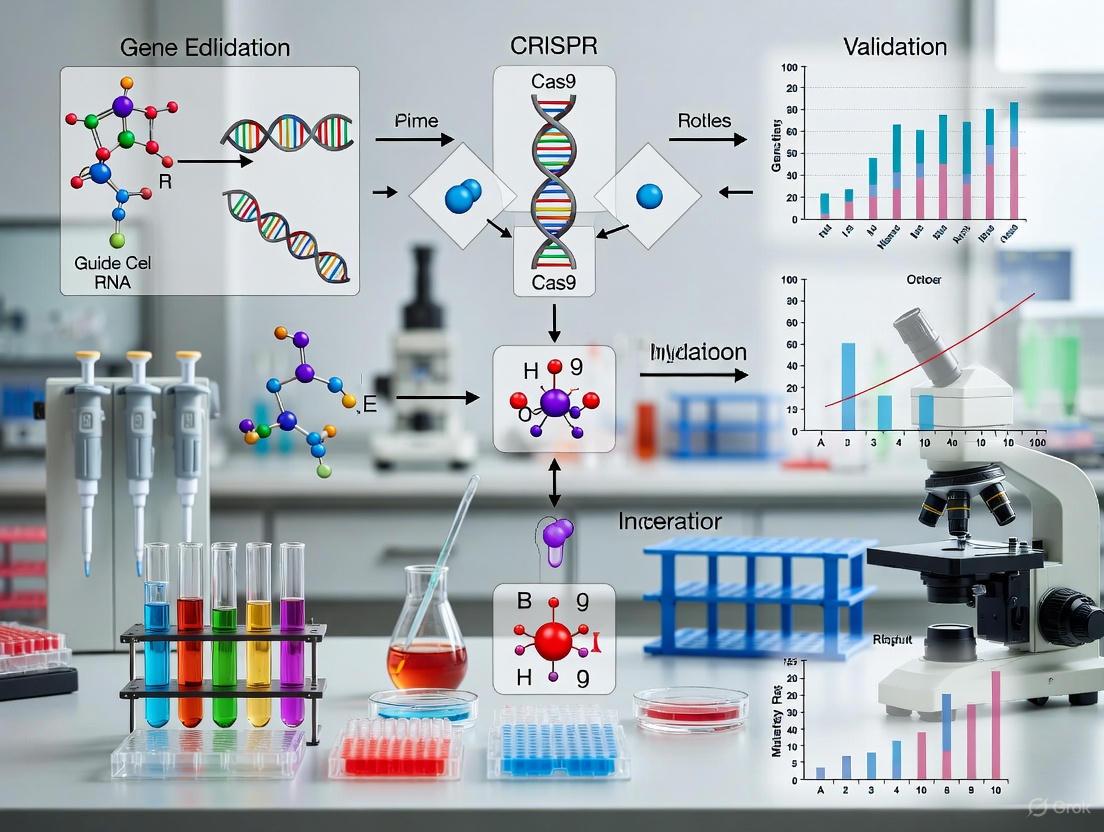
This article provides a systematic framework for researchers and drug development professionals to validate CRISPR-Cas9 edits in single-cell derived clones.
A Comprehensive Guide to Validating CRISPR Edits in Single-Cell Derived Clones
Abstract
This article provides a systematic framework for researchers and drug development professionals to validate CRISPR-Cas9 edits in single-cell derived clones. It covers foundational principles, from the importance of clonal isolation for ensuring genetic uniformity. The guide details advanced methodological workflows, including RNP nucleofection and the critical use of RNA-sequencing to detect unforeseen transcriptional changes. It offers practical troubleshooting strategies to enhance Homology-Directed Repair efficiency and overcome low editing rates. Finally, it presents a robust multi-modal validation pipeline integrating genomic, transcriptomic, and phenotypic analyses to confirm edit specificity and functional impact, ensuring the reliability of engineered cell lines for research and therapeutic applications.
The Critical Need for Single-Cell Validation in CRISPR Engineering
A foundational step in rigorous CRISPR-based research is the derivation of clonal cell lines. Following gene editing, a transfected cell population is a complex mosaic of non-edited, heterozygously edited, and homozygously edited cells, each with a potentially different set of mutations [1]. Clonal isolation is the critical process of physically separating a single cell from this mixture, allowing it to proliferate into a population of genetically identical offspring. This procedure is non-negotiable because it is the only way to ensure the genetic uniformity required to definitively link a genotype to a phenotype, forming the basis for reliable downstream analysis in disease modeling and drug discovery [2].
The Critical Need for Clonal Isolation in CRISPR Experiments
The necessity for clonal isolation stems from the inherent heterogeneity of CRISPR editing outcomes. When the Cas9 nuclease creates a double-strand break in DNA, the cell's repair mechanisms, primarily non-homologous end joining (NHEJ), result in a spectrum of insertion or deletion (indel) mutations at the target site [1]. Without isolation, a bulk population may exhibit an averaged phenotype that does not accurately represent the effect of any single mutation, potentially leading to misinterpretation of the gene's function.
Furthermore, the journey from a single-cell to a clonal population is fraught with technical challenges. Current surveys of the field indicate that researchers often must repeat their entire CRISPR workflow, including the clonal isolation step, a median of three times before achieving their desired genetic edit, a process that can span three months for knockouts and extend to six months for knock-ins [3]. The difficulty is also cell-type dependent; researchers report greater challenges when working with biologically relevant but finicky primary cells (e.g., primary T cells) compared to more robust immortalized cell lines [3]. This underscores the importance of selecting not only an efficient editing strategy but also a robust isolation protocol.
Comparing Clonal Isolation Methodologies
Different methodologies have been developed to address the challenge of clonal isolation, each with distinct advantages, limitations, and suitability for specific experimental needs. The table below provides a comparative overview of the primary techniques.
| Method | Key Principle | Advantages | Disadvantages | Best For |
|---|---|---|---|---|
| Limiting Dilution Cloning [2] | Serial dilution of cells into multi-well plates to achieve a statistical probability of single-cell occupancy. | Low technical barrier; requires no specialized equipment. | Time-consuming and labor-intensive; high risk of non-clonal or mixed populations; requires multiple rounds of dilution. | Labs with low throughput needs and limited budget. |
| Fluorescence-Activated Cell Sorting (FACS) [4] | Using a fluorescent reporter to identify and sort single cells into plates via flow cytometry. | High-speed and high-throughput; automated; ensures single-cell deposition. | Requires upfront fluorescent labeling; high equipment cost and expertise; can induce cellular stress. | High-throughput screening of pre-labeled cell populations. |
| Semi-Automated Robotic Picking [2] | Automated microscopy identifies single-cell positions, and a robotic arm harvests resulting colonies. | High clonal fidelity; reduces human error and labor; tracks clone location over time. | High initial investment in equipment; requires optimization for specific cell types. | Labs frequently generating edited hPSC or sensitive cell lines. |
| Retrospective Clone Isolation (e.g., CloneSelect) [4] | Cells are tagged with DNA barcodes; a target clone is later activated via CRISPR base editing for isolation. | Enables isolation of a specific clone from a frozen stock based on a phenotype observed later. | Complex initial setup; involves multiple genetic manipulations. | Longitudinal studies to trace cell lineage and fate. |
Experimental Data and Efficiency Comparison
The evolution from manual to advanced methods is driven by significant gains in efficiency and reliability. A study on human induced pluripotent stem cells (hiPSCs) demonstrated that semi-automated robotic isolation successfully generated numerous single-cell-derived clones, whereas manual limiting dilution was far more laborious and time-consuming [2]. The semi-automated method used nanowell plates to physically separate individual cells, with an automated system identifying and tracking their location for reliable clonal expansion.
For retrospective isolation, the CloneSelect system, which uses C→T base editing to activate a reporter gene in a barcode-specific manner, demonstrated superior specificity. When the false positive rate was set to 0.5%, CloneSelect C→T achieved true positive rates of 10.05–24.88%, significantly outperforming CRISPR activation (CRISPRa)-based methods like CaTCH (6.84–12.50%) and others which showed true positive rates below 5.5% or 0% under the same stringent conditions [4].
Detailed Experimental Protocols for Key Methods
This traditional protocol is used to isolate clones after CRISPR/Cas9 editing, requiring two successive rounds to ensure monoclonicity.
- Transfection and Expansion: Perform CRISPR/Cas9 editing on your hiPSC population via electroporation of ribonucleoprotein (RNP) complexes. Expand the transfected cells for several days.
- First Dilution Plating: Harvest and dissociate the cells into a single-cell suspension. Plate the cells into several 100-mm culture dishes at a range of low densities (e.g., 1000, 2000, 5000, and 10,000 cells per dish). Culture the cells with a rock inhibitor (e.g., Y-27632) to enhance single-cell survival.
- Clone Identification and Picking: Over 1-2 weeks, monitor the dishes for colony formation. Manually pick well-isolated, compact colonies using a pipette tip under a microscope, and transfer each to a separate well of a 24-well plate.
- Second Dilution Plating (Essential for Clonality): Once the primary clones are expanded, repeat the dissociation and low-density plating process. This second round of limiting dilution is critical to confirm that the expanded population originated from a single cell.
- Clone Expansion and Banking: Expand the secondary clones, then bank them for long-term storage and prepare samples for genotyping analysis.
This optimized protocol uses the CellCelector platform to improve the speed and reliability of isolating hiPSC clones.
- Nanowell Plate Preparation: Coat a 24-well nanowell plate (containing ~4300 nanowells per well) with vitronectin and centrifuge to remove micro-bubbles.
- Cell Seeding and Distribution: Following CRISPR/Cas9 editing, seed a low density of hiPSCs (approximately 3,000 cells per well). Centrifuge the plate again to ensure cells settle into the nanowells. According to Poisson distribution, this results in about 30% of nanowells being occupied by a single cell.
- Automated Single-Cell Identification: On Day 0, scan the nanowell plate on the CellCelector system. Use its software with a specific image analysis algorithm to identify and record the coordinates of nanowells containing a single cell.
- Clonal Monitoring and Selection: Culture the cells, allowing the single cells in the nanowells to divide and form colonies. Rescan the plates periodically to monitor growth.
- Robotic Colony Picking: After approximately 5-7 days, use the robotic arm of the CellCelector to automatically pick well-defined, undifferentiated colonies derived from the previously identified single cells and transfer them to a new culture plate.
- Expansion and Analysis: Expand the picked clones and process them for genotyping and validation.
Workflow Visualization of Clonal Isolation
The following diagram illustrates the key decision points and pathways in a standard CRISPR knockout and clonal isolation experiment.
The Scientist's Toolkit: Essential Reagents for Clonal Isolation
Successful execution of clonal isolation experiments relies on a suite of specialized reagents and tools. The following table catalogues key solutions used in the protocols and methodologies discussed.
| Research Reagent / Solution | Function / Purpose | Example Use Case |
|---|---|---|
| Lenti-Cas9-gRNA-GFP Plasmid [1] | An "all-in-one" vector for co-expressing Cas9, a guide RNA, and a GFP reporter for tracking transfection/transduction. | Delivering CRISPR components to cells; GFP allows for enrichment of transfected cells via FACS prior to clonal isolation. |
| LentiVCas9puro & LRG2.1 Plasmids [1] | A two-plasmid system for stable Cas9 expression (with puromycin resistance) and gRNA expression (with GFP reporter). | Generating stable Cas9-expressing cell lines for multiplexed knockout studies across different genes. |
| Ribonucleoprotein (RNP) Complexes [2] | Pre-assembled complexes of Cas9 protein and guide RNA. | Direct delivery of CRISPR machinery into cells, offering high editing efficiency and reduced off-target effects compared to plasmid DNA. |
| Rock Inhibitor (Y-27632) [2] | A small molecule that inhibits Rho-associated kinase. | Crucial for enhancing the survival of human pluripotent stem cells (hPSCs) after dissociation into a single-cell suspension for cloning. |
| AncBE4max Base Editor [2] | A plasmid encoding a CRISPR-based cytosine base editor. | Used in retrospective isolation systems (e.g., CloneSelect) to install a C→T point mutation and activate a reporter gene in a barcode-specific manner. |
| Nanowell Plates [2] | Culture plates containing thousands of tiny wells. | Used in semi-automated isolation to physically segregate single cells, allowing for tracked growth and efficient robotic picking. |
In the precise world of CRISPR validation, clonal isolation is not a mere suggestion but a foundational requirement for scientific rigor. The choice of isolation method—from the traditional yet reliable limiting dilution to the highly specific retrospective systems and the efficient semi-automated platforms—directly impacts the integrity, timeline, and success of a research project. By investing in and optimizing this non-negotiable step, researchers and drug developers can ensure that their disease models are built upon a bedrock of genetic uniformity, thereby yielding reproducible, reliable, and biologically meaningful data.
The advent of CRISPR-Cas9 technology has revolutionized genetic engineering, enabling unprecedented precision in genome editing for research and therapeutic applications. However, as the technology matures, it has become increasingly evident that standard DNA sequencing methods often fail to detect a wide spectrum of unintended consequences that can arise from CRISPR-mediated editing. While Sanger sequencing and next-generation sequencing (NGS) amplicon approaches effectively identify small insertions and deletions (indels) at the target site, they remain blind to more complex genomic alterations, particularly those occurring at a scale beyond the reach of PCR amplification primers.
The challenge is especially pertinent in the context of single-cell derived clone research, where clonal populations are expanded from individual edited cells. Without comprehensive validation, undetected structural variations, transcriptional anomalies, and chromosomal rearrangements can compromise experimental results and lead to erroneous conclusions about gene function. This comparison guide examines the landscape of unintended CRISPR outcomes beyond what conventional DNA sequencing can detect, evaluates current detection methodologies, and provides experimental protocols for thorough validation—enabling researchers to make informed decisions about CRISPR validation strategies for their specific applications.
The Spectrum of Unintended CRISPR Outcomes
CRISPR editing can trigger a diverse array of unintended genetic consequences that extend far beyond simple indels at the on-target site. The table below categorizes these outcomes, their detection challenges, and functional implications for single-cell derived clones.
Table 1: Categories of Unintended CRISPR Outcomes and Their Detection Challenges
| Outcome Category | Description | Detection Methods | Missed by Conventional Sequencing? |
|---|---|---|---|
| Large Structural Variations | Kilobase- to megabase-scale deletions, chromosomal truncations, and arm losses | CAST-Seq, LAM-HTGTS, single-cell DNAseq [5] [6] | Yes, especially if primer binding sites are deleted |
| Chromosomal Translocations | Exchange of genetic material between different chromosomes | CAST-Seq, LAM-HTGTS [5] | Yes, requires specific translocation detection methods |
| Transcriptional Alterations | Exon skipping, inter-chromosomal fusions, unintended gene activation/silencing | RNA-seq, Trinity analysis [7] | Yes, DNA sequencing cannot detect aberrant transcripts |
| Complex Rearrangements | Chromothripsis (massive genomic shattering and reorganization) | Single-cell DNA sequencing [6] | Yes, too complex for short-read technologies |
| On-Target Aberrations | Large deletions at the target site that eliminate primer binding regions | Long-read sequencing, single-cell DNAseq [5] [6] | Yes, leads to overestimation of HDR efficiency |
| Nontruncating Indels | In-frame mutations that produce partially functional or novel proteins | Western blot, functional assays, RNA-seq [7] [8] | No, detectable but often uncharacterized |
Recent studies have revealed that these unintended outcomes are not rare exceptions but rather frequent occurrences, particularly in certain cellular contexts. For instance, the use of DNA-PKcs inhibitors to enhance homology-directed repair (HDR) efficiency—a common strategy in genome editing—has been shown to dramatically increase the frequency of megabase-scale deletions and chromosomal translocations [5]. Similarly, editing in nondividing cells such as neurons reveals strikingly different repair outcomes compared to dividing cells, with extended timelines for indel accumulation and preferential utilization of non-canonical DNA repair pathways [9].
Advanced Detection Methodologies
RNA Sequencing for Transcriptional Characterization
RNA sequencing provides a powerful approach for identifying CRISPR-induced transcriptional changes that DNA-based methods cannot detect. When performed at sufficient depth, RNA-seq can reveal exon skipping, inter-chromosomal fusion events, chromosomal truncations, and the unintentional transcriptional modification of neighboring genes [7]. Trinity analysis enables de novo transcript assembly without a reference genome, making it particularly valuable for identifying novel fusion transcripts and aberrant splicing events resulting from CRISPR editing.
Table 2: Comparison of RNA-seq Approaches for CRISPR Validation
| Method | Resolution | Information Provided | Best Use Cases |
|---|---|---|---|
| Standard RNA-seq | Gene expression levels | Differential expression analysis, alternative splicing | Initial transcriptional profiling |
| Trinity Analysis | De novo transcript assembly | Novel fusion transcripts, exon skipping, aberrant splicing | Identifying complex transcriptional changes |
| Quantitative RT-PCR | Specific transcript quantification | Validation of specific transcriptional changes | Targeted verification of RNA-seq findings |
Single-Cell DNA Sequencing
Single-cell DNA sequencing technologies, such as the Tapestri platform, represent a breakthrough in comprehensive CRISPR validation by enabling simultaneous analysis of editing outcomes at multiple loci with single-cell resolution [6]. This approach can characterize editing zygosity, detect structural variations, and determine cell clonality—all critical parameters for validating single-cell derived clones. The technology has demonstrated that nearly every edited cell exhibits a unique editing pattern, highlighting the limitations of bulk sequencing approaches and the importance of single-cell resolution for ensuring safety and accuracy in therapeutic applications [6].
Specialized Assays for Structural Variation
Chromosomal translocations and other structural variations require specialized detection methods that go beyond conventional sequencing. CAST-Seq (Circularization for Assay of Translocations Sequencing) and LAM-HTGTS (Linear Amplification-Mediated High-Throughput Genome-Wide Translocation Sequencing) have emerged as powerful techniques for identifying and quantifying these complex rearrangements [5]. These methods are particularly important for assessing the genotoxic risk of CRISPR therapies, as chromosomal translocations can potentially drive oncogenic transformation.
Experimental Protocols for Comprehensive Validation
Workflow for Single-Cell Derived Clone Validation
The following diagram illustrates a comprehensive validation workflow for CRISPR-edited single-cell derived clones:
Protocol: Single-Cell Clone Isolation and Expansion
Limiting Dilution Cloning (LDC) Protocol [10]
- Post-transfection Processing: Wash transfected cells with PBS, dissociate with TrypLE reagent, and neutralize with complete growth medium.
- Cell Counting and Dilution: Perform accurate cell count and dilute cells to a density of 8 cells/mL in complete growth medium.
- Plating: Transfer 100 μL of cell suspension to each well of 96-well plates (targeting 0.8 cells/well to ensure single-cell distribution).
- Incubation and Monitoring: Incubate plates at 37°C, 5% CO2, and scan for single-cell colonies after one week using 4X microscope.
- Expansion: Continue incubation for additional 2-3 weeks to expand clonal populations for analysis.
Flow Cytometry Single-Cell Sorting Protocol [10]
- Cell Preparation: Wash, dissociate, and count cells as in LDC protocol.
- Staining: Resuspend 1×10^6 cells in 1 mL FACS buffer with propidium iodide (1 μg/mL) to identify dead cells.
- Filtration and Sorting: Filter cells and sort PI-negative (viable) single cells into 96-well plates containing 100 μL complete growth medium.
- Expansion and Verification: Incubate for 7-14 days, verify single-cell origin by microscopy, and expand for additional 2-3 weeks.
Protocol: RNA-seq Analysis for CRISPR Validation
Comprehensive Transcriptional Analysis [7]
- RNA Extraction: Isolate high-quality RNA using standardized kits (e.g., High Pure RNA Isolation Kit).
- Library Preparation and Sequencing: Prepare sequencing libraries with sufficient depth (recommended >50 million reads per sample) to enable Trinity analysis.
- Trinity De Novo Assembly: Assemble transcripts de novo using Trinity software to identify novel fusion transcripts and splicing variations.
- Differential Expression Analysis: Compare edited and control clones to identify unintended transcriptional changes.
- Validation: Confirm significant findings using quantitative RT-PCR with primers spanning exon junctions of interest.
The Researcher's Toolkit: Essential Reagents and Technologies
Table 3: Essential Research Reagent Solutions for Comprehensive CRISPR Validation
| Reagent/Technology | Function | Key Considerations | Example Applications |
|---|---|---|---|
| T7 Endonuclease I (T7E1) | Detection of mismatched DNA heteroduplexes | Inexpensive, rapid screening; cannot identify specific mutations [8] | Initial screening of editing efficiency |
| AccuTaq LA DNA Polymerase | High-fidelity PCR amplification of target loci | Reduces false positives from PCR errors [8] | Amplification for T7E1 or sequencing |
| Single-Cell DNA Sequencing Platform | Simultaneous genotyping of multiple loci at single-cell resolution | Reveals zygosity, structural variations, and clonality [6] | Comprehensive safety assessment for therapeutic development |
| Trinity Software | De novo transcriptome assembly | Identifies novel transcripts without reference bias [7] | Detection of fusion events and aberrant splicing |
| CAST-Seq/LAM-HTGTS | Genome-wide detection of chromosomal translocations | Specialized methodology requiring specific expertise [5] | Genotoxicity assessment for preclinical studies |
| Virus-Like Particles (VLPs) | Efficient delivery of Cas9 RNP to difficult-to-transfect cells | Pseudotype choice affects transduction efficiency [9] | Editing of primary cells and neurons |
| Anti-CRISPR Proteins | Inhibition of residual Cas9 activity to reduce off-target effects | Cell-permeable versions recently developed (LFN-Acr/PA) [11] | Improving specificity in therapeutic editing |
Emerging Technologies and Future Directions
The field of CRISPR validation continues to evolve rapidly, with several promising technologies emerging to address current limitations. The recent development of cell-permeable anti-CRISPR proteins (LFN-Acr/PA) represents a significant advance, enabling rapid shutdown of Cas9 activity after successful editing to reduce off-target effects [11]. This system uses a component derived from anthrax toxin to introduce anti-CRISPR proteins into cells within minutes, boosting genome-editing specificity by up to 40%.
Single-cell multi-omics approaches that combine DNA and RNA sequencing from the same cell are also under development, promising to provide unprecedented resolution in connecting genotypic changes to transcriptional consequences. For researchers working with challenging cell types like neurons, improved delivery systems such as VLPs pseudotyped with VSVG and BaEVRless (BRL) glycoproteins have demonstrated up to 97% transduction efficiency in human iPSC-derived neurons [9].
As CRISPR-based therapies move toward clinical application, the development of standardized benchmarking tools becomes increasingly important. Initiatives like the HT-29 benchmark package for CRISPR screens provide reference datasets and quality control metrics that enable researchers to assess and validate their experimental pipelines [12]. These resources, combined with the comprehensive validation approaches outlined in this guide, will help ensure the accuracy, safety, and efficacy of CRISPR genome editing in both basic research and clinical applications.
In the realm of CRISPR-based research and therapeutic development, the generation of single-cell-derived clones is a critical step. However, the true challenge lies in the rigorous validation of these clones to ensure their genetic integrity and functionality. Relying on incomplete validation can lead to irreproducible results or, in a therapeutic context, pose significant safety risks. This guide establishes a standardized framework for clonal validation, comparing the performance of current technologies to define clear success metrics for researchers and drug development professionals.
Comparative Analysis of CRISPR Analysis Methods
Selecting the appropriate method to analyze editing outcomes is foundational to clonal validation. The choice depends on the required resolution, throughput, and available resources. The table below summarizes the key characteristics of mainstream CRISPR analysis techniques.
Table 1: Performance Comparison of Primary CRISPR Analysis Methods
| Method | Key Principle | Data Output | Throughput | Relative Cost | Best Use Case |
|---|---|---|---|---|---|
| Next-Generation Sequencing (NGS) [13] | Targeted deep sequencing of the edited region | Comprehensive sequence data; precise indel spectrum | High | High | Gold standard for definitive, high-resolution validation; large sample numbers |
| Inference of CRISPR Edits (ICE) [13] | Computational decomposition of Sanger sequencing traces | Indel efficiency (ICE score); predicted indel profiles | Medium | Low | High-accuracy screening without NGS cost; comparable to NGS (R² = 0.96) |
| Tracking of Indels by Decomposition (TIDE) [13] | Decomposition of Sanger sequencing chromatograms | Estimation of indel frequency and types | Medium | Low | Rapid, cost-effective initial assessment; limited for complex edits |
| T7 Endonuclease 1 (T7E1) Assay [13] | Cleavage of heteroduplex DNA formed by annealed wild-type and mutant PCR products | Presence/absence of editing; non-quantitative efficiency | Low | Very Low | Quick, low-cost confirmation of editing during guide RNA optimization |
Evaluating Single-Cell Cloning and Isolation Technologies
Obtaining a monoclonal population is the first physical step in clonal validation. The technology used for isolation can impact efficiency, scalability, and the ease of confirming monoclonality.
Table 2: Comparison of Single-Cell Cloning and Isolation Platforms
| Technology | Isolation Principle | Monoclonality Assurance | Scalability | Key Advantage |
|---|---|---|---|---|
| Limiting Dilution [14] | Serial dilution to low cell density in wells | Probabilistic; requires multiple rounds and microscopic confirmation | Low | Universally accessible with standard lab equipment |
| Fluorescence-Activated Cell Sorting (FACS) [14] | Laser-based sorting of single cells into plates | Direct observation post-sorting is required for validation | Medium | High-speed, multiplexing capability with fluorescent markers |
| Microfluidic SCC Device [14] | Gravitational cell trapping in micro-wells | Direct visual validation of one-cell-per-well events | Medium | Cost-effective; integrates isolation, visual validation, and culture |
| On-chip SPiS [15] | Image-recognition and automated single-cell dispensing | Automated imaging confirms single-cell dispensing at isolation | High | High-throughput; over 80 clones per experiment with automated validation |
Advanced Multi-Omic Validation: The CRAFTseq Protocol
For the most rigorous clonal validation, particularly when assessing the functional consequences of specific edits, multi-omic approaches are setting a new standard. The CRAFTseq (CRISPR by ADT, flow cytometry and transcriptome sequencing) method exemplifies this by providing linked genomic, transcriptomic, and proteomic data from single cells [16].
Experimental Protocol Summary:
- Cell Preparation: CRISPR-edited cells are stained with oligonucleotide-tagged antibodies (ADTs) for cell-surface proteins and with hashtag antibodies for multiplexing.
- Single-Cell Partitioning: Cells are sorted into 384-well plates containing lysis buffer.
- Multi-Omic Library Preparation:
- Genomic DNA: A nested PCR amplifies the specific genomic region targeted by CRISPR.
- Whole Transcriptome RNA: The protocol uses a modified FLASH-seq with barcoded oligo-dT primers for 3' mRNA sequencing.
- Protein (ADT): Antibody-derived tags are amplified alongside the cDNA.
- Sequencing and Analysis: All libraries are sequenced. Bioinformatic analysis then links the precise CRISPR-induced genotype from the DNA amplicon data with the corresponding transcriptome (RNA) and surface proteome (ADT) from the same cell [16].
This protocol allows researchers to distinguish true biological effects of their edit from nonspecific changes caused by the cell culture environment or CRISPR machinery.
The following diagram illustrates the integrated workflow of the CRAFTseq protocol for multi-omic single-cell validation.
Essential Research Reagent Solutions for Clonal Validation
A successful clonal validation workflow relies on a suite of specialized reagents and tools. The following table details key solutions and their functions.
Table 3: Essential Research Reagent Solutions for Clonal Validation
| Research Reagent / Tool | Function in Validation Workflow |
|---|---|
| Tapestri Platform (Single-Cell DNA Sequencing) [6] | Enables targeted sequencing of over 100 loci at single-cell resolution to characterize editing zygosity, structural variations, and clonality. |
| CRAFTseq (Multi-Omic Assay) [16] | A quad-modal assay that jointly profiles targeted genomic DNA, whole transcriptome RNA, and oligonucleotide-tagged antibodies (ADTs) in single cells. |
| Synthego ICE Analysis [13] | A user-friendly software tool that uses Sanger sequencing data to calculate editing efficiency (ICE score) and deconvolute the spectrum of indel mutations. |
| On-chip SPiS Single-Cell Dispenser [15] | An automated device using image recognition to isolate and dispense single, image-validated cells into multi-well plates for high-throughput clone generation. |
| PDMS Microfluidic SCC Device [14] | A disposable microfluidic chip for isolating single cells by gravity, allowing visual confirmation of monoclonality and on-chip colony expansion. |
Defining success in clonal validation requires a multi-faceted approach that moves beyond mere confirmation of an edit's presence. A robust framework should integrate:
- Genotypic Precision: Confirmation of the intended DNA sequence at the single-cell level, using NGS or single-cell DNA sequencing to rule out heterogeneous editing and off-target effects [6].
- Functional Phenotype: Demonstration of the expected functional consequence, whether it is gene knockout via frameshift indels, successful HDR, or specific transcriptomic/proteomic changes as measured by multi-omic tools like CRAFTseq [16].
- Clonal Purity: Assurance that the analyzed population originates from a single progenitor, validated by technologies that provide visual or automated proof of monoclonality during isolation [14] [15].
By adopting this comprehensive, multi-tiered strategy and leveraging the comparative performance data of modern tools, researchers can set a new, higher standard for clonal validation, thereby ensuring the reliability and safety of CRISPR-edited cell lines for research and therapy.
Advanced Workflows for Generating and Isosing CRISPR-Edited Clones
In the field of genetic engineering and drug development, the generation of single-cell-derived clones represents a foundational process. This is particularly true for CRISPR/Cas9-mediated gene editing, where isolating and expanding a single genetically modified cell is essential to ensure a pure, clonal population with uniform genome editing [1] [17]. The reliability of subsequent functional analyses of gene knockouts or other edits hinges on the assurance of monoclonality [18]. Without this critical step, a mixed population of edited and unedited cells can lead to confounding and irreproducible experimental results.
This guide provides a objective, step-by-step overview of modern single-cell isolation and clone expansion techniques. It frames these protocols within the broader context of CRISPR validation, comparing the performance of established and emerging technologies to help researchers, scientists, and drug development professionals select the most appropriate methods for their projects.
Single-Cell Isolation Methods: A Comparative Analysis
The initial step of isolating individual cells can be achieved through several methods, each with distinct principles, advantages, and limitations. The choice of method significantly impacts efficiency, viability, and the strength of monoclonality evidence.
Established and Emerging Isolation Technologies
The following table summarizes the key characteristics of prevalent single-cell isolation methods.
Table 1: Comparison of Single-Cell Isolation Methods
| Method | Principle | Throughput | Key Advantage | Monoclonality Evidence | Cell Viability |
|---|---|---|---|---|---|
| Limiting Dilution | Statistical dilution via Poisson distribution [19] | Low | Low equipment cost; simple setup | Indirect, probabilistic; very weak [19] | Variable; highly dependent on cell type |
| FACS | Electrostatic droplet deflection based on fluorescence and light scattering | High | High-speed, multi-parameter sorting | Side-stream droplet image; strong | Can be lower due to electrostatic stress and high pressure [20] |
| Automated Single-Cell Dispensers (e.g., cellenONE, Cytena C.SIGHT, DispenCell S3) | Non-contact piezoelectric, acoustic, or impedance-based dispensing [20] [19] | Medium to High | Gentle handling; high viability; image-based proof | Direct imaging of droplet pre- or post-dispense; very strong [18] [19] | High, due to gentle, non-contact mechanism [20] |
| Microfluidic/Raft-Based (e.g., CellRaft) | Single cells seeded into arrayed microstructures in a shared medium environment [21] | Medium | "Flask-like" shared media improves efficiency for difficult cells [21] | Time-lapse imaging of clone growth from a single cell; very strong | High, supported by shared culture environment |
Quantitative Performance Comparison
Data from direct comparisons highlight the performance gaps between these methods. A study comparing the DispenCell S3 (an impedance-based seeder) to limiting dilution demonstrated a threefold increase in cloning efficiency. The DispenCell S3 method resulted in approximately 75% of wells forming monoclonal colonies for A549 and CHO cells, compared to only 25% with limiting dilution [19].
Similarly, an evaluation of the CellRaft Array for over 100 cell lines reported single-cell cloning efficiencies greater than 70% for most lines, starkly contrasting with the 0-30% efficiency typical of limiting dilution. For some challenging cell lines, like MHH-ES-1, limiting dilution failed entirely, while the CellRaft Array yielded hundreds of clones [21].
A Step-by-Step Protocol for Clone Generation and CRISPR Validation
This section outlines a detailed workflow for generating single-cell-derived knockout clones using the CRISPR/Cas9 system, integrating best practices from current literature [1] [17].
Strategic Planning and gRNA Design
- Step 1: Choose a Knockout Strategy. Decide between a one-plasmid system (Cas9 and gRNA on the same vector) for simplicity or a two-plasmid system (with a stable Cas9-expressing cell line) for generating multiple knockouts in the same line. Transient transfection may reduce off-target effects [1].
- Step 2: Design and Clone gRNAs. Use bioinformatics tools (e.g., Benchling, GUIDES) to design gRNAs targeting early exons or critical functional domains of the target gene. To maximize knockout success, design 3-5 gRNAs per gene and consider a dual-gRNA strategy to excise a large genomic segment [1]. Clone the selected gRNA sequences into the appropriate plasmid backbone (e.g., from Addgene, see Table 2).
Cell Transfection and Single-Cell Isolation
- Step 3: Introduce CRISPR Components. Transfect or transduce the target cell line with the CRISPR plasmids. For difficult-to-transfect cells like human Pluripotent Stem Cells (hPSCs), gentler methods like ribonucleoprotein (RNP) delivery can be considered.
- Step 4: Isolate Single Cells. 48-72 hours post-transfection, harvest and single-cell sort into 96- or 384-well plates.
- Recommended Method: Use an automated single-cell dispenser (e.g., cellenONE, DispenCell S3) for the best combination of viability and documented monoclonality [20] [19].
- Critical Note: Culture conditions must be optimized. For hPSCs and other sensitive cells, use a biologically relevant extracellular matrix (ECM) like recombinant laminin-521 (Biolaminin 521) to drastically improve single-cell survival and cloning efficiency [20]. The addition of Rho kinase (ROCK) inhibitor is often essential for hPSCs.
Clone Expansion and Validation
- Step 5: Expand Clones. Allow single cells to proliferate for 1-3 weeks, monitoring clonal outgrowth. For hPSCs, this can take 2-3 weeks [20].
- Step 6: Validate Knockouts. This is a critical, multi-faceted step:
- Genomic DNA Analysis: PCR-amplify the targeted genomic region from clonal populations and perform Sanger sequencing. Use tools like TIDE or ICE analysis to decipher the mixture of indel mutations [1].
- Protein Analysis: Perform western blotting to confirm the absence of the target protein. This is the most direct functional validation [1].
- Next-Generation Sequencing (NGS): For the highest resolution, use NGS to characterize the exact indel sequences in the clonal population, identifying bi-allelic knockouts [17].
Diagram 1: CRISPR Knockout Clone Generation Workflow.
Advanced CRISPR Validation: Ensuring Specificity in Complex Models
As CRISPR screening moves into more physiologically relevant but complex models like in vivo tumors or organoids, conventional screening methods face challenges from bottleneck effects and biological heterogeneity. These factors introduce massive noise, which can obscure genuine genetic dependencies [22].
The CRISPR-StAR Method for Internal Control
To overcome this, advanced methods like CRISPR-StAR (Stochastic Activation by Recombination) have been developed. This paradigm introduces an internal control on a single-cell level [22].
How it works:
- Cells are transduced with a complex library of sgRNAs housed in a special CRISPR-StAR vector, which also contains a Unique Molecular Identifier (UMI) to barcode each progenitor cell.
- The sgRNA is initially silent due to a floxed "stop" cassette.
- After the cells have engrafted and formed single-cell-derived clones in the complex model (e.g., in a mouse), tamoxifen is administered to induce Cre recombinase.
- Cre activity triggers one of two mutually exclusive recombination events: either excising the stop cassette to activate the sgRNA or excising part of the sgRNA to render it permanently inactive. This creates a mixed population within each clonal lineage: experimental (active sgRNA) and control (inactive sgRNA) cells that have undergone the same biological bottlenecks and microenvironments.
- The abundance of active vs. inactive sgRNAs within each UMI-marked clone is compared, effectively using each clone as its own internal control. This method has been shown to dramatically improve data quality and hit-calling accuracy in in vivo screens compared to conventional analysis [22].
Diagram 2: CRISPR-StAR Internal Control Principle.
Essential Research Reagents and Materials
Successful single-cell cloning and expansion, especially for sensitive cells like iPSCs, relies on a suite of optimized reagents.
Table 2: Key Reagent Solutions for Single-Cell Cloning and CRISPR Workflows
| Reagent / Material | Function / Application | Examples & Notes |
|---|---|---|
| CRISPR Plasmids | Delivery of Cas9 and guide RNA to target cells. | Lenti-Cas9-gRNA-GFP (Addgene #124770) for all-in-one system; LentiVCas9puro (Addgene #108100) and LRG2.1 (Addgene #108098) for two-vector system [1]. |
| Defined Extracellular Matrix (ECM) | Coating cultureware to support cell adhesion, survival, and proliferation post-isolation. | Biolaminin 521 is critical for hPSC cloning efficiency, maintaining pluripotency, and enabling serum-free culture without ROCKi [20]. |
| ROCK Inhibitor | Small molecule that increases survival of dissociated single cells by inhibiting apoptosis. | Y-27632. Often essential for single-cell passaging of hPSCs, though its necessity can be reduced with optimal ECM [20]. |
| Single-Cell Dispensing Instruments | For precise, gentle, and documented isolation of individual cells. | cellenONE (non-contact piezo-acoustic) [20], DispenCell S3 (impedance-based) [19], Cytena C.SIGHT [18]. |
| Live-Cell Imagers | For non-invasive monitoring of clonal outgrowth and verification of monoclonality over time. | Omni (Axion Biosystems) provides time-lapse data to confirm a colony grew from a single cell [19]. |
| Cell Line-Specific Media | Formulated to meet the unique metabolic needs of different cell types during clonal expansion. | Must be optimized. For CHO cells: Ham's F-12 + 10% FBS; for A549 cells: Ham's F-12K + 10% FBS [19]. |
In CRISPR-based research, particularly for generating single-cell-derived clones, the choice of delivery method is a critical determinant of success. It directly impacts editing efficiency, cell viability, and the reliability of subsequent phenotypic analyses. While the CRISPR-Cas machinery provides the mechanism for genetic modification, efficient intracellular delivery remains a significant bottleneck. This guide objectively compares three prominent delivery strategies—RNP Nucleofection, Viral Transduction, and Electroporation—by synthesizing current experimental data and protocols. The comparison is framed within the broader thesis that precise CRISPR validation hinges on a delivery method that maximizes efficiency while minimizing cellular stress and off-target effects, thereby ensuring the generation of high-quality, single-cell-derived models for drug development and basic research.
Technical Comparison of Delivery Methods
The following table provides a quantitative comparison of the three delivery methods based on recent experimental findings.
Table 1: Performance Comparison of CRISPR Delivery Methods
| Delivery Method | Reported Editing Efficiency | Cell Viability | Key Advantages | Key Limitations |
|---|---|---|---|---|
| RNP Nucleofection | Up to 100% indel frequency [23]; >90% HDR in iPSCs with p53 inhibition [24] | Maintained above 80% with optimized protocols [25] | Rapid, transient activity; minimal off-target effects; avoids foreign DNA integration [25] | Can require extensive optimization of parameters and equipment [26] |
| Viral Transduction (LV/AAV) | High HDR efficiency in HSPCs with CRISPR/AAV [27] | Challenged by retro-transduction, leading to significant infectious vector loss (60-90%) [28] | High transduction efficiency for difficult-to-transfect cells (e.g., HSPCs) [27] | Retro-transduction reduces yield, complicates production; packaging size constraints [28] |
| Electroporation (Plasmid/mRNA) | Variable; highly dependent on cell type and confluency [29] | Variable; can be low without pro-survival supplements [24] | Accessible; does not require complex viral production [17] | High cell death; transfection-associated stress can confound experimental outcomes [24] |
Detailed Experimental Protocols and Data
RNP Nucleofection
Detailed Protocol for High-Efficiency Editing in iPSCs and Myoblasts
Multiple studies have converged on RNP nucleofection as a robust method for generating edited single-cell clones. A highly efficient protocol for induced pluripotent stem cells (iPSCs) involves co-delivering a pre-assembled RNP complex with a single-stranded oligodeoxynucleotide (ssODN) repair template and a p53 inhibitor [24].
- RNP Complex Formation: Pre-complex 0.6 µM gene-specific sgRNA with 0.85 µg/µL of high-fidelity Cas9 nuclease. Incubate at room temperature for 20-30 minutes [24].
- Cell Preparation: Culture iPSCs to 80-90% confluency. Pre-treat cells by changing media to a specialized cloning medium supplemented with pro-survival molecules like 1% Revitacell and 10% CloneR approximately one hour before nucleofection [24].
- Nucleofection: Dissociate cells using Accutase. Combine the RNP complex with 5 µM ssODN and 50 ng/µL of a p53-shRNA plasmid (e.g., pCXLE-hOCT3/4-shp53-F). Electroporate the mixture using a device such as the Lonza 4D-Nucleofector [24].
- Validation: A study achieved homologous recombination rates exceeding 90% in multiple iPSC lines using this p53 inhibition strategy, dramatically reducing the time required to isolate isogenic clones [24].
Independent optimization in human immortalized myoblasts confirmed that performing nucleofection at low cell confluency is critical. This approach increased clonal outgrowth and achieved an 84% success rate for knockout and a 3.3% success rate for homozygous knock-in, all without antibiotic selection [29].
Diagram 1: High-efficiency RNP nucleofection workflow for single-cell cloning
Viral Transduction
Protocol for CRISPR/AAV-Mediated HDR in Hematopoietic Stem Cells
Viral vectors, particularly adeno-associated virus (AAV), are effective for delivering repair templates for homology-directed repair (HDR) in sensitive primary cells.
- gRNA and Donor Design: Design Cas9 gRNAs using tools like CHOPCHOP and screen for off-targets with COSMID. Design the AAV donor template with 200-1000 bp homology arms, ensuring the total genome length (including ITRs) remains below 4.5 kb [27].
- AAV Production and Titration: Produce and purify AAV serotype 6 vectors in HEK293T cells. Accurate titration of the AAV vector genome is critical and should be performed using digital PCR (dPCR) [27].
- Cell Editing: Thaw and culture human CD34+ hematopoietic stem and progenitor cells (HSPCs). Electroporate the cells with CRISPR-Cas9 ribonucleoprotein (RNP) to create the double-strand break. Subsequently, transduce the cells with the purified AAV6 donor template [27].
- Analysis: Quantify HDR efficiency using dPCR with a primer/probe set where one primer binds within the inserted sequence and the other binds outside the homology arm [27]. A key challenge specific to viral production is retro-transduction (or self-transduction), where the producer cells are transduced by their own viral output, leading to a loss of 60-90% of harvestable infectious vectors and potential impacts on producer cell health [28].
Electroporation-Based Plasmid Delivery
Optimization of an Inducible Cas9 System in Pluripotent Stem Cells
While RNP delivery is favored, plasmid-based electroporation is still widely used. Its efficiency can be significantly enhanced through systematic optimization.
- Cell Line Engineering: Create a doxycycline-inducible Cas9 (iCas9) hPSC line by targeting the spCas9-puromycin cassette to the AAVS1 safe harbor locus [26].
- Optimization Parameters: Key parameters to optimize include:
- Cell Confluency: Electroporation at low cell density improves outcomes [29].
- sgRNA Stability: Use chemically synthesized and modified (CSM) sgRNAs with 2’-O-methyl-3'-thiophosphonoacetate modifications at both ends to enhance stability [26].
- Cell-to-sgRNA Ratio: Increasing the amount of sgRNA (e.g., 5 µg for 8x10^5 cells) can dramatically boost indel efficiency [26].
- Efficiency Validation: This optimized iCas9 system can achieve stable indel efficiencies of 82-93% for single-gene knockouts and over 80% for double-gene knockouts in hPSCs [26]. A critical validation step is to confirm loss of protein expression via Western blot, as some sgRNAs can induce high INDEL rates but fail to ablate the target protein (so-called "ineffective sgRNAs") [26].
The Scientist's Toolkit: Essential Reagents
The following table lists key reagents and their functions for implementing the discussed protocols.
Table 2: Key Research Reagent Solutions for CRISPR Delivery Workflows
| Reagent / Material | Function / Application | Experimental Context |
|---|---|---|
| High-Fidelity Cas9 Nuclease V3 | Engineered Cas9 protein for reduced off-target effects; used in RNP complexes [24]. | RNP Nucleofection |
| CloneR | Chemical supplement that improves cell survival and cloning efficiency after single-cell dissociation [24]. | Single-Cell Cloning |
| pCXLE-hOCT3/4-shp53-F Plasmid | Plasmid for transient p53 knockdown to inhibit apoptosis and dramatically increase HDR efficiency [24]. | Enhancing HDR |
| Chemically Modified sgRNA (CSM-sgRNA) | sgRNA with 2’-O-methyl-3'-thiophosphonoacetate modifications for enhanced stability within cells [26]. | Improving Editing Yield |
| AAV Serotype 6 (AAV6) | Viral serotype effective for delivering HDR donor templates to hard-to-transfect primary cells like HSPCs [27]. | Viral HDR Donor Delivery |
| Cationic Cyclodextrin-Based Polymer (Ppoly) | Nanocarrier for efficient RNP delivery; shown to achieve 50% integration efficiency with low cytotoxicity [25]. | Non-Viral RNP Delivery |
The selection of a CRISPR delivery method is a fundamental strategic decision. RNP Nucleofection, especially when enhanced with p53 inhibition and pro-survival factors, currently offers the best combination of high efficiency, low off-target effects, and rapid workflow for generating single-cell-derived clones. Viral Transduction remains powerful for delivering HDR templates to sensitive primary cells but is hampered by production complexities like retro-transduction. Traditional Electroporation of plasmids requires careful optimization to overcome variable efficiency and significant cell toxicity. For researchers aiming to build robust and validated single-cell models, the evidence strongly supports prioritizing the development and optimization of RNP nucleofection protocols.
Harnessing Multi-Omic Single-Cell Sequencing (CRAFTseq) for Concurrent DNA and RNA Analysis
Recent advances in single-cell genomics have exposed a critical bottleneck in functional genomics: the inability to precisely link CRISPR-induced genetic perturbations to their multidimensional molecular consequences in primary cells. While single-cell RNA sequencing has enabled large-scale CRISPR screens, these approaches rely on indirect proxies for genotyping, such as sgRNA barcodes, which often misrepresent true editing outcomes. This guide explores CRAFTseq (CRISPR by ADT, Flow Cytometry, and Transcriptome Sequencing), an innovative multi-omic platform that directly sequences genomic DNA edits while simultaneously capturing transcriptomic and proteomic profiles from the same cell. We compare CRAFTseq's performance against established alternatives, present comprehensive experimental protocols, and analyze its transformative potential for CRISPR validation in single-cell derived clones research.
CRISPR-Cas9 genome editing has revolutionized functional genomics, enabling targeted manipulation of specific genomic loci in mammalian cells [1]. However, technical challenges persist in validating editing outcomes, particularly in heterogeneous primary cell populations. Traditional CRISPR validation methods face several limitations:
- Inefficient Editing: Editing efficiency varies significantly across cell types and target sites
- Heterogeneous Outcomes: Individual cells within the same population show diverse editing patterns
- Transcriptional Noise: Cell culture conditions and editing stress induce nonspecific transcriptional changes
- Proxy-Based Genotyping: Most single-cell CRISPR screens use sgRNA as a proxy for actual editing, despite approximately 50% of guides being inactive [16]
These challenges are particularly problematic when studying non-coding variants, where subtle regulatory effects can be obscured by technical artifacts. CRAFTseq addresses these limitations through direct genomic DNA sequencing alongside multimodal functional readouts.
CRAFTseq Methodology: A Quad-Modal Single-Cell Assay
Core Technological Framework
CRAFTseq integrates four data modalities from each single cell:
- Targeted Genomic DNA Sequencing: Amplification and sequencing of specific CRISPR-targeted loci
- Whole Transcriptome RNA Sequencing: Full-length transcriptome profiling using a modified FLASH-seq protocol
- Cell-Surface Protein Quantification: Antibody-derived tags (ADTs) for 154 surface protein markers
- Flow Cytometry-Based Cell Hashing: Barcoding for multiplexing and plate effect modeling [16]
This platform operates at a scale of thousands of cells per week with an approximate cost of $3 per cell, making it accessible for most research laboratories without requiring specialized equipment [16].
Experimental Workflow
The following diagram illustrates the integrated CRAFTseq workflow:
Research Reagent Solutions
The following table details essential reagents and materials required for implementing CRAFTseq:
| Reagent Category | Specific Products/Components | Function in Protocol |
|---|---|---|
| CRISPR Components | Ribonucleoproteins (RNPs), Base editors, Homology-directed repair templates | Induce precise genetic modifications in target cells |
| Cell Labeling | Multiplexed antibody panels (154 markers), Cell hashing antibodies | Enable cell surface protein quantification and sample multiplexing |
| Nucleic Acid Processing | Barcoded oligo(dT) primers, Nested PCR primers for targeted loci, Template-switching oligonucleotides | Facilitate cDNA synthesis and targeted DNA amplification |
| Library Preparation | FLASH-seq reagents, Sequencing adapters, Unique molecular identifiers (UMIs) | Enable high-quality library preparation for next-generation sequencing |
| Bioinformatics | Custom reference genomes, Demultiplexing algorithms, Genotype calling pipelines | Process raw sequencing data into interpretable multi-omic measurements |
Performance Comparison: CRAFTseq vs. Alternative Methods
Technical Capabilities Assessment
The table below compares CRAFTseq's capabilities with other single-cell CRISPR screening approaches:
| Method | Genotyping Approach | Multimodal Data | Editing Efficiency | Primary Cell Compatibility | Key Limitations |
|---|---|---|---|---|---|
| CRAFTseq | Direct targeted DNA sequencing | RNA + protein + DNA | High (direct measurement) | Excellent | Throughput limited to thousands of cells |
| CITE-seq | sgRNA barcode inference | RNA + protein | Variable (indirect proxy) | Good | Cannot detect heterozygous or partial editing |
| SHARE-seq | sgRNA barcode inference | RNA + ATAC | Variable (indirect proxy) | Moderate | No direct protein measurement |
| GoT-ChA | Targeted RNA-based genotyping | RNA + chromatin accessibility | Moderate (transcript-based) | Moderate | Limited to expressed mutations |
| Traditional scRNA-seq + CRISPR | sgRNA capture | RNA only | Low (proxy-based) | Variable | High false positive/negative rates |
Experimental Performance Metrics
In validation studies, CRAFTseq demonstrated robust performance across all modalities:
- Genotyping Accuracy: Correctly identified PTEN mutations in Jurkat cells with high specificity, revealing unexpected single-cell heterogeneity in clonal populations [16]
- Transcriptome Quality: Recovered a mean of 5,089 genes and 57,540 UMIs per cell, comparable to standard 10x Genomics platform performance [16]
- Protein Detection: ADT read counts showed strong correlation with flow cytometry-based antibody staining (R = 0.59) and gene expression (R = 0.36) [16]
- Multiplexing Capability: Successfully characterized combinatorial editing outcomes in PAX5 DNA-binding domain, identifying synergistic effects on gene expression networks [16]
Applications in Functional Genomics and Drug Development
Resolving Cell-State-Dependent Variant Effects
CRAFTseq has proven particularly valuable for identifying context-specific variant effects. In primary human CD4+ T cells, CRAFTseq revealed that the autoimmune-associated IL2RA variant rs61839660 exhibits state-specific regulation, with allele effects apparent in proliferating regulatory T cells but not in TH1-polarized cells [16]. This demonstrates how CRAFTseq can capture genetic effects that depend on cellular activation states, a crucial consideration for drug development targeting immune disorders.
Mapping Regulatory Variants with Base-Pair Resolution
When applied to non-coding regions, CRAFTseq enables precise functional mapping of regulatory elements. In studies targeting a region upstream of HLA-DQB1, researchers demonstrated that deletion size directly correlated with gene expression changes in a specific manner, with no significant impact on other genes in the region [16]. This precision in linking regulatory elements to their target genes represents a significant advance over earlier methods.
Pathway Analysis in Complex Biological Systems
The following diagram illustrates how CRAFTseq revealed distinct TNF signaling programs in tumor evolution through in vivo single-cell CRISPR screening:
Integration with Computational Methods
CRAFTseq generates complex multimodal datasets that require sophisticated computational approaches for full exploitation. Recent benchmarking studies have evaluated integration methods for single-cell multimodal data across seven tasks: dimension reduction, batch correction, clustering, classification, feature selection, imputation, and spatial registration [30].
For vertical integration (combining different modalities from the same cells), methods like Seurat WNN, Multigrate, and sciPENN have demonstrated strong performance in preserving biological variation across cell types [30]. These integration methods are particularly important for CRAFTseq data analysis, as they enable researchers to connect genotype information with functional transcriptional and proteomic outcomes.
Feature selection methods specifically designed for multimodal data, such as Matilda and scMoMaT, can identify cell-type-specific markers from both RNA and ADT modalities, enhancing the biological insights derived from CRAFTseq experiments [30].
CRAFTseq represents a significant methodological advance in single-cell functional genomics, bridging the critical gap between genetic association and biological mechanism. By enabling direct genotyping of CRISPR edits alongside multimodal functional readouts in the same cell, this approach overcomes fundamental limitations of proxy-based CRISPR screening methods.
For researchers working with single-cell derived clones, CRAFTseq provides an unparalleled tool for validating editing outcomes, assessing functional consequences, and understanding context-dependent genetic effects. The technology's compatibility with primary human cells and its ability to detect subtle regulatory effects make it particularly valuable for drug development applications, where understanding the functional impact of genetic variants across diverse cellular contexts is essential for target validation and patient stratification.
As single-cell multimodal technologies continue to evolve, CRAFTseq establishes a framework for comprehensive genetic perturbation studies that will accelerate our understanding of complex biological systems and enhance the development of targeted therapeutics.
A critical challenge in modern biological research is the creation of disease models that are both physiologically relevant and genetically defined. For monogenic disorders like sickle cell disease (SCD), CRISPR technology enables the development of such models by introducing precise mutations into controlled cellular systems. However, the path from gene editing to a validated, reliable disease model is complex, requiring rigorous validation at the single-cell clone level to ensure that observed phenotypes are directly attributable to the intended genetic modification. This guide compares key model systems and the experimental data supporting their use, providing a framework for researchers to build robust models for therapeutic development.
The table below summarizes two prominent erythroid progenitor cell lines used for building SCD models, highlighting their key characteristics and validation data.
| Model System | Genetic Background & Editing Strategy | Key Differentiating Features | Validation Data & Phenotypic Recapitulation |
|---|---|---|---|
| BEL-A SCD Mutation (BEL-A SCM) [31] | - Derived from adult CD34+ cells.- Biallelic sickle mutation (Codon 6, A>T) introduced via CRISPR/Cas9 coupled with a footprint-free piggyBac system. | - Immortalized progenitor: Exhibits significant self-renewal capacity, enabling large-scale studies [31].- Adult globin expression: Accurately models adult-stage hemoglobin switching, unlike some iPSC models [31]. | - Ineffective Erythropoiesis: Differentiated BEL-A BTM cells showed reduced reticulocyte yield (17% vs. 26% in WT) and significantly reduced enucleation efficiency (31% vs. 52% in WT), mirroring patient-derived HSPCs [31]. |
| Patient-Derived HSPC Clones [32] | - Hematopoietic Stem/Progenitor Cells (HSPCs) isolated from SCD patient peripheral blood.- CRISPR/Cas9 used to correct one allele of the HBB gene, converting the genotype from SCD to sickle cell trait (SCT). | - Autologous background: Retains the complete genetic background of a patient, including all modifier genes.- Primary cells: Avoids potential artifacts associated with immortalization. | - Functional Correction: HPLC analysis confirmed reinstatement of normal hemoglobin (HbA) to levels similar to HbS. Differentiated RBCs from edited clones showed significantly improved resistance to sickling under hypoxia [32]. |
Experimental Protocols for Model Generation and Validation
Building a reliable disease model requires a multi-step process, from initial cell engineering to multi-layered functional validation.
CRISPR-Mediated Generation of BEL-A SCD Model
The following workflow outlines the process for creating a footprint-free sickle cell disease model in immortalized erythroid progenitor cells [31].
Key Steps [31]:
- Guide RNA and Donor Design: Design gRNAs and single-stranded oligodeoxynucleotide (ssODN) donor templates containing the specific point mutation (Codon 6, A>T) and a excisable selection marker (PSM) cassette.
- Cell Transfection: Co-transfect BEL-A cells with the Cas9/gRNA ribonucleoprotein (RNP) complex and the donor template.
- Clonal Isolation and Genotyping: Sort single cells using FACS based on fluorescent markers (e.g., eGFP, dTomato). Expand clones and confirm correct integration at the HBB locus via junction PCR and Sanger sequencing.
- Selection Marker Excision: Transfect positive clones with piggyBac transposase to excise the PSM cassette. Use FACS to isolate cells that have lost the fluorescent markers, resulting in a "footprint-free" edited clone.
- Final Validation: Confirm the intended mutation and absence of unintended edits by restriction digestion and Sanger sequencing of the target locus.
Multi-Level Validation of Disease Phenotypes
After generating clonal lines, a comprehensive validation strategy is essential. The table below details key assays and their findings in the referenced studies.
| Validation Tier | Experimental Protocol | Application & Key Findings |
|---|---|---|
| Genotypic & Molecular | Sanger Sequencing & HPLC [32]: Sanger sequencing confirms the intended DNA sequence change. High-Performance Liquid Chromatography (HPLC) quantifies hemoglobin variants (HbA, HbS, HbF) from cell lysates. | Application: Confirm successful gene correction and quantify hemoglobin protein levels.Finding: In edited patient HSPC clones, HPLC showed restoration of HbA to levels comparable to HbS, confirming heterozygous correction [32]. |
| Cellular Morphology & Differentiation | In Vitro Erythropoiesis & Giemsa Staining [31]: Induce differentiation of progenitor cells into erythroblasts. Monitor progression and morphology via Giemsa staining at specific time points. Analyze surface markers (CD71, CD235a) by flow cytometry. | Application: Assess the ability of the model to undergo normal erythroid differentiation and recapitulate disease-specific defects.Finding: BEL-A BTM lines showed ineffective erythropoiesis, with a significant reduction in reticulocytes and enucleation efficiency compared to wild-type, mirroring patient cell behavior [31]. |
| Functional Phenotype | In Vitro Sickling Assay [32]: Differentiate edited erythroid progenitors into RBCs. Subject the mature cells to low-oxygen conditions (hypoxia) using a chemical deoxygenator (e.g., sodium metabisulfite). Quantify the percentage of sickled cells microscopically over time. | Application: Directly test the key pathophysiological function of the model RBCs.Finding: RBCs derived from corrected SCD HSPC clones demonstrated significantly improved resistance to sickling under hypoxia, confirming functional rescue [32]. |
The Scientist's Toolkit: Essential Research Reagents
Successful development and validation of CRISPR-edited disease models rely on a suite of specialized reagents and tools.
| Reagent / Tool | Function & Application | Examples / Notes |
|---|---|---|
| CRISPR Plasmids & RNPs | Delivery of the editing machinery. "All-in-one" plasmids or pre-complexed Ribonucleoproteins (RNPs) can be used [1]. | Lenti-Cas9-gRNA-GFP (Addgene #124770); Cas9 nuclease with synthetic gRNA for RNP delivery [1]. |
| Cell Culture Media & Cytokines | Supports the expansion and differentiation of hematopoietic/erythroid cells [31] [32]. | StemSpan SFEM II for expansion; EPO, SCF, and IGF-1 in EPE medium for erythroid progenitor culture [32]. |
| Single-Cell Cloning Tools | Isolation of individual edited cells to generate monoclonal lines. | Fluorescence-Activated Cell Sorting (FACS) for fluorescent markers; Limited dilution in methycellulose-based media (e.g., MethoCult) [31] [32]. |
| Genotyping & Sequencing Kits | Confirmation of on-target editing and detection of unintended modifications. | Kits for Sanger sequencing; Advanced Tool: Tapestri scDNA-seq platform for single-cell resolution of on/off-target edits and structural variations [33]. |
| Phenotypic Assay Reagents | Evaluation of the resulting disease phenotype. | Antibodies for flow cytometry (CD34, CD71, CD235a); Sodium metabisulfite for sickling assays; HPLC reagents for hemoglobin analysis [31] [32]. |
Critical Considerations for Robust Model Generation
- Addressing Clonal Variability: A significant source of phenotypic variability in genome-edited clones can stem from the inherent heterogeneity of the parental wild-type cell population [34]. To control for this, it is recommended to generate isogenic control lines by performing single-cell cloning of the wild-type cells prior to any genome editing experiments [34]. This creates a matched, monoclonal control for each edited clone, strengthening genotype-phenotype correlations.
- Comprehensive Off-Target Analysis: Standard PCR and Sanger sequencing of the target site are insufficient to detect all unintended editing outcomes [7]. RNA-seq and single-cell DNA-seq can reveal complex anomalies such as exon skipping, large deletions, inter-chromosomal translocations, and the unintended activation of neighboring genes [33] [7]. Incorporating these tools into the validation pipeline is crucial for assessing the true specificity of a CRISPR-edited model.
- Choosing the Right Model System: The choice between immortalized progenitor lines (like BEL-A) and primary patient-derived HSPCs involves a trade-off between scalability and physiological completeness. BEL-A SCM offers a consistent, renewable resource for high-throughput screening, while edited HSPC clones provide a more complete patient-specific genetic context for mechanistic studies [31] [32]. The research question and application should guide the selection.
Solving Common Pitfalls: Boosting HDR Efficiency and Ensuring Clone Viability
The CRISPR-Cas9 system has revolutionized genetic engineering, enabling targeted modifications across basic research and therapeutic development. Its application spans from creating disease models to pioneering gene therapies, such as the recently licensed Casgevy for sickle cell disease and β-thalassemia [35] [36]. However, a significant technical challenge persists: the inherently low efficiency of Homology-Directed Repair (HDR) compared to the error-prone Non-Homologous End Joining (NHEJ) pathway [35] [37] [38]. In mammalian cells, NHEJ repairs the majority of CRISPR-induced double-strand breaks (DSBs), while HDR—which allows for precise insertion of point mutations or specific DNA fragments—occurs at substantially lower frequencies, often between 0.5% to 20% [38]. This imbalance makes precise genome editing inefficient, often requiring laborious screening of thousands of clones to identify correctly modified cells [39] [37].
Within the context of CRISPR validation in single-cell derived clones, low HDR efficiency presents a major bottleneck. It compromises the ability to obtain clonal cell lines with homozygous edits and increases the risk of heterogeneous editing outcomes that confound phenotypic analysis [16]. Consequently, researchers have sought strategies to shift the DNA repair balance toward HDR. Among the most promising approaches is the use of small molecule pharmacological enhancers that can transiently modulate DNA repair pathways [35] [39] [38]. This guide provides a comprehensive comparison of these small molecules, focusing particularly on Nedisertib, and presents supporting experimental data for their use in improving HDR efficiency for precise genome editing.
Small Molecule Enhancers: A Comparative Analysis
Several small molecules have been investigated for their ability to enhance HDR efficiency by targeting specific DNA repair pathway components. The table below provides a systematic comparison of the most effective compounds, their mechanisms of action, and their documented performance.
Table 1: Comparison of Small Molecule HDR Enhancers
| Small Molecule | Primary Target | Reported HDR Enhancement | Key Findings and Optimal Concentrations |
|---|---|---|---|
| Nedisertib (M3814) | DNA-PK inhibitor [35] | ~24% increase (up to 73% absolute PGE) in BEL-A cells [35] | • Optimal at 0.25 μM in BEL-A cells (73% editing, 74% viability) [35]• Part of the HDRobust system (combined NHEJ/MMEJ inhibition) [40] |
| NU7441 | DNA-PK inhibitor [35] | ~11% increase vs. control in BEL-A cells [35] | • Second most effective after Nedisertib in systematic screen [35] |
| L755507 | β3-adrenergic receptor agonist [39] [38] | 2-3 fold for large fragments; ~9 fold for point mutations in iPSCs [39] [38] | • Effective in diverse cell types (K562, HeLa, HUVEC) [39]• Maximal effect at 5 μM [39] |
| SCR7 | DNA Ligase IV inhibitor [38] | Up to 19-fold in some mammalian cells [38] | • Controversial efficacy (ineffective in rabbit embryos) [38]• Did not increase PGE in BEL-A cells [35] |
| Brefeldin A | Protein transport inhibitor [39] | ~2 fold increase in mouse ES cells [39] | • Maximal effect at 0.1 μM [39] |
| Resveratrol | Downregulates NHEJ factors (LIG4, KU70/80) [38] | 2-3 fold in porcine fetal fibroblasts [38] | • Shows significant cellular toxicity at higher concentrations [38] |
| Alt-R HDR Enhancer | Undisclosed | No increase in PGE vs. control in BEL-A cells [35] | • Negative impact on cell viability noted [35] |
Nedisertib emerges as a particularly potent enhancer. In a systematic optimization study in human erythroid BEL-A cells, Nedisertib provided the greatest improvement in Precise Genome Editing (PGE), resulting in a 21% increase compared to a no-small-molecule control [35]. When used at an optimized concentration of 0.25 μM alongside refined RNP transfection parameters, it helped achieve an overall editing efficiency of 73% for introducing the sickle cell anemia (E6V A>T) mutation, with 48% of clones being homozygous for the mutation [35] [36]. It is crucial to note that the efficacy of these molecules can vary significantly based on cell type, delivery method, and the specific genomic target, underscoring the importance of empirical optimization.
Detailed Methodologies: From Systematic Optimization to Single-Cell Validation
Optimized RNP Nucleofection with Nedisertib
A comprehensive study established a highly efficient protocol for introducing specific mutations into the BEL-A erythroid cell line. The key to this success was the systematic optimization of ribonucleoprotein (RNP) nucleofection parameters combined with Nedisertib treatment [35] [36].
- Cell Preparation and Transfection: BEL-A cells were nucleofected using the Amaxa 4D-Nucleofector system. The DZ-100 program was identified as optimal, providing 52% HDR efficiency while maintaining 88% cell viability [35].
- Optimal RNP Complex Parameters: The study determined the most effective combination for RNP-based editing [35]:
- 3 μg of Cas9 protein
- gRNA to Cas9 ratio of 1:2.5
- 100 pmol of single-stranded oligonucleotide (ssODN) donor template
- 5×10⁴ cells per nucleofection reaction
- Nedisertib Treatment: Cells were treated with 0.25 μM Nedisertib, which was identified as the optimal compromise between maximizing editing efficiency (73%) and preserving cell viability (74%) [35]. Treatment with higher concentrations (e.g., 2 μM) did not improve efficiency further and reduced viability by 14% [35].
- Validation and Clonal Isolation: After transfection, cells were single-cell sorted by FACS. Clonal cell lines were expanded and sequenced to verify the introduction of the desired E6V A>T mutation and to determine zygosity (heterozygous vs. homozygous) [35].
The HDRobust Approach: Combined Pathway Inhibition
The HDRobust method, published in Nature Methods, represents a paradigm shift by simultaneously inhibiting two major competing repair pathways. This approach involves the combined transient inhibition of NHEJ and Microhomology-Mediated End Joining (MMEJ) [40].
- Core Principle: While inhibiting NHEJ alone (e.g., with DNA-PK inhibitors like Nedisertib) can improve HDR, the HDRobust strategy demonstrates that concurrent inhibition of MMEJ—achieved by suppressing polymerase theta (Polθ)—drives DSB repair almost exclusively toward HDR.
- Performance: This combined approach resulted in the induction of point mutations by HDR in up to 93% of chromosomes in cell populations, while largely abolishing indels, large deletions, and off-target changes [40]. The method was validated across 58 different target sites and in patient-derived cells for anemia, sickle cell disease, and thrombophilia [40].
Single-Cell Genotyping with CRAFTseq
A critical challenge in CRISPR editing validation is that bulk cell analyses mask the heterogeneity of editing outcomes in individual cells. The CRAFTseq (CRISPR by ADT, flow cytometry and transcriptome sequencing) method addresses this by enabling multi-omic analysis at single-cell resolution [16].
- Workflow: CRAFTseq is a plate-based method that sequences genomic DNA amplicons from the edited locus alongside the whole transcriptome (RNA) and oligonucleotide tags from surface marker antibodies (ADTs) in each single cell [16].
- Advantage: This allows researchers to directly link the specific genomic edit in a cell (e.g., heterozygous vs. homozygous HDR, or presence of indels) with its consequent transcriptional and phenotypic profile. This is especially powerful for detecting the subtle effects of non-coding variants and for controlling for nonspecific effects of the editing process itself [16].
- Application: The method has been used to identify genotype-dependent outcomes after HDR editing in regulatory regions and to detect multiplexed editing outcomes with high precision [16].
The diagram below illustrates the core workflow of the CRAFTseq method for single-cell multi-omic validation of CRISPR edits.
Diagram 1: CRAFTseq Single-Cell Multi-Omic Validation Workflow.
Mechanisms of Action: Signaling Pathways Targeted by Small Molecules
The small molecules discussed enhance HDR by strategically inhibiting the competitive error-prone repair pathways. The central mechanism involves tipping the balance of DSB repair in favor of the high-fidelity HDR pathway, which is active primarily in the late S and G2 phases of the cell cycle [35].
- Nedisertib and NU7441 act as DNA-PK inhibitors [35]. DNA-PK is a core component of the NHEJ machinery. By inhibiting its activity, these molecules effectively suppress the dominant NHEJ pathway, making the DSB more accessible to the HDR repair machinery.
- SCR7 targets DNA Ligase IV, another critical enzyme in the NHEJ pathway, preventing the ligation step of NHEJ [38].
- The HDRobust Strategy takes this a step further by also inhibiting MMEJ via Polθ suppression [40]. MMEJ can function as a backup pathway when NHEJ is compromised. Simultaneous inhibition of both NHEJ and MMEJ creates a cellular environment where HDR becomes the primary viable option for repairing CRISPR-Cas9-induced DSBs.
The diagram below illustrates how small molecules like Nedisertib modulate the DNA repair pathway decision to enhance HDR outcomes.
Diagram 2: Small Molecule Modulation of DNA Repair Pathways.
Successful implementation of a high-efficiency HDR editing workflow requires a suite of well-characterized reagents. The table below details key solutions for overcoming the challenge of low HDR efficiency.
Table 2: Research Reagent Solutions for Enhanced HDR Editing
| Tool Category | Specific Product/Method | Function and Application Notes |
|---|---|---|
| HDR-Enhancing Molecules | Nedisertib (M3814) | DNA-PK inhibitor; optimal at low dose (0.25 μM) for balance of efficiency and viability in erythroid cells [35]. |
| L755507 | β3-adrenergic receptor agonist; provides broad-spectrum HDR enhancement in diverse cell types at 5 μM [39] [38]. | |
| HDRobust Substance Mix | Combined NHEJ/MMEJ inhibition; enables ultra-high-precision editing (up to 93% HDR) by targeting multiple repair pathways [40]. | |
| Delivery & Hardware | Amaxa 4D-Nucleofector | Electroporation system; using the DZ-100 program was critical for high HDR efficiency (52%) and viability (88%) in sensitive BEL-A cells [35]. |
| Cas9 RNP Complex | Pre-assembled Ribonucleoprotein; avoids viral integration; use 3 μg Cas9 with a 1:2.5 gRNA:Cas9 ratio for optimal delivery [35]. | |
| Donor Template Design | ssODN with blocking mutations | Single-stranded oligodeoxynucleotide donor; incorporate CRISPR/Cas-blocking mutations in the PAM or seed sequence to prevent re-cleavage of edited alleles, boosting accurate editing by up to 100-fold [37]. |
| dsDNA donor with dual reporters | Double-stranded DNA donor with dual selection; for biallelic editing, use donors with different drug-resistance and fluorescent protein genes to efficiently enrich for homozygous clones [41]. | |
| Validation & Analysis | CRAFTseq Method | Multi-omic single-cell sequencing; links genomic edits to transcriptomic and proteomic readouts in primary cells, essential for validating non-coding variants and complex phenotypes [16]. |
| Fluorescence Reporter Assays | HDR efficiency quantification; systems like BFP-to-GFP conversion or SSA-based eGFP reporters allow rapid, accurate quantification of precise editing rates during optimization [35] [38]. |
The journey to overcome low HDR efficiency in CRISPR genome editing has progressed from simple protocol adjustments to sophisticated multi-faceted strategies. The data clearly demonstrates that small molecule enhancers, particularly Nedisertib, are powerful tools that can dramatically increase the yield of precisely edited single-cell derived clones. The HDRobust approach of combined NHEJ and MMEJ inhibition and the CRAFTseq validation method represent the cutting edge in this field, enabling both unprecedented efficiency and rigorous single-cell resolution analysis.
For the researcher aiming to model a disease-associated SNP or to develop genetically corrected cell therapies, the integration of these tools—optimized RNP delivery, strategic small molecule treatment, and comprehensive single-cell validation—provides a robust framework for success. By leveraging these advancements, scientists can accelerate their research and generate more reliable, phenotypically consistent clonal models to bridge the gap between genetic manipulation and functional understanding.
The efficacy of CRISPR-Cas9-mediated precise genome editing is fundamentally constrained by the cell's innate DNA repair machinery. Homology-directed repair (HDR), the pathway enabling precise knock-in of genetic modifications, operates with strict cell cycle dependency, predominantly occurring during the late S and G2/M phases when sister chromatids are available as repair templates [42] [43]. In contrast, the error-prone non-homologous end joining (NHEJ) pathway functions throughout all cell cycle phases, dominating the repair landscape [42]. This temporal restriction of HDR creates a significant bottleneck in applications requiring high-fidelity edits, such as generating single-cell-derived clones for research or therapeutic development. Consequently, strategies to synchronize cells in HDR-permissive phases have emerged as powerful methods to skew the repair balance toward precise HDR over indels. This guide objectively compares the leading cell cycle synchronization methodologies, providing experimental data and protocols to inform their application in CRISPR validation for single-cell clone research.
Comparison of Synchronization Strategies for HDR Enhancement
Chemical Synchronization with Microtubule Inhibitors
Microtubule-active drugs function by disrupting mitotic spindle formation, arresting cells at the G2/M boundary, a phase favorable for HDR.
Nocodazole: This microtubule polymerization inhibitor has demonstrated consistent efficacy across multiple cell types. In HEK293T cells, nocodazole synchronization prior to Cas9 RNP nucleofection boosted HDR frequencies from ~9% in unsynchronized cells to ~20-31%, a greater than threefold enhancement at lower RNP concentrations [43]. Similar experiments at the DYRK1 and CXCR4 loci showed HDR enhancement of over sixfold, significantly reducing the amount of Cas9 RNP required to achieve comparable editing levels [43]. In pig parthenogenetically activated embryos, a very low concentration (0.1 µM) of nocodazole produced a threefold increase in KI frequency [42].
Docetaxel: As a microtubule stabilizer, docetaxel also enriches the G2/M population. Treatment with 1–5 µM docetaxel promoted CRISPR-mediated knock-in with various donor types in 293T and BHK-21 cells, though its potency displayed cell type-specific variation [42]. In primary pig fetal fibroblasts (PFFs), lower doses were required due to increased vulnerability, but a dose-dependent KI-promoting effect was still observed [42].
Table 1: Performance of Microtubule-Inhibiting Chemicals
| Compound | Mechanism | Optimal Concentration | Reported HDR Enhancement | Key Considerations |
|---|---|---|---|---|
| Nocodazole | Microtubule polymerization inhibitor | 0.5–2.5 µM (cells); 0.1 µM (embryos) | Up to 3-fold in embryos; >6-fold in some cell lines [42] [43] | Widely validated; effective at low concentrations. |
| Docetaxel | Microtubule stabilizer | 1–5 µM (cell lines) [42] | Dose-dependent increase across cell types [42] | Cell-type specific effect; can show pronounced embryo toxicity [42]. |
Chemical Synchronization with DNA-Damaging Agents
DNA-damaging agents induce replication stress, leading to cell cycle arrest in S and G2/M phases.
Irinotecan (IRI): A topoisomerase I inhibitor, IRI (1–10 µM) increased KI efficiency in a dose-dependent manner in 293T and BHK-21 cells using dsDNA or ssODN donors [42]. In pig embryos, 5 µM IRI nearly doubled the KI frequency without impairing embryo development, highlighting its favorable toxicity profile in this model [42].
Mitomycin C (MITO): This alkylating agent produces interstrand cross-links. At 1–5 µM, it increased KI efficiency, though its effect was generally less pronounced than other molecules in some cell types [42]. In embryos, 0.5 µM MITO also nearly doubled KI efficiency but caused severe developmental toxicity, reducing its practical utility for delicate models [42].
Table 2: Performance of DNA-Damage Inducing Chemicals
| Compound | Mechanism | Optimal Concentration | Reported HDR Enhancement | Key Considerations |
|---|---|---|---|---|
| Irinotecan | Topoisomerase I inhibitor | 1–10 µM (cells); 5 µM (embryos) [42] | ~2-fold in embryos; dose-dependent in cells [42] | Favorable developmental toxicity profile in embryos. |
| Mitomycin C | DNA alkylating agent | 1–5 µM (cells); 0.5 µM (embryos) [42] | ~2-fold in embryos [42] | Can cause severe embryo toxicity; use with caution [42]. |
Alternative Strategies: Small Molecule Enhancers and Genetic Control
DNA-PK Inhibitors (e.g., Nedisertib): Instead of synchronization, these small molecules directly inhibit the NHEJ pathway. In BEL-A erythroid cells, 0.25 µM Nedisertib increased precise genome editing efficiency to 73% (from 48% in the control), representing a 24% relative increase while maintaining 74% viability [36]. NU7441 was the second most effective, yielding an 11% increase [36].
Cell Cycle-Dependent Cas9 Activation (AcrIIA4-Cdt1): This genetic system fuses the anti-CRISPR protein AcrIIA4 to a domain of human Cdt1 that is degraded during S/G2 phases. This confines Cas9 activity to HDR-permissive phases, simultaneously increasing HDR frequency and suppressing off-target effects [44]. The system achieved an approximately 3-fold change in inhibitor expression level across the cell cycle, autonomously switching Cas9 activity without chemical treatment [44].
Table 3: Performance of Alternative HDR Enhancement Strategies
| Strategy | Mechanism | Reported HDR Enhancement | Key Considerations |
|---|---|---|---|
| Nedisertib (M3811) | DNA-PKcs inhibitor (NHEJ blockade) | 24% increase (absolute) in BEL-A cells [36] | High efficiency; minimal viability impact at optimal dose. |
| AcrIIA4-Cdt1 Fusion | Cell cycle-restricted Cas9 activity | ~3-fold change in inhibitor expression [44] | Autonomous genetic control; reduces off-targets. |
Experimental Protocols for Key Methodologies
Protocol 1: Cell Cycle Synchronization with Nocodazole for RNP Editing
This protocol, adapted from [43], is designed for use with Cas9 ribonucleoprotein (RNP) delivery, which minimizes Cas9 exposure and reduces off-target effects.
- Cell Culture and Synchronization: Culture HEK293T cells (or other relevant cell line) to ~70% confluency. Add nocodazole to a final concentration of 100 ng/mL and incubate for 16-18 hours. This treatment arrests the majority of the cell population in the G2/M phase.
- Release and Nucleofection: Gently release cells from the nocodazole block by washing with pre-warmed PBS. Immediately prepare cells for nucleofection. Assemble Cas9 RNP complexes by pre-incubating purified Cas9 protein with sgRNA at the optimal ratio (e.g., a 1:2.5 gRNA:Cas9 ratio was effective in BEL-A cells [36]) for 10-20 minutes at room temperature.
- Nucleofection: Resuspend the released cells in the appropriate nucleofection solution. Combine the cell suspension with the pre-assembled RNP complexes and a single-stranded oligodeoxynucleotide (ssODN) HDR template. For BEL-A cells, a template concentration of 100 pmol was optimal [36]. Perform nucleofection using a device-specific program (e.g., program DZ-100 for BEL-A cells [36]).
- Post-Transfection Culture: After nucleofection, transfer cells to pre-warmed culture medium and incubate under standard conditions. Analyze editing efficiency after 48-72 hours, typically by flow cytometry for reporter systems or next-generation sequencing for endogenous loci.
Protocol 2: Combining Synchronization with Small Molecule Inhibitors
This protocol integrates a short synchronization step with a DNA-PK inhibitor to combine both strategies [42] [36].
- Pre-Synchronization: Treat cells with a low dose of nocodazole (e.g., 0.5-2.5 µM) for 12 hours to enrich the G2/M population.
- Nucleofection and Inhibitor Addition: Perform RNP nucleofection as in Protocol 1. Immediately after transfection, add a DNA-PK inhibitor like Nedisertib at a optimized concentration (e.g., 0.25 µM) to the culture medium.
- Culture and Analysis: Culture the cells for 24-48 hours in the presence of the inhibitor. Wash the cells to remove the inhibitor before proceeding to clonal expansion and analysis. This combination can yield a synergistic effect, further enhancing the proportion of precise edits.
Molecular Mechanisms: How Synchronization Promotes HDR
Cell cycle synchronization in S and G2/M phases enhances HDR by creating a favorable biochemical environment and modulating key protein levels. Molecular analyses indicate that synchronization leads to the accumulation of CDK1 and CCNB1 proteins, which are central regulators of the G2/M transition [42]. This accumulation initiates the HDR process by activating factors essential for effective end resection of CRISPR-cleaved double-strand breaks [42]. Furthermore, the HDR pathway is naturally confined to late S and G2 phases when the DNA replication process provides a sister chromatid template [43]. By arresting cells in these phases, synchronization ensures that a larger proportion of Cas9-induced DSBs are encountered by the active HDR machinery, thereby outcompeting the ubiquitous NHEJ pathway. This mechanistic understanding is summarized in the following diagram.
Diagram Title: Molecular Mechanism of HDR Enhancement by Cell Cycle Synchronization
The Scientist's Toolkit: Essential Research Reagents
Successful implementation of these protocols requires specific reagents. The table below lists key materials and their functions.
Table 4: Essential Reagents for Synchronization-Based CRISPR Editing
| Research Reagent | Function/Application | Example Usage |
|---|---|---|
| Nocodazole | Microtubule inhibitor for G2/M phase synchronization. | 16-18 hour pretreatment at 100 ng/mL to arrest cells [43]. |
| Purified Cas9 Protein | Formation of pre-assembled RNP complexes for editing. | Complex with sgRNA at 1:2.5 ratio (gRNA:Cas9) for nucleofection [36]. |
| ssODN HDR Donor | Homology-directed repair template for precise edits. | Use 100 pmol per nucleofection with 90+ nt homology arms [36] [43]. |
| Nedisertib (M3811) | DNA-PKcs inhibitor to suppress the NHEJ pathway. | Post-nucleofection treatment at 0.25 µM to enhance HDR [36]. |
| Nucleofector System | Device for efficient delivery of RNP complexes into cells. | Use cell-type specific programs (e.g., DZ-100 for BEL-A cells) [36]. |
The strategic synchronization of the cell cycle presents a powerful method to override the innate inefficiency of HDR, a critical barrier in generating precisely modified single-cell-derived clones. Data demonstrates that chemical synchronizers like nocodazole can enhance HDR efficiency by more than sixfold in certain contexts, while emerging genetic strategies like the AcrIIA4-Cdt1 system offer sophisticated, auto-regulated alternatives with the added benefit of reduced off-target effects [43] [44]. The choice of strategy should be guided by the specific research model, considering trade-offs between efficiency, viability, and technical complexity. For instance, while nocodazole is highly effective, DNA-PK inhibitors like Nedisertib may provide a more viable path for sensitive primary cells where toxicity is a paramount concern [42] [36]. As the field of therapeutic genome editing advances, integrating these synchronization protocols with other best practices—such as RNP delivery and optimized donor design—will be indispensable for achieving the high rates of precise editing required for robust CRISPR validation and clinical application.
In the field of CRISPR-Cas9 genome editing, achieving high efficiency in precise genetic modifications remains a significant challenge, particularly in the context of single-cell derived clone research. The efficiency of CRISPR-mediated editing is governed by multiple interconnected parameters, including the concentration of Cas9 nuclease, the ratio of guide RNA (gRNA) components, and the strategic design of donor repair templates for homology-directed repair (HDR). This guide provides a systematic comparison of optimization strategies across these critical parameters, presenting quantitative data and detailed methodologies to empower researchers in designing more efficient and predictable genome editing experiments. Within the broader thesis of CRISPR validation in single-cell derived clones, understanding these parameter interactions is fundamental to reducing clonal heterogeneity and improving the reliability of genotypic outcomes.
Comparative Analysis of Cas9 Delivery and Concentration Strategies
The method of Cas9 delivery and its subsequent concentration significantly impact editing efficiency and cellular toxicity. The table below summarizes the performance characteristics of different Cas9 expression and delivery systems.
Table 1: Comparison of Cas9 Delivery Systems and Concentration Optimization
| System/Parameter | Editing Efficiency Range | Key Advantages | Limitations | Best Applications |
|---|---|---|---|---|
| Doxycycline-inducible spCas9 (iCas9) [45] | 82-93% (INDELs), >80% (double knockout) | Tunable expression, reduced continuous Cas9 toxicity, high efficiency after optimization | Requires generation of stable cell line, requires doxycycline optimization | High-efficiency knockouts in hPSCs, multiplexed editing |
| Cas9 Ribonucleoprotein (RNP) Complexes [46] [47] | Varies by cell type (e.g., ~74% in potato protoplasts) [47] | Rapid delivery and degradation, reduced off-target effects, minimal immunogenicity | Large-scale production can be costly, delivery efficiency can vary | Primary cells, clinical applications, rapid experiments |
| Cas9-modRNA [45] | Not quantified in results | Reduced immunogenicity compared to standard mRNA | Potentially lower expression levels than some systems | In vivo applications where immune response is a concern |
| Plasmid-Based Cas9 [45] | Initially low (1-2% in hPSCs) | Cost-effective, easy to generate and store | Sustained expression increases off-target risk, low efficiency in hPSCs | Standard cell lines with robust transfection efficiency |
Optimizing Inducible Cas9 Systems
The doxycycline-inducible spCas9 (iCas9) system, when systematically optimized, can achieve remarkable efficiencies. Key optimized parameters for hPSCs include [45]:
- Cell Tolerance: Pre-optimizing nucleofection conditions to maximize cell survival post-transfection.
- Nucleofection Frequency: Implementing a repeated nucleofection strategy 3 days after the initial transfection to boost editing rates in a greater proportion of the cell population.
- Cell-to-sgRNA Ratio: Using 5 μg of sgRNA for 8 × 10^5 cells was a key parameter in high-efficiency conditions. This optimized system achieved 82-93% INDEL efficiencies for single-gene knockouts and over 80% for double-gene knockouts in hPSCs [45].
sgRNA Design, Modification, and Multiplexing Ratios
The design and delivery of sgRNAs are critical determinants of both on-target efficiency and off-target effects.
sgRNA Design and Algorithm Performance
Selection of sgRNAs with high cleavage activity is a major challenge. A comparative evaluation of widely used scoring algorithms, integrated with Western blot validation, revealed that Benchling provided the most accurate predictions for sgRNA efficiency [45]. This highlights the importance of empirical validation, as one study identified an ineffective sgRNA targeting exon 2 of ACE2 that induced 80% INDELs in the cell pool but failed to eliminate ACE2 protein expression [45].
sgRNA Chemical Modifications and Stability
sgRNA stability within cells can be enhanced through chemical synthesis and modification (CSM-sgRNA). The most effective modification involves incorporating 2’-O-methyl-3'-thiophosphonoacetate at both the 5’ and 3’ ends of the sgRNA. This chemical backbone enhances nuclease resistance, thereby increasing the functional half-life of the sgRNA within the cellular environment and improving editing outcomes [45].
gRNA Ratios for Multiplexed Editing
For multiplexed genome engineering, delivering multiple gRNAs from a single plasmid ensures all gRNAs are expressed in the same cell. When targeting multiple loci simultaneously, nucleofection with two or three sgRNAs at equal weight ratios (e.g., 1:1 for two sgRNAs, or 1:1:1 for three) to a fixed total amount of sgRNA (e.g., 5 μg) has been successfully used to achieve high-efficiency double and triple knockouts [45].
Donor Template Design for Enhanced HDR Efficiency
Homology-Directed Repair (HDR) is the primary method for achieving precise genome editing but is limited by its low efficiency compared to the error-prone Non-Homologous End Joining (NHEJ) pathway [46]. The structure of the Donor Repair Template (DRT) is a critical factor influencing HDR outcomes.
Table 2: Impact of Donor Repair Template Structure on HDR Efficiency
| DRT Parameter | High-Efficiency Configuration | Experimental Evidence | Considerations & Trade-offs |
|---|---|---|---|
| Strandedness | Single-stranded DNA (ssDNA) | ssDNA donors consistently outperformed dsDNA donors in achieving higher HDR rates in plant and animal models [47]. | ssDNA is more accessible to the repair machinery and avoids random integration. |
| Orientation (for ssDNA) | Target Strand | ssDNA in the "target" orientation (coinciding with the sgRNA-recognized strand) outperformed the "non-target" orientation at 3 out of 4 loci tested in potato [47]. | Optimal orientation may be locus-dependent, but the target strand is a preferred starting point. |
| Homology Arm (HA) Length | Short (30-100 nt) for ssDNA | ssDNA with HAs as short as 30 nucleotides achieved high frequencies of targeted insertion (up to 24.89% of reads), though often via MMEJ [47]. HDR efficiency was largely independent of HA length in the 30-97 nt range [47]. | Very short HAs may favor alternative repair pathways like MMEJ over HDR. For dsDNA, longer HAs (200-2000+ bp) are typically required [47]. |
| Modifications | Phosphorothioate (PTO) Linkages | Using PTO linkages at the ends of ssODN donors enhances their stability by protecting against exonuclease degradation [48]. | Increases the cost of oligo synthesis but can significantly improve HDR yield. |
Experimental Protocol: HDR Efficiency Assessment via TIDER
A key step in optimizing HDR is the accurate quantification of editing outcomes. The TIDER (Tracking of Insertions, DEletions and Recombination events) method is a rapid and accessible assay for this purpose [48].
Detailed Methodology [48]:
- Transfection: Transfert cells with CRISPR-Cas9 components (e.g., as RNP complexes) along with the ssODN donor template. Optionally, include a DNA-PKcs inhibitor (e.g., NU7441) to transiently inhibit NHEJ and favor HDR.
- Genomic DNA Extraction: Harvest cells 2-3 days post-transfection and isolate genomic DNA using a standard kit or lysis buffer/proteinase K digestion followed by ethanol precipitation.
- PCR Amplification: Amplify the target region from the purified genomic DNA using primers that flank the edit site.
- Sanger Sequencing: Purify the PCR product and submit it for Sanger sequencing.
- Data Analysis: Analyze the sequencing chromatograms from the edited pool and a control (untransfected) sample using the freely available TIDER web tool (http://tide.nki.nl). The algorithm decomposes the complex sequencing trace to quantify the frequency of perfect HDR, indels, and unmodified sequences.
Table 3: Key Research Reagent Solutions for CRISPR Optimization
| Item | Function/Description | Example Sources/Identifiers |
|---|---|---|
| HypaCas9 | A high-fidelity Cas9 variant with increased proofreading capability to reduce off-target effects. | Addgene Plasmid #108294 [49] |
| iCas9 hPSC Line | A ready-made human pluripotent stem cell line with integrated, inducible spCas9 for optimized knockout studies. | Described in [45]; requires generation via AAVS1 safe harbor targeting. |
| Chemically Modified sgRNA (CSM-sgRNA) | sgRNA with 2’-O-methyl-3'-thiophosphonoacetate modifications for enhanced intracellular stability. | Available from commercial synthesis providers (e.g., GenScript) [45]. |
| ssODN Donor Templates | Single-stranded oligodeoxynucleotides used as donor templates for HDR, can be modified with PTO linkages. | Available from IDT (Ultramer) and other oligo synthesis companies [48]. |
| TIDER Web Tool | Free online software for quantifying HDR and indel frequencies from Sanger sequencing data. | http://tide.nki.nl [48] |
Workflow and Pathway Diagrams
The following diagram illustrates the strategic decision-making pathway for optimizing key parameters in a CRISPR experiment, from selecting the Cas9 system to validating the final edits.
[caption]Diagram 1: CRISPR-Cas9 Experimental Optimization Workflow
The competing DNA repair pathways activated after a CRISPR-Cas9-induced double-strand break determine the editing outcome. The following diagram illustrates the major pathways and key factors that influence their activity.
[caption]Diagram 2: Competing DNA Repair Pathways After CRISPR-Cas9 Cleavage
Systematic optimization of Cas9 concentration, gRNA ratios, and donor template design is paramount for achieving high-efficiency genome editing in single-cell derived clones. The data and protocols presented herein demonstrate that an integrated approach is necessary. Key takeaways include the superior performance of optimized inducible Cas9 systems and RNP delivery for high-efficiency knockout, the critical advantage of ssDNA donors with short homology arms in the target orientation for HDR, and the utility of accessible validation tools like TIDER. By applying these comparative insights and detailed methodologies, researchers can strategically navigate the complex parameter space of CRISPR-Cas9 experiments, thereby enhancing the reliability and throughput of their work in functional genomics and therapeutic development.
The application of CRISPR-Cas9 technology for generating single-cell-derived clones has revolutionized genetic research and drug development. However, a significant challenge persists in accurately identifying and interpreting the complex genomic outcomes following gene editing. Researchers must reliably distinguish between biallelic edits, heterozygous modifications, and non-homologous end joining (NHEJ) repair events to draw meaningful conclusions from their experiments. This process is particularly crucial in single-cell-derived clones where clonal purity and accurate genotype characterization directly impact experimental validity and therapeutic applications. As CRISPR validation becomes increasingly important in preclinical research, robust methodologies for interpreting these diverse editing outcomes have emerged as essential components of the experimental workflow. This guide provides a comprehensive comparison of current approaches, protocols, and analytical frameworks for differentiating between these critical genetic outcomes in CRISPR-edited single-cell clones.
Experimental Protocols for Editing and Isolation
Successful differentiation of editing outcomes begins with optimized protocols for introducing genetic modifications and deriving clonal cell populations. Well-established methodologies provide the foundation for generating interpretable results.
Mammalian Cell Knockout Generation
The process for creating knockout clones in mammalian cell lines involves a multi-step approach that begins with strategic planning and culminates in verification. The protocol includes: (1) selecting an appropriate knockout strategy (one-plasmid vs. two-plasmid systems), (2) designing and cloning guide RNA (gRNA) target sites, (3) delivering CRISPR components via transfection or transduction, (4) isolating and expanding single-cell clones, and (5) verifying knockouts through western blot, PCR, and Sanger sequencing [1]. The choice between one-plasmid and two-plasmid systems represents a critical decision point; while stable Cas9-expressing lines (two-plasmid approach) facilitate generating multiple knockouts in the same cell line, transient transfection of all-in-one vectors may reduce off-target effects [1]. For difficult-to-edit genes, employing a two-guide strategy targeting distinct exons can maximize knockout likelihood, though this may increase off-target mutagenesis risk [1].
Biallelic Editing with Dual Selection
For applications requiring biallelic edits, such as modeling recessive disorders, a dual antibiotic selection approach significantly improves efficiency. This method involves co-transfecting cells with CRISPR-Cas9 machinery alongside two donor DNA templates carrying different antibiotic resistance genes (e.g., puromycin and blasticidin) [50]. Following transfection, double antibiotic selection isolates clones containing both resistance markers, dramatically increasing the probability of obtaining homozygous edits. This approach addresses the fundamental challenge of low homology-directed repair (HDR) efficiency (typically 1-10% of modified alleles) compared to the more prevalent NHEJ repair pathway [50]. The slightly different sequence lengths of the antibiotic resistance genes further facilitate PCR screening due to distinct amplicon sizes [50].
Single-Cell Isolation Techniques
Generating truly monoclonal cell lines requires effective single-cell isolation, with several methods available:
Table 1: Single-Cell Isolation Method Comparison
| Method | Principle | Advantages | Disadvantages | Outgrowth Efficiency |
|---|---|---|---|---|
| Limiting Dilution | Serial dilution to statistically achieve one cell per well | Simple, familiar protocols; perceived low cost | High failure rate; tedious; extended timeline; contamination risk | Very Low to Negligible |
| Flow Cytometry/FACS | Cell sorting based on hydrodynamic focusing and cellular characteristics | High accuracy and precision; enables bulk sorting | Damages cells; alters metabolic state; induces oxidative stress | Low to Medium |
| Cell Dispensing | Microfluidics with bright-field or fluorescence detection | Direct single-cell deposition; improves on limiting dilution | High equipment cost; potential cell damage from droplet impact | Medium |
| CellRaft Technology | Image-based selection with gentle automated isolation | Maintains natural cell cycle; high viability; visual confirmation | Not designed for high-throughput genomics | Very High |
Each method presents distinct trade-offs between viability, efficiency, cost, and technical requirements [51]. Flow-activated cell sorting (FACS), while precise, can increase reactive oxygen species by 50% and shift cell metabolism from anabolic to catabolic states, potentially reducing outgrowth efficiency [51].
Workflow for CRISPR Editing Validation in Single-Cell-Derived Clones
Analysis Methods for Differentiating Editing Outcomes
Multiple analytical approaches exist for characterizing editing outcomes in single-cell-derived clones, each with distinct advantages, limitations, and appropriate use cases.
Sequencing-Based Approaches
Sequencing technologies provide the most comprehensive analysis of CRISPR editing outcomes:
Next-Generation Sequencing (NGS): Representing the gold standard, targeted NGS enables deep sequencing of edited regions with high sensitivity and the ability to detect the full spectrum of indel variants [13]. The main limitations include substantial time investment, high cost, and requirement for bioinformatics expertise. NGS is particularly valuable for large sample sets with dedicated analytical support [13].
Sanger Sequencing with ICE Analysis: Inference of CRISPR Edits (ICE) uses Sanger sequencing data to determine relative abundance and levels of indels [13]. This method provides editing efficiency (ICE score corresponding to indel frequency), detailed indel distribution information, and can detect unexpected outcomes like large insertions or deletions. ICE demonstrates high correlation with NGS results (R² = 0.96) while being more accessible and cost-effective [13].
Sanger Sequencing with TIDE Analysis: Tracking of Indels by Decomposition (TIDE) decomposes Sanger sequencing data by comparing edited and unedited samples to estimate relative abundance of insertions or deletions [13]. While cost-effective, TIDE has limitations in detecting longer insertions and requires manual parameter adjustments that may challenge average users [13].
Non-Sequencing-Based Approaches
For rapid assessment without sequence-level detail, non-sequencing methods offer alternatives:
- T7 Endonuclease 1 (T7E1) Assay: This method exploits the T7 endonuclease's ability to cleave mismatched DNA at heteroduplex sites formed when edited and unedited PCR products are denatured and reannealed [13]. Cleavage products visualized by gel electrophoresis indicate editing presence but provide no quantitative data or specific indel information. T7E1 serves as a fast, inexpensive initial test during CRISPR optimization [13].
Table 2: CRISPR Analysis Method Comparison
| Method | Detection Principle | Information Obtained | Throughput | Cost | Best For |
|---|---|---|---|---|---|
| NGS | High-depth parallel sequencing | Complete sequence data; all variants detected | High | High | Large studies; comprehensive variant analysis |
| ICE | Computational analysis of Sanger data | Editing efficiency; indel spectrum; knockout score | Medium | Medium | Most applications needing sequence detail |
| TIDE | Decomposition of Sanger chromatograms | Indel abundance; statistical significance | Medium | Medium | Basic editing efficiency assessment |
| T7E1 | Enzyme cleavage of mismatched DNA | Presence/absence of editing; estimated efficiency | High | Low | Initial screening; optimization phases |
Specialized Approaches for Complex Edits
Specific editing scenarios require tailored approaches to accurately distinguish between biallelic, heterozygous, and NHEJ outcomes.
Fluorescent-Guided Biallelic Targeting
For challenging biallelic edits, a fluorescent reporter system enables efficient identification of correctly modified clones. This approach uses two donors carrying different fluorescent proteins (e.g., EGFP and dTomato) alongside homology arms directed to the same genomic region [52]. A third fluorescent reporter in the plasmid backbone enables negative selection to discard random integration events [52]. Fluorescent selection of non-random biallelic targeted clones can be performed by microscopy-guided picking or FACS sorting, dramatically improving efficiency for homozygous modifications [52].
Addressing Single-Cell Sequencing Challenges
Single-cell sequencing introduces specific analytical challenges including low genome coverage and amplification biases that complicate accurate genotype determination. Single-cell DNA sequencing typically achieves only 73-93% genome coverage compared to >90% in bulk sequencing, potentially resulting in allele dropout where heterozygous sites appear homozygous [53]. Amplification biases can also generate false-positive SNP calls, with certain methods showing false-positive rates as high as 1 in 20 SNPs [53]. These technical artifacts must be considered when interpreting biallelic versus heterozygous editing outcomes in single-cell clones.
Research Reagent Solutions
Critical reagents form the foundation of reliable CRISPR editing and validation workflows. The following toolkit highlights essential components for successful experimental outcomes.
Table 3: Essential Research Reagents for CRISPR Editing Validation
| Reagent Category | Specific Examples | Function in Workflow | Considerations |
|---|---|---|---|
| CRISPR Plasmids | Lenti-Cas9-gRNA-GFP (Addgene #124770); LentiVCas9puro (Addgene #108100) | Delivery of editing machinery; reporter expression | One-plasmid vs. two-plasmid systems; viral titer considerations [1] |
| Selection Antibiotics | Puromycin; Blasticidin | Selective pressure for edited clones; dual selection for biallelic edits | Antibiotic compatibility; cell-specific kill curves [50] |
| Fluorescent Reporters | EGFP; dTomato; BFP | Visual identification of successful integration; negative selection | Multiplexing capacity; spectral overlap [52] |
| Validation Enzymes | T7 Endonuclease I | Detection of mismatched heteroduplex DNA in T7E1 assay | Qualitative nature; cannot identify specific sequence changes [13] |
| Sequencing Kits | NGS library prep; Sanger sequencing reagents | Detailed characterization of editing outcomes | Cost vs. information depth trade-offs [13] |
Distinguishing between biallelic edits, heterozygous modifications, and NHEJ outcomes in single-cell-derived clones requires integrated experimental and analytical approaches. No single method universally addresses all validation needs; rather, researchers must select complementary techniques based on their specific requirements for resolution, throughput, and resource constraints. As CRISPR technologies continue evolving, emerging methods like CRISPR-Cas3 systems show promise for even higher eradication efficiency in certain applications [54]. By implementing appropriate isolation protocols, selection strategies, and analytical frameworks detailed in this guide, researchers can significantly improve the accuracy and efficiency of their CRISPR validation workflows, ultimately generating more reliable data for both basic research and therapeutic development.
A Multi-Modal Validation Pipeline: From Genotype to Phenotype
In CRISPR/Cas9 research, the successful generation of single-cell-derived knockout clones is a cornerstone for studying gene function, analyzing the consequences of gene loss, and validating biological reagents [1]. However, the technical journey from introducing a double-strand break to establishing a verified clonal cell line is fraught with challenges, including incomplete target ablation, interclonal heterogeneity, and the potential for PCR artifacts to obscure true editing outcomes [1]. The confirmation of desired edits is not merely a final step but a critical determinant of experimental rigor and reliability. This guide provides a systematic comparison of predominant genotyping technologies—Next-Generation Sequencing (NGS), Sanger sequencing, and TOPO TA Cloning followed by Sanger sequencing—to empower researchers in selecting the optimal strategy for validating CRISPR-induced mutations in single-cell-derived clones.
Technology Platform Comparison
The choice of genotyping technology significantly impacts the depth, accuracy, and throughput of CRISPR validation. The table below summarizes the core characteristics of the primary technologies used in this application.
Table 1: Comparative Analysis of Genotyping Technologies for CRISPR Validation
| Feature | NGS (Illumina, PacBio, ONT) | Sanger Sequencing | TOPO TA Cloning + Sanger |
|---|---|---|---|
| Primary Role in CRISPR Validation | Bulk population efficiency; detailed indel characterization; off-target analysis [55] [56] | Rapid assessment of editing efficiency (e.g., TIDE); validation of homozygous edits [55] [56] | Resolving complex heterozygous edits; confirming exact sequence of individual alleles [57] |
| Throughput & Scalability | Very High (massively parallel) [58] | Low (targeted, single amplicon) [58] | Low (labor-intensive cloning step) |
| Read Length | Short-Read (100-300 bp, Illumina); Long-Read (10,000+ bp, PacBio/ONT) [59] | ~1,000 base pairs [59] | Limited only by PCR & cloning efficiency (commonly 0.5-3kb) [57] |
| Key Advantage | Quantitative, base-pair-resolution data for entire populations; detects low-frequency events [60] [56] | Simplicity, speed, and low cost for initial screening; considered the "gold standard" for validation [58] [59] | Unambiguous determination of complex allele sequences in a heterogeneous pool |
| Key Limitation | Higher cost; complex data analysis; potential for over-interpretation of PCR/sequencing errors [60] | Cannot resolve complex mixtures of alleles in a single reaction [60] | Very time-consuming; cloning bias can skew representation [57] |
| Typical Error Rate | Variable (0.1% - 15%; can be reduced to ~0.01% with consensus methods) [59] | Very Low (<0.001%) [59] | Very Low (dependent on downstream Sanger fidelity) |
Experimental Data and Performance Benchmarks
Cloning Efficiency for Large Inserts
The utility of TOPO TA Cloning can be constrained by insert size. A comparative study of T-vector systems demonstrated a stark performance difference when cloning PCR products larger than 1kb.
Table 2: Cloning Efficiency for Different Insert Sizes Across T-Vector Systems
| Insert Size | pGEM-T / pGEM-T Easy Vectors | TOPO TA Cloning System |
|---|---|---|
| < 1kb | High number of recombinant colonies [57] | High number of recombinant colonies; higher percentage of white colonies [57] |
| 1-3kb | Significantly more recombinant colonies [57] | Striking decrease in performance and number of white colonies [57] |
Conclusion: For the commonly targeted 1-3kb range, the pGEM-T and pGEM-T Easy Vectors are a superior choice for cloning efficiency, a critical factor when isolating individual alleles from a CRISPR-edited population [57].
NGS versus Sanger Consensus Accuracy
The transition from Sanger to NGS for single-genome sequencing requires rigorous accuracy validation. A 2024 study on HIV-1 gp160 amplicons demonstrated that both Oxford Nanopore Technologies (ONT) and Pacific Biosciences (PB) NGS platforms could produce consensus sequences with similar or higher accuracy compared to Sanger sequencing, without needing a known reference sequence [60]. For the 23 amplicons where Sanger sequences were obtained, all NGS consensus sequences were either identical (n=9) or nearly identical (n=14) to the Sanger-derived sequence [60]. Furthermore, in cases of discrepancy, the NGS base call often matched all other sequences from the same patient, suggesting potential Sanger errors in complex regions [60].
Integrated Experimental Protocols
Protocol 1: Validating Edits in a Bulk Cell Population using NGS
This protocol is ideal for quantitatively assessing the spectrum and frequency of indels before proceeding to single-cell cloning [55] [56].
- gRNA Transfection: Introduce your Cas9/gRNA complex into the target cell line via transfection or transduction.
- Genomic DNA Extraction: Harvest cells 48-72 hours post-transfection and extract high-quality genomic DNA.
- Target Region Amplification: Design primers to amplify a 300-500bp region surrounding the gRNA target site. Incorporate platform-specific barcoded adapters during PCR to enable multiplexing [55].
- NGS Library Prep & Sequencing: Pool barcoded amplicons from multiple samples and prepare a sequencing library following the manufacturer's instructions for your chosen platform (e.g., Illumina, PacBio, ONT).
- Bioinformatic Analysis: Process raw sequencing data using specialized tools like CRISPResso to align reads to the reference sequence and quantify the percentage and identity of insertion and deletion mutations [56].
Protocol 2: TOPO TA Cloning for Resolving Complex Alleles
This method is critical when a transfected cell population contains a diverse mix of edits that cannot be deconvoluted by standard Sanger sequencing [60].
- Amplicon Generation: PCR-amplify the target locus from genomic DNA of a bulk edited population or a single-cell clone. Use a high-fidelity polymerase to minimize PCR errors.
- Ligation: Purify the PCR product and ligate it into a TOPO TA cloning vector. Note: For inserts larger than 1kb, consider alternative vectors like pGEM-T for higher efficiency [57].
- Transformation: Transform the ligation reaction into competent E. coli and plate onto selective media with X-Gal/IPTG for blue-white screening.
- Colony PCR & Picking: Pick numerous (e.g., 10-20) white colonies, and screen by colony PCR to confirm insert presence.
- Plasmid Preparation & Sanger Sequencing: Isolate plasmid DNA from positive clones and sequence using standard Sanger methods with vector-specific primers. The resulting sequences represent individual alleles from the original sample.
Protocol 3: Rapid Assessment of Editing Efficiency via TIDE Analysis
Tracking of Indels by Decomposition (TIDE) provides a rapid and cost-effective method to quantify editing efficiency in a bulk population without NGS [56].
- PCR and Sanger Sequencing: Amplify the target region from both edited and unedited (wild-type) control cells. Ensure the amplicon has at least ~200 bp of sequence flanking the cut site on either side. Submit the PCR products for Sanger sequencing.
- Chromatogram Upload: Obtain the sequencing trace files (.ab1 files) for both the wild-type and edited samples.
- Online Decomposition Analysis: Upload both trace files and the gRNA target sequence to the web-based TIDE tool (https://tide.nki.nl).
- Interpretation: The software will return a graph representing the spectrum of indels detected and a quantitative estimate of the overall editing efficiency, helping to determine if it is worthwhile to proceed to single-cell cloning [56].
Visualizing the Integrated Workflow
The following diagram illustrates a robust, integrated workflow for generating and validating CRISPR knockout clones, leveraging the strengths of each genotyping technology at appropriate stages.
The Scientist's Toolkit: Essential Research Reagents
Successful execution of these protocols relies on a foundation of key laboratory reagents and resources.
Table 3: Essential Reagents and Resources for CRISPR Genotyping
| Reagent / Resource | Function / Purpose | Examples / Notes |
|---|---|---|
| CRISPR Plasmids | Delivery of Cas9 and guide RNA to target cells. | All-in-one (Lenti-Cas9-gRNA-GFP) or two-vector systems (LentiVCas9puro + LRG2.1) [1]. |
| Cloning Vectors | Molecular cloning of PCR amplicons for sequencing individual alleles. | pGEM-T Vectors (broad insert size efficiency), TOPO TA Vectors (optimal for <1kb) [57]. |
| Competent Cells | Transformation with plasmid or ligation products for amplification. | JM109 (for pGEM), TOP10 (for TOPO kits) [57]. High efficiency is critical for cloning. |
| NGS Platforms | High-throughput, parallel sequencing for deep variant analysis. | Illumina (short-read), PacBio SMRT, Oxford Nanopore (long-read) [58] [59]. |
| Sanger Sequencer | Gold-standard for accurate, low-throughput sequencing of single alleles [58]. | Applied Biosystems 3730xl DNA Analyzer [60]. Often a core facility service. |
| Bioinformatics Tools | Analysis of sequencing data to quantify and characterize edits. | TIDE/TIDER (Sanger traces), CRISPResso (NGS data), CRISPOR (gRNA design) [56]. |
A tiered, technology-integrated approach represents the current gold standard for CRISPR genotyping. Researchers are advised to initiate validation with rapid, bulk population screening methods like TIDE or NGS to quantify initial editing efficiency. Subsequent isolation of single-cell clones should be followed by Sanger sequencing of the target locus. The presence of a clean, unambiguous chromatogram confirms a homozygous edit, while complex traces necessitate the powerful, albeit laborious, use of TOPO TA cloning to resolve the exact sequence of each allele. By understanding the distinct capabilities and limitations of NGS, Sanger sequencing, and TOPO TA cloning, scientists can construct a robust validation pipeline that ensures the integrity of their single-cell-derived knockout models and the credibility of their downstream functional analyses.
The use of CRISPR to knockout or knock down genes is a powerful tool for understanding the specific role of a gene in disease development. However, the standard practice for identifying CRISPR-related mutations—PCR-based target site DNA amplification and Sanger sequencing—is limited by the PCR primers used and does not provide insight into changes in the resulting transcripts [7]. CRISPR can cause many unanticipated changes to the transcriptome, including exon skipping, chromosomal truncation, inter-chromosomal fusion events, and the unintentional transcriptional modification and amplification of a neighboring gene [7]. These unintended modifications highlight the critical need for robust validation methods that can fully capture the transcriptional consequences of gene editing, particularly in the context of single-cell-derived clones where clonal purity is essential for downstream analyses.
RNA-sequencing (RNA-seq) techniques, especially those employing de novo transcriptome assembly like Trinity, provide a means to identify these changes and effectively gauge the full impact of a CRISPR knockout, thereby enabling the selection of appropriate clones for further experimentation [7]. This guide objectively compares the performance of Trinity-based analysis with other RNA-seq methodologies for detecting key transcriptional anomalies such as exon skipping and fusion transcripts, providing researchers with the data needed to implement rigorous CRISPR validation protocols.
Performance Comparison of RNA-Seq Analysis Methods
The following tables summarize the capabilities and benchmarked performance of various computational methods used for detecting fusion transcripts and other aberrant splicing events from RNA-seq data.
Table 1: Performance Comparison of Fusion Detection Tools on Real & Simulated Datasets
| Method | Technology Type | Key Principle | Average Precision | Average Recall | Average F1 Score | Pros | Cons |
|---|---|---|---|---|---|---|---|
| TrinityFusion [61] | Short-read (De Novo Assembly) | De novo assembly of reads into transcripts prior to fusion identification. | High | Low (Low sensitivity) | Lower than mapping-based | Useful for reconstructing fusion isoforms and tumor viruses. | Low sensitivity; computationally intensive. |
| STAR-Fusion [61] | Short-read (Mapping-First) | Leverages chimeric alignments from the STAR aligner. | High | High | High (Top performer) | Most accurate and fast; ideal for initial screening. | Limited to insights from read alignments. |
| GFvoter [62] | Long-read (Multi-tool) | Employs a multivoting strategy from multiple aligners and callers. | 58.6% (Highest) | Comparable to best | 0.569 (Highest) | Superior precision-recall balance; robust. | Complex workflow involving multiple tools. |
| JAFFAL [63] [62] | Long-read (Mapping-First) | Double alignment to a reference transcriptome and genome. | 30.8% | Varies | 0.386 | Designed for long-read data. | High false-positive rate (low precision). |
| LongGF [62] | Long-read (Mapping-First) | Identifies reads aligning to multiple genomic positions. | 39.5% | Varies | 0.407 | Designed for long-read data. | Performance less robust than GFvoter. |
Table 2: Capabilities in Detecting CRISPR-Induced Anomalies
| Analytical Method | Exon Skipping | Fusion Transcripts | Large Deletions | In-frame Indels / Truncated Proteins | Novel Transcript Discovery |
|---|---|---|---|---|---|
| DNA Sanger Sequencing | No | No | Limited (primer-dependent) | No | No |
| Short-read RNA-seq (e.g., STAR-Fusion) | Yes | Yes | Indirectly | Indirectly | Limited (assembly challenges) |
| Long-read RNA-seq (e.g., GFvoter) | Yes | Yes (High resolution) | Yes | Yes | Yes (Full-length isoforms) |
| Trinity-based Analysis [7] | Yes | Yes | Yes | Yes | Yes (De novo capability) |
Experimental Protocols for Key Methodologies
Validating CRISPR Knockouts with Trinity-Based RNA-Seq Analysis
Protocol Overview: This method uses the de novo transcriptome assembler Trinity to reconstruct the transcriptome of CRISPR-edited cells without relying on a reference genome annotation, making it exceptionally powerful for discovering novel or unannotated transcriptional events [7].
- Step 1: RNA Sequencing. Isolate high-quality RNA from your CRISPR-treated single-cell-derived clones and appropriate control cells. Prepare libraries for deep RNA-seq. Adequate sequencing depth is critical; shallow sequencing used only for differential expression is insufficient for characterizing CRISPR-induced changes [7].
- Step 2: De Novo Transcriptome Assembly. Assemble the raw RNA-seq reads from each sample using Trinity (e.g.,
Trinity --seqType fq --max_memory 200G --left sample_1.fq.gz --right sample_2.fq.gz). This step generates a comprehensive set of transcript sequences for each sample [7]. - Step 3: Transcript Abundance Estimation. Use tools like
align_and_estimate_abundance.plwithin the Trinity package to map the original RNA-seq reads back to the de novo-assembled transcripts and quantify their expression levels. - Step 4: Differential Expression Analysis. Perform differential expression analysis using tools like
DESeq2oredgeRthrough the Trinity wrapperanalyze_diff_expr.plto identify transcripts that are significantly up- or down-regulated in CRISPR clones compared to controls. - Step 5: Identification of Transcriptional Anomalies.
- Fusion Transcripts & Exon Skipping: Manually inspect the assembled transcripts in a genome browser (e.g., IGV). Look for transcripts that align to multiple, non-contiguous genomic regions (suggesting a fusion) or that show the precise skipping of the exon targeted by the CRISPR guide RNA [7].
- Anomaly Confirmation: Use BLAST to compare sequences of aberrant transcripts against reference genomes and transcript databases. Fusion events can be further validated by PCR and Sanger sequencing across the breakpoint.
Genome-Wide CRISPR Screening for Transcriptional Regulators
Protocol Overview: This flow-based genome-wide CRISPR screen, complemented by RNA-seq validation, identifies upstream regulators of a gene of interest, as demonstrated for LGALS9 (Galectin-9) in T-ALL [64].
- Step 1: Cell Line Preparation. Generate a Cas9-expressing cell line (e.g., Jurkat) with validated high Cas9 activity. This is crucial as some cell lines, particularly T-ALL lines, silence Cas9 over time [64].
- Step 2: Library Transduction. Transduce the cells with a genome-wide CRISPR knockout library (e.g., the Brunello library) at a low Multiplicity of Infection (MOI ~0.25) to ensure most cells receive a single guide RNA (sgRNA). Maintain a high coverage of >500x per sgRNA [64].
- Step 3: Sorting and Enrichment. After sufficient time for gene editing and phenotypic manifestation (e.g., 7 days), perform intracellular staining for the target protein (e.g., Galectin-9). Use Fluorescence-Activated Cell Sorting (FACS) to isolate the population of cells with the desired phenotype (e.g., low Galectin-9 expression) [64].
- Step 4: Sequencing and Hit Identification. Extract genomic DNA from the sorted and unsorted control populations. Amplify the integrated sgRNA sequences via PCR and sequence them. Bioinformatics tools (e.g., MAGeCK) are then used to identify sgRNAs that are significantly enriched or depleted in the sorted population, pointing to genes whose knockout alters the expression of your target.
- Step 5: Validation with RNA-seq. The identified candidate regulator genes (e.g., IRF1 and TFAP4) should be validated by creating single-cell-derived knockout clones and performing RNA-seq to confirm the loss of the target transcript and to uncover any additional downstream transcriptional effects [64].
Visualizing Experimental Workflows
Trinity Analysis for CRISPR Validation
RNA-Seq Fusion Detection Methods
The Scientist's Toolkit: Essential Research Reagents & Solutions
Table 3: Key Reagents and Tools for CRISPR Validation via RNA-Seq
| Item | Function / Description | Example Use Case |
|---|---|---|
| Brunello CRISPR Knockout Library [64] | A genome-wide human CRISPR knockout library with 4 sgRNAs per gene and 1000 control sgRNAs. | Genome-wide screening for regulators of a specific gene (e.g., Galectin-9). |
| PiggyBac Transposon System [7] | A transposon-based system for stable integration of vectors (e.g., Cas9, sgRNAs, reporters) into the host genome. | Enhancing screening efficiency through co-transposition of a puromycin resistance transgene. |
| Trinity Software [7] | A de novo transcriptome assembler for RNA-Seq data. | Reconstructing the full transcriptome without a reference to find novel CRISPR-induced events. |
| STAR-Fusion Software [61] | A fast and accurate fusion transcript detector based on the STAR aligner. | Rapid initial screening for fusion transcripts in large RNA-seq datasets. |
| CTAT-LR-Fusion / GFvoter [63] [62] | Computational tools for accurate fusion transcript detection from long-read RNA-seq data. | Resolving full-length fusion isoform structures with high confidence. |
| Single-Cell Barcodes (UMIs) [22] | Unique Molecular Identifiers used to track clonal origin and control for heterogeneity. | Controlling for bottleneck effects and clonal diversity in complex in vivo screens (CRISPR-StAR). |
| Inducible sgRNA Systems (e.g., CRISPR-Switch) [22] | Cre-inducible sgRNA constructs that allow temporal control over CRISPR perturbation. | Generating internal control populations within a single-cell-derived clone for high-resolution screening. |
The integration of comprehensive RNA-seq analysis, particularly Trinity-based de novo assembly, into the CRISPR validation workflow is no longer optional but a necessity for rigorous scientific discovery. While traditional DNA-based methods and even targeted RNA-seq approaches can confirm intended edits, they risk missing critical off-target transcriptional events that could confound experimental results. Trinity analysis provides a powerful, hypothesis-agnostic tool that confirms the intended knockout while also uncovering the full spectrum of unintended consequences, such as exon skipping and fusion transcripts [7].
For researchers dedicated to achieving the highest level of validation for their single-cell-derived clones, a multi-faceted approach is recommended: begin with rapid, mapping-based fusion detectors like STAR-Fusion for initial quality control, and then deploy the full power of Trinity-based analysis on selected clones to paint a complete picture of the edited transcriptome. As long-read sequencing technologies continue to mature and novel computational tools like GFvoter emerge, the resolution and accuracy of CRISPR validation will only improve, solidifying RNA-seq's pivotal role in ensuring the fidelity of genetic models and the validity of their ensuing biological insights.
In CRISPR-Cas9 research, successful gene editing represents only the initial phase of investigation. The definitive confirmation of protein knockout and associated phenotypic changes requires rigorous validation through functional and phenotypic assays. This is especially critical when working with single-cell-derived clones, where ensuring complete loss of protein function and understanding the consequent biological impact forms the foundation of reliable scientific conclusions. As research progresses toward therapeutic applications, the accuracy of this validation cascade directly influences the translation of basic research into clinical breakthroughs.
The transition from genotypic editing to confirmed phenotypic outcome represents a significant challenge in the field. While initial validation often focuses on detecting insertion/deletion (indel) mutations at the DNA level, these genetic changes do not necessarily correlate with functional protein knockout. Alternative splicing, downstream translational initiation, or the production of functional protein fragments can sometimes bypass single CRISPR-induced lesions, necessitating thorough protein and functional validation [1]. This comprehensive guide examines the current methodologies and technologies for confirming CRISPR-mediated knockout efficiency, protein loss, and disease-relevant phenotypic changes, with particular emphasis on single-cell-derived clones.
Method Comparison: Genotypic, Proteotypic, and Phenotypic Validation
Table 1: Comparison of CRISPR Validation Methods for Single-Cell-Derived Clones
| Method Category | Specific Assay | Key Measured Parameters | Sensitivity/Accuracy | Throughput | Best Applications in Clone Validation |
|---|---|---|---|---|---|
| Genotypic Validation | T7 Endonuclease 1 (T7E1) | Indirect detection of heteroduplex DNA formation [65] | Low dynamic range; underestimates high efficiency editing [65] | Medium | Initial sgRNA activity screening (not recommended for clonal validation) |
| Tracking Indels by Decomposition (TIDE) | Indel frequency and size from Sanger sequencing [65] | Deviated by >10% from NGS in 50% of clones [65] | High | Rapid assessment of editing efficiency in cellular pools | |
| Next-Generation Sequencing (NGS) | Exact indel sequences and frequency [65] | High accuracy for indels of 1-15 bp; reveals precise editing outcomes [65] | Medium (targeted) | Definitive genotypic characterization of single-cell-derived clones | |
| Single-cell DNA sequencing (scDNA-seq) | Co-occurrence of edits, zygosity, structural variations [33] | Sensitivity: 99.77%; Specificity: 99.93% for editing events [33] | Low | Identifying complex genotypes and translocation events in clones | |
| Proteotypic Validation | Western Blotting | Protein presence/absence and molecular weight [1] | Semi-quantitative; dependent on antibody quality | Low | Confirming complete protein loss in knockout clones |
| Targeted Proteomics (LC-MRM/MS) | Absolute quantification of protein abundance [66] | CV <9.3%; quantifies across 5-order magnitude dynamic range [66] | Medium | Precise measurement of protein reduction in heterozygous/homozygous clones | |
| Deep Proteome Profiling | Pathway-level protein expression changes [67] | Identifies dysregulated pathways and biological functions | Low | Systems-level understanding of knockout consequences | |
| Phenotypic Validation | Cell Survival/Growth Assays | Proliferation rate and viability [68] | Functional impact on essential pathways | High | Identifying essential genes and growth dependencies |
| Single-cell DNA + Protein (Tapestri) | Genotype to protein expression correlation [33] | Direct linkage of genetic edit to functional protein knockout | Medium | Therapeutic development with stringent safety/efficacy requirements | |
| High-Throughput Functional Assays | Disease-relevant mechanistic outputs [68] | Customizable to specific disease mechanisms | High | Drug discovery and therapeutic target validation |
Experimental Protocols for Comprehensive Knockout Validation
Generation and Isolation of Single-Cell-Derived Clones
The derivation of true knockout clones begins with efficient isolation of single-cell-derived populations. The array dilution method represents a significantly improved approach over traditional limiting dilution, with demonstrated success in isolating over 30 single clones from three 96-well plates of CRISPR-edited HEK-293 cells [69].
Protocol: Array Dilution for Single-Cell Clone Isolation
- Post-transfection Processing: 48-72 hours after CRISPR delivery, trypsinize edited cells and resuspend in complete growth medium at 2 × 10^4 cells/mL [69].
- Plate Preparation: Add 100 μL of complete culture medium to all wells of a 96-well plate except well A1 [69].
- Initial Inoculation: Add 200 μL of cell suspension to well A1 (approximately 4,000 cells for the recommended density) [69].
- Vertical Dilution Series: Transfer 100 μL from well A1 to B1, mix gently, and continue this 1:2 dilution down Column 1 using the same pipette tip [69].
- Horizontal Dilution Series: Add 100 μL of complete medium to wells A-G in Column 1, then transfer 100 μL across the plate horizontally from Column 1 to Column 2, repeating the 1:2 dilution across all rows [69].
- Final Volume Adjustment: Add 100 μL of complete media to all wells in Columns 1-11, bringing each well to 200 μL final volume [69].
- Clone Identification and Expansion: Incubate for 4-15 days (cell-type dependent), identify wells containing single colonies, and expand for genotypic and phenotypic characterization [69].
Genotypic Validation by Next-Generation Sequencing
While T7E1 and TIDE assays offer rapid screening, their limitations in clonal analysis make NGS the gold standard for definitive genotypic confirmation [65].
Protocol: Targeted NGS for Clone Genotyping
- Amplicon Library Generation: Design primers flanking the target site (typically 200-300 bp) and amplify from clonal genomic DNA [65].
- Library Preparation: Utilize tailed primers or ligate sequencing adapters to amplicons compatible with platforms like Illumina MiSeq [65].
- Sequencing and Analysis: Perform 2 × 250 bp paired-end sequencing and analyze using CRISPR-specific variant calling algorithms to identify precise indel sequences and frequencies [65].
Proteotypic Validation by Targeted Mass Spectrometry
Confirming the absence of the target protein requires methods beyond genomic analysis. Targeted proteomics using liquid chromatography-multiple reaction monitoring mass spectrometry (LC-MRM/MS) provides absolute quantification of protein loss [66].
Protocol: MRM-Based Protein Quantification in Knockout Clones
- Sample Preparation: Process plasma or tissue homogenates from wild-type and knockout clones, followed by tryptic digestion [66].
- Peptide Selection: Choose proteotypic peptides representing the target protein and internal standard proteins [66].
- LC-MRM Analysis: Quantify using validated MRM assays with heavy labeled internal standards according to CPTAC guidelines [66].
- Quality Control: Ensure coefficient of variation <20% across replicates and quantify within the dynamic range of the assay [66].
Functional Validation by Single-Cell Multi-Omics
The Tapestri platform enables correlated genotypic and phenotypic analysis at single-cell resolution, providing the most comprehensive functional validation for therapeutically relevant clones [33].
Protocol: Single-Cell DNA + Protein Analysis
- Cell Preparation: Encapsulate single cells in droplets with barcoding reagents [33].
- Targeted Amplification: Perform multiplex PCR for on-target and off-target sites using a custom panel [33].
- Protein Detection: Stain cells with antibody-oligo conjugates (AOCs) for surface markers before processing [33].
- Sequencing and Integration: Sequence DNA and protein barcodes, then analyze using automated pipelines to correlate genotype with protein expression and functional phenotypes [33].
Technological Workflows in Knockout Validation
The Scientist's Toolkit: Essential Research Reagent Solutions
Table 2: Key Research Reagents for Knockout Validation Experiments
| Reagent/Tool | Primary Function | Specific Application Examples | Considerations for Selection |
|---|---|---|---|
| CRISPR Plasmids | Delivery of Cas9 and guide RNA | Lenti-Cas9-gRNA-GFP (All-in-one); LentiVCas9puro + LRG2.1 (Two-plasmid system) [1] | All-in-one for transient expression; two-plasmid for multiple knockouts in same line [1] |
| Lipid Nanoparticles | In vivo delivery of CRISPR components | Systemic delivery to liver for conditions like hATTR and HAE [70] | Natural liver tropism; suitable for redosing [70] |
| Antibody-Oligo Conjugates | Single-cell protein detection | Tapestri platform for correlated DNA-protein analysis [33] | Enable quantification of surface protein expression with genomic data |
| Targeted Proteomics Assays | Absolute protein quantification | CPTAC-validated MRM assays for 375 plasma proteins [66] | Require heavy labeled internal standards for precise quantification |
| NGS Library Prep Kits | Amplicon sequencing of target loci | Analysis of editing efficiency and precise indel characterization [65] | Must minimize PCR bias for accurate frequency determination |
| Cell Culture Supplements | Support single-cell growth | Conditioned medium for difficult-to-clone cell types [69] | Critical for clone recovery after limiting dilution |
Advanced Applications and Future Directions
The field of CRISPR validation continues to evolve with several emerging technologies enhancing our ability to connect genetic edits to functional outcomes. Single-cell multi-omics approaches now enable researchers to simultaneously assess editing outcomes at multiple genomic loci while measuring corresponding protein expression changes in the same cell [33]. This is particularly valuable for therapeutic applications where understanding the relationship between zygosity, editing efficiency, and functional protein knockout is essential for predicting clinical efficacy.
Artificial intelligence-designed editors represent another advancement, with models like OpenCRISPR-1 demonstrating comparable or improved activity and specificity relative to SpCas9 despite being 400 mutations distant in sequence [71]. These AI-generated editors expand the toolkit available for researchers while potentially offering improved specificity profiles. Additionally, the application of deep mutational scanning (DMS) enables systematic functional characterization of variants, moving beyond single gene knockouts to comprehensive variant effect mapping [68].
As CRISPR medicine advances toward clinical applications, validation methodologies must address both efficacy and safety concerns. The detection of structural variations, translocations, and off-target effects requires sophisticated approaches like single-cell DNA sequencing, which has demonstrated 99.77% sensitivity and 99.93% specificity in calling editing events [33]. These technologies provide the comprehensive safety profiling necessary for therapeutic development, particularly for cancer immunotherapies and in vivo applications where unintended editing could have serious consequences.
The progression from initial editing to fully validated knockout clones requires a multidisciplinary approach combining genomic, proteomic, and functional analyses. By implementing the methodologies and technologies described in this guide, researchers can confidently establish the connection between CRISPR-induced genetic changes and resulting phenotypic outcomes, advancing both basic biological understanding and therapeutic development.
The development of reliable single-cell derived clones is a cornerstone of biological research, enabling the precise study of gene function, drug discovery, and the development of therapeutic cell lines. Within this context, the choice of genetic engineering technology is paramount. CRISPR-Cas9 has revolutionized the field, but newer technologies like base editing and established methods like lentiviral transduction offer distinct advantages and limitations. This guide provides an objective, data-driven comparison of these three key technologies—CRISPR-Cas9, base editing, and lentiviral transduction—framed within the experimental needs of creating and validating single-cell derived knockout clones. Understanding the performance characteristics of each approach is critical for researchers to select the optimal tool for their specific application, balancing efficiency, precision, and practical experimental considerations.
The three technologies operate on distinct principles for genomic modification. CRISPR-Cas9 utilizes a guide RNA (gRNA) to direct the Cas9 nuclease to a specific DNA sequence, creating a double-strand break (DSB). The cell's repair mechanisms, primarily non-homologous end joining (NHEJ), then introduce insertion or deletion (indel) mutations that can disrupt gene function [72]. Base editing also uses a gRNA for targeting but employs a catalytically impaired Cas nuclease (such as Cas9 nickase or dead Cas12a) fused to a deaminase enzyme. This system directly converts one base pair into another (e.g., C•G to T•A) without creating a DSB, enabling precise single-nucleotide changes with higher efficiency and fewer byproducts than DSB-dependent methods [73]. Lentiviral transduction involves using engineered lentiviral vectors to stably integrate a transgene—such as an shRNA for gene knockdown or a cDNA for overexpression—into the host cell's genome, ensuring long-term, stable expression [74].
The table below summarizes a direct, quantitative comparison of these technologies from a controlled study in a sickle cell disease (SCD) model, highlighting their relative therapeutic performance.
Table 1: Comparative Performance in a Sickle Cell Disease Model
| Technology | Key Mechanism | Engraftment Efficiency (Human CD45+ Cells) | Reduction in RBC Sickling |
|---|---|---|---|
| CRISPR-Cas9 | BCL11A enhancer disruption via DSB | 75-90% | Significant, but lower than other methods |
| Base Editing | Direct single-nucleotide conversion without DSB | 75-90% | Significantly higher |
| Lentiviral Transduction | Stable integration of anti-sickling transgene | 75-90% | Significantly higher |
Data adapted from Butt et al. Blood Adv. This study compared the approaches in CD34+ hematopoietic stem and progenitor cells (HSPCs) infused into an immunocompromised mouse model. Bone marrow analysis at 16 weeks showed similar engraftment across all groups, but base editing and lentiviral transduction provided superior outcomes in reducing RBC sickling compared to CRISPR-Cas9 in a competitive transplantation model [75].
Beyond direct performance in disease models, practical considerations for generating single-cell derived clones are crucial. The following table compares key characteristics relevant to experimental design.
Table 2: Practical Considerations for Single-Cell Clone Generation
| Characteristic | CRISPR-Cas9 | Base Editing | Lentiviral Transduction |
|---|---|---|---|
| Primary Outcome | Gene knockout via indels | Single-nucleotide conversion | Stable gene knockdown/overexpression |
| DNA Break | Double-strand break (DSB) | None or single-strand nick | Integration-mediated break |
| Byproducts | Unpredictable indels, potential large deletions | Bystander mutations (can be mitigated [73]) | Random genomic integration |
| Typical Efficiency | Variable; can be high | High for target base | Very high |
| Multiplexing Capacity | High (with multiple gRNAs) | High with Cas12a systems [73] | Moderate (limited by vector capacity) |
| Technical Risk | Genotoxicity from DSBs, off-target edits | Reduced genotoxicity, narrower editing window | Insertional mutagenesis, transgene silencing |
Experimental Protocols for Validation
A critical step after employing any of these technologies is the derivation and validation of clonal cell lines. The following protocols are essential for confirming successful gene modification and ensuring clonal purity.
Protocol for Generating Single Cell-Derived Knockout Clones with CRISPR-Cas9
This optimized protocol is designed to maximize the success rate of generating true knockout clones in mammalian cells [72] [76].
- Guide RNA (gRNA) Design and Cloning: Design gRNAs with high on-target efficiency and minimal off-target potential using established algorithms. Clone the selected gRNA sequence(s) into a CRISPR plasmid vector that also expresses the Cas9 nuclease, often under a selection marker like puromycin.
- CRISPR Delivery: Transfect the constructed plasmid into the target mammalian cell line using a high-efficiency method (e.g., lipofection, electroporation). The optimal method is cell line-dependent.
- Selection and Single-Cell Sorting: 24-48 hours post-transfection, begin antibiotic selection (e.g., puromycin) to enrich for transfected cells. After selection, dissociate the cells and use fluorescence-activated cell sorting (FACS) to deposit single cells into individual wells of a 96-well plate.
- Clonal Expansion: Culture the single cells until they proliferate into distinct, visible colonies. This can take several weeks, and medium should be changed regularly.
- Knockout Validation:
- Genomic DNA Extraction: Harvest cells from each expanded clone and extract genomic DNA.
- PCR Amplification: Amplify the targeted genomic region from the DNA of each clone.
- Analysis of Indels: Use techniques such as Sanger sequencing followed by chromatogram trace decomposition analysis (e.g., TIDE) or next-generation sequencing (NGS) to identify and characterize insertion/deletion mutations in the target gene. Western blotting is recommended to confirm the absence of the target protein [72].
Protocol for Assessing Base Editing Efficiency
Validating base-edited clones requires methods that detect single-nucleotide changes.
- Transfection and Clonal Isolation: Follow a similar workflow as the CRISPR-Cas9 protocol (steps 2-4), substituting the CRISPR plasmid with a base editor construct (e.g., an adenine or cytosine base editor) and the appropriate targeting gRNA.
- DNA Extraction and Amplification: Extract genomic DNA from clonal populations and amplify the target locus via PCR.
- Variant Detection:
- Sanger Sequencing: The most direct method; sequence the PCR amplicons and analyze the sequencing chromatograms for the presence of the expected base conversion. This works robustly for clonal populations.
- Next-Generation Sequencing (NGS): For a more quantitative and comprehensive view, use NGS (amplicon-seq) on the pooled PCR products from multiple clones. This allows for the precise calculation of editing efficiency and the detection of any bystander edits at neighboring nucleotides, a key consideration for base editing fidelity [73].
The Scientist's Toolkit: Essential Research Reagents
Successful execution of these genetic engineering approaches relies on a suite of specialized reagents and tools. The following table details key solutions for researchers in this field.
Table 3: Essential Research Reagent Solutions for Genetic Engineering and Validation
| Research Reagent | Function | Example Application |
|---|---|---|
| Lentiviral Vectors (VSV-G pseudotyped) | Enable efficient gene delivery into a wide range of dividing and non-dividing cells. | Stable gene overexpression or shRNA-mediated knockdown in hard-to-transfect cells like primary lymphocytes. |
| Lipid Nanoparticles (LNPs) | A non-viral delivery system for in vivo delivery of CRISPR components (mRNA, RNP). | Systemic delivery of base editors to the liver for therapeutic applications, as demonstrated in clinical trials [70]. |
| Virus-Like Particles (VLPs/RIDE) | Biosynthetic particles for transient, cell-type-specific delivery of CRISPR ribonucleoproteins (RNP). | Efficient RNP delivery with minimal immunogenicity and reduced off-target editing; programmable for specific cell tropism [77]. |
| Stable Inducible Producer Cell Lines | Cell lines (e.g., GPRG/GPRTG) designed for consistent, high-titer production of lentiviral vectors. | Scaling up the manufacturing of clinical-grade lentiviral vectors for gene therapy applications [74]. |
| dCas12a-derived Base Editors | Base editing systems that allow for multiplexed editing from a single gRNA array transcript. | Simultaneous installation of point mutations at up to 15 target sites in human cells to study polygenic diseases [73]. |
| Gag-Only Lentivirus-like Particles (LVLPs) | A safer VLP system that eliminates the risks associated with reverse transcriptase and integrase from Pol proteins. | Delivery of large base editors (e.g., PAM-less SpRY) with reduced concerns about genomic integration [78]. |
Visualizing Workflows and Logical Relationships
Technology Mechanism and Clone Generation Workflow
The following diagram illustrates the core mechanistic pathways of each technology and the subsequent workflow for generating single-cell derived clones, integrating the key validation steps.
Technology Selection Logic for Single-Cell Clones
This decision-flow diagram outlines the logical process for selecting the most appropriate technology based on the research goal.
The experimental data and protocols presented herein provide a framework for selecting the optimal genetic engineering technology for generating single-cell derived clones. CRISPR-Cas9 remains a powerful and versatile tool for complete gene knockouts, though its reliance on DSB repair introduces variability and potential genotoxicity. Base editing emerges as a superior choice for applications requiring precise single-nucleotide changes, offering higher efficiency and a enhanced safety profile by avoiding DSBs, as evidenced by its strong performance in disease models like SCD [75]. Lentiviral transduction is unmatched for achieving stable, long-term gene expression but carries the inherent risk of insertional mutagenesis.
The field continues to evolve rapidly, with key advancements focusing on improving delivery and safety. Technologies like virus-like particles (RIDE) for transient RNP delivery [77] and "Gag-Only" LVLPs that eliminate integration risks [78] are paving the way for safer and more efficient in vivo and ex vivo applications. Furthermore, the development of Cas12a-derived systems capable of multiplexed base editing at up to 15 target sites simultaneously [73] opens new avenues for studying complex polygenic diseases. For researchers focused on CRISPR validation in single-cell clones, the choice is no longer merely about efficiency, but about precision, safety, and the specific biological question at hand. A thorough understanding of the comparative strengths and limitations of each tool, as outlined in this guide, is essential for successful experimental outcomes.
Conclusion
The rigorous validation of CRISPR edits in single-cell derived clones is the cornerstone of reliable genetic research and therapeutic development. By integrating the foundational principles, advanced methodologies, optimization strategies, and multi-layered validation pipelines outlined in this article, researchers can confidently generate and characterize high-quality, genetically uniform cell lines. The future of the field points toward increasingly automated and AI-guided experiment design, as seen with systems like CRISPR-GPT, and the broader adoption of multi-omic single-cell technologies. These advancements will further bridge the gap between precise genetic modification and a comprehensive understanding of its functional consequences, accelerating the translation of CRISPR-engineered clones into transformative biomedical applications, from sophisticated disease models to next-generation cell therapies.
References
- 1. Generating Single Cell–Derived Knockout Clones in ... [https://pmc.ncbi.nlm.nih.gov/articles/PMC6741428/]
- 2. Semi-automated optimized method to isolate CRISPR ... [https://pmc.ncbi.nlm.nih.gov/articles/PMC10142500/]
- 3. State of CRISPR Gene Editing in the Drug Discovery Sector [https://www.synthego.com/blog/survey-report-crispr-therapeutics/]
- 4. A multi-kingdom genetic barcoding system for precise ... [https://www.nature.com/articles/s41587-025-02649-1]
- 5. The hidden risks of CRISPR/Cas: structural variations and ... [https://pmc.ncbi.nlm.nih.gov/articles/PMC12325979/]
- 6. Precise measurement of CRISPR genome editing ... [https://www.sciencedirect.com/science/article/pii/S2329050125000440]
- 7. Techniques for Validating CRISPR Changes Using RNA- ... [https://pmc.ncbi.nlm.nih.gov/articles/PMC12027141/]
- 8. Validating CRISPR/Cas9-mediated Gene Editing [https://www.sigmaaldrich.com/US/en/technical-documents/technical-article/genomics/advanced-gene-editing/validating-crispr-cas9-mediated-gene-editing?srsltid=AfmBOop9oiFO_jXnyS7ty4I5eT78FHXtUFNWMXOlWTsLvT591_8hSB44]
- 9. Characterizing and controlling CRISPR repair outcomes in ... [https://www.nature.com/articles/s41467-025-66058-3]
- 10. Guidelines For Clone Isolation and Validation [https://www.thermofisher.com/sg/en/home/life-science/genome-editing/genome-editing-learning-center/genome-editing-resource-library/crispr-validated-protocols/guidelines-clone-isolation-validation.html]
- 11. A boost for the precision of genome editing [https://news.mit.edu/2025/boost-precision-genome-editing-0820]
- 12. Benchmark Software and Data for Evaluating CRISPR ... [https://pubmed.ncbi.nlm.nih.gov/38165445/]
- 13. How to Pick the Best CRISPR Data Analysis Method for ... [https://www.synthego.com/guide/how-to-use-crispr/analysis-methods/]
- 14. A Microfluidic Single-Cell Cloning (SCC) Device for the ... [https://pmc.ncbi.nlm.nih.gov/articles/PMC7349811/]
- 15. Large-scale single-cell cloning of genome-edited cultured ... [https://www.sciencedirect.com/science/article/pii/S2666166723003313]
- 16. Precisely defining disease variant effects in CRISPR-edited ... [https://www.nature.com/articles/s41586-025-09313-3]
- 17. Guide for generating single-cell–derived knockout clones ... [https://www.sciencedirect.com/science/article/pii/S1016847824001122]
- 18. GMP iPSC Single Cell Cloning [https://allelebiotech.com/cgmpipsclines/gmp-ipsc-single-cell-cloning/]
- 19. Optimizing single-cell cloning with DispenCell S3 and Omni [https://www.axionbiosystems.com/resources/application-note/optimizing-single-cell-cloning-dispencell-s3-and-omni-dual-assurance]
- 20. Enhancing the efficiency and reproducibility of Human ... [https://www.cellenion.com/enhancing-the-efficiency-and-reproducibility-of-human-pluripotent-stem-cells-hpsc/]
- 21. Lessons Learned Growing Clones From Over 100 Cell Lines [https://cellmicrosystems.com/blog/lessons-learned-growing-clones-from-over-100-cell-lines/]
- 22. CRISPR-StAR enables high-resolution genetic screening ... [https://www.nature.com/articles/s41587-024-02512-9]
- 23. Electroporation-Based CRISPR-Cas9-Mediated Gene ... [https://pubmed.ncbi.nlm.nih.gov/40095971/]
- 24. A high efficiency precision genome editing method with ... [https://www.nature.com/articles/s41598-024-60766-4]
- 25. Efficient Delivery of CRISPR-Cas9 RNP Complexes with ... [https://www.mdpi.com/1422-0067/26/21/10682]
- 26. Optimization of gene knockout approaches and sgRNA ... - PMC [https://pmc.ncbi.nlm.nih.gov/articles/PMC12627716/]
- 27. Protocol for efficient CRISPR/AAV-mediated genome ... [https://pmc.ncbi.nlm.nih.gov/articles/PMC12348250/]
- 28. Challenges in lentiviral vector production: retro- ... [https://pmc.ncbi.nlm.nih.gov/articles/PMC12159608/]
- 29. Optimized CRISPR/Cas9 Electroporation and Single Cell ... [https://sciety-labs.elifesciences.org/articles/by?article_doi=10.1101/2025.09.08.674725]
- 30. Multitask benchmarking of single-cell multimodal omics ... [https://www.nature.com/articles/s41592-025-02856-3]
- 31. Development of pathophysiologically relevant models ... [https://www.nature.com/articles/s41467-024-46036-x]
- 32. Cellular function reinstitution of offspring red blood cells ... [https://jhoonline.biomedcentral.com/articles/10.1186/s13045-017-0489-9]
- 33. Precise measurement of CRISPR genome editing ... [https://pmc.ncbi.nlm.nih.gov/articles/PMC11987616/]
- 34. Wildtype heterogeneity contributes to clonal variability in ... [https://www.nature.com/articles/s41598-022-22885-8]
- 35. Optimizing CRISPR methodology for precise gene editing in the erythroid cell line BEL-A with high efficiency generation of a sickle cell anemia model | Haematologica [https://haematologica.org/article/view/12023]
- 36. Optimizing CRISPR methodology for precise gene editing ... [https://pmc.ncbi.nlm.nih.gov/articles/PMC12580712/]
- 37. 3 Tips to Improve HDR Efficiency for CRISPR Editing in Human Cells [https://blog.addgene.org/3-tips-for-improving-hdr-efficiency-for-editing-human-cells-with-crispr]
- 38. Small molecules enhance CRISPR/Cas9-mediated ... [https://www.nature.com/articles/s41598-017-09306-x]
- 39. Small Molecules Enhance CRISPR Genome Editing in ... [https://pmc.ncbi.nlm.nih.gov/articles/PMC4461869/]
- 40. Efficient high-precision homology-directed repair ... [https://www.nature.com/articles/s41592-023-01949-1]
- 41. A high-efficiency and versatile CRISPR/Cas9-mediated HDR-based biallelic editing system - PMC [https://pmc.ncbi.nlm.nih.gov/articles/PMC8861562/]
- 42. Modulation of cell cycle increases CRISPR-mediated ... - PMC [https://pmc.ncbi.nlm.nih.gov/articles/PMC10676593/]
- 43. Enhanced homology-directed human genome engineering ... [https://elifesciences.org/articles/04766]
- 44. A cell cycle-dependent CRISPR-Cas9 activation system ... [https://www.nature.com/articles/s42003-020-01340-2]
- 45. Optimization of gene knockout approaches and sgRNA ... [https://www.nature.com/articles/s41598-025-24184-4]
- 46. CRISPR-Cas9-mediated homology-directed repair for ... [https://pmc.ncbi.nlm.nih.gov/articles/PMC11531618/]
- 47. Single-stranded DNA (ssDNA) donor repair templates and ... [https://pmc.ncbi.nlm.nih.gov/articles/PMC12491282/]
- 48. Easy quantification of template-directed CRISPR/Cas9 ... [https://pmc.ncbi.nlm.nih.gov/articles/PMC6007333/]
- 49. High-throughput robotic isolation of human iPS cell clones ... [https://stemcellres.biomedcentral.com/articles/10.1186/s13287-025-04414-2]
- 50. CRISPR/Cas9-mediated one step bi-allelic change of ... [https://www.nature.com/articles/s41598-018-36740-2]
- 51. Challenges and opportunities in monoclonal cell lines [https://www.news-medical.net/whitepaper/20230712/Challenges-and-opportunities-in-monoclonal-cell-lines.aspx]
- 52. Guidelines for Fluorescent Guided Biallelic HDR Targeting ... [https://pmc.ncbi.nlm.nih.gov/articles/PMC6425911/]
- 53. Current Challenges in the Bioinformatics of Single Cell ... [https://pmc.ncbi.nlm.nih.gov/articles/PMC3902584/]
- 54. Comparison of CRISPR-Cas9, CRISPR-Cas12f1, and ... [https://pmc.ncbi.nlm.nih.gov/articles/PMC12131857/]
- 55. Verification of CRISPR Gene Editing Efficiency [https://www.thermofisher.com/us/en/home/life-science/genome-editing/genome-editing-learning-center/genome-editing-resource-library/crispr-validated-protocols/verification-crispr-gene-editing-efficiency.html]
- 56. CRISPR 101: Validating Your Genome Edit [https://blog.addgene.org/crispr-101-validating-your-genome-edit]
- 57. Comparing Cloning Efficiency of the pGEM-T and ... [https://www.promega.com/resources/pubhub/enotes/comparing-cloning-efficiency-of-pgemt-and-pgemt-easy-vectors-to-topo-ta-cloning-vectors/]
- 58. What are the different types of DNA sequencing ... [https://www.thermofisher.com/us/en/home/life-science/sequencing/sequencing-learning-center/sequencing-basics/dna-sequencing-technologies.html]
- 59. DNA Sequencing Technologies, How They Differ, and Why ... [https://www.fjc.gov/content/361255/dna-sequencing-technologies-how-they-differ-and-why-it-matters]
- 60. Comparing Gold-Standard Sanger Sequencing with Two ... [https://pmc.ncbi.nlm.nih.gov/articles/PMC11631799/]
- 61. Accuracy assessment of fusion transcript detection via read ... [https://genomebiology.biomedcentral.com/articles/10.1186/s13059-019-1842-9]
- 62. Gene fusion detection in long-read transcriptome sequencing ... [https://bmcgenomics.biomedcentral.com/articles/10.1186/s12864-025-11866-6]
- 63. Accurate fusion transcript identification from long- and short ... [https://pmc.ncbi.nlm.nih.gov/articles/PMC12047241/]
- 64. Genome-wide CRISPR screen identifies IRF1 and TFAP4 ... [https://pmc.ncbi.nlm.nih.gov/articles/PMC11922064/]
- 65. A Survey of Validation Strategies for CRISPR-Cas9 Editing [https://www.nature.com/articles/s41598-018-19441-8]
- 66. Proteotyping of knockout mouse strains reveals sex [https://www.nature.com/articles/s41540-021-00184-8]
- 67. Deep plasma and tissue proteome profiling of knockout ... [https://www.sciencedirect.com/science/article/pii/S2772976125000029]
- 68. High-throughput assays to assess variant effects on disease [https://pmc.ncbi.nlm.nih.gov/articles/PMC11225591/]
- 69. Genome editing: Isolating clones for genotypic and ... [https://www.idtdna.com/page/support-and-education/decoded-plus/genome-editing-in-cell-culture-isolating-single-clones-for-genotypic-and-phenotypic-characterization/]
- 70. CRISPR Clinical Trials: A 2025 Update [https://innovativegenomics.org/news/crispr-clinical-trials-2025/]
- 71. Design of highly functional genome editors by modelling ... [https://www.nature.com/articles/s41586-025-09298-z]
- 72. Generating Single Cell-Derived Knockout Clones in ... - PubMed [https://pubmed.ncbi.nlm.nih.gov/31503414/]
- 73. Precision multiplexed base editing in human cells using ... [https://www.nature.com/articles/s41467-025-59653-x]
- 74. Challenges in lentiviral vector production: retro ... [https://www.frontiersin.org/journals/bioengineering-and-biotechnology/articles/10.3389/fbioe.2025.1569298/full]
- 75. Comparative Analysis of CRISPR-Cas9, lentiviral transduction ... [https://pubmed.ncbi.nlm.nih.gov/41150843/]
- 76. Generating single cell-derived knockout clones in ... [https://peerj.com/preprints/27511/]
- 77. Customizable virus-like particles deliver CRISPR–Cas9 ... [https://www.nature.com/articles/s41565-024-01851-7]
- 78. Development and validation of optimized lentivirus-like ... [https://eurjmedres.biomedcentral.com/articles/10.1186/s40001-025-02499-2]